Choosing the right nicotine packaging machinery for your Marshall Islands production needs is a strategic decision that impacts product quality, operational efficiency, regulatory compliance, and long-term profitability. This guide walks you through practical considerations—from machine types and capacity planning to supplier selection, installation, and after-sales support—so you can make an informed purchase that fits both your current volume and future growth.
🔎 Understand Your Product and Packaging Requirements
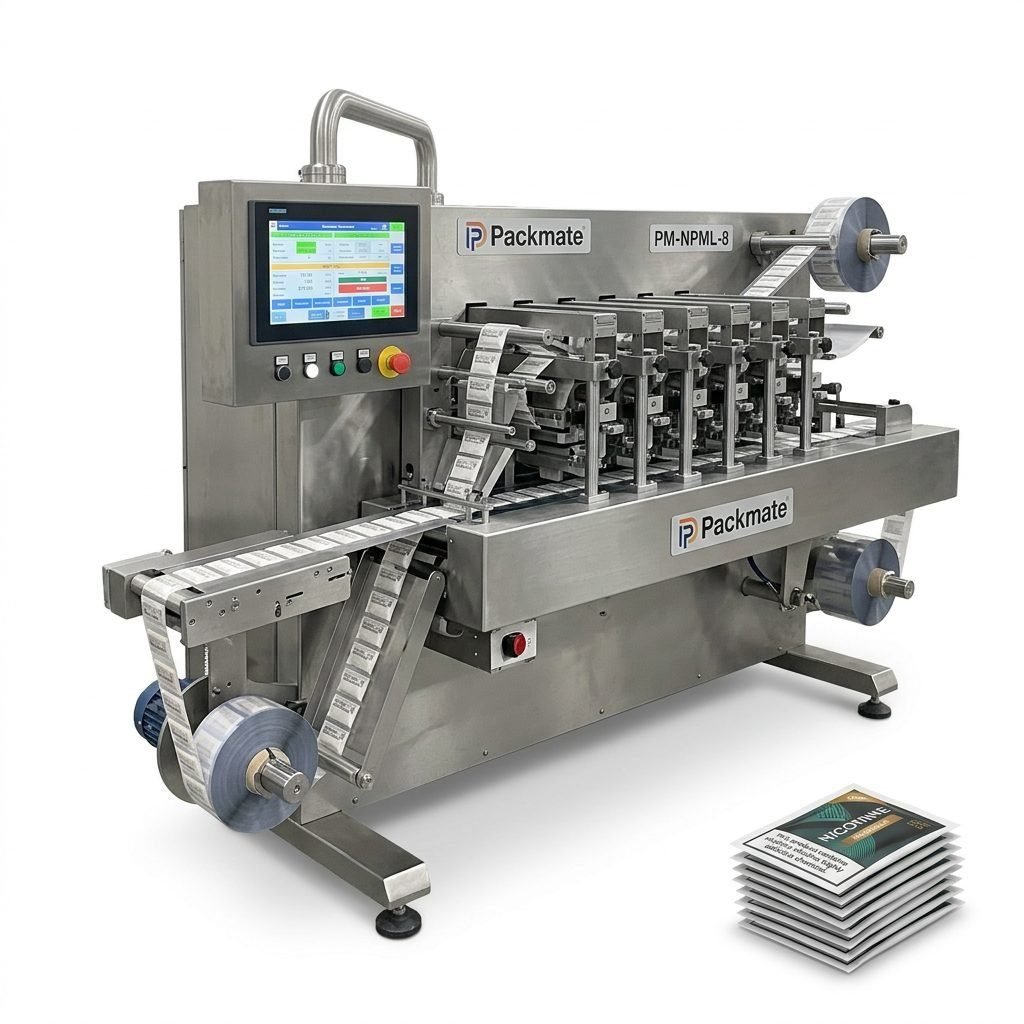
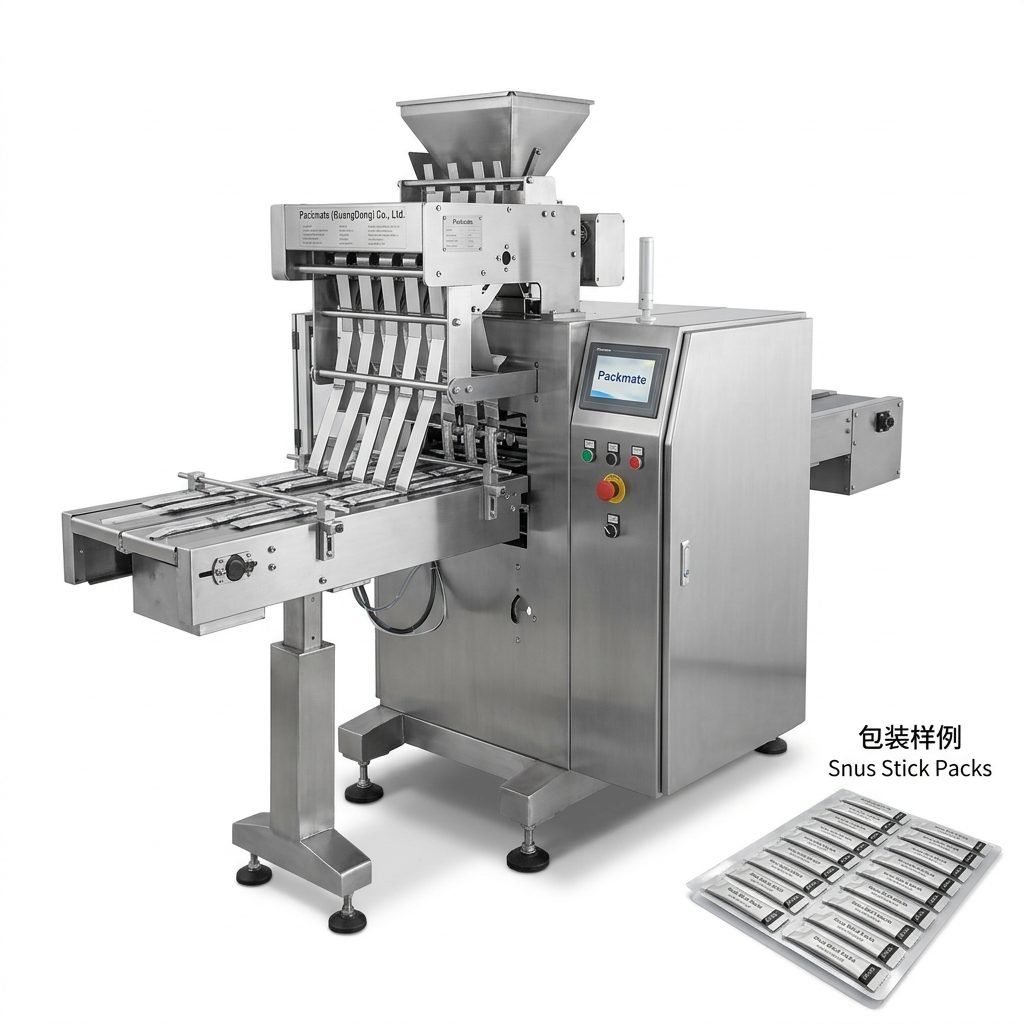
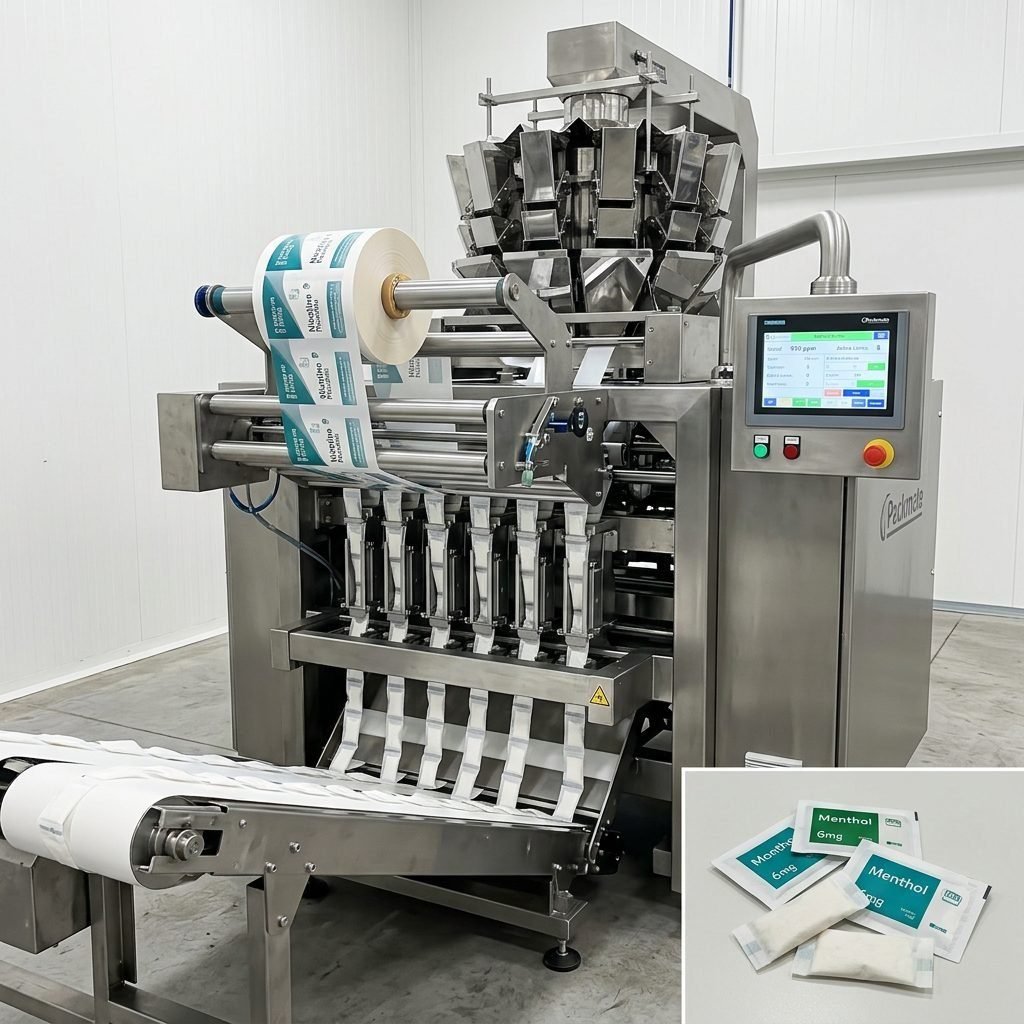
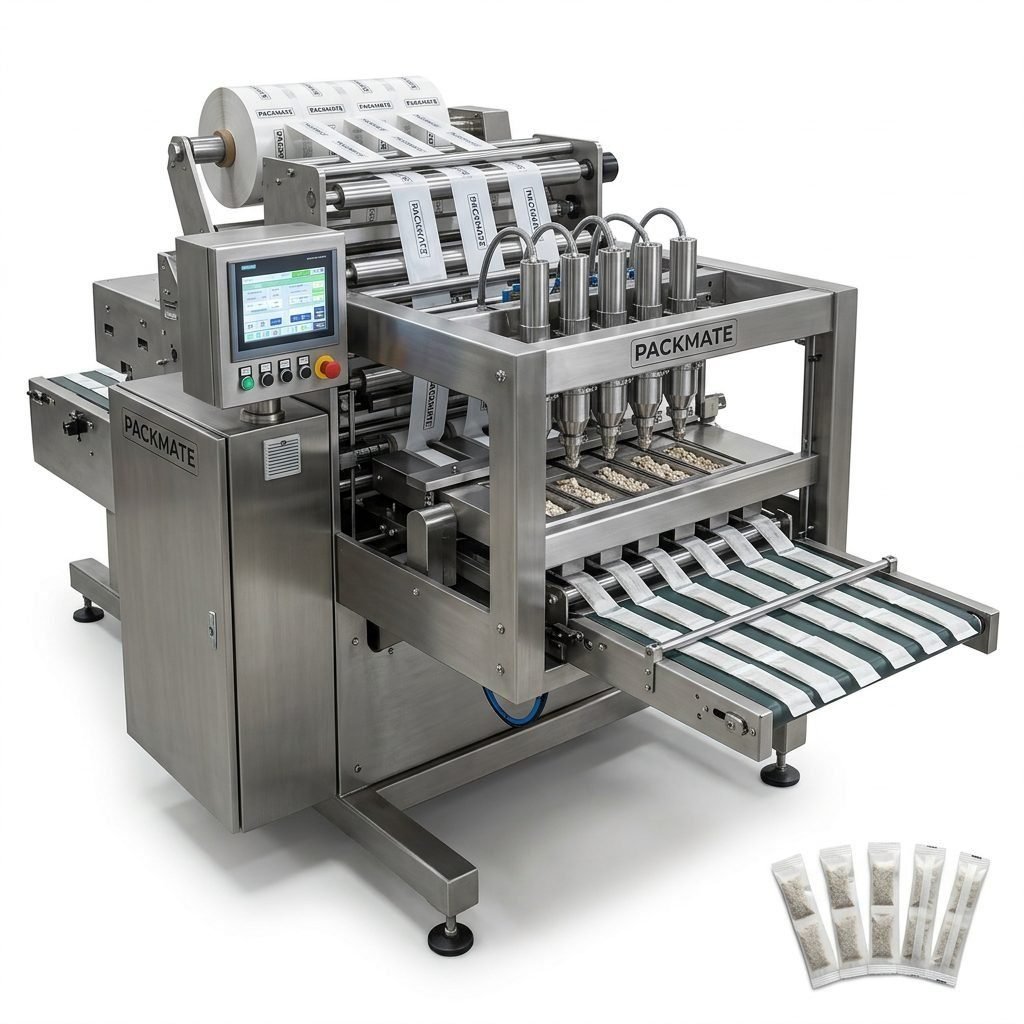
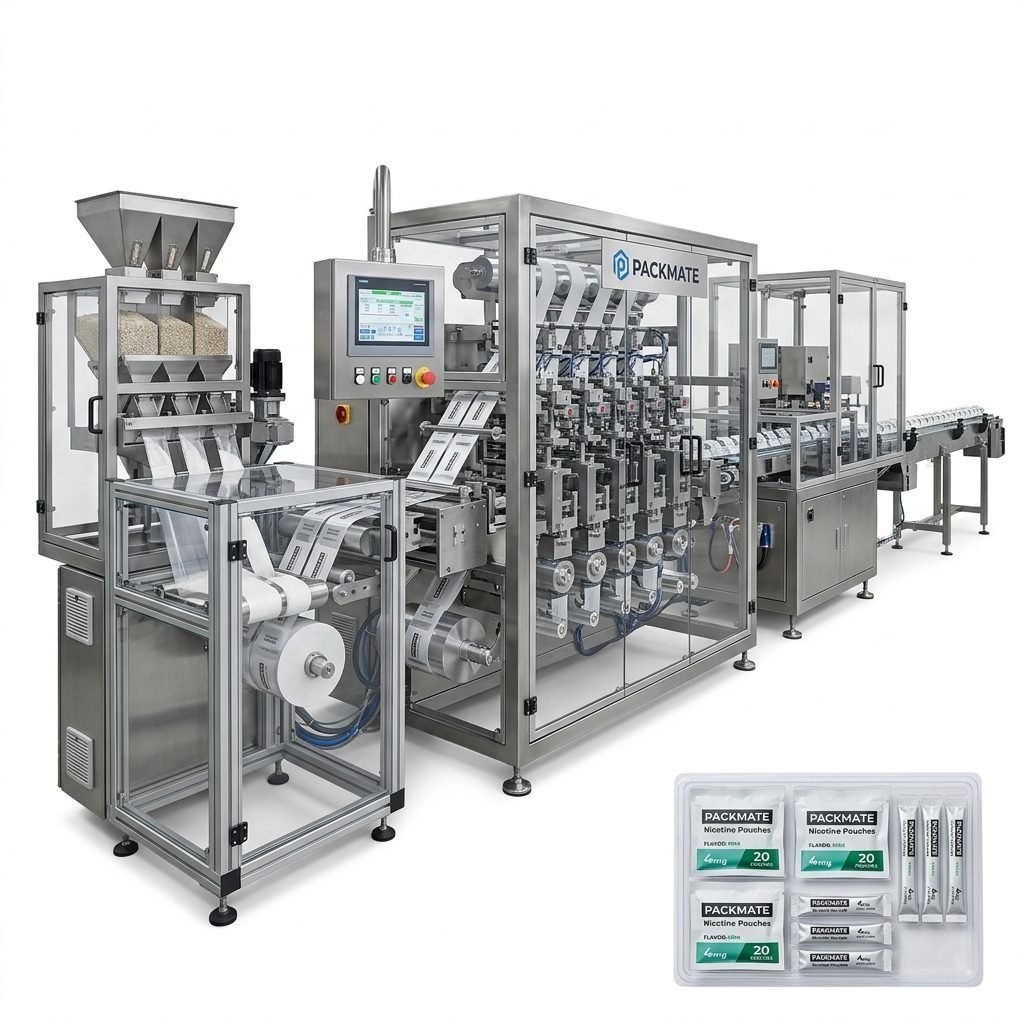
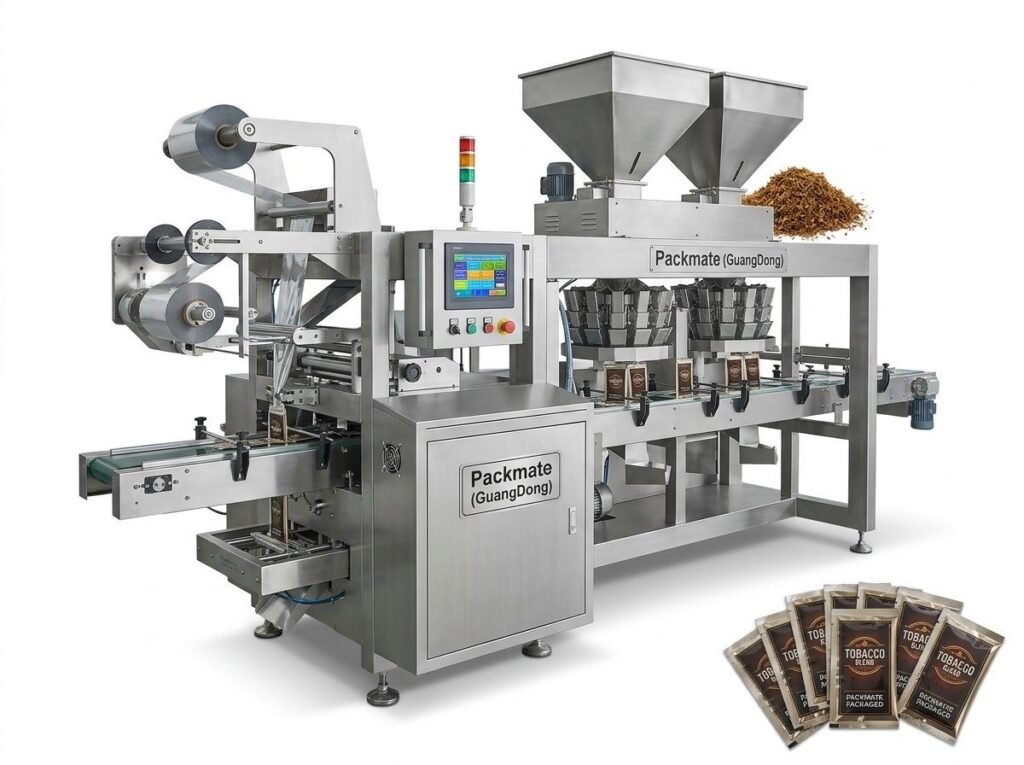
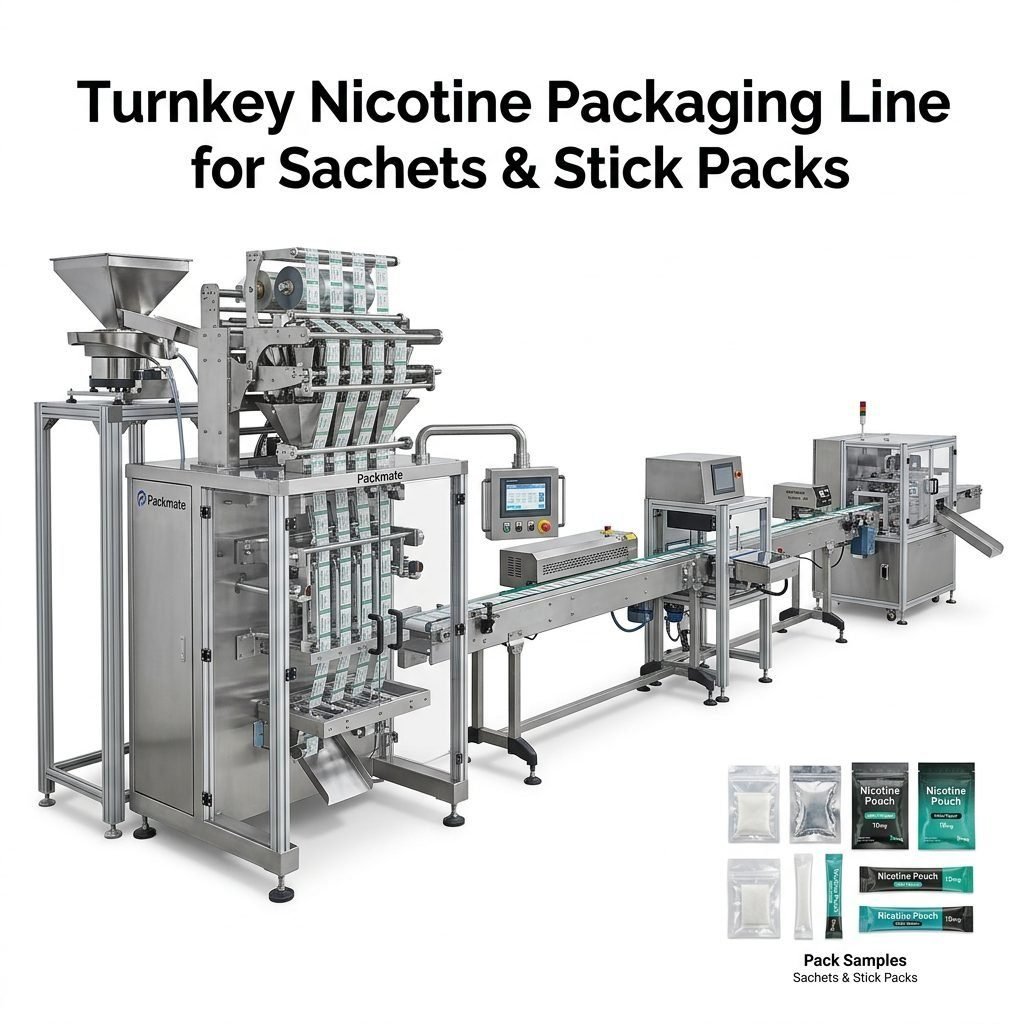
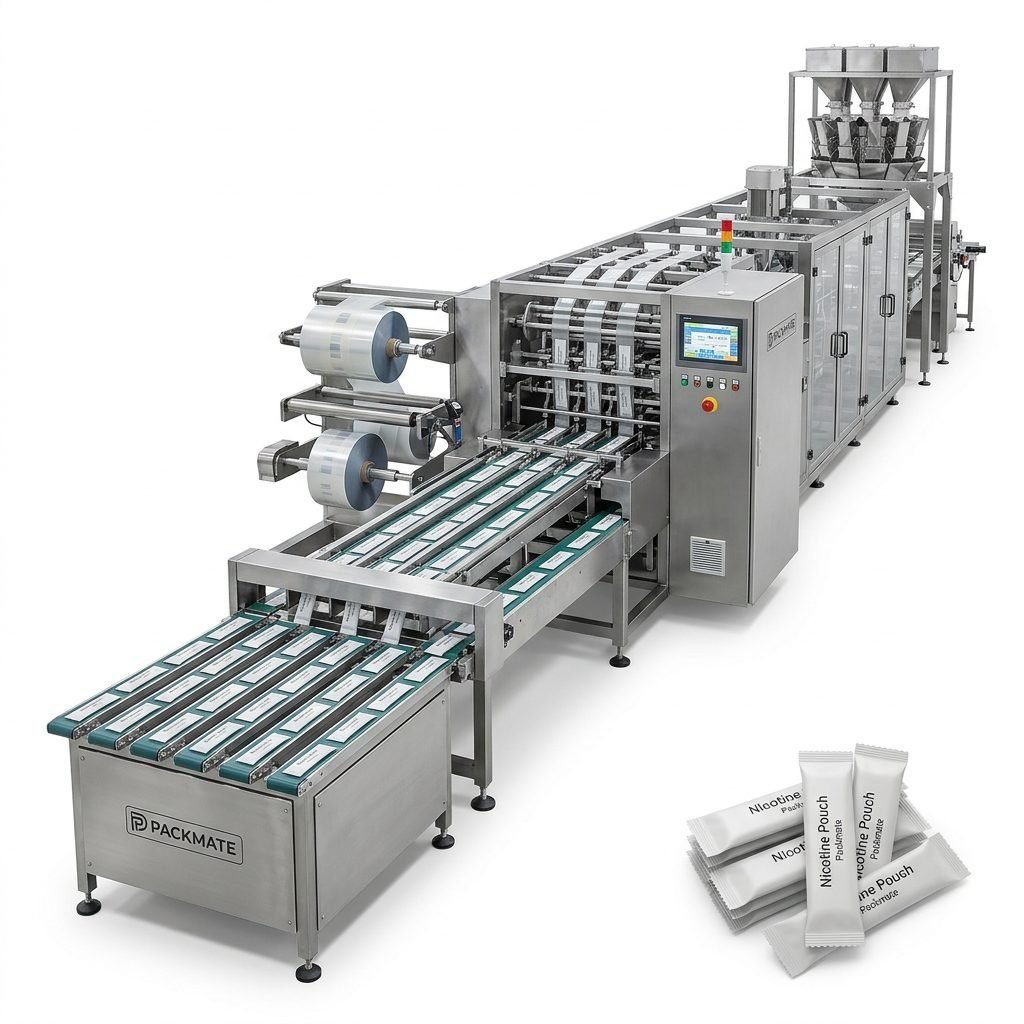
First, define the physical and regulatory profile of your nicotine product. Are you producing nicotine pouches, snus, stick packs, or sachets? Do products contain powders, granules, or liquids? Packaging material, pouch size, barrier requirements, and labeling all determine which machine families are appropriate. For example, dedicated snus and nicotine pouch systems are optimized for small-dose pouches and multi-lane outputs, whereas stick pack or sachet machines suit single-serve formats and flexible materials.
⚙️ Typical Machine Types
Match machine function to product type:
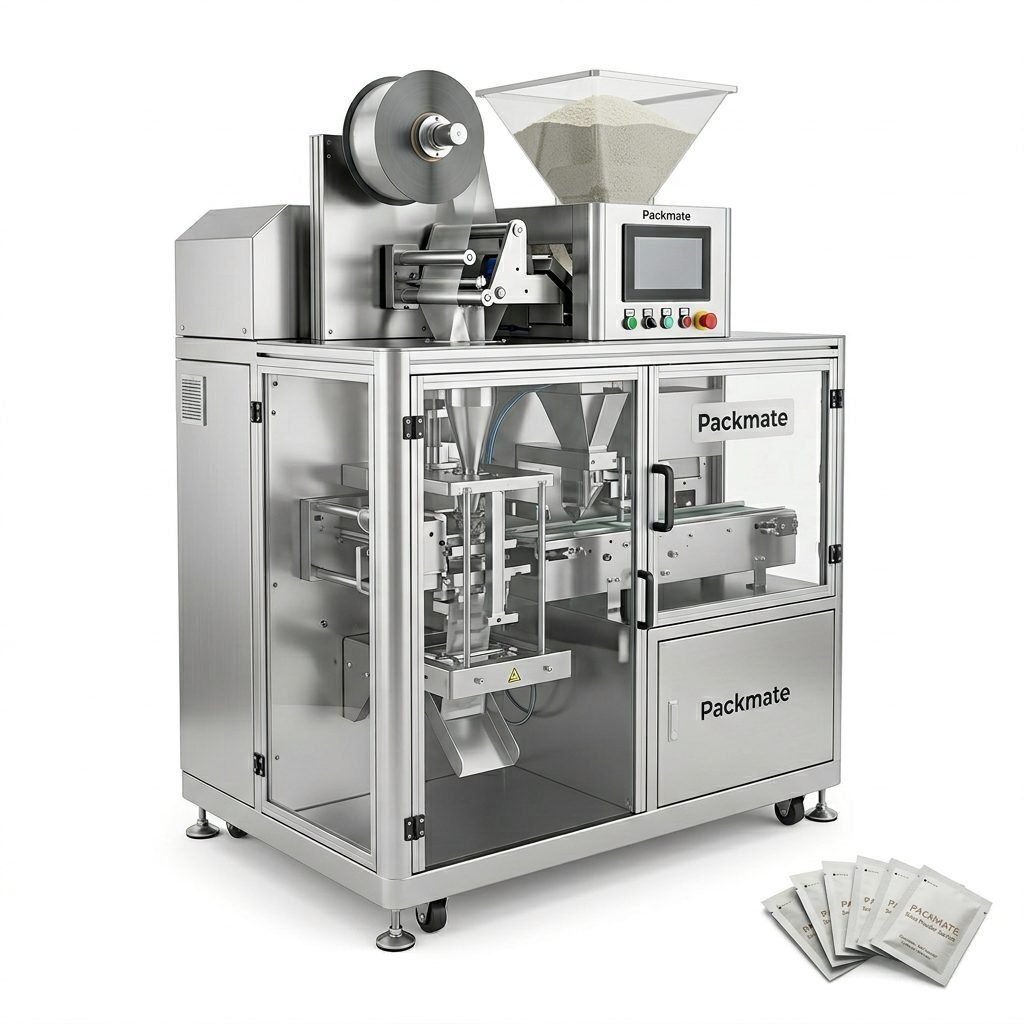
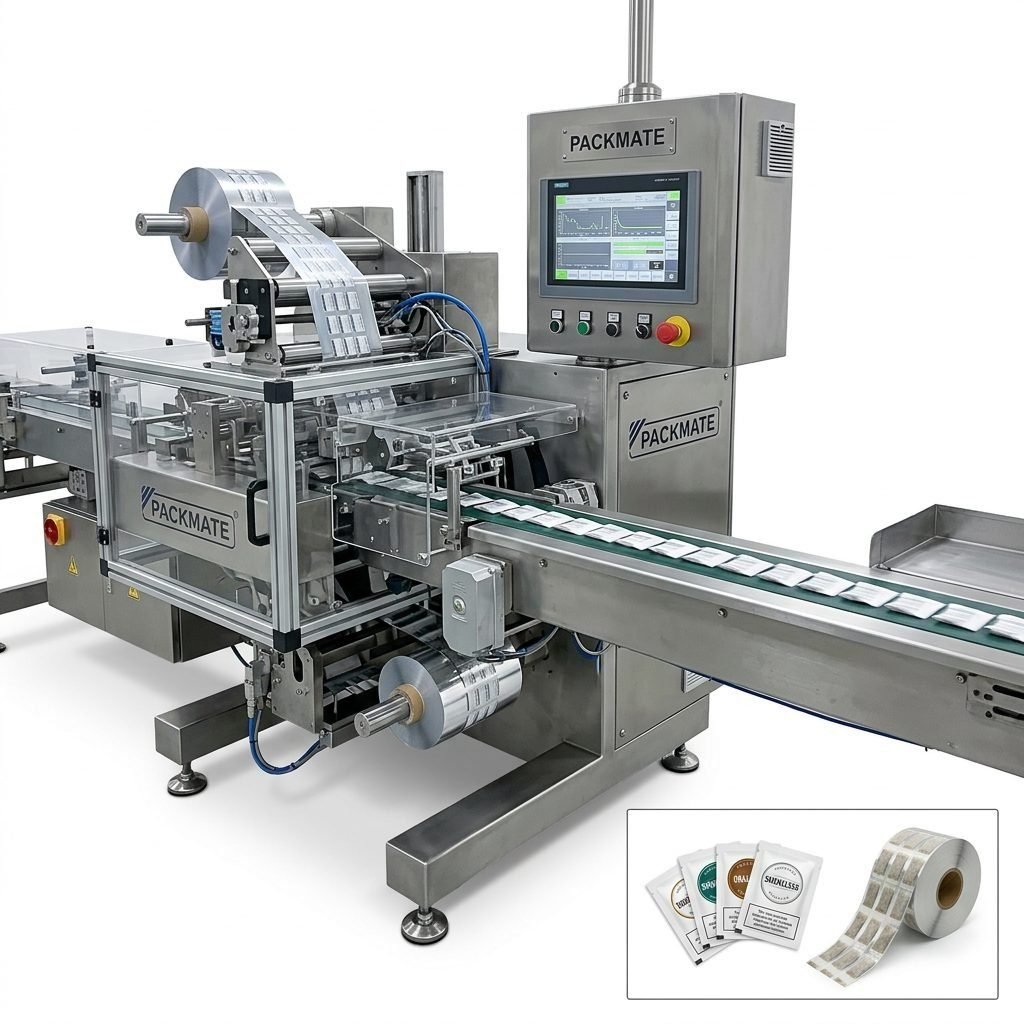
• Snus & Nicotine Pouch Machines — designed for precision low-dose pouching, often multi-lane for high throughput.
• Sachet & Stick Pack Machines — ideal for single-serve stick sachets, efficient for powders and granules.
• Bag & Pouch Packaging Machines — for outer packaging, spout pouches, and retail-ready bags.
• Weighing & Filling Systems — necessary when accurate dosing of nicotine, powder, or granules is required.
📈 Calculate Throughput and Scalability
Evaluate current production targets and the likely growth over the next 3–5 years. Throughput is commonly measured in pouches per minute or packs per hour. Select a machine with headroom—either multi-lane options or modular designs that allow you to add lanes. Over-specifying can waste capital; under-specifying forces expensive upgrades. Consider peak season volumes and batch changeover times when estimating realistic capacity.
✅ Key Capacity Metrics
Focus on validated performance numbers: maximum operating speed, effective throughput with product, changeover duration, and overall equipment effectiveness (OEE). Ask suppliers for case studies or production logs that match your product type.
🧭 Regulatory and Market Considerations in the Marshall Islands
Even though the Marshall Islands have specific domestic rules, international export markets often dictate packaging and labeling compliance. Ensure your machinery supports required child-resistant packaging, tamper-evident features, or specific labeling zones. Ability to print variable data like batch numbers and expiry dates is essential for traceability.
🏭 Build Quality, Reliability, and Local Support
Durable machines reduce downtime and maintenance costs. Look for manufacturers with proven manufacturing capabilities, including advanced CNC machining centers, precision assembly, and robust quality control. Long-term reliability is as important as upfront cost—ask about spare parts availability and average lead times for components.
Tip: Select suppliers who maintain a sizeable parts inventory and have technicians available for remote diagnostics and local service visits.
🔧 After-Sales Service and Training
Comprehensive commissioning and operator training are critical. Confirm the supplier offers:
– On-site installation and validation.
– Operator and maintenance training.
– Remote support and software updates.
– Clear warranty and optional service contracts.
💰 Total Cost of Ownership (TCO) vs. Upfront Price
Upfront machine price is only part of the equation. Calculate TCO including shipping, customs, installation, training, spare parts, consumables, energy consumption, and expected maintenance. A slightly higher initial investment in a more robust machine often reduces long-term costs by minimizing downtime and yield loss.
📦 Layout, Utilities, and Plant Integration
Evaluate the machine footprint, power requirements, compressed air, and utility connections. Ensure the packaging line integrates with upstream and downstream equipment (weighers, dosing systems, outer baggers, cartoners). Modular systems simplify future expansions. Plan ergonomic access for operators and maintenance technicians.
Installation Note: For island operations, confirm vendor experience with international shipping and customs clearance to avoid delays.
🔬 Quality Control and Traceability
Integrate in-line quality checks such as weight verification, seal inspection, and metal detection where required. The ability to capture production data and trace batches back through the process is essential for recalls and regulatory audits. Ensure the machine’s control system supports data logging and export.
🤝 Selecting the Right Supplier: What to Ask
When evaluating vendors, ask for:
– References and case studies for similar nicotine products.
– Factory acceptance test (FAT) procedures and video documentation.
– Delivery timelines and logistics support to the Marshall Islands.
– Spare parts lists and recommended consumables.
– Certifications such as CE or ISO.
📚 Example: Why Choose an Experienced Manufacturer
A manufacturer with decades of engineering experience and a large model range can offer tailored solutions—multi-lane pouch lines, automated weighing, and turnkey integration. Such capabilities reduce customization risks and accelerate ramp-up. Learn more about a comprehensive product range for nicotine packaging: Snus & Nicotine Packaging Machines.
📦 Logistics and Customs for Marshall Islands Deliveries
Importing large machinery to island nations involves additional planning. Verify shipping options, crating standards, and local freight handlers. Confirm whether the supplier offers door-to-site delivery, or if you must coordinate local transport and customs clearance. Ask vendors to provide consolidated documentation for rapid clearance.
🧾 Documentation, Training, and Spare Parts Strategy
Ensure you receive complete electrical and mechanical drawings, spare parts lists, and a recommended spare parts kit. Establish a parts reorder plan and stock critical components locally where possible. Schedule structured training sessions for multiple shifts of operators and maintenance staff.
🔗 Useful Resources & Next Steps
Explore related packaging systems and company information to evaluate suppliers and machine options:
– Multi-function bag and pouch equipment: Bag & Pouch Packaging Machines
– Manufacturer background and capabilities: About Packmate
– Contact for quotations and local logistics: Contact Us
📝 Final Checklist Before Purchase
Final Checklist:
• Confirm product compatibility and packaging material.
• Validate throughput and scalability against real targets.
• Review TCO including shipping and parts.
• Verify service, training, and spare parts strategy.
• Ensure regulatory and traceability features are supported.
🚀 Moving from Evaluation to Deployment
Once you’ve selected a supplier, arrange a Factory Acceptance Test (FAT) or request detailed demonstration videos that show your product being run. Plan the installation timeline and required site preparations. Early engagement between your engineering team and the supplier’s technicians ensures a smooth commissioning phase.
📣 Summary
Choosing the best nicotine packaging machinery in the Marshall Islands requires balancing product requirements, capacity planning, regulatory compliance, and supplier reliability. Prioritize machines that offer modular scalability, proven reliability, and strong after-sales support to minimize risk and maximize production uptime.
❓ Frequently Asked Questions
Q1: How do I decide between multi-lane snus pouch machines and single-lane stick pack machines?
A1: Choose multi-lane snus pouch machines for high-volume, low-dose products where small-format pouches are required. Stick pack machines are suitable for single-serve doses and simpler packaging formats. Consider flexibility, throughput, and product handling requirements.
Q2: What are the main shipping considerations for machinery to the Marshall Islands?
A2: Plan for containerization, secure crating, accurate customs documentation, local handling, and possible transshipment. Confirm whether the supplier can assist with logistics or provide door-to-site service.
Q3: What certifications should I require from a packaging machine supplier?
A3: Request CE and ISO certifications, and any industry-specific compliance documents. Also verify quality control records and factory test reports.
Q4: How quickly can suppliers typically deliver and commission a packaging line?
A4: Delivery depends on customization and current production schedules; standard models may ship faster. Account for 8–16 weeks for manufacturing and additional time for international shipping and installation.
Q5: Where can I view machine case studies or live demonstrations?
A5: Many manufacturers provide case pages and exhibition schedules. For example, you can find real-world examples and events at the supplier’s case and exhibition pages.