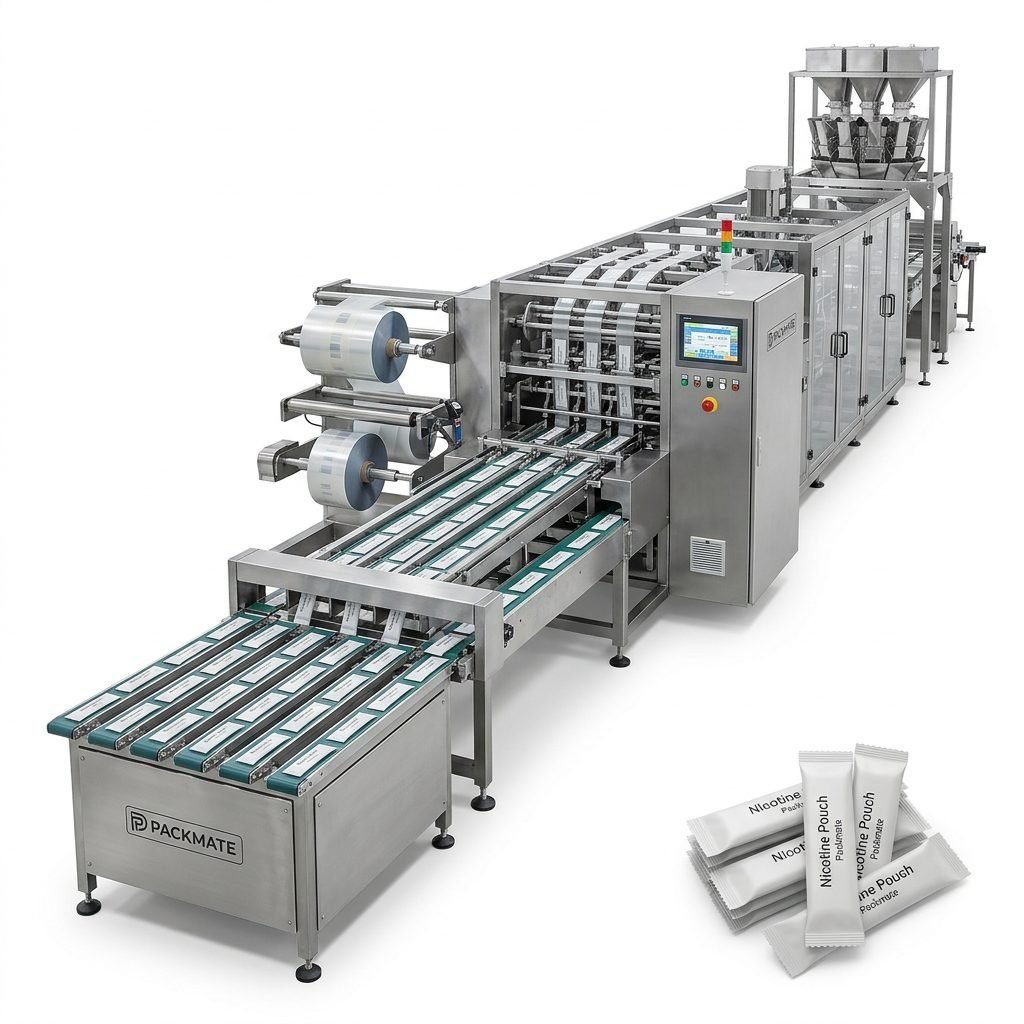
Choosing the right nicotine packaging machinery for your production line in Saudi Arabia involves more than picking a price — it requires understanding regulatory requirements, production targets, material compatibility, and long-term service commitments. This guide walks you through practical, industry-proven steps to select high-performance snus and nicotine pouch packaging systems that maximize uptime, ensure compliance, and deliver predictable returns on investment.
Understand the Saudi Market and Regulatory Context
Saudi Arabia’s tobacco and nicotine-related product policies and labeling requirements are evolving. Before investing in machinery, confirm local regulatory rules for nicotine pouch composition, product labeling, and packaging tamper-evidence. Work with legal advisors and local import partners to ensure your production process and materials comply with regional standards.
Key Machine Types and When to Use Them
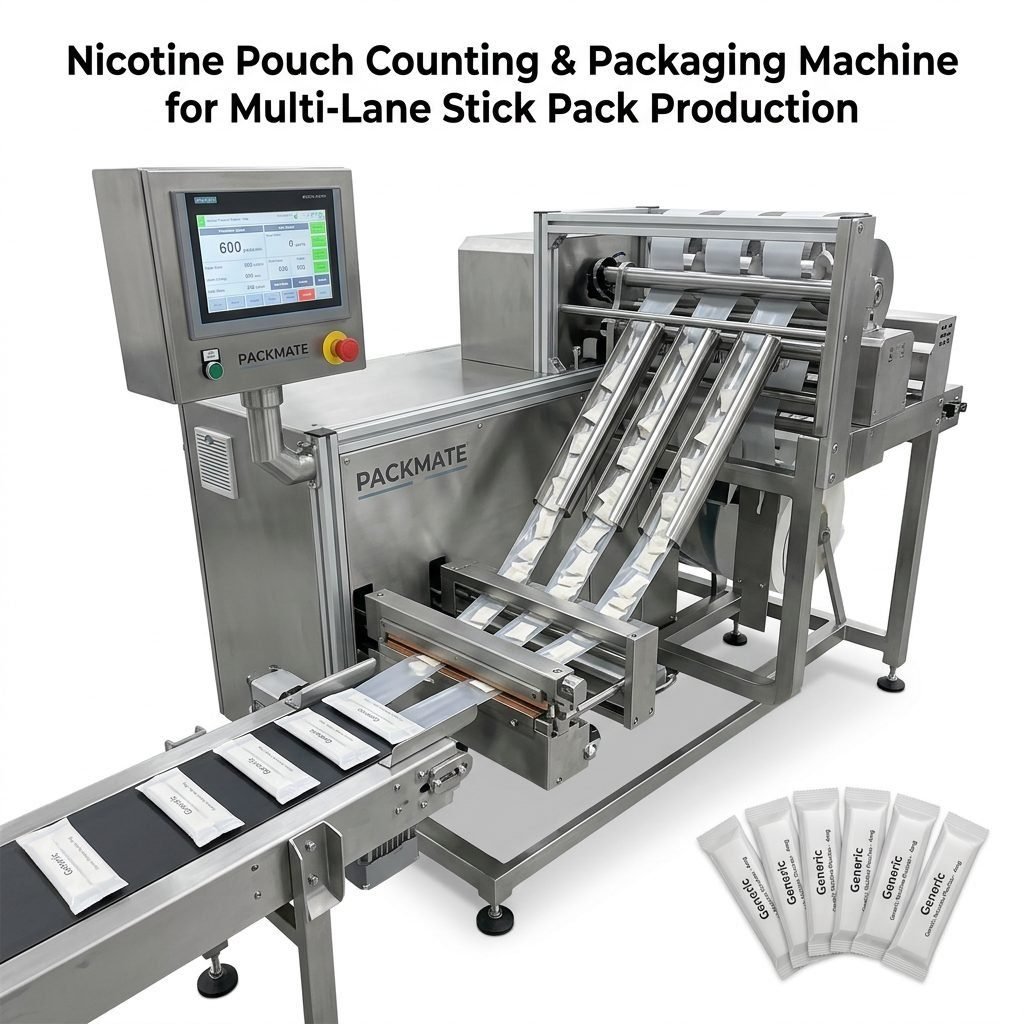
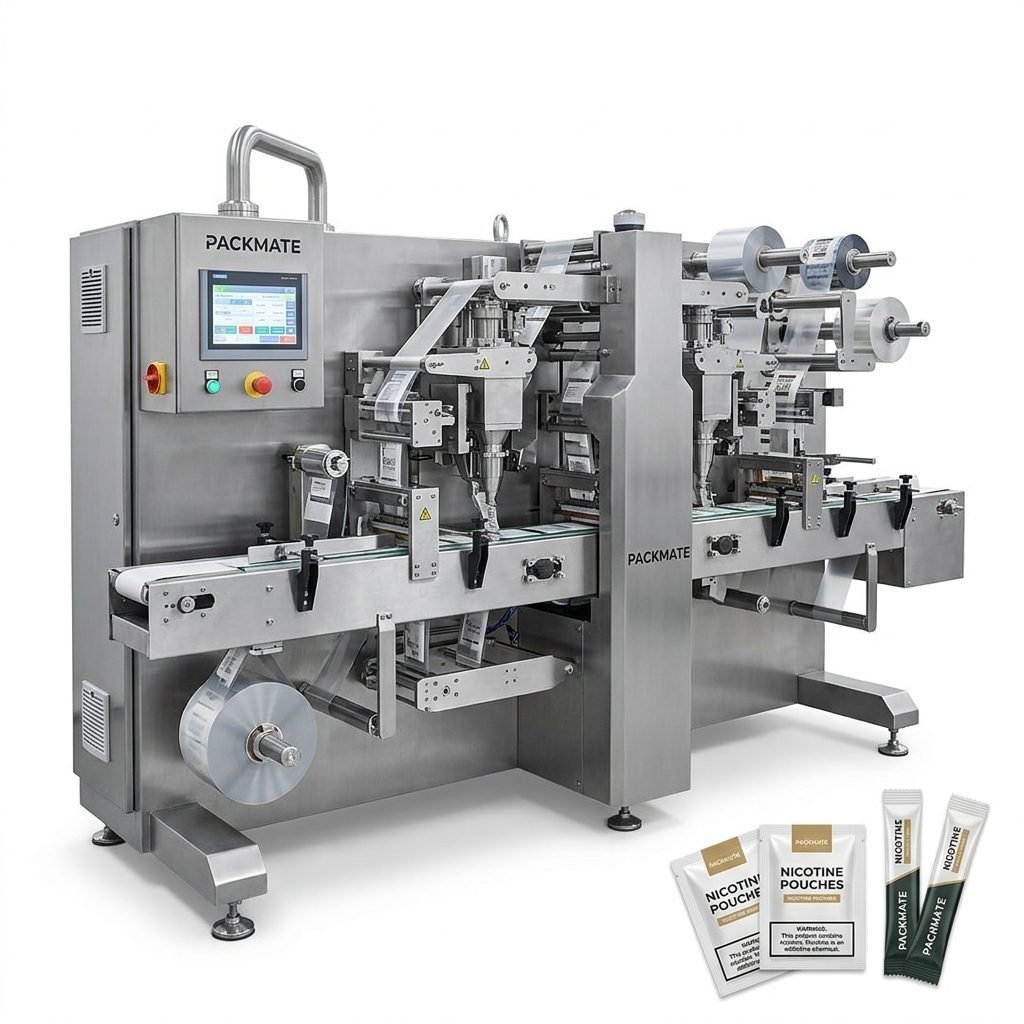
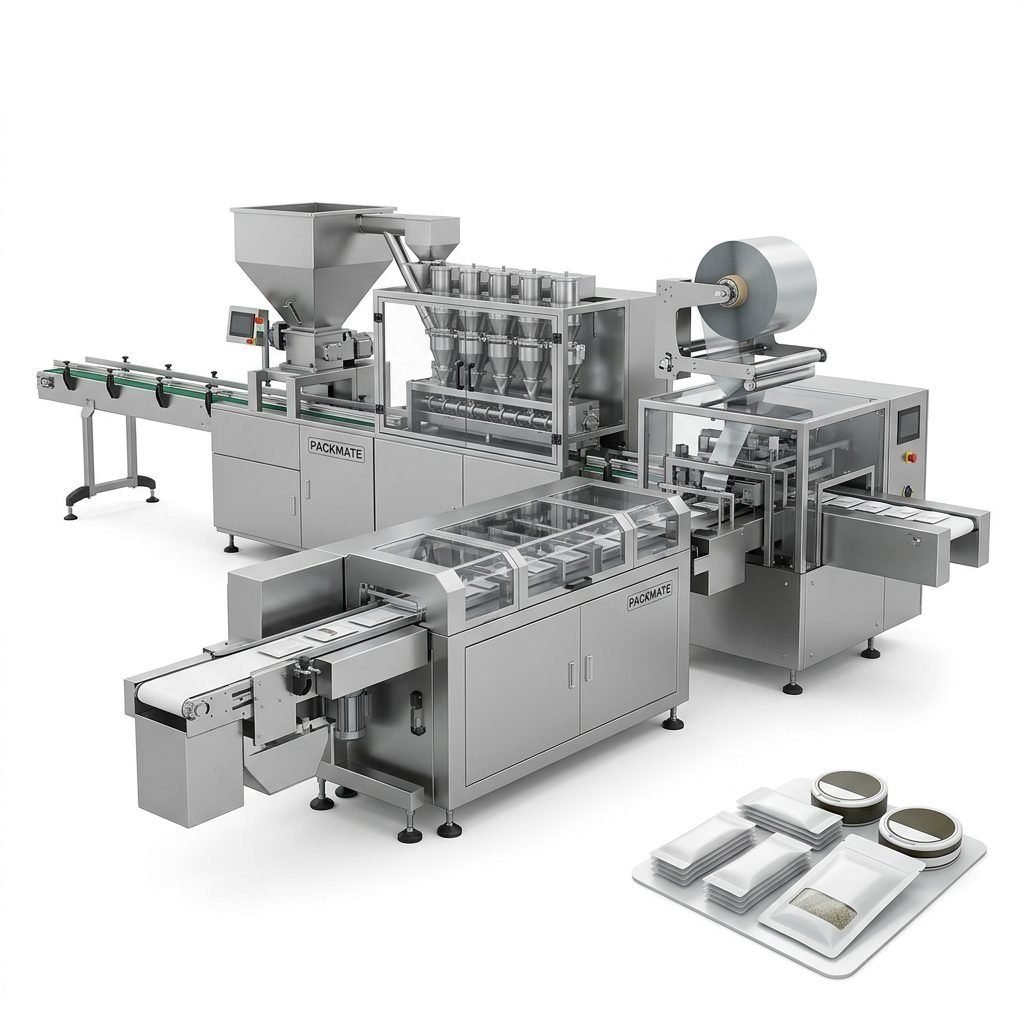
Different packaging formats suit different product strategies and production volumes. Common equipment used in nicotine pouch production includes:
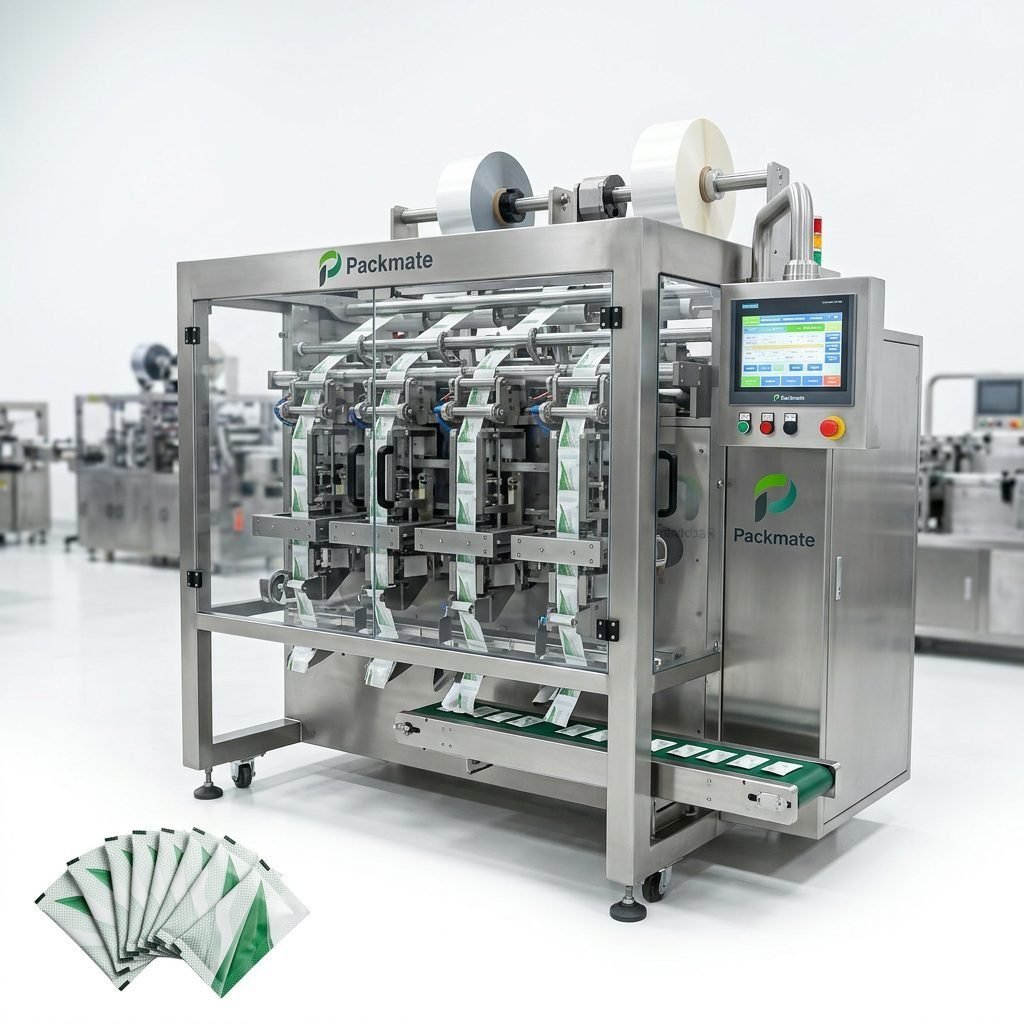
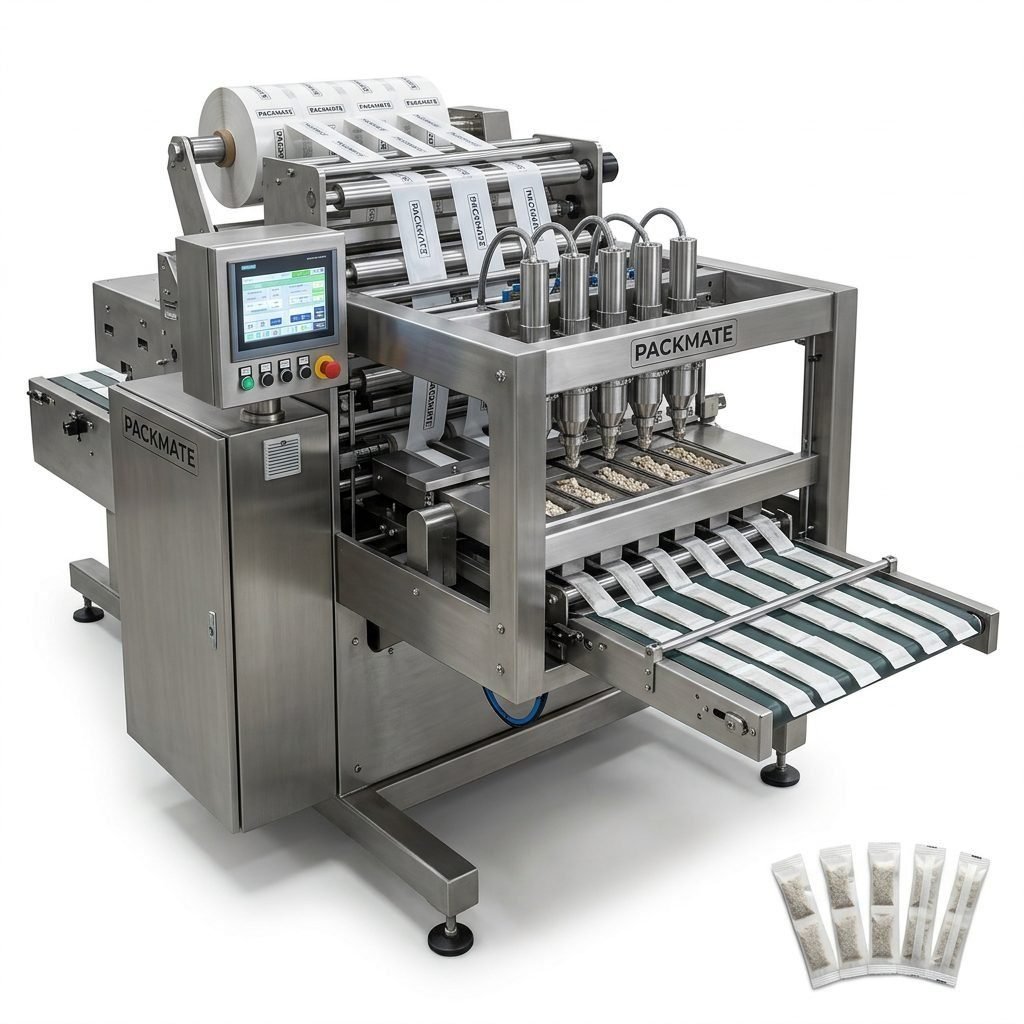
- Stick pack machines — ideal for single-dose, retail-friendly stick formats.
- Sachet and pillow pack machines — flexible for various weights and shapes.
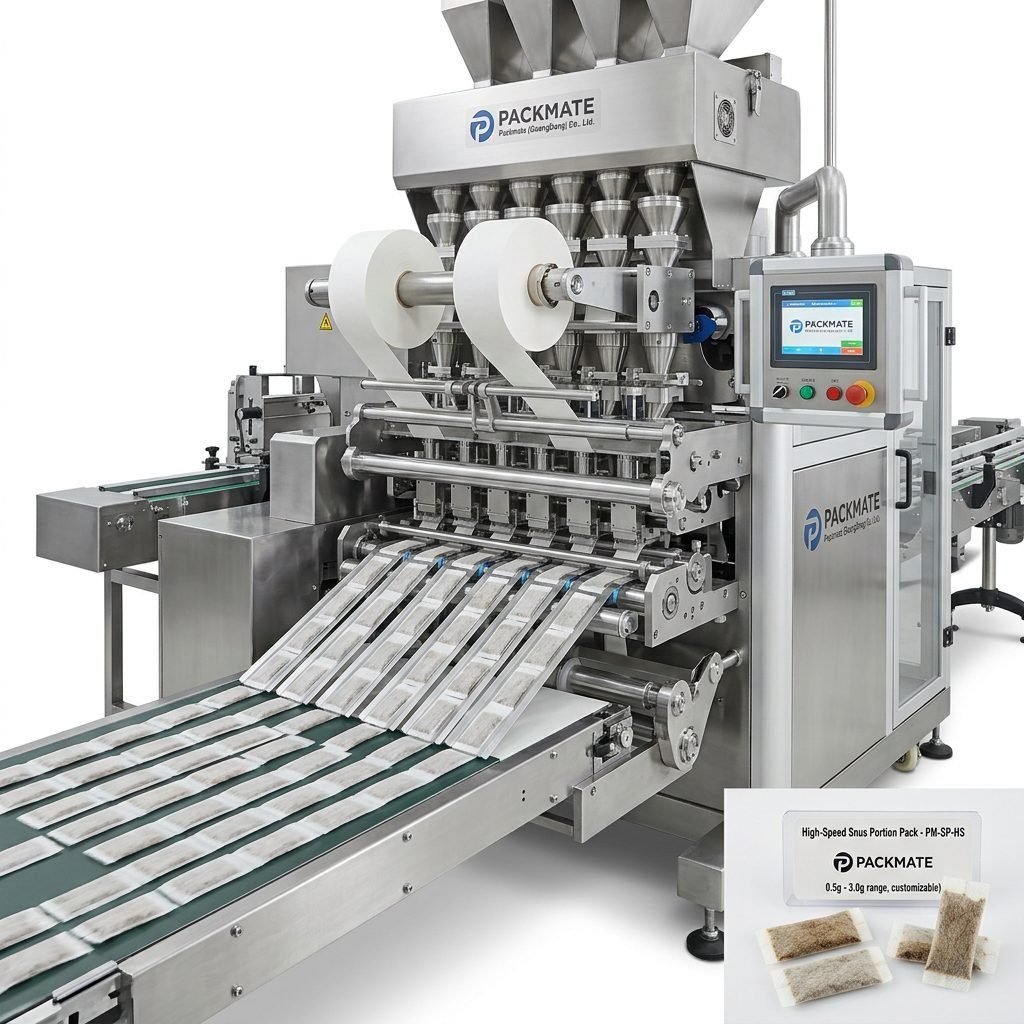
- Multi-lane snus pouch machines — designed for high throughput small-dose pouches with consistent quality.
- Supplementary filling & weighing systems — for accurate dosing of powders or granules.
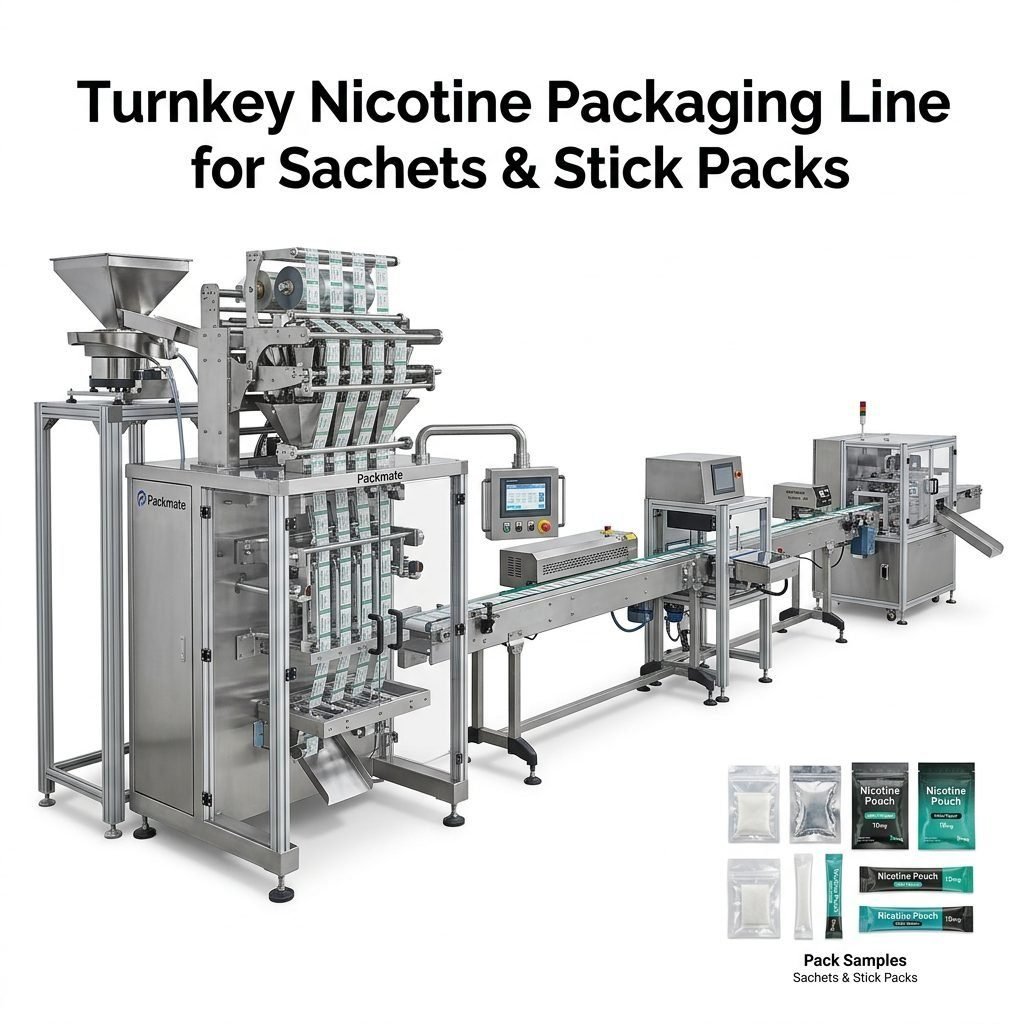
For a complete product line solution, consider integrated filling, weighing, and packing systems to reduce manual handling and improve hygiene.
Resources:
Explore real product lines and modular equipment options from specialized manufacturers:
Snus & Nicotine Packaging Machines,
Sachet & Stick Pack Machines, and
Filling & Packaging Lines.
Capacity, Speed and Throughput Calculations
Define your targeted output in finished units per shift/day. Match the machine’s nominal speed to realistic net production (allowing for downtime, changeovers, and maintenance). For nicotine pouches, multi-lane machines often offer the best throughput per footprint when producing small-dose pouches.
Technical Features to Prioritize
When evaluating suppliers and models, focus on the following attributes:
- Precision dosing and weighing — critical for nicotine dosage control and regulatory compliance.
- Servo-driven multi-lane systems — for accurate synchronization, reduced mechanical wear, and easier format changes.
- Flexible pouch forming and sealing capability — supports different laminates, barrier films, and reclose options.
- User-friendly HMI and PLC control — reduces operator errors and shortens training time.
- Auto-changeover tooling and quick-clean design — reduce downtime between batches.
- Sanitary design and easy-to-clean components for powder and moisture-sensitive products.
Assess Manufacturer Credibility and Factory Strength
A strong supplier should demonstrate production capacity, R&D depth, and consistent quality assurance. Look for:
- 30+ years of engineering experience or a proven track record in packaging machinery.
- Large factory footprint, advanced CNC machining, and precision assembly lines.
- Multiple machine models and turnkey line design capabilities.
- CE, ISO or equivalent certifications ensuring international quality and safety standards.
For example, manufacturers with a 20,000㎡ factory and a broad model portfolio typically manage customization, spare parts, and technical upgrades more reliably.
Service, Spare Parts and Local Support in Saudi Arabia
Local technical support and availability of spare parts reduce downtime and shipping delays. Confirm the supplier’s after-sales package:
- Warranty terms, remote diagnostics, and preventive maintenance plans.
- Training programs for operators and maintenance teams.
- Quick access to critical spare parts with clear lead times.
- Field engineering services for installation and commissioning.
Customization, Line Integration and Turnkey Solutions
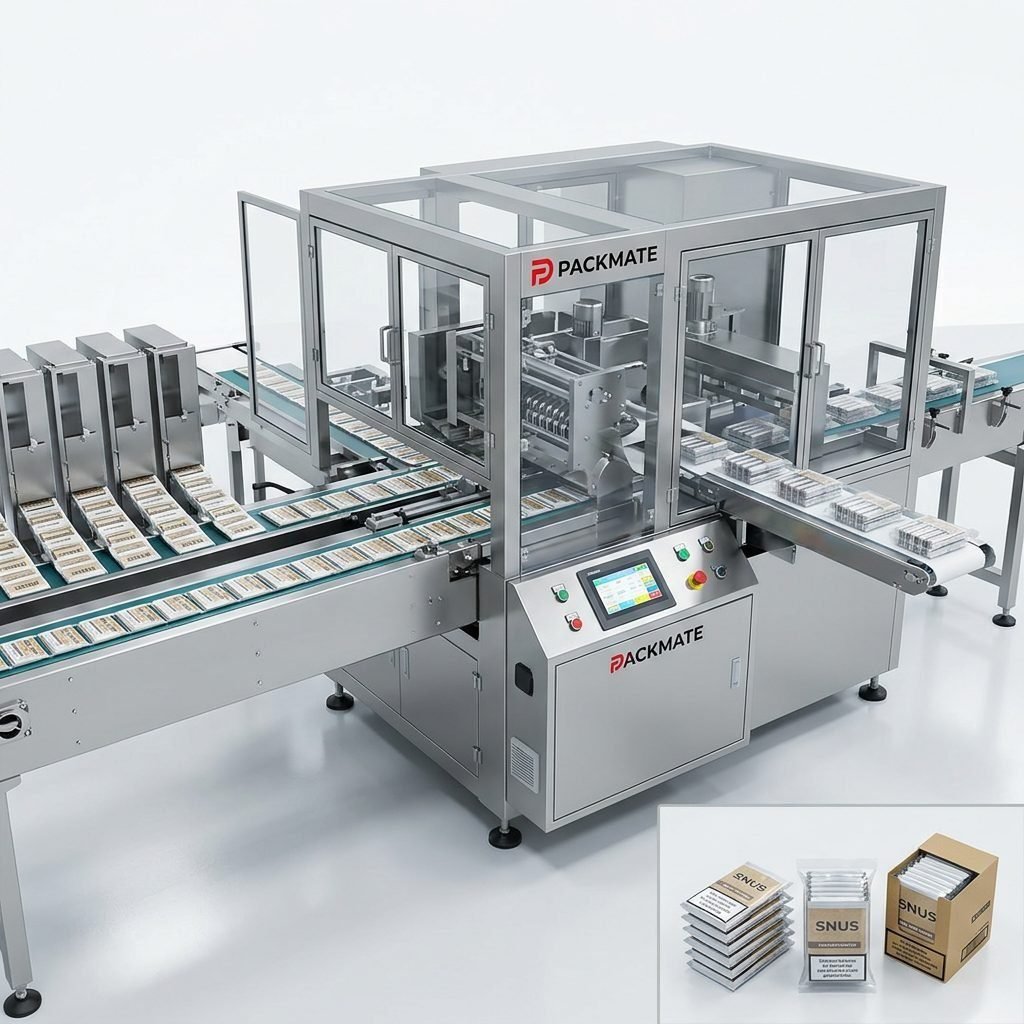
If you plan to scale or run multiple SKUs, request a turnkey package that integrates filling, weighing, pouch forming, sealing, and end-of-line packaging. Turnkey providers also help with layout optimization, utilities sizing, and automation integration.
Refer to modular product lines for inspiration:
Weighing & Packaging Systems and
Auxiliary Packaging Equipment.
Factory Acceptance Tests (FAT) and Site Acceptance Tests (SAT)
Demand detailed FAT documentation and witness the machine running with your materials where possible. FAT should include speed verification, dosing accuracy, seal integrity, puncture and drop tests, and cycle counts. After shipment, SAT must confirm installation, utilities, and performance under your environmental conditions.
Total Cost of Ownership and ROI Considerations
Initial equipment price is only part of the investment. Model your ROI with:
- Capital cost amortization
- Energy and consumables (film, glue, sealing materials)
- Maintenance labor and spare parts
- Yield losses and scrap
- Downtime impact on revenue
Evaluating References and Case Studies
Ask suppliers for case studies that demonstrate performance on similar products. Prefer vendors who exhibit at international trade shows and publish detailed project examples. See documented cases and exhibition presence here:
Case and
Our Exhibition.
Procurement Checklist — Step-by-Step
Follow this structured approach to reduce risk and ensure the machine meets expectations:
- Define product specs, SKU mix, target throughput, and acceptable downtime.
- Shortlist 3–5 vendors with relevant nicotine/snux experience.
- Request quotations with detailed technical sheets, power/air requirements, and spare-part lists.
- Schedule FATs and demand material-based testing.
- Clarify delivery, installation, training, warranty, and spare-part lead times.
- Plan for SAT, ramp-up support, and performance acceptance criteria linked to payment milestones.
Supplier Example
Manufacturers that combine decades of experience, a wide machine portfolio, advanced CNC production, and global turnkey services typically deliver the most reliable outcomes. Learn more about credible suppliers and their company background:
About Packmate and
Certificate.
Installation, Commissioning and Training
Plan a realistic ramp timeline that includes mechanical alignment, electrical hookup, HMI configuration, and sample production runs. Ensure operator and maintenance training are included in the contract with clear KPIs for production acceptance.
Sustainability and Energy Efficiency
Energy-efficient servo drives, smart standby modes, and optimized film utilization reduce long-term operating costs. Consider machine designs that minimize packaging material waste and are compatible with recyclable or mono-material films.
Final Selection — Decision Matrix
Use a weighted decision matrix that scores suppliers across technical fit, factory strength, service capability, price, and lead time. Assign weights that reflect your business priorities — for high-volume nicotine pouch production, performance and service should weigh highest.
Next Steps and Resources
When you are ready to request proposals, prepare a concise RFP package with product specs, target outputs, acceptable materials, desired automation level, and FAT/SAT expectations. For turnkey projects, consult product catalogs and service pages for complete offerings:
Catalog and
Service.
Quick Checklist (Icon Guide)
🔍 Regulatory fit — ensure labeling and dose compliance.
⚙️ Technical fit — dosing accuracy, multi-lane options, and film compatibility.
📦 Service fit — spare parts, local support, and training.
💰 Cost fit — TCO modeling and ROI clarity.
Frequently Asked Questions
Q1: How do I know whether to choose single-lane or multi-lane machines?
A1: If your product is small-dose pouches and you require high throughput in a compact footprint, multi-lane systems usually provide the best throughput-per-square-meter. Single-lane or stick pack systems work well for low-to-medium volumes and niche formats.
Q2: What certifications should the machinery have for Saudi Arabia?
A2: Look for CE and ISO standards for machine safety and quality. Also confirm compliance with any local electrical and safety standards; a reputable supplier will provide documentation and support for customs and regulatory checks.
Q3: How important is a FAT before shipment?
A3: FAT is essential. It verifies performance with your materials, confirms dosing accuracy and sealing integrity, and minimizes surprises during installation. Always insist on witnessed FATs and clear acceptance criteria.
Q4: What is a realistic lead time from order to commissioning?
A4: Lead times vary by customization level and spare-part availability; typical delivery can range from 12 to 26 weeks. For turnkey projects or heavy customization, allow extra time for engineering and FAT scheduling.
Q5: Can I scale a line later without replacing the entire machine?
A5: Many modern systems are modular. Choose suppliers offering lane-expansion kits, software upgrades, and modular auxiliary systems so you can scale throughput without full replacement.