Finding a trustworthy snus packaging machinery supplier for the Seychelles market requires more than price shopping — it demands industry insight, regulatory awareness, and a partner who can deliver machines built for tropical climates and small-batch distribution channels. This guide walks you step-by-step through evaluating suppliers, drafting clear RFQs, handling logistics to Mahé, and securing after-sales support so your nicotine pouch or snus production line runs reliably in the islands.
Why choosing a reliable supplier matters
In a compact market like the Seychelles, production mistakes or equipment downtime can be costly. You need a supplier who delivers steady quality, timely spare parts, and remote support. A well-chosen supplier reduces:
• Production delays and rework risk
• Unexpected import or compliance headaches
• Long-term maintenance costs through better-built machines
Key idea:
A trusted packaging partner brings engineering depth, local regulatory awareness, and consistent spare parts supply — essential for island operations.
Understand Seychelles market & local customs
The Seychelles is a small, tourism-driven economy with unique distribution patterns:
- Population concentrated on a few islands (Mahé, Praslin, La Digue) — distribution often targets resorts, duty-free shops, and small retailers.
- Official languages include English, French and Seychellois Creole — packaging and labeling should consider bilingual text and clear pictograms for diverse tourists.
- High humidity and heat — packaging materials and machine settings must account for moisture control to protect snus and nicotine pouches.
- Regulatory environment — nicotine product rules can be strict; confirm local import permissions, health warnings, and taxation for tobacco or nicotine items.
Practical implications for machinery
Machines should support moisture-resistant seals, flexible batch sizes for seasonal demand, and compact footprints for limited factory space. Suppliers with tropical climate experience can advise on desiccant packaging lines, modified atmosphere options, and robust electrical protections against humidity.
Top criteria to evaluate snus packaging machinery suppliers
When selecting a supplier, rank them on these measurable factors:
1. Industry experience and portfolio
Look for suppliers with proven snus and nicotine pouch experience. A company with 20+ years of packaging machine design and multiple machine models is preferable — they can adapt technology for small-dose pouches, stick packs, sachets and multi-lane formats.
2. Factory capability and certifications
Verify factory size, CNC capabilities, and quality systems. International certifications such as CE and ISO signal compliance with global safety and manufacturing standards. Ask for photos, factory tour videos, or invite a third-party audit.
3. Customization & turnkey solutions
Seychelles customers often need tailored lines for small production volumes and special packaging. Confirm if the supplier provides turnkey solutions including weighing, filling, sealing, and secondary packaging, and if they can customize lane counts, pouch sizes, and labeling.
4. After-sales service and spare parts
Ask about typical lead times for spare parts, remote diagnostics, on-site commissioning packages, and training. Fast spare-part shipping to the Indian Ocean region reduces production risk — suppliers with global spare networks or regional partners are advantageous.
5. Demonstrated export & shipping experience
Shipping to Seychelles involves ocean freight to Mahé and handling at local ports. Suppliers experienced in export packing, container stuffing, and relevant documentation will simplify customs clearance and minimize damage in transit.
Quick check:
Request CE/ISO certificates, factory photos, a list of installed references, and exported machines to island or remote locations.
How to verify supplier claims — practical steps
Verifying claims reduces risk. Use these steps:
- Ask for machine performance videos and full production run clips demonstrating snus/nicotine pouch sealing and speed.
- Request client references, especially those exported to island or remote markets, and follow up with short calls.
- Confirm certifications and request recent inspection/test reports.
- Schedule a live demo visit if possible — or a virtual factory tour. Many suppliers stream live machine demos at exhibitions or online.
Supplier documents to request
• Machine technical sheet (power, air consumption, dimensions)
• Packing list and export packing photos
• Spare parts recommended kit and lead times
• Installation and operation manuals, electrical diagrams
Drafting a clear RFQ for snus packaging lines
A precise Request For Quotation (RFQ) speeds up accurate offers. Include:
• Product type & weight per pouch (e.g., nicotine pouch 0.5g – 1.2g)
• Desired packaging format (pouch, snus tin, stick pack, sachet)
• Daily/weekly production target (pouches/hour or kg/day)
• Packaging materials (laminate structure, thickness) including tropical-grade options
• Required machines (filling, sealing, multi-lane pouch machines, x-ray/checkweigher)
• Electrical standards available in Seychelles (confirm voltage/frequency)
• Preferred incoterm and delivery port (e.g., CIF Port Victoria, Mahé)
• After-sales requirements (installation, training, spare parts list)
Negotiation tips and contract essentials
Focus your negotiation on value, not just price:
- Ask for clear warranty terms (duration, coverage, response times).
- Negotiate spare parts kits and a first-year parts discount into the contract.
- Include acceptance tests: FAT (Factory Acceptance Test) video and SAT (Site Acceptance Test) criteria.
- Define training scope for operators and technicians, and whether training will be remote or on-site.
- Agree on escalation process for technical failures and SLA response times.
Shipping, customs and local delivery to Seychelles
Plan logistics carefully for island delivery:
Documentation & packing
Ensure complete export documents: commercial invoice, packing list, bill of lading, certificates of origin, and any compliance documents for nicotine-related equipment. Robust export packing protects sensitive machine parts during ocean transit.
Choose the right Incoterm
For first installations, consider Delivered Duty Paid (DDP) or CIF to Port Victoria to minimize local clearance hassles. Confirm local customs brokerage experience and port handling for heavy machinery.
Installation, commissioning and training
A well-planned commissioning avoids months of inefficiency:
- Define a commissioning schedule before shipment.
- Agree on required local infrastructure: power supply, compressed air, drainage, foundation specs.
- Arrange operator and maintenance training: basic troubleshooting, preventive maintenance, and sanitation routines.
- Document machine settings for Seychelles climate (humidity control, sealing temperature ranges).
Pro tip:
Request remote-access support and PLC parameter notes so engineers can assist quickly when you encounter production variances.
Maintenance strategy for island operations
In Seychelles you might face longer lead times for parts. Adopt a preventive maintenance plan:
- Stock a basic spare parts kit locally: seals, heaters, belts, sensors, bearings.
- Implement routine cleaning and humidity control measures to prevent corrosion.
- Schedule remote maintenance checks monthly for the first year.
Why Packmate Snus Machine is worth considering
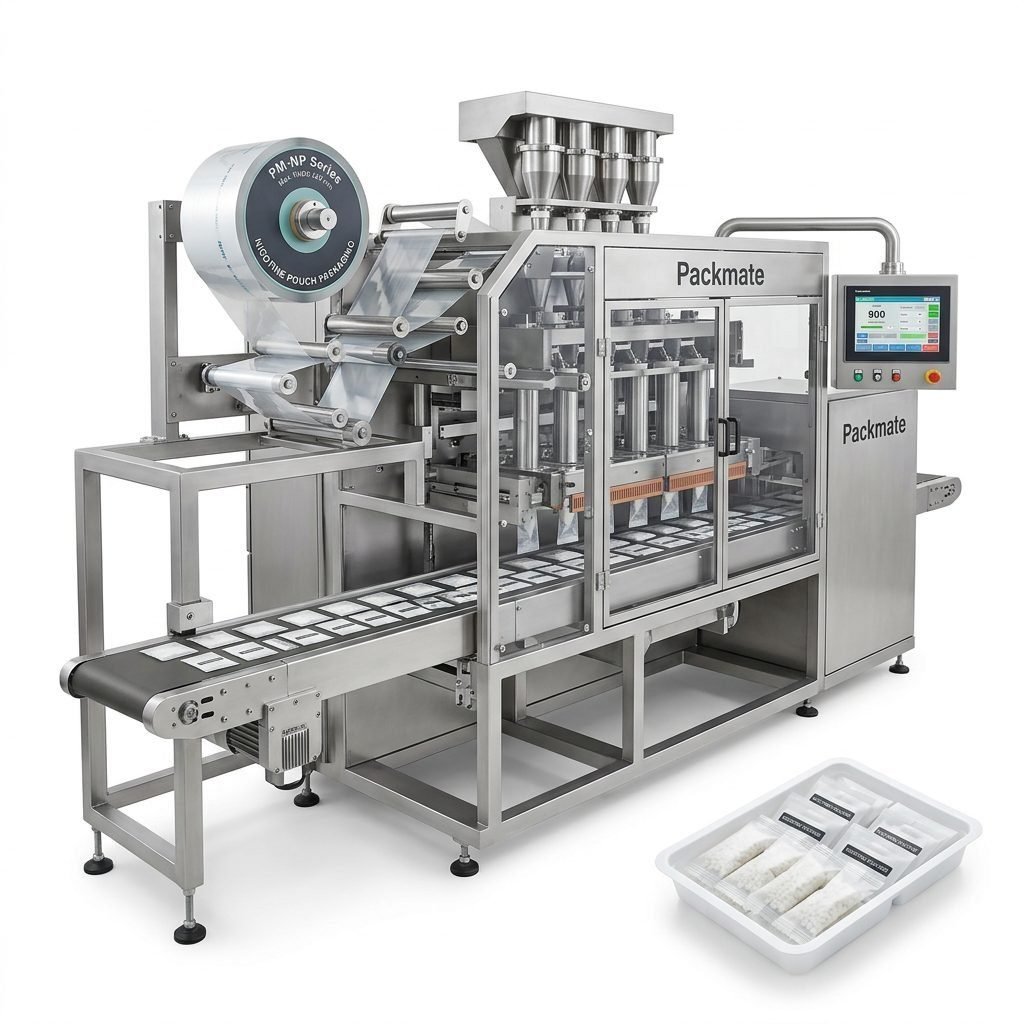
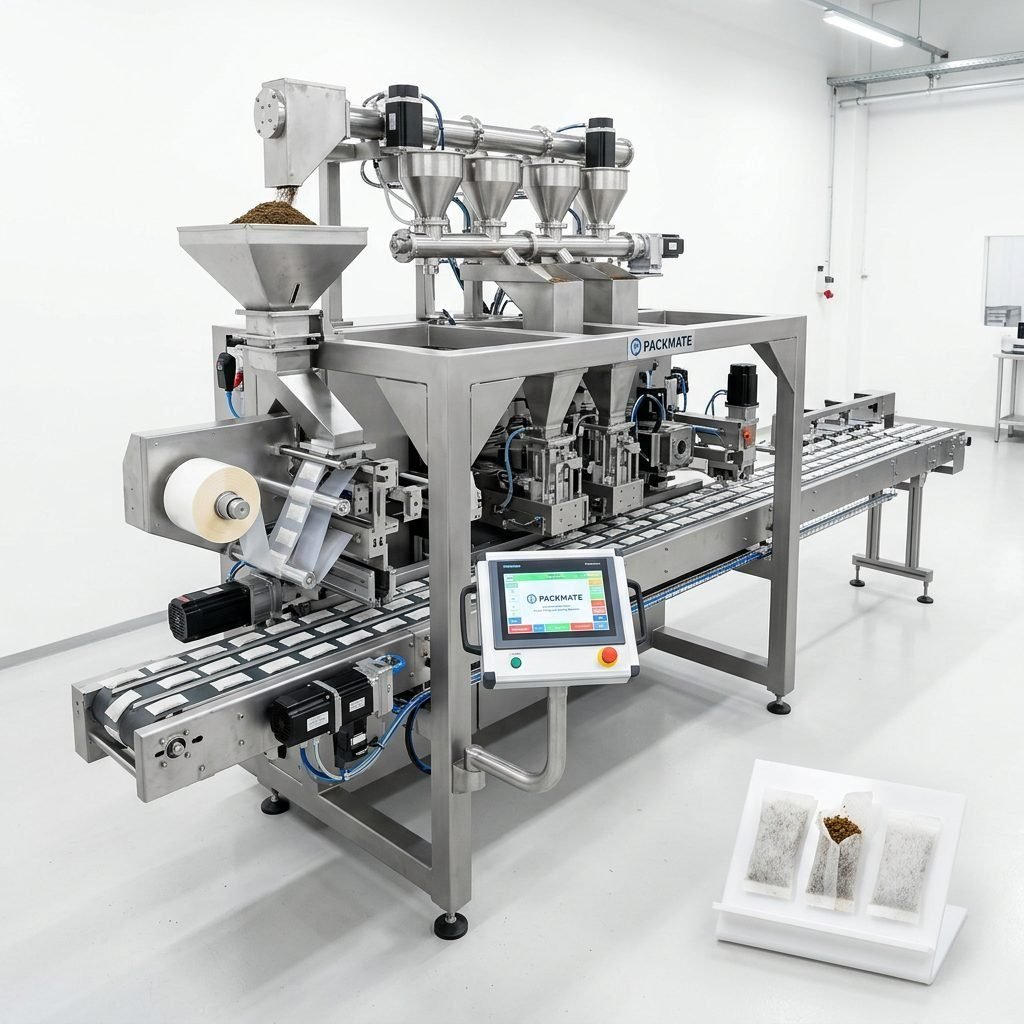
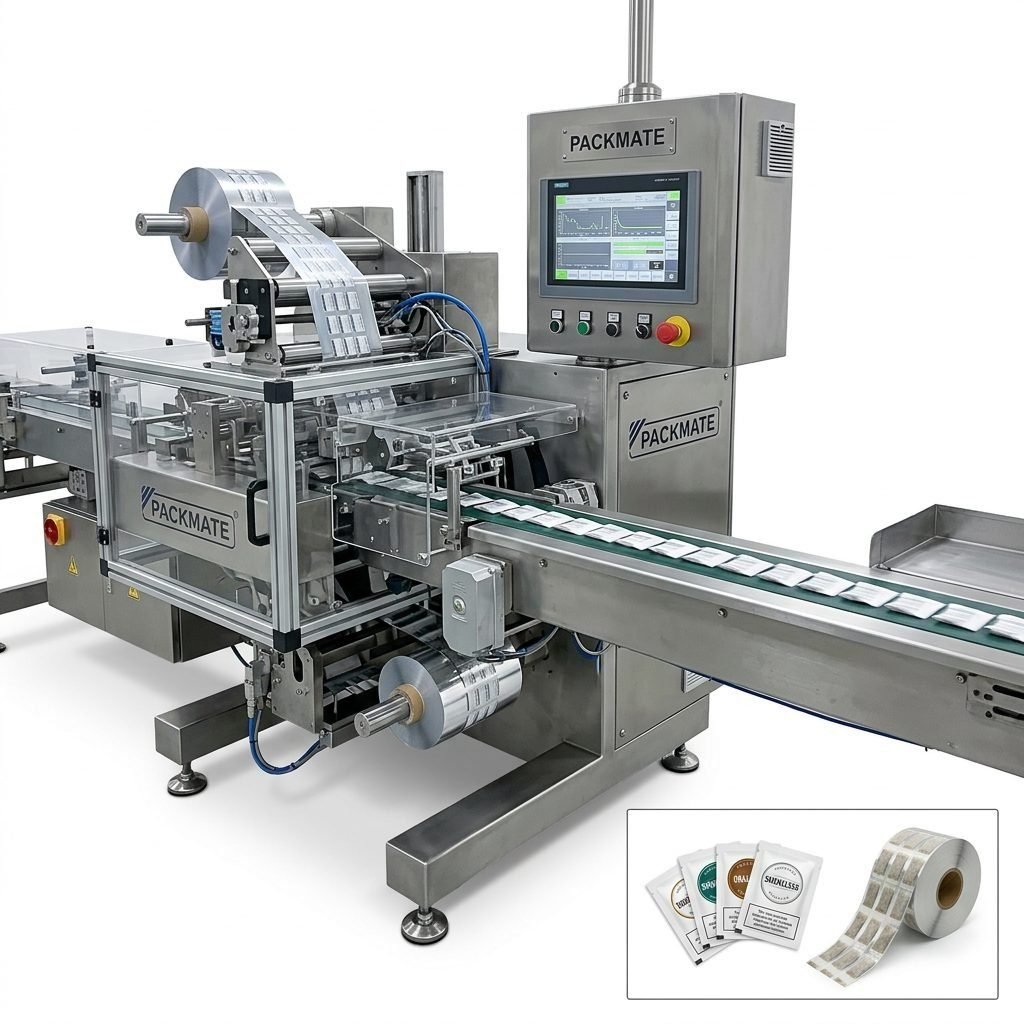
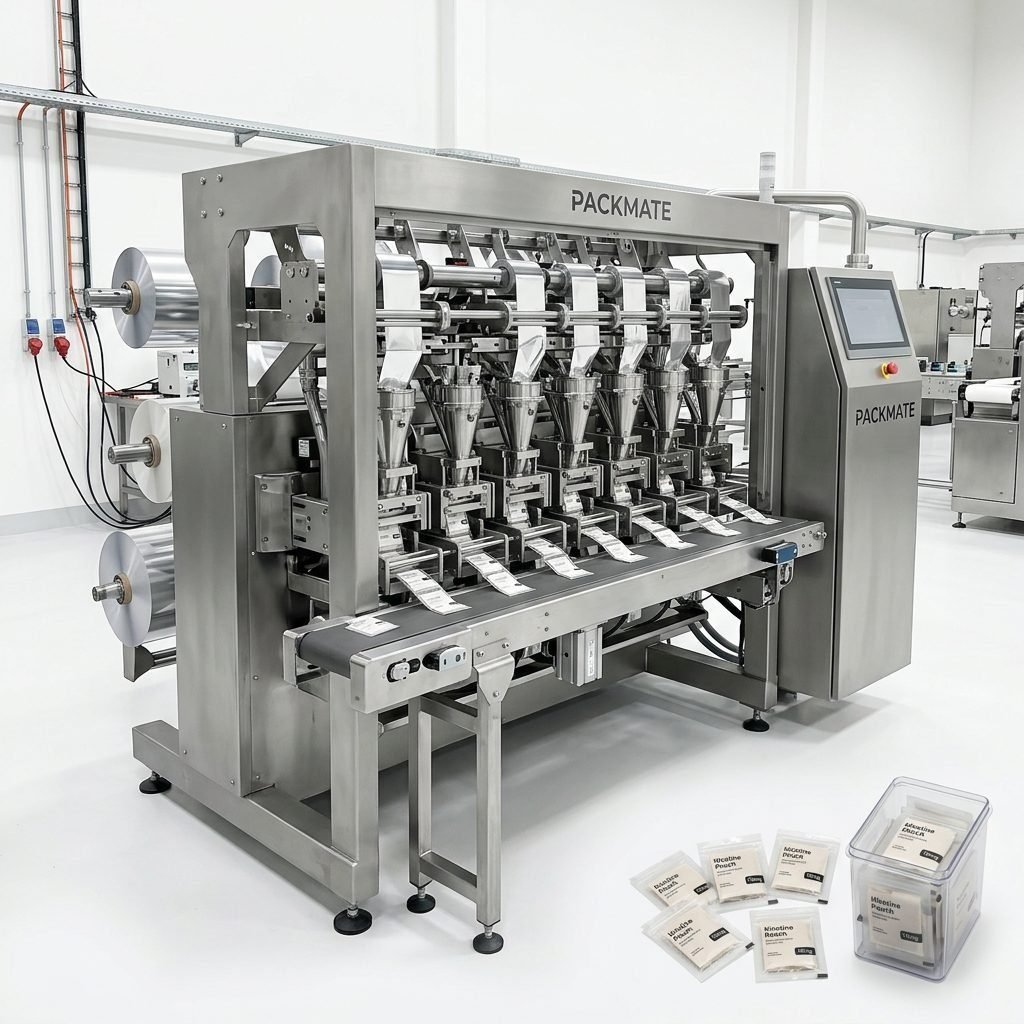
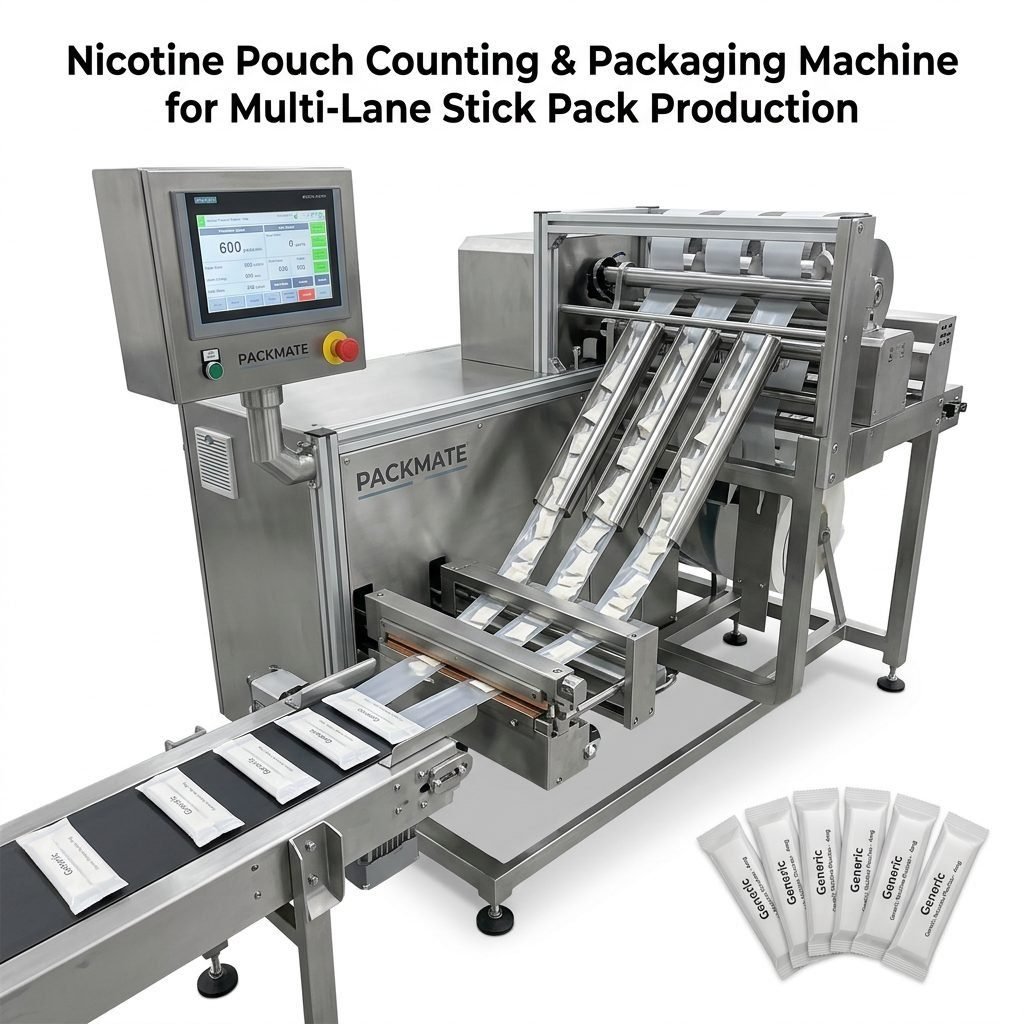
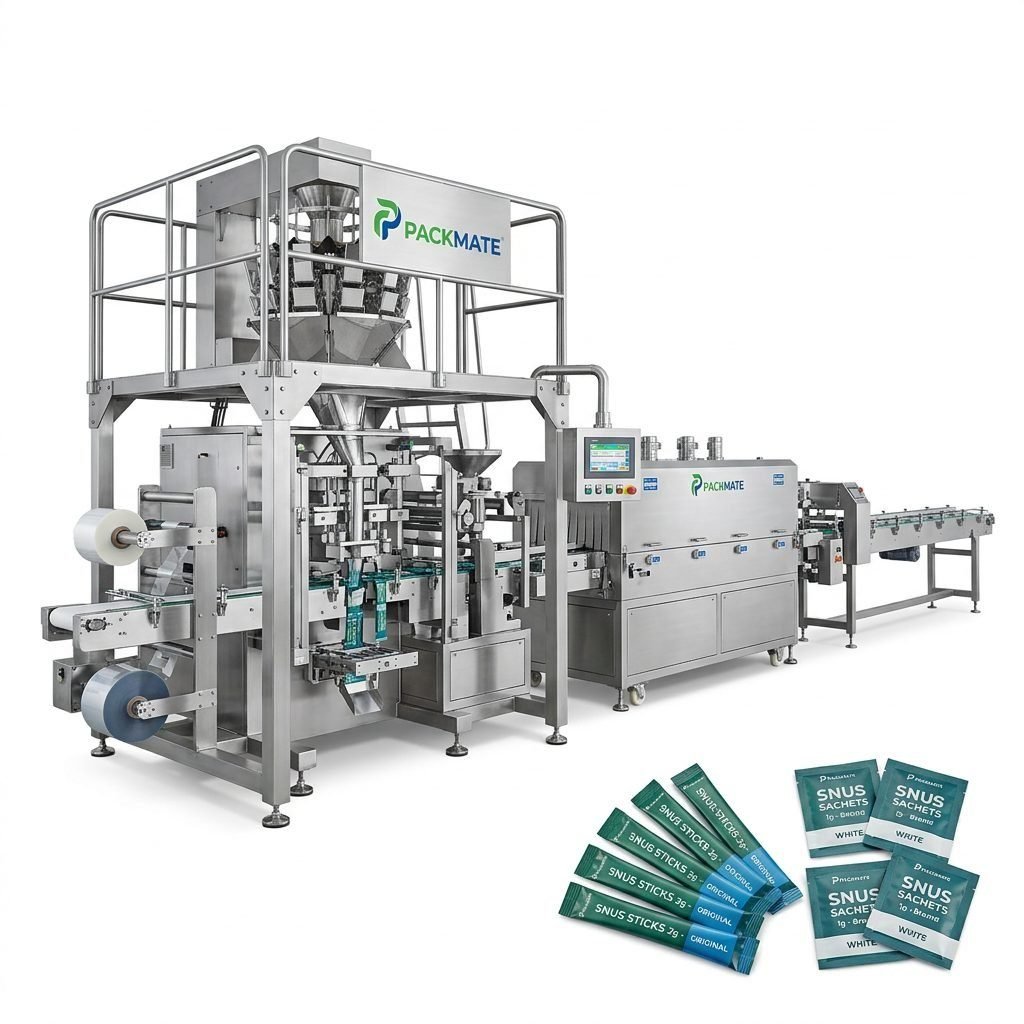
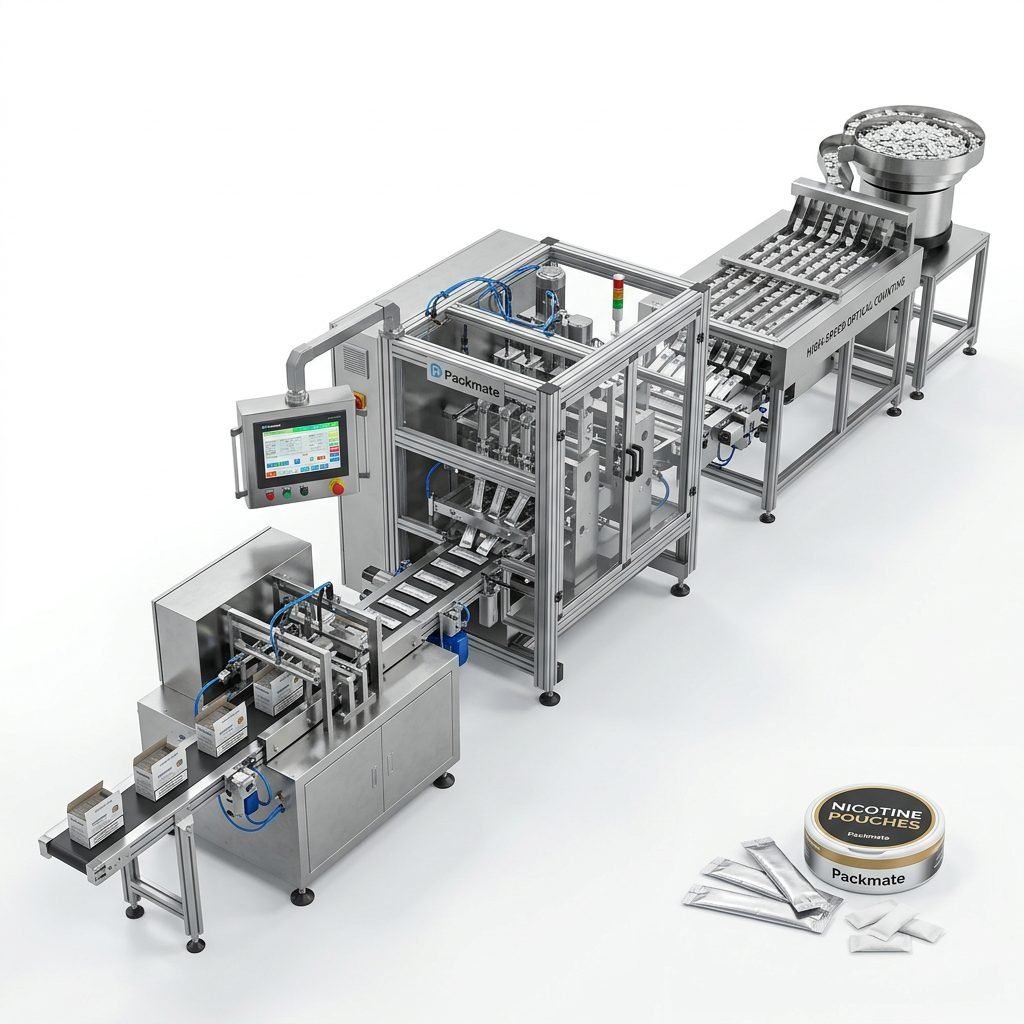
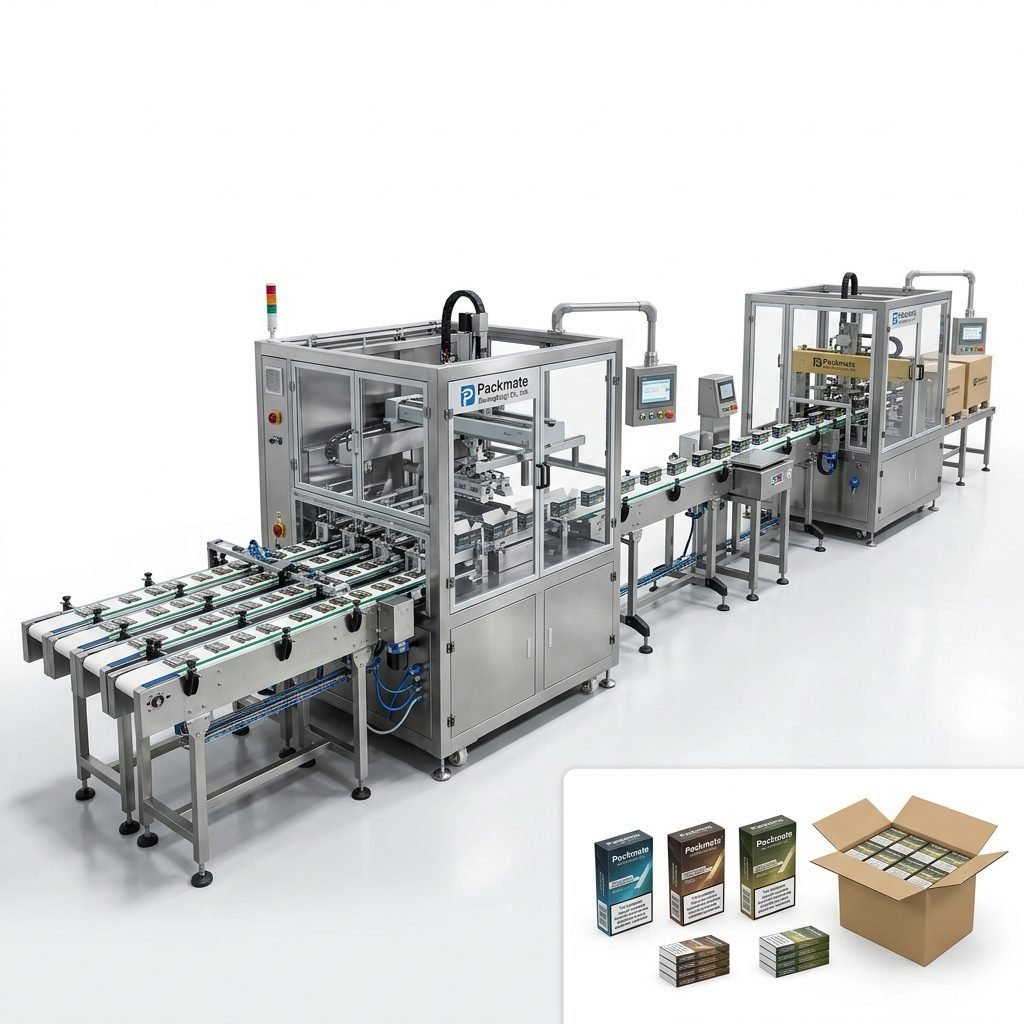
When you evaluate suppliers, consider manufacturers with long-term packaging expertise, comprehensive production lines, and global export experience. Packmate Snus Machine offers 30+ years of engineering experience, 50+ machine models, and turnkey solutions tailored for snus and nicotine pouches. Review their product lines and factory strengths:
- Snus & Nicotine Packaging Machines — multi-lane systems and pouch solutions for small-dose products.
- About Packmate — company history and factory capabilities supporting turnkey supply.
- Contact Us — get personalized project proposals and export advice for island deliveries.
- Case — real-world installations and global cooperation cases that demonstrate export competence.
Checklist before you sign
Before finalizing a purchase:
- Confirm machine FAT video and measured speeds with your actual product.
- Validate warranty, spare-part lead times, and local support options.
- Ensure labeling and compliance support for Seychelles regulations.
- Agree on training scope, language, and remote support windows.
- Verify shipping plan to Port Victoria and on-island installation timeline.
Must-do before production:
Conduct trial runs with your real pouch laminate in the supplier’s facility and obtain recorded results for seal integrity and shelf-life predictions in humid conditions.
Support networks & exhibitions
Meeting suppliers at international exhibitions or reviewing exhibition demos helps validate machine claims. Packmate often demonstrates machines at major trade shows and provides exhibition schedules and live demos — useful for hands-on evaluation before committing.
Visit their exhibition page for upcoming demos: Our Exhibition.
Final considerations specific to Seychelles
• Market scale: plan machines that match realistic demand — modular or scalable lines are ideal for small island markets.
• Tourism peaks: prepare flexible production schedules for seasonal demand surges and duty-free shop restocking.
• Environmental protection: incorporate humidity barriers in packaging and robust machine enclosures to handle coastal air.
Frequently Asked Questions (3–5)
Q1: Are snus and nicotine pouch packaging machines allowed to be imported into Seychelles?
A: Import rules vary by product and classification. You must check Seychelles’ local regulations on nicotine-containing products and ensure required health warnings and permits are met before import. Work with a supplier experienced in export documentation and a local customs broker to avoid delays.
Q2: What machine features are most important for humid island climates?
A: Look for controlled sealing temperatures, humidity-tolerant electrical components, stainless contact parts, and packaging options with moisture barrier laminates or desiccant integration to preserve product quality.
Q3: How much spare parts should we stock locally?
A: A basic kit covering seals, heating elements, belts, sensors, and bearings is recommended for the first year. Discuss typical failure parts with the supplier and their lead times to Seychelles to set optimal inventory.
Q4: Where can I see real installations and references?
A: Request case studies and client references from the supplier. Review documented installations and photos/videos or visit live exhibitions — Packmate lists real-world cases and global cooperation examples on their case page.