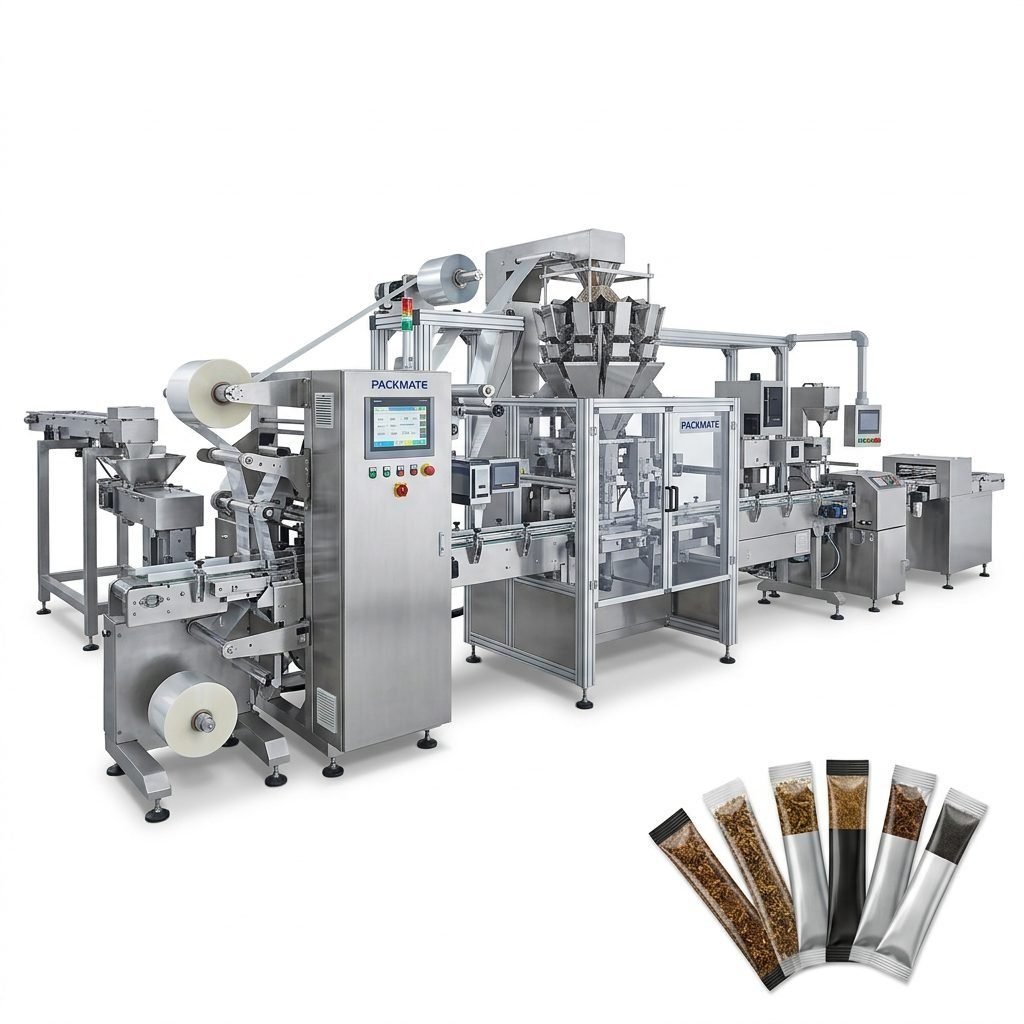
Choosing the right nicotine packaging machine supplier is a critical step for businesses in Trinidad and Tobago that want to scale production of nicotine pouches, snus, or other small-dose oral nicotine products. A good supplier delivers machines that combine reliability, compliance, and local adaptability. This guide walks you through practical considerations — from machine types and technical specs to local regulations and supplier support — so you can make an informed purchase decision for your business needs in Trinidad and Tobago.
Understanding the Packaging Needs of Your Trinidad and Tobago Business
Before you speak to suppliers, take time to define your product profile and production goals. Are you producing nicotine pouches, sachets, or stick packs? Do you need multi-lane high-speed lines or a compact starter machine? In Trinidad and Tobago, where many consumers value convenience and portability, pouch formats are popular. Local market factors such as export ambitions to nearby Caribbean islands, duty regimes, and consumption patterns during Carnival and other cultural events can influence packaging size, batch size, and labelling requirements.
Key production questions to answer
🔶 What daily output (units/hour) do you need? This determines whether to choose single-lane or multi-lane systems.
🔶 What pouch sizes and materials will you use? Material compatibility affects sealing temperatures and sealing mechanisms.
🔶 Do you plan to export within the Caribbean or beyond? This will inform labelling, certification, and traceability needs.
Machine Types and Technical Features to Prioritize
Packaging machines for nicotine pouches come in varied formats. Familiarize yourself with the common types and the technical features relevant to the Trinidad and Tobago market:
Common machine categories
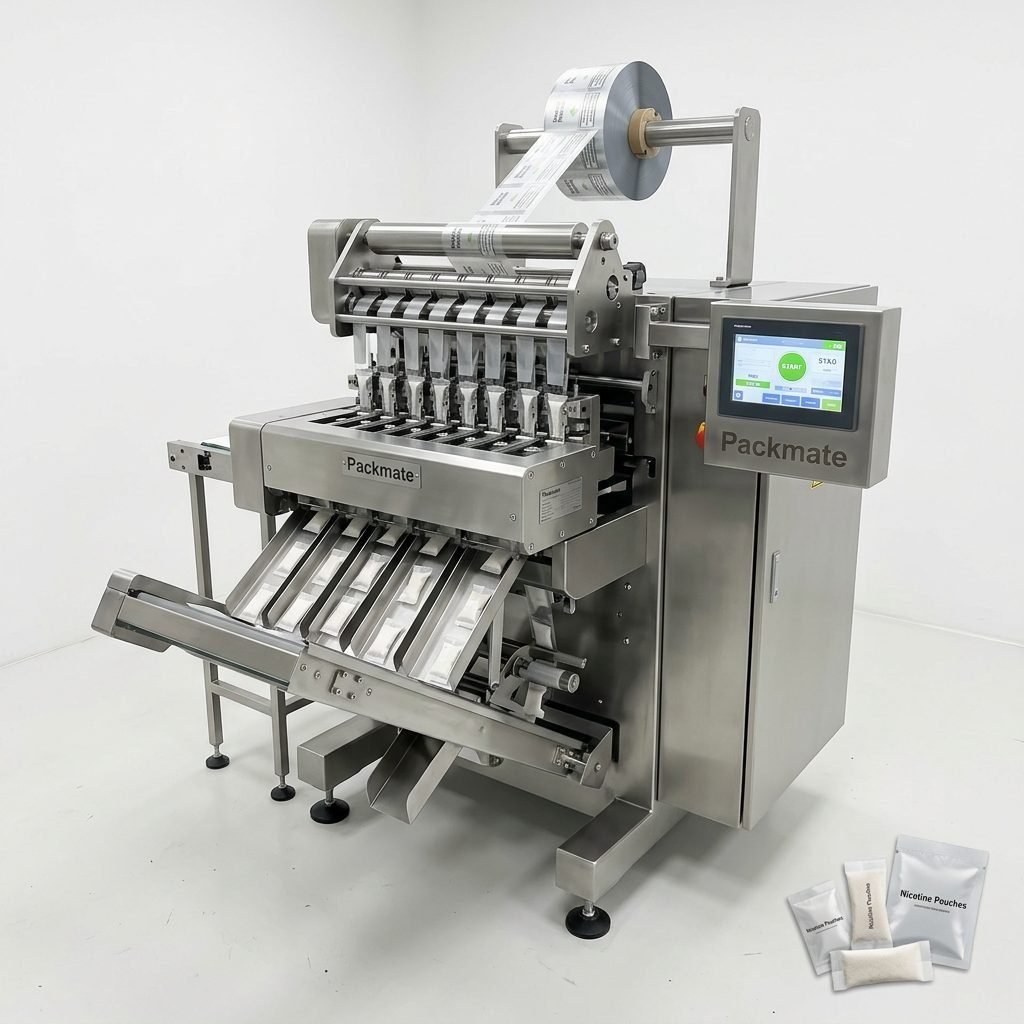
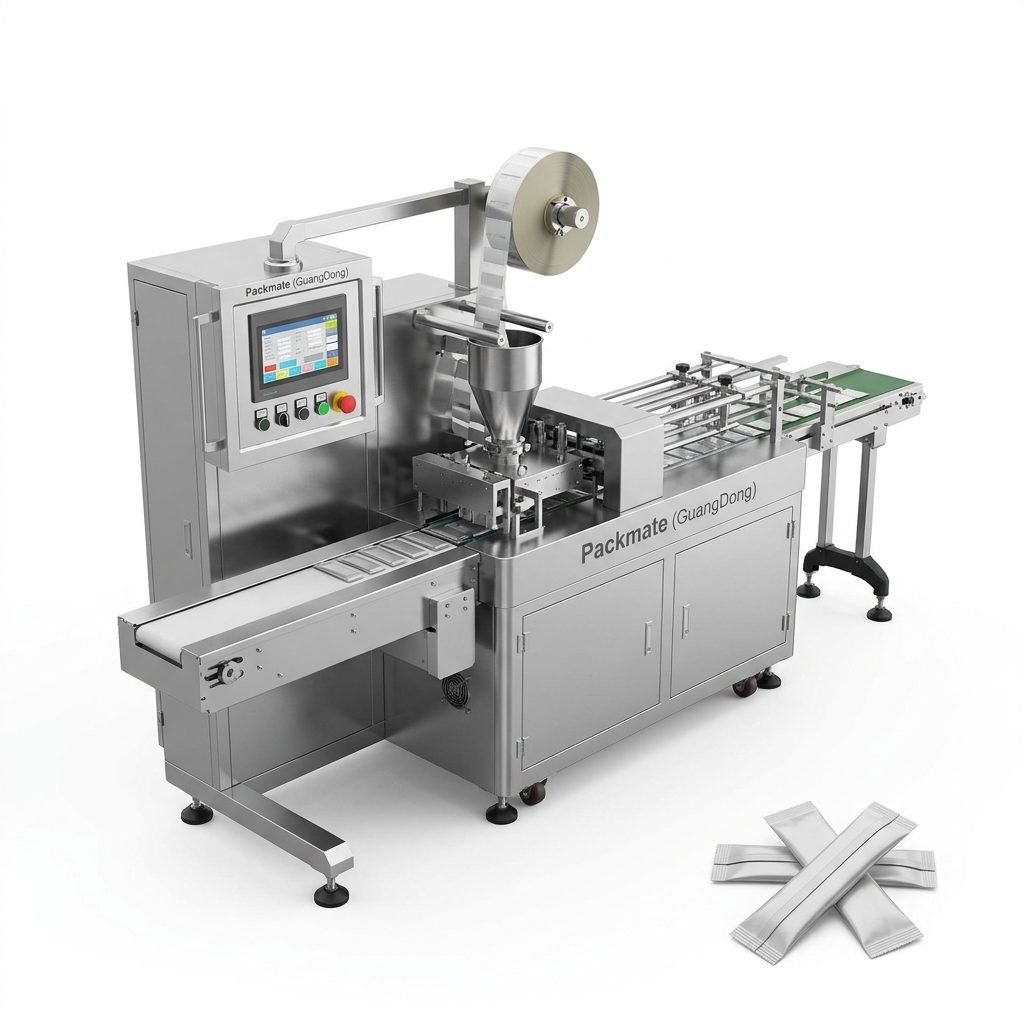
– Sachet & Stick Pack Machines for single-dose stick presentation.
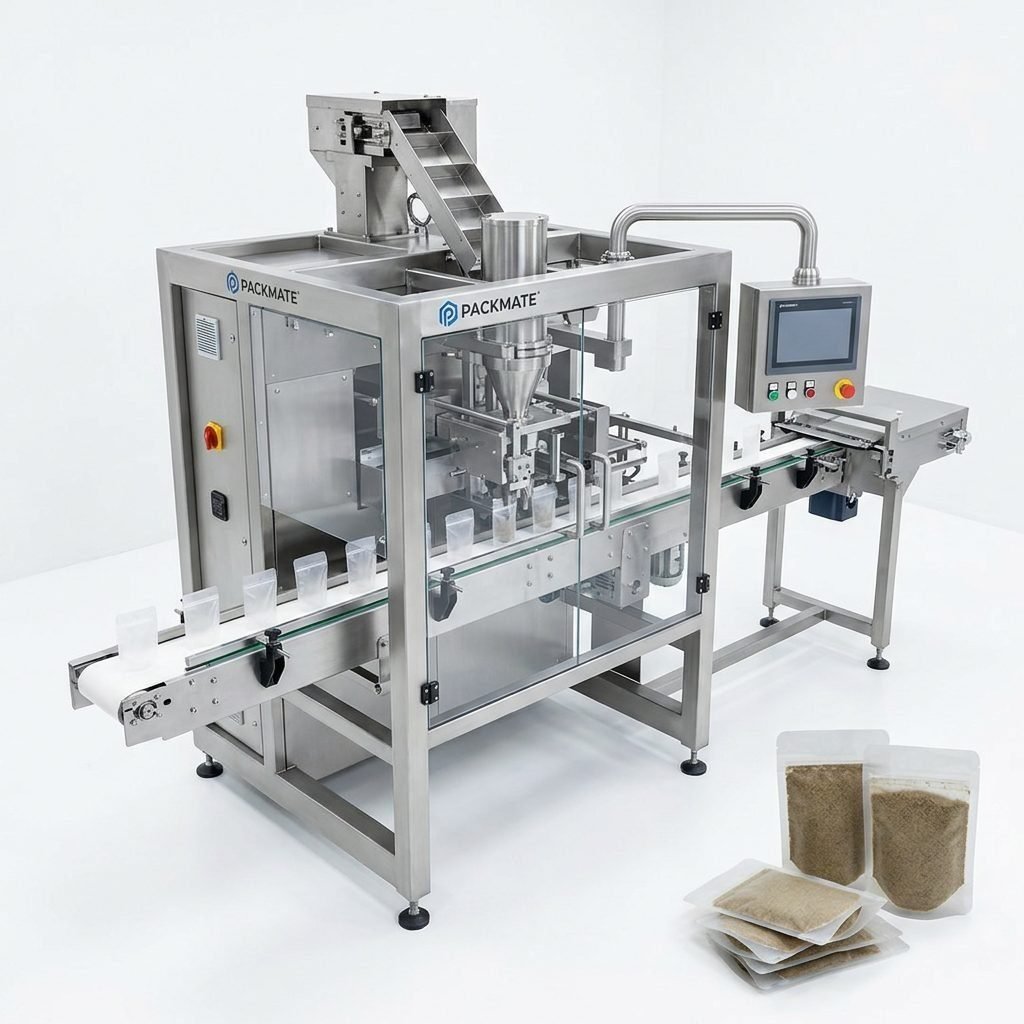
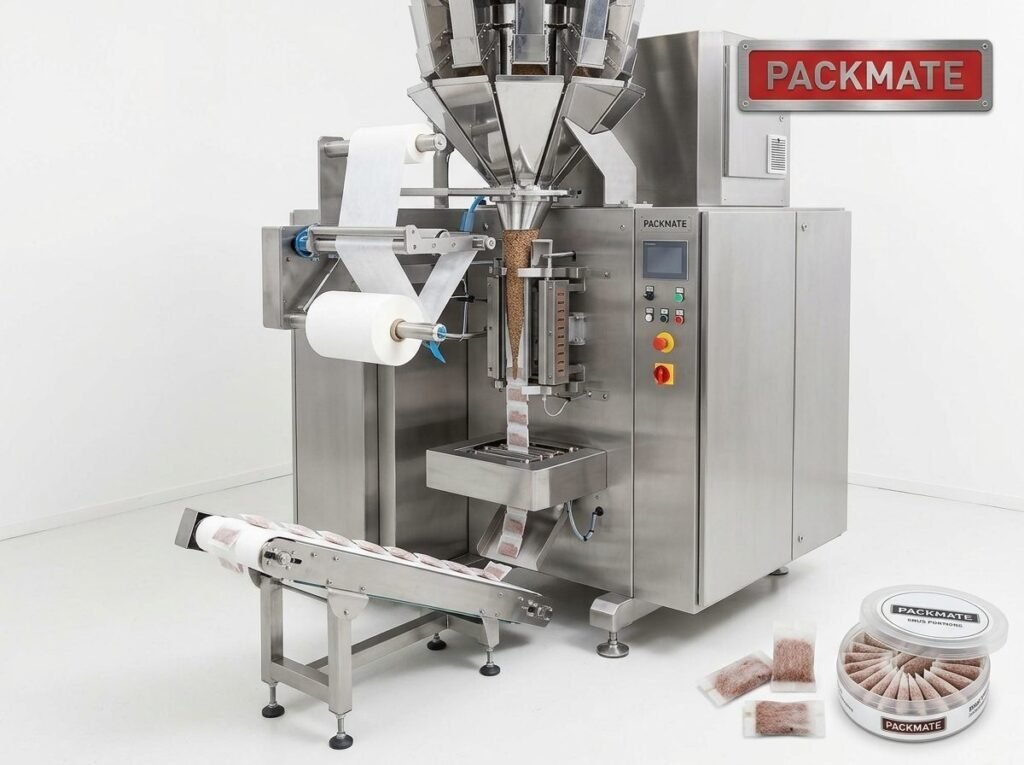
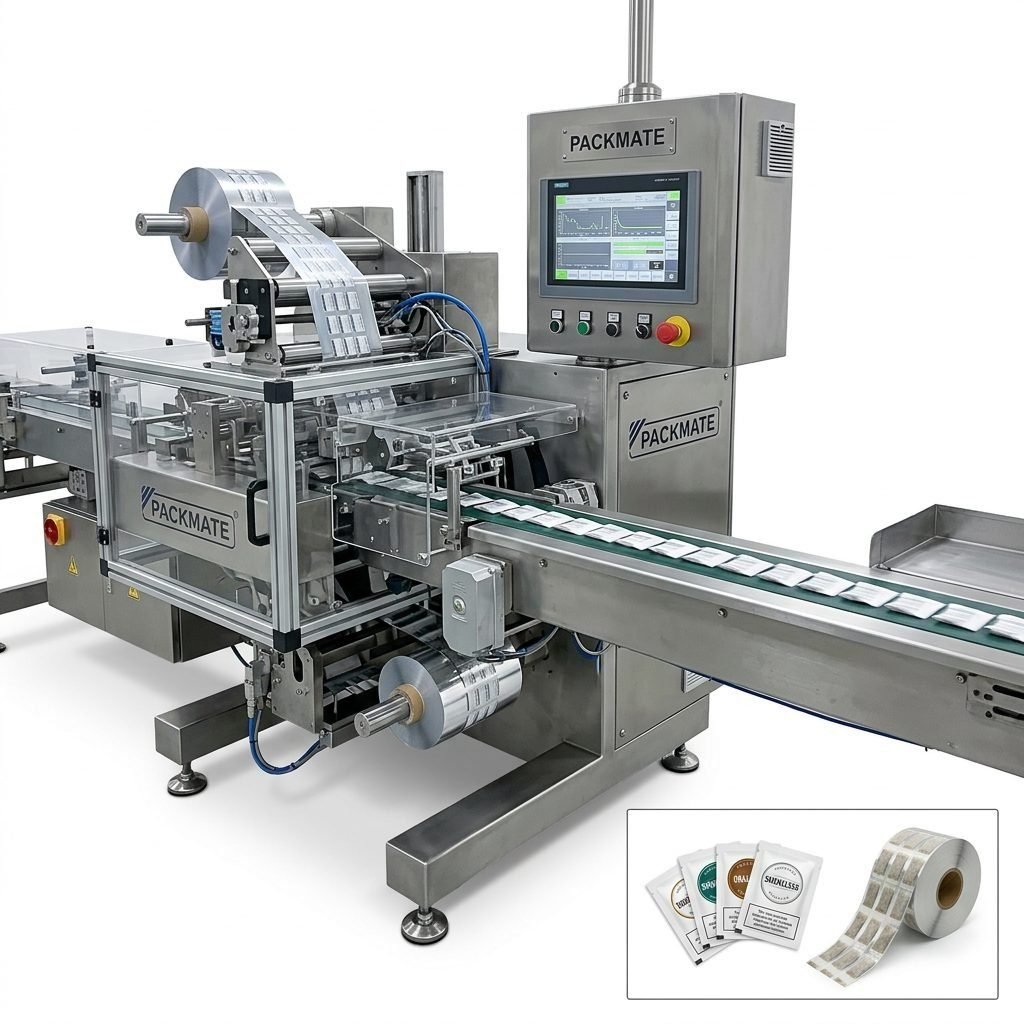
– Snus & Nicotine Pouch Machines for small-dose pouch formation, filling, and sealing.
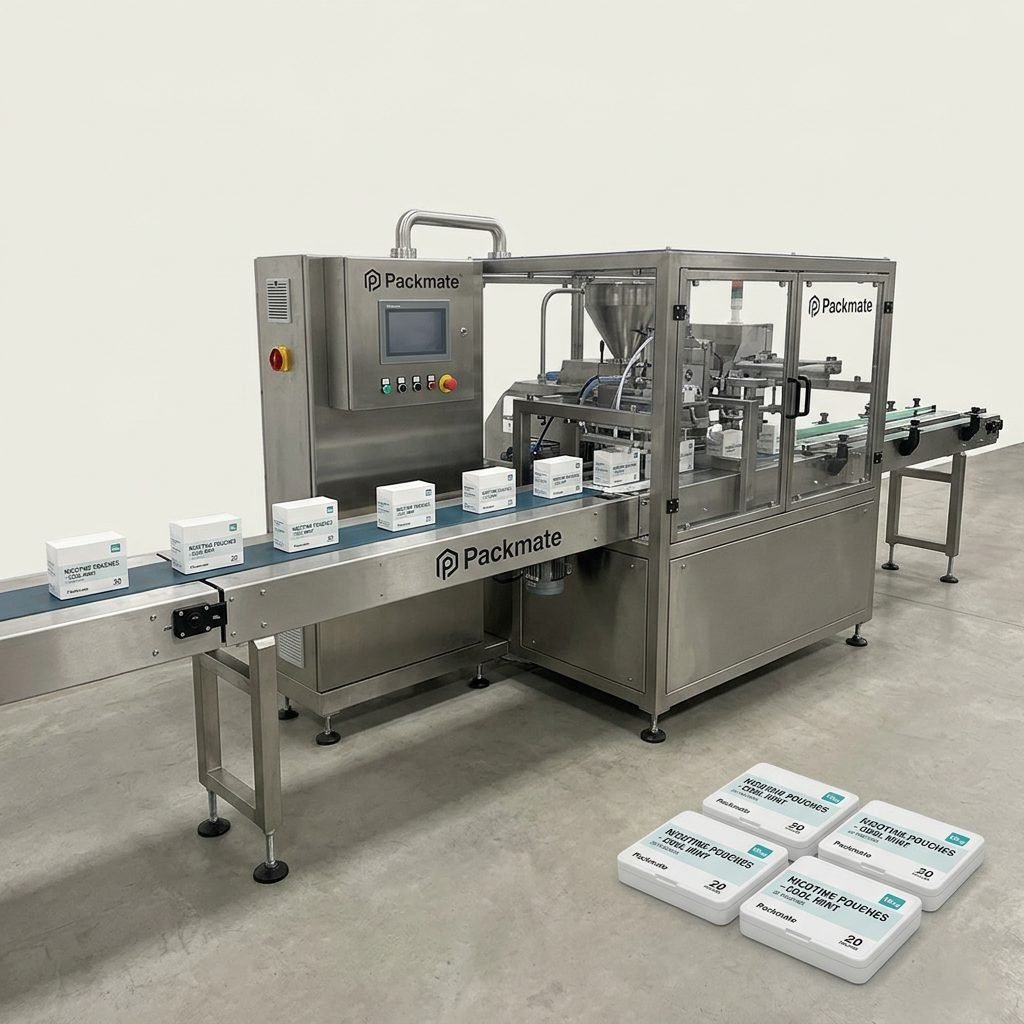
– Multi-lane Systems that increase throughput with synchronized lanes.
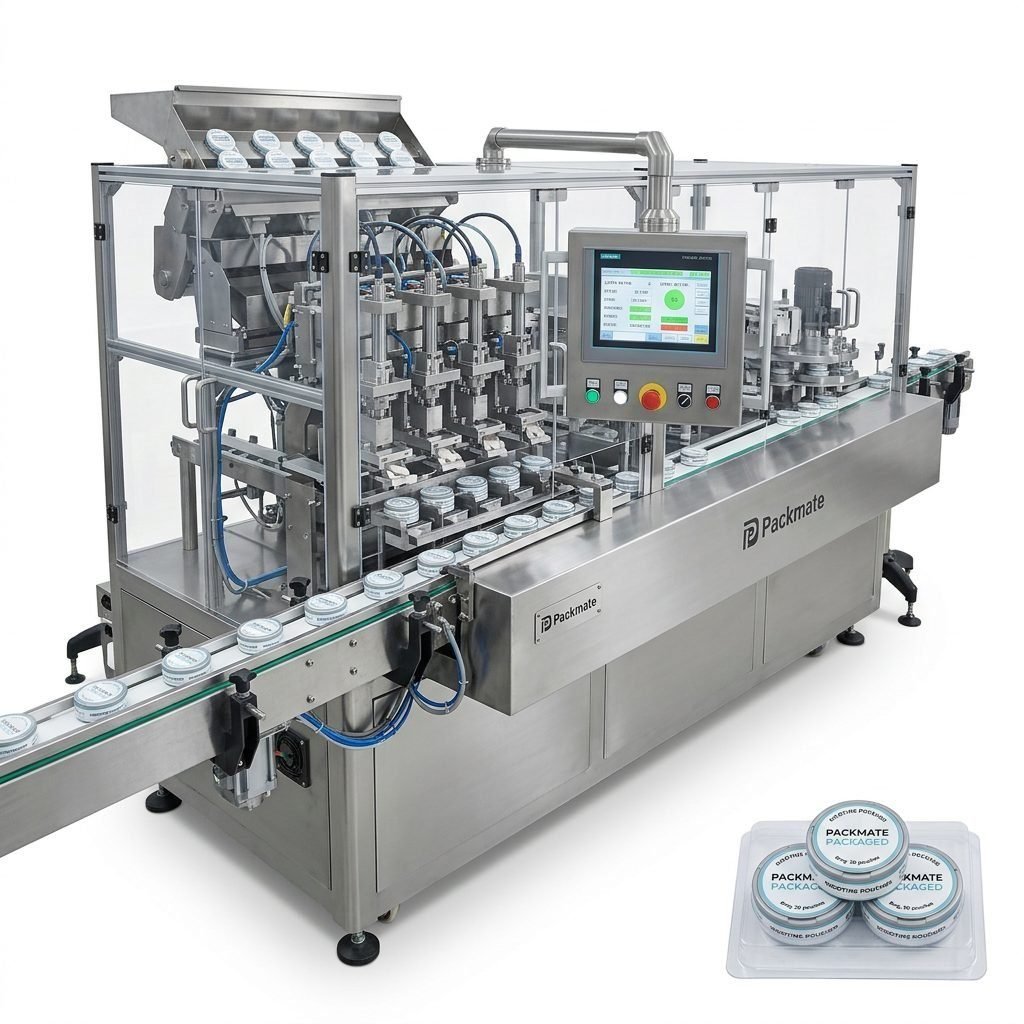
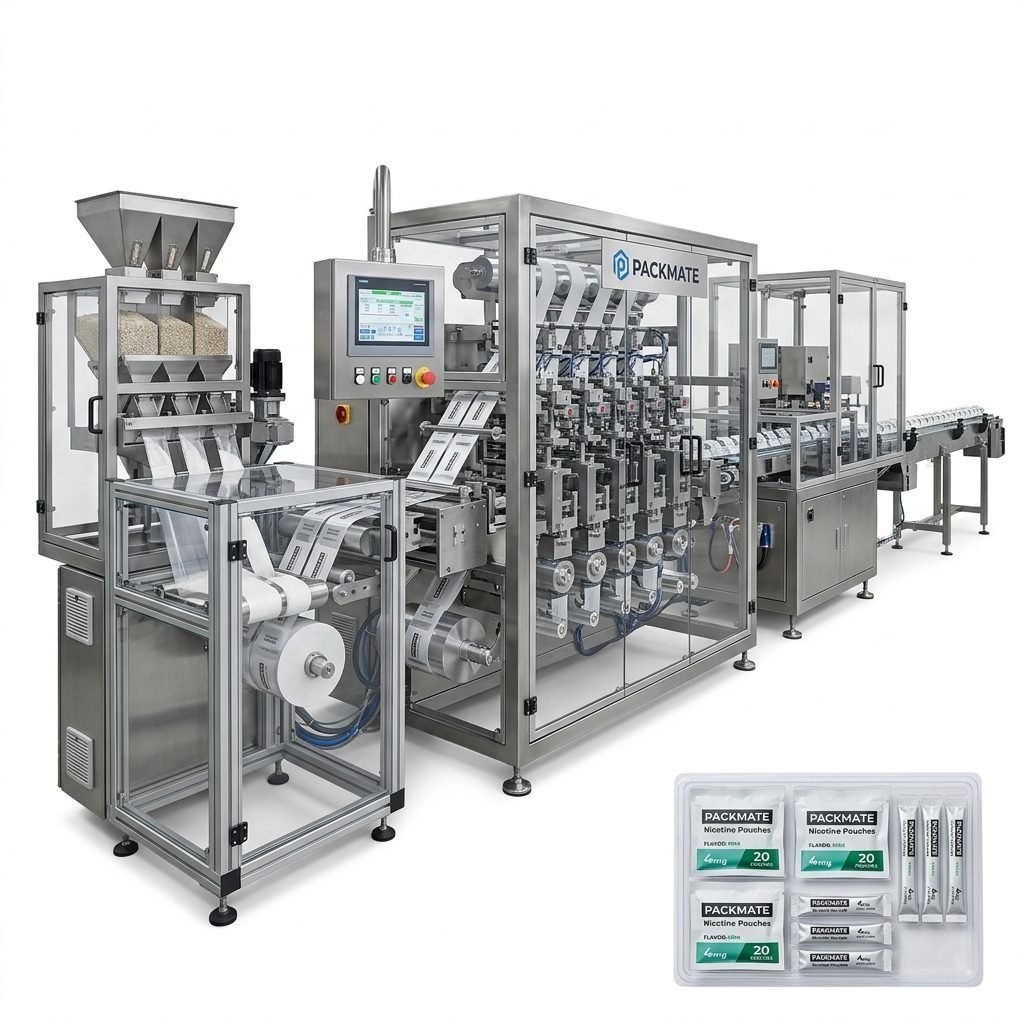
– Integrated Filling & Packaging Lines that combine weighing, filling, and sealing for turnkey production.
Technical specs that matter
✅ Precision filling: Tolerance levels for pouch weight must meet your product formula and regulatory labelling accuracy.
✅ Sealing technology: Reliable heat-sealing with adjustable temperature controls to accommodate different film laminates.
✅ Hygienic design: Easy-to-clean surfaces and food-grade contact parts for safety and rapid changeovers.
✅ Automation & integration capability: Compatibility with weighing, metal detection, and cartoning equipment.
Evaluating Supplier Capabilities: What to Look For
When evaluating suppliers, prioritize manufacturing strength, experience with snus/nicotine machinery, and proven global installations. A supplier with strong engineering depth will help you avoid costly downtime and ensure smoother commissioning.
Proven engineering and factory strength
Suppliers that operate large, well-equipped factories and have advanced CNC and precision assembly capabilities are better positioned to deliver consistent machine quality. Look for suppliers with documented production capacity, a wide model range, and robust quality testing protocols.
Certifications, standards, and demos
Choose suppliers whose machines meet international standards (CE, ISO) and who offer machine demonstrations at trade shows or online. Seeing running machines or video demos of similar applications provides confidence in performance and reliability. Learn more about trusted machines here:
Snus & Nicotine Packaging Machines |
Sachet & Stick Pack Machines |
Filling & Packaging Lines
Local Considerations: Trinidad and Tobago Regulations & Market Habits
Operating in Trinidad and Tobago requires sensitivity to local regulations, cultural norms, and distribution channels. While nicotine pouches may appeal to adult consumers seeking smoke-free alternatives, regulatory frameworks can affect packaging, labelling, and marketing.
Regulatory and labelling tips
– Ensure that packaging meets local health warnings and labelling rules. Consult with local authorities and legal counsel before launching.
– Stay updated on import duties and customs documentation if sourcing machines internationally.
– Traceability and batch coding are useful for compliance and recall management in regional markets.
Cultural & distribution factors
– Consider compact, travel-friendly formats for distribution in busy city centers and to tourists during Carnival seasons.
– Retail channels vary from supermarkets to small shops; packaging designs that support shelf visibility and tamper-evidence perform better.
– Offer multilingual or clear symbol-based labels to accommodate the island’s multicultural population and visiting tourists.
Service & After-Sales Support: Non-Negotiable Elements
A machine purchase is an ongoing relationship. Prioritize suppliers that provide local or regional support, spare parts availability, training, and prompt technical assistance.
Key service aspects
🔧 Installation & commissioning: Confirm the supplier provides on-site or remote commissioning support and startup assistance.
🔧 Training for operators: Make sure there is detailed operator and maintenance training tailored to your staff.
🔧 Spare parts & lead times: Ask for parts lists and typical lead times to avoid long downtime in remote island logistics.
🔧 Remote diagnostics: A supplier offering remote troubleshooting can save time and costs for Caribbean customers.
Financial Considerations and Total Cost of Ownership
Upfront price is only part of the equation. Evaluate the total cost of ownership: installation, shipping, customs, spare parts, energy consumption, and expected uptime. A slightly higher-priced machine with proven longevity and low maintenance can be more economical over its lifecycle.
Negotiation points with suppliers
– Warranty terms and scope (what parts and labor are covered).
– Inclusive training days and documentation.
– Spare parts starter kits and preferential pricing for future orders.
– Payment terms, phased delivery schedules, and acceptance testing criteria.
Why Choose an Experienced Snus Machine Manufacturer
Manufacturers that specialize in snus and nicotine pouch machines bring focused knowledge about pouch formation, filling accuracy, and multi-lane synchronization. Their product lines typically reflect decades of iteration and improvements in stability and hygiene.
For reference, a reliable supplier profile often includes details like factory scale, years of experience, product range, certification, and global case studies. You can explore such profiles and cases to better evaluate candidates:
About Packmate |
Case Studies |
Certificates
A Practical Checklist Before You Sign
⚠️ Validate performance: Ask for production videos, reference clients, and sample testing results.
⚠️ Service promise: Ensure clear SLAs for service response time, spare parts shipping, and remote support.
⚠️ Local compliance: Confirm the machine can produce product labels that meet Trinidad and Tobago requirements and export regulations if needed.
⚠️ Training & documentation: Get operation manuals, maintenance schedules, and training sessions included in writing.
Making the Decision: Matching Supplier Strengths to Your Strategy
If your strategy is to start small and validate the market in Port of Spain or San Fernando, a compact machine with easy changeover and lower footprint might be best. If you aim to scale across the Caribbean or export, invest in multi-lane lines with robust automation and traceability. Select suppliers who can evolve with you — offering modular upgrades, spare parts continuity, and global references.
Finding a trusted partner
Look for suppliers with decades of experience, a broad product range (including auxiliary equipment), and a strong global footprint. For more equipment categories and solutions, check these resources:
Bag & Pouch Packaging Machines |
Weighing & Packaging Systems
Next Steps: Requesting Quotes and Site Assessments
Prepare a clear Request for Quotation (RFQ) that includes product specs, expected throughput, film materials, labelling needs, utilities at site (power, air, drainage), and any local certification requirements. Invite suppliers to provide detailed proposals that outline machine specs, spare parts list, warranty, training, and an estimated shipping timeline to Trinidad and Tobago.
What to include in an RFQ
– Product weight range per pouch and pouch dimensions.
– Film laminate or packaging materials.
– Estimated production hours and shifts.
– On-site utilities and space constraints.
– Required certifications and labeling info.
Conclusion
Selecting the best nicotine packaging machine supplier for your Trinidad and Tobago business requires balancing technical capability, supplier reliability, service support, and local market knowledge. Focus on precision filling, hygienic design, easy maintenance, and a supplier with a proven track record in snus and nicotine pouch machinery. With the right partner, you can build a cost-effective, compliant, and scalable packaging operation that meets local preferences and supports regional growth.
Common Questions
Q: How quickly can I expect delivery to Trinidad and Tobago after placing an order?
A: Delivery depends on factory lead times, shipping method, and customs clearance. Typical lead times can range from a few weeks for standard machines to several months for customized multi-lane lines. Confirm estimated delivery and shipping terms with your supplier.
Q: What certifications should nicotine pouch packaging machines have for international trade?
A: Look for CE and ISO certifications that demonstrate adherence to safety and quality standards. Additional documentation for electrical safety or export compliance may be required based on destination markets.
Q: Can a supplier provide turnkey solutions including weighing and cartoning?
A: Yes — many experienced manufacturers supply integrated filling and packaging lines along with auxiliary equipment. Review supplier portfolios and case studies to confirm turnkey capabilities.
Q: What after-sales support is most important for Caribbean businesses?
A: Prioritize suppliers offering prompt spare parts delivery, remote diagnostics, clear warranties, and operator maintenance training to minimize downtime given island logistics.
Q: Where can I see examples of machines and real-world installations?
A: Check supplier case pages and exhibition participation details for live demos and references. For more details, visit relevant pages like Our Exhibition and Case Studies.