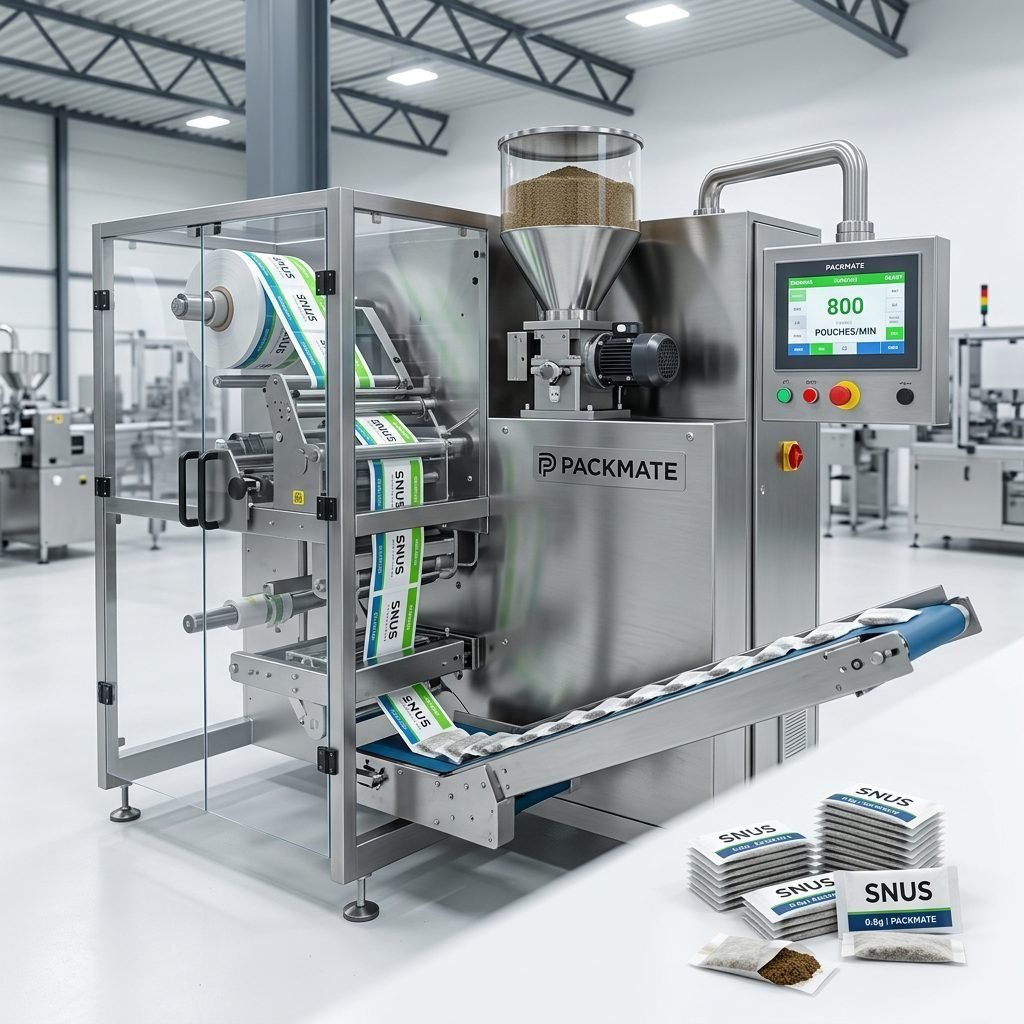
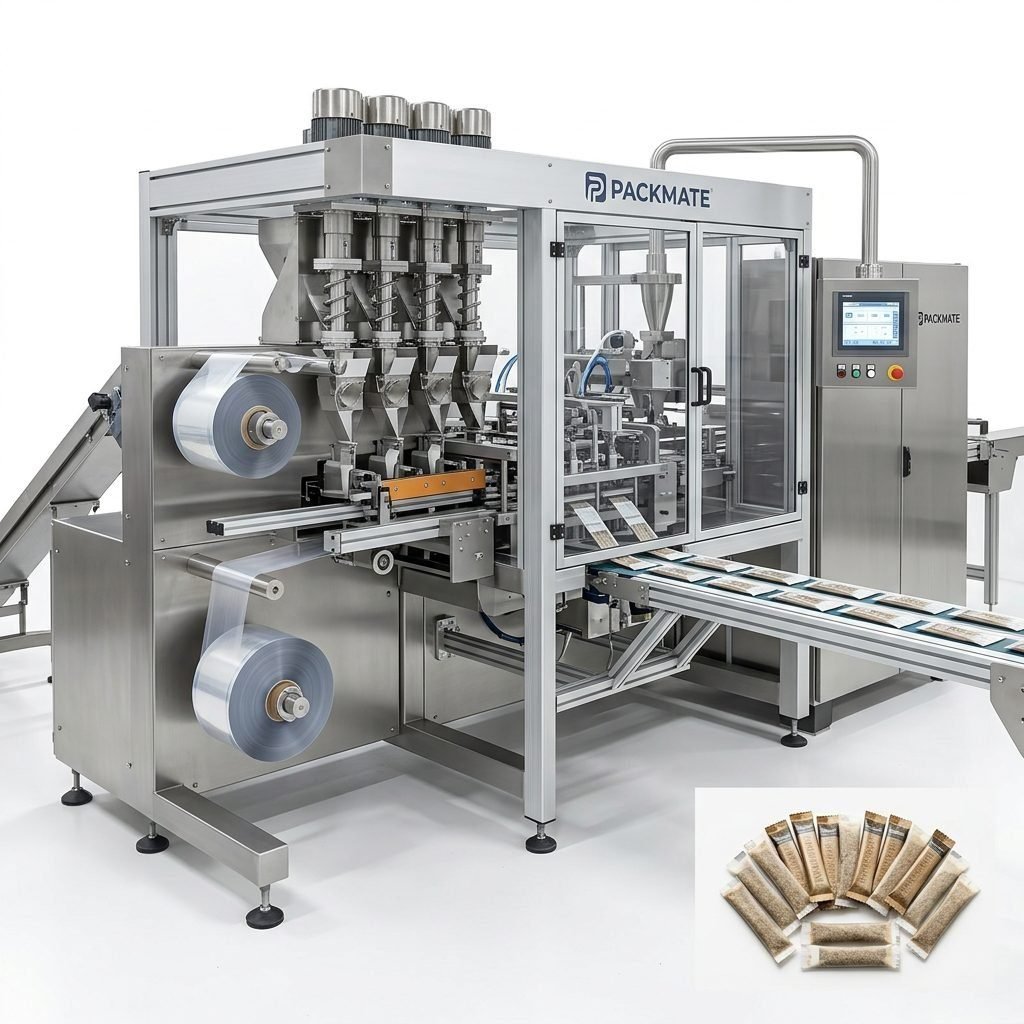
Choosing the right snus packaging machine for your New Zealand operation can be the difference between a profitable, compliant production line and one plagued by downtime, waste, and quality inconsistency. This guide walks you through the most important factors to evaluate — from output speed and pouch formats to regulatory compliance and local support — so you can make an informed purchasing decision that fits your product, budget, and growth plans.
Understand Your Product and Packaging Formats
Before comparing machine specs, document what you manufacture: nicotine pouches, snus cans, sachets, stick packs, or loose-pouch formats. Packaging format determines core machine type and feeding systems. If you produce multiple SKUs, choose a flexible machine or a line of modular machines.
Key product checklist:
- Fill type: powder, granule, paste, or liquid
- Portion size tolerance and weight range
- Pouch type: sachet, stick pack, multi-lane pouches
- Barrier and sealing requirements (foil, laminated films)
Machine Types: Which One Fits Your Line?
Different packaging styles require different machines. Here are the common snus and nicotine pouch packaging options:
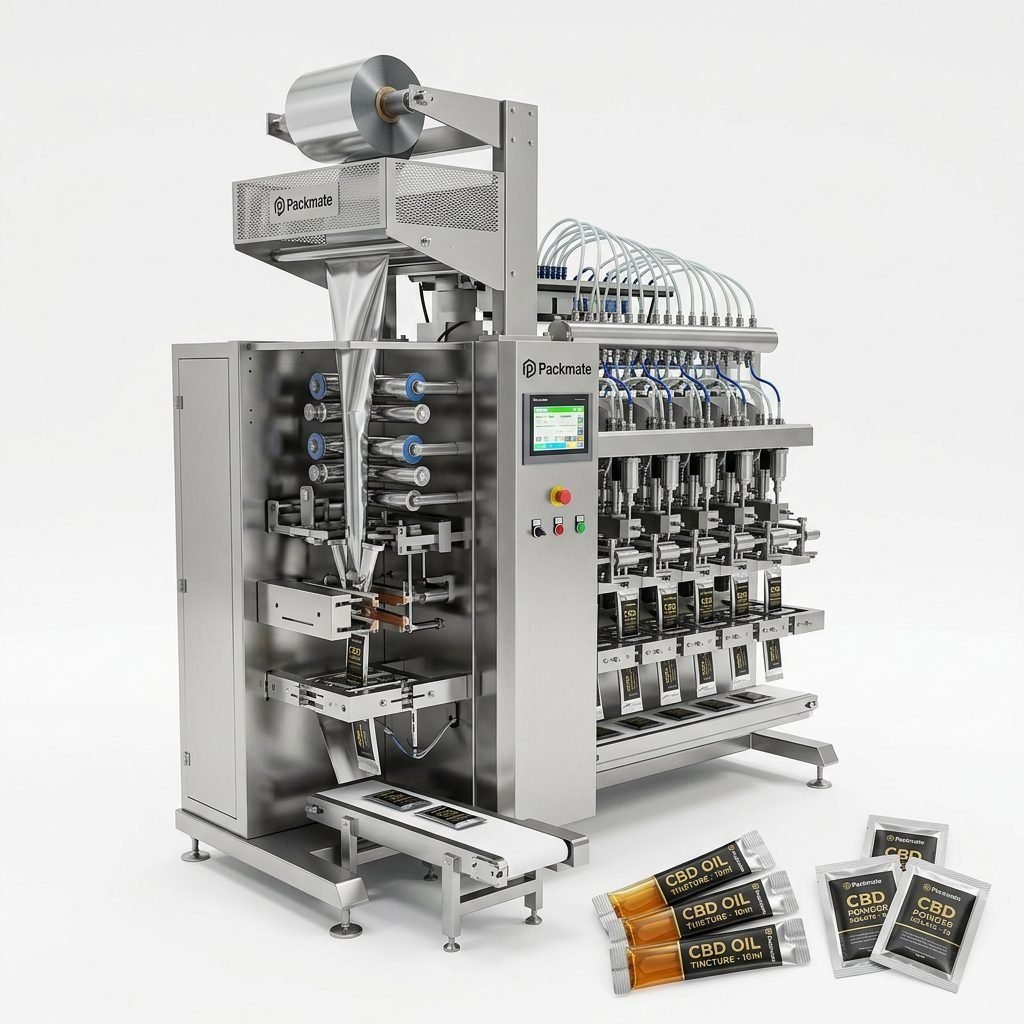
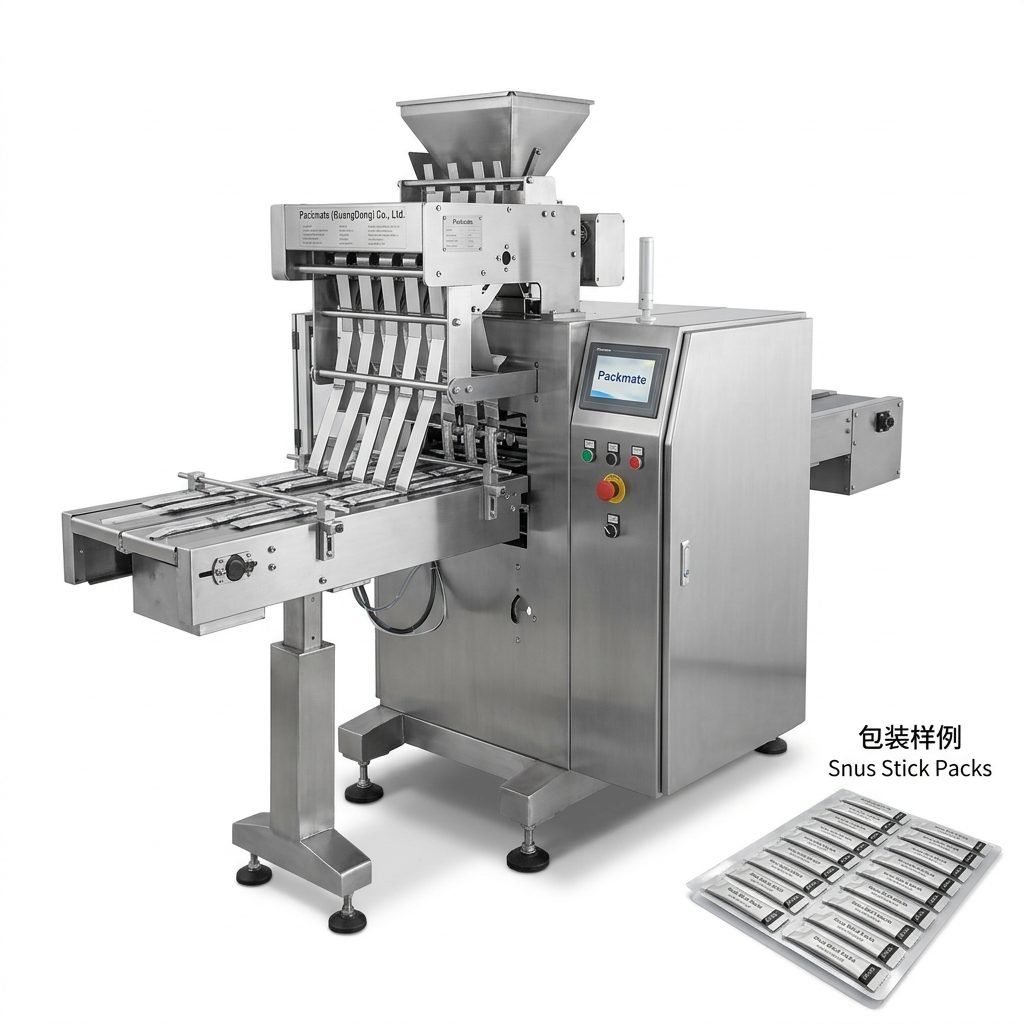
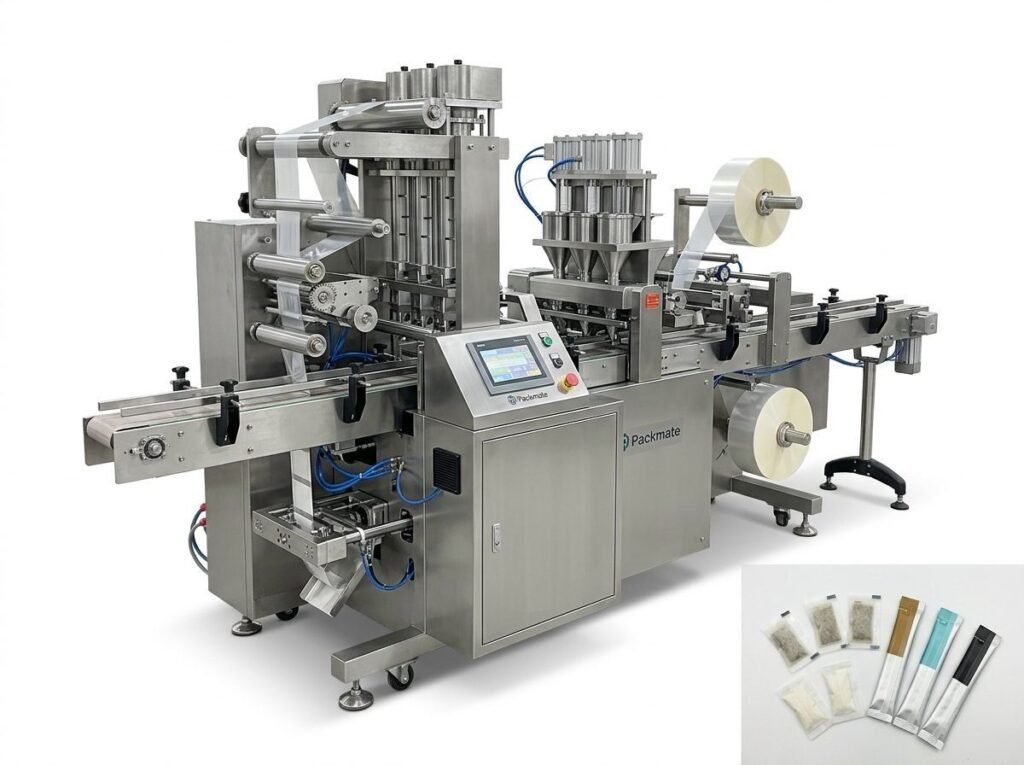
Sachet & Stick Pack Machines
Sachet and stick pack machines are ideal for single-portion nicotine pouches and portable samples. They deliver high speed and precise dosing when paired with accurate feeders and weighing systems.
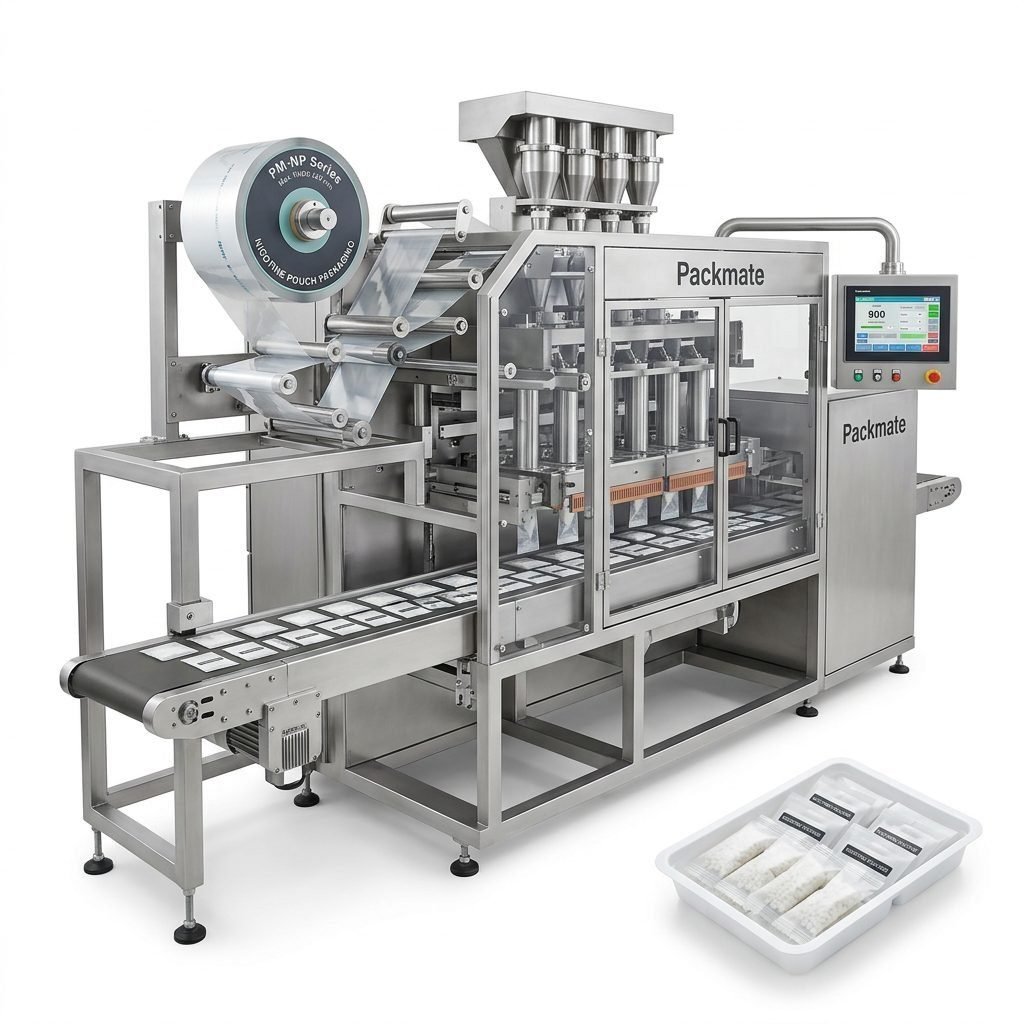
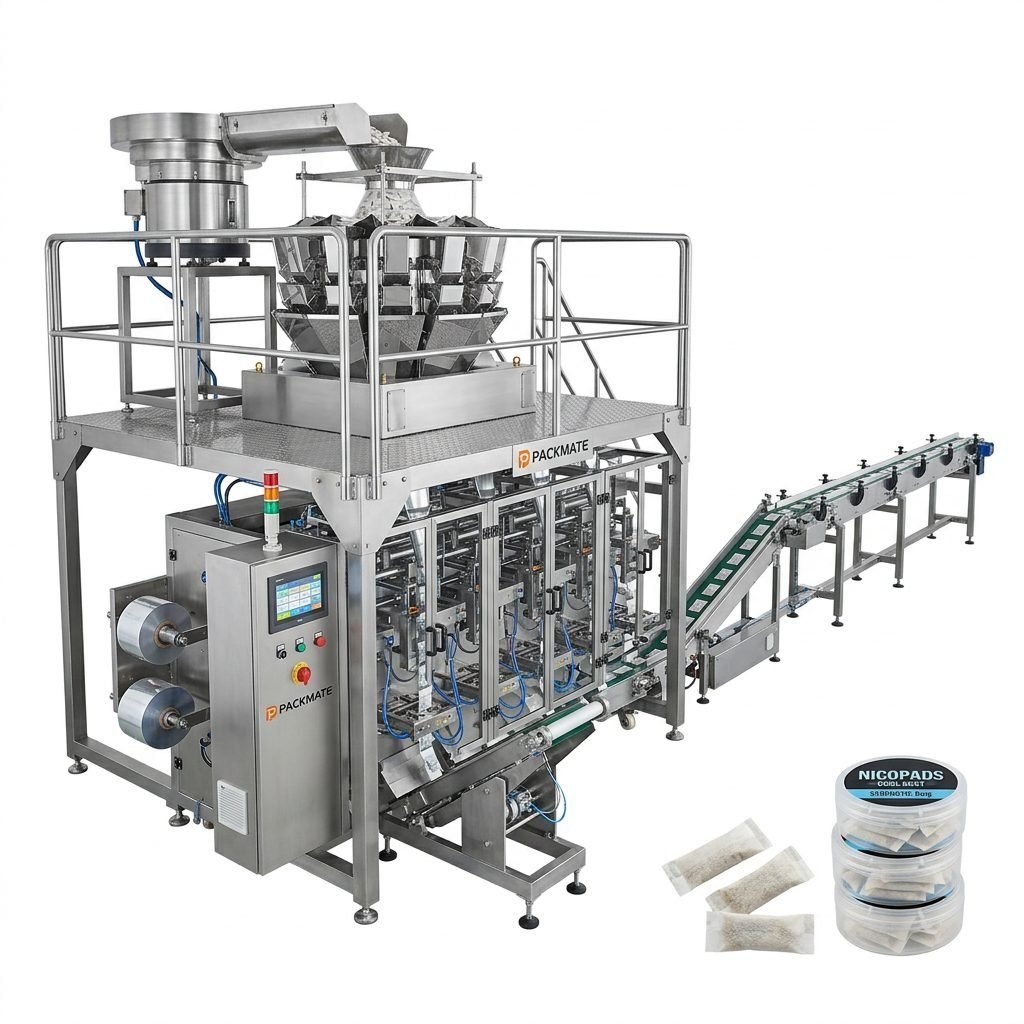
Multi-lane Snus Pouch Systems
Multi-lane systems increase throughput by producing multiple pouches in parallel — perfect for manufacturers scaling production. They require robust film handling and synchronization to maintain consistent pouch quality across lanes.
For machine portfolios and in-depth model selection, reference trusted equipment lines like
Snus & Nicotine Packaging Machines and
Sachet & Stick Pack Machines.
Capacity and Throughput: Plan for Today and Tomorrow
Estimate required output by calculating daily production targets and peak demand. Machines are rated by pouches per minute or per hour — choose a model that meets current needs while allowing headroom for growth. Also consider changeover time between SKUs: quick tool-less changeovers minimize downtime.
✅ Practical tip: Select machines with scalable options—additional lanes, servo upgrades, or modular feeders—to avoid buying a whole new line when capacity needs increase.
Accuracy and Dosing Systems
Precision is critical for nicotine pouch production to meet weight tolerances and consumer expectations. Evaluate the integrated dosing technology: auger fillers, volumetric cups, or gravimetric weighing systems. Gravimetric systems paired with intelligent control yield the best consistency, especially for small-dose products.
Materials Handling and Film Compatibility
Film selection (laminated, foil, or heat-sealable films) affects sealing temperatures, machine settings, and pouch longevity. Ensure the machine supports your preferred film width, roll diameter, and unwind/rewind tension control to avoid wrinkles, misalignment, and seal failures.
Automation, Controls, and HMI
Modern machines should include user-friendly HMIs, recipe management, and PLC-based controls for repeatable runs. Look for touchscreens with multi-language support, remote diagnostic capability, and fault logging to speed troubleshooting and lower reliance on specialist technicians.
⚙️ Must-have HMI features: recipe save/load, live production counters, alarm history, and remote access for vendor support.
Regulatory Compliance and Certifications
Machines used in nicotine and tobacco-related packaging should meet local and international safety and hygiene standards. Check for CE and ISO compliance, and ensure materials in contact with product are food-grade or compliant with applicable regulations. Suppliers like Packmate provide certificates and documentation—see their compliance pages for details:
Certificate.
After-sales Service, Spare Parts, and Local Support
Reliable local support reduces downtime. Verify the supplier’s spare parts lead times, availability of field engineers, and training programs. If you operate in New Zealand, prioritize suppliers or distributors with regional presence, remote support, and documented service plans.
Warranty & Training
Confirm warranty terms, preventive maintenance schedules, and operator training scope. A comprehensive commissioning package including on-site training, maintenance manuals, and spare parts lists helps ensure smooth handover.
Total Cost of Ownership (TCO)
Purchase price is only the beginning. Calculate TCO by including installation, training, spare parts inventory, energy consumption, and expected maintenance hours. Higher initial investment in precision equipment can pay off with lower waste, faster changeovers, and longer MTBF (mean time between failures).
📈 Evaluate lifecycle costs: spare parts cost, scheduled service intervals, energy usage, and expected depreciation over 5–10 years.
Factory Capability and Manufacturer Reputation
Purchase from manufacturers with proven experience in snus packaging. Look for companies with dedicated manufacturing facilities, advanced CNC machining, and a history of supplying multi-lane systems. Packmate, for example, highlights 30+ years of engineering and a 20,000㎡ facility — factors that signal strong manufacturing capability. Learn more about the company and its history at
About Packmate.
Customization and Turnkey Solutions
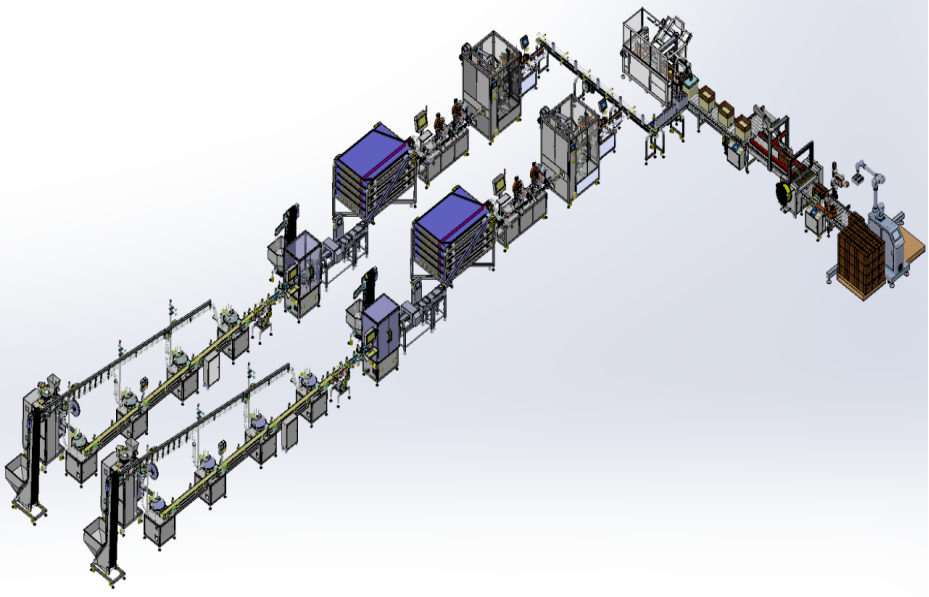
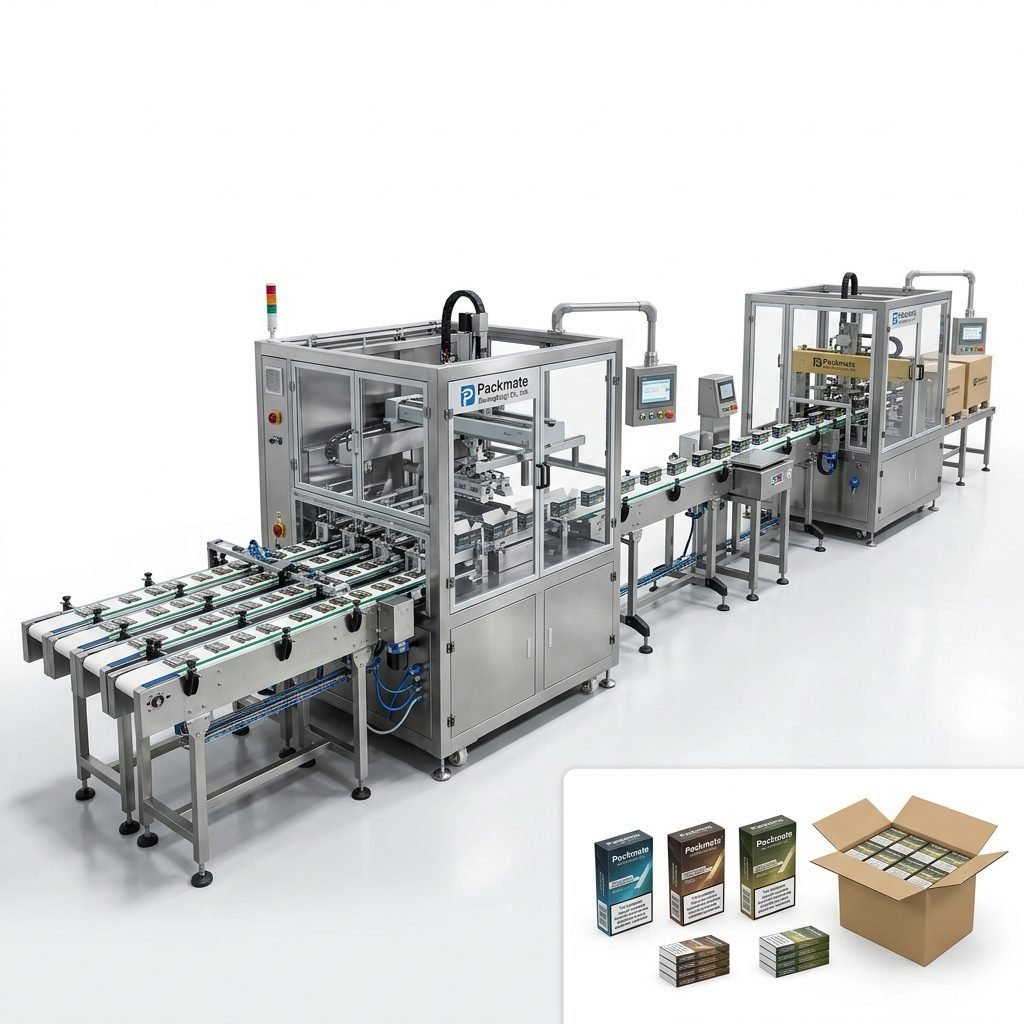
If your product line requires unique filling heads, multi-material feeding, or downstream cartoning and case packing, seek suppliers that offer turnkey production lines and system integration. Suppliers with an in-house design and project management team can deliver end-to-end solutions faster.
You can review sample production lines and case studies to evaluate delivered performance; see real customer examples at
Case.
Site Preparation and Installation Planning
Before shipment, validate your facility’s electrical, compressed air, ventilation, and floor-loading capabilities. Detailed installation drawings and a pre-commissioning checklist from the vendor will reduce on-site surprises and speed up the commissioning process.
Testing, Trials, and Acceptance Criteria
Negotiate FAT (Factory Acceptance Test) and SAT (Site Acceptance Test) criteria into the contract. FAT allows you to witness machine performance, accuracy, and reliability before shipment. Clearly defined acceptance criteria protect your investment and ensure vendor accountability.
🔒 Contract essentials: performance guarantees, spare parts list, training scope, FAT/SAT steps, and delivery schedule.
Sustainability and Energy Efficiency
Energy-efficient drives, smart standby modes, and reduced film waste contribute to a greener operation and lower operating costs. Consider machines designed to minimize film overlap and optimize material usage.
Practical Steps to Compare Suppliers
When evaluating vendors, use a consistent checklist: performance specs, accuracy, uptime history, local support capability, spare parts lead time, and reference installations. Visit demonstrations if possible or request video trials showing real product runs.
For a broad view of available systems — including auxiliary equipment and weighing systems — explore resources like
Weighing & Packaging Systems and
Auxiliary Packaging Equipment.
Making the Final Decision
Balance short-term needs and long-term strategy. Prioritize machine reliability, ease of maintenance, and supplier transparency. Select vendors who offer clear documentation, spare parts availability, qualified service engineers, and proven machine performance in snus applications.
✅ Decision checklist: product compatibility, throughput, dosing accuracy, film handling, certifications, after-sales support, and TCO.
Where to Get Support and Next Steps
Reach out to experienced manufacturers that specialize in snus packaging for tailored advice, turnkey solutions, and demonstrable results. For direct contact and quotations, consider visiting the manufacturer’s contact page and arranging a consultation:
Contact Us.
Quick action plan
1. Define SKUs, materials, and daily target throughput. 2. Shortlist machines that match format and capacity. 3. Request FAT video or onsite demo. 4. Review TCO and service agreements. 5. Plan site utilities and schedule SAT.
Conclusion
Selecting the best snus packaging machine in New Zealand requires a careful mix of product understanding, technical evaluation, supplier credibility, and long-term cost planning. Prioritize machines that offer precise dosing, reliable multi-lane throughput if needed, strong automation features, and robust after-sales support to keep your production consistent and compliant.
Common Questions
1. What packaging machine type is best for nicotine pouches?
For single-portion nicotine pouches, high-precision sachet or stick pack machines are ideal. If higher throughput is required, consider multi-lane pouch systems that produce multiple pouches in parallel while maintaining dosing accuracy.
2. How important is gravimetric weighing vs. volumetric dosing?
Gravimetric weighing provides the highest accuracy and consistency, particularly for small-dose snus and nicotine products. Volumetric systems can be cost-effective for larger doses but may be less precise when product density varies.
3. What certifications should I check for a snus packaging machine?
Check for CE and ISO certifications, and ensure materials in contact with product are compliant with food-grade or regulatory standards that apply to nicotine products. Request the manufacturer’s certificate documentation before purchase.
4. How do I minimize film waste and improve sustainability?
Choose machines with precise film control, overlap optimization, and efficient cutting systems. Energy-efficient drives and smart standby modes also reduce operational footprint. Discuss material-saving strategies with your supplier during system design.
5. Where can I see real machine examples and request support?
Visit manufacturer case pages and exhibition listings to view real installations and demonstrations. For detailed product lines and support options, explore resources like the Packmate product pages and request a consultation through their contact page:
Filling & Packaging Lines.