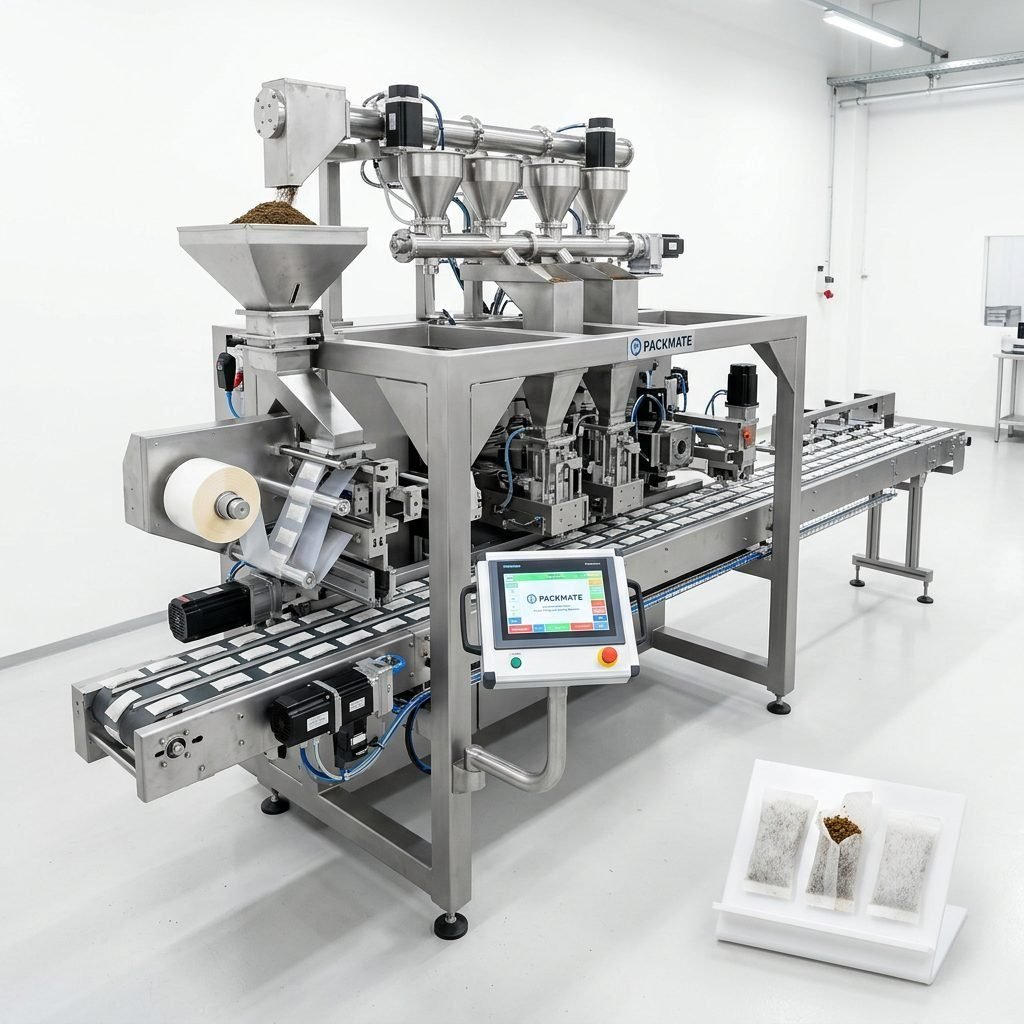
Choosing the right nicotine packaging machine manufacturer in Bosnia and Herzegovina is a strategic decision that affects product quality, regulatory compliance, production efficiency, and local market acceptance. This guide explains how to evaluate manufacturers, what to ask during factory visits, and how to ensure reliable after-sales support, with a focus on local business practices and logistical realities in Bosnia and Herzegovina.
Understand Your Production Requirements
Before you contact any supplier, map out your technical needs. Consider production speed, pouch or can formats, lane count, filling accuracy, and required integration with existing weighing or conveying systems. For nicotine pouches and snus, consistent dosage control and gentle handling are critical to preserve product texture and moisture balance.
Key technical questions to define internally
🔍 What is your target output (pieces/min or pouches/min)?
🔍 Which pouch formats (stick, sachet, multi-lane pouches, cans) will you run?
🔍 Do you need integrated weighing/filling lines or standalone packaging machines?
✅ Tip: If your product is high-moisture or contains oily components, prioritize machines with gentle product handling and easy-to-clean contact parts.
Evaluate Manufacturer Credentials and Experience
Experience in nicotine/snús packaging matters. Look for suppliers with a proven track record in pouch machines, stick packs, and multi-lane systems. Manufacturers with long engineering histories often have refined solutions for dosing accuracy and lane synchronization.
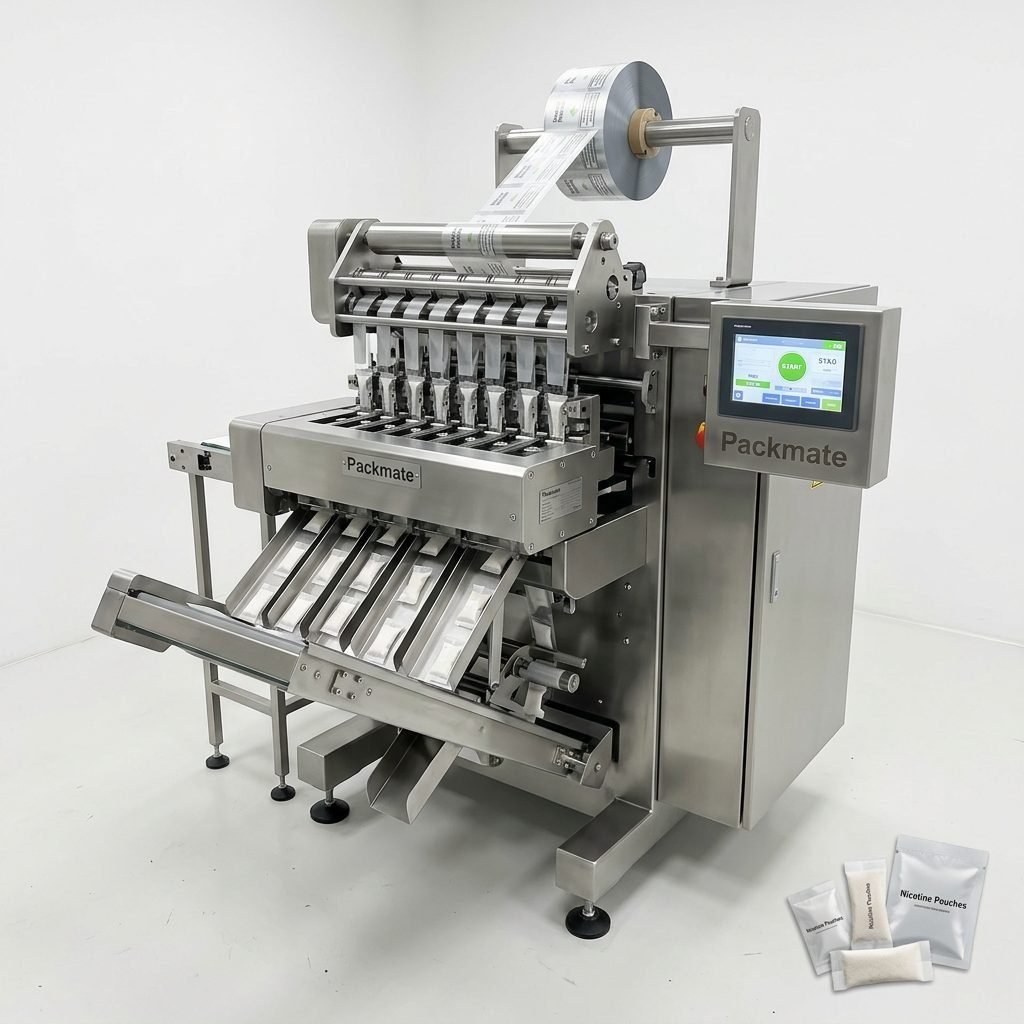
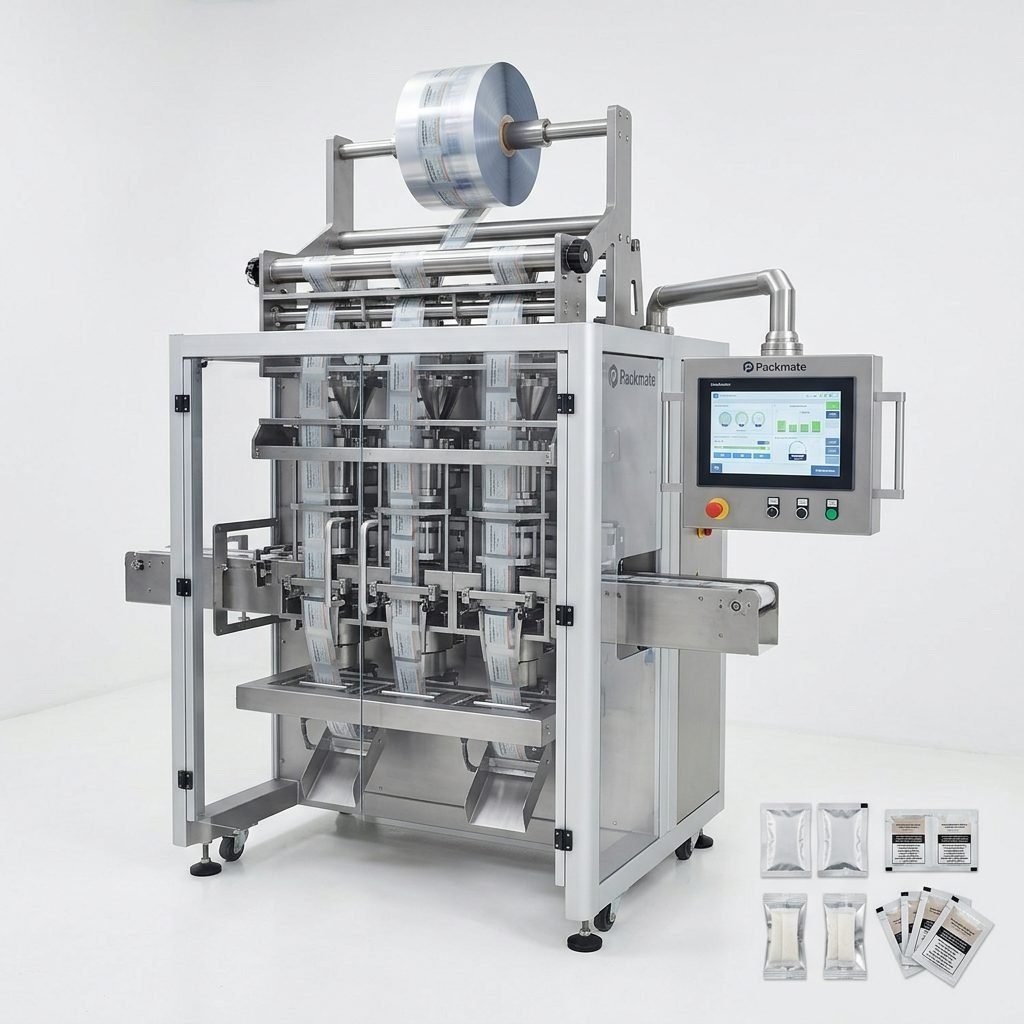
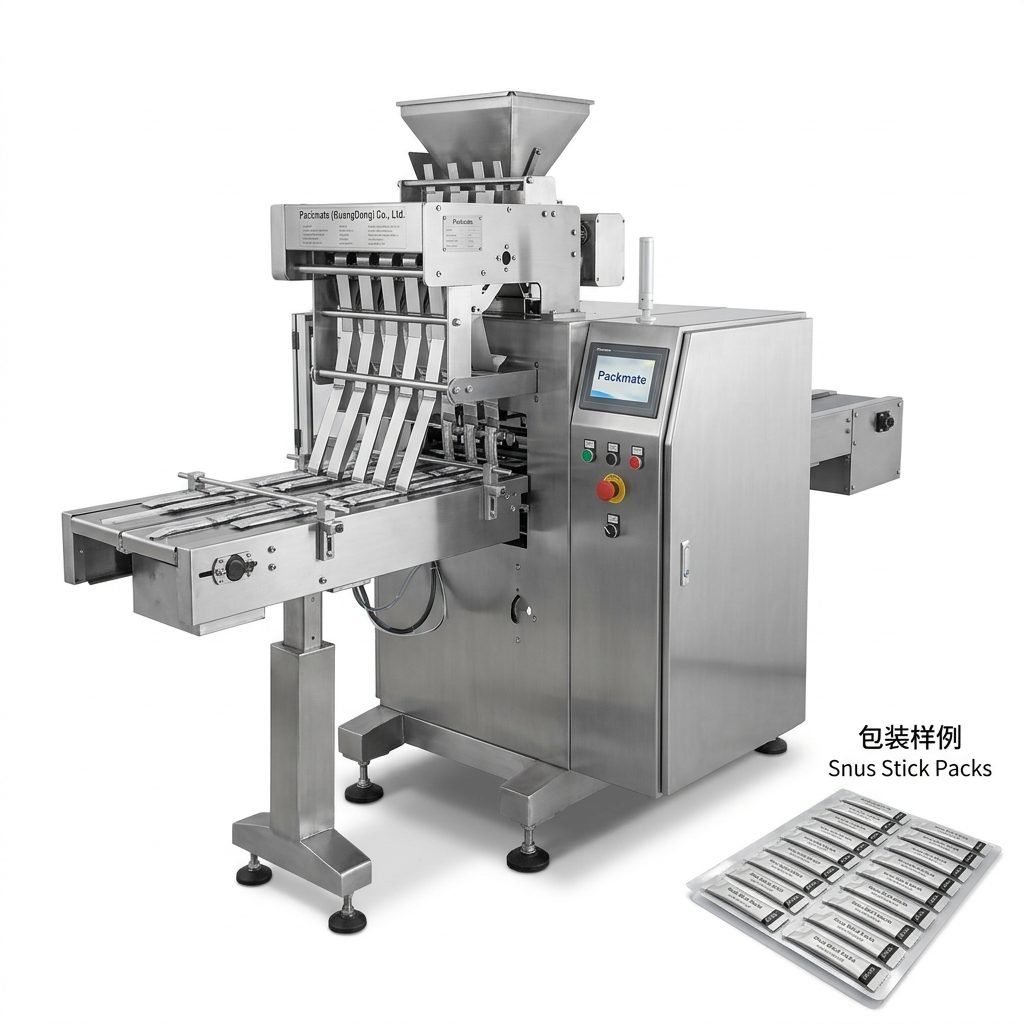
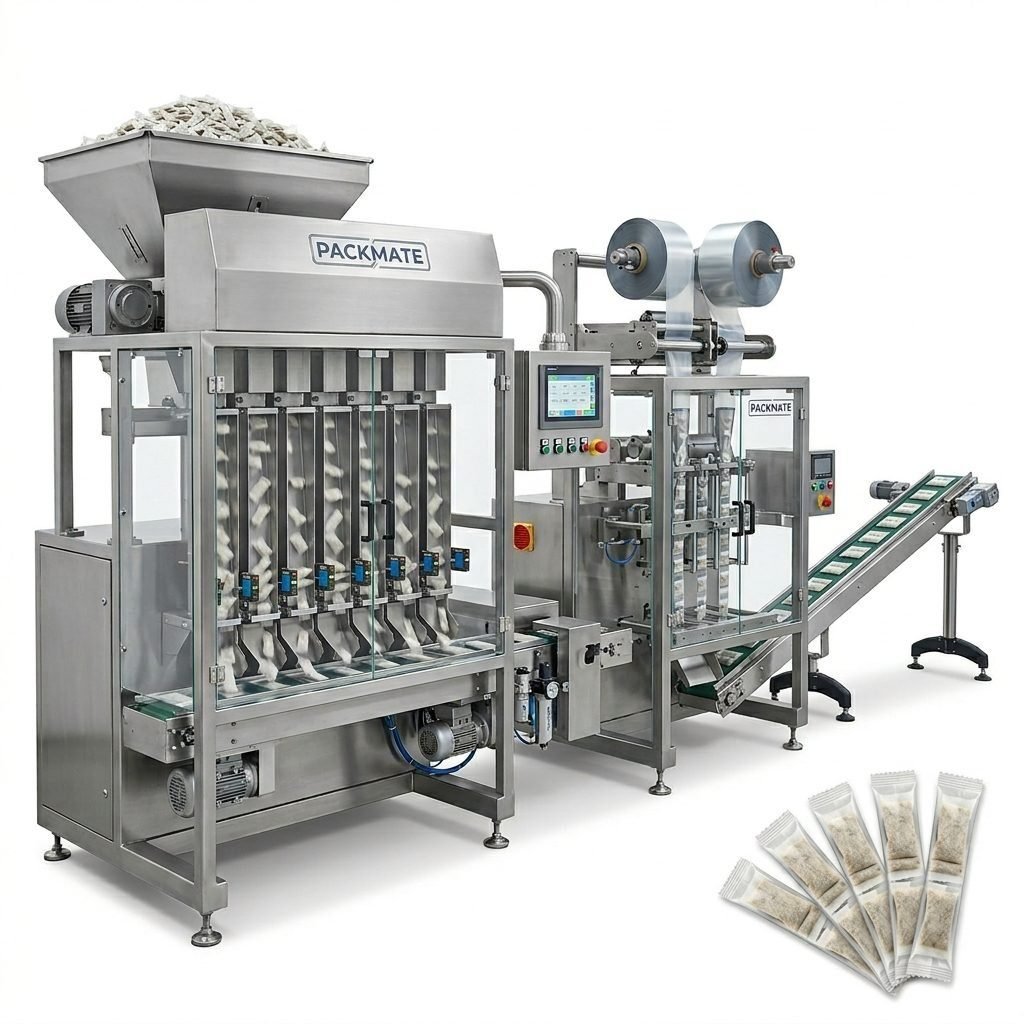
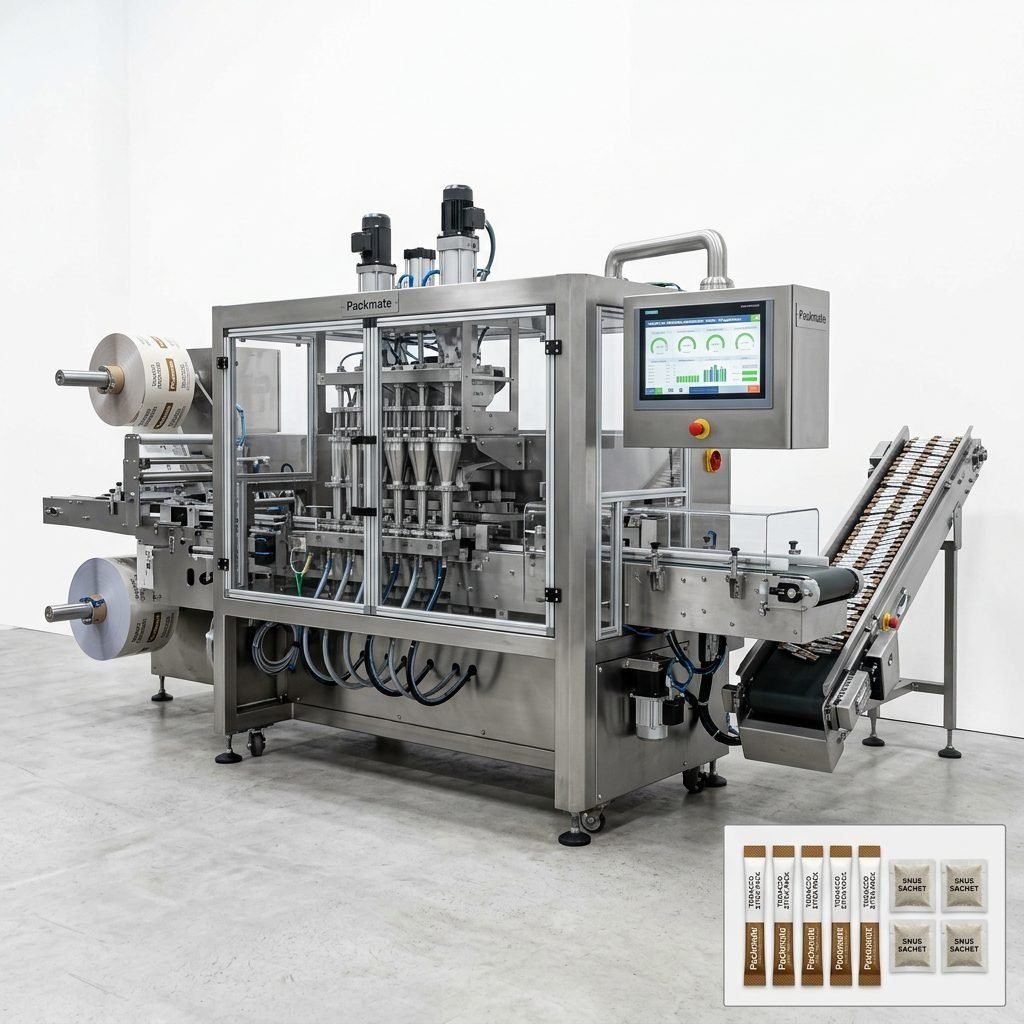
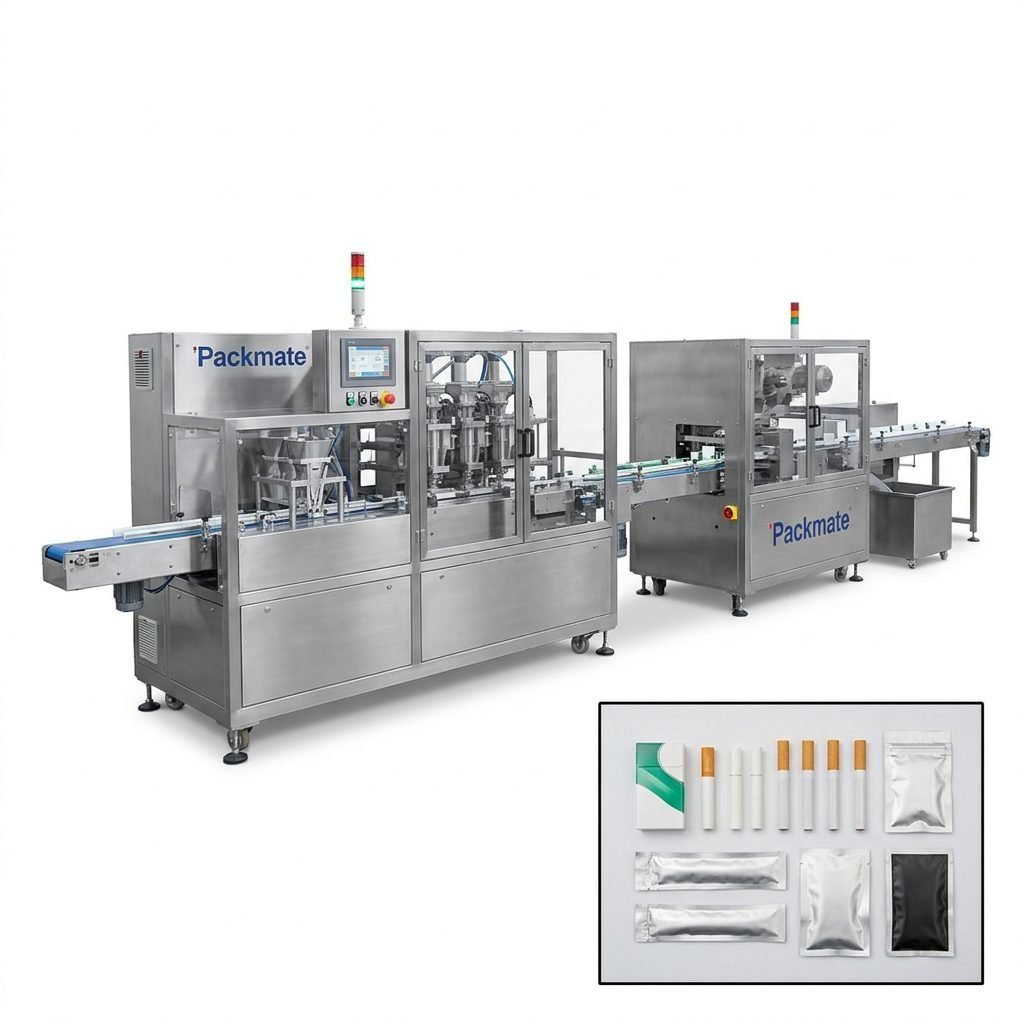
Packmate Snus Machine, for example, offers over 30 years of engineering experience and a broad portfolio of snus and nicotine packaging machines. You can review technical products and turnkey solutions when comparing offers.
Important credentials to verify:
📌 CE and ISO certifications for safety and manufacturing quality;
📌 Case studies or references from similar customers — look for systems installed for nicotine, tea, powder, or small-dose pouch production; check real-world reliability and spare parts availability;
📌 A factory tour or virtual walkthrough to inspect CNC machining, assembly quality, and testing procedures.
For quick product exploration, inspect relevant product lines such as Snus & Nicotine Packaging Machines and related equipment to verify model diversity and integration options.
Assess Local Regulatory and Market Context in Bosnia and Herzegovina
Doing business in Bosnia and Herzegovina requires sensitivity to local regulations and cultural habits. Nicotine products are regulated and distributors often demand documentation for ingredients, packaging materials, and machine hygiene. While Bosnia and Herzegovina is not an EU member, many importers and retailers expect CE-marked machinery and ISO-compliant production processes to simplify cross-border trade and consumer trust.
Business etiquette: Bosnian buyers often value personal relationships and trust. Face-to-face visits, factory inspections, and bilingual documentation (Bosnian/English) help build confidence. Be prepared to offer translated manuals and on-site training, or at least remote training in Bosnian or regional languages.
⚠️ Local logistics note: Bosnia has a short coastline at Neum and often uses nearby Croatian ports (Rijeka, Ploče) for container shipments. Confirm shipping routes, customs procedures, and local VAT/import duties when negotiating delivery terms.
Factory Visit Checklist — What to Inspect
If possible, schedule a factory visit. A visit reveals real production practices, quality control disciplines, and the manufacturer’s responsiveness.
During the visit, verify:
✔️ Assembly lines and CNC machining centers — consistent parts precision reduces future downtime;
✔️ Test benches and QA records — insist on performance test reports for speed, accuracy, and endurance;
✔️ Spare parts inventory and lead times — determine how quickly wear parts can be shipped to Bosnia and Herzegovina;
✔️ Software and control systems — ask about PLC brands, HMI language options, and remote diagnostics capabilities.
If you cannot visit in person, request a video demonstration of the exact model running your product and spare parts lists with part numbers.
Questions to ask the manufacturer on-site or virtually
• How do you guarantee dosing accuracy for small-dose nicotine pouches?
• What is the expected MTBF (mean time between failures) and which components are wear parts?
• Do you provide on-site installation, commissioning, and operator training in local languages?
After-Sales Service, Spare Parts and Local Support
Reliable after-sales service is often the deciding factor. Ask about service response times, remote diagnostics, and whether the manufacturer has local agents or partners in the Balkans who can provide faster service.
Key service considerations:
📌 Contracts for preventive maintenance and spare parts kits for critical wear items (seals, belts, feeders);
📌 Remote support capabilities (VPN, PLC remote access) to reduce downtime and travel costs;
📌 Training programs for local technicians and multilingual documentation — having manuals in Bosnian/Serbian/Croatian or at least in English is a strong advantage;
📌 Warranty terms and the availability of extended warranty or service contracts.
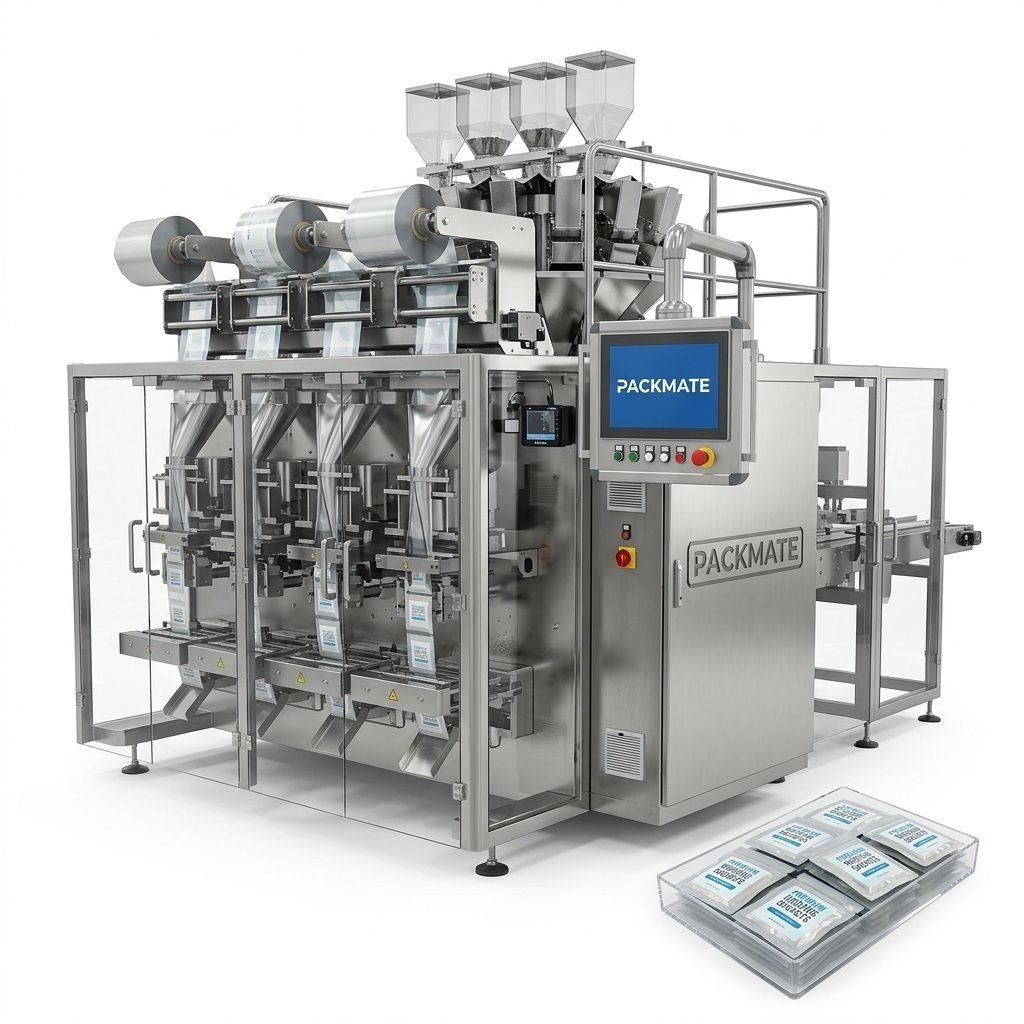
For an idea of wide-ranging solutions that include weighing and filling lines as well as auxiliary equipment, review offerings like Weighing & Packaging Systems and Auxiliary Packaging Equipment.
Customization, Integration and Turnkey Solutions
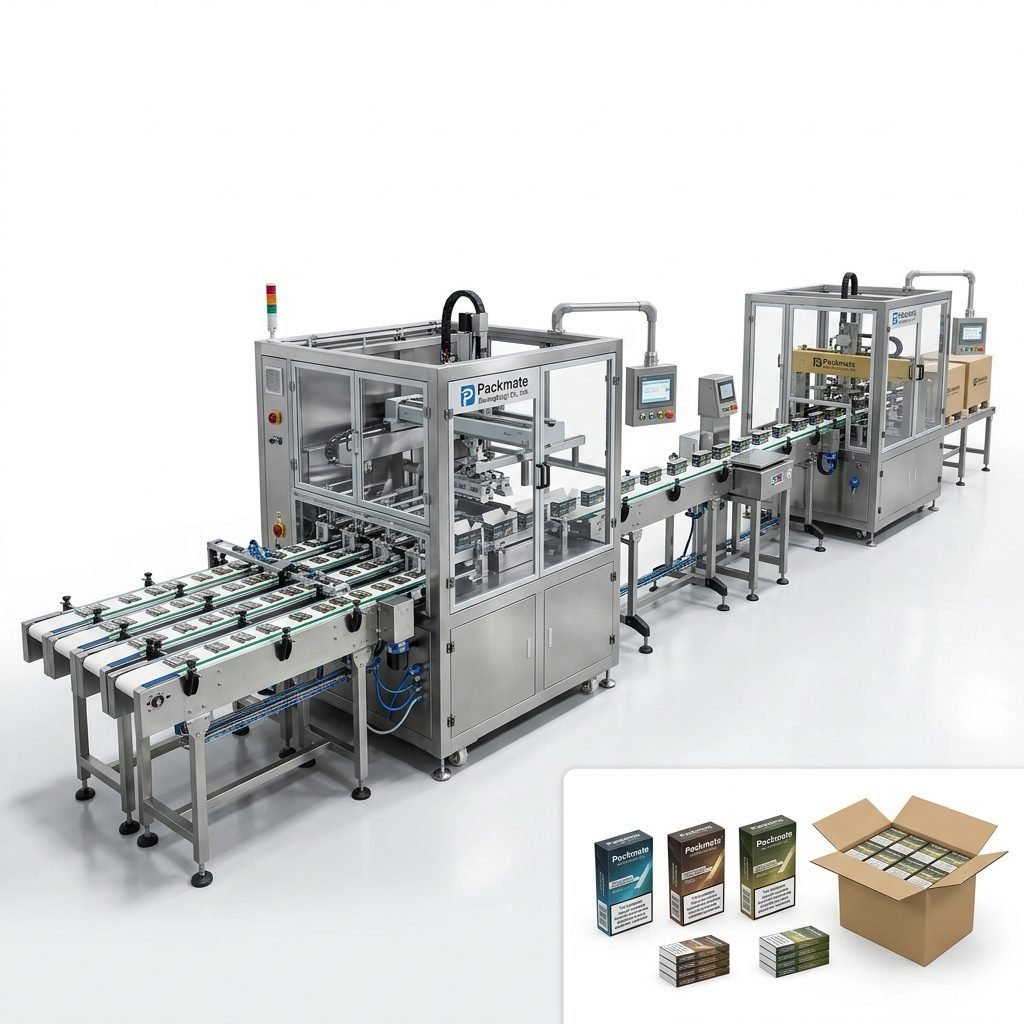
Some projects in Bosnia and Herzegovina require custom solutions — for example, adapting pack sizes for local retail channels or integrating with contract manufacturing lines. Choose manufacturers who provide turnkey solutions: pre-designed lines that include filling, sealing, secondary packing, and end-of-line cases.
📌 Example: Packmate offers multi-lane snus pouch systems and turnkey filling-packaging lines that can be adapted for local labeling and packaging preferences. Explore more on their turnkey offerings and company profile to evaluate fit for complex projects: About Packmate.
Commercial Terms and Payment Considerations
Negotiate payment terms, incoterms, and delivery schedule clearly. Typical options include FOB, CIF to a designated port (often Croatian ports for Bosnia and Herzegovina shipments), or DDP if you prefer the supplier to handle customs clearance. Ensure all documentation (packing lists, certificates, CE declarations) is ready for customs and distribution.
If you are importing machinery for commercial production of nicotine pouches, confirm local licensing and product registration requirements. Local authorities may request equipment safety certificates and ingredient documentation for the product.
Selecting a Reliable Supplier — A Practical Scorecard
Use a simple scoring matrix to compare suppliers on key metrics:
1) Technical suitability and scalability;
2) Certifications and QA practices;
3) After-sales support, spare parts availability, and training;
4) Local logistics and delivery times;
5) Total cost of ownership — include installation, training, spare parts, and downtime risk.
A shortlist of vendors that score well across these categories gives you the leverage to negotiate prices, lead times, and service terms.
Why Factory Reputation and Cases Matter
Review case studies and exhibition presence to confirm a manufacturer’s market reputation. Manufacturers that demonstrate machines at exhibitions and publish case studies of installations are easier to vet. Visit case pages to see real installations and client feedback to reduce procurement risk.
Learn more about successful installations and project examples in the manufacturer’s case gallery here: Case.
Negotiating the Contract and Ensuring Smooth Commissioning
When drafting the purchase agreement, include clear acceptance tests, performance guarantees, penalty clauses for delayed delivery, and support commitments for commissioning. Define acceptance criteria (e.g., pouch integrity, production speed under load, filling accuracy) and include a final FAT (Factory Acceptance Test) and SAT (Site Acceptance Test) schedule.
Ensure the supplier provides full documentation, spare parts kits for commissioning, and a training plan for operators and maintenance staff in a language your team understands.
Useful links for technical research and pre-sales contact
• Explore specific packaging models and product lines: Sachet & Stick Pack Machines
• For turnkey lines, filling, and broader solutions: Filling & Packaging Lines
📞 Next step: Contact the supplier to request a tailored proposal, machine specifications, and FAT videos. If you need on-site commissioning, confirm local language support and travel timelines to Bosnia and Herzegovina.
Final Considerations Specific to Bosnia and Herzegovina
Respect local customs: build relationships through direct communication, respond promptly to inquiries, and respect formal business etiquette. Demonstrable product safety and machine reliability are especially valued in a market where trust and personal referrals drive repeat business.
Partnering with a supplier that offers multilingual documentation, CE/ISO compliance, and robust spare parts support can significantly reduce time-to-market and operational risk.
For more information on services and to reach out for quotes or technical consultation, visit the manufacturer’s service and contact pages: Service | Contact Us.
Summary — Quick Procurement Checklist
• Define production targets and pouch formats;
• Verify certifications (CE/ISO) and factory capabilities;
• Inspect spare parts strategy and after-sales service;
• Arrange FAT/SAT and clear contractual acceptance criteria;
• Consider local language support, logistics routes, and cultural business practices in Bosnia and Herzegovina.
Frequently Asked Questions
Q1: How long is the typical lead time for a snus/nicotine pouch packaging line?
A1: Lead times depend on customization and model. Standard machines may ship within a few months, while turnkey or highly customized multi-lane lines can take longer. Confirm timelines and factory acceptance test dates before signing.
Q2: What certifications should I insist on when importing machinery into Bosnia and Herzegovina?
A2: CE and ISO certifications are standard markers of safety and quality. Also ensure you receive conformity declarations, electrical safety documents, and any documentation necessary for customs clearance.
Q3: Can suppliers provide support in Bosnian or regional languages?
A3: Some reputable manufacturers offer multilingual manuals and local partners for on-site training. Always ask for language options for manuals and training and consider local agents for faster service.
Q4: Are spare parts easy to source locally?
A4: It depends on the manufacturer’s spare parts policy and regional distribution network. Prioritize suppliers with documented spare parts inventories and clear shipping lead times to Bosnia and Herzegovina; consider stocking critical wear items locally.
Q5: Where can I see examples of installed lines and customer feedback?
A5: Review case studies and exhibition records on the manufacturer’s website to see real installations and client testimonials. Check pages such as the Case section and exhibition reports to evaluate reliability and global reach.