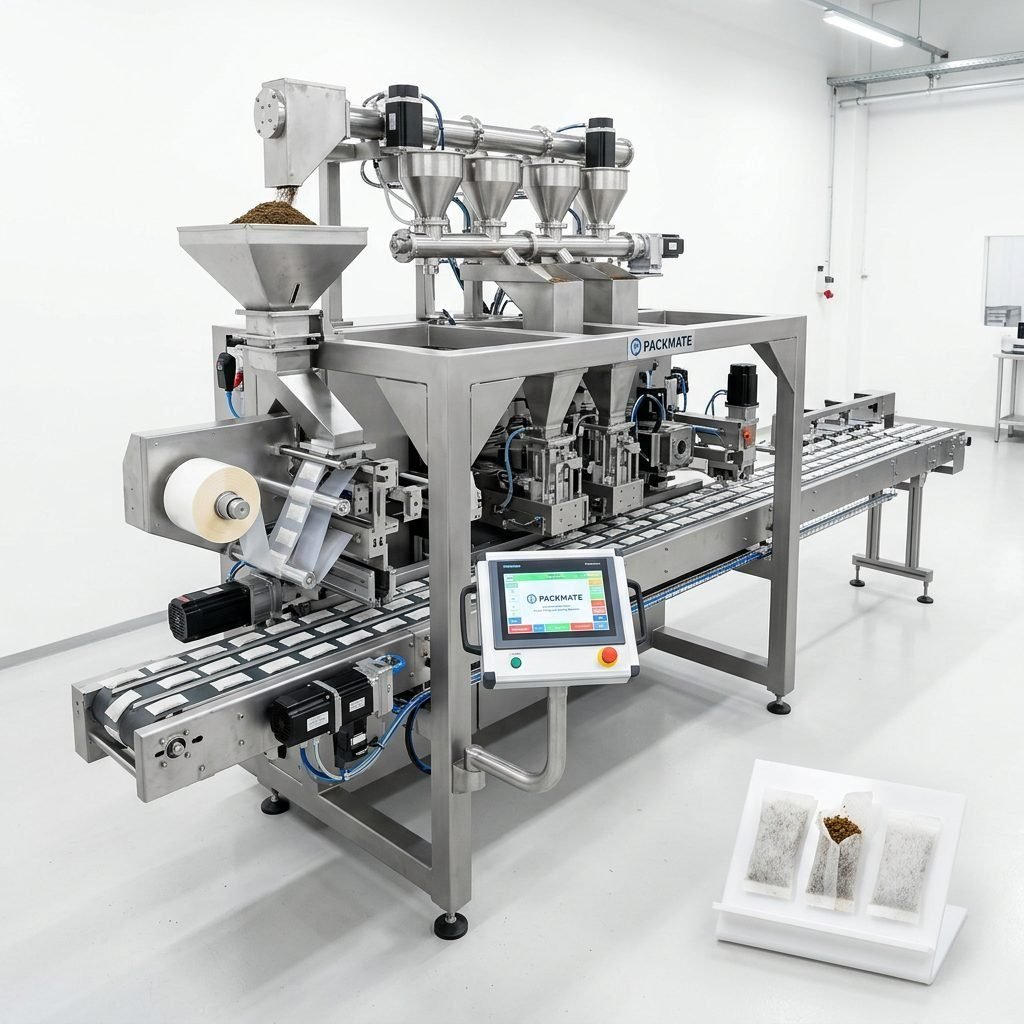
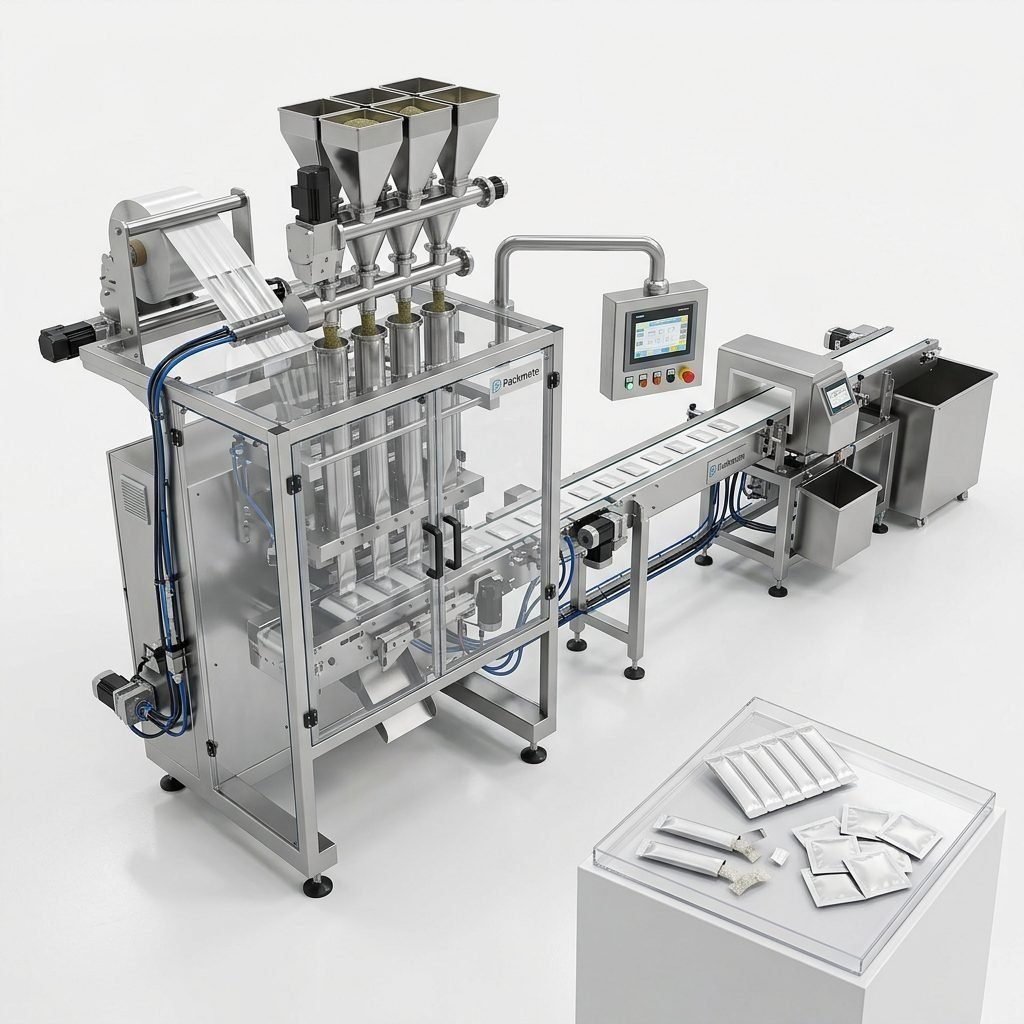
Choosing the right snus packaging machinery manufacturer in Jamaica can directly impact production quality, regulatory compliance, and long‑term operational costs. Whether you are launching a nicotine pouch brand or scaling up an existing line, this guide walks you through practical steps, technical checkpoints, and commercial considerations to help you select the best partner for reliable, high‑performance snus packaging solutions.
🔍 Understand the Jamaican Market and Regulatory Context
Jamaica’s regulatory environment for nicotine pouches and tobacco alternatives requires careful attention to labeling, packaging integrity, and import standards. Local distributors and manufacturers must comply with customs requirements and consumer safety regulations. When assessing suppliers, prioritize manufacturers that can provide documentation for CE, ISO, and other internationally recognized certifications, and who have experience exporting to the Caribbean and the Americas.
🏭 Factory Capability & Production Capacity
A reliable manufacturer should have clear evidence of manufacturing scale. Look for details like factory area, CNC capability, and the number of machine models. For example, a supplier with a 20,000㎡ facility, advanced CNC machining centers, and 50+ machine models demonstrates the resources to build and support complex turnkey lines.
✅ Technical Expertise & Product Range
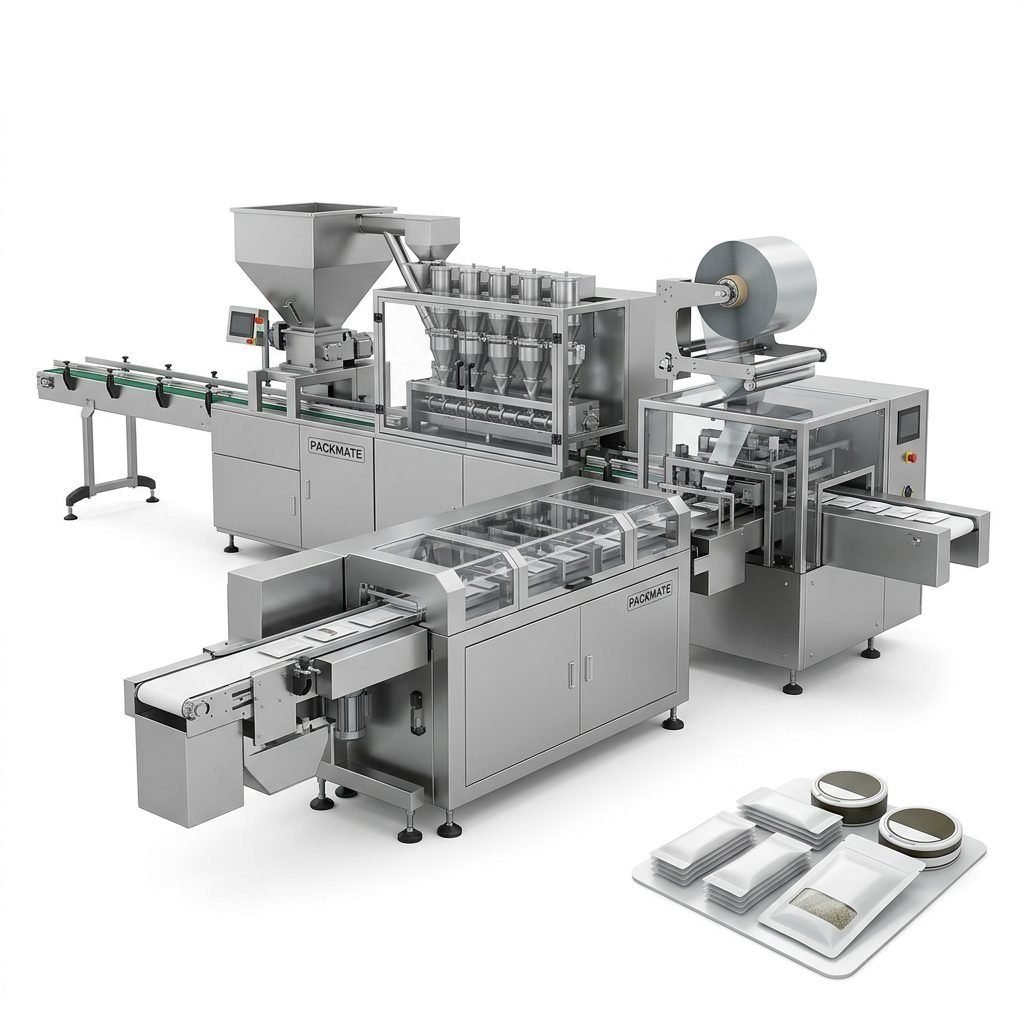
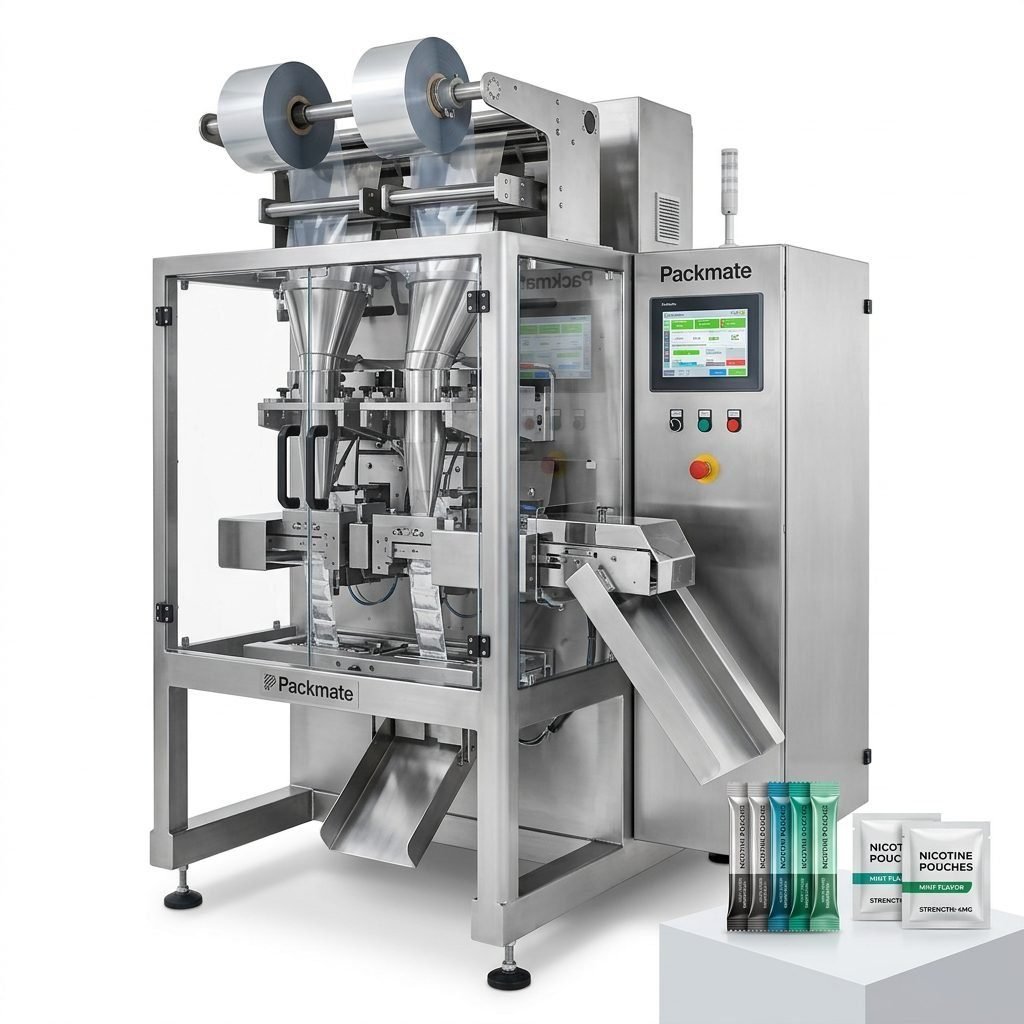
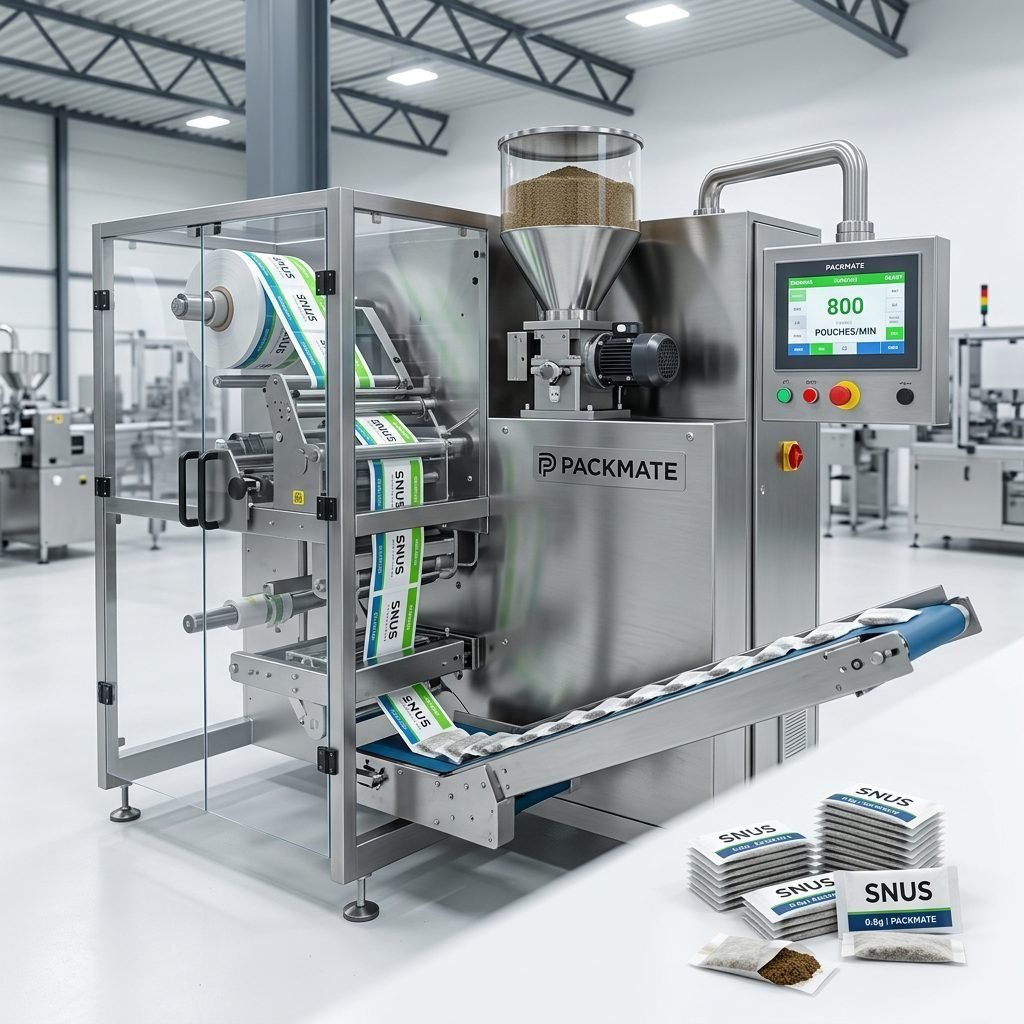
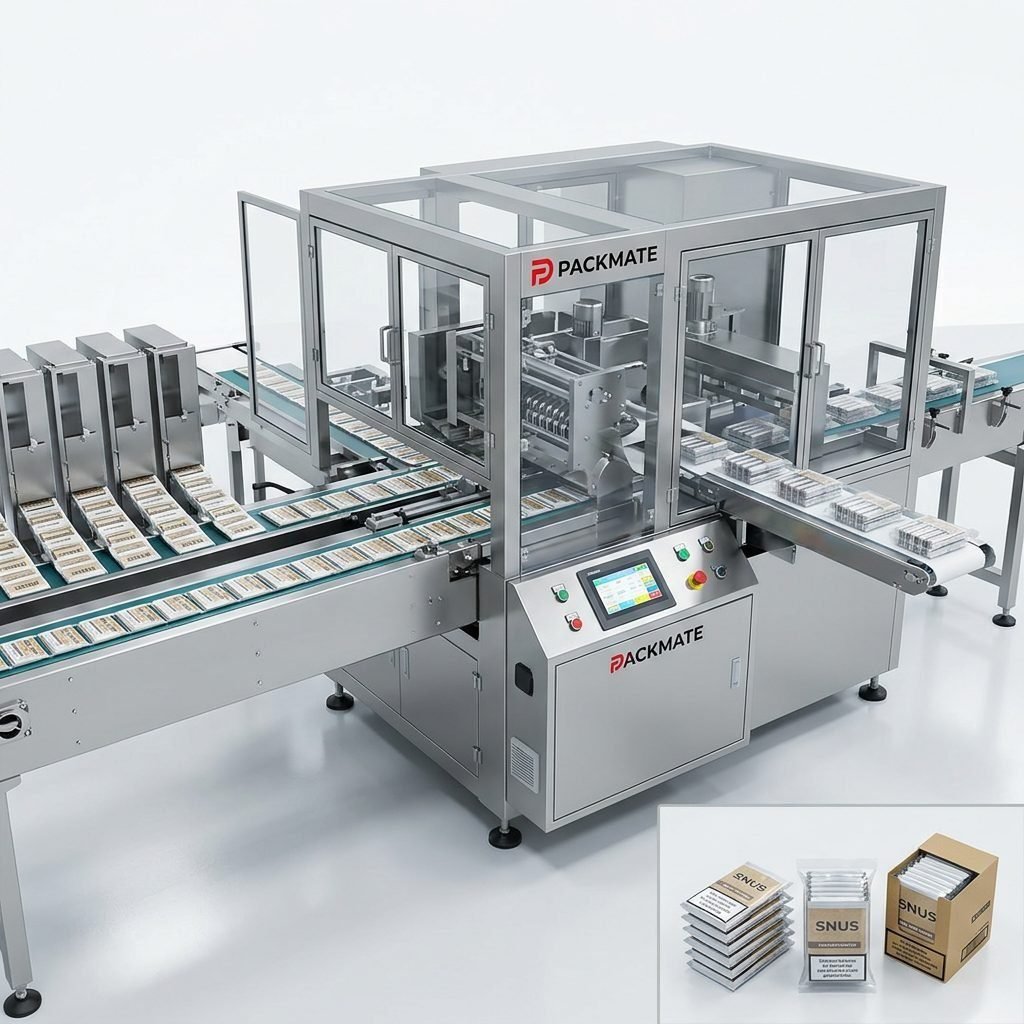
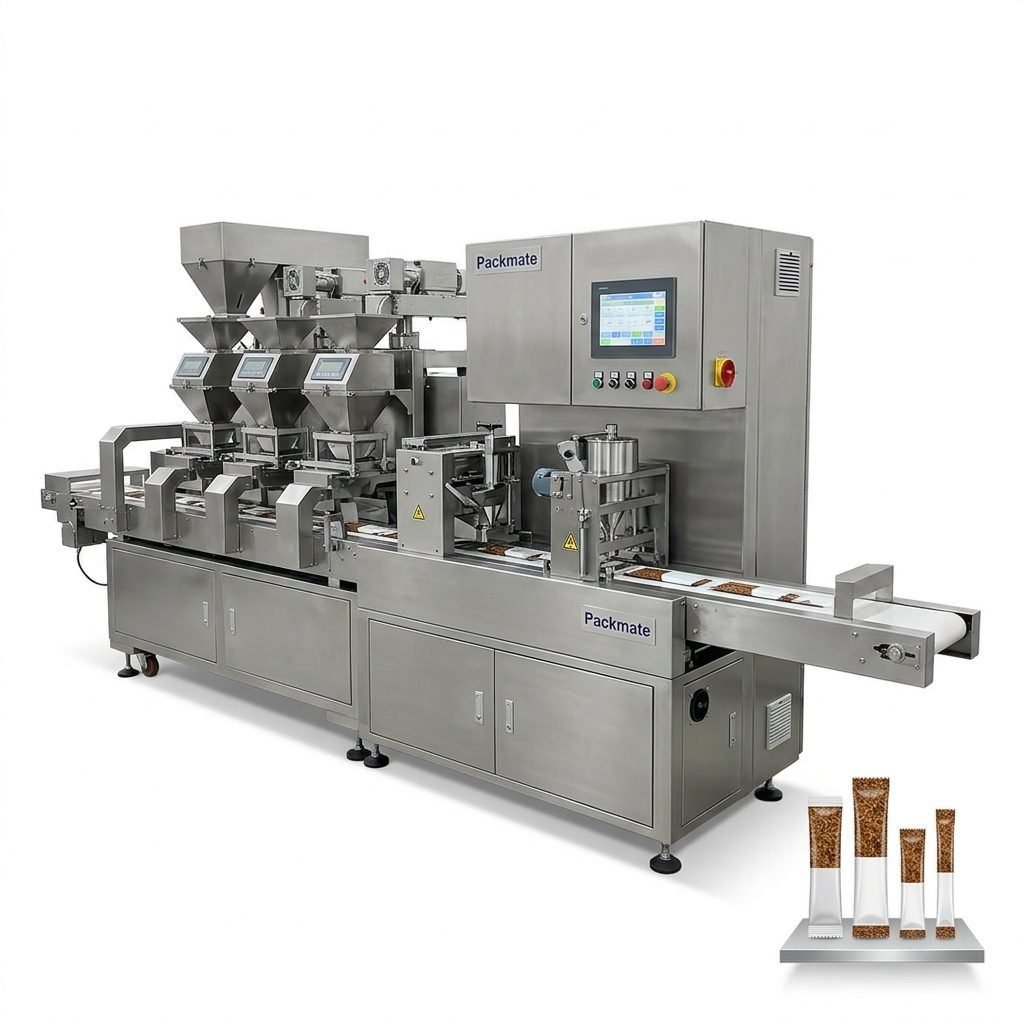
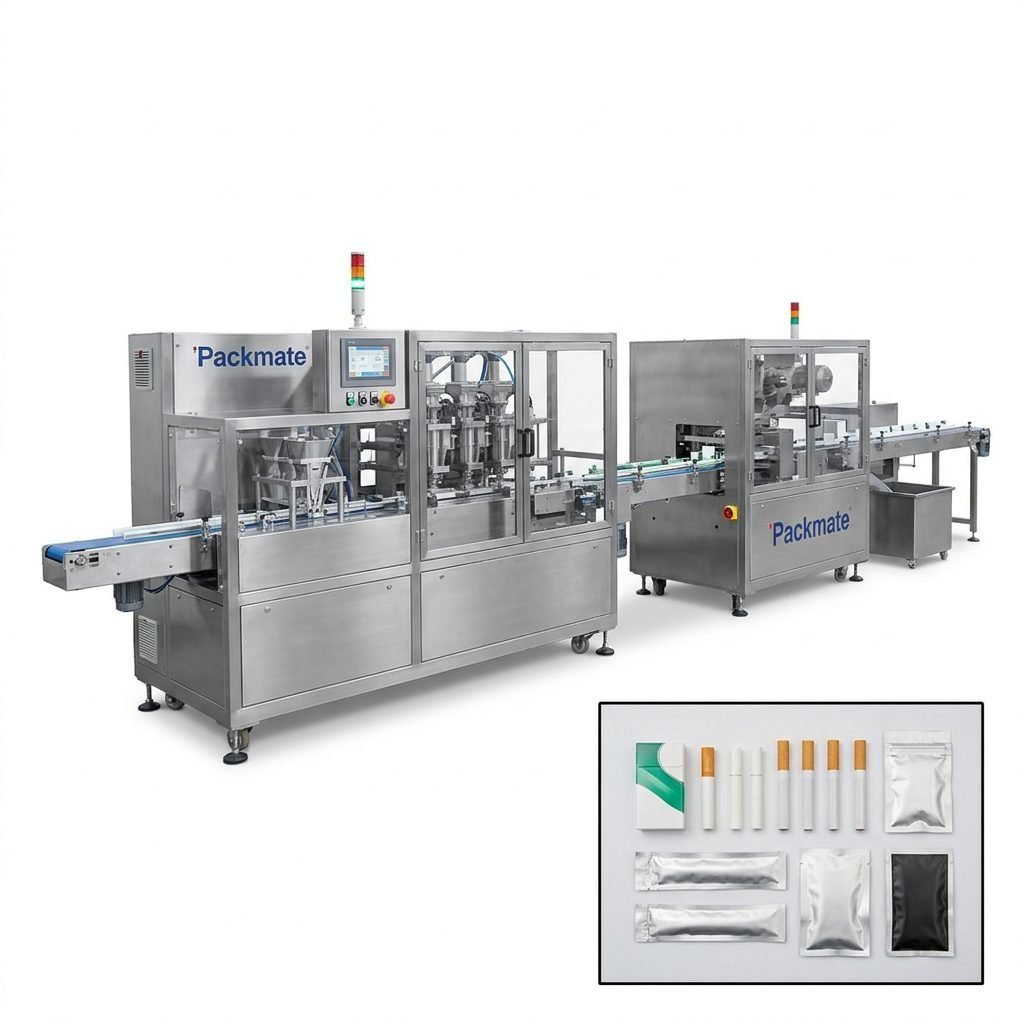
Choose a manufacturer that specializes in snus and nicotine pouch equipment—machines designed specifically for small-dose pouches, stick packs, and sachets. Specialized vendors understand dosing accuracy, multi-lane synchronization, and the challenge of sealing and portability for nicotine products. Review product pages and case studies to verify relevant experience. Useful references include:
• Snus & Nicotine Packaging Machines
• Sachet & Stick Pack Machines
• Filling & Packaging Lines
Key Selection Criteria — A Practical Checklist
1. Proven Experience in Small-Dose Pouch Production
Experience matters. Prioritize manufacturers with decades of engineering history and professional focus on nicotine pouch systems—especially those who have evolved to multi‑lane solutions and high‑speed stick pack technology. A strong timeline of development indicates ongoing R&D and continuous improvement.
2. Quality, Certifications & Compliance
Request certificates like CE and ISO. Verify third‑party test reports, safety assessments, and machine traceability. Machines intended for nicotine products should not only be mechanically robust but also hygienic and easy to clean to maintain product safety.
3. Customization & Scalability
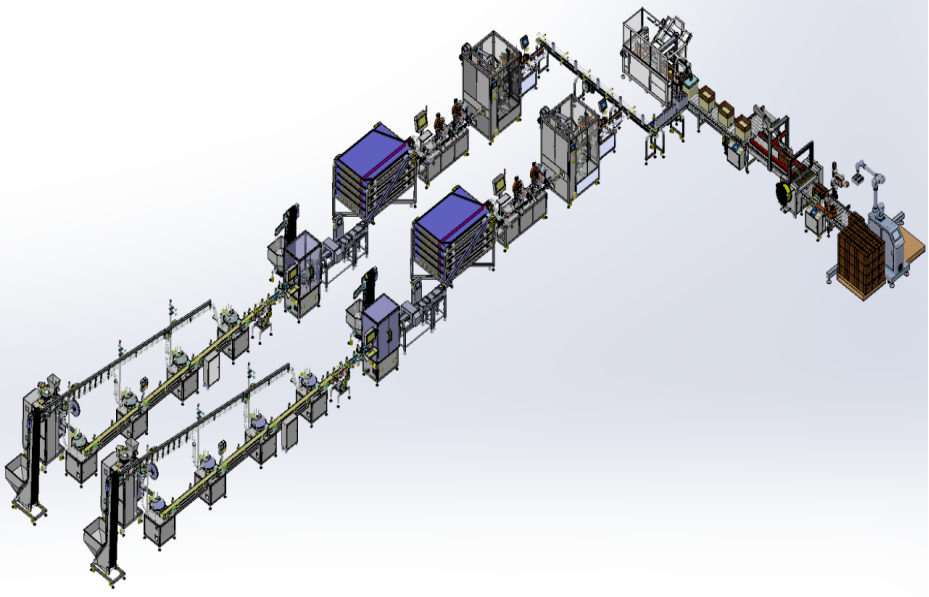
Your chosen supplier should offer modular solutions and customization: multi‑lane options, variable pouch sizes, options for stick packs vs. sachets, dosing systems for powders and granules, and integration with upstream weighing or downstream secondary packaging. A manufacturer offering turnkey lines and tailored engineering will help you grow without replacing entire lines.
4. After-Sales Support & Spare Parts
After-sales matters more than the purchase price. Look for suppliers providing global installation support, training, fast spare parts, and remote diagnostics. Manufacturers with exhibitions and global case studies typically have established service networks and experience handling cross-border logistics.
Detailed Evaluation Steps
Step 1 — Technical Audit & Factory Visit (if possible)
If feasible, audit the supplier’s factory or request a virtual tour. Verify machining centers, assembly lines, material handling processes, and quality control stations. Ask to see completed lines and request performance demonstrations relevant to nicotine pouch runs.
Step 2 — Performance Trials & Samples
Require machine trials using your product or a close analog. Key performance indicators include speed (pouches per minute), fill accuracy, seal integrity, and waste rates. A credible manufacturer will provide trial documentation and can often run customer material in their lab or on-site demo unit.
Step 3 — Total Cost of Ownership (TCO) Assessment
Look beyond the equipment price. Calculate installation, spare parts, consumables, energy usage, labor, and expected maintenance. Machines built with high-precision components may cost more upfront but often yield lower downtime and better product yield—reducing long‑term costs.
Manufacturer Traits Worth Paying Extra For
• Multi-lane synchronization for small-dose pouches (critical for high throughput).
• Automated changeover systems to reduce downtime between SKUs.
• Integrated weighing and filling systems for consistent dosing—especially important for micronized or powder formulations.
• Remote monitoring and PLC/HMI standards for easy troubleshooting and expansion.
Case Evidence & Global Reach
Evaluate case studies and international projects. Manufacturers serving Europe, Asia, and the Americas often understand cross-border regulatory nuances and logistics. Review portfolio pages and customer testimonials—this will reveal consistent performance and delivery reliability. For example, you can review manufacturing cases and exhibitions for additional validation:
• Case • Our Exhibition
Practical Negotiation & Procurement Tips
Clarify Scope and Deliverables
Define installation, commissioning, training, spare parts supply, warranty period, and performance acceptance criteria in the contract. Be explicit about packaging materials, pouch dimensions, target speeds, and acceptable loss rates.
Payment Terms & Shipping
Negotiate staged payments tied to milestones: design approval, factory acceptance test (FAT), shipping, and on-site acceptance. Confirm shipping responsibilities, customs clearance support, and estimated lead times.
Service Level Agreements (SLA)
Insist on clear SLAs for response times on technical support, parts shipments, and remote troubleshooting. Fast response and local spare parts access reduce downtime and protect your production schedule.
Why Consider Packmate Snus Machine?
Packmate is a dedicated snus packing machine manufacturer with decades of engineering experience and specialized multi‑lane designs for small-dose pouch production. Their profile highlights extensive factory capabilities, a wide product range, and global turnkey solutions—traits that align with the needs of companies operating in Jamaica and beyond.
Learn more about the company and contact them directly for tailored quotations: About Packmate • Contact Us
Integration: Upstream & Downstream Considerations
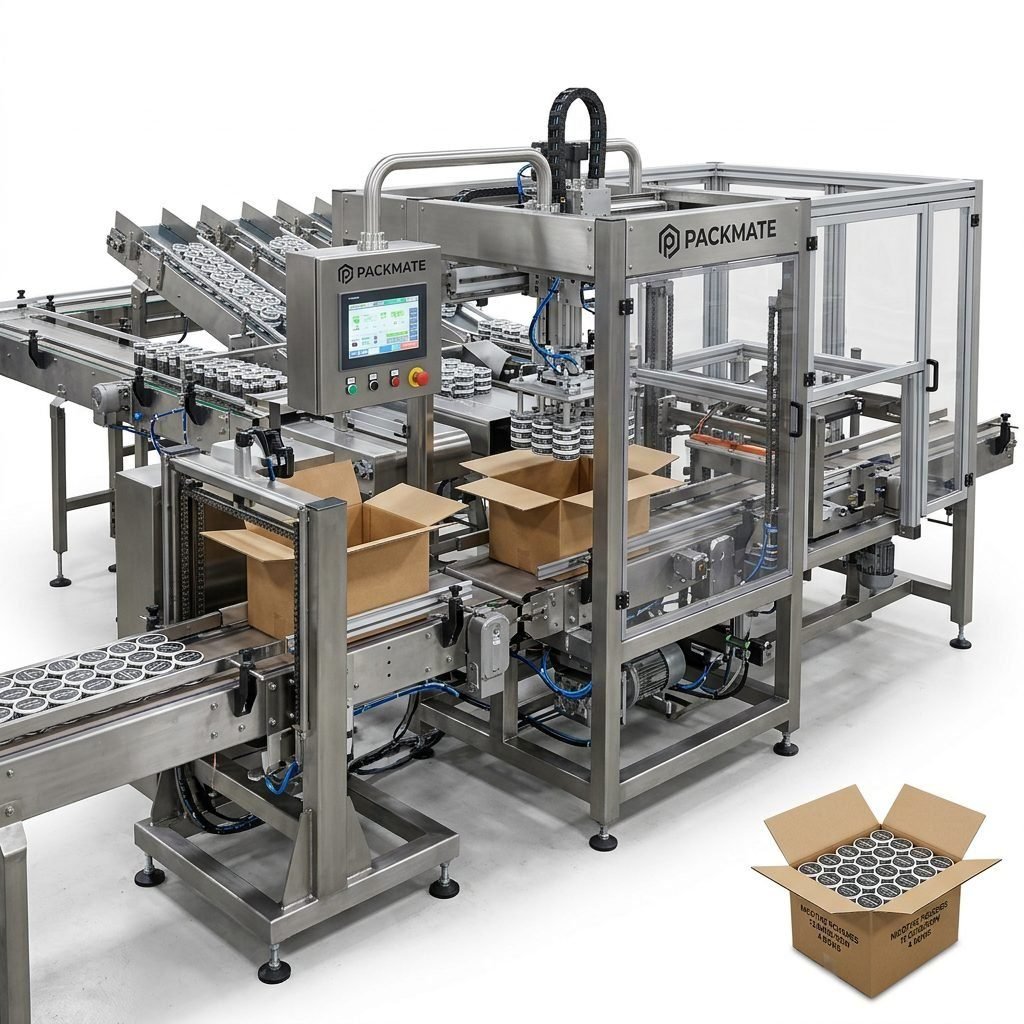
Packaging is only part of the production puzzle. Confirm compatibility with upstream filling/weighing systems and downstream secondary packaging, such as cartoning or case packing. Consider the supplier’s ability to integrate Weighing & Packaging Systems and auxiliary equipment to provide a robust end‑to‑end line.
Operational Readiness: People & Processes
Plan for operator training, maintenance routines, and spare parts inventory. A supplier that includes on‑site training and detailed maintenance manuals will accelerate ramp-up and help you maintain consistent quality and uptime.
Final Selection Workflow
1) Shortlist vendors based on specialization and certifications.
2) Request detailed proposals, FAT schedules, and references.
3) Perform trials or request sample runs.
4) Negotiate SLAs, warranty, payment milestones, and delivery.
5) Finalize procurement and schedule installation and training.
Summary — Make an Informed, Long-Term Choice
Selecting the best snus packaging machinery manufacturer in Jamaica requires balancing technical fit, factory capability, certifications, and after-sales support. Prioritize partners with proven snus expertise, modular and scalable equipment, and clear service commitments. Proper diligence now reduces downtime, improves product consistency, and secures your production capacity for future growth.
Frequently Asked Questions
Q1: How important are certifications like CE and ISO when buying snus packaging machines?
A1: Certifications are critical. They validate safety, quality management, and compliance with international standards. This is especially important for manufacturers exporting to regulated markets.
Q2: Can manufacturers provide turnkey solutions including filling and secondary packing?
A2: Yes. Many specialized suppliers offer integrated lines. Check options like Filling & Packaging Lines and auxiliary equipment to ensure end‑to‑end compatibility.
Q3: What lead time should I expect for customized snus packaging lines?
A3: Lead times vary by complexity and customization. Standard machines may ship faster, but turnkey and heavily customized multi‑lane systems typically require longer lead times due to engineering, FAT, and integration.
Q4: How can I ensure fast support and spare parts availability in Jamaica?
A4: Negotiate clear SLAs, request spare parts lists, and confirm shipping options. Work with manufacturers who demonstrate global export experience and can support expedited parts shipments.
Q5: Where can I find reliable examples and references from the supplier?
A5: Ask for case studies, references, and exhibition participation. Supplier pages like Case and Our Exhibition provide real-world project insights and validation.