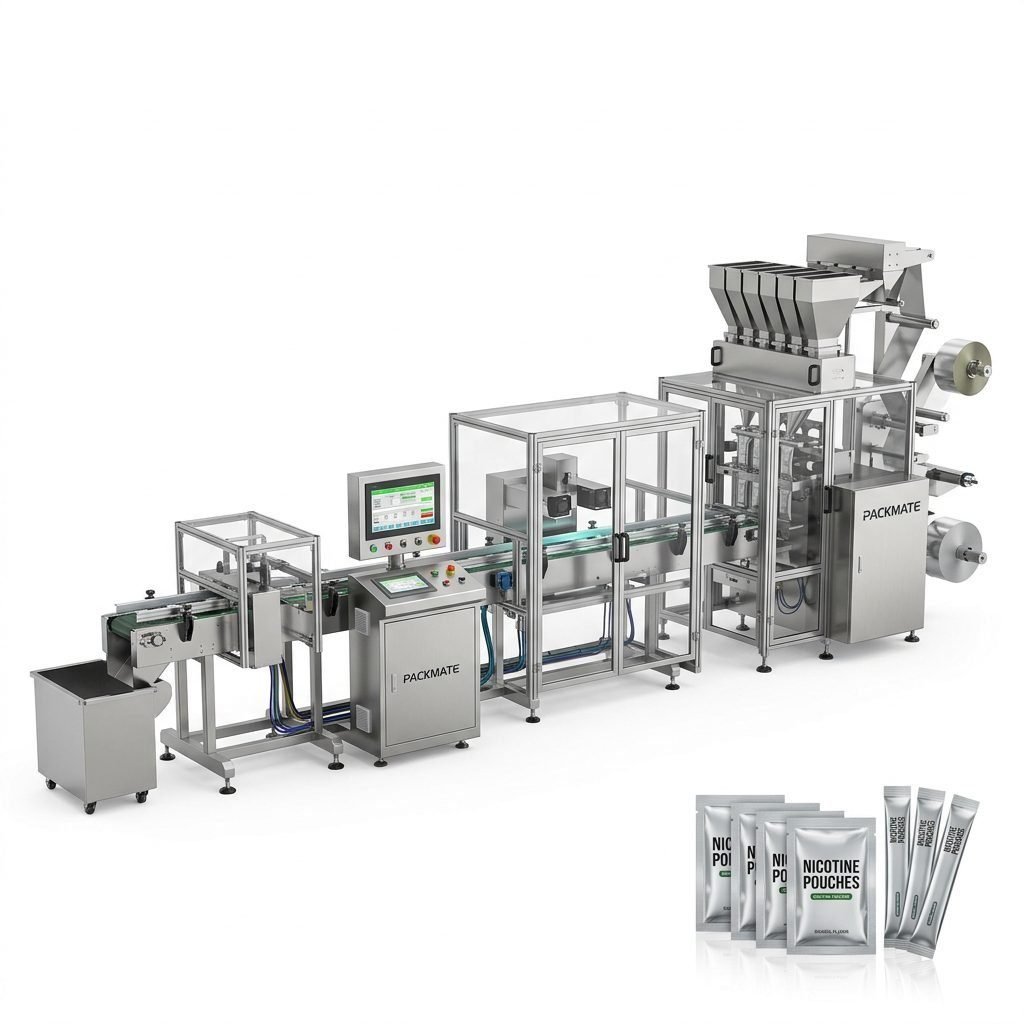
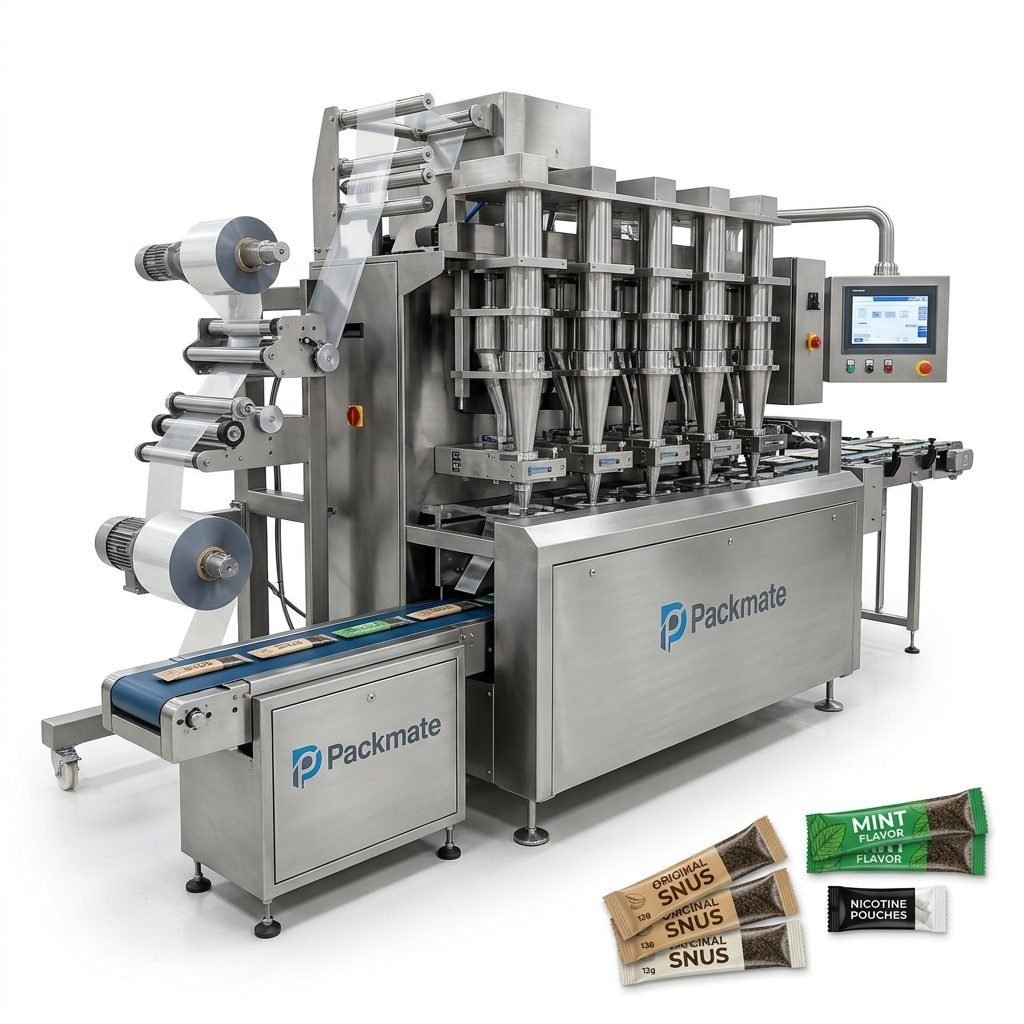
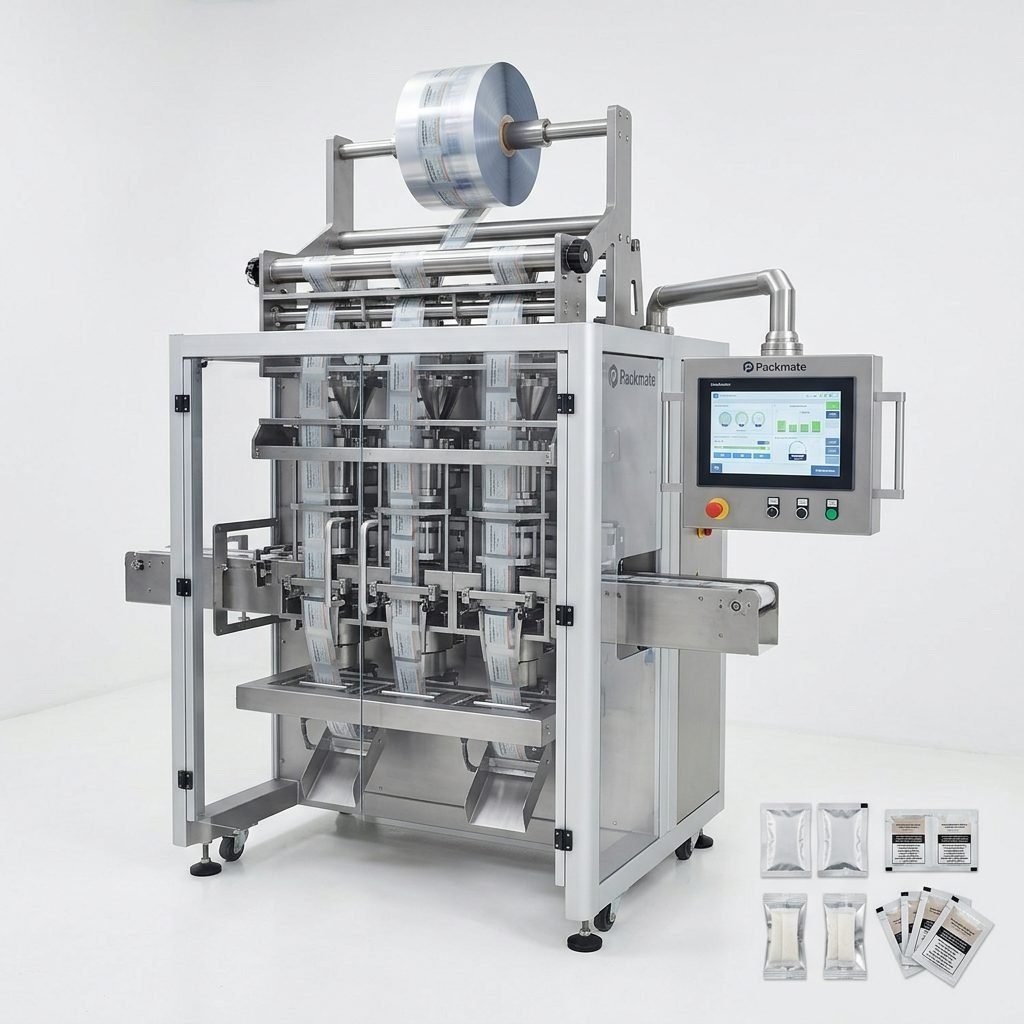
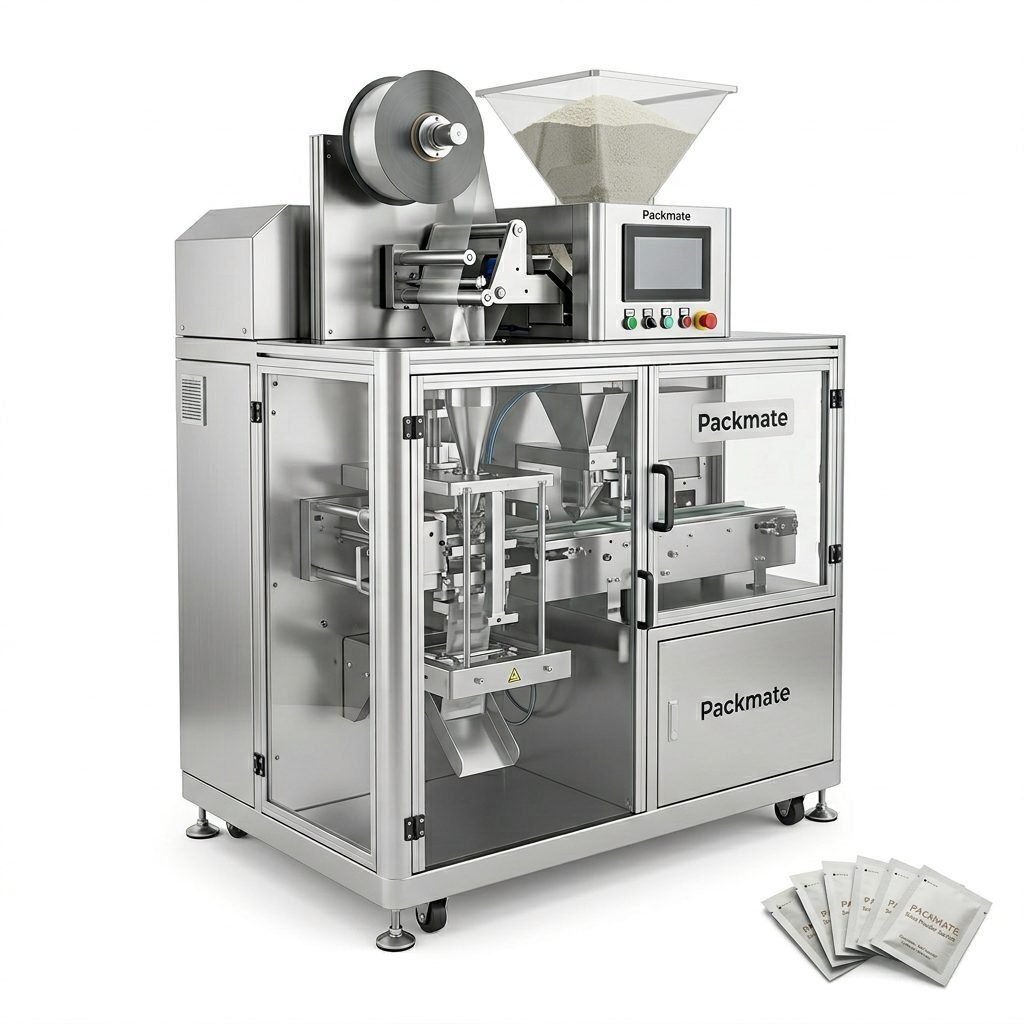
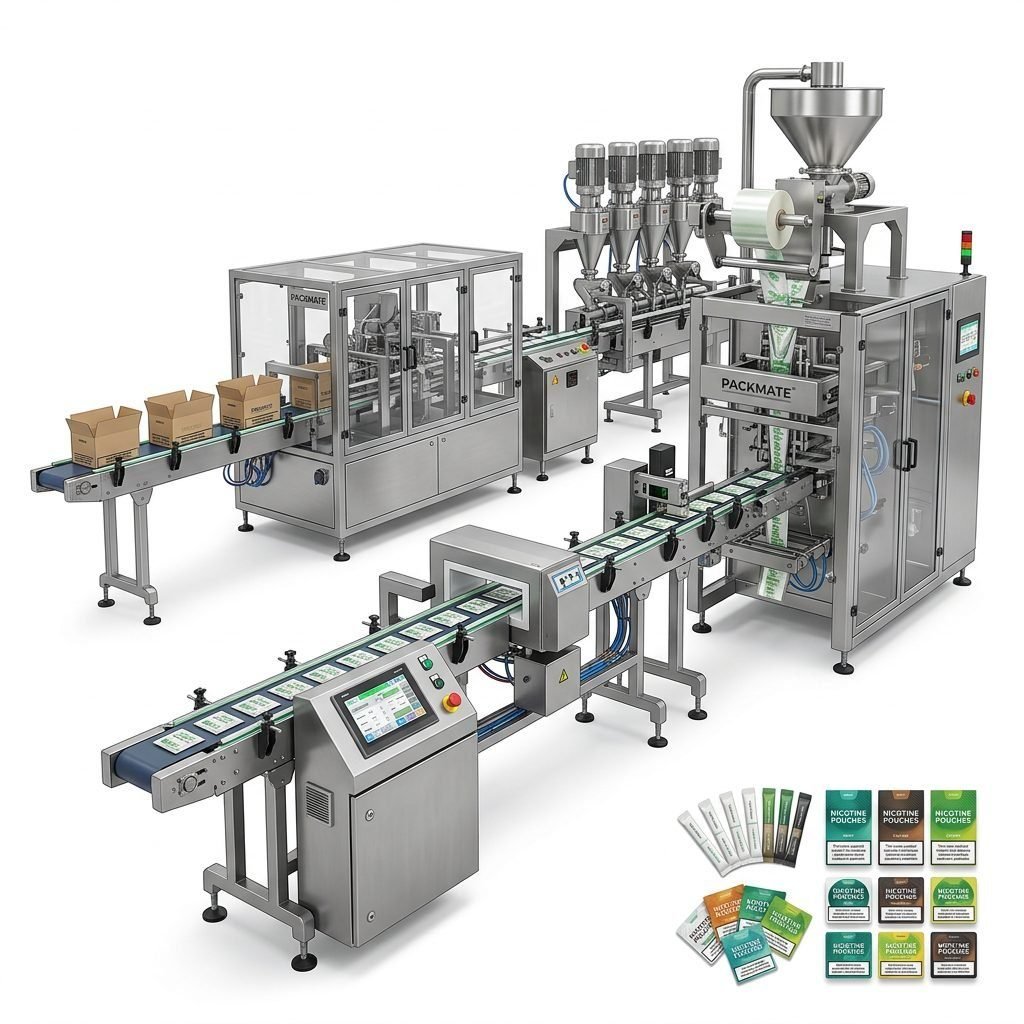
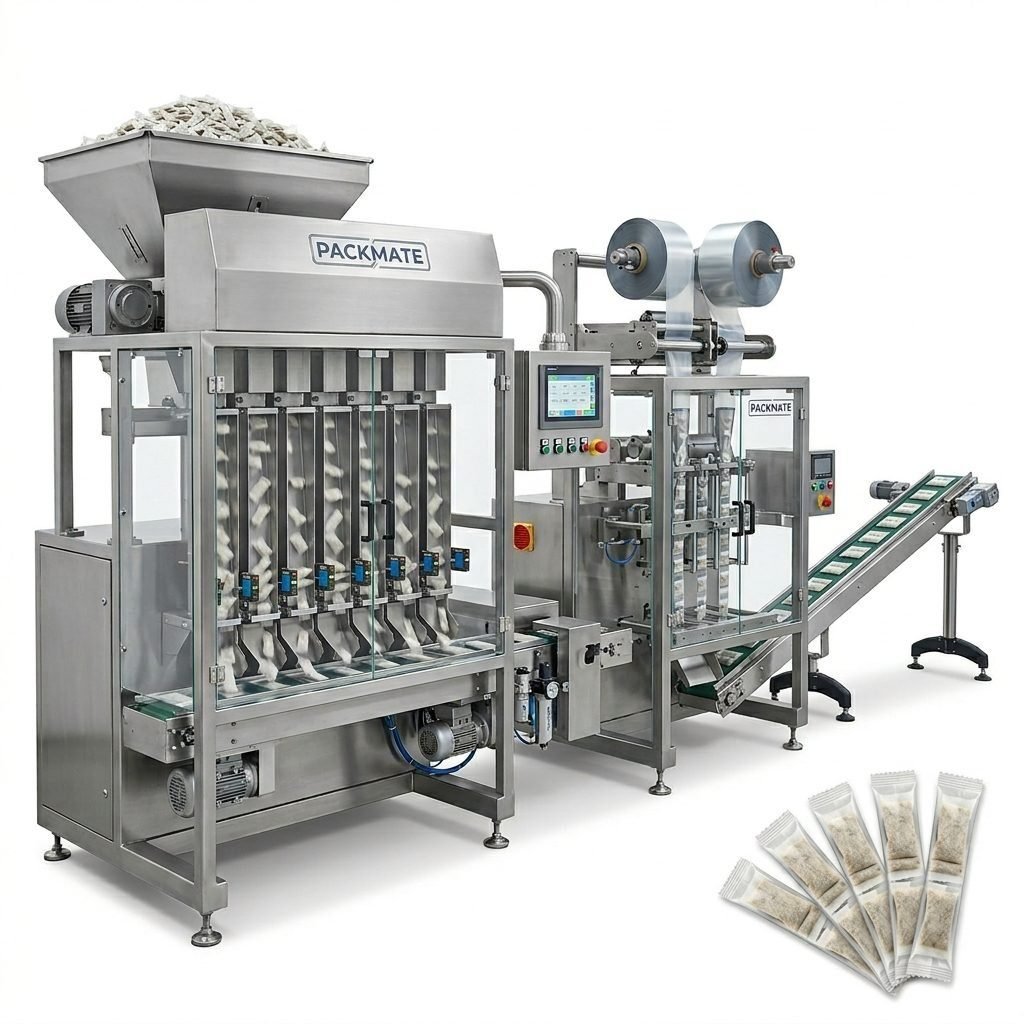
Choosing the right snus packaging machine in Slovakia requires more than a quick price comparison. It demands an understanding of production capacity, regulatory compliance, machine flexibility, long-term service, and the supplier’s engineering capabilities. This guide walks you through every key consideration so you can make an informed decision for nicotine pouch and snus production.
Understand Your Product and Market Needs
Before you evaluate machines, clarify what your production line must deliver. Answering the following will streamline your choices:
🔎 Product format: Do you need portion pouches, sachets, stick packs, or multi-lane strips? Different formats require specific filling and sealing modules.
📦 Fill material: Powder, granule, paste or moist tobacco-like substrates—each has unique dosing and handling demands.
⚙️ Target output: Daily/hourly production targets influence whether you need a high-speed multi-lane system or a compact single-lane model.
Regulatory and Labeling Considerations in Slovakia
Ensure your machine supports labeling and traceability features required by EU and Slovak regulations. Look for integrated printing modules, serialization support, and easy integration with your QA systems to maintain compliance.
Key Technical Features to Prioritize
Selecting a machine involves technical trade-offs. Prioritize reliability, accuracy, sanitation, and flexibility:
✅ Dosing accuracy: Choose systems with proven weighing or volumetric dosing for minimal giveaway and consistent pouch weight.
✅ Sealing integrity: For snus and nicotine pouches, sealing quality is critical—verify heat-seal systems, jaw pressure control, and seal inspection.
✅ Hygienic design: Stainless steel contact parts, easy-clean modules, and CIP-friendly designs reduce downtime and contamination risks.
✅ Automation readiness: PLC and HMI compatibility, remote diagnostics, and modular add-ons help you scale and maintain uptime.
Types of Snus Packaging Machines
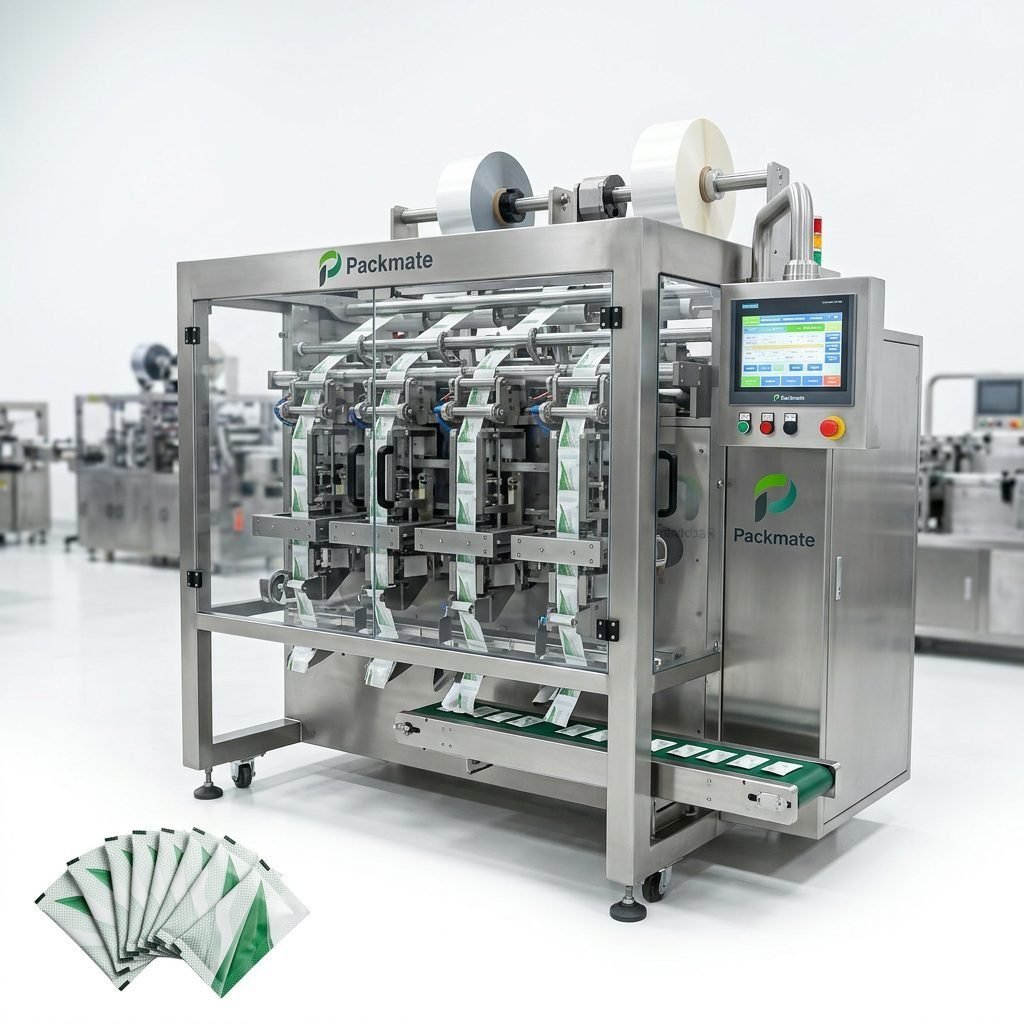
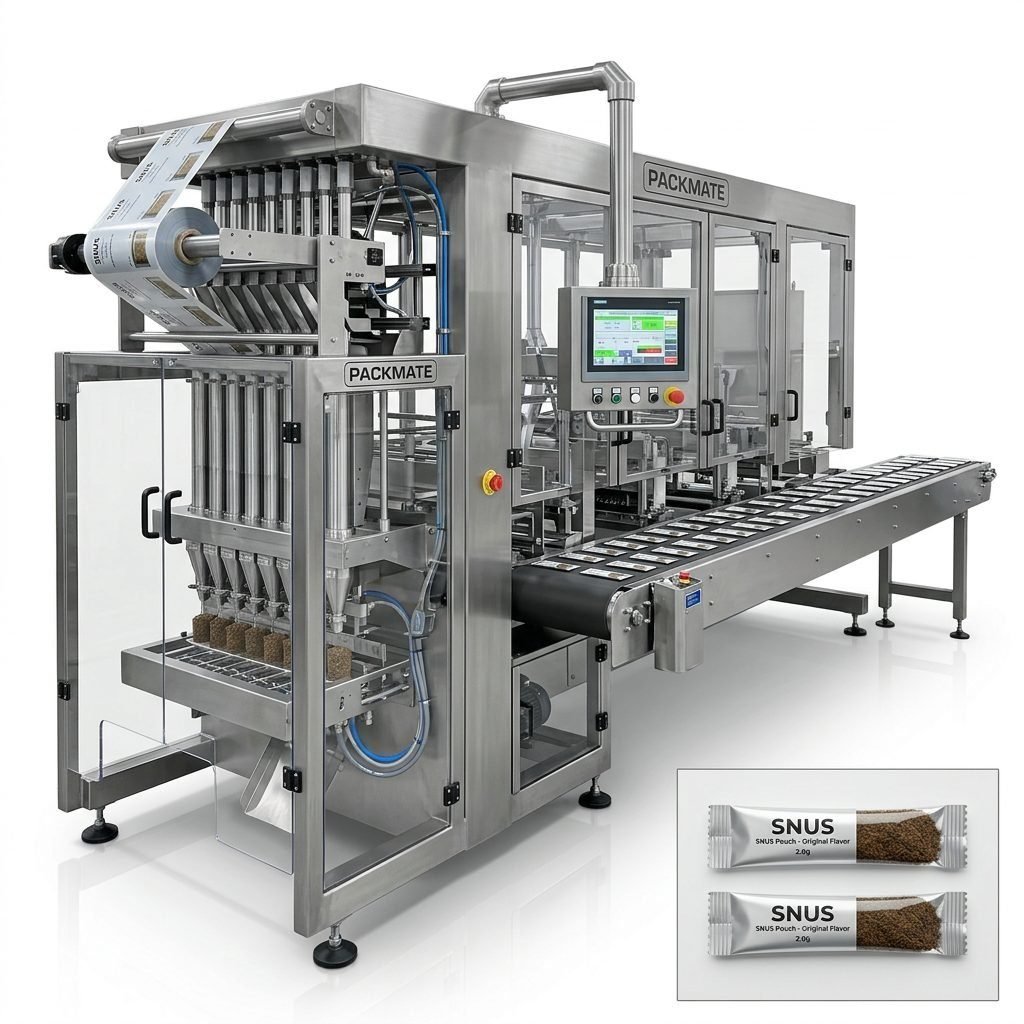
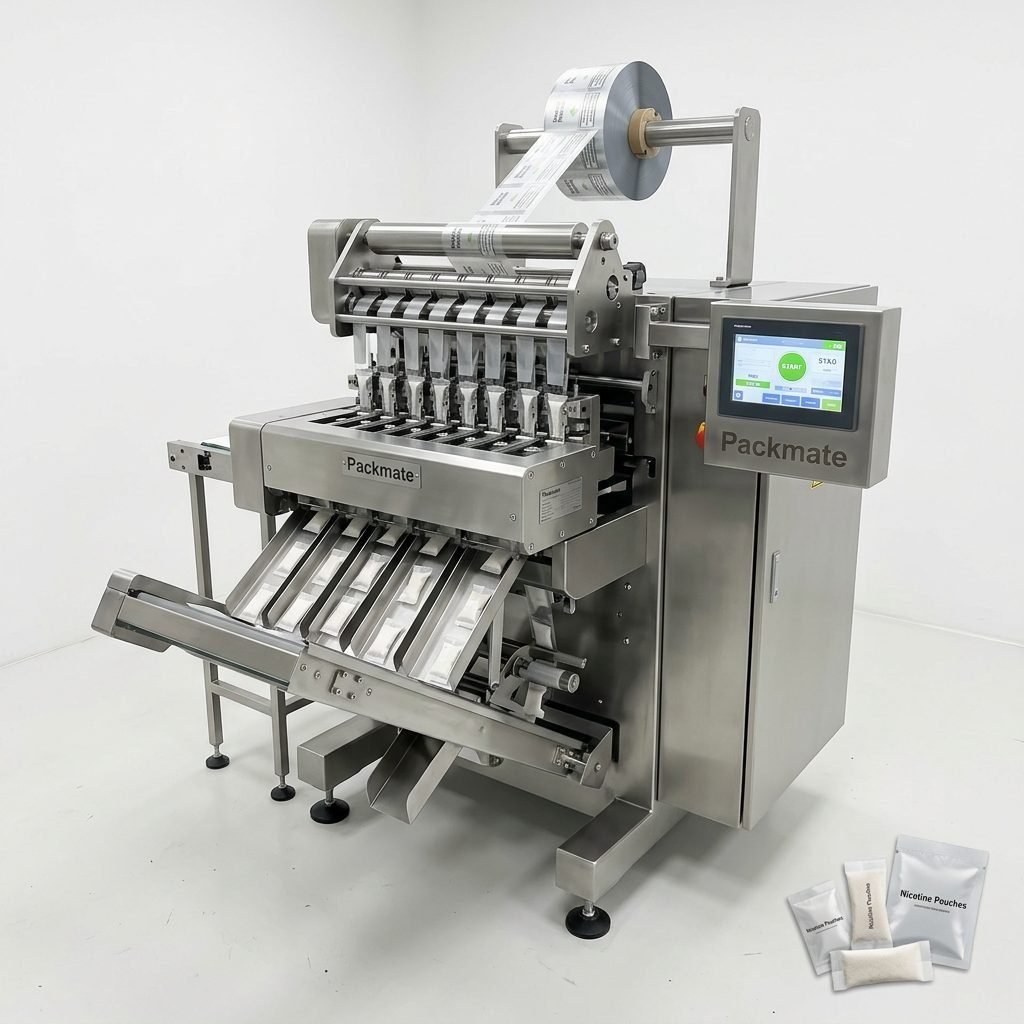
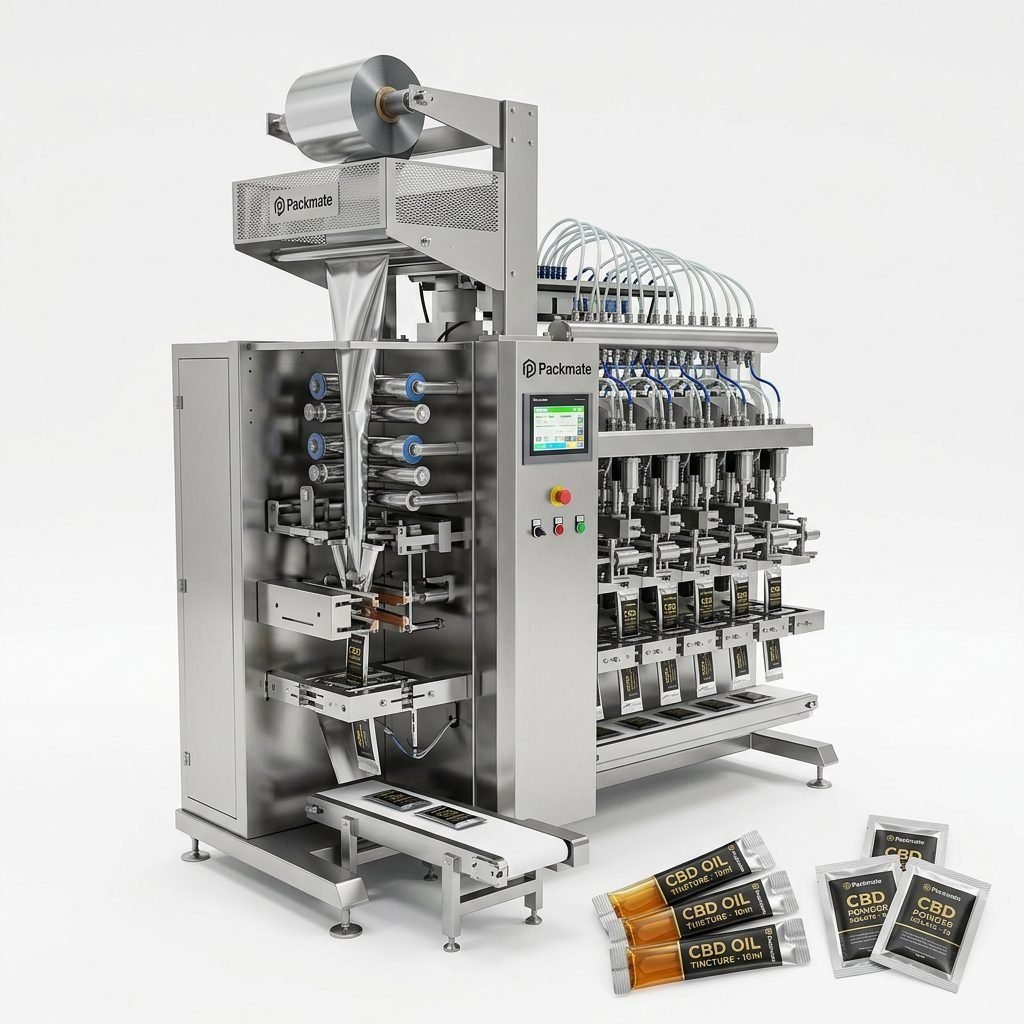
Common machine types used for nicotine pouches and snus include multi-lane pouch machines, sachet machines, stick pack lines, and integrated filling & packaging systems. Each suits a different business model and volume requirement.
For tailored equipment pages and technical specifications, review vendor product suites such as
Snus & Nicotine Packaging Machines and
Sachet & Stick Pack Machines.
Performance Metrics: What Numbers Matter?
When comparing models, pay attention to throughput (pouches/min), accuracy (% variance), changeover time, uptime guarantees, and maintenance intervals. These metrics determine real-world productivity and cost-per-unit.
Energy, Footprint and Shop-Floor Impact
Machines with compact footprints and lower energy consumption help reduce operating costs. Consider layout implications—can the machine be integrated into existing conveyors, wrapping, or case packing systems?
Customization and Turnkey Solutions
Many manufacturers offer fully customized lines: dosing, multi-lane forming, secondary packaging, and end-of-line automation. If you need a complete production line, look for suppliers with turnkey experience and engineering resources.
Packmate’s background building integrated solutions can be a helpful reference when assessing vendor capabilities. Explore their complete offerings at
Filling & Packaging Lines.
🔧 Engineering depth matters: A vendor with decades of machine design experience can better customize controls, ergonomics, and maintenance access.
🎯 Turnkey benefit: One supplier responsible for weighing, forming, filling and end-of-line reduces integration risks and shortens time-to-production.
Factory Capability, Certifications and Quality Assurance
Inspect supplier credentials: factory scale, CNC capabilities, assembly lines, and QA processes. Certifications such as CE and ISO indicate compliance with international safety and quality standards.
For manufacturer details and company history, see their profile at
About Packmate and review real-world implementations on their
Case page.
Service, Spare Parts and Training
After-sales support is as important as machine specs. Prioritize suppliers offering:
📞 Remote diagnostics and rapid-response service teams in or near Europe.
🧩 Readily available spare parts and modular replacement components.
👷 Comprehensive operator training and maintenance documentation.
Total Cost of Ownership and ROI
Look beyond initial purchase price. Evaluate lifecycle costs: energy, consumables, maintenance, spare parts, downtime, and yield. A slightly higher-capability machine may deliver lower cost-per-unit and faster ROI.
Financing, Warranties and Contract Terms
Clarify warranty coverage, lead times, acceptance testing, and performance guarantees. Ask for factory acceptance tests (FAT) and on-site commissioning to validate performance before final acceptance.
How to Evaluate Suppliers — A Practical Checklist
Use this short checklist when contacting vendors:
✔️ Factory tour or virtual walkthrough and verification of assembly/testing processes.
✔️ Detailed technical specifications, electrical/air requirements, and layout drawings.
✔️ References from customers who run similar products and volumes.
✔️ Service SLA and spare parts lead times for European customers.
Installation, Validation and Ramp-Up
Plan for mechanical installation, electrical hookup, safety verification, and production validation. A staged ramp-up with FAT, SAT (site acceptance test), and training will reduce surprises.
Tips for Smooth Commissioning
Maintain clear responsibilities in the contract for utilities, civil works, operator training and spare parts kits. Require documented test recipes and acceptance criteria to measure success.
Real-World Examples and Proof Points
Ask to see case studies and live machines at exhibitions. Vendors regularly demonstrate equipment performance at trade shows—attending these or reviewing recorded demos helps you verify speed, changeover and product handling.
Check upcoming events and exhibition participations via the supplier’s exhibition page:
Our Exhibition.
Negotiation and Purchase Strategy
Negotiate performance milestones, delivery timelines, spare part kits, training hours, and warranty terms. Where possible, include penalties or remediation steps if acceptance tests fail to meet agreed criteria.
📌 Pro tip: Request a modular expansion path so your initial machine can be upgraded for higher lanes or automation without full replacement.
Contacting Suppliers and Next Steps
When you’ve shortlisted suppliers, request formal proposals, FAT videos, technical drawings, lead times and a commercial proposal. If you want direct contact with an experienced manufacturer, use the supplier contact page:
Contact Us.
Why Choose an Experienced Manufacturer?
Manufacturers with deep industry experience demonstrate better problem-solving, faster iterations on custom requirements, and a proven supplier chain. Experience also correlates with robust QA and certification processes.
Final Decision Checklist
Before signing, confirm the following:
• Machine meets throughput and accuracy requirements.
• Warranty, spare parts, and service response are documented.
• FAT/SAT acceptance criteria are agreed upon in writing.
• Supplier provides training and commissioning support in your region.
If you want to explore machine categories further, see the full portfolio for auxiliary and weighing systems:
Weighing & Packaging Systems and
Auxiliary Packaging Equipment.
Conclusion
Choosing the best snus packaging machine in Slovakia means balancing technical performance, regulatory compliance, supplier capability, and lifecycle economics. Prioritize accuracy, hygiene, scalability, and strong after-sales support. With careful evaluation and proper acceptance testing, your investment will deliver consistent product quality and competitive cost per unit.
Frequently Asked Questions
Q: How long does it take to install a snus packaging line?
A: Installation and commissioning timelines vary by complexity; a single-lane machine may be commissioned in days, while a turnkey multi-lane line typically requires several weeks including FAT, shipping, installation and validation.
Q: What certifications should I expect from a reputable supplier?
A: Look for CE and ISO certifications as a baseline. Also verify electrical and safety compliance relevant to EU/Slovakia and documented QA procedures.
Q: Can I scale a machine later if production increases?
A: Many vendors design modular systems with upgrade paths—confirm available options for extra lanes, higher-speed modules, or integrated end-of-line automation before purchase.
Q: How do I ensure spare parts availability in Europe?
A: Negotiate spare parts kits, lead times, and local stocking arrangements. Suppliers with global networks or European distribution will reduce downtime risk.
Q: Where can I see real machine demos or get more technical information?
A: Review case studies, attend supplier exhibitions, or request FAT videos. Visit the supplier’s pages for machine categories and exhibitions to arrange demos.