Choosing the right nicotine packaging machinery in South Sudan is more than just picking a machine — it’s about aligning production needs, regulatory compliance, local infrastructure, and long-term service into one reliable solution. This guide walks you through practical decisions, key technical specifications, operational considerations, and vendor selection tips so you can make an informed investment for snus or nicotine pouch production in a challenging but opportunity-rich market.
Understand Your Product and Packaging Format
Start by clarifying the exact products you will manufacture. Nicotine pouches, snus, granules, powders and liquid-based portions each impose different filling, dosing and sealing requirements. Consider the following:
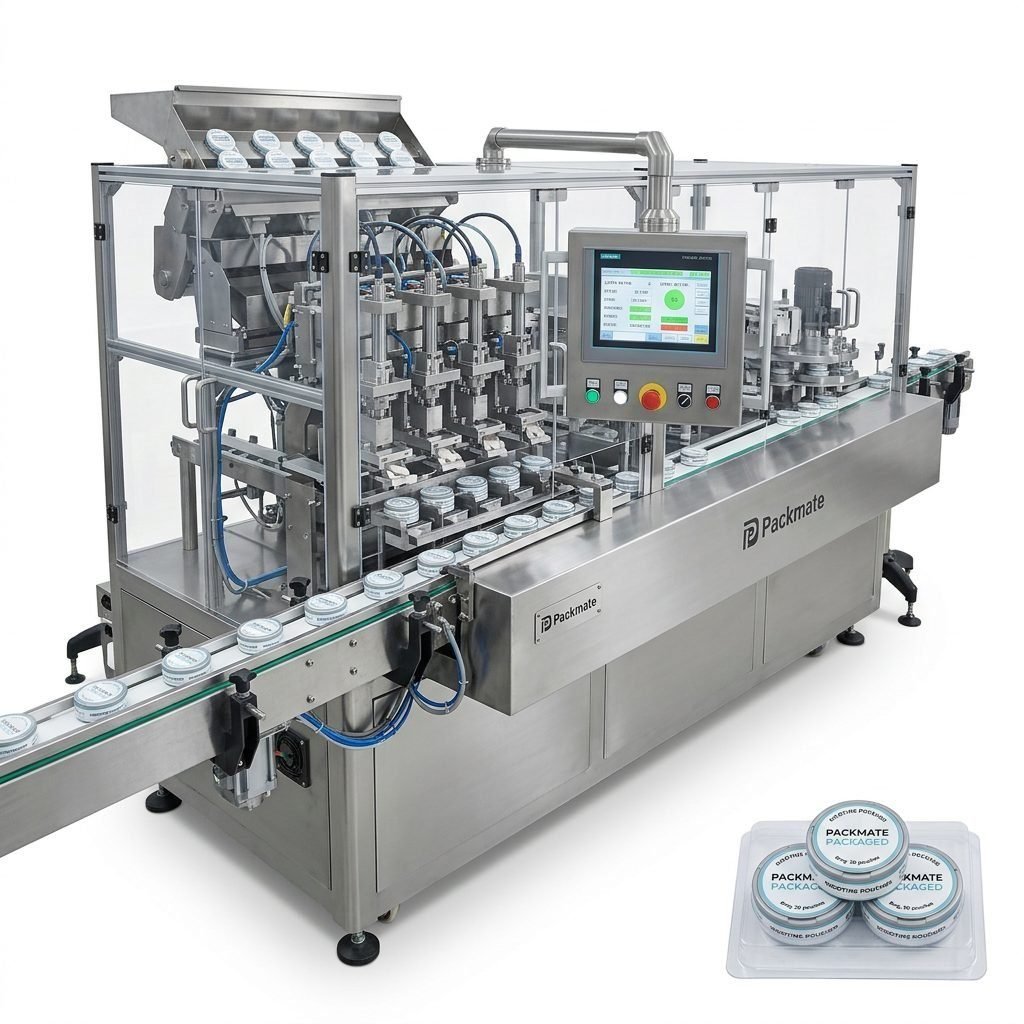
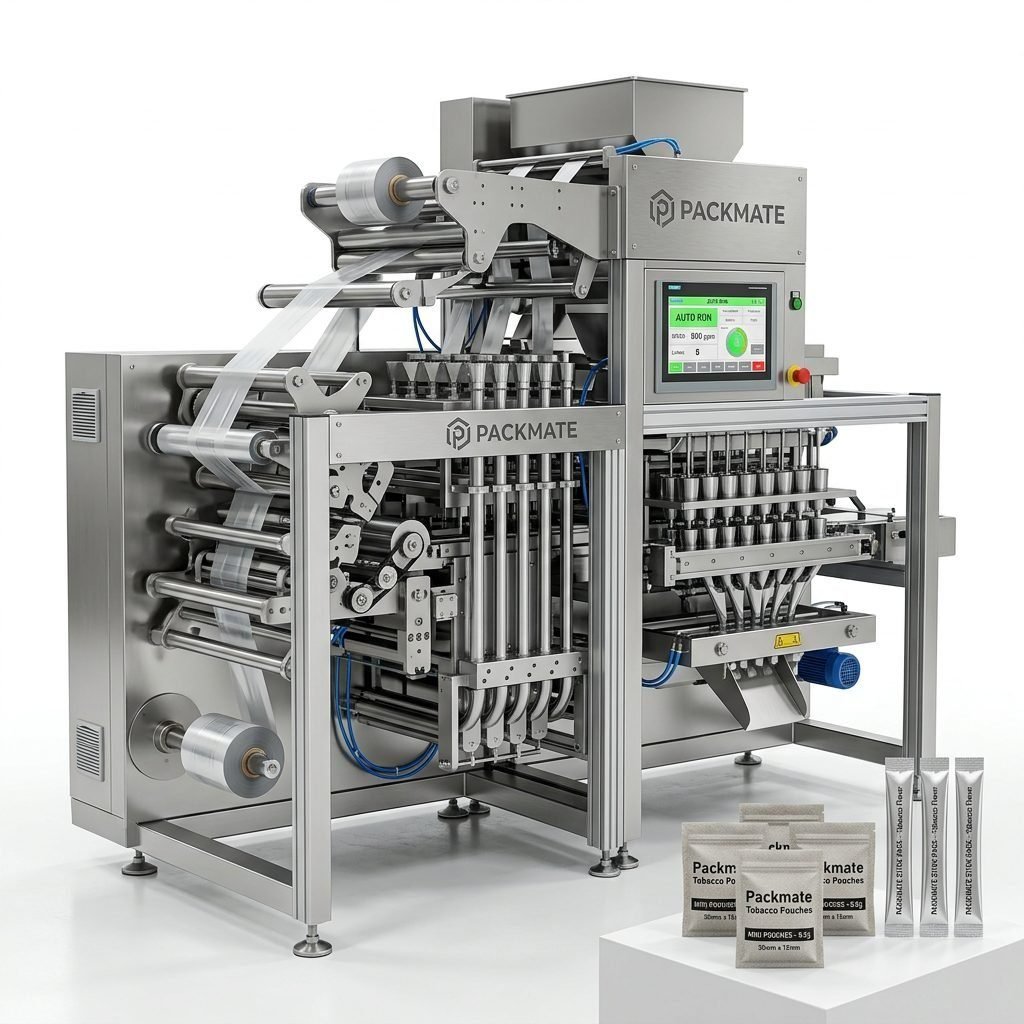
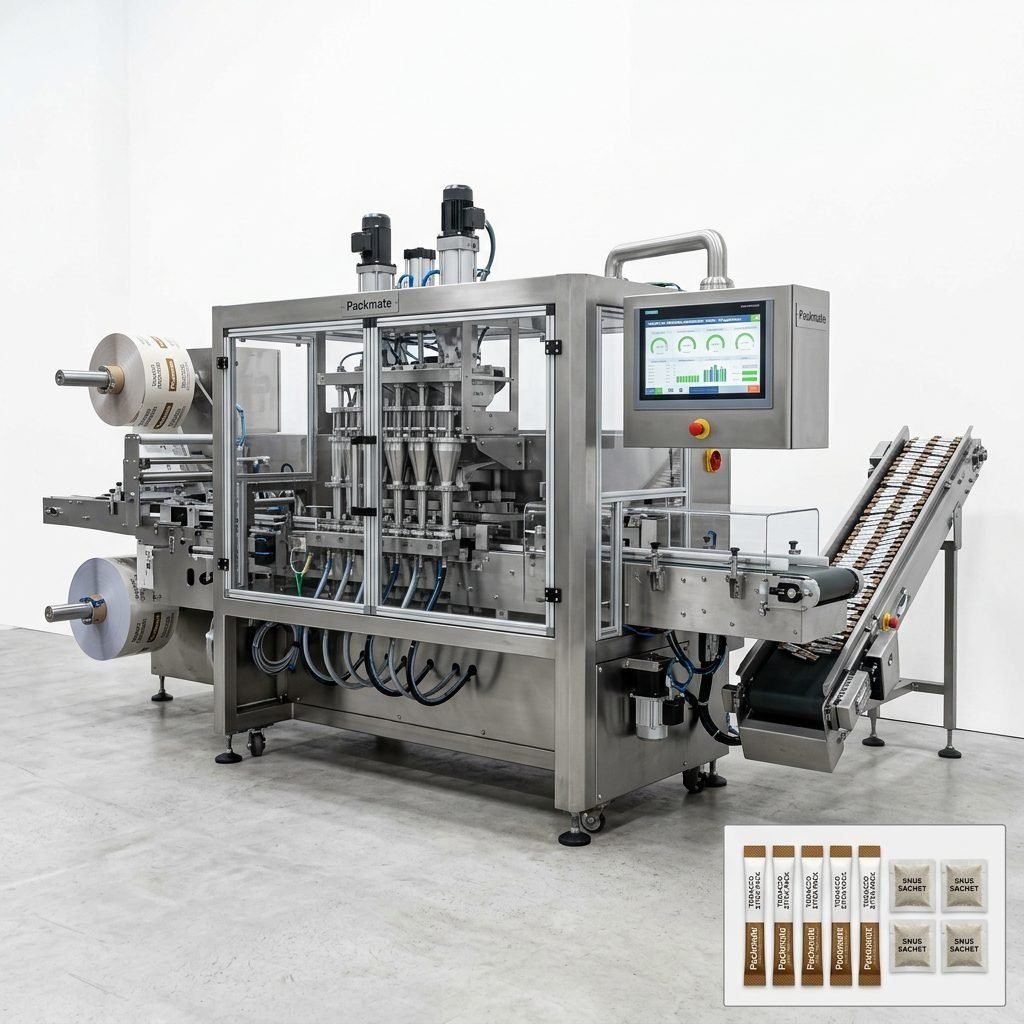
Key decision: Do you need single-dose pouches, stick packs or sachets? Machines optimized for multi-lane nicotine pouch production differ significantly from stick pack systems in speed and filling mechanism.
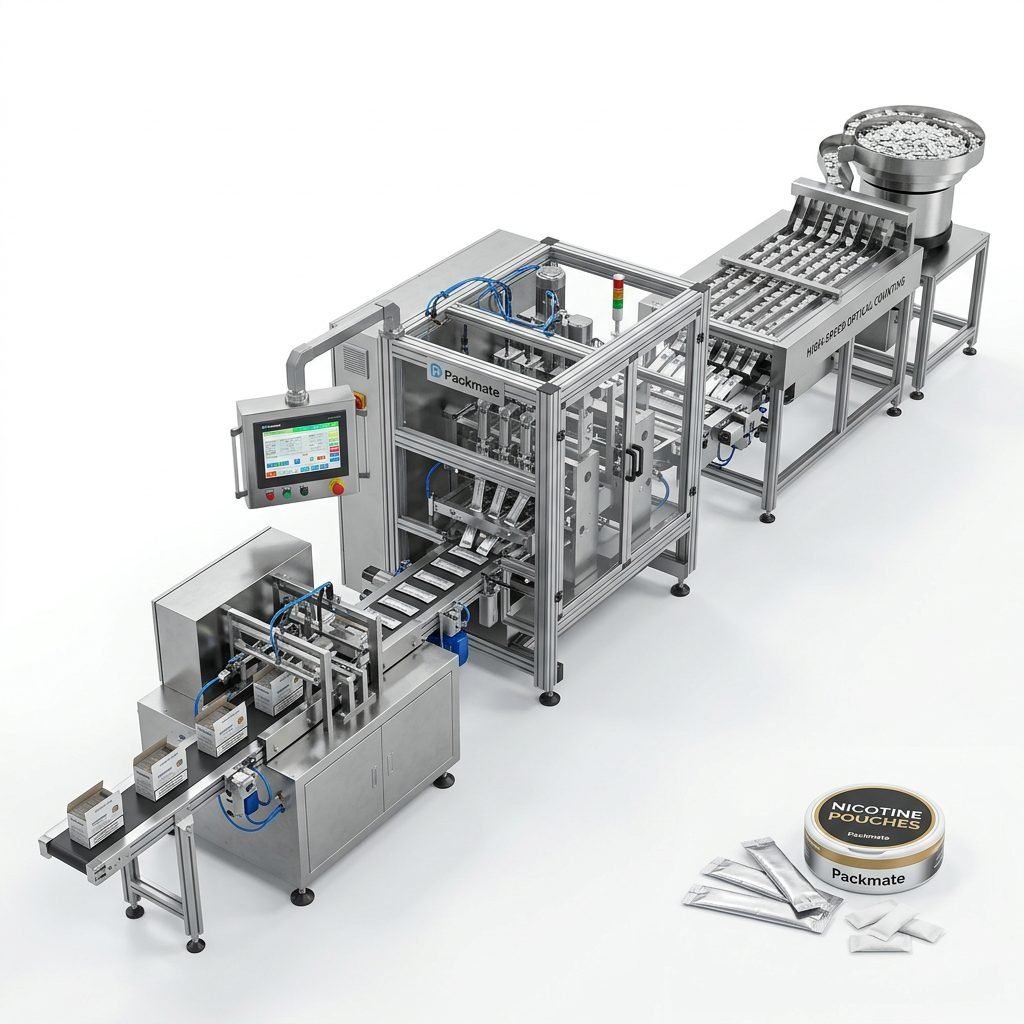
For multi-format flexibility, review lines that support interchangeable modules: a filler that can switch between powder and granule hoppers, or pouches that can adapt from round to oval shapes. See examples of purpose-built equipment at Snus & Nicotine Packaging Machines.
Production Capacity & Speed
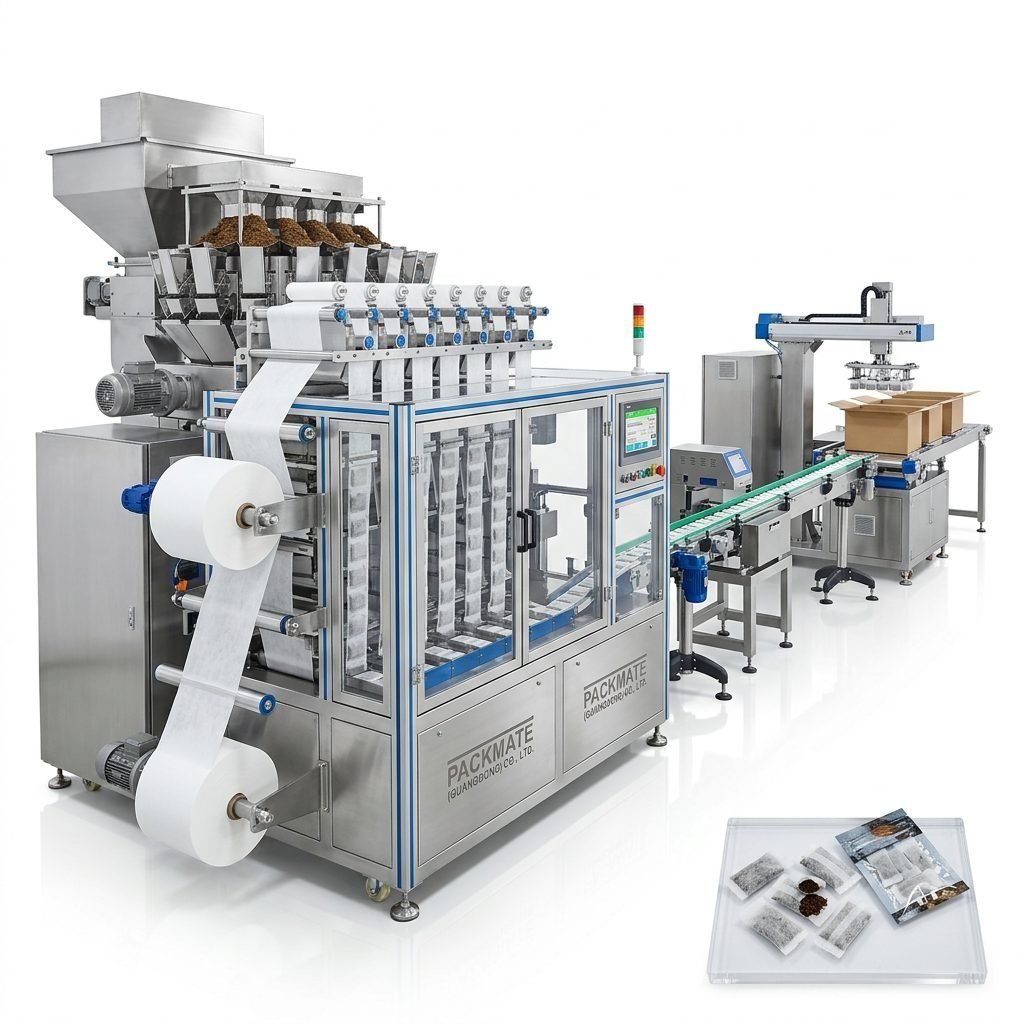
Estimate daily output targets in pouches per hour and planned shift patterns. Machines are sold by speed (pouches/minute) and lane count. A 2-lane machine running 200 pouches/min differs widely from an 8-lane multi-lane system designed for industrial throughput.
Tip: Choose a machine whose upper capacity comfortably exceeds your current needs to allow growth without immediate additional capital expense.
Packaging Materials & Compatibility
Nicotine pouches often require barrier materials to protect active ingredients and control moisture. Make sure your chosen machinery supports the pouch films, preformed pouches or reels you plan to use (paper-laminates, foil-laminates, biodegradable films, etc.).
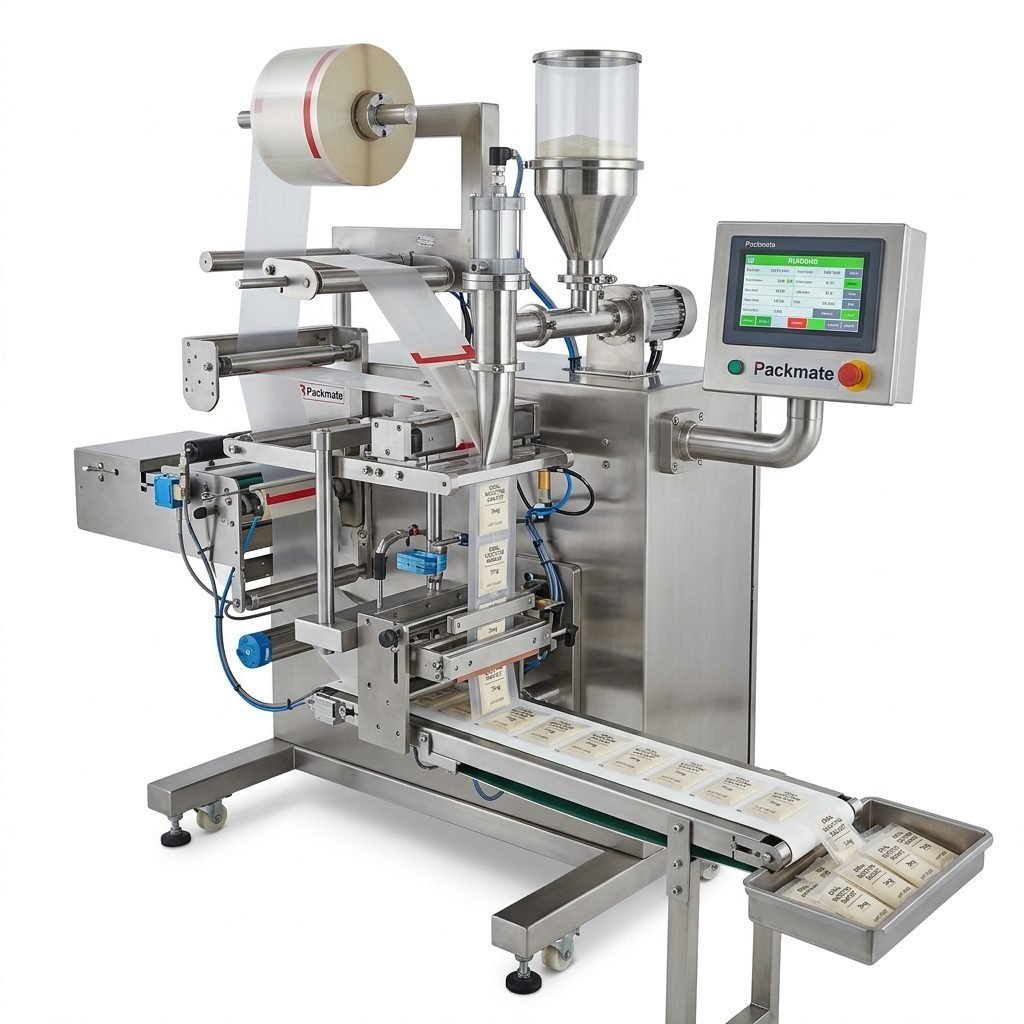
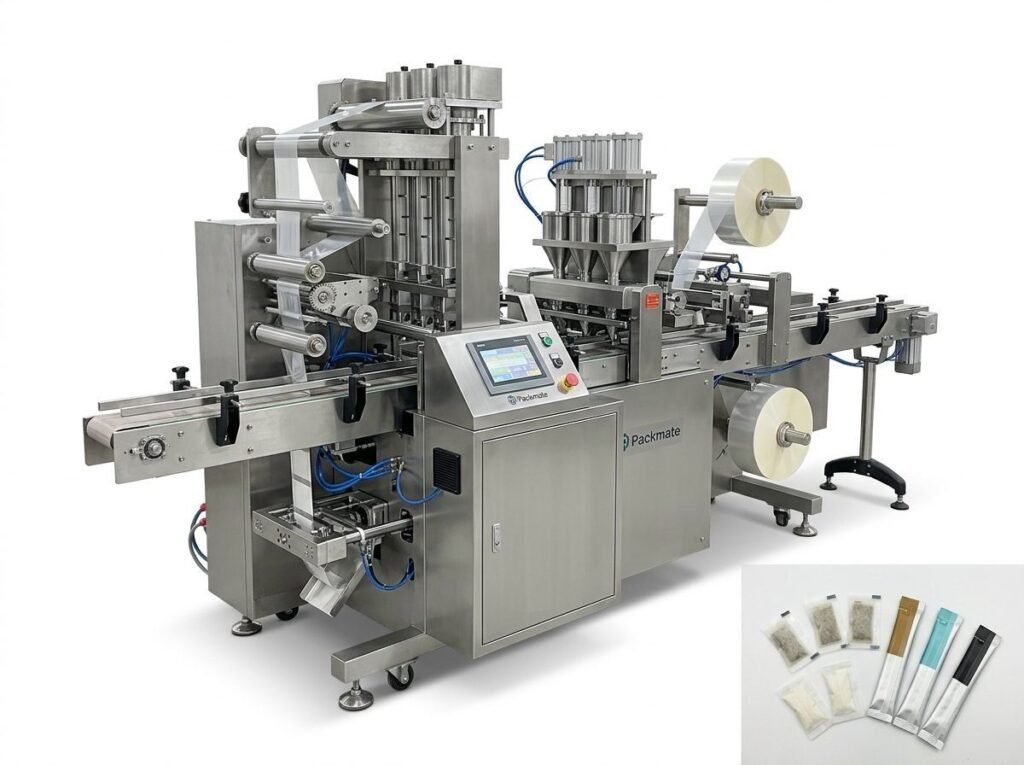
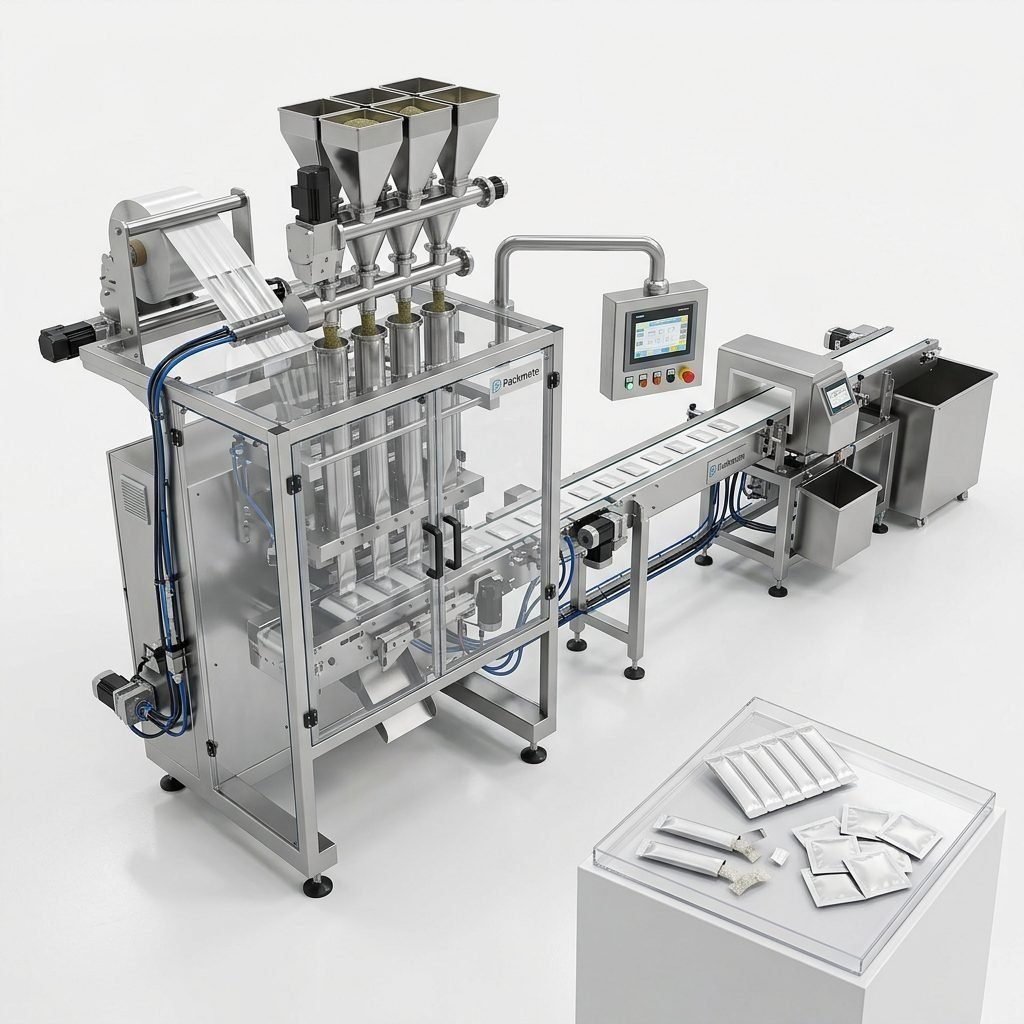
If you plan on stick packs or sachets, verify film roll width, sealing temperature ranges and ultrasonic or thermal sealing compatibility. Machines like the Sachet & Stick Pack Machines are engineered for precise control of small-dose stick formats.
- Film type & thickness supported by machine
- Sealing methods & temperature control range
- Moisture control and nitrogen flushing options
- Preformed pouch holder compatibility
Local Conditions in South Sudan: Power, Climate, Logistics
South Sudan presents unique operational constraints. Intermittent power supply, high ambient temperatures, dusty environments, and import logistics must be factored into your specification and vendor conversations.
Power & voltage: Confirm machine voltage options (380V three-phase vs 220V) and whether an on-site generator or UPS is required. Request power consumption details for HVAC and control systems so you can size backup power correctly.
Climate control: High humidity accelerates product degradation and affects sealing. Consider adding controlled environment enclosures, dehumidifiers or nitrogen-flush modules.
Shipping, Customs & Spare Parts
Importing heavy machinery into South Sudan needs careful planning: major ports, customs clearance processes, and inland logistics to your plant. Work with vendors experienced in international shipping and request an itemized packing list for customs.
Always secure a kit of critical spare parts and specify lead times. A reliable supplier will provide a spare parts list, and ideally, an accessible service network. For long-term reliability consider a supplier with global support and CE/ISO certifications.
Regulatory, Safety & Quality Compliance
Regulatory rules for nicotine products vary by country. Even if local regulations are still evolving, international export markets expect compliance. Choose equipment that supports hygienic design and traceability features.
Look for machine features such as GMP-compliant contact surfaces, easy-to-clean enclosures, and integrated serialization or batch coding printers. Packmate equipment is built to international standards—see the company profile at About Packmate.
Automation Level & Integration
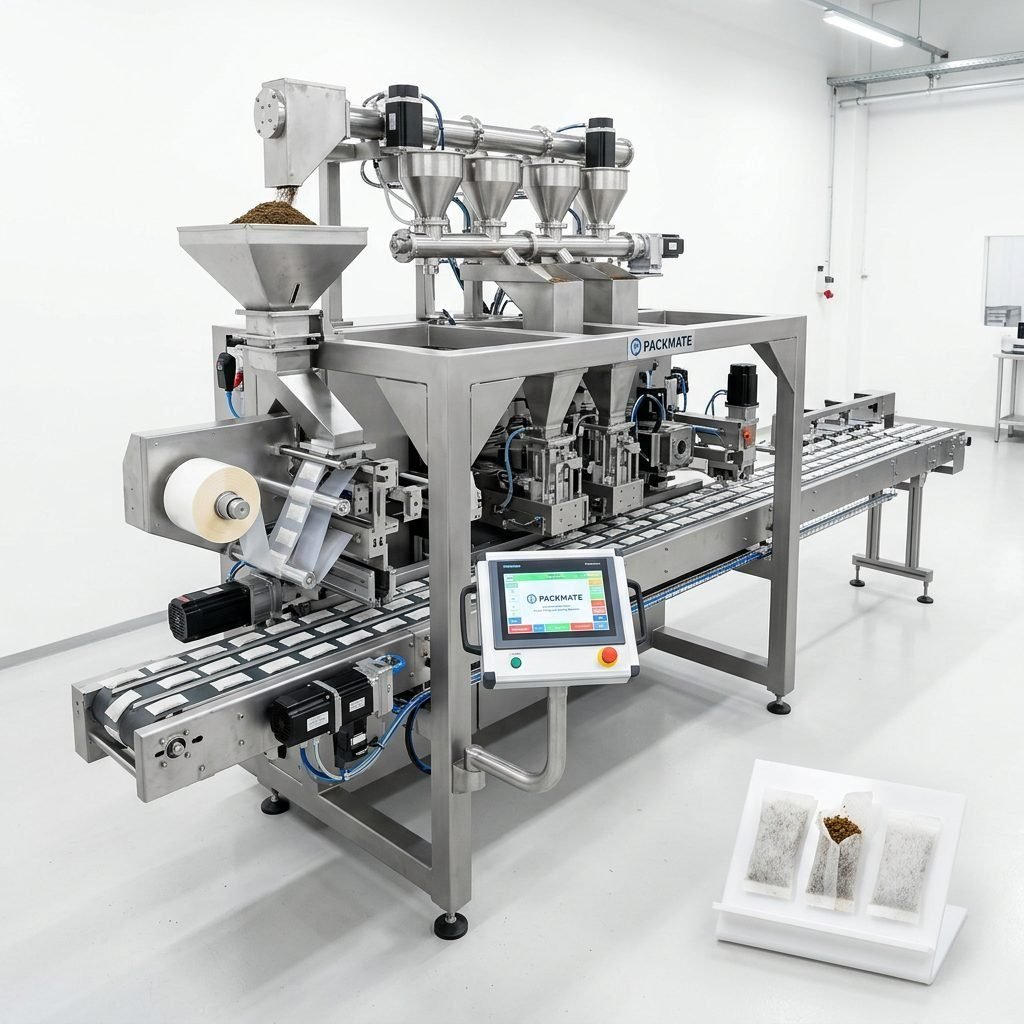
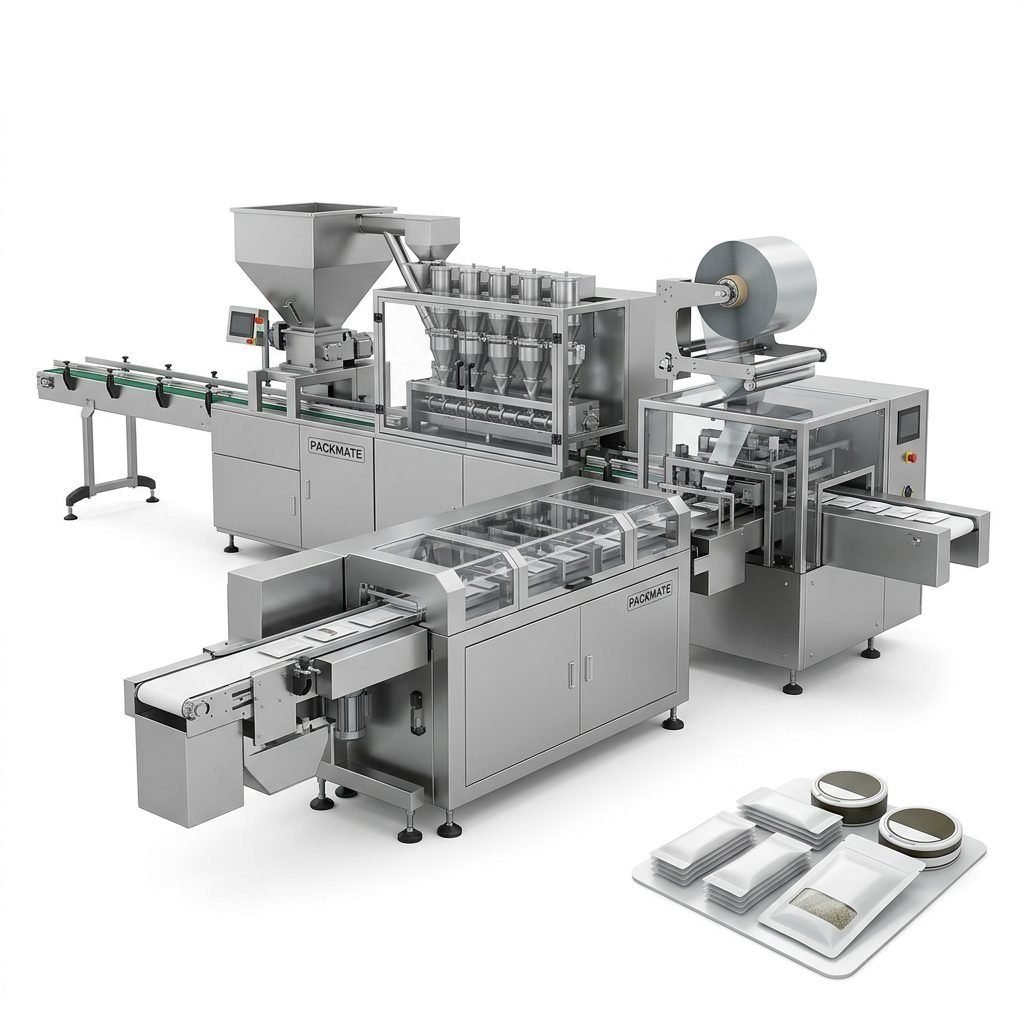
Decide how much automation you require. Options range from semi-automatic tabletop fillers to fully integrated turnkey lines with feeding, weighing, pouch forming, sealing, secondary packaging and case packing.
Fully automated lines reduce labor costs and increase consistency, but require larger upfront investment and more skilled maintenance. If you plan to scale quickly, a modular automated line is often the best compromise.
Consider future integration with upstream and downstream systems: weigh scales, metal detectors, labeling machines, and automatic cartoning units. Suppliers like Packmate provide turnkey solutions that include weighing & packaging systems and full filling & packaging lines—research options at Weighing & Packaging Systems and Filling & Packaging Lines.
Control Systems & Operator Interface
Modern machines use PLCs with HMI touchscreens. Request demo screens, language support (English), and data export for production logs. Remote diagnostics capability is a major advantage, especially when on-site technical skills are limited.
After-Sales Service, Training & Warranty
After-sales service is crucial in regions where local industrial support is limited. Ask vendors for:
- Standard warranty terms and what is covered
- Availability of remote technical support and training
- Local agents or partners for faster dispatch of technicians
- Spare parts lead times and recommended stock levels
Pro tip: Request on-site commissioning and training as part of the contract, and ensure training materials and manuals are provided in English.
- Factory tour or video demonstration available
- References and case studies from similar projects (Case)
- Certifications: CE, ISO or equivalent
- Service level agreement (SLA) and response times
Cost, ROI & Financing
Total cost includes machinery price, shipping, installation, training, spares, facility upgrades (electricity, HVAC), and running costs. Build a realistic ROI model:
– Estimate revenue per pouch and expected yields (account for waste and rejects).
– Calculate break-even time considering initial capital and operating expenses.
– Factor in potential downtime and maintenance costs.
Financing options: Some equipment manufacturers offer financing or leasing; ask your vendor for terms or partner banks that support industrial equipment leasing.
Site Preparation & Utilities
Before machine arrival, ensure your facility meets the vendor’s site requirements: floor load capacity, ceiling height, power distribution, compressed air quality, drainage, and raw material storage. Provide a dedicated clean area for pouch forming and sealing operations.
Make a checklist with your vendor to avoid last-minute installation delays. Always reserve space for spare parts, maintenance tools, and operator training.
Safety & Operator Ergonomics
Prioritize machines with safety interlocks, transparent guards, emergency stops and easy access for cleaning. Ergonomically designed controls reduce operator fatigue and errors — important in continuous production environments.
Selecting a Reliable Supplier
Choose a supplier with a proven track record in snus and nicotine packaging lines, strong manufacturing capabilities and global service reach. Suppliers who build machines in-house with advanced CNC and assembly systems typically offer better durability and spare parts availability.
Verify the supplier’s credentials, factory size, and experience. Packmate highlights its 30+ years of engineering experience and a modern 20,000㎡ facility equipped for high-precision production — a useful reference when vetting suppliers.
When comparing quotes, request detailed breakdowns: machine specifications, lead times, warranty, training, uptime guarantees, and sample test runs using your actual product.
- Lack of factory visits or video demonstrations
- No local references or client cases
- Unclear spare parts supply or long lead times
- Vague technical specifications or missing power/consumption details
Commissioning, Validation & Ramp-Up
Plan a phased ramp-up: FAT (Factory Acceptance Test) at vendor’s facility, SAT (Site Acceptance Test) after installation, followed by performance validation at full production speed. Schedule time for operator training, recipe setup and quality testing.
Collect baseline metrics during initial runs: yield, downtime, cycle times and packaging integrity. Use these to refine SOPs and maintenance schedules.
Optimization & Continuous Improvement
After the line is stable, monitor KPIs and work with your supplier on continuous improvement — such as increasing lane count, upgrading control systems, or integrating automation that reduces manual handling.
Conclusion
Selecting nicotine packaging machinery in South Sudan requires careful analysis of product requirements, local infrastructure, regulatory obligations, and supplier capabilities. Prioritize machines that are robust, serviceable, and supported by a supplier with proven experience in snus and nicotine packaging systems. Thoughtful planning for utilities, spare parts and staff training will reduce risk and accelerate your path to profitable production.
Useful Links
For further exploration of machine types and turnkey solutions, review product pages and contact the manufacturer directly: Snus & Nicotine Packaging Machines, Sachet & Stick Pack Machines, and visit the company profile at About Packmate. When ready to discuss a project, use the vendor contact page: Contact Us.
Frequently Asked Questions
Q1: What machine speed do I need for a small commercial operation in South Sudan?
A1: For small commercial production, consider machines that produce between 60–300 pouches/minute depending on lane count. Start with a slightly higher capacity than immediate needs to allow for growth.
Q2: How important is local service and spare parts availability?
A2: Extremely important. Fast access to critical spares and trained technicians minimizes downtime. Ask suppliers for spare kits and service commitments before purchase.
Q3: Are there special environmental controls required for nicotine pouch production?
A3: Yes — humidity, temperature, and contamination control are critical. Consider climate-controlled packaging rooms, moisture control, and sanitary machine surfaces to maintain product stability.
Q4: Can machines be adapted to different pouch sizes or product formulations?
A4: Many modern lines are modular and can be adapted with format change parts and parameter adjustments. Confirm changeover times and required tooling with the vendor.
Q5: What certifications should I request from the supplier?
A5: Ask for CE and ISO certifications, test reports, and documentation for electrical compliance. Also request test runs and references from similar installations.