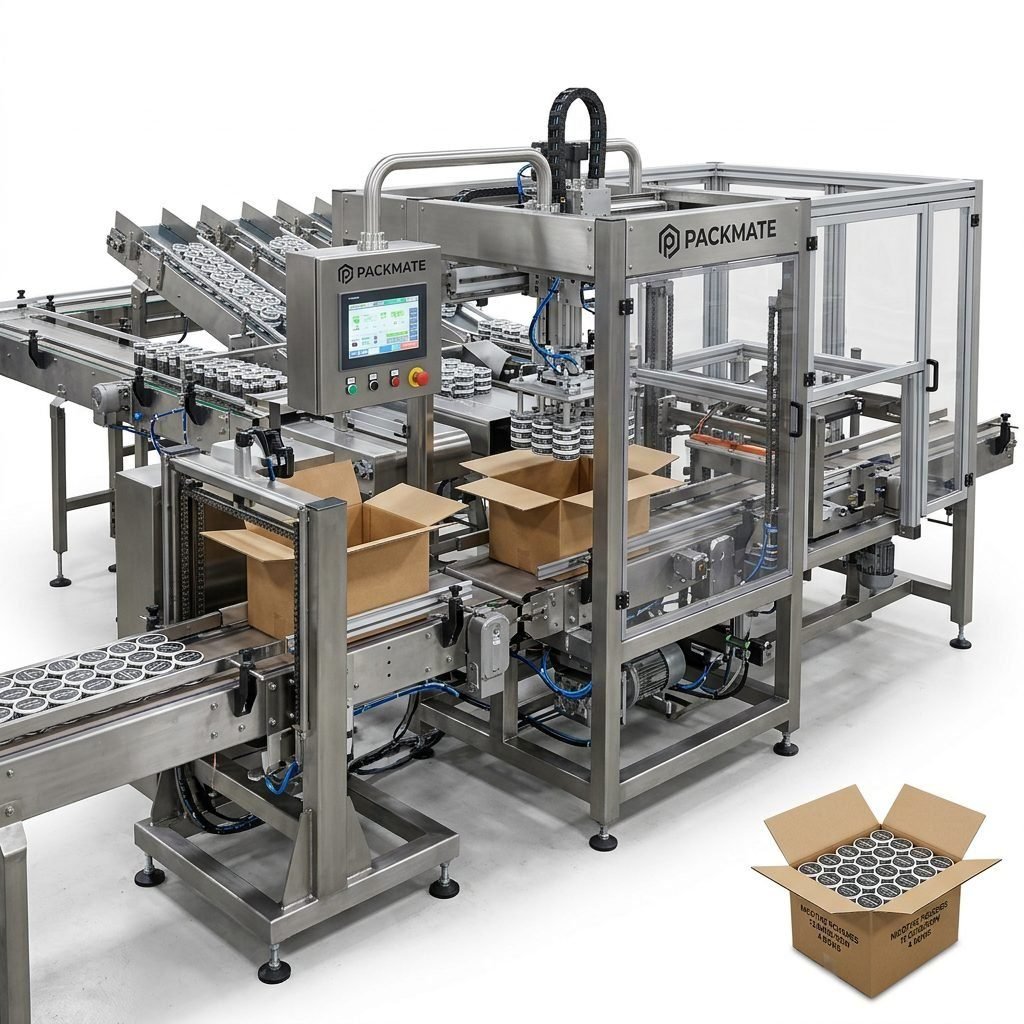
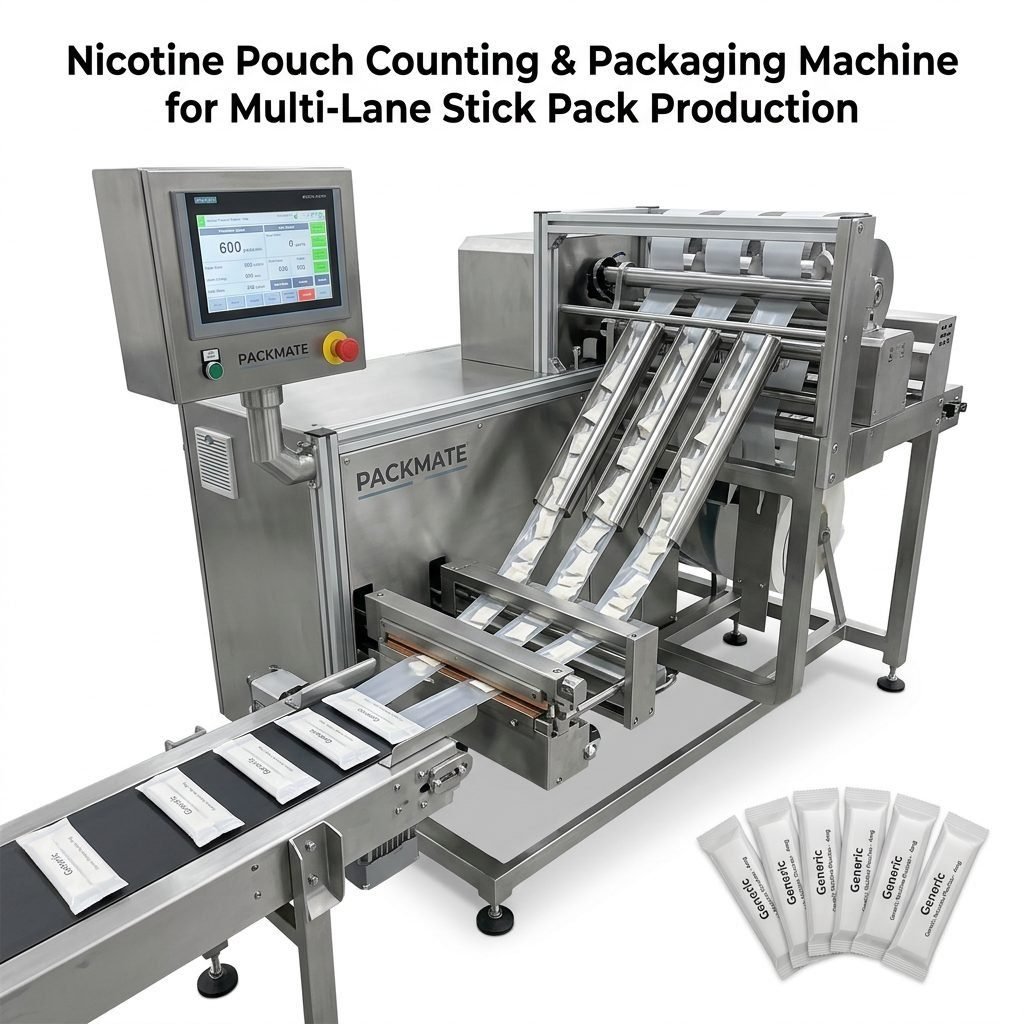
Choosing the right nicotine packaging machinery for production in Ireland requires a clear understanding of both technical capability and regulatory context. This guide walks you through practical selection criteria, machine types, site and service considerations, and how a proven supplier like Packmate can deliver reliable snus and nicotine pouch packaging solutions tailored to Irish production needs.
Why the right nicotine packaging machinery matters
Investing in the correct packaging equipment is not just about handling pouches or sachets — it is about ensuring product quality, regulatory compliance, production uptime, and long-term cost efficiency. A small mismatch between machine capability and production requirements can lead to wasted material, downtime, or even regulatory non-conformance. For Irish manufacturers targeting domestic and export markets, machine choice impacts traceability, labeling accuracy, and batch integrity.
Understand your production needs first
Start with a detailed assessment of your daily output targets, packaging formats, and product characteristics.
🔍 Production volume: Are you producing hundreds, thousands, or tens of thousands of pouches per day?
⚖️ Dose and fill accuracy: Nicotine pouches require tight tolerances — check machine dosing precision (mg tolerance).
📦 Pack formats: Do you need single-lane stick packs, multi-lane snus pouches, or sachets with tear notches?
🔧 Material compatibility: Powder, wet-fill, or granular nicotine mixes need different feeding and sealing technologies.
Key machine types to consider
Choose the machine family that best fits your format and throughput goals. Leading categories include:
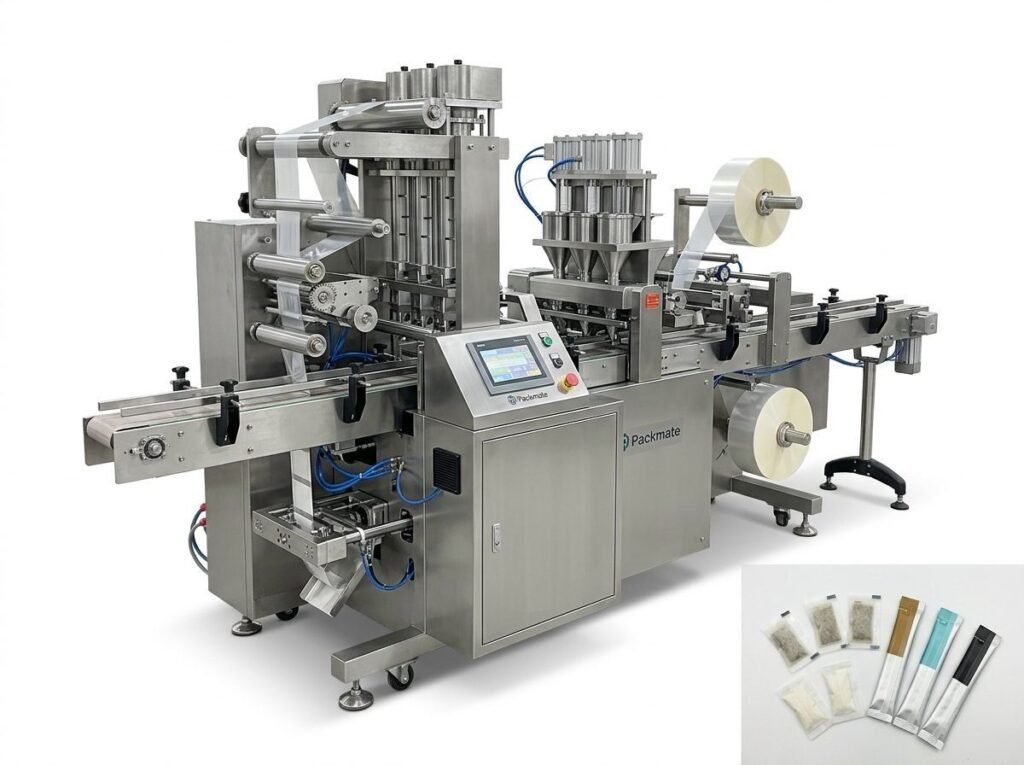
• Stick pack machines — ideal for single-dose stick formats with high-speed output and compact footprint.
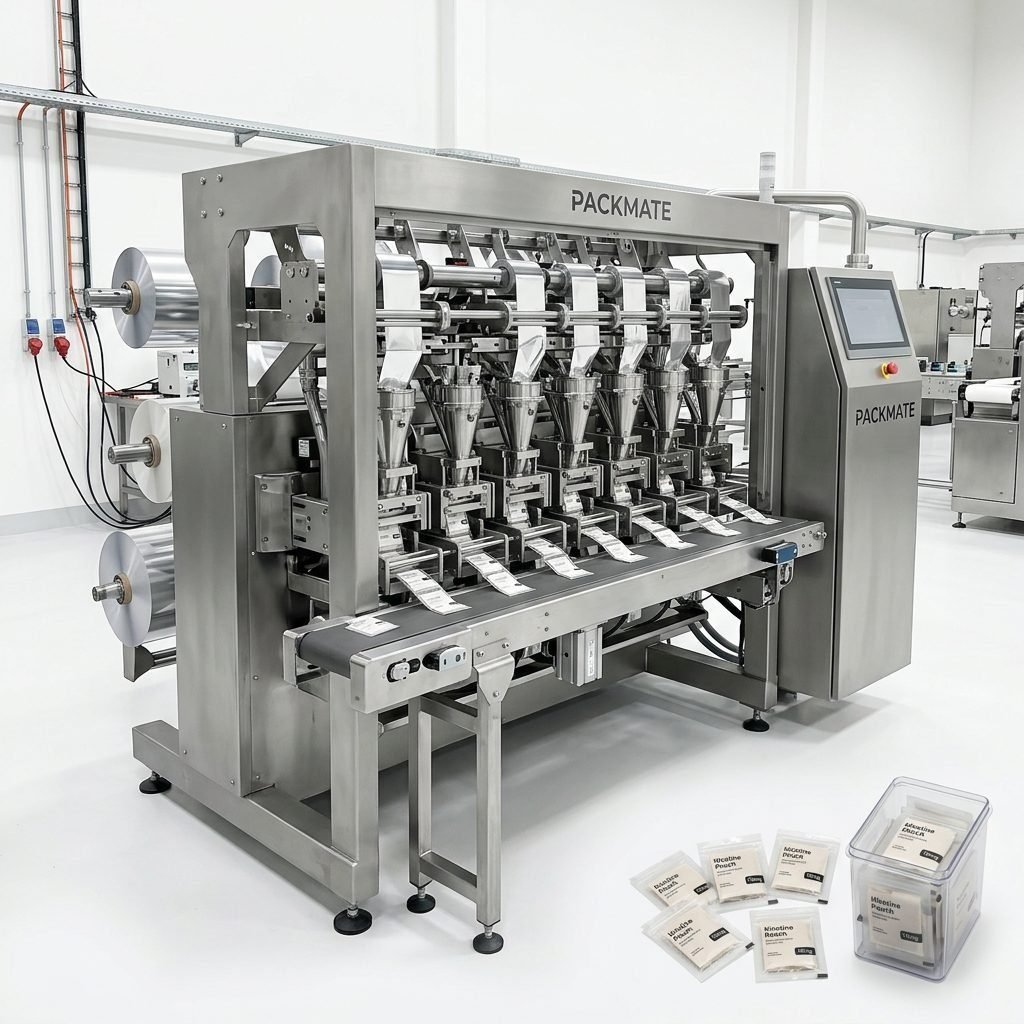
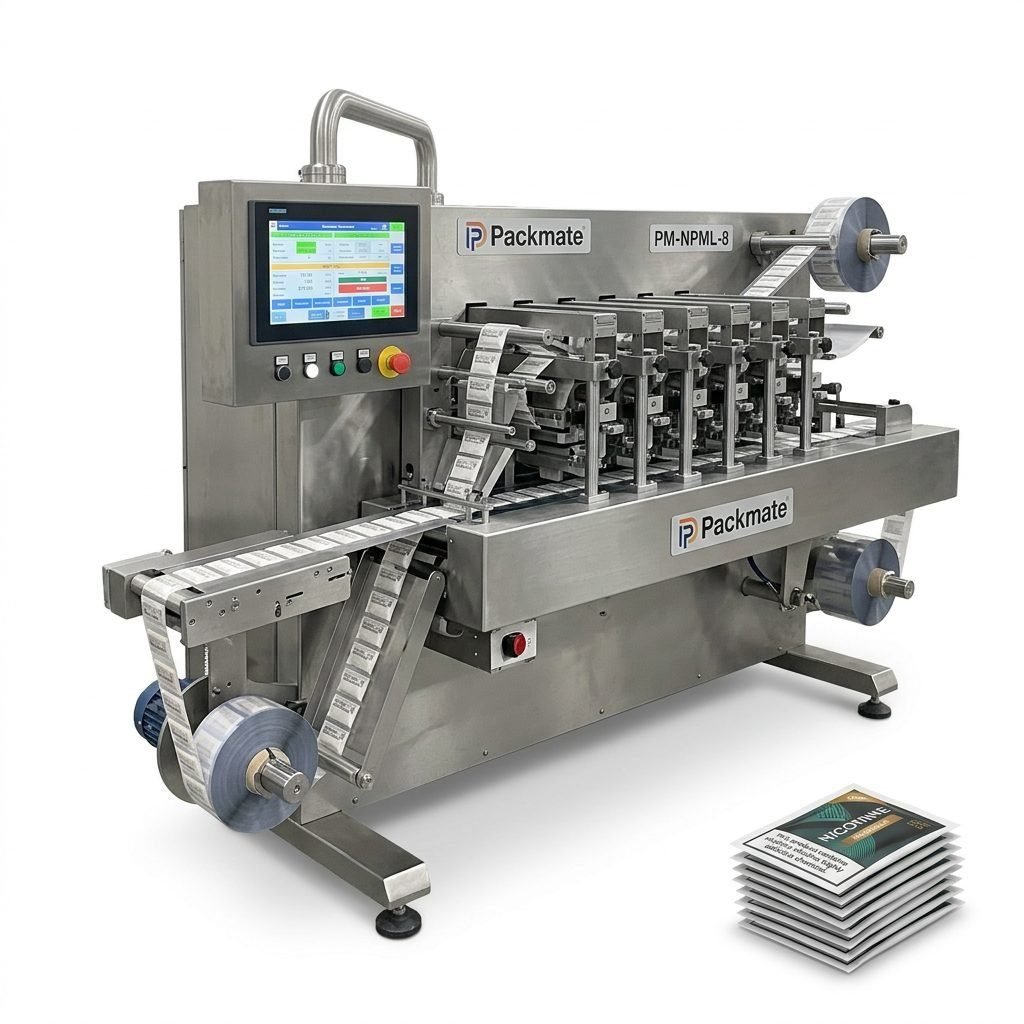
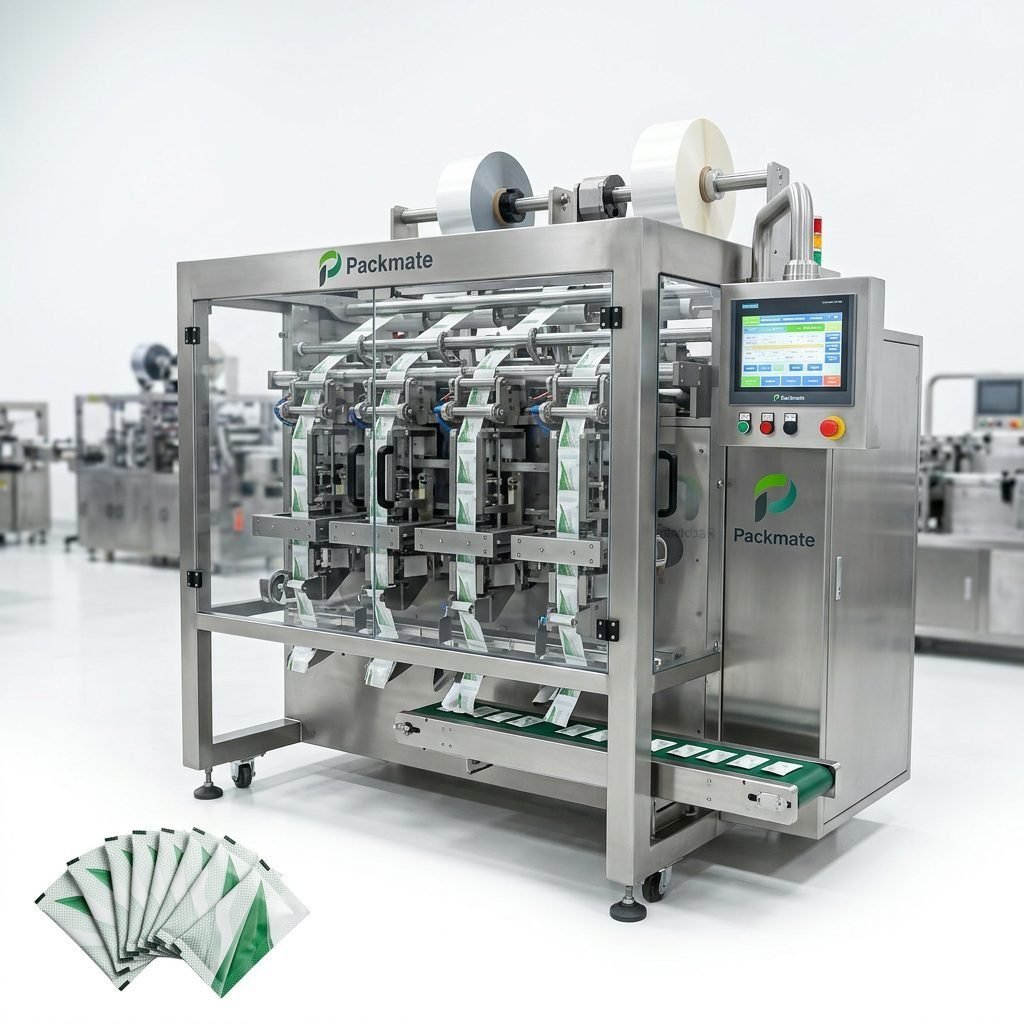
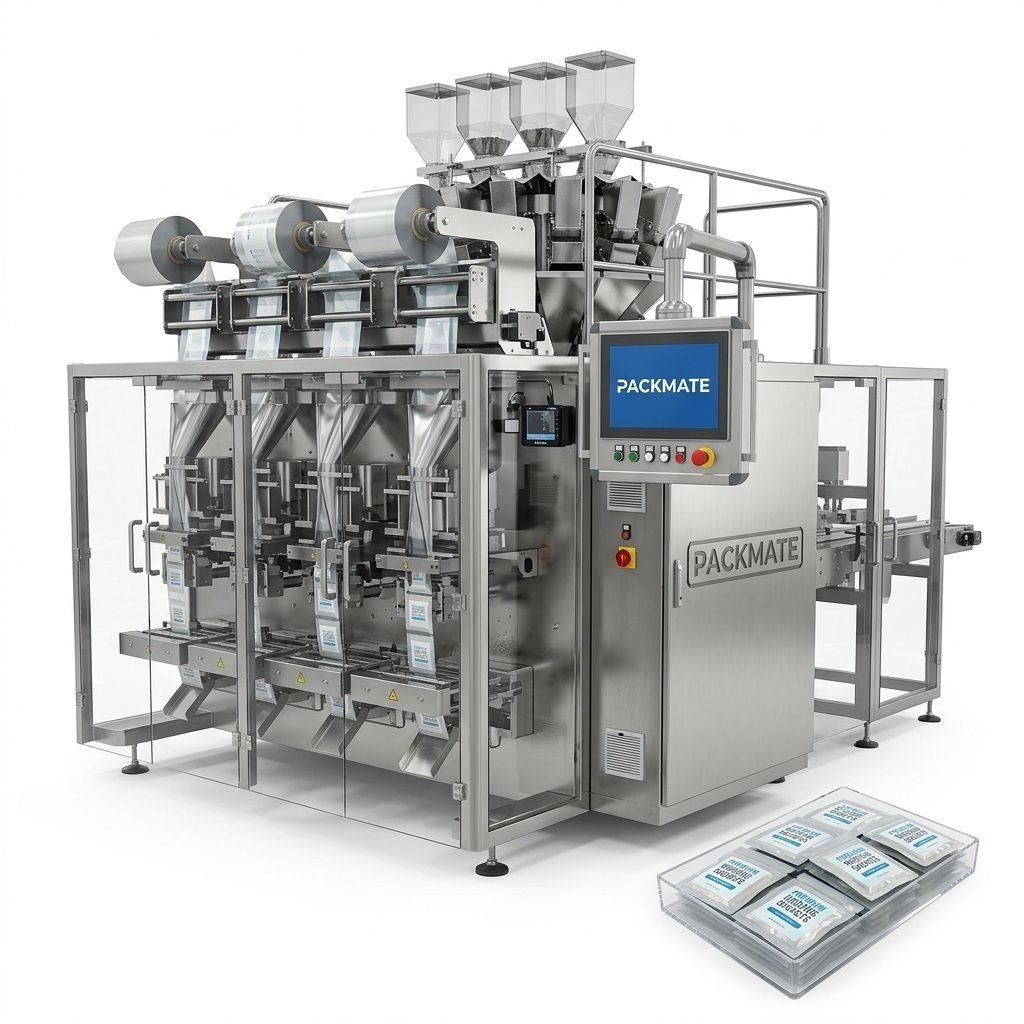
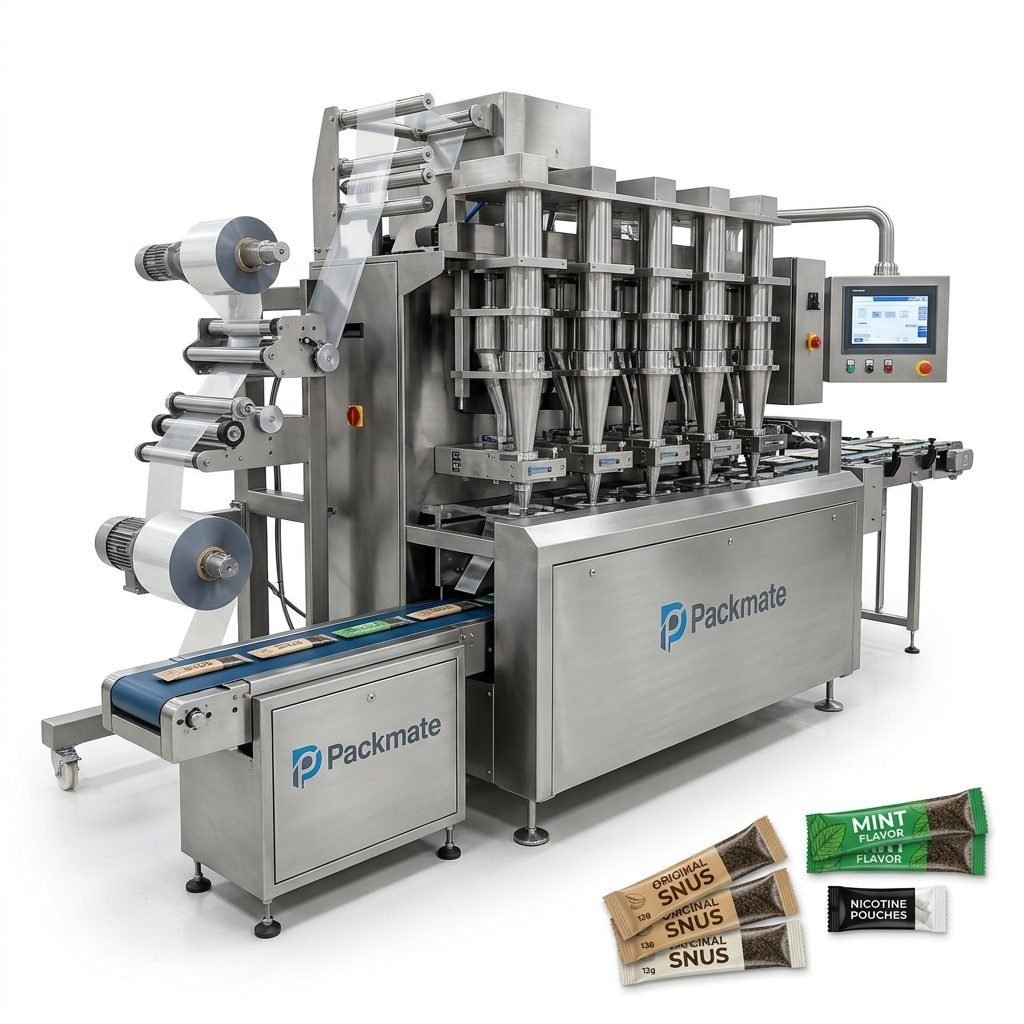
• Multi-lane snus/nicotine pouch machines — designed for small-dose pouches in multiple lanes to multiply throughput without scaling footprint linearly. See Packmate’s Snus & Nicotine Packaging Machines for examples: Snus & Nicotine Packaging Machines.
• Sachet and stick pack machines for combinations of powder and liquid dosing: Sachet & Stick Pack Machines.
Technical specifications to evaluate
When comparing models, focus on measurable specs that affect performance and compliance.
Production speed and lane configuration
Speed is commonly expressed in pouches per minute. Multi-lane machines multiply output without high-speed single-lane strain. For example, a 4-lane system running moderate cycle rates can outperform a single-lane high-speed unit with better stability.
Filling accuracy and material handling
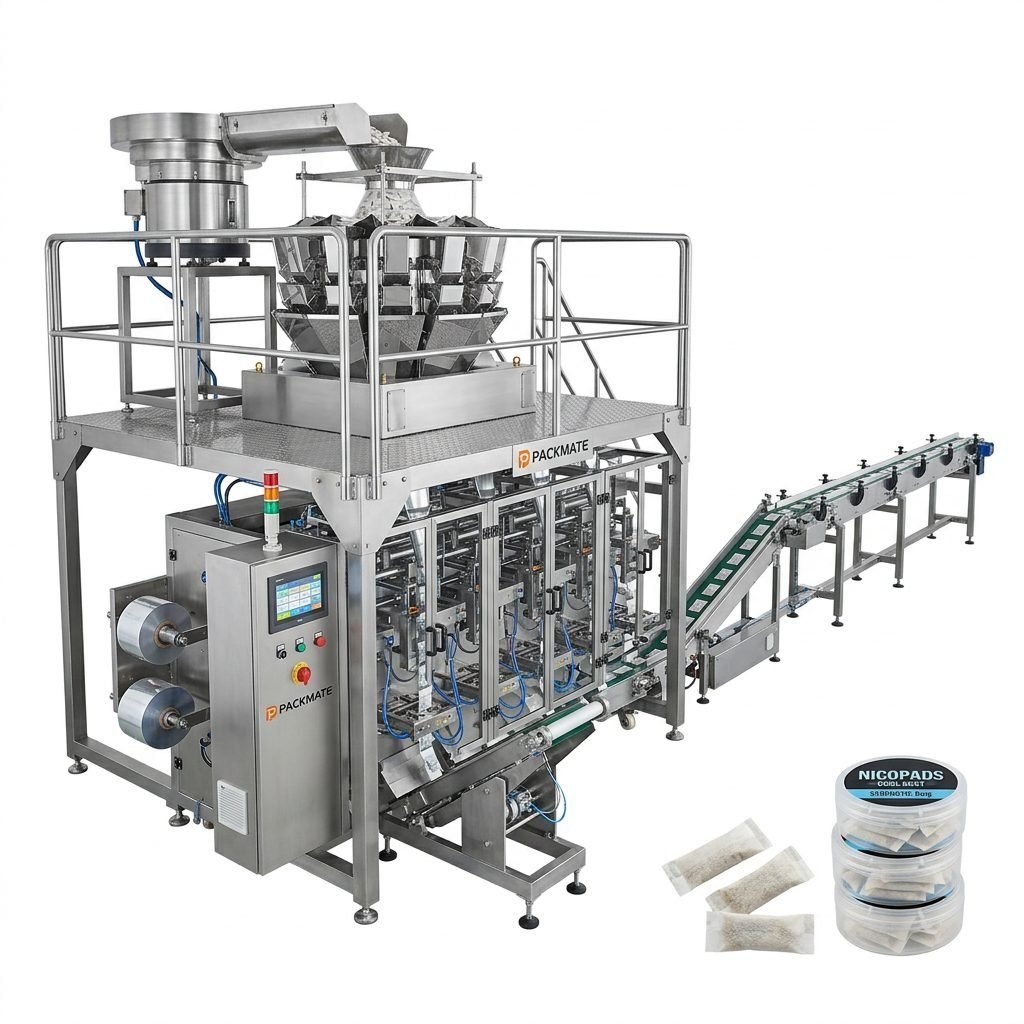
For nicotine pouches, dosing accuracy is critical. Look for precision weighing or auger dosing systems and closed feeding hoppers that reduce contamination risk.
Sealing technology and film compatibility
Check the sealing method (heat-seal, ultrasonic) and whether the machine supports the barrier films you plan to use. Reliable sealing equals shelf-life and leak prevention.
Quick priority checklist
✓ Throughput & lane count aligned with daily output
✓ Dosing accuracy within your tolerance band
✓ Film compatibility & sealing reliability
✓ Ease of cleaning and maintenance
Factors specific to Ireland and EU markets
Ireland follows EU directives and local health regulations that affect nicotine product production and packaging. Ensure any equipment you buy complies with CE and ISO standards and supports traceability and lot coding required for market access.
📌 CE & ISO Compliance: Machines should be CE marked and preferably built to ISO manufacturing standards.
📦 Labeling & serialization: Ensure the system can integrate printers and vision systems for batch coding, barcodes, or QR codes.
🛡️ Product safety: Guards, interlocks, and hygienic design reduce contamination risk and enhance operator safety—vital for audits and inspections.
How Packmate addresses Irish production needs
Packmate Snus Machine combines decades of engineering experience with targeted product lines for nicotine pouch packaging. With over 30 years in the industry and a 20,000㎡ manufacturing facility, Packmate offers multiple configurable models and turnkey packaging lines that suit small to large-scale production.
🔧 Model range: 50+ machine models and tailored multi-lane systems for small-dose pouches.
🏭 Manufacturing strength: Advanced CNC machining and precision assembly ensure consistent machine performance and durability.
Learn more about Packmate’s capabilities and company story at About Packmate and explore filling and packaging line options here: Filling & Packaging Lines.
Customization & turnkey solutions
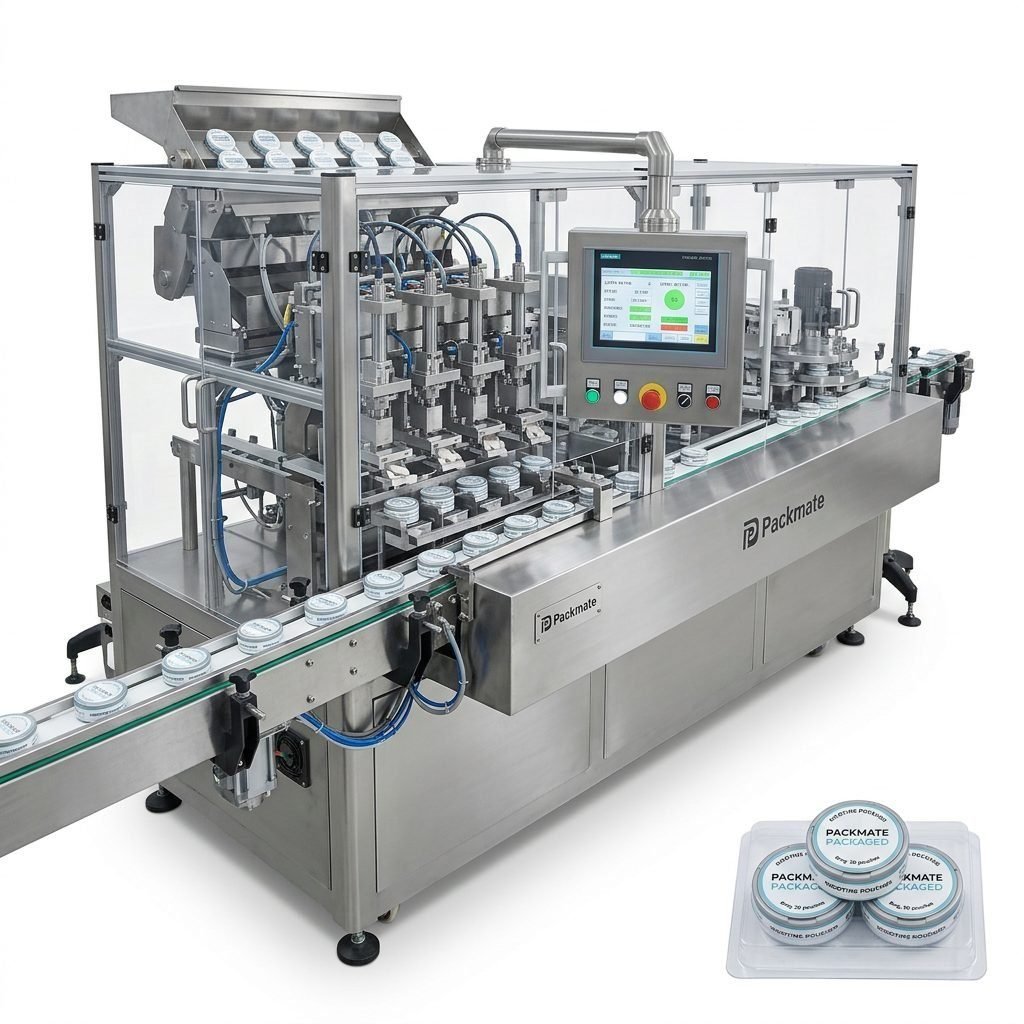
Packmate provides not only individual machines but also complete automated packaging solutions that include weighing, feeding, pouch forming, sealing, and case packing. For Irish businesses that plan to scale or export, turnkey solutions reduce integration risk and accelerate time-to-market.
Service, spare parts and global support
A robust after-sales strategy is essential. Consider suppliers that offer fast spare parts delivery, remote troubleshooting, and commissioning support. Packmate’s global service experience and exhibition presence mean easier access to demonstrations and on-site training. View services and support here: Service.
Installation & commissioning
Plan site utilities (power, compressed air, drainage), floor loading, and access. Commissioning should include process validation, OEE baseline measurement, and operator training. Ask for a written commissioning scope and KPI targets to ensure alignment.
Installation checklist (quick)
• Site utilities confirmed (voltage, phase, air pressure)
• Floor plan and material flow mapped
• Spare parts & consumables stocked
• Training slots scheduled and commissioning KPIs defined
Economic considerations and ROI
A machine’s purchase price is only part of the investment. Evaluate total cost of ownership (TCO), which includes maintenance, spare parts, energy consumption, and labor. Higher initial cost can pay off with better uptime and lower per-unit costs.
📈 Calculate ROI: Use realistic assumptions for yield, scrap rate, and effective operating hours to estimate payback time.
🧾 Service contracts: Consider extended service agreements that bundle preventive maintenance and priority spare parts delivery to reduce unexpected downtime.
Selecting a supplier — evaluation criteria
When choosing a supplier, evaluate product range, customization capabilities, factory certifications (CE/ISO), proven case studies, and after-sales network. Packmate’s global case references and exhibition participation provide transparency and opportunities to see machines in action: Case • Our Exhibition.
Practical selection checklist you can use today
Use this simple checklist to evaluate potential machines and suppliers:
✔ Throughput match: Can the machine meet your peak daily demand?
✔ Dosing accuracy: Are weight/dose specs verified by test data?
✔ Hygiene & maintenance: Is the design easy to clean and maintain?
✔ Service & parts: Are spare parts delivered locally or quickly from the supplier?
✔ Compliance & safety: Does the manufacturer provide CE/ISO certificates and safety documentation?
Making the final decision
Shortlist 2–3 machines that meet your technical specs, then request a factory acceptance test (FAT) or demonstration with your product. FATs allow you to verify yield, filling accuracy, sealing, and downtime in a controlled environment. Negotiate clear warranty coverage, spare parts lists, training schedules, and acceptance criteria before signing.
If you want to explore a manufacturer with a proven track record in snus and nicotine pouch packaging, browse Packmate’s product lines: Snus & Nicotine Packaging Machines and supporting systems at Weighing & Packaging Systems.
Common pitfalls to avoid
❗ Purchasing solely on machine speed without considering downtime, cleaning time, or changeover duration.
❗ Underestimating spare parts lead time or the need for local technical support.
❗ Skipping a real-product trial — always test with the actual nicotine formulation and film materials before final purchase.
Fast reference — what to ask a supplier
1) Can you provide FAT with our product?
2) What is the lead time for critical spare parts?
3) Do you provide CE/ISO certificates and machine validation documents?
4) What training and commissioning support are included?
Next steps for Irish producers
Define your target output, product specs, and budget, then contact shortlisted suppliers for machine demonstrations and quotes. Visiting a factory or exhibition where the machines are demonstrated is highly recommended. You can contact Packmate directly to discuss customized snus and pouch packaging lines: Contact Us.
Useful resources
• Product catalogs and technical specifications. See Packmate’s Catalog for model comparisons.
• Certification details: Certificate.
• Frequently asked questions about machine selection and service: FAQs.
Frequently Asked Questions (FAQs)
Q1: What machine type is best for low-volume nicotine pouch production?
A: For low-volume runs, a compact multi-lane snus pouch machine or a configurable stick pack unit can be ideal. Multi-lane systems let you run multiple small lanes at lower speeds for stable dosing and easier changeovers.
Q2: How important is CE and ISO certification when buying packaging machinery?
A: Very important. CE indicates compliance with EU safety standards, while ISO demonstrates manufacturing quality management. These certifications also ease customs and market entry for exported products.
Q3: Can machines be customized for specific nicotine pouch sizes and formulations?
A: Yes. Experienced manufacturers provide modular designs and custom tooling to match pouch dimensions, fill systems, and material types. Request a FAT to validate performance with your actual product.
Q4: What after-sales support should I expect?
A: Look for vendors offering commissioning, operator training, fast spare parts distribution, and remote troubleshooting. A clear service agreement and transparent spare parts list will minimize unexpected downtime.