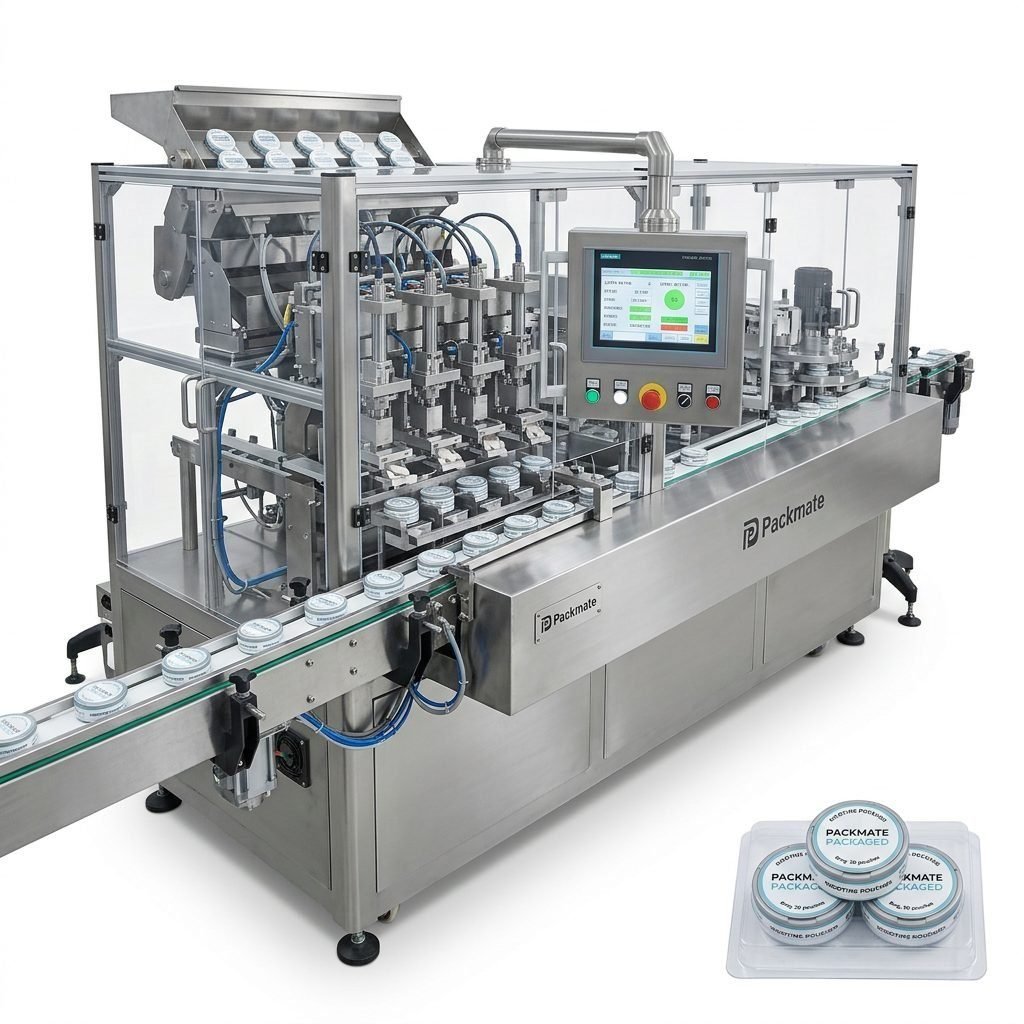
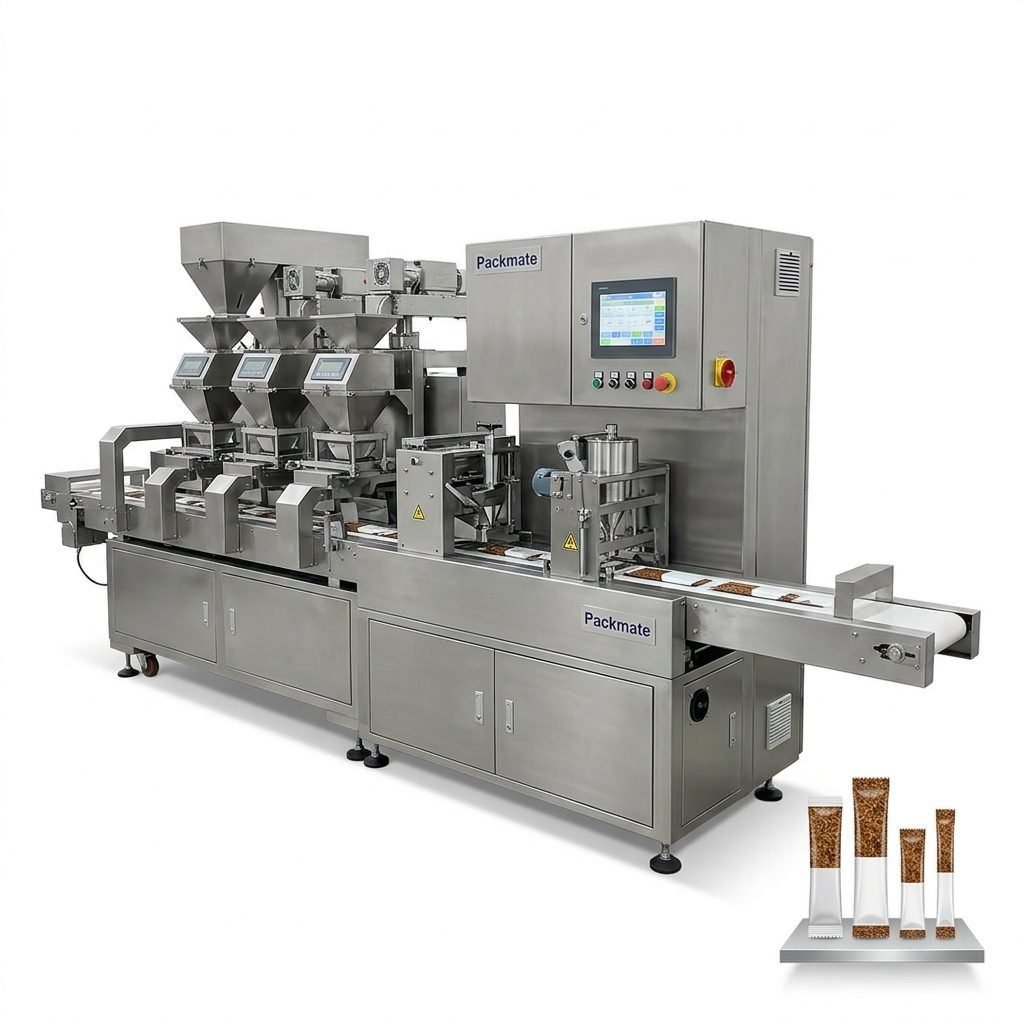
In recent years Peru’s industrial landscape has seen growing interest in modern tobacco alternatives and nicotine pouches. If your factory in Peru is planning to introduce snus or nicotine pouch products, selecting the right packaging machine supplier is a critical decision that affects product quality, regulatory compliance, and profitability. This guide walks you through the practical, technical, and commercial considerations for choosing the best snus packaging machine supplier for your Peruvian operations, with attention to local market nuances, climate challenges, and logistics.
Understand Peru’s market, culture and regulatory context 🇵🇪
Peru is a country of diverse climates and consumption habits — coastal Lima has hot, humid summers; the Andean highlands are dry and cool; the Amazon region is very humid. When selecting equipment, consider how packaging materials and sealing technology will protect product integrity across these conditions. Additionally, Spanish language labeling, clear ingredient disclosure, and local distribution practices are essential. Work with a supplier who understands export/import processes to Peruvian ports (for example, Callao) and can support documentation for customs and compliance.
Local consumer preferences and presentation
Peruvian consumers value clear labeling, premium finishing for consumer-facing packs, and convenience. Many buyers prefer compact, resealable pouches or stick-like single-dose formats. Packaging that offers strong moisture barriers and tamper-evident features will perform better in humid regions. A trustworthy supplier will advise on pack formats that match both product stability needs and local aesthetic preferences.
Key technical specifications to assess when choosing a supplier
Not all snus packaging machines are the same. Focus on machines that deliver consistent dosing, tight sealing, low downtime, and flexible format changeovers. Below are the most critical specs to evaluate.
📦 Machine format versatility
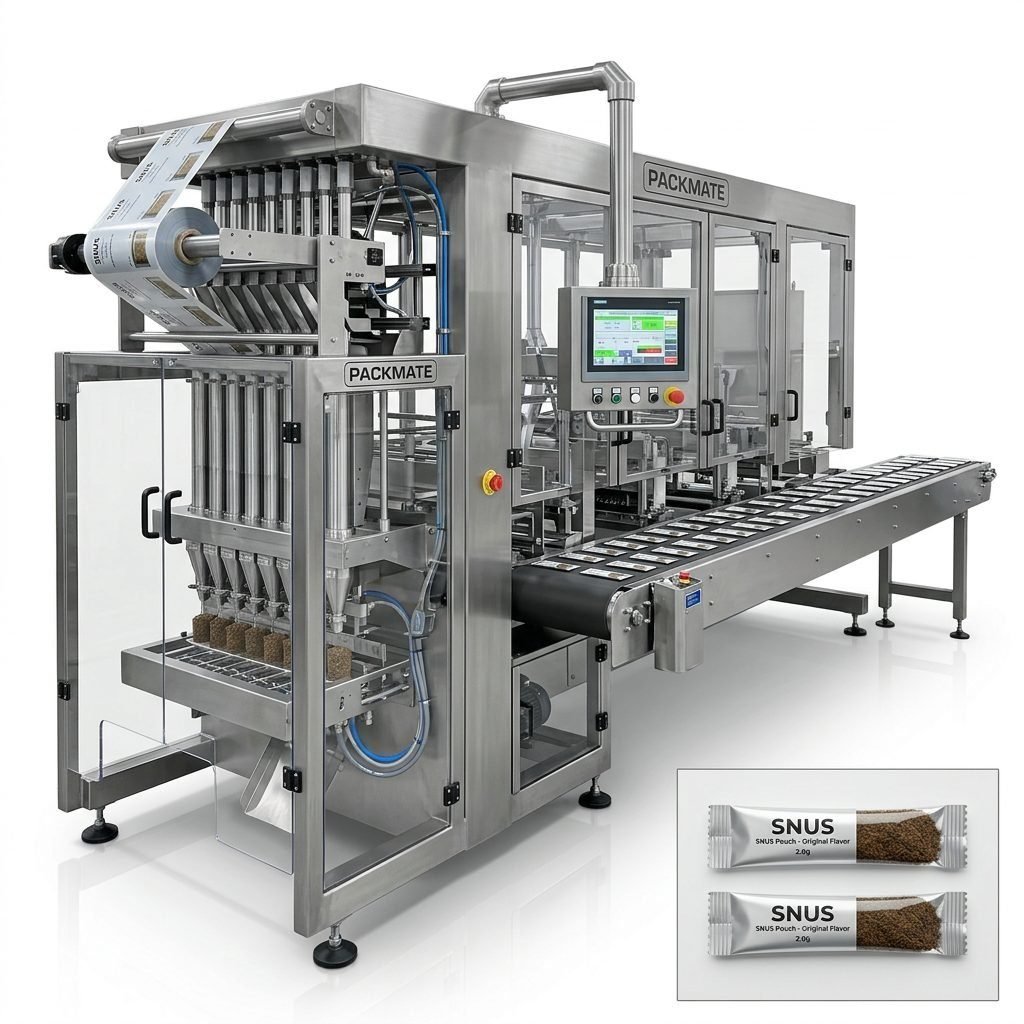
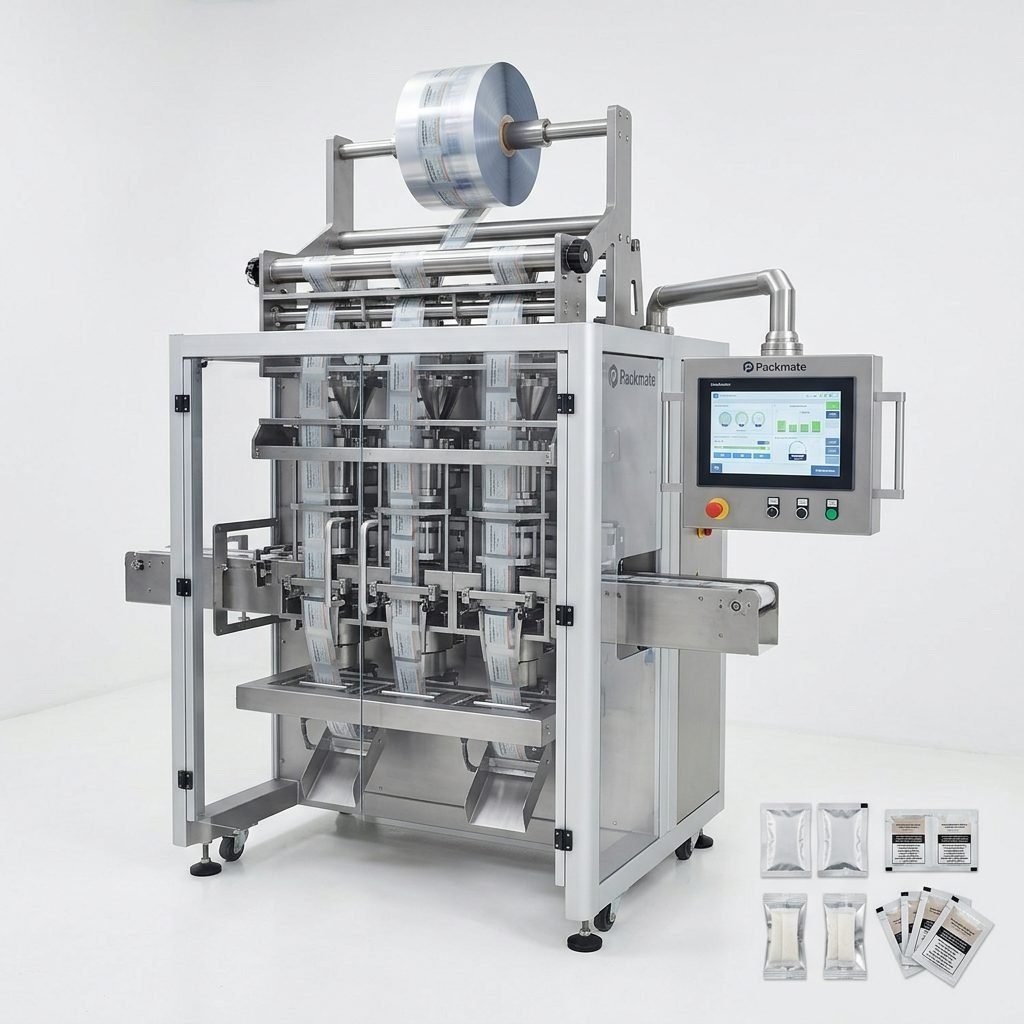
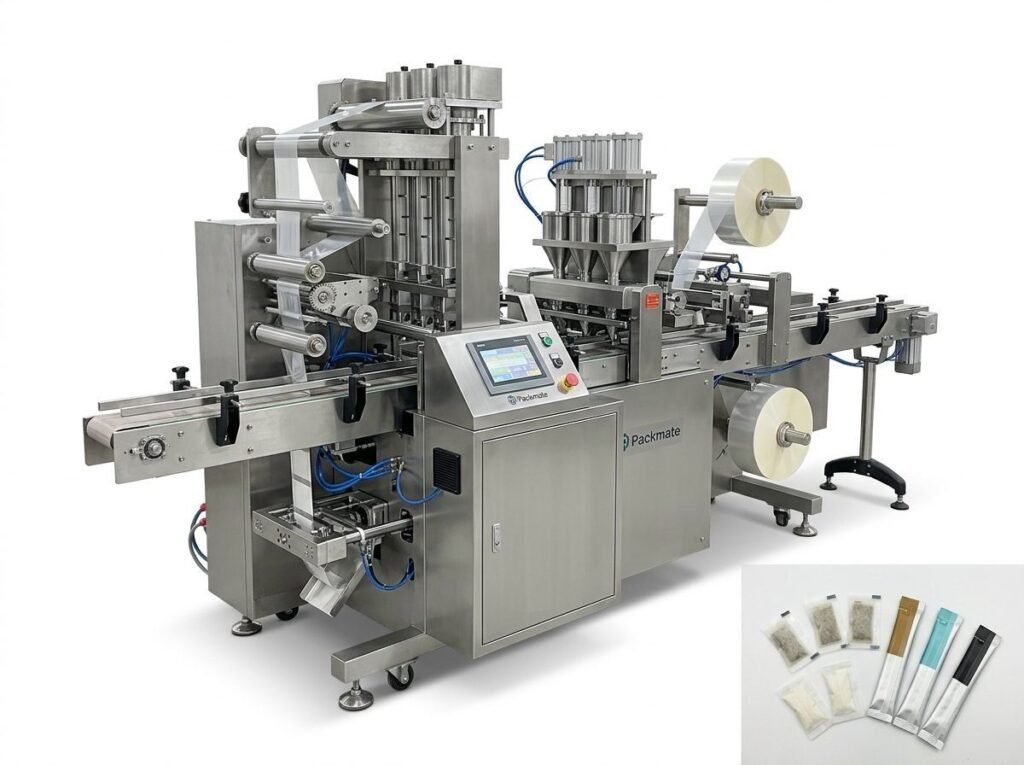
Look for suppliers offering multiple formats: sachet, stick pack, multi-lane pouch, and single-dose pouches. The ability to run different pouch sizes and formats on the same line saves capital and allows faster product diversification.
⚙️ Dosing accuracy & product compatibility
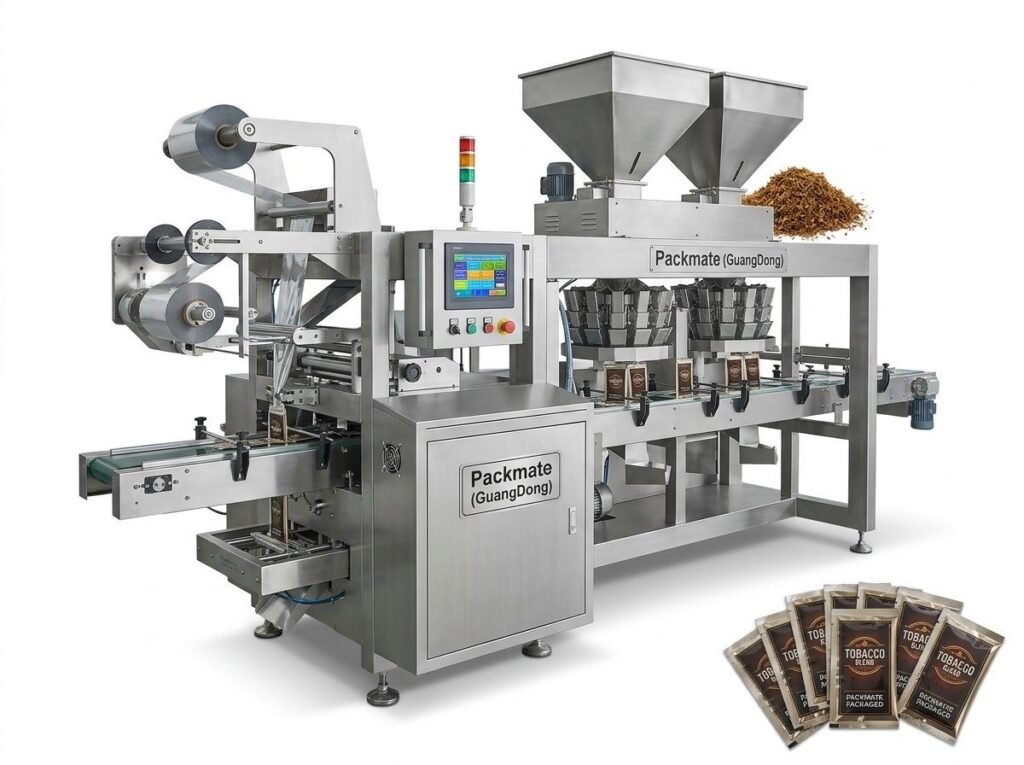
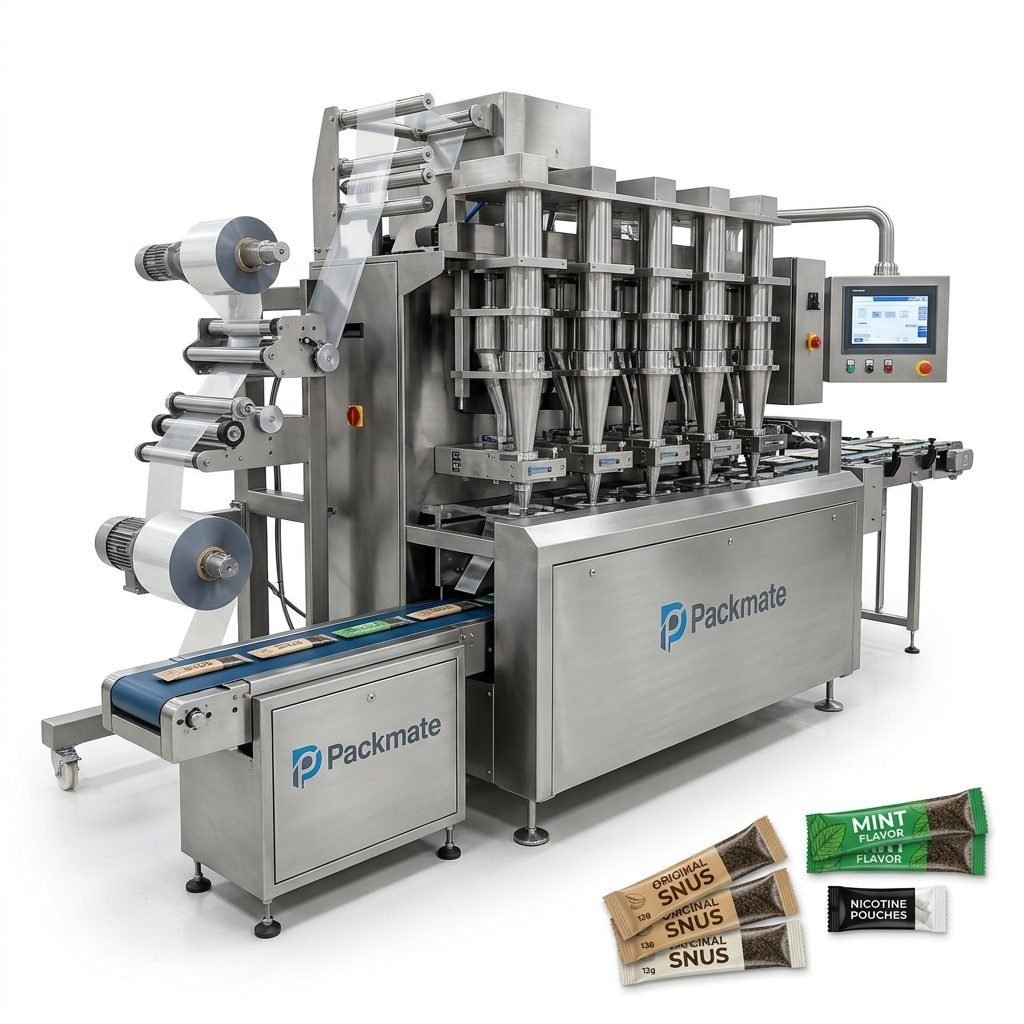
Dosing systems (auger, piston, vibratory) must match your product (powder, granule, micro-pouch fill). For nicotine pouches, micro-dosing accuracy is essential — check supplier tolerances and sample reports. Ask for performance data on similar products.
⏱️ Production speed & scalability
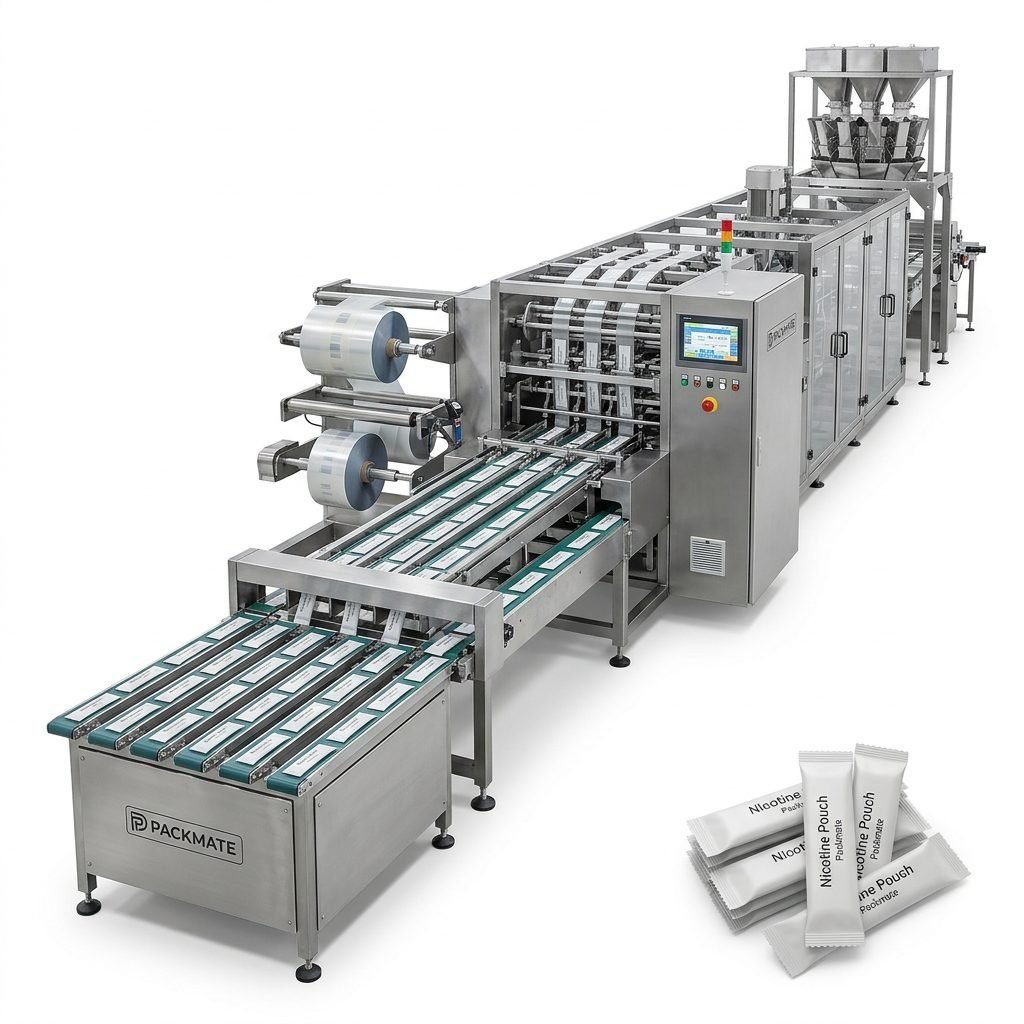
Consider current and future output targets. Multi-lane systems and high-speed multi-head fillers can significantly raise throughput. A reputable supplier should offer models that scale from pilot runs to full production and provide clear metrics (packs/minute, lanes, uptime).
🔒 Sealing & barrier integrity
Sealing technology is crucial in humid climates. Evaluate heat-seal systems, temperature control precision, and compatibility with barrier films (ALU, PET/PE laminates). Nitrogen flushing, induction seals, or lamination options are important for oxygen- and moisture-sensitive products.
Quality standards, certification and after-sales support
Equipment safety, reliability, and ongoing support determine long-term ROI. Prioritize suppliers that provide international certifications, documented quality control, and accessible after-sales service.
✅ Certifications: Ask for CE, ISO and test certificates. Machines that meet international standards make Peruvian customs clearance and export easier. See supplier certificates and compliance statements before ordering.
✅ After-sales & spare parts: Confirm availability of spare parts, local or regional stocking options, and remote diagnostic support. A strong service offering should include installation, operator training, and maintenance guides.
Customization, material considerations and packaging in Peru’s climate
Packaging materials and machine features should match Peru’s climatic zones. Suppliers who understand barrier options and can customize pouch styles will be more valuable in the long run.
Material & barrier choices
Choose films with sufficient moisture and oxygen barriers for coastal and Amazon humidity. Aluminum foil layers or metallized films often provide better protection; however, machinability and sealing temperatures must align with your selected machine. Ask suppliers about recommended film structures for your target regions in Peru.
Hygiene and food/pharma-grade options
Nicotine pouch production requires hygienic design and sometimes clean-room compatible machines. Check for stainless steel contact parts, easy-to-clean designs, and options for enclosed filling areas to reduce contamination risk.
Production capacity, layout and floor footprint
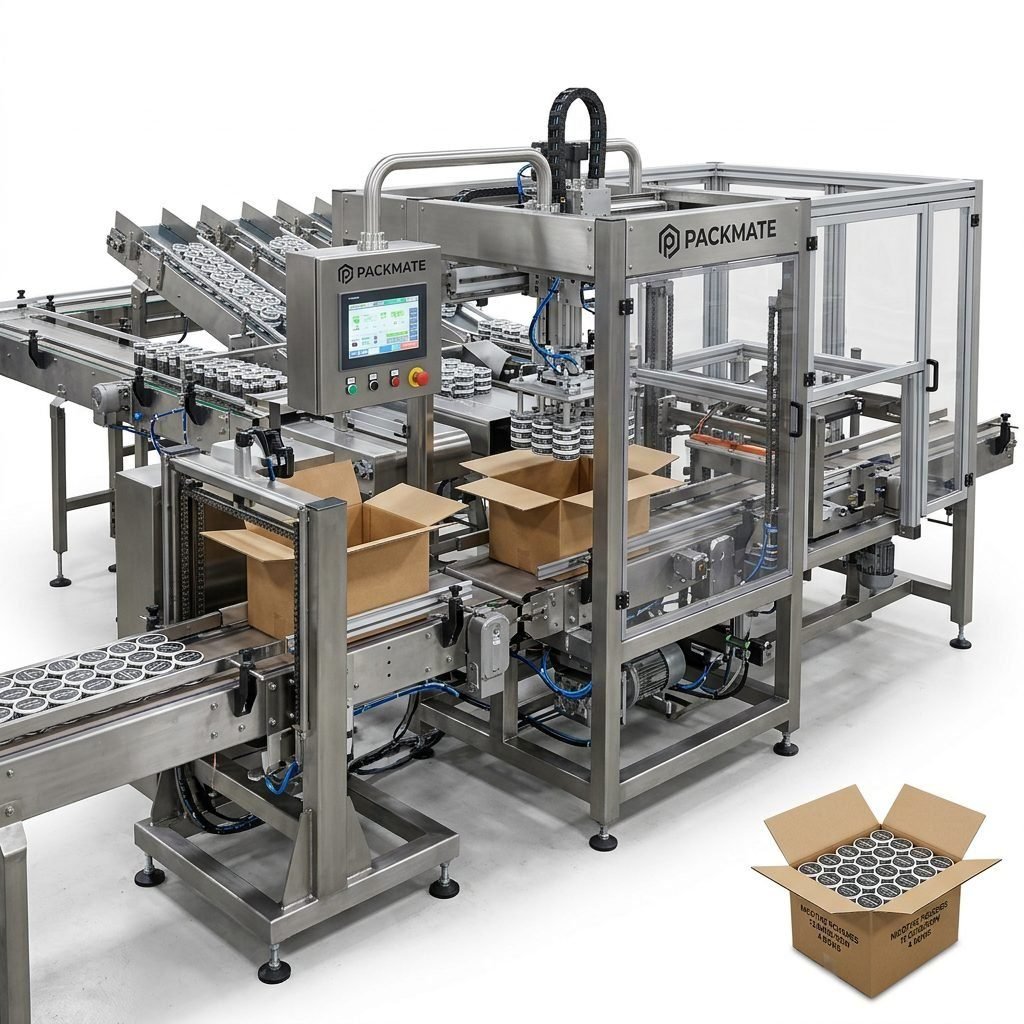
Understand your factory constraints and choose equipment that fits available floor space while meeting desired throughput. Multi-lane machines can multiply output without large increases in footprint — an important factor for factories in urban Peruvian industrial parks where space can be constrained.
Commercial factors: price, lead time, logistics and financing
Purchase price is important, but total cost of ownership (TCO) matters more. Factor in shipping, customs duties, installation, training, spare parts inventory, and expected energy consumption. Ask suppliers for estimated lead times, typical shipping routes to Callao, and assistance with documentation.
⚠️ Tip: Request landed-cost estimates to Peru that include freight, insurance, customs clearance and local delivery. This avoids surprises and helps budgeting for your factory deployment.
Evaluating supplier credibility and references
Choose suppliers with proven experience in snus/nicotine pouch packaging, strong manufacturing capability, and transparent case studies. Request footage of machines running similar products, client references in Latin America, and details about uptime and mean time between failures (MTBF).
For example, suppliers who provide multi-lane, micro-dosing systems designed specifically for nicotine pouches demonstrate deeper expertise than generalist packaging vendors. You can review product lines and cases on manufacturer sites to verify capabilities and past deployments, including turnkey solutions.
Factory visits, trials and remote demonstrations
Arrange a factory visit or remote live demo before committing. Seeing a machine running with your product (or a close analogue) is the best way to validate dosing accuracy, sealing consistency, and format changeover times. A reputable supplier will offer sample runs, video demonstrations, or exhibition demos — useful if you cannot travel immediately.
Visiting a supplier’s manufacturing plant also allows inspection of CNC machining capabilities, assembly lines, and quality control processes. If available, check the supplier’s exhibition schedule or invite them to demonstrate at a regional trade show.
Local support and spare parts strategy for Peru
Strong local support networks reduce downtime. Ask the supplier about distributor or service partner networks in Latin America. If no local partner exists, negotiate initial spare parts kits, remote training packages, and clear replacement part lead times. For critical wear components, maintain a small on-site inventory to avoid long stoppages.
Checklist: Questions to ask every supplier
✅ Can you provide references from similar nicotine pouch or snus projects?
✅ What is the machine’s realistic uptime and MTBF for our product?
✅ Are spare parts stocked regionally, what is lead time to Peru, and what is included in the start-up package?
✅ Can you run trials with our product or provide a sample production video?
✅ What certifications (CE/ISO) and test reports are available?
Why a specialized snus packaging machine manufacturer matters
Specialized manufacturers bring targeted experience: precise micro-dosing technology, multi-lane synchronization, and packaging solutions optimized for nicotine pouches. Their machines typically include features such as micro-pouch filling accuracy, soft-touch sealing for delicate pouches, and integrated quality inspection systems. They are more likely to understand product-specific challenges and provide tailored engineering solutions and turnkey lines.
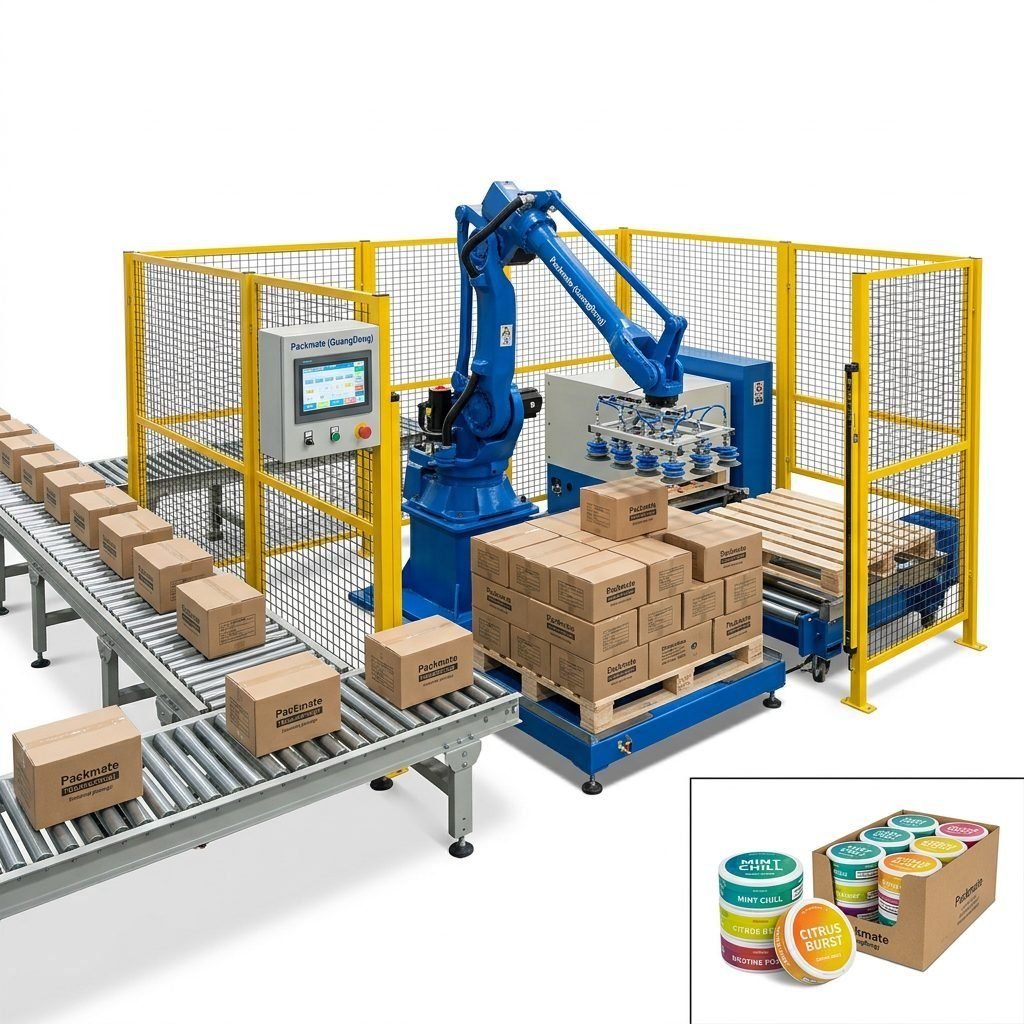
If you want to explore specific product lines and machine models, review the supplier’s dedicated pages for snus and nicotine packaging machines, bag and pouch solutions, or full filling and packaging lines to confirm available configurations and supporting equipment.
Useful references:
Snus & Nicotine Packaging Machines,
Bag & Pouch Packaging Machines,
Case Studies & Deployments
Negotiation, warranties and contracting tips
Negotiate warranties that cover core components and provide clear service level agreements. Include acceptance criteria in your contract (e.g., tolerance on dosing accuracy, permitted rate of rejects, and proof runs). Ensure training, installation, and spare parts kits are written into the purchase order, and request a phased payment schedule tied to milestones such as FAT (Factory Acceptance Test), shipping, and commissioning.
Making the final decision — a practical roadmap
1) Define product specs (fill weight, pouch type, film structure) and monthly throughput targets. 2) Shortlist suppliers with proven nicotine/snUS experience. 3) Request machine demos and sample runs. 4) Evaluate TCO, including logistics to Peru and spare parts strategy. 5) Verify certifications and after-sales support. 6) Finalize contract with acceptance tests and clear warranty terms.
Final thoughts
Selecting the right snus packaging machine supplier for your Peruvian factory requires attention to technical, environmental, regulatory, and commercial details. Prioritize suppliers with proven nicotine pouch experience, transparent testing, robust after-sales support, and an ability to guide you through Peru-specific logistics and labeling needs. With the right partner you can ensure consistent product quality, fast time-to-market, and long-term operational reliability.
Frequently Asked Questions
Q1: What packaging features are most important for Peru’s climate?
High-barrier films (aluminum or metallized layers), reliable heat-sealing systems, and optional nitrogen flushing help protect snus and nicotine pouches from humidity and oxygen exposure. Suppliers should recommend film structures based on target regions (coast vs. highlands vs. Amazon).
Q2: Can a single machine handle multiple pouch sizes and formats?
Many modern snus packaging machines are modular and support multiple formats with quick-change tooling. Confirm changeover times and whether format kits are included or sold separately. Multi-lane machines allow flexibility without large footprint increases.
Q3: How should I plan for spare parts and local service in Peru?
Negotiate an initial spare parts kit for wear components, secure remote diagnostic channels, and ask about regional distributors. If a supplier lacks local presence, plan for expedited shipping routes to Callao and train in-house technicians for routine maintenance.
Q4: What certifications should I ask the supplier to provide?
Request CE and ISO compliance documentation as baseline requirements. For food or pharma-grade nicotine products, ensure hygienic design documentation and material traceability. Certificates speed customs clearance and support regulatory compliance in Peru.
Q5: Where can I review product models and company credentials?
Visit the manufacturer’s product pages and case study sections for detailed machine specs, real-world deployments, and company background. For example, explore dedicated product lines and corporate information on supplier websites to verify capabilities and past shipments.
Helpful links for further research:
About Packmate,
Filling & Packaging Lines,
Service & Support