Choosing the right nicotine packaging machinery in the United Kingdom requires more than picking a popular brand or the cheapest offer. UK producers must balance regulatory compliance, consumer expectations for discreet and sustainable packaging, production speeds, and after-sales support. This guide walks through the practical considerations—machine types, production capacity, technology features, regulatory and environmental factors—and how to match them to your specific production needs in the UK market.
Understand the UK Market and Local Habits
The UK consumer market for nicotine pouches and alternative nicotine products values discretion, consistent portion dosing, and modern, recyclable packaging. Many UK customers prefer compact, low-noise packaging formats suitable for on-the-go use. Retailers and wholesalers expect reliable supply and consistent quality. Because of the UK’s adult-only sales environment and heightened focus on public health messaging, packaging machinery must be capable of printing or applying compliant labeling, batch codes, and child-resistant solutions when required.
Key UK-specific considerations
⚠️ Regulatory sensitivity: While the UK separates from EU regulations after Brexit, it still maintains strict rules around nicotine products and advertising — ensure your packaging supports compliant warning panels and traceability.
♻️ Sustainability expectations: UK buyers increasingly prefer recyclable or minimal plastic solutions. Consider machinery that supports flexible materials and light-weight pouch structures to reduce material use.
🛠 Service & uptime: Fast, local technical support and spare parts availability are valued—look for manufacturers with established export service networks or UK-based partners.
Choose the Right Machine Type for Your Product
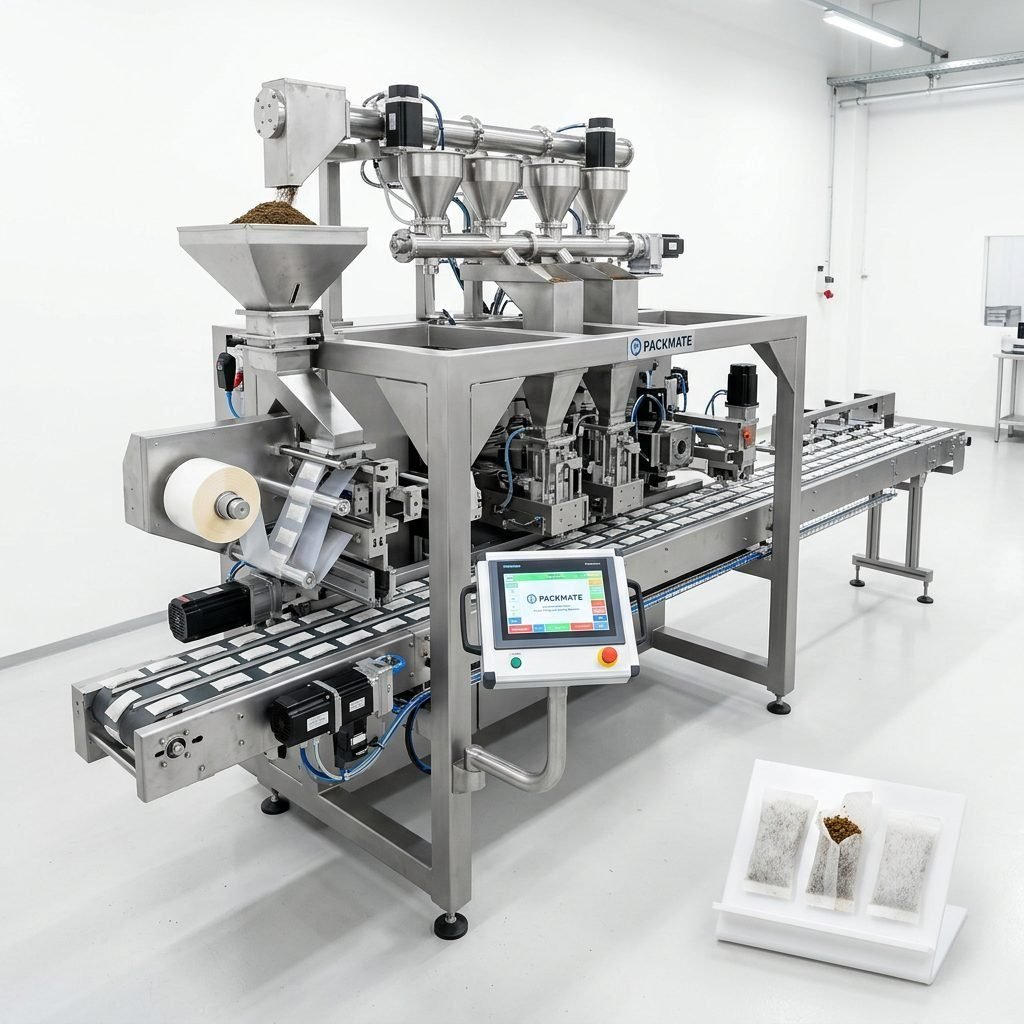
Machine selection starts with product format. Nicotine products are commonly packed as single-dose pouches, multi-dose tins, sachets, or stick packs. Each format implies different machinery:
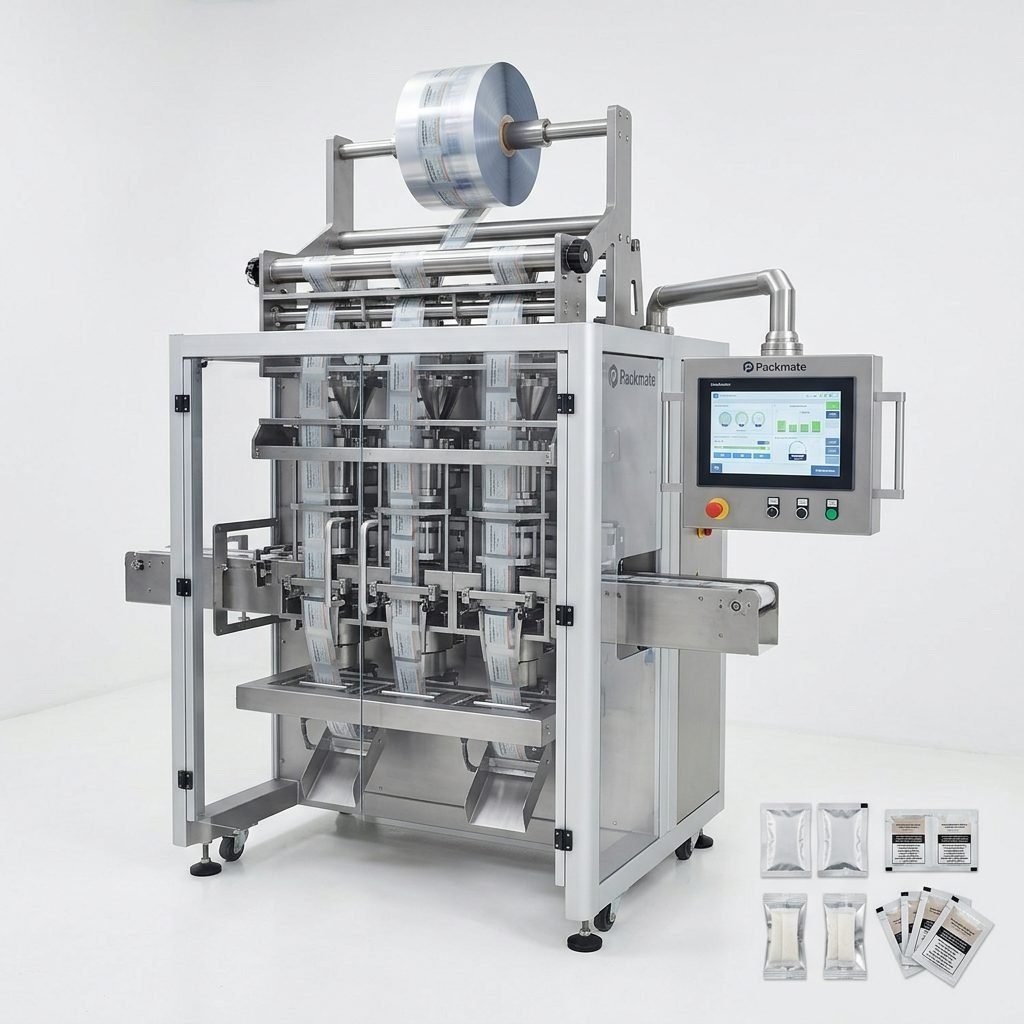
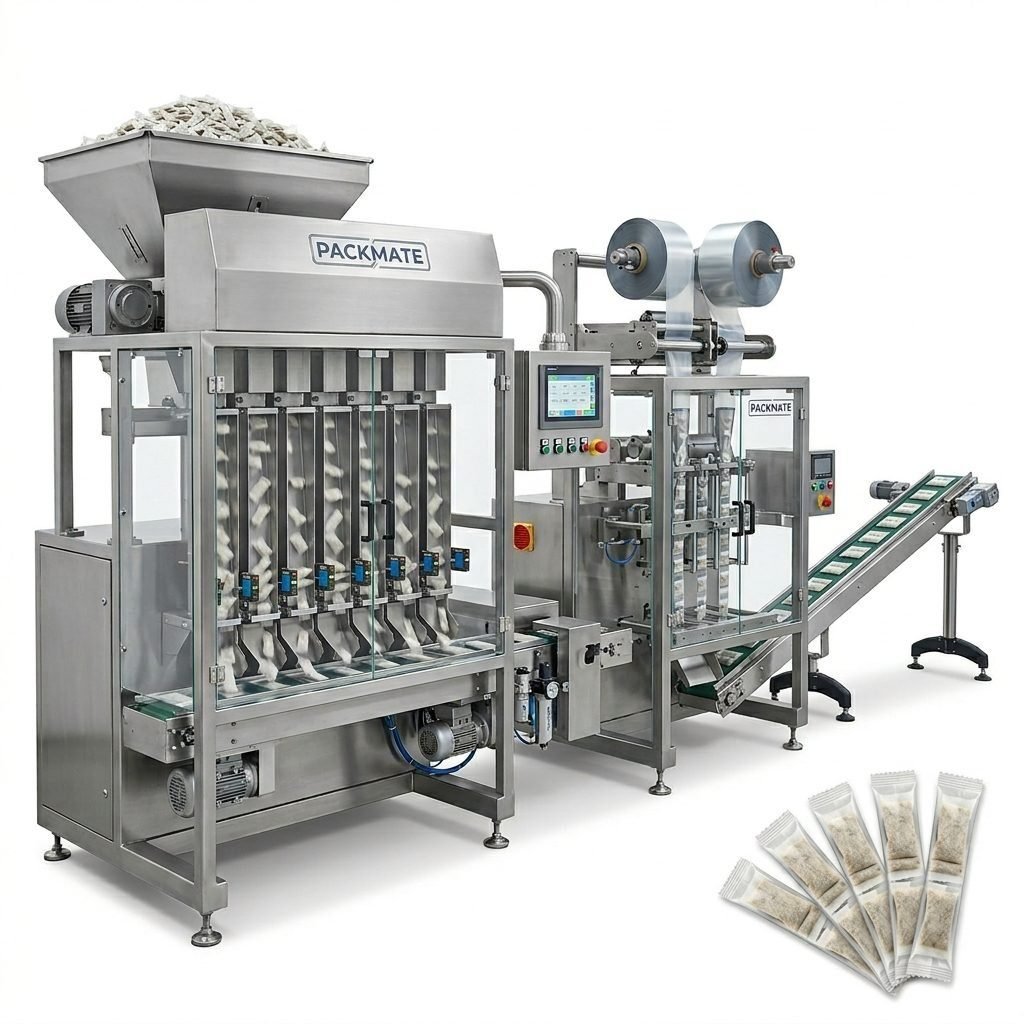
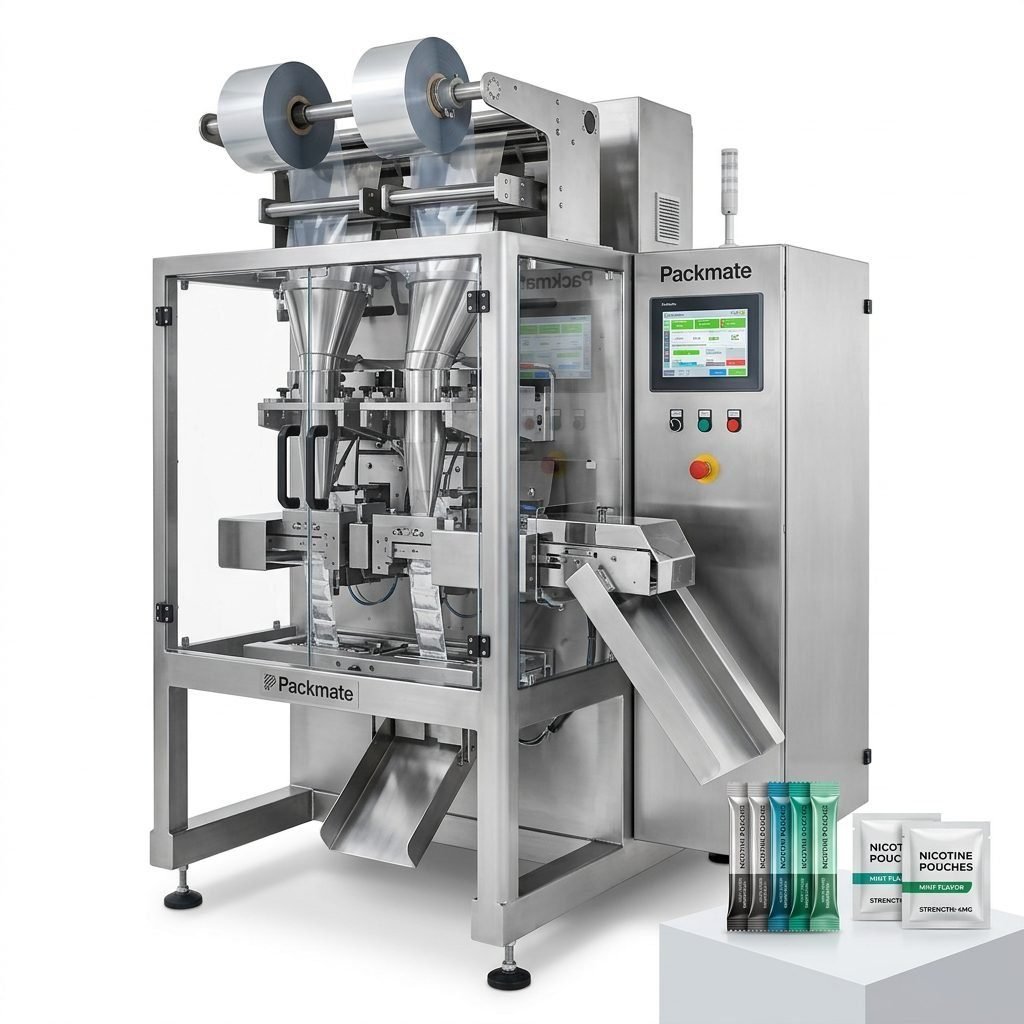
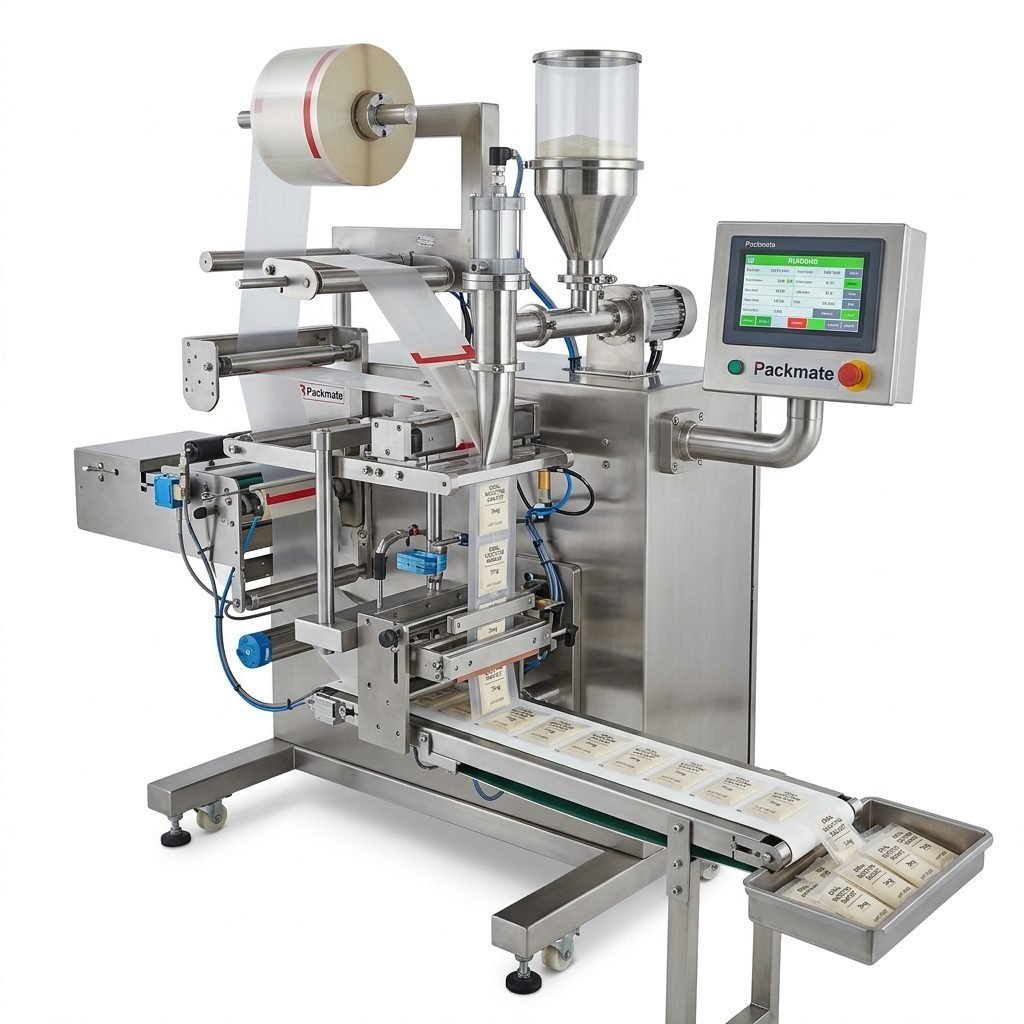
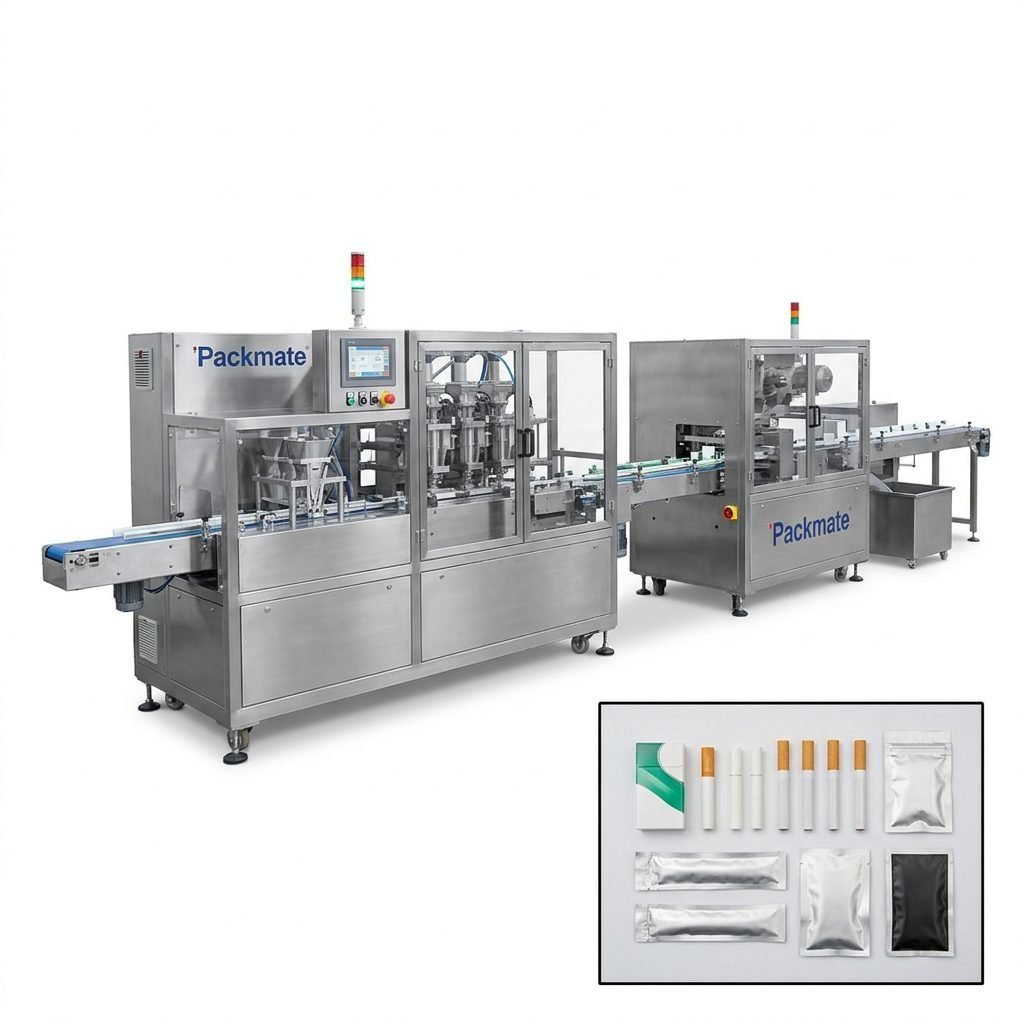
📦 Stick pack & sachet machines: Ideal for single-dose ready-to-use pouches. They deliver fast cycle rates and precise dosing for powders or micro-granules.
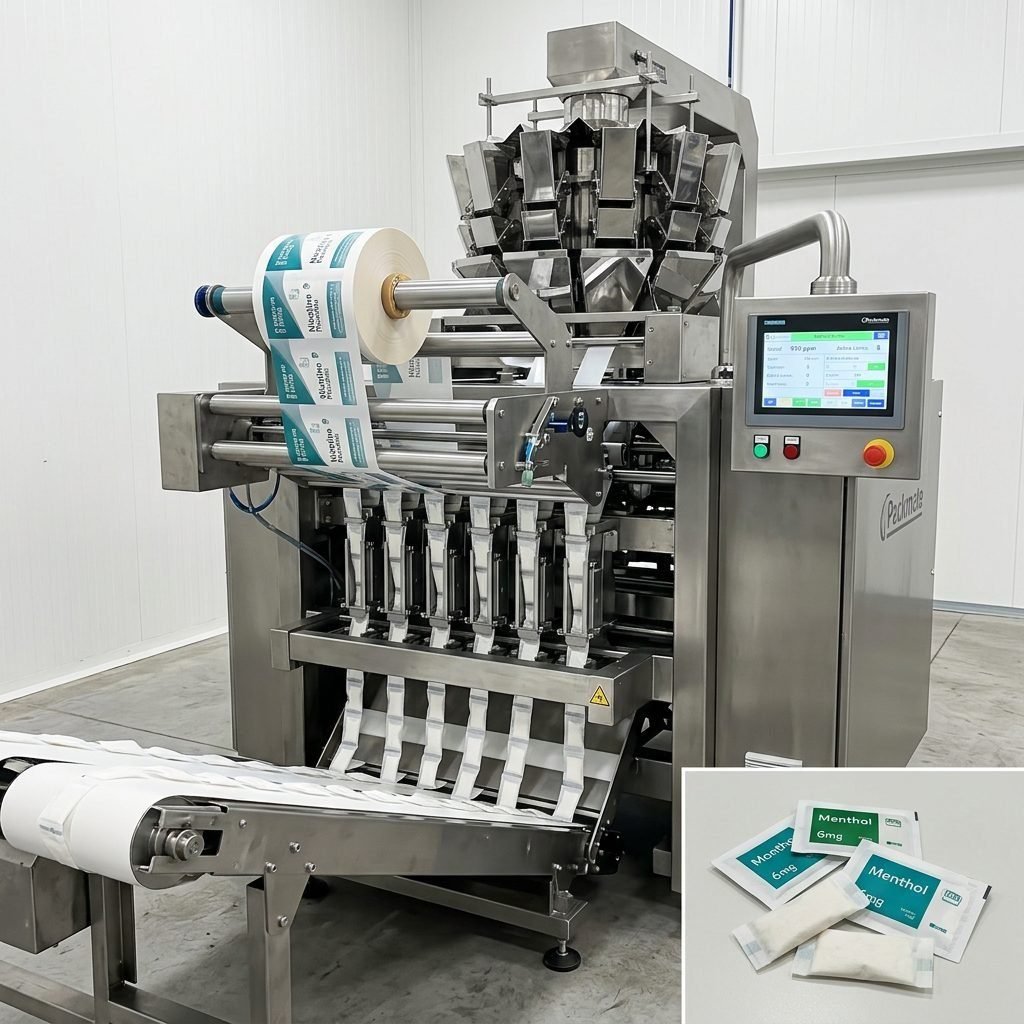
🟢 Multi-lane systems: Multi-lane snus & nicotine packaging machines increase throughput while keeping footprint compact—key for producers scaling in the UK.
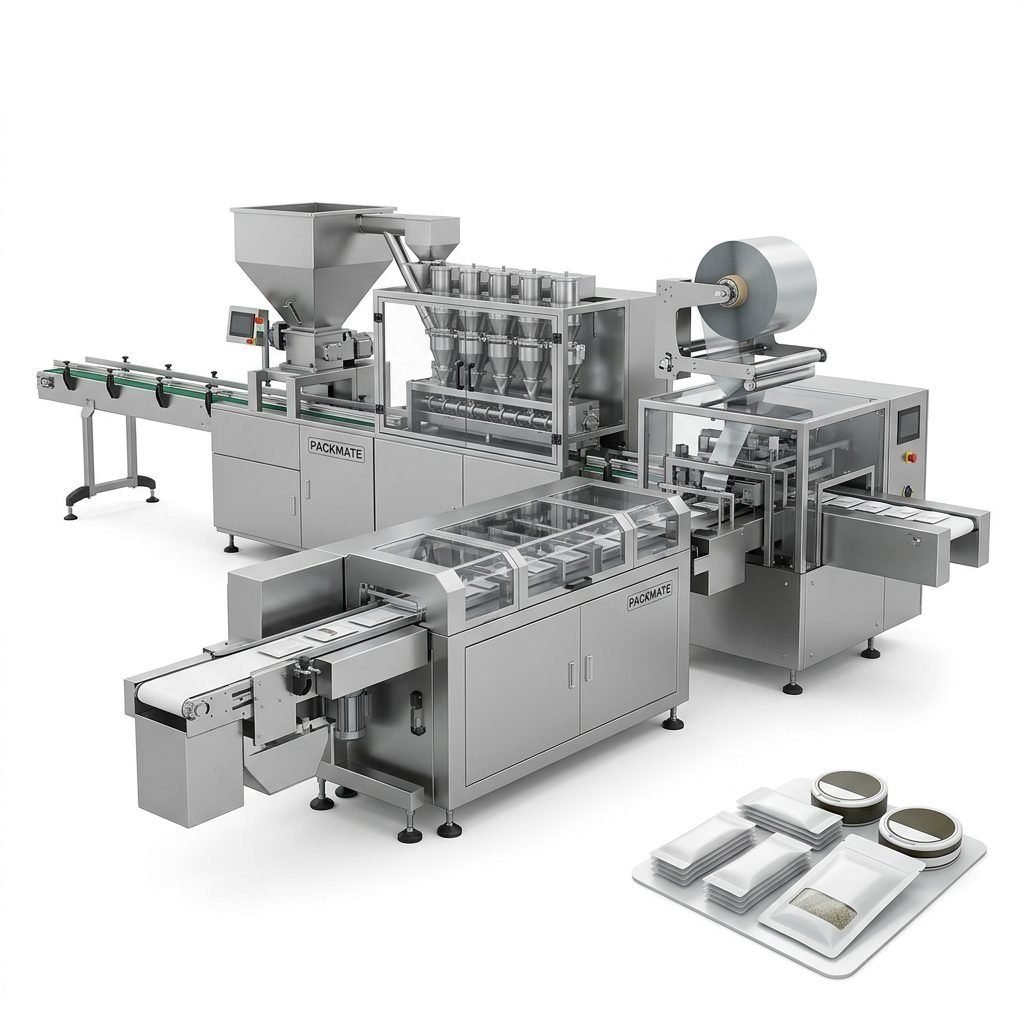
⚙️ Weighing & filling lines: For custom portion control or variable dosing blends, integrated weighing systems ensure accuracy and minimize giveaway.
For machine options and configurations, see a range of specialized solutions like Snus & Nicotine Packaging Machines and Sachet & Stick Pack Machines.
Match Capacity and Speed to Your Business Plan
Determine annual production targets and peak demands. UK distribution often requires seasonal surges and stock buffering, so choose a machine that handles your average load with headroom for growth. Multi-lane machines can multiply output without linear increases in floor space, which is helpful in UK warehouses where rental costs are high.
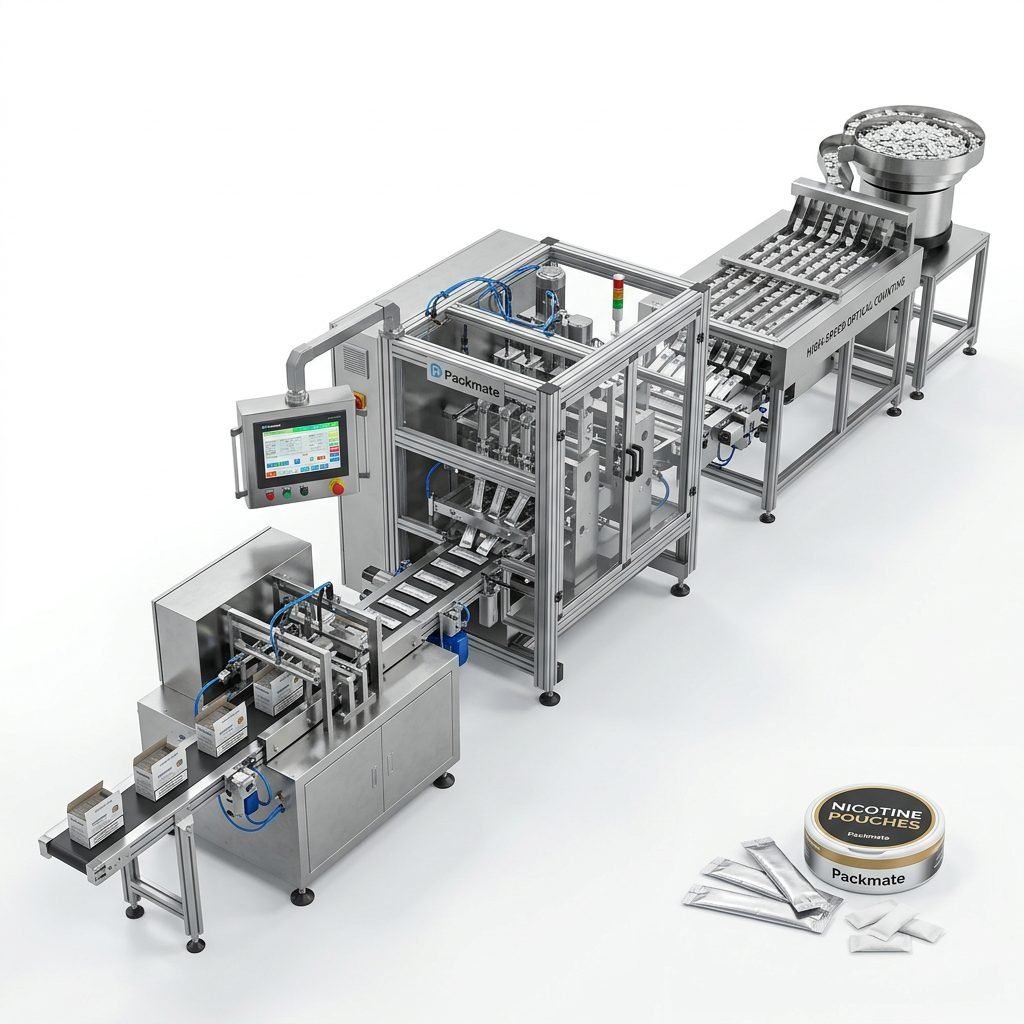
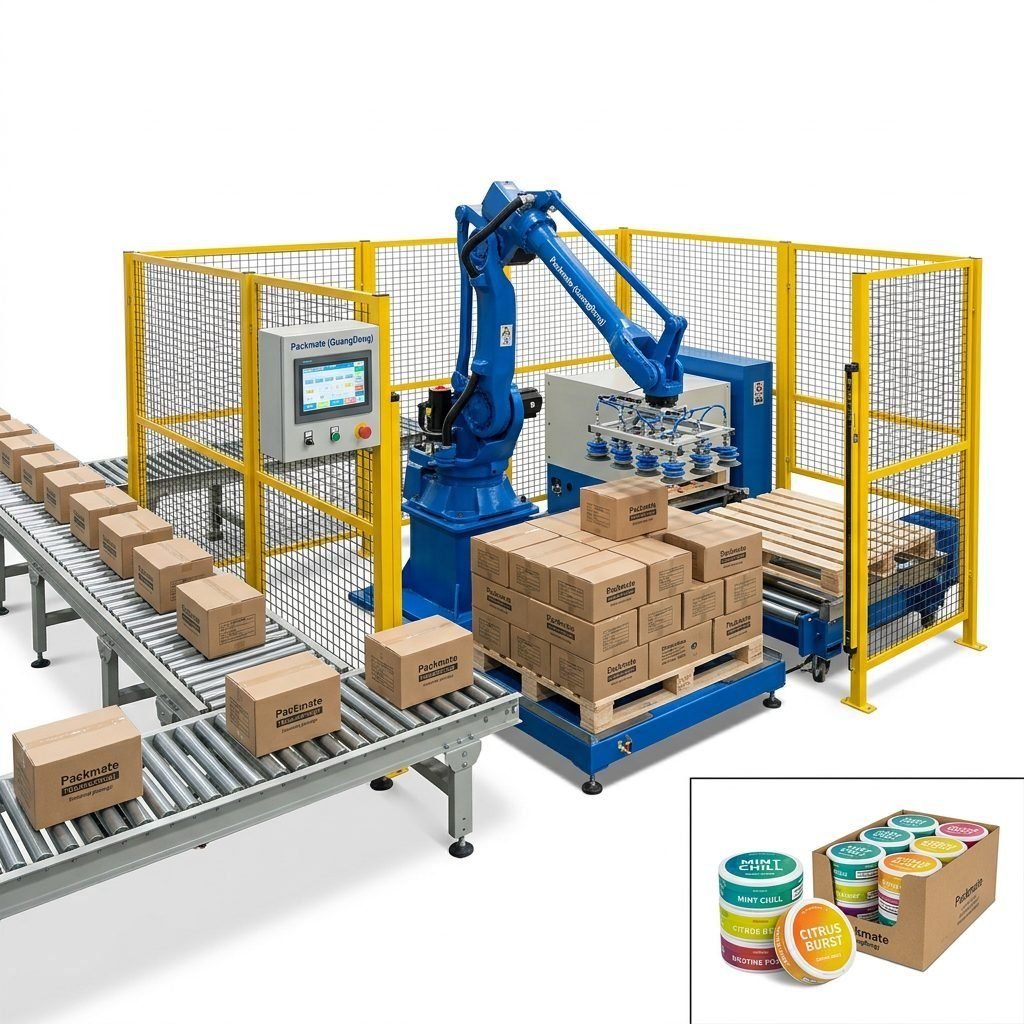
If you expect to expand quickly, prioritize modular systems that allow adding lanes or integrating additional packaging stages (cartoning, case packing) rather than replacing core equipment.
Production capacity checklist
✓ Current daily/weekly output targets
✓ Planned growth in 12–36 months
✓ Flexibility for different pouch sizes or formats
Accuracy, Hygiene and Material Compatibility
For nicotine pouches, dosing accuracy and hygienic construction are non-negotiable. Machines should feature stainless steel contact surfaces, hygienic guarding, and easy-clean design to meet pharmaceutical or food-grade expectations. Check for compatibility with your chosen packaging material (e.g., laminated foil pouches, paper-based options, or recyclable laminates).
Important: Ask manufacturers for material trials. A reliable vendor will test your specific blend and pouch material to confirm seal quality and dosing accuracy.
Automation, Integration and Industry 4.0 Features
Modern lines include PLC controls, HMI interfaces, recipe storage, and remote diagnostics. For UK operations where staff training and downtime are costly, remote monitoring and rapid fault diagnosis reduce service visits and lost production time.
Look for:
- Recipe-driven changeovers for fast switching between SKUs
- OEE tracking and data logging for quality assurance
- Remote access for updates and troubleshooting
Quality, Certification and Supplier Reputation
In the UK market, CE markings and ISO-aligned manufacturing build trust with buyers and inspection authorities. Choose suppliers with transparent factory processes, rigorous quality control, and a track record in nicotine or food/pharmaceutical packaging.
Packmate Snus Machine, for example, emphasizes over 30 years of engineering experience and a large manufacturing facility with CNC centers and assembly lines. If vendor references and case studies are available, review them—especially installations in Europe or the UK. You can explore production examples in the supplier case library like Case.
Service, Spare Parts and Local Support
Expect to operate machines 24/5 or 24/7. Assess lead times for spare parts and whether the manufacturer has UK-based agents, partners, or fast courier options to avoid extended downtime. Request an agreed SLA for critical components and consider stocking consumables that wear quickly.
Questions to ask potential suppliers
🔍 Typical response time for technical support in the UK?
🔍 On-site installation and training options?
🔍 Spare parts lead times and recommended stock levels?
Total Cost of Ownership (TCO) and ROI
Don’t only compare purchase prices. Factor in installation, training, lifetime consumables, energy consumption, and the likely resale or trade-in value. Machines that reduce waste, minimize giveaway, and improve line efficiency often have a superior ROI even if their capital cost is higher.
Pro tip: Request a sample production run or remote video demonstration with your exact formulation. Compare measured yield, downtime events, and packaging rejects to estimate real-world costs.
Flexibility for New SKUs and Regulatory Changes
The UK market evolves—consumer preferences, warning label requirements, and materials availability can change. Machines with modular tooling, easy-to-change sealing jaws, and software-driven recipe management will save time and cost when adapting to new SKUs or updated regulations.
If you expect to expand into other product types (tea sachets, powdered supplements, or cosmetics), consider versatile equipment such as Bag & Pouch Packaging Machines and combined Weighing & Packaging Systems that serve multiple product categories.
Inspection, Traceability and Labelling
For compliance and quality assurance, look for integrated inspection (metal detection, checkweighers), date/lot coding units, and serialization capabilities. Traceability is crucial for recalls and regulatory audits—confirm the machine’s ability to encode lot numbers and batch stamps in human-readable and machine-readable formats.
Choosing the Right Vendor: What to Evaluate
When evaluating manufacturers, focus on:
- Technical fit: Does the machine meet dosing and sealing requirements?
- Manufacturing quality: Are components industrial-grade with CE/ISO certifications?
- Service & spare parts: Fast support options in the UK?
- References & cases: Have they delivered similar lines to European or UK clients?
Learn more about the supplier’s company profile and global projects at About Packmate and consider arranging a site visit or virtual factory tour.
Implementation, Commissioning and Staff Training
Plan for proper commissioning and operator training. UK production managers expect thorough validation runs, clear maintenance schedules, and accessible operator manuals. Ask the supplier whether on-site installation and staff training are included and request a documented handover checklist.
Financing, Leasing and Warranties
If capital is limited, investigate leasing options or equipment finance plans that UK vendors may offer or facilitate. Confirm warranty periods, coverage levels, and the process for making claims across borders if the supplier is overseas.
Final Selection Roadmap
Follow this step-by-step approach:
1. Define product specs, materials, target throughput and growth plan.
2. Shortlist machine types and vendors with relevant nicotine/snack/food experience.
3. Request sample production tests with your materials.
4. Evaluate TCO, spare-part strategy, and local service options.
5. Confirm regulatory compliance, traceability and labeling capabilities.
6. Arrange formal acceptance tests and a training/commissioning timeline.
Need help? Contact the supplier to ask for tailored turnkey solutions or full production line design—many suppliers (including Packmate) offer full line integration and after-sales services to support UK producers. See Contact Us for direct inquiries.
Where to Find Demonstrations and Local Shows
Watch live demos or request virtual demonstrations. Visiting exhibitions or requesting on-site trials helps evaluate noise, ergonomics and real throughput. Check supplier exhibition schedules and live demo availability in Europe or the UK.
Conclusion: Balance Tech, Compliance and Local Needs
Selecting the best nicotine packaging machinery for the UK market means balancing technical performance, regulatory readiness, local consumer preferences, sustainability trends, and reliable service. Prioritize machines that are flexible, hygienic, and supported by a supplier with a strong record of turnkey solutions and international certifications. By testing materials, validating yields, and confirming spare-part logistics you can minimize risks and accelerate ROI.
Frequently Asked Questions
Q1: What certifications should I demand for nicotine packaging machinery sold to the UK?
A1: At minimum, confirm CE compliance and ISO-aligned manufacturing practices. If you need food or pharmaceutical hygiene standards, request documentation of hygienic design, material certificates, and factory quality control reports.
Q2: How do I ensure my chosen machine handles recyclable or novel pouch materials?
A2: Request material compatibility tests and heat-seal trials with your exact pouch laminate. Verify sealing jaw designs are adjustable for new substrates and that trial runs are available before purchase.
Q3: What local support should I expect for a machine imported into the UK?
A3: Ensure the vendor provides clear spare-part lists, recommended spare inventories, remote diagnostics, and either a UK-based agent or partner to reduce downtime. Confirm repair lead times and warranty coverage in writing.
Q4: Can machines be upgraded for higher speeds or additional lanes later?
A4: Many modern systems are modular and designed for lane additions or automation upgrades. Clarify upgrade paths and costs at the time of purchase to avoid surprises.
Q5: Where can I see real-world examples of nicotine packaging lines?
A5: Review supplier case studies and request demo footage or a virtual factory tour—Packmate provides case references and production examples in their project library for evaluation.