Choosing the right snus packaging machinery in Bhutan is a strategic decision that affects product quality, production efficiency, regulatory compliance, and long-term profitability. This guide walks you through practical considerations—from machine types and production capacity to supplier selection and after-sales service—so you can make an informed purchase that suits your unique production goals.
🔎 Understand the Bhutan Market and Regulatory Environment
Bhutan’s regulatory context and consumer preferences determine the kinds of snus or nicotine pouch products that will succeed. Before choosing equipment, clarify local labeling, ingredient disclosure, and import regulations. If you plan to export, consider the certifications required by your target markets. Choosing machinery that supports traceability and flexible labeling options will reduce compliance risk.
📦 Product Format and Packaging Types
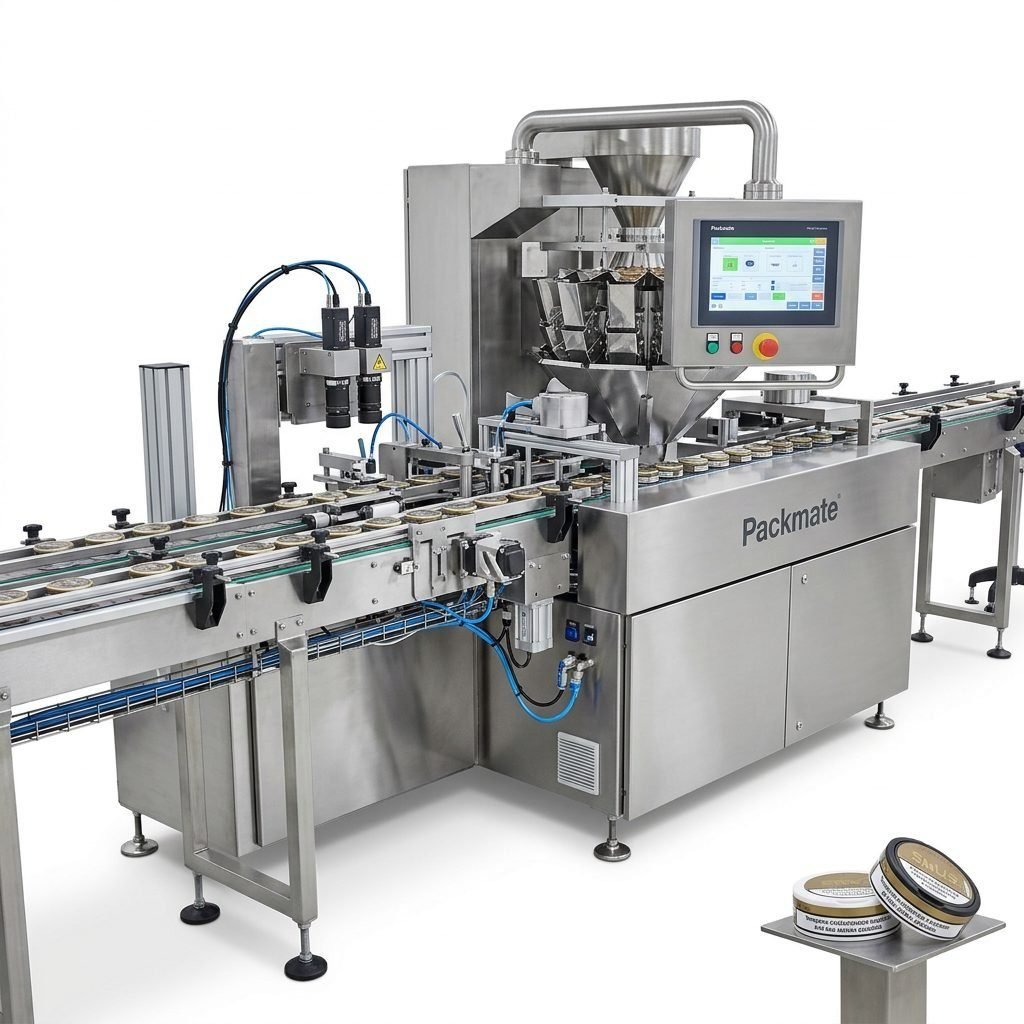
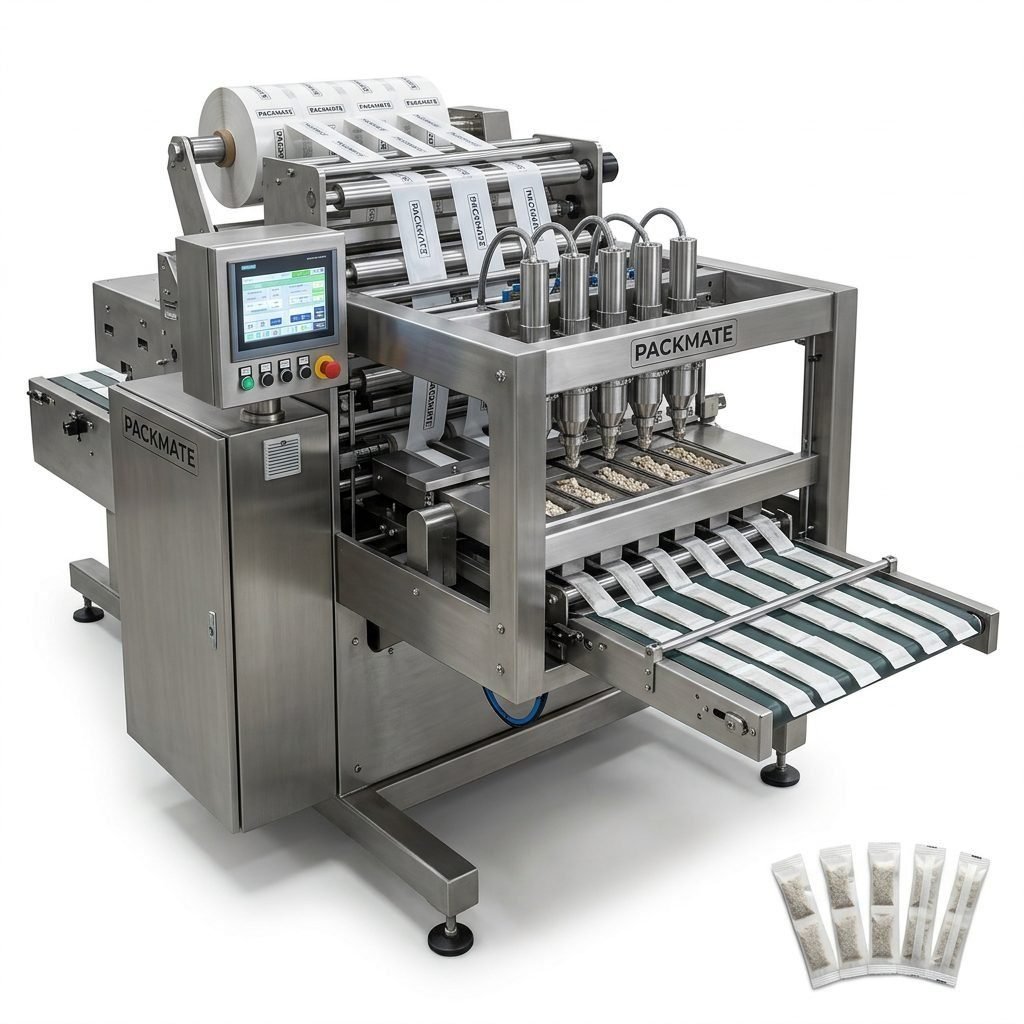
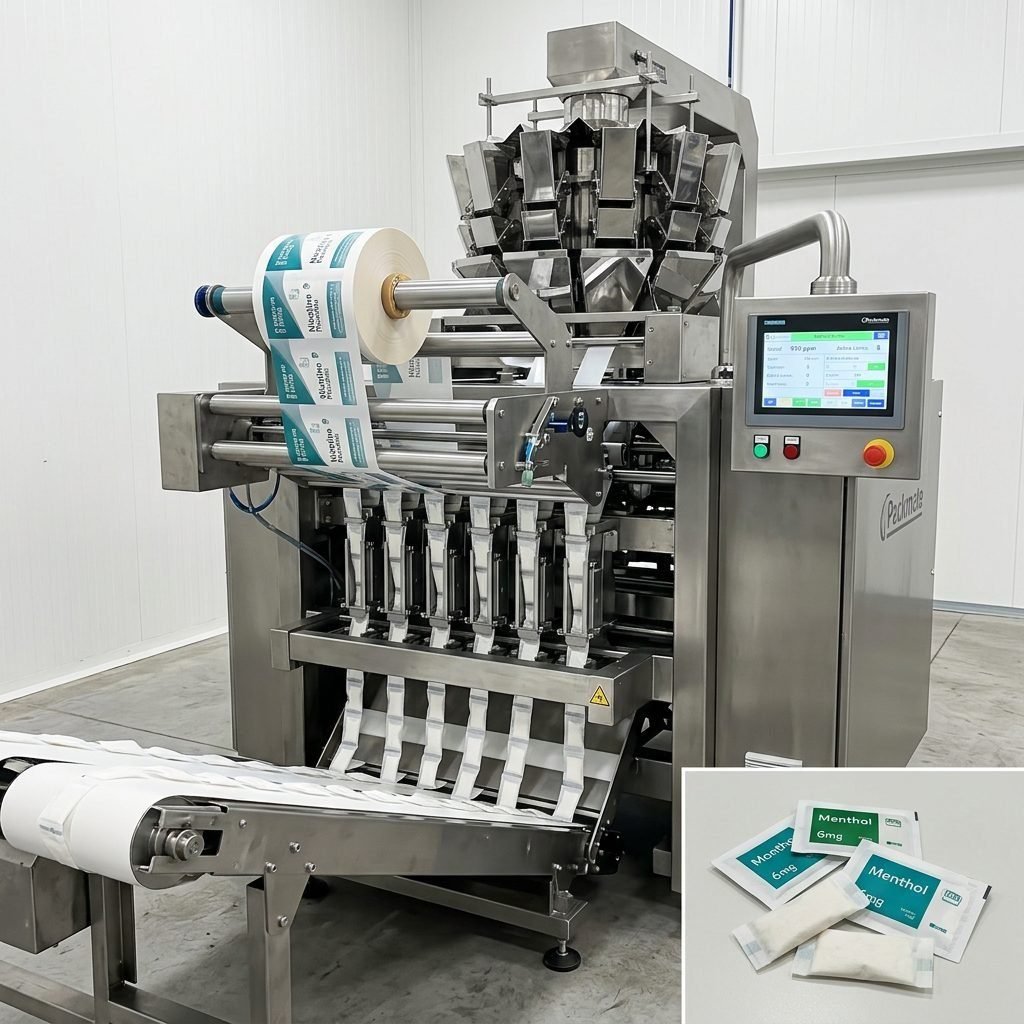
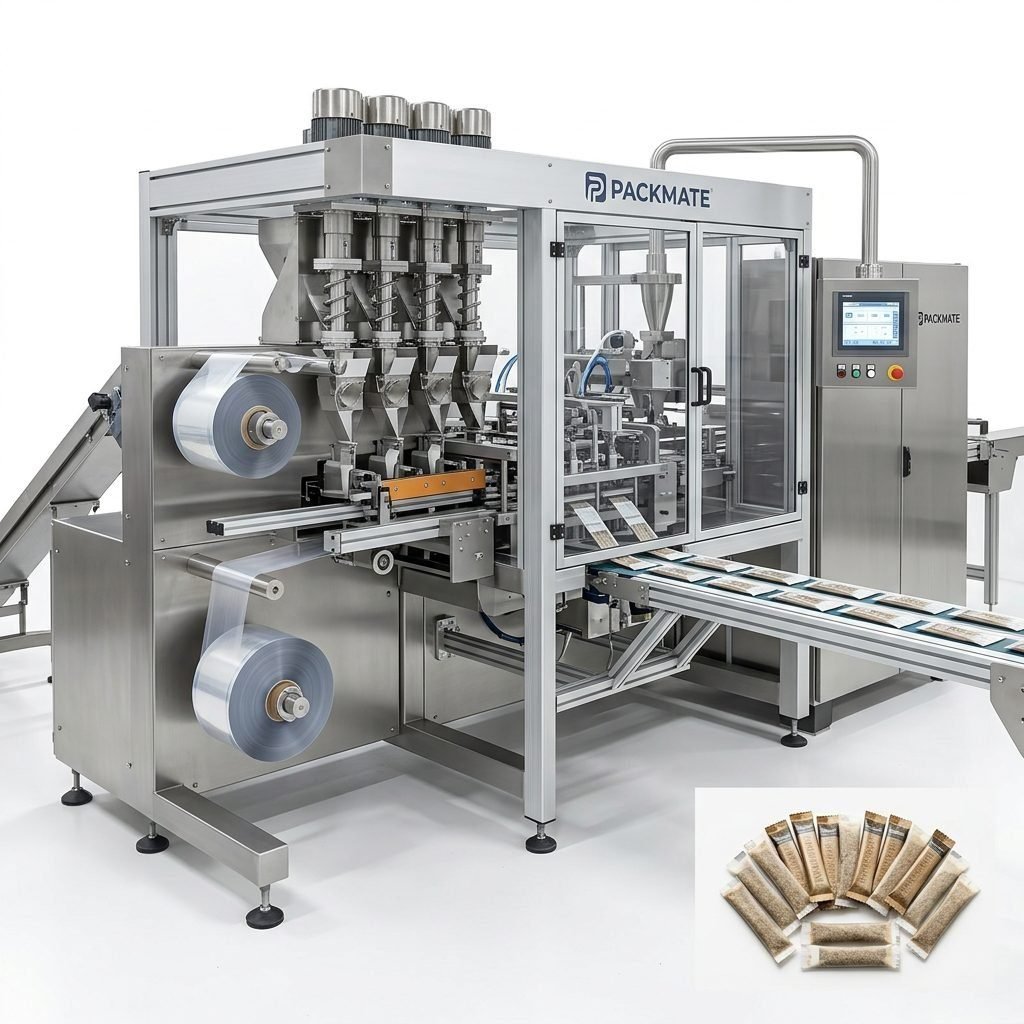
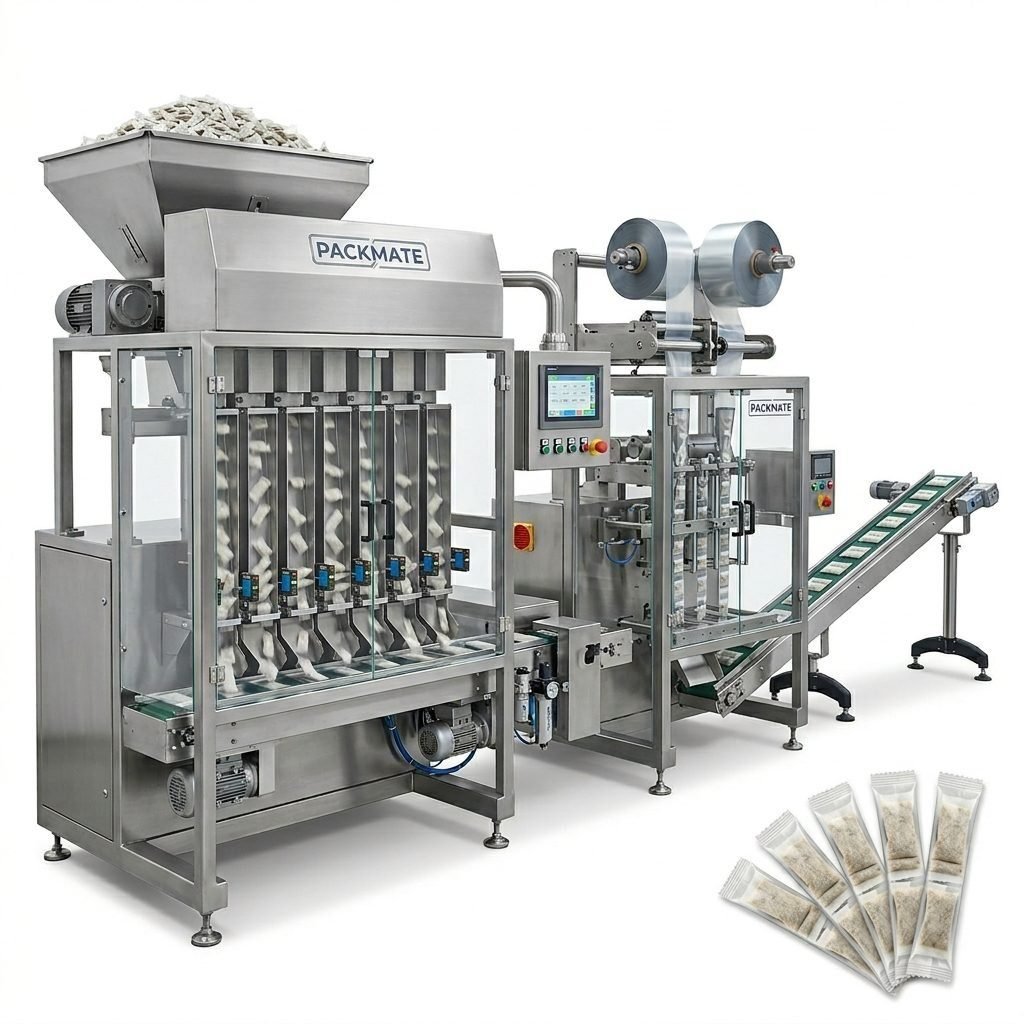
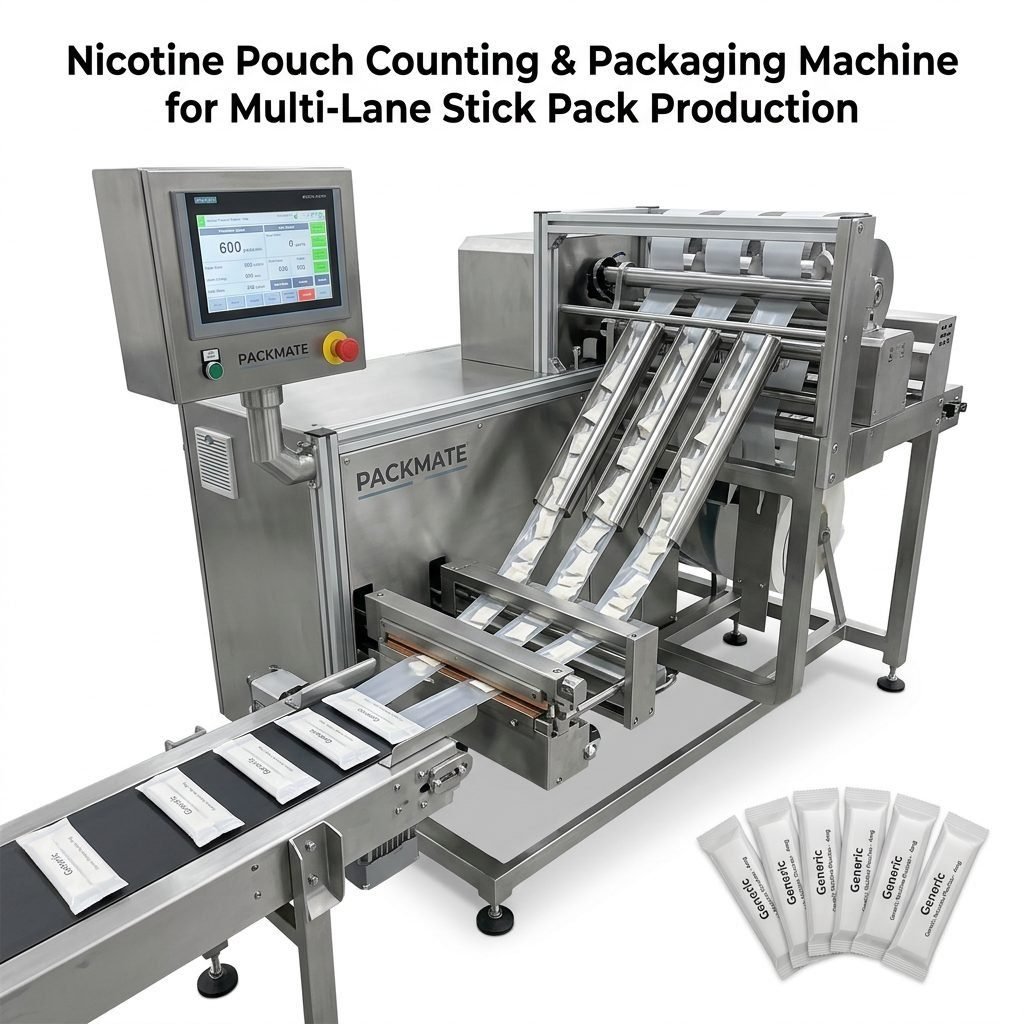
Snus and nicotine pouches come in different formats: stand-up pouches, sachets, stick packs, and multi-pouch liners. Each format demands specific filling, sealing, and cutting mechanisms. For multi-lane high-speed production, consider modular machines that can scale. If your focus is premium single-dose pouches, machines with precision dosing and gentle handling are essential.
Key machine categories to evaluate
– Multi-lane pouch form-fill-seal systems for high throughput
– Sachet and stick pack machines for single-dose formats (see models)
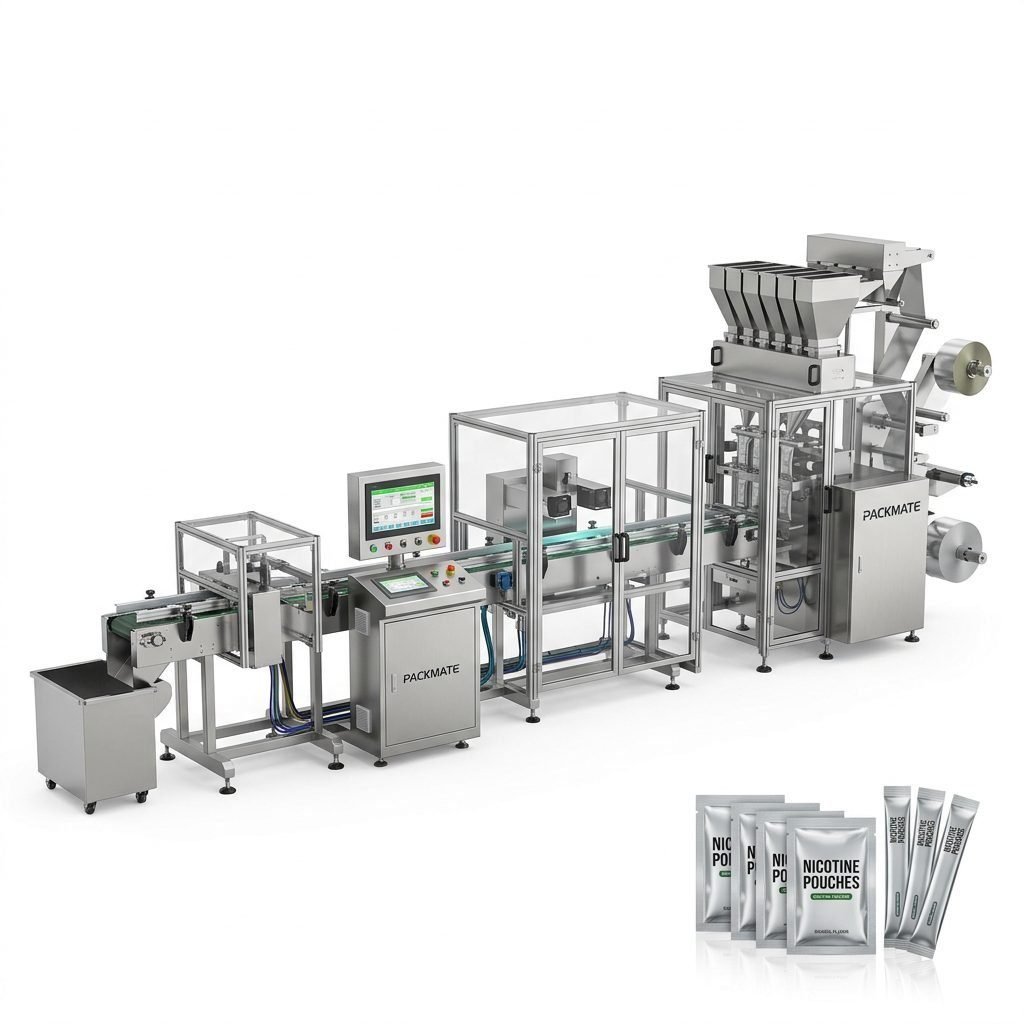
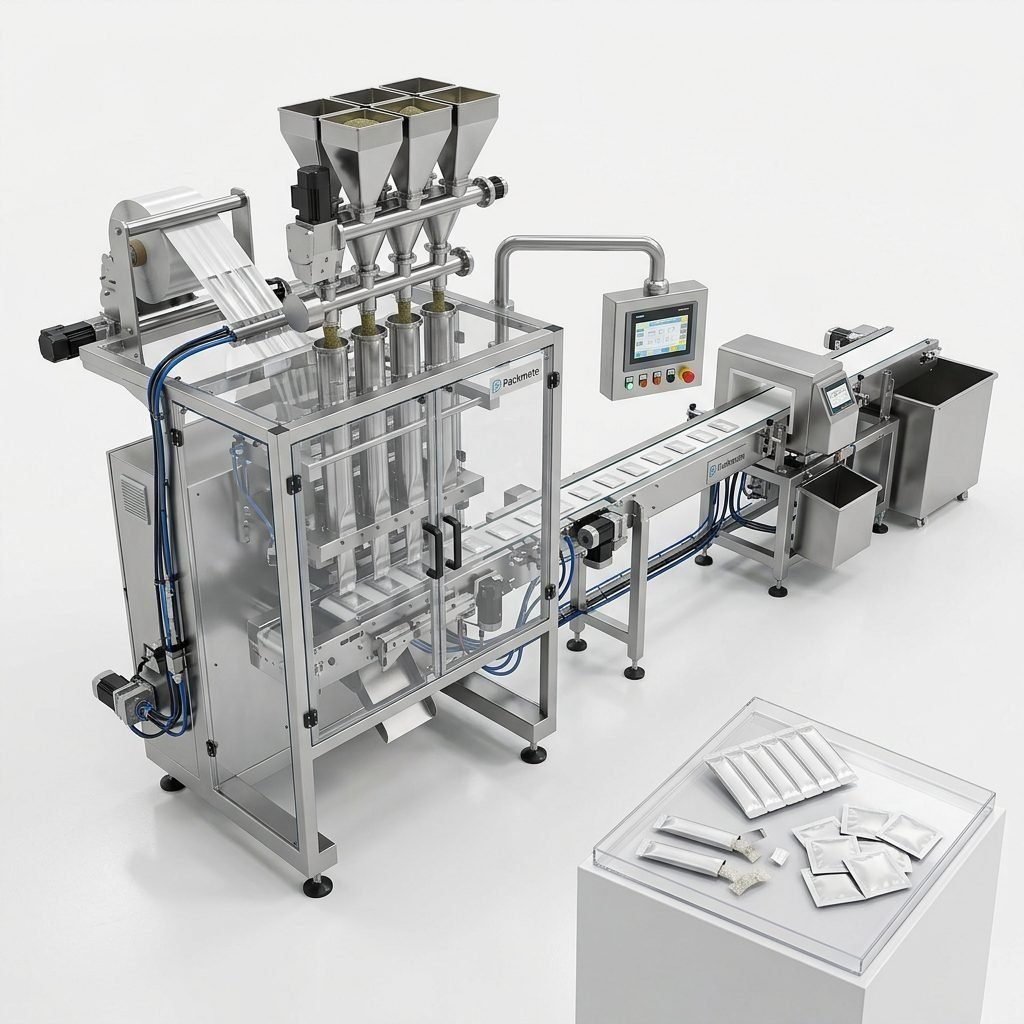
– Integrated weighing and dosing lines for powder and granular fillers
🏭 Production Capacity and Scalability
Evaluate your current and projected volumes. Smaller producers may prioritize compact, cost-effective machines that deliver consistent quality at moderate speeds. Larger manufacturers should favor multi-lane solutions with uptime-focused design and quick-change tooling. Choose equipment that offers clear upgrade paths—add lanes, increase speed, or integrate additional modules without replacing the whole line.
⚙️ Technology, Precision and Dosing Accuracy
Nicotine pouch filling requires exceptional precision. Look for machines with servo-driven dosing systems, high-resolution weighing modules, and programmable recipes that reduce variation between batches. Consistent dosing not only ensures compliance but also protects product reputation and minimizes raw material waste.
Performance indicators to insist on
• Dosing accuracy within acceptable tolerance for nicotine content
• Stable sealing quality across different film materials
• Consistent cycle times and low scrap rates
🔄 Automation and Integration
Full automation reduces labor costs and contamination risks. Prioritize machines with open communication protocols (Ethernet/IP, Modbus, etc.) that integrate with upstream feeding systems, weighers, and downstream cartoning/packing equipment. Integration reduces manual handling and improves traceability across the production line.
🧰 Maintenance, Spare Parts and Local Support
In Bhutan, reliable local support or rapid international service is critical. Ask suppliers about spare parts lead times, recommended maintenance schedules, on-site training, and remote diagnostics. Machines with modular components and widely available standard parts reduce downtime. Check if the manufacturer provides preventative maintenance contracts.
🤝 Selecting the Right Supplier
A reputable supplier combines engineering excellence with field experience. Look for companies with proven snus and nicotine packaging expertise, extensive machine models, and a record of global installations. For specialized snus packaging lines, consider suppliers like Packmate who offer comprehensive solutions across pouch, stick pack, and multi-lane systems and have factory capabilities and certifications that ensure quality.
Explore manufacturer product pages to compare equipment types and specs: Snus & Nicotine Packaging Machines, Sachet & Stick Pack Machines, and Filling & Packaging Lines.
📜 Certifications and Compliance
Verify that machines comply with international standards relevant to your markets, such as CE and ISO. Certifications demonstrate a commitment to safety, electrical compliance, and consistent manufacturing practices. Suppliers who openly share certificates and testing reports tend to be more reliable partners.
💡 Customization and Turnkey Solutions
Many producers require unique features—special pouch shapes, multi-material films, or custom labeling. Choose a supplier that offers customization and full turnkey lines, including upstream weighing systems and downstream cartoning. A vendor experienced in turnkey projects will save you integration time and ensure consistent performance.
Why turnkey matters
• Faster commissioning and shorter time-to-market
• Single-vendor responsibility for line performance
• Integrated control systems and unified training
💲 Cost, ROI and Total Cost of Ownership
The cheapest machine upfront may cost more over its lifecycle. Evaluate total cost of ownership (TCO): energy consumption, spare parts, expected downtime, operator training, and consumables. Calculate return on investment based on throughput improvements, quality gains, and reduced waste. A higher-quality machine with better uptime often delivers a faster ROI.
🏭 Factory Capability and Quality Control
Tour the supplier’s factory if possible or request virtual demonstrations. Look for advanced CNC machining, precision assembly lines, and documented testing procedures. Suppliers with in-house R&D and professional testing labs can better tailor solutions for specialized snus production requirements.
🔧 Installation, Training and After-Sales
Ensure your supplier offers comprehensive installation, operator training, and post-installation support. On-site commissioning is essential for aligning machine settings to your materials. Remote support capabilities, spare parts kits, and scheduled maintenance visits will keep your line running smoothly in Bhutan’s market environment.
If you want to learn more about a manufacturer’s background, visit their about page and exhibition records to assess reliability and field presence: About Packmate and Our Exhibition.
🧾 Case Studies and References
Ask suppliers for case studies, references, and examples of similar installations. Real-world performance data—uptime statistics, yield percentages, and customer testimonials—are invaluable. Providers with global cooperation cases can show how their lines perform under varied regulatory and material conditions.
🛠️ Practical Checklist Before Purchase
🔧 Clarify capacity: current vs projected monthly volumes
📐 Confirm pouch compatibility: film types, multilayer laminates, and barrier requirements
🔁 Ask about modular upgrades: additional lanes, feeders, or cartoners
🛒 Verify spare parts lead times and support SLA
📊 Request test runs with your materials and a clear acceptance protocol
🚀 Getting Started: Next Steps for Bhutan Manufacturers
Start by mapping your current production needs, desired product formats, and regulatory requirements. Shortlist suppliers with relevant machine types and request detailed proposals, including technical drawings, performance guarantees, and TCO breakdowns. Where possible, request a factory acceptance test (FAT) or a live demonstration.
For a practical selection of equipment, explore specialized product lines and ancillary equipment—covering everything from snus-specific pouch machines to auxiliary packaging equipment—on manufacturers’ product pages: Snus & Nicotine Packaging Machines, Auxiliary Packaging Equipment, and Case studies to see real-world deployments.
✅ Final Tips
– Prioritize consistent dosing and sealing quality over peak speed.
– Invest in comprehensive training and maintenance contracts to protect uptime.
– Choose suppliers with transparent certification records and documented global experience to reduce risk.
Frequently Asked Questions
Q1: How do I determine the right production capacity for my first line?
A1: Estimate monthly demand, include growth scenarios for 2–5 years, and add contingency for downtime. Choose a machine with some headroom or modular lanes for expansion.
Q2: What certifications should the machine and supplier have?
A2: At minimum, seek CE and ISO compliance, plus any regional certifications needed for Bhutan or your export destinations. Ask for test reports and electrical safety documentation.
Q3: Can machines be tested with our materials before purchase?
A3: Reputable suppliers offer factory acceptance tests (FAT) and trial runs with customer materials. Insist on written acceptance criteria for performance and quality.
Q4: What level of local support can I expect in Bhutan?
A4: Support varies; confirm spare part shipping times, remote diagnostics availability, and whether the supplier has regional partners or service engineers. Consider stocking critical consumables locally.
Q5: How important is customization versus off-the-shelf equipment?
A5: Choose customization if your product requires unique pouch shapes/materials or proprietary dosing. Off-the-shelf machines are more budget-friendly but may limit future product development.
For further assistance, detailed catalogs and service options are often available directly from manufacturers—see their service and contact pages for tailored proposals: Service and Contact Us.