Choosing the right supplier for nicotine pouch and snus packaging machines in New Zealand requires more than comparing prices. Manufacturers, distributors, and entrepreneurs in NZ need equipment that meets local regulatory expectations, withstands frequent shipment across long distances, and aligns with Kiwi business culture—where reliability, sustainability, and clear communication are highly valued. This guide walks you through practical steps, key evaluation criteria, and local considerations to help you choose the best nicotine packaging machine supplier in New Zealand.
Understand the New Zealand Market & Local Customs
New Zealand buyers tend to prioritize long-term partnerships, transparent pricing, and environmental responsibility. When evaluating suppliers, consider how a vendor addresses:
- Delivery reliability to major NZ ports (Auckland, Wellington, Lyttelton)
- Compliance with food and consumer safety standards that might apply to nicotine-containing products
- After-sales support options during New Zealand working hours and willingness to provide remote training
Key Criteria When Choosing a Nicotine Packaging Machine Supplier
1. Machine Performance & Proven Designs
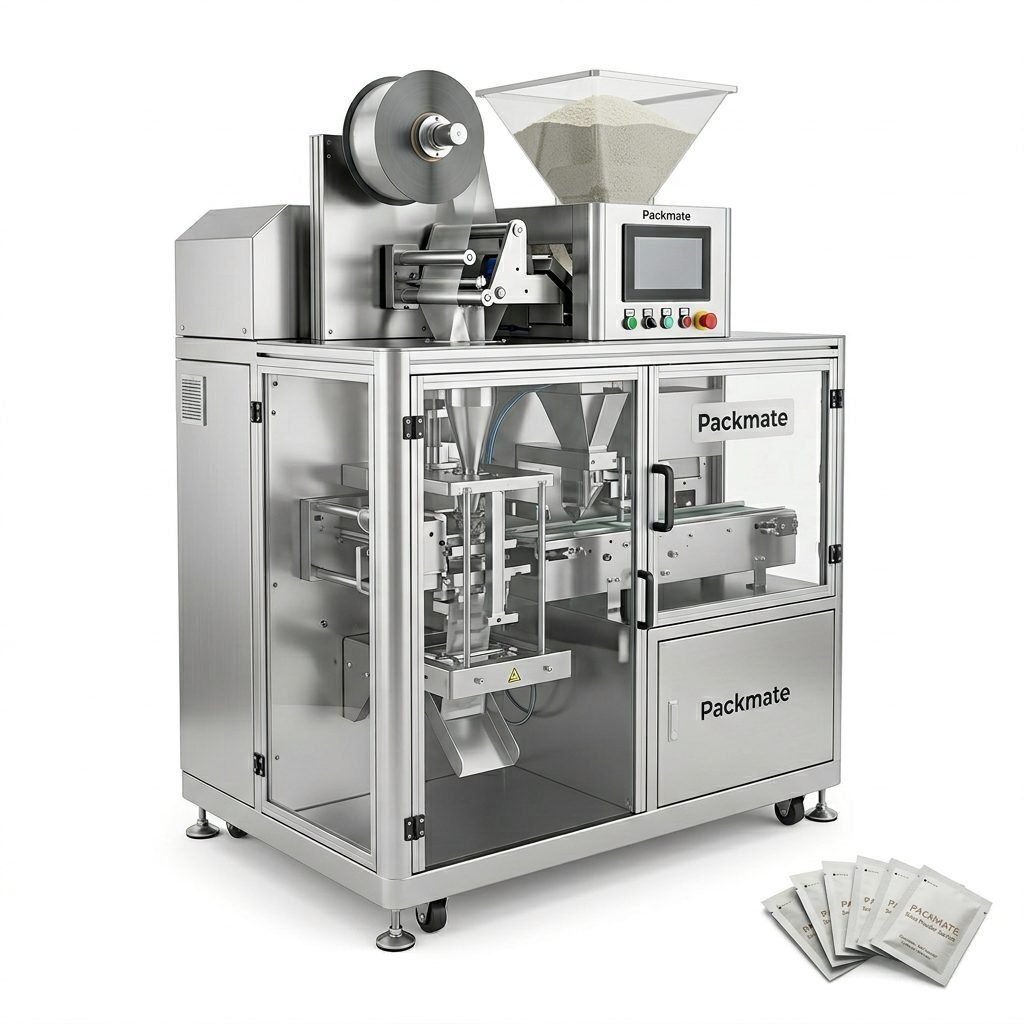
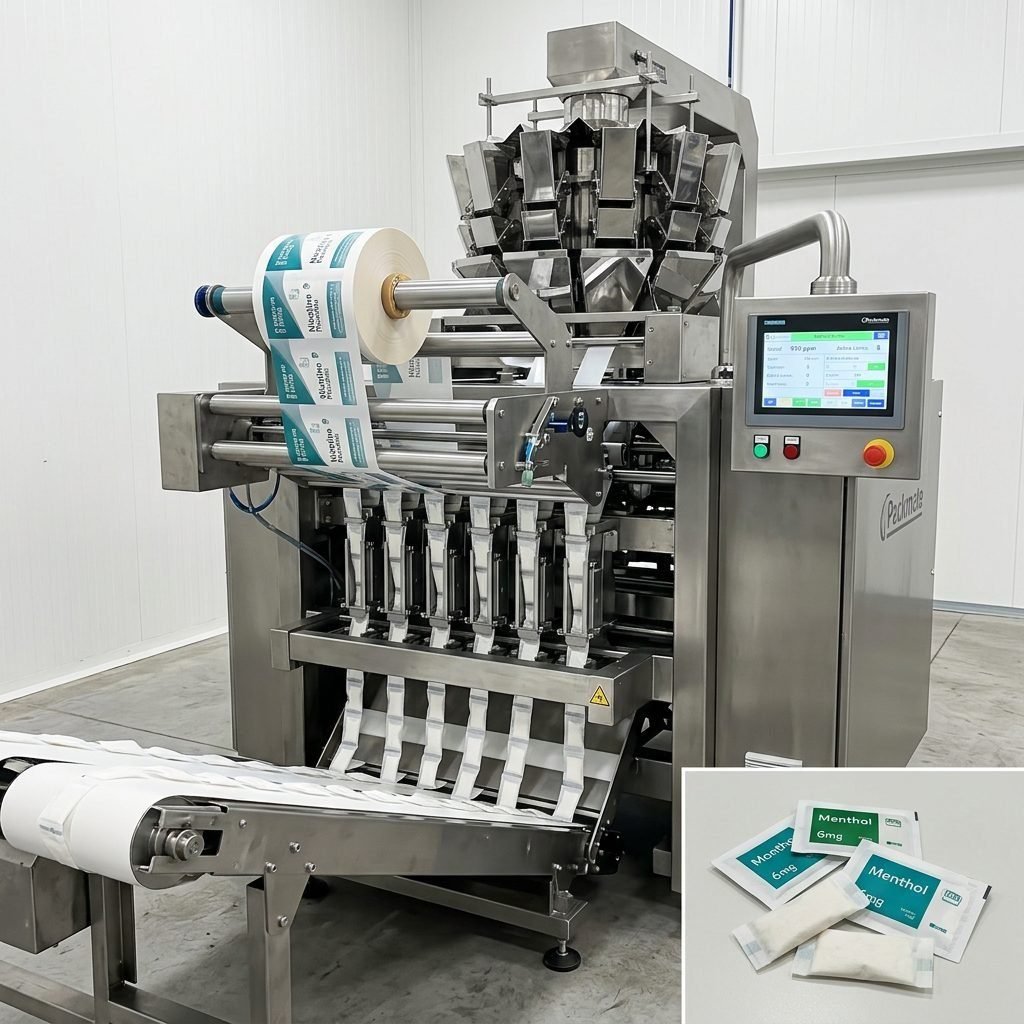
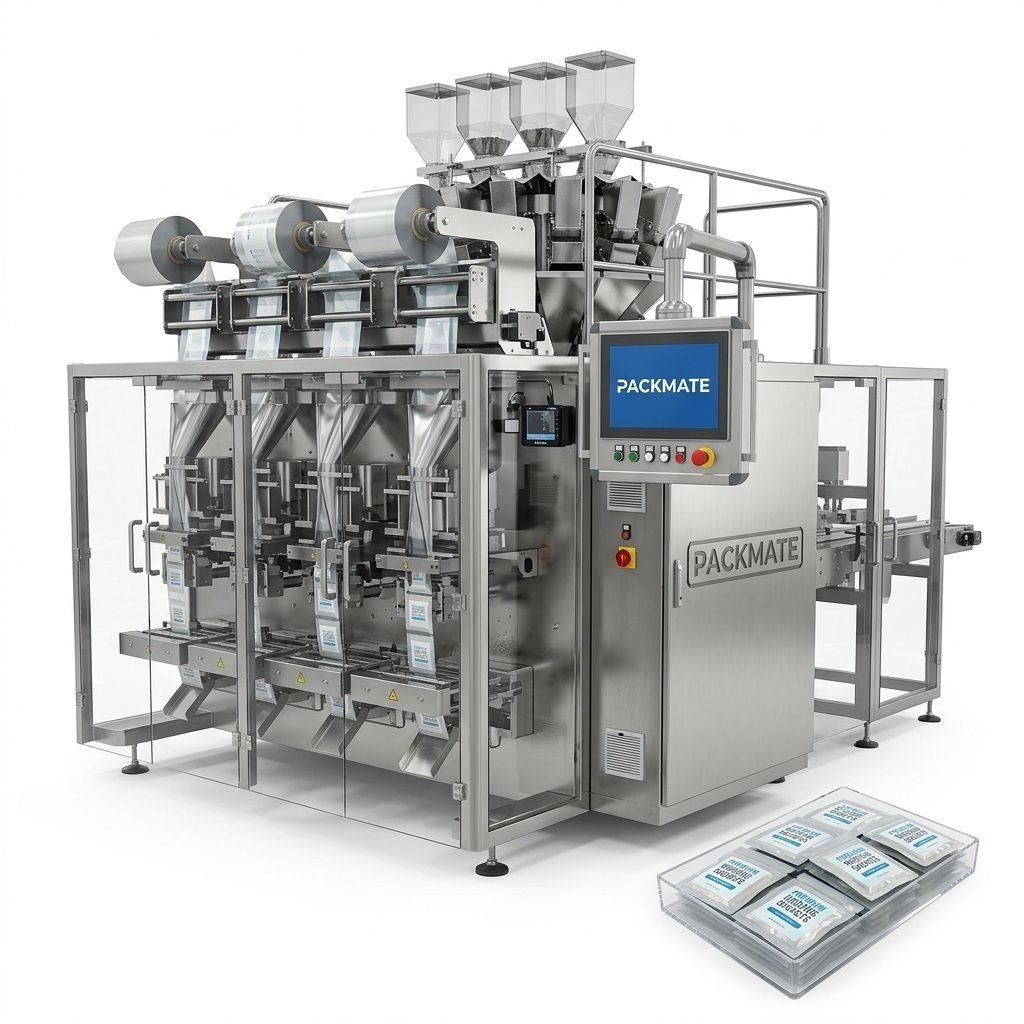
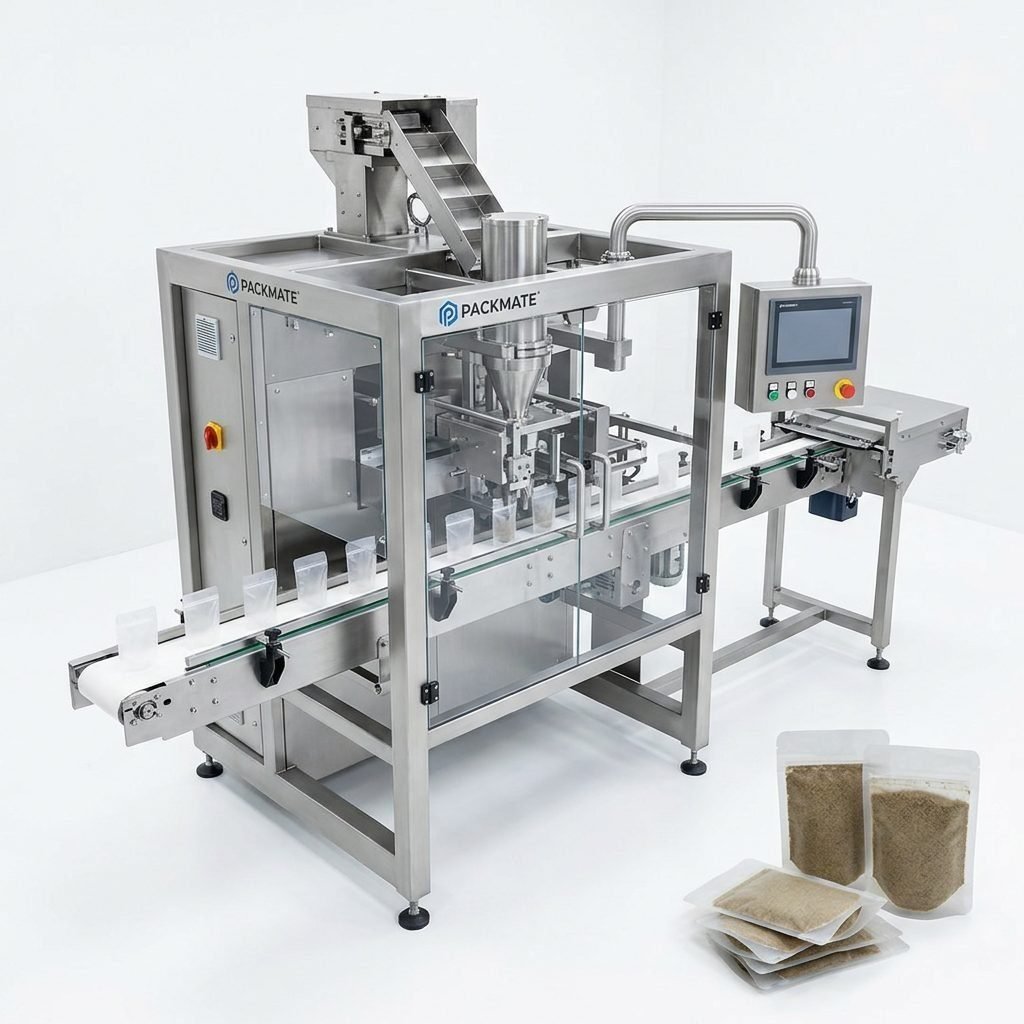
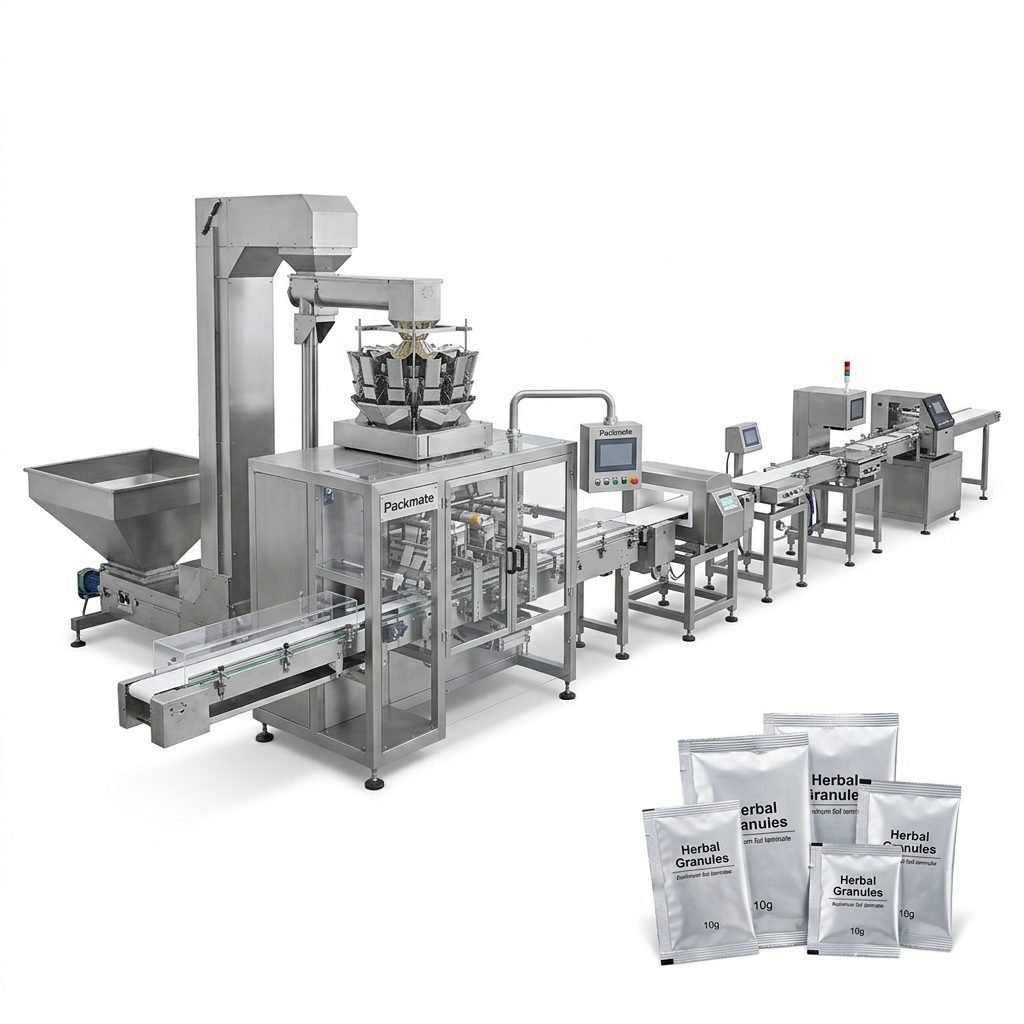
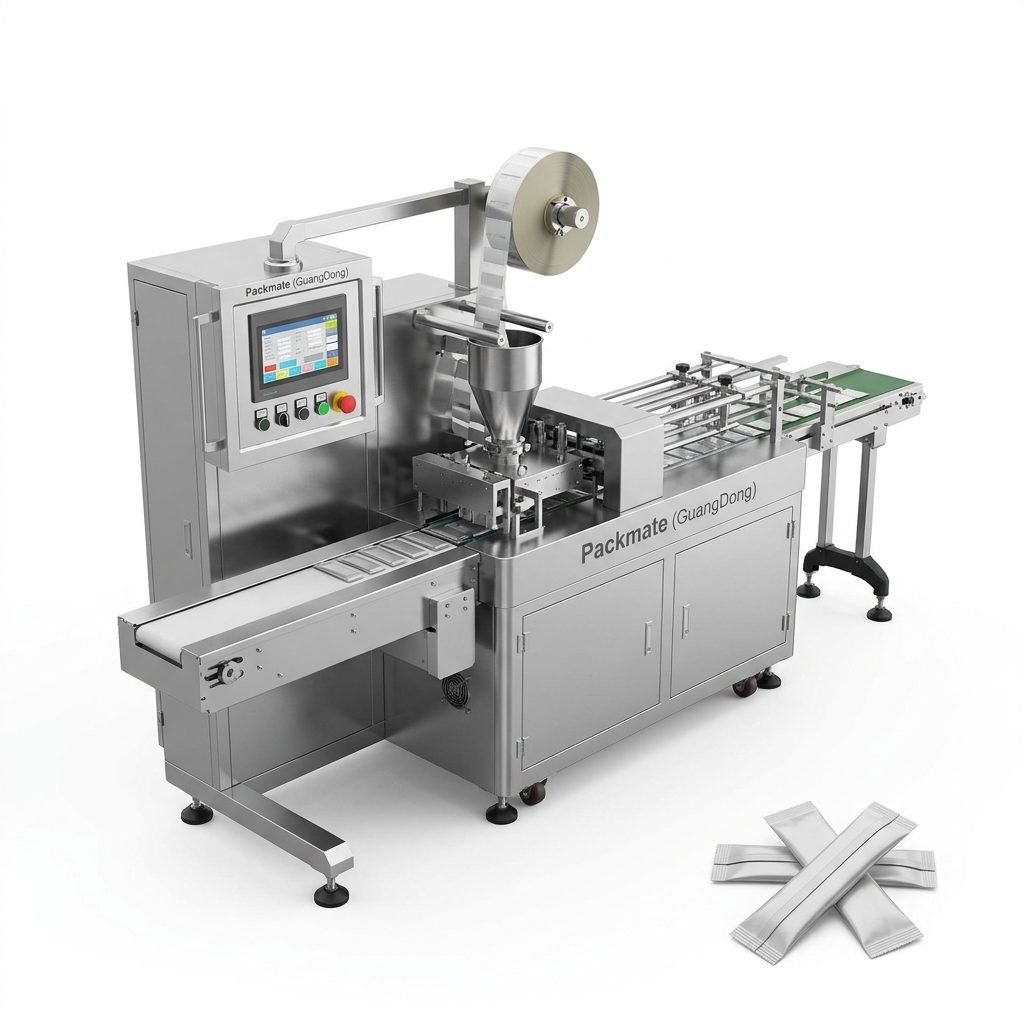
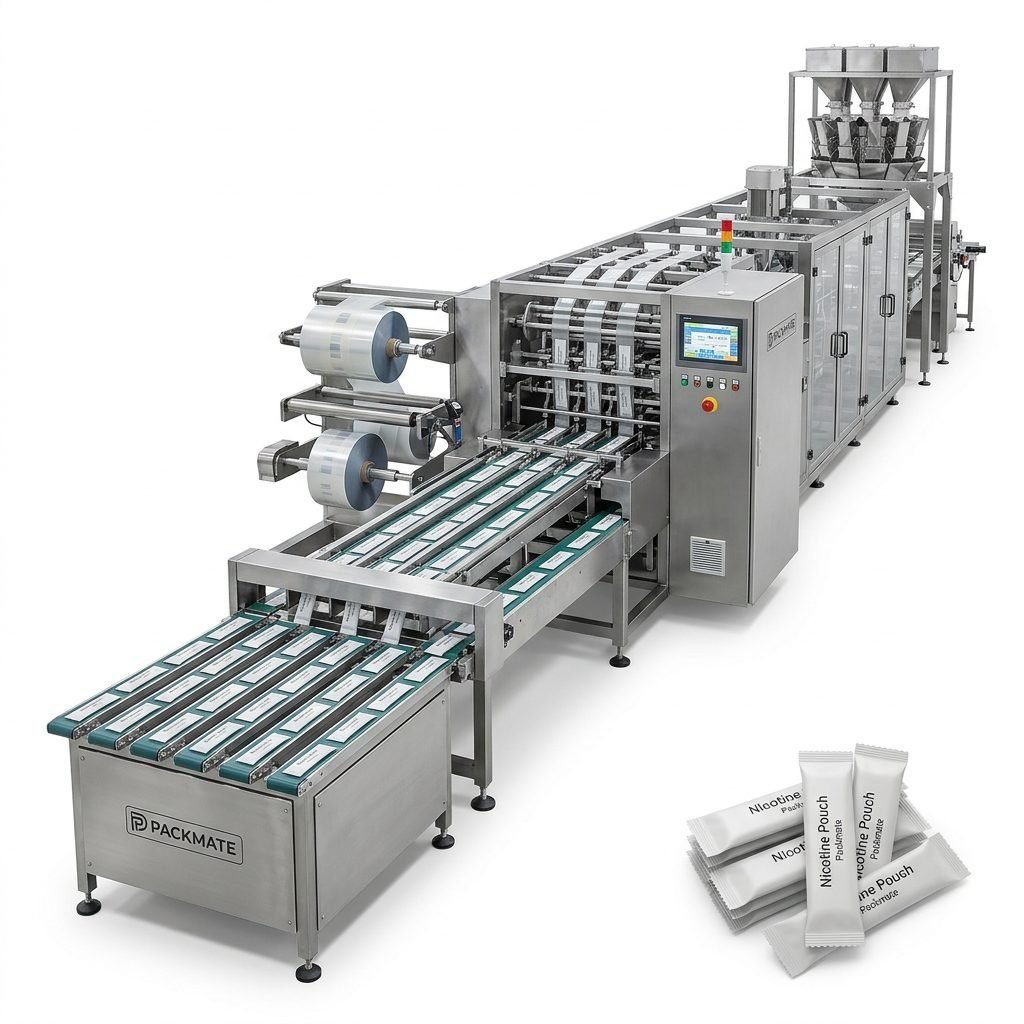
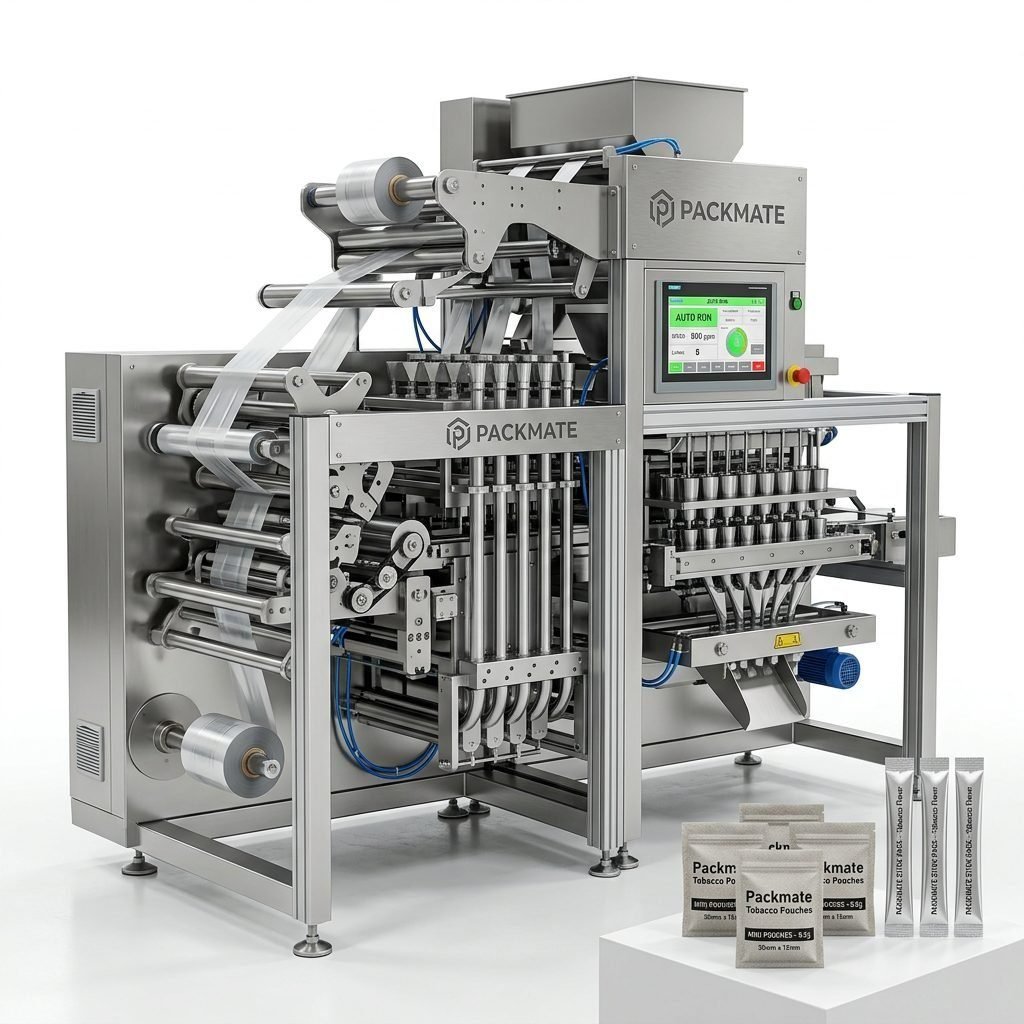
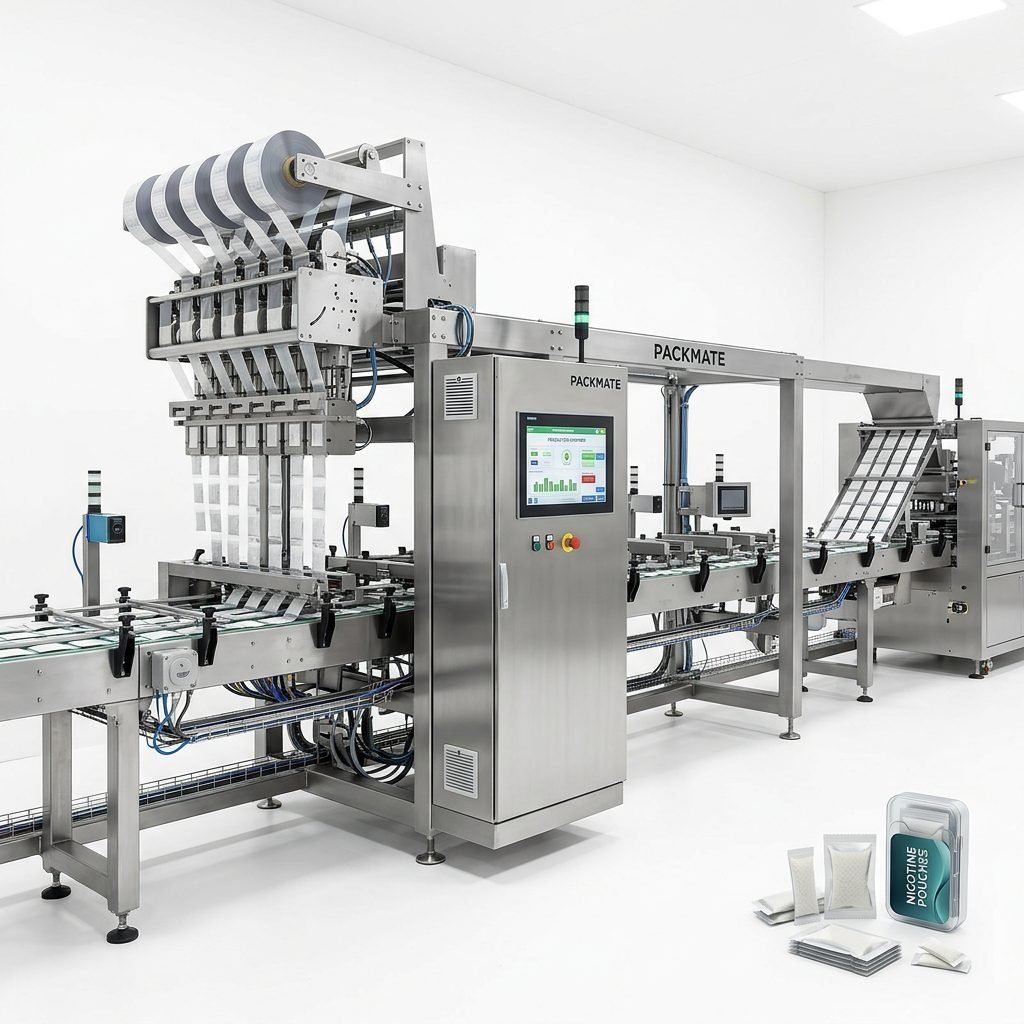
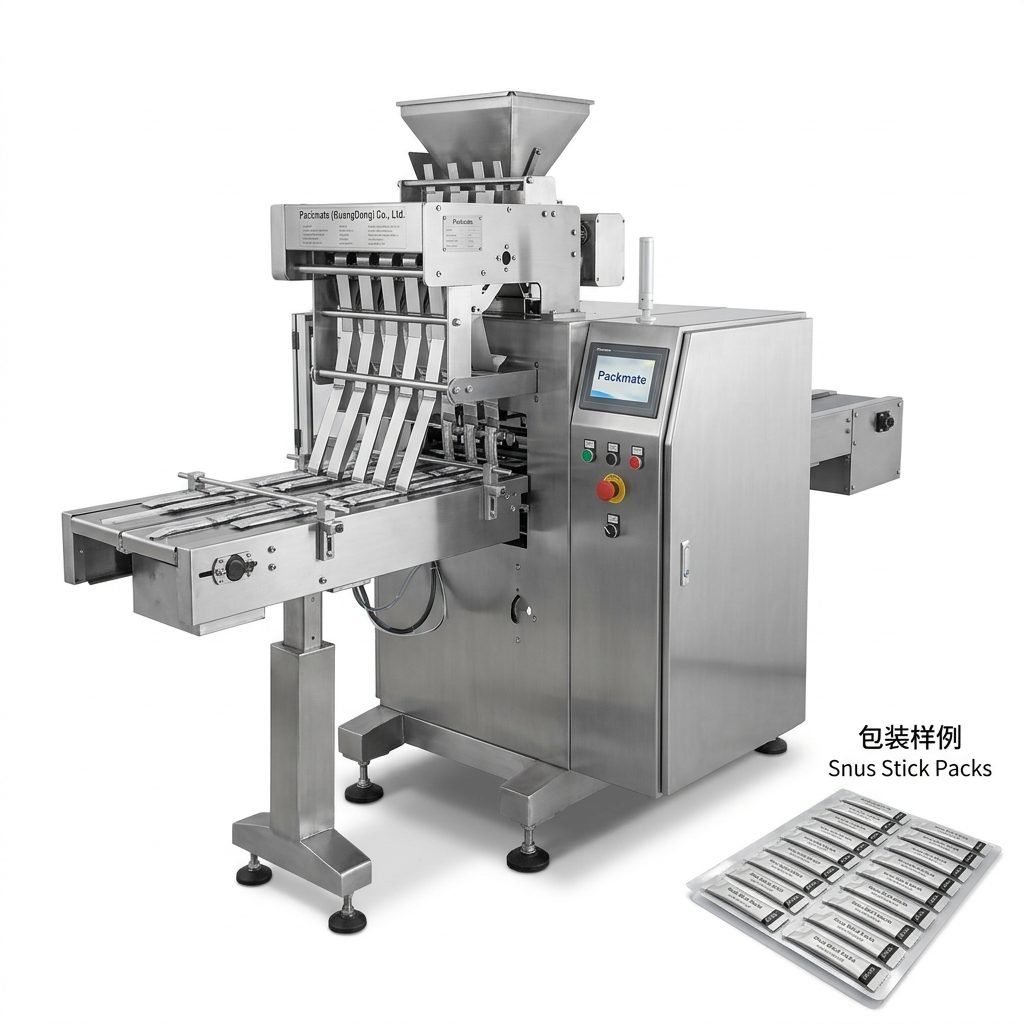
Look for suppliers whose machines are specifically designed for nicotine pouches and snus. Performance indicators include speed (pouches/min), multi-lane capability for higher throughput, and consistent pouch weight accuracy. A practical starting point is to review machine model details; see product ranges such as Snus & Nicotine Packaging Machines for reference.
2. Certifications & Compliance
Ensure the supplier offers machines with international certifications like CE and ISO. These demonstrate adherence to safety and quality protocols that are often required for import and insurance purposes. Ask for documentation and confirm that electrical components meet standards accepted in New Zealand.
If the supplier can provide certificates and export documentation in advance, it reduces customs delays at NZ ports.
Supplier Track Record & Reputation
Assess the supplier’s experience in the nicotine pouch sector. A company with decades of packaging engineering experience and a wide model portfolio signals maturity and technical depth. For example, Packmate Snus Machine emphasizes 30+ years of engineering experience and a comprehensive machine lineup, which can be reviewed on their About Packmate page.
References, Case Studies & Live Demonstrations
Ask for case studies and references, particularly from customers shipping to Oceania or with similar product formats. Suppliers who participate in international exhibitions and publish successful case studies (for instance, viewable at Case) are often more transparent about real-world performance.
Customization, Flexibility & Technical Fit
Nicotine pouch lines vary: single-dose stick packs, sachets, multi-lane pouches, and customized pouch shapes. Choose a supplier who offers:
- Custom tooling for your pouch size and labeling
- Integration with weighers, filling systems, and secondary packaging
- Flexible control systems with multilingual HMI and remote monitoring
Request drawings, sample pouch runs, and check whether the supplier offers turnkey lines: filling, weighing, sealing and packaging. See related systems at Weighing & Packaging Systems.
Manufacturing Capability & Lead Times
Evaluate the supplier’s factory scale, in-house machining, and assembly lines. A larger facility with CNC centers and dedicated assembly areas can better control quality and meet deadlines. Confirm typical lead times and their flexibility for rush orders—important when seasonal demand or regulatory changes arise.
After-Sales Support, Spare Parts & Training
Reliable after-sales service is crucial. Ask about:
- Availability of spare parts in NZ or nearby warehouses
- Remote troubleshooting and guaranteed response times
- On-site commissioning, operator training, and maintenance documentation
Check if the supplier offers a service contract or training packages that include Kiwi time-zone support.
Total Cost of Ownership (TCO) & Pricing Transparency
Beyond the purchase price, calculate TCO: installation, spare parts, consumables, energy use, and downtime costs. Transparent suppliers provide price breakdowns and lifecycle estimates for wear parts.
Logistics, Installation & Commissioning in New Zealand
Confirm who handles freight, customs clearance, and local installation. A supplier experienced shipping to New Zealand will coordinate documentation, crate specifications, and local agent contacts. If you require local assembly partners, ensure the supplier provides clear mechanical and electrical documentation.
Sustainability & Environmental Considerations
New Zealand businesses increasingly seek sustainable suppliers. Ask about energy-efficient motor options, recyclable packaging for spare parts, and the supplier’s waste reduction policies across their manufacturing process.
Red Flags to Watch For
Be cautious if you encounter:
- Vague performance specs or unwillingness to provide run videos
- No references or only unverifiable testimonials
- Unclear spare parts lead times or undocumented warranty terms
How to Conduct Supplier Due Diligence
Follow a structured process:
- Request detailed specifications, certifications and reference customers.
- Ask for a remote or in-factory demo video showing the exact pouch style and speed.
- Compare warranty, spare part availability, and service packages side-by-side.
- Request a firm lead time and a written delivery scope (incoterms, packaging, installation).
- Negotiate payment terms that protect your interests (staged payments tied to milestones).
Practical Steps to Final Selection
Narrow to 2–3 suppliers and perform a final comparison using a scorecard with metrics like machine reliability, spare parts strategy, TCO, local logistics experience, and cultural fit. If possible, visit the supplier or their regional agent, or ask for a third-party inspection report prior to shipment.
Why Packmate Snus Machine Is a Consideration for NZ Buyers
A supplier such as Packmate highlights strengths that NZ buyers appreciate: long engineering history, a large manufacturing footprint with CNC capabilities, multiple machine models and turnkey solutions. Reviewing their product pages and credentials can help you evaluate whether their offerings match your production goals and regulatory needs.
Negotiation & Contract Essentials
When finalizing contracts, ensure clarity on:
- Detailed scope of supply (spare parts list, tooling, consumables)
- Warranty, service response times, and escalation paths
- Acceptance tests and criteria for final payment
- Training, documentation languages, and remote assistance provisions
Final Checklist Before You Buy
- Verified machine demo with your product format ✓
- Documentation and certifications provided ✓
- Clear spare parts & service plan ✓
- Transparent pricing and TCO estimates ✓
- Delivery and installation plan to NZ ports ✓
Conclusion
Choosing the best nicotine packaging machine supplier in New Zealand means balancing machine technology, proven performance, robust after-sales support, and a supplier’s ability to work within Kiwi logistics and regulatory expectations. By performing structured due diligence, requesting demos, and confirming service commitments, you can select a partner that supports long-term growth and operational reliability.
Frequently Asked Questions
Q1: What certifications should I ask a packaging machine supplier for?
Request CE and ISO certificates at minimum; also ask for electrical compliance documentation and factory quality control records. Suppliers exporting to New Zealand typically provide export documentation and test reports.
Q2: How important is local service availability in New Zealand?
Very important. Local or regional service partners reduce downtime and customs delays for spare parts. If the supplier lacks NZ presence, confirm guaranteed remote support and spare part shipment timelines.
Q3: Can I get a machine trial with my nicotine pouch format?
Reputable suppliers should run your product in a demo or provide detailed trial videos with the exact pouch size and materials. This validates sealing quality, speed and dose accuracy before purchase.
Q4: What are typical lead times for custom snus packaging lines?
Lead times vary by complexity and customization; typical ranges are 8–20 weeks. Confirm lead time for tooling, acceptance testing, and shipping to New Zealand as part of the contract.
Q5: Where can I learn more about machine models and turnkey solutions?
Explore detailed machine categories like Bag & Pouch Packaging Machines and Sachet & Stick Pack Machines for specific capabilities and configurations.