Choosing the right snus packaging machinery manufacturer for your production needs is a strategic decision that impacts product quality, regulatory compliance, uptime and long-term costs. Whether you are launching a nicotine pouch brand, expanding capacity for sachets or switching to multi-lane systems for higher throughput, understanding how to evaluate suppliers will save time and money while protecting your brand reputation.
Understand Your Production Requirements
Start with a detailed specification: target output per minute/hour, pouch type (snus, nicotine pouch, stick pack, sachet), dose size, fill materials (powder, granules, liquid) and packaging film specs. A clear specification helps you shortlist manufacturers who can meet your format, speed and accuracy requirements.
Key production factors to document
• Target annual production volumes and peak shift demands
• Acceptable weight/volume tolerances per pouch
• Desired automation level (semi-automatic, fully automatic, turnkey line)
• Regulatory requirements (CE, ISO, or local approvals) and hygiene standards
Evaluate Machine Types and Technology
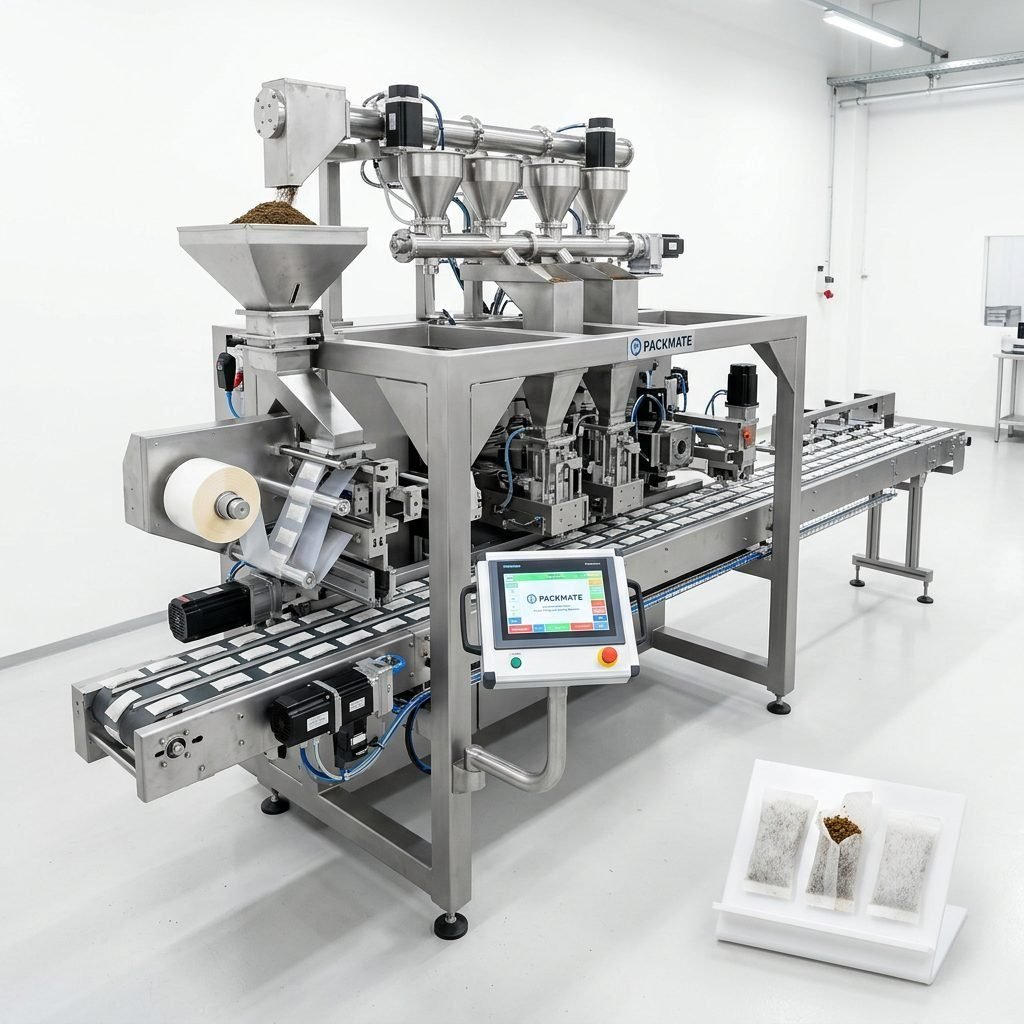
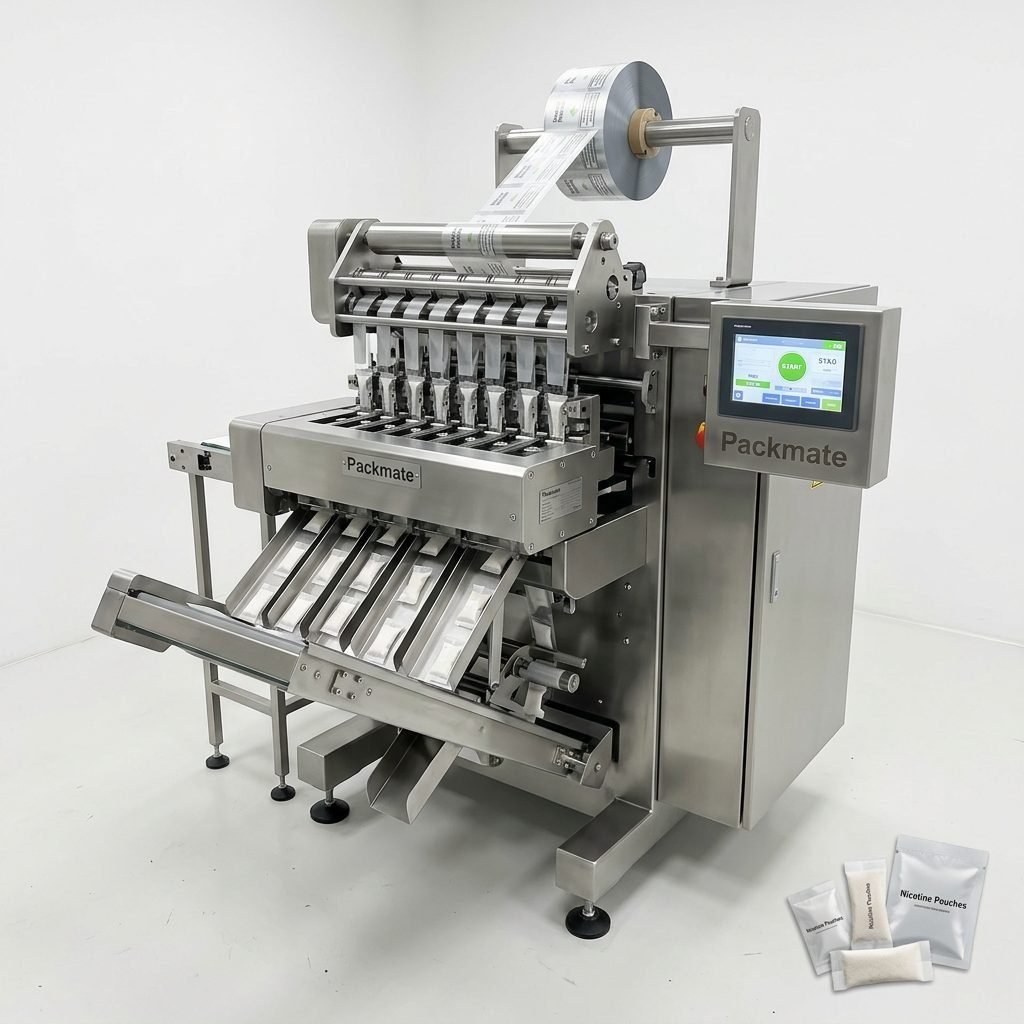
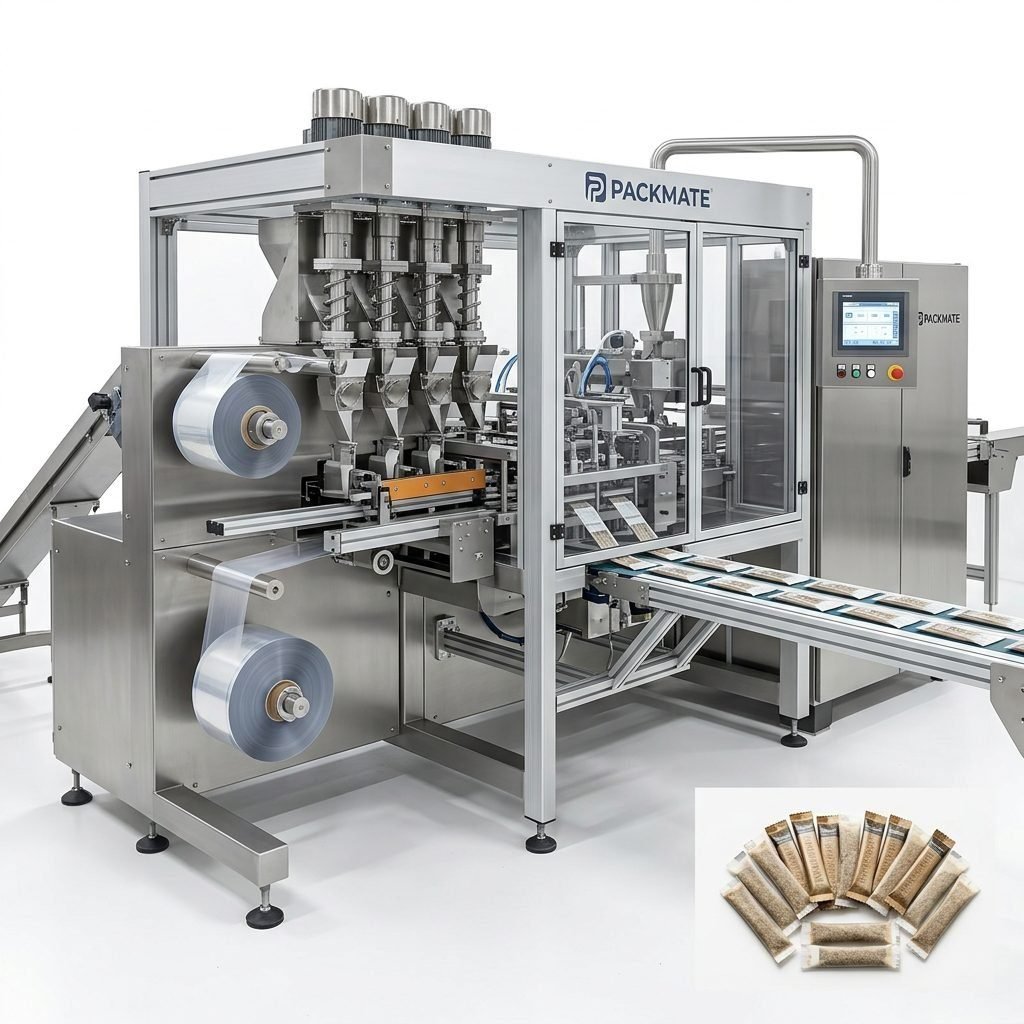
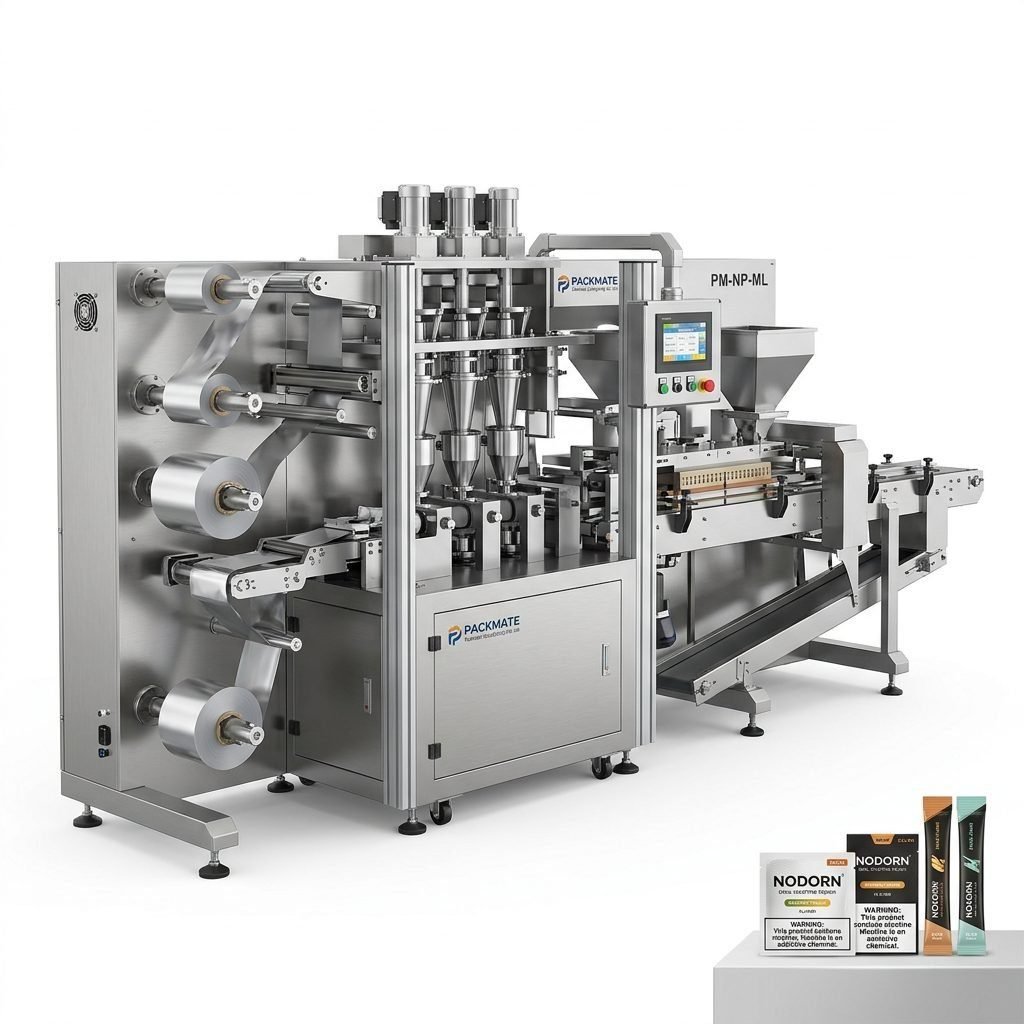
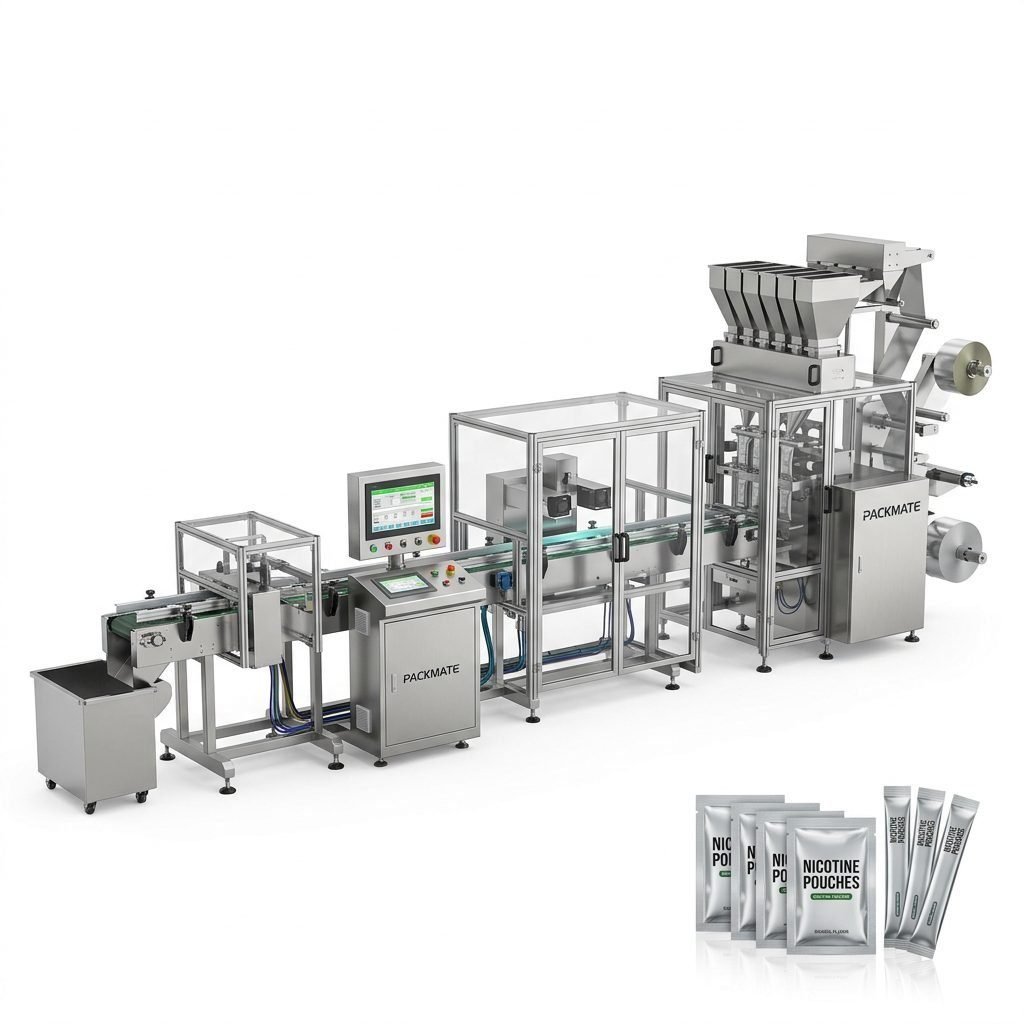
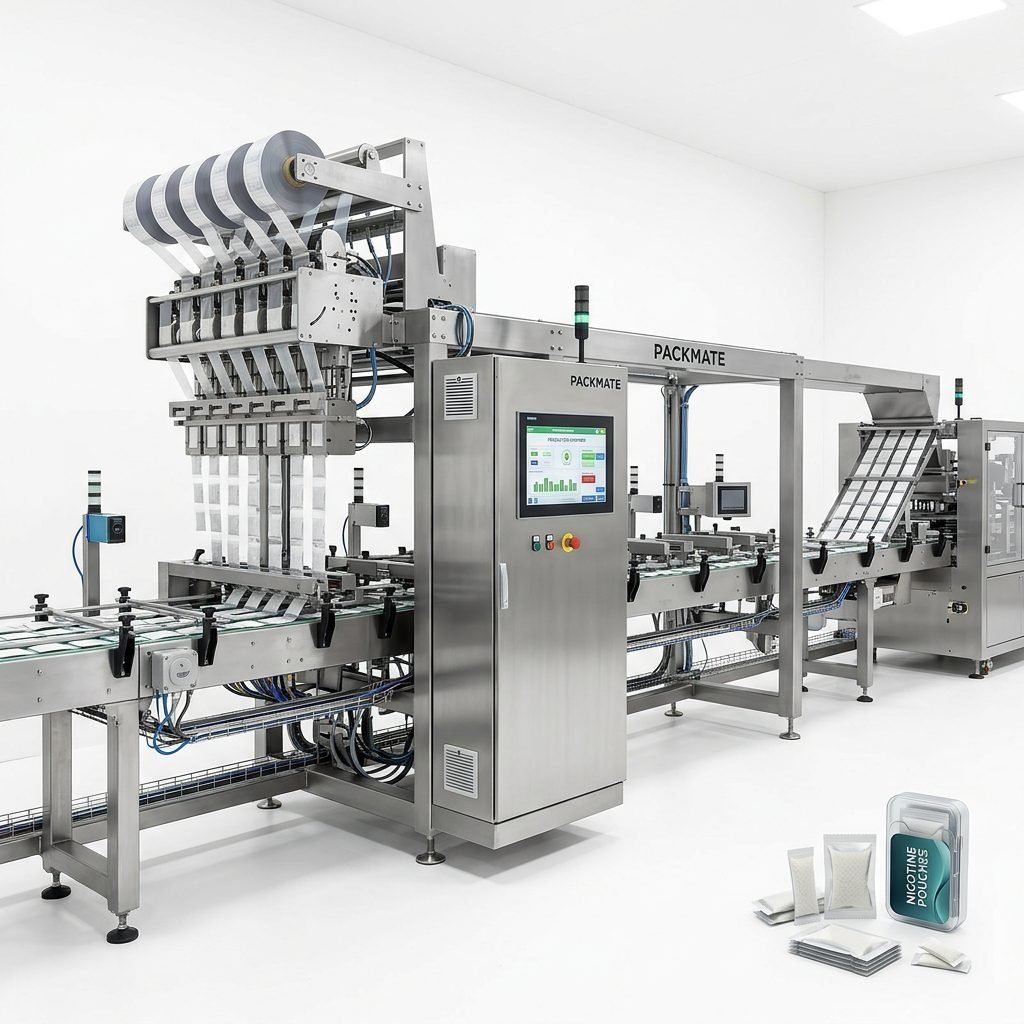
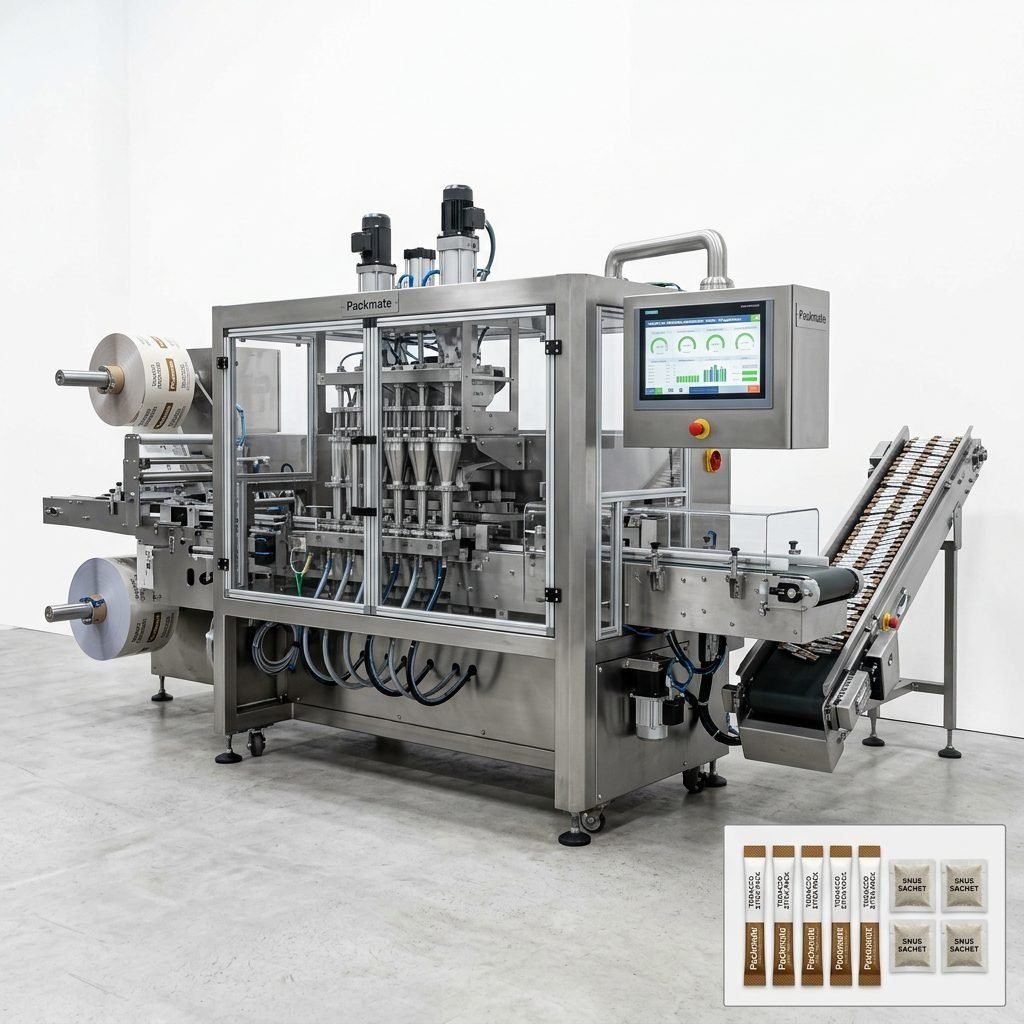
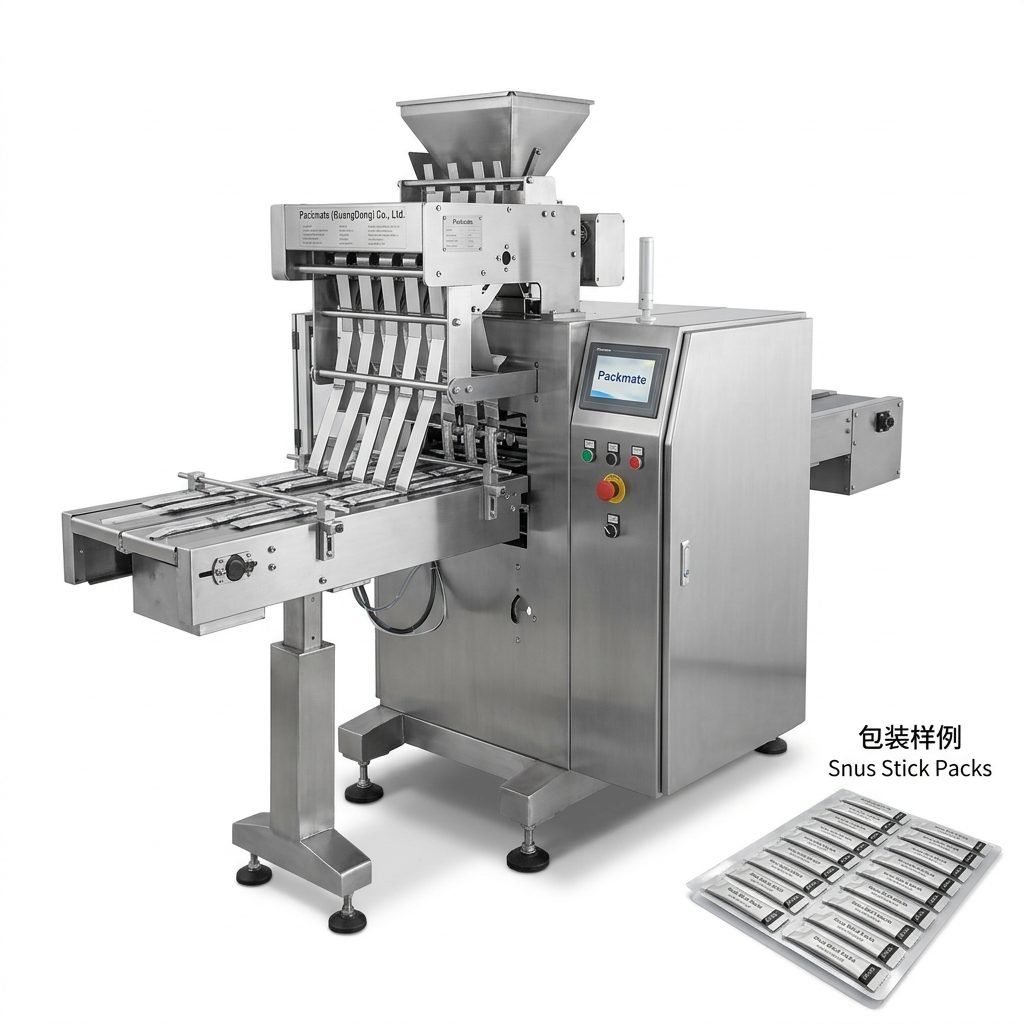
Match the machine type to your product: stick pack and sachet machines suit single-dose formats; multi-lane systems deliver higher throughput for small-dose pouches; custom pouch formers work for unique shapes. Modern systems include servo-driven motion, PLC controls and HMIs for repeatable accuracy.
If you want to compare proven solutions, review manufacturers that provide full product lines such as Snus & Nicotine Packaging Machines and Sachet & Stick Pack Machines.
Quality, Certifications and Compliance
Always verify certifications and testing protocols. Look for CE, ISO and other applicable certifications that demonstrate the manufacturer follows international quality and safety standards. Ask for test reports and examples of compliance with food or pharmaceutical hygiene standards where relevant.
What to request from suppliers
– Copies of certificates (CE, ISO) and conformity documents
– Factory acceptance test (FAT) procedures and example reports
– Material traceability for food-contact components
Manufacturing Strength and Technical Capabilities
A strong manufacturer invests in precision tooling, machining centers and assembly lines. Look for evidence of CNC machining, in-house assembly and rigorous QC. A factory tour or video walkthrough that shows 20,000㎡ facilities, multiple production lines and testing stations is a positive signal.
Iconic indicators: ✅ precision CNC centers, ✅ dedicated assembly lines, ✅ documented quality control steps. These reduce the risk of defects and improve long-term reliability.
Customization, Turnkey Solutions and Integration
If you need integrated solutions (weighing, filling, sealing, secondary packaging), choose a vendor that offers turnkey lines, not just individual machines. Full-line providers can optimize material flow, control software and mechanical interfaces to minimize integration risk. See examples of multi-module systems in the Filling & Packaging Lines section.
Customization checklist
– Mechanical adaptations for unique pouch geometries
– Customized dosing systems for different product textures
– Integration of inline checkweighers, metal detectors and vision systems
– Software customization to match your MES or factory automation
After-Sales Service, Spare Parts and Training
After-sales support is as important as the machine itself. Pay attention to spare parts availability, response times for technical support, remote diagnostics capability, and training programs for your operators and maintenance staff.
Good questions to ask suppliers: What is your average lead time for spare parts? Do you provide on-site commissioning and operator training? Can you offer remote troubleshooting tools or local partners for fast service?
Real-World Performance: References and Case Studies
Verify real-world performance by reviewing case studies and visiting client sites when possible. Request references in your industry or similar capacity projects. Many manufacturers publish customer cases and exhibition demos — explore the Case pages and exhibition records to see machines in action.
Costs: Total Cost of Ownership (TCO) vs. Purchase Price
Don’t focus only on the purchase price. Include TCO elements: installation, commissioning, spare parts, energy consumption, downtime risk, consumables (film, printing), and expected lifecycle. A slightly higher initial cost can be justified by lower downtime and faster ROI.
Rule of thumb: estimate ROI scenarios for conservative, expected and optimistic throughput to evaluate bids fairly.
Factory Visits and Factory Acceptance Tests (FAT)
Whenever possible, perform a factory visit and witness a FAT. FATs validate performance under real conditions, confirm cycle speed, sealing integrity and dosing accuracy, and demonstrate safety interlocks and software functionality.
FAT checklist
– Verify actual throughput with your product or a close simulation
– Check sealing quality, film tracking and printing alignment
– Test changeover times and tool-less adjustments if claimed
– Validate safety and emergency stop functions
Red Flags When Choosing a Manufacturer
Be cautious if a supplier cannot provide factory references, avoids FATs, lacks clear spare parts policies, or promises unrealistic delivery times without transparent scheduling. Poor documentation, unclear warranty terms and no after-sales network are significant warning signs.
Negotiating Contracts and Terms
Include clear milestones in contracts: drawings approval, material lead times, FAT dates, shipment conditions, installation and acceptance procedures, warranty coverage and penalty clauses for missed deadlines. Ensure spare parts lists and training commitments are written into the contract.
Why Consider International Manufacturers (including Packmate)
International suppliers with dedicated snus experience can deliver advanced multi-lane systems and turnkey solutions. For example, experienced producers that have 30+ years in packaging and offer global turnkey solutions are often better equipped to support regulatory and supply-chain demands. Learn more about such a supplier’s background at their About page and service offerings on the Service page.
Final Selection Checklist
• Production capability match (speed, format) • Proven quality and certifications • Solid FAT and acceptance procedures • Spare parts and service responsiveness • Clear TCO and warranty terms • Positive client references and case studies
Conclusion
Choosing the best snus packaging machinery manufacturer requires a balanced assessment of technical fit, quality assurance, manufacturing strength and after-sales support. Prioritize suppliers that provide transparent testing, documented performance, and turnkey integration if needed. A thorough evaluation using the checklists and FAT verification above will help you select a partner that supports your production goals and brand growth.
Common Questions (FAQs)
Q: How important is FAT and can it be done remotely?
A: FAT is critical. If you cannot attend in person, request a live-streamed FAT with full demonstrations, recorded sessions and detailed test reports. Remote FATs can be effective if the supplier allows hands-on verification steps and shares raw data.
Q: What lead times should I expect for custom snus packaging lines?
A: Lead times vary with customization and capacity. Standard machine models may ship faster, while turnkey multi-module lines typically require longer engineering and testing windows; always confirm milestones in the contract.
Q: How do I assess spare parts availability?
A: Ask for an initial recommended spare parts list, guaranteed stock levels for critical items, lead times for replacements, and whether parts are standardized or proprietary. A reliable supplier will offer clear policies and local stocking options when possible.
Q: Can manufacturers handle regulatory updates and documentation for export markets?
A: Reputable manufacturers provide documentation to support regulatory compliance (CE, ISO, material certificates) and can assist with export paperwork. Confirm their experience with your target markets during supplier selection.
Q: Where can I see product ranges and more technical details?
A: Review product catalogs and technical pages like Snus & Nicotine Packaging Machines, Bag & Pouch Packaging Machines, and the Catalog for model comparisons and line examples. For direct inquiries, use the Contact Us page.