Choosing the right snus packaging machinery for your operation in Yemen requires a clear understanding of product requirements, local regulations, production goals, and the supplier’s technical strength. This practical buyer’s guide walks you through actionable steps and decision points so you can select a machine that delivers consistent quality, compliance, and long-term value.
Understand Your Product and Market Needs
Start by defining the core characteristics of your snus or nicotine pouch product: pouch size, fill weight, moisture content, required barrier properties of film, and any secondary packaging (cartons, blister trays, stick packs). In Yemen, market acceptance and regulatory requirements may influence pouch sizes and labeling needs. A clear product brief helps narrow machine types and configurations.
Key product questions to answer
• Target pouch weights and tolerances
• Single-lane vs multi-lane production preference
• Need for dosing of powders, granules, or liquids
• Packaging film types (laminated, aluminum foil, paper) and sealing requirements
Tip: If you expect to produce multiple pouch formats, prioritize modular machines or multi-format systems to reduce future upgrade costs.
Which Type of Snus Packaging Machine Fits Your Operation?
There are several common machine types used for snus and nicotine pouches. Matching machine type to product and throughput requirements is critical.
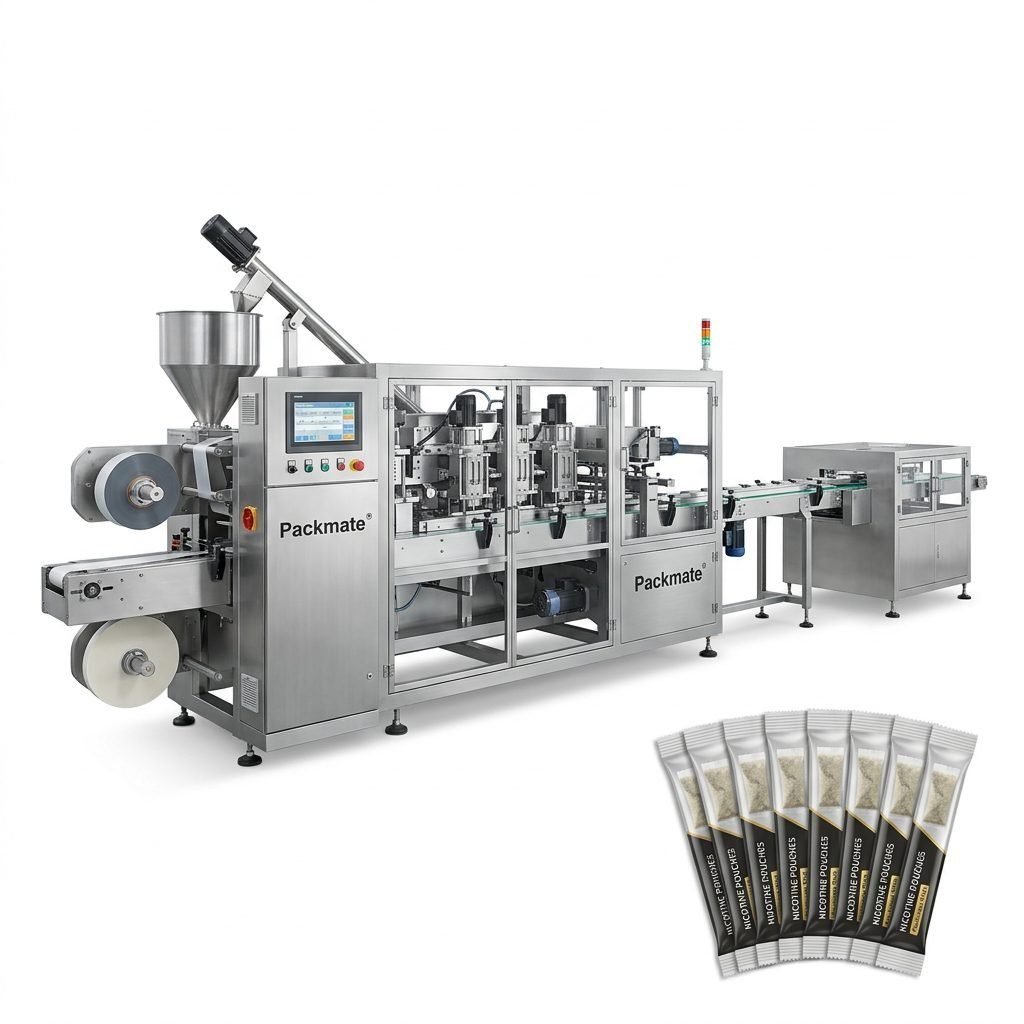
Sachet / Stick Pack Machines
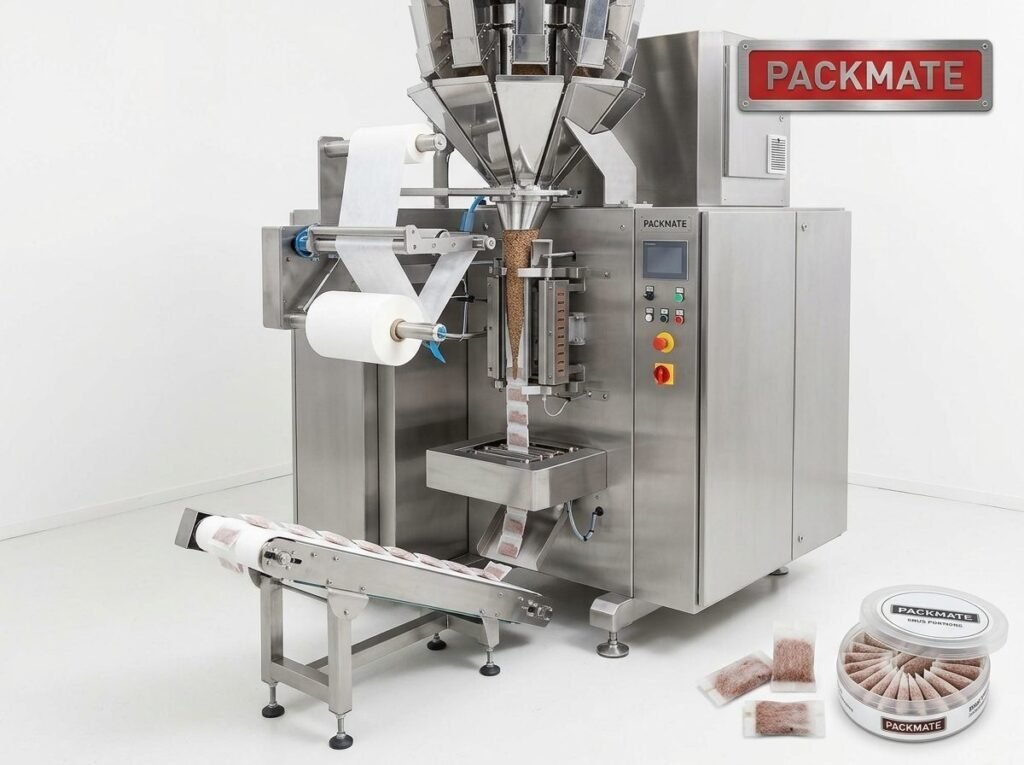
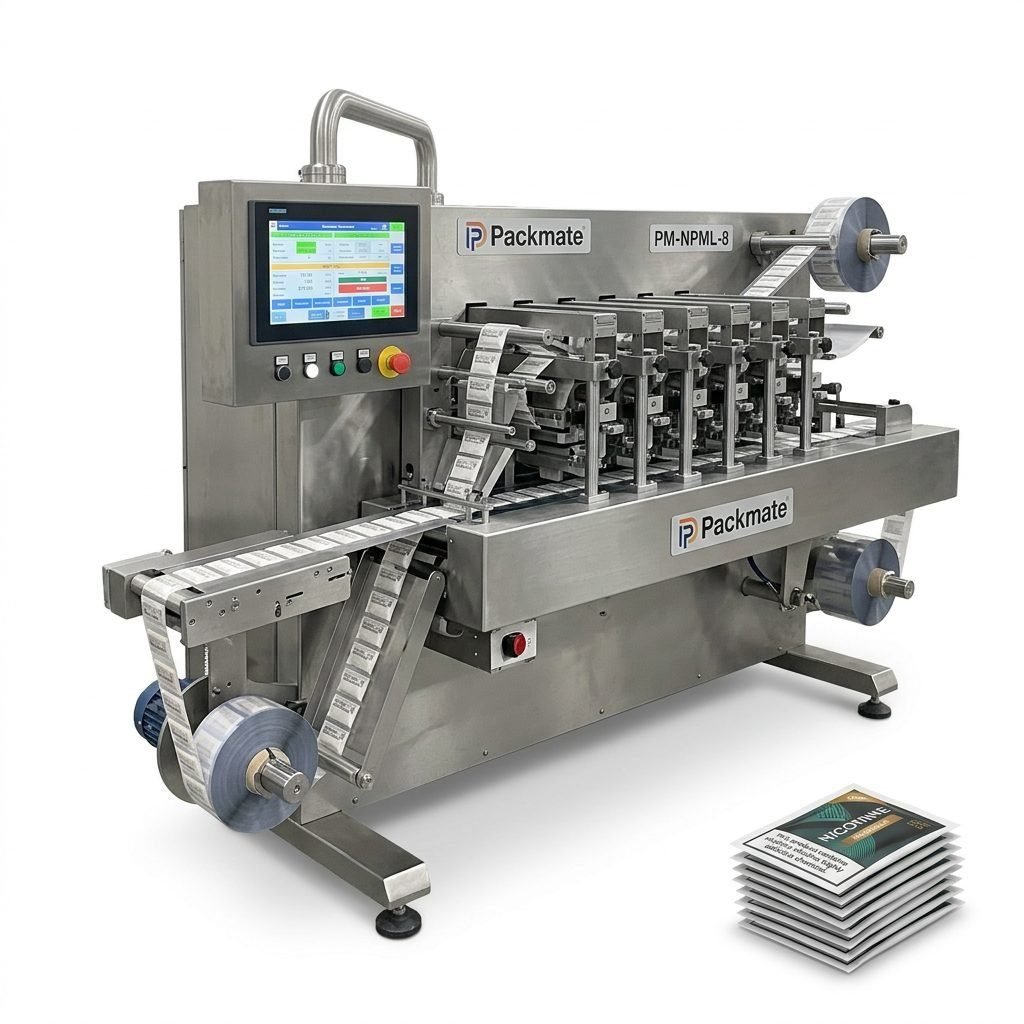
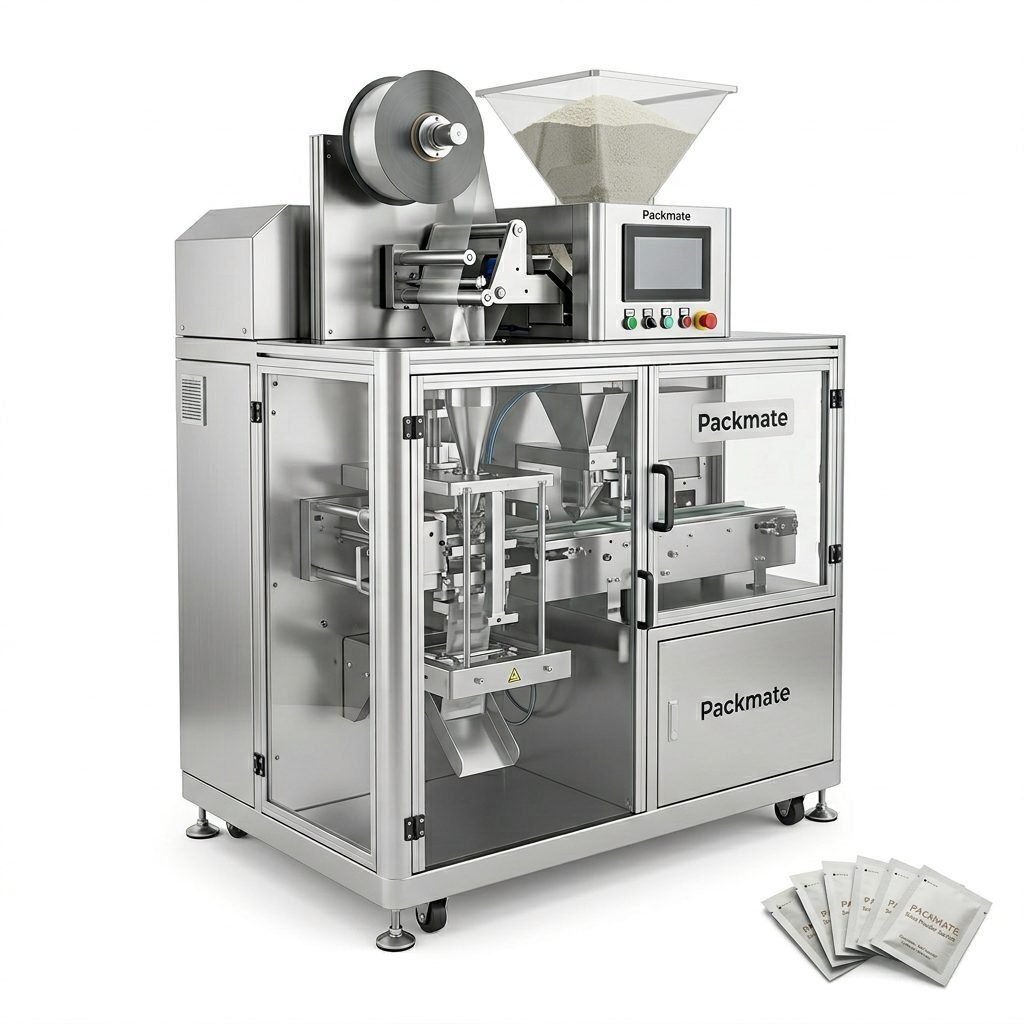
These are suitable for single-dose, elongated pouch formats and are typically compact and efficient for medium to high-speed production. They can handle powder, granules, and small pouches when fitted with the right dosing system.
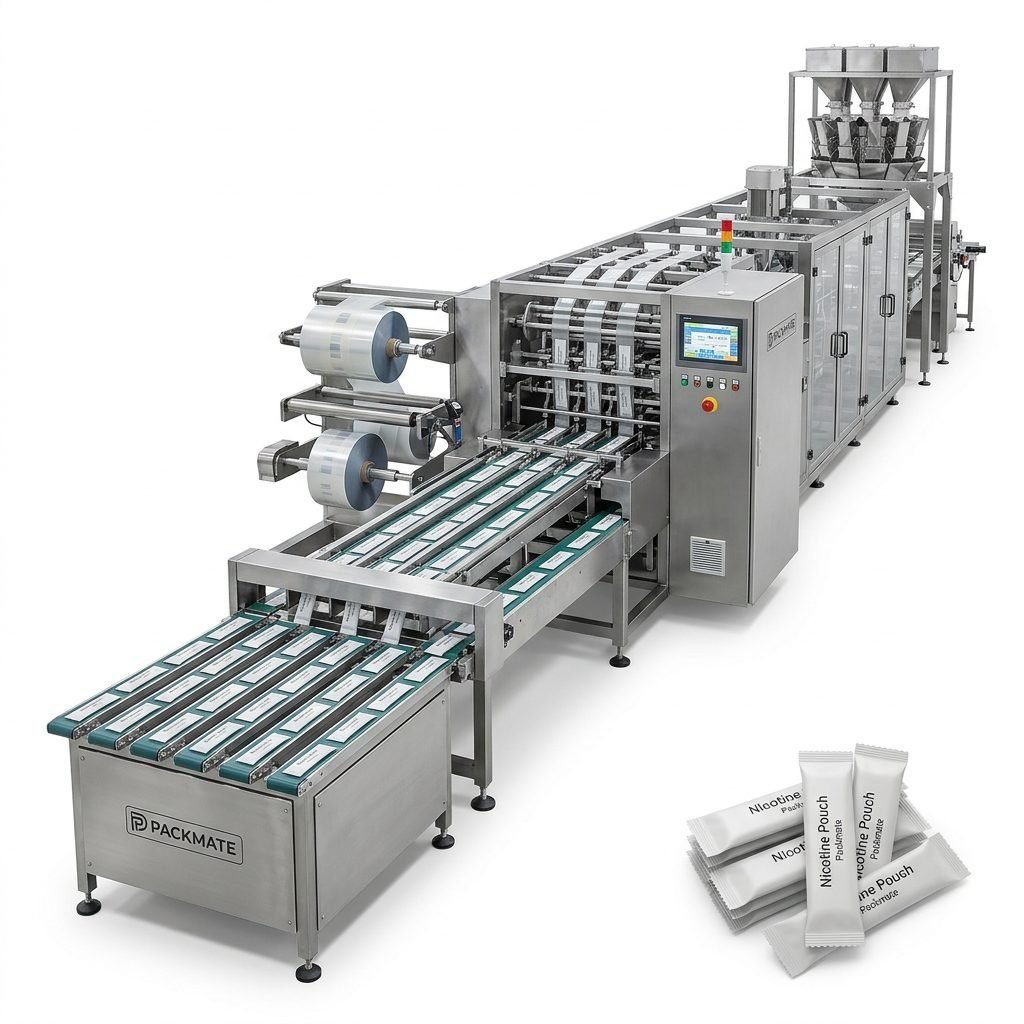
Multi-lane Pouch Machines
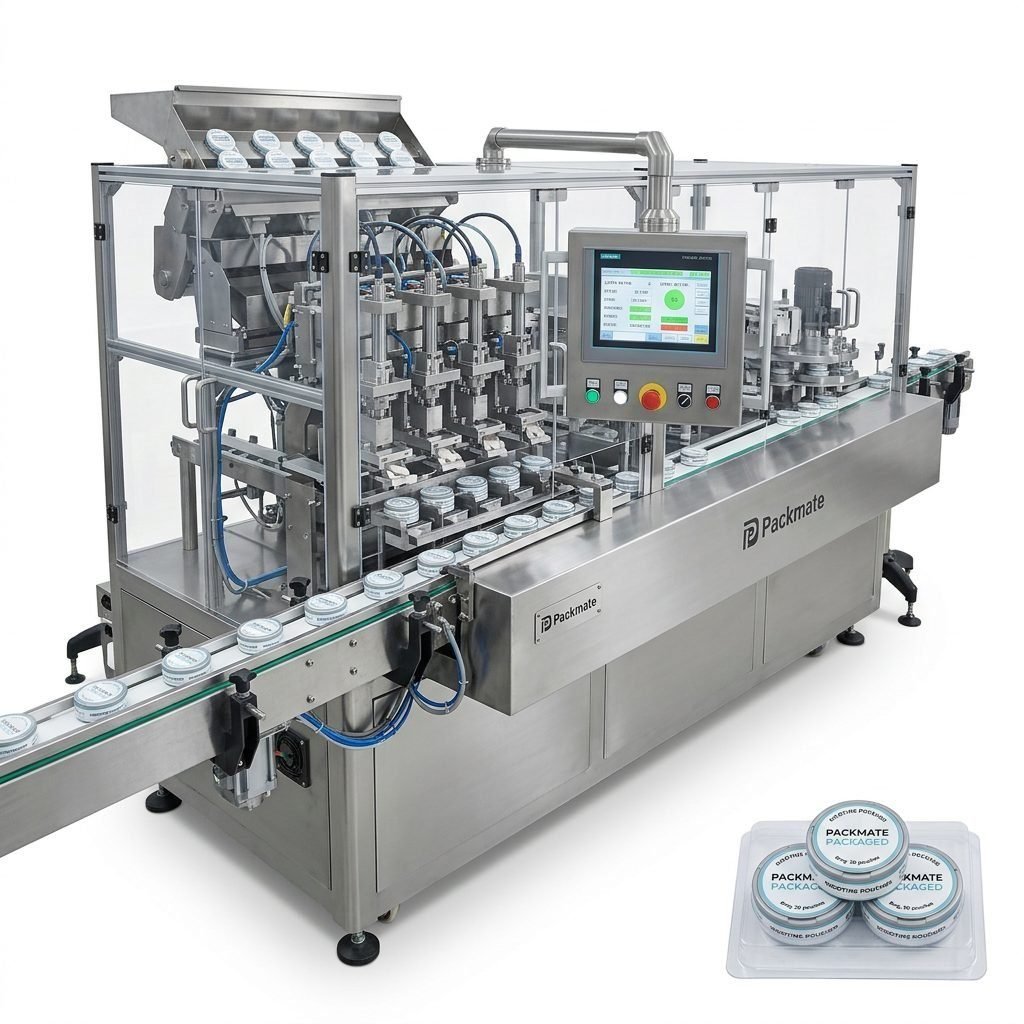
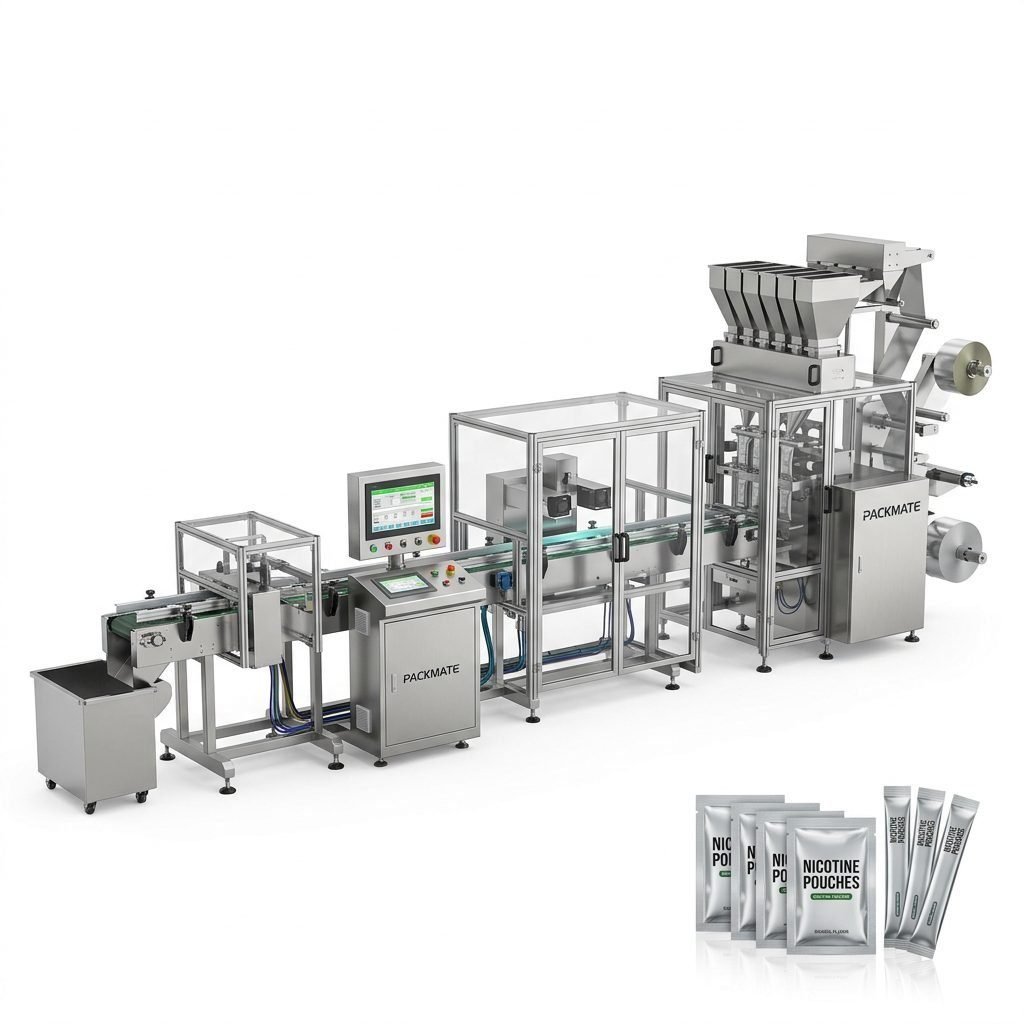
Multi-lane systems are ideal when high throughput is required for small-dose snus pouches. They can run multiple lanes simultaneously, reducing footprint cost per pouch and improving overall output.
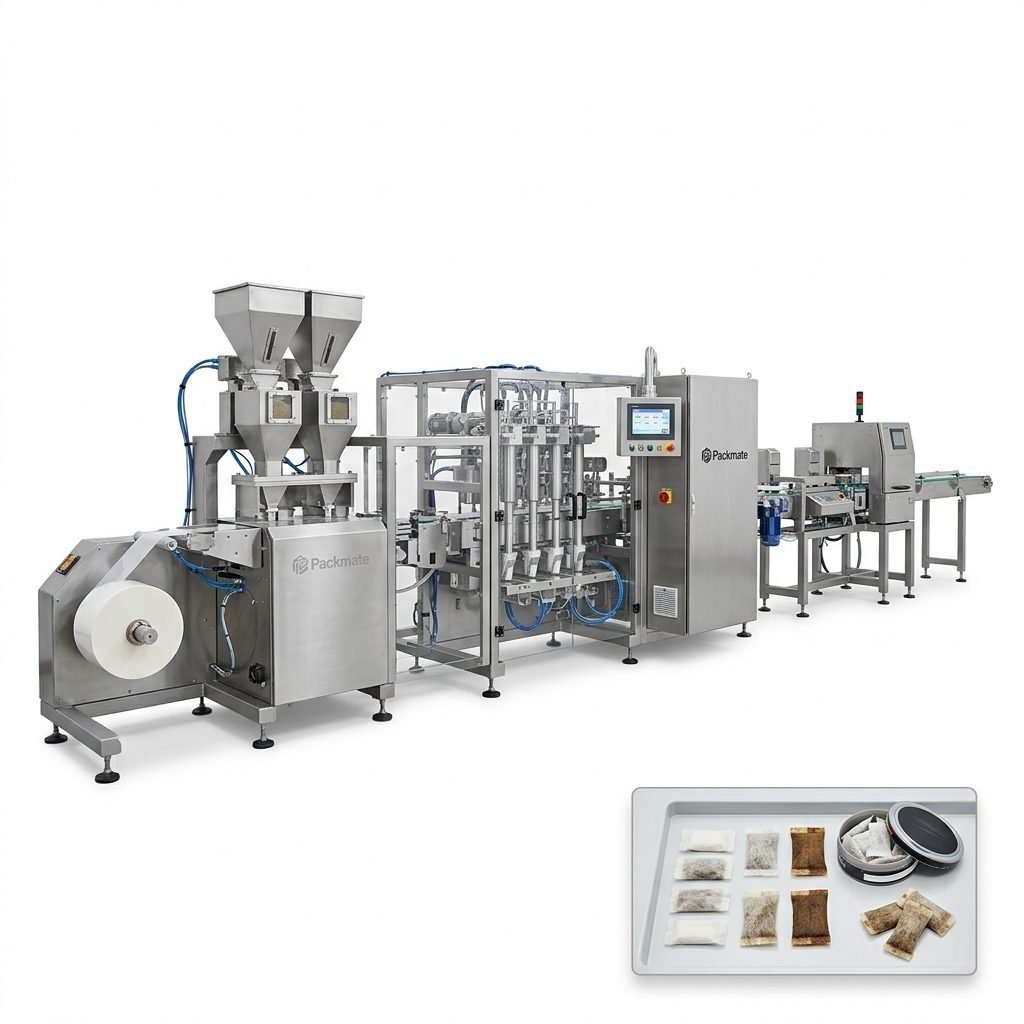
Form-Fill-Seal (FFS) & Sachet Lines
FFS machines make pouches from roll stock and are flexible in pouch shape and size. They suit producers who need different pouch styles or switched production between product lines.
Note: For detailed machine categories and models, review specialized product pages such as Snus & Nicotine Packaging Machines and Sachet & Stick Pack Machines.
Core Selection Criteria — What Really Matters
When evaluating machines, weigh these factors carefully. Prioritizing the wrong attribute can increase operational risks or total cost of ownership.
1. Throughput and Lane Count
Determine your required pieces per minute or per hour. A multi-lane system can deliver much higher effective throughput than a single-lane unit. Evaluate startup and ramp-up needs: begin with current demand, but ensure headroom for growth.
2. Filling Accuracy and Dosing Technology
Snus pouch fill weight consistency is essential for regulatory compliance and customer satisfaction. Choose machines with precise auger, volumetric, or weighing dosing systems, depending on product characteristics.
3. Material Compatibility and Sealing Performance
The machine must reliably seal your chosen film type. Test seals on sample films under production conditions. Consider anti-static devices or heated sealing platens for challenging substrates.
Critical: Machines with integrated vision systems and in-line weighing can reduce rejects and ensure compliance with weight tolerances.
Technical Specifications to Verify
Before placing an order, collect and verify these technical specs from the manufacturer: electrical requirements, air consumption, machine footprint, changeover time, PLC/HMI brand, servo-driven vs pneumatic functions, and maintenance access.
Automation & Controls
Modern controls with touch-screen HMIs, recipe management, and remote diagnostics increase uptime and simplify operator training. Check if the machine supports remote fault diagnosis and spare parts identification.
Sanitation & Cleanability
For hygiene and maintenance, inspect whether equipment allows easy access for cleaning, and if it has FDA/food-grade contact parts. Corrosion-resistant materials (stainless steel) are recommended.
Supplier Evaluation — Picking a Reliable Partner
The machine is only as good as the supplier who builds and supports it. Verify factory capacity, track record, certification, and ability to customize.
Factory Strength and Experience
Look for manufacturers with a proven history in snus and nicotine pouch equipment. Packmate, for example, highlights over 30 years in packaging engineering and a 20,000㎡ factory, which indicates sizable manufacturing and R&D capability. You can find more about such capabilities on the supplier’s About Packmate page.
Certifications & Compliance
Confirm CE, ISO, or other relevant certifications to ensure safety and quality. Certified suppliers are more likely to meet export and local regulatory expectations.
Supplier checklist: factory tours, references, sample production, FAT (Factory Acceptance Test) reports, spare parts lead times, and local support capability.
Installation, Commissioning and Training
Plan installation and commissioning timelines into your project. A well-managed FAT and site commissioning reduce risk. Ensure the supplier provides operator and maintenance training and documentation in English (or your preferred language).
Spare Parts & After-sales Service
Evaluate spare parts availability and lead times. Confirm whether the manufacturer offers local stocking or express shipment options. Remote diagnostics and quick technical support can drastically reduce downtime.
Budgeting & Total Cost of Ownership (TCO)
Purchase price is only part of TCO. Include installation, tooling, training, spare parts, energy, maintenance, and expected uptime in your calculations. Higher initial cost for a robust, easily-serviced machine often pays back via reduced downtime.
ROI example: Compare two options by calculating output per shift, expected scrap rates, and labor costs to determine payback period.
Customization and Turnkey Solutions
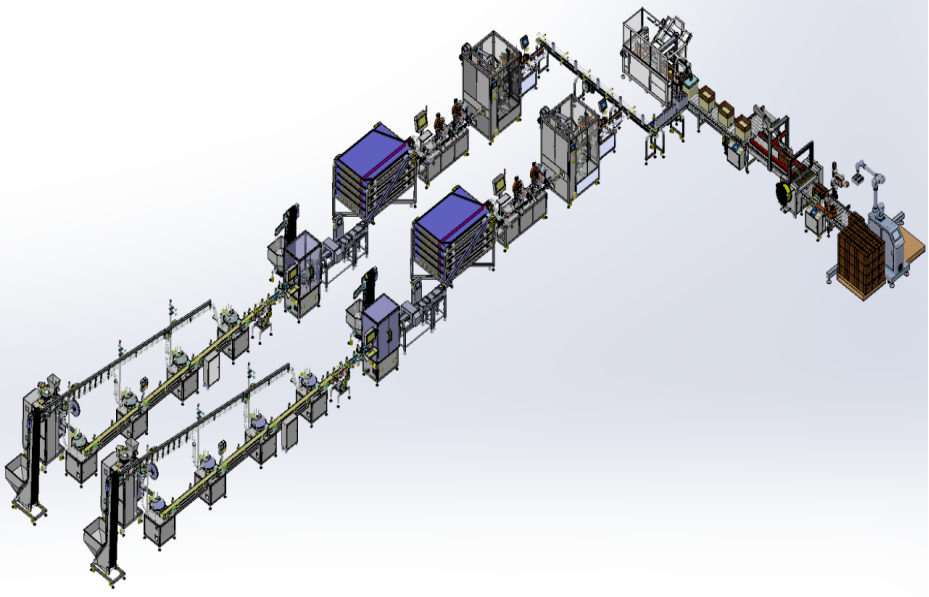
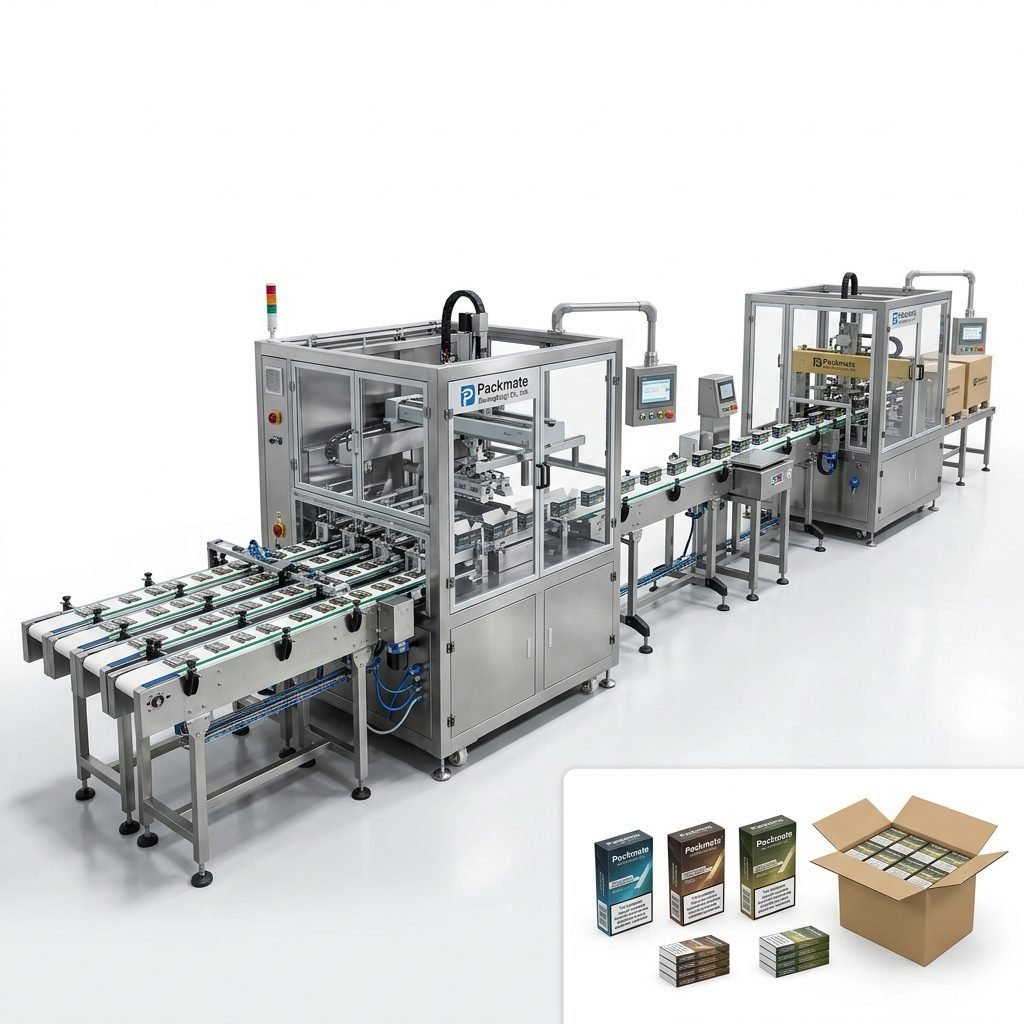
If your project requires integrated weighing, feeding, cartoning, and case packing, consider a turnkey supplier who can deliver a full line. You can review examples of integrated lines and auxiliary equipment on the provider’s product pages such as Weighing & Packaging Systems and Auxiliary Packaging Equipment.
Planning for Local Considerations in Yemen
Account for Yemen-specific logistics, import duties, local climate (humidity and dust), and availability of skilled technicians. Machines may need additional sealing reliability or environmental protection if operated in dusty or high-humidity zones.
Customs and Documentation
Ensure the supplier provides complete documentation for customs clearance: packing lists, certificates of origin, manuals, and CE/ISO certificates if available. Early coordination with freight forwarders avoids delays.
Factory Acceptance Test (FAT) and Pre-shipment Checks
A thorough FAT demonstrates performance on representative materials and validates speeds, weights, and reject rates. Request video documentation if an on-site visit is not possible and insist on third-party inspection if required.
Real-world Case & References
Ask the supplier for references and case studies from similar projects. Reviewing real-world examples and reading client feedback helps you verify performance claims. See example project listings or references on the manufacturer’s Case page.
Decision checklist (quick):
– Confirm product specs and film type
– Define throughput and lane requirements
– Verify dosing accuracy and sealing test results
– Inspect supplier factory and certifications
– Plan FAT, installation, and spare parts strategy
Negotiation & Contract Tips
Negotiate clear warranty terms, acceptance criteria, delivery date, penalties for missed milestones, and spare parts kits. Ensure service response times and remote support availability are contractually defined.
After Sales & Long-term Partnership
Choose suppliers open to long-term partnerships who offer training, upgrades, and continuous improvements. Reliable long-term support protects your investment as your volumes and product lines evolve.
Where to Get More Information and Quotes
Reach out to reputable suppliers and request detailed proposals including complete line drawings, electrical and pneumatic specs, and performance guarantees. You may explore product catalogs such as Catalog or contact the manufacturer directly via their Contact Us page.
Final Recommendations
Invest time in product testing, choose modular & serviceable machines, and prioritize suppliers with real snus/nicotine packaging experience. A slightly higher initial investment in a proven multi-lane or modular system will often yield better uptime, quality, and ROI.
Useful Resources
Explore related product categories to better understand options: Bag & Pouch Packaging Machines, Filling & Packaging Lines, and the company’s Exhibition appearances to see live demonstrations.
Quick Recap
Matching machine type to product, ensuring dosing accuracy, verifying sealing compatibility, inspecting supplier capabilities, and planning for robust after-sales support are the pillars of a sound purchase decision for snus packaging machinery in Yemen.
Frequently Asked Questions
Q1: What is the typical lead time for a snus packaging machine?
A: Lead times vary by model and customization level, but typical delivery ranges from 8 to 20 weeks from order confirmation. Factor in additional time for FAT, shipping, customs clearance, and on-site installation.
Q2: Can one machine handle different pouch sizes and materials?
A: Many modern machines are modular and can be adjusted for different pouch sizes and film types. Verify changeover times and whether quick-change tooling is available to reduce downtime between runs.
Q3: How important is supplier local support for operations in Yemen?
A: Very important. Local or regional support shortens response times for spare parts and technical issues. If local support is limited, ensure the supplier offers robust remote diagnostics, spare parts kits, and training for your team.
Q4: What certifications should I request from a machine supplier?
A: Ask for CE and ISO certifications, material certificates for food-contact parts if applicable, and any third-party test reports. These documents help with regulatory compliance and reassure equipment quality.
Q5: Where can I see real examples of snus packaging lines and get more support?
A: Review manufacturer case studies and exhibition footage. Visit the supplier’s case or exhibition pages, or request sample production runs and references to validate performance.