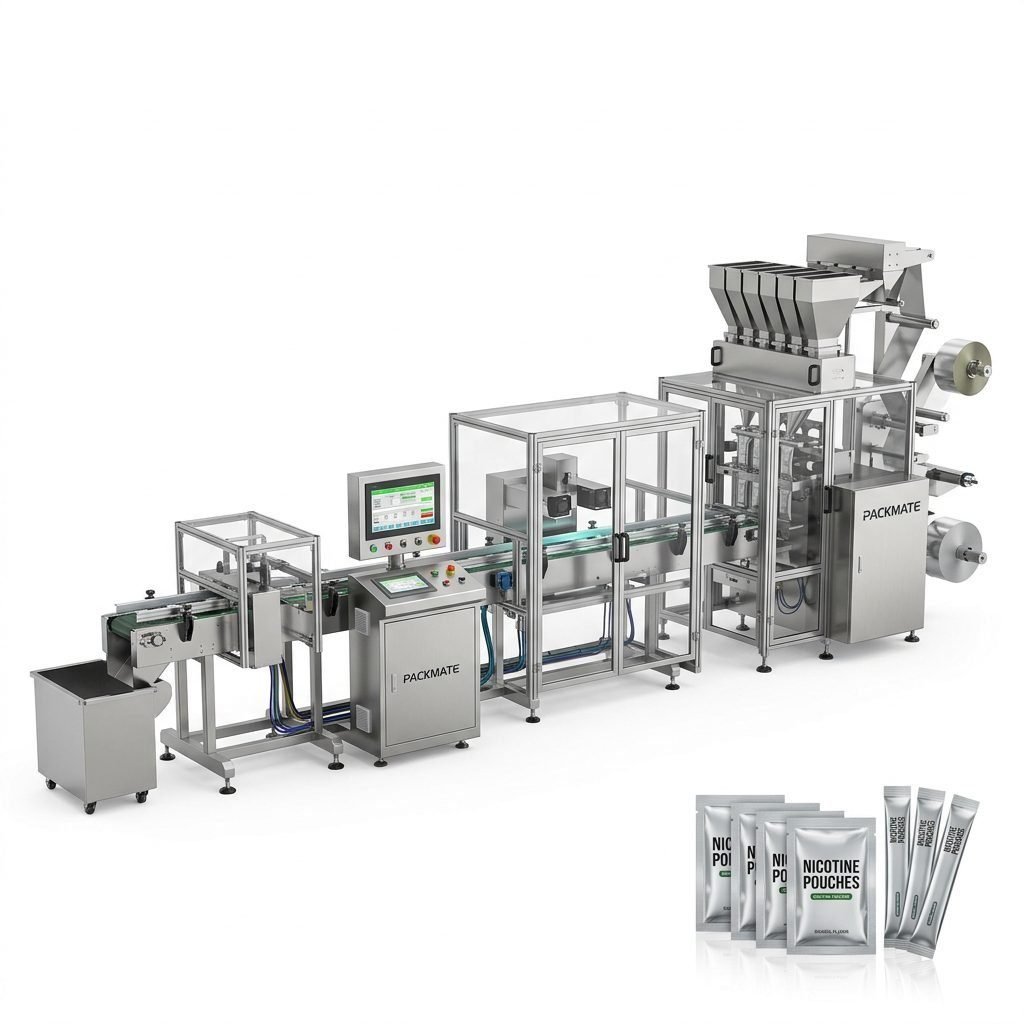
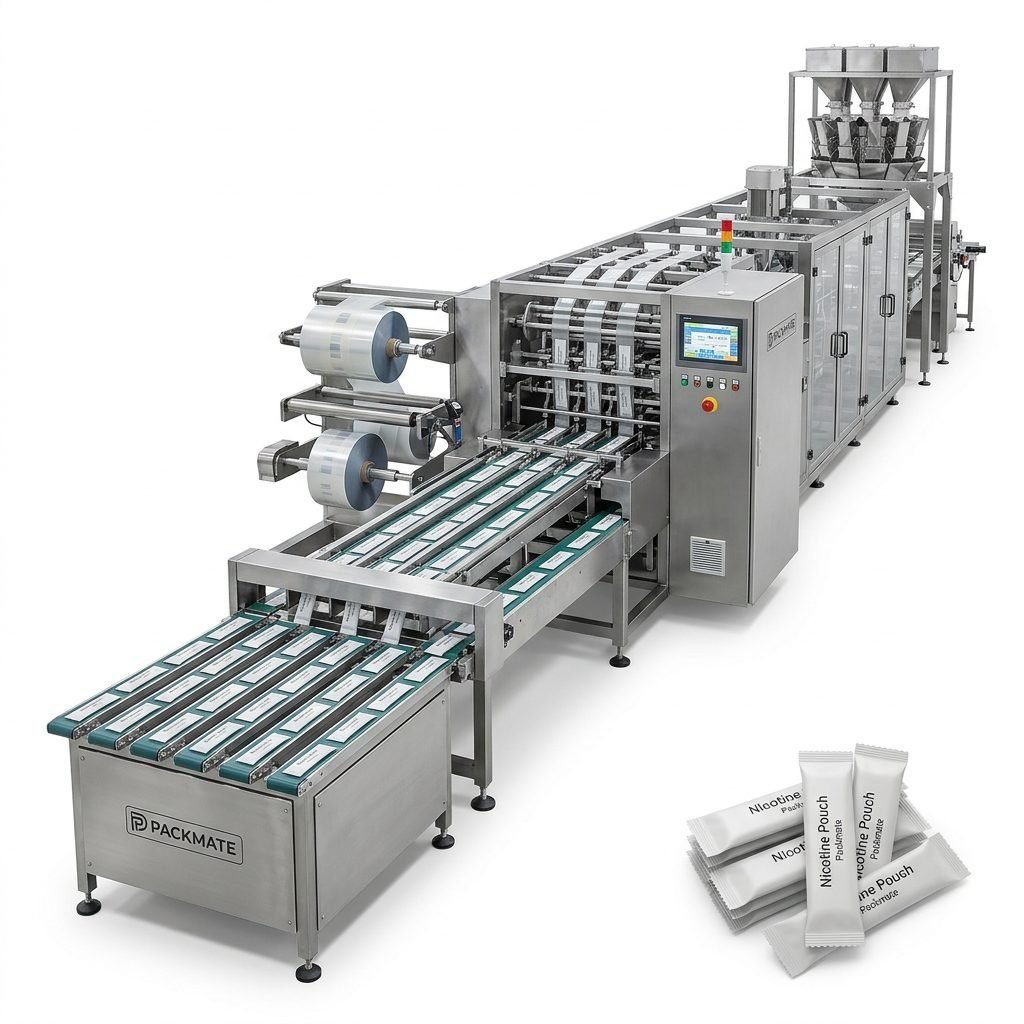
Choosing the right snus packaging machinery manufacturer for your factory in Guinea is a strategic decision that impacts product quality, operational efficiency, and long-term profitability. This guide walks you through the essential criteria, practical steps, and industry-specific considerations to ensure you select a provider who delivers reliable machines, compliant production lines, and responsive support. Whether you are expanding capacity, switching to higher-precision multi-lane systems, or starting a new nicotine pouch line, this resource will help you make an informed choice.
Understand Your Production Needs 🔍
Start by defining your production targets clearly. Ask yourself: What is your planned daily output? Are you producing snus pouches, nicotine pouches, stick packs, sachets, or mixed SKUs? How many lanes do you need? Production volume determines the type of machine—single-lane for low runs, multi-lane for high-throughput operations. Consider the product formats: powders, granules, liquids, or wet snus each have specific filling and sealing requirements.
Key production metrics to document
✅ Target output per minute/hour/day
✅ Product formats and sizes
✅ Expected SKU change frequency and line flexibility
Machine Types and Technology Choices
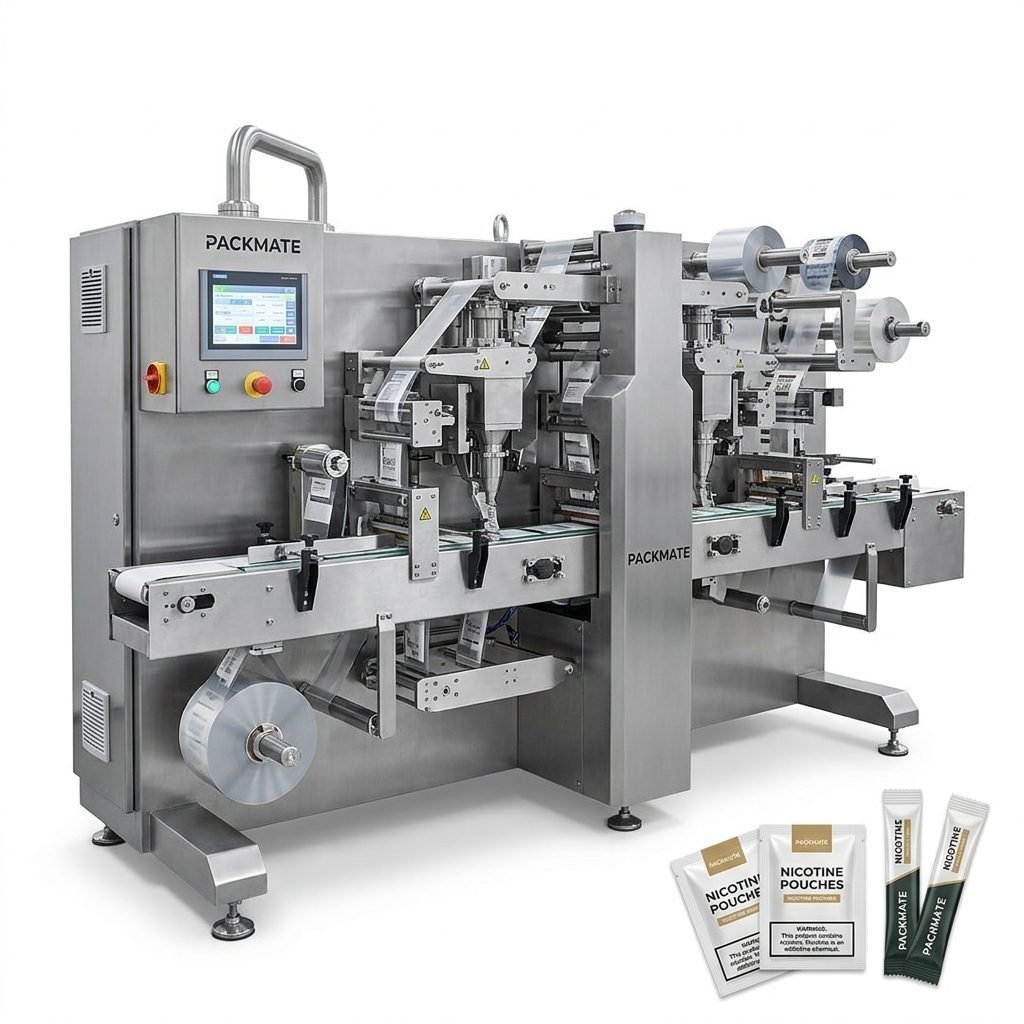
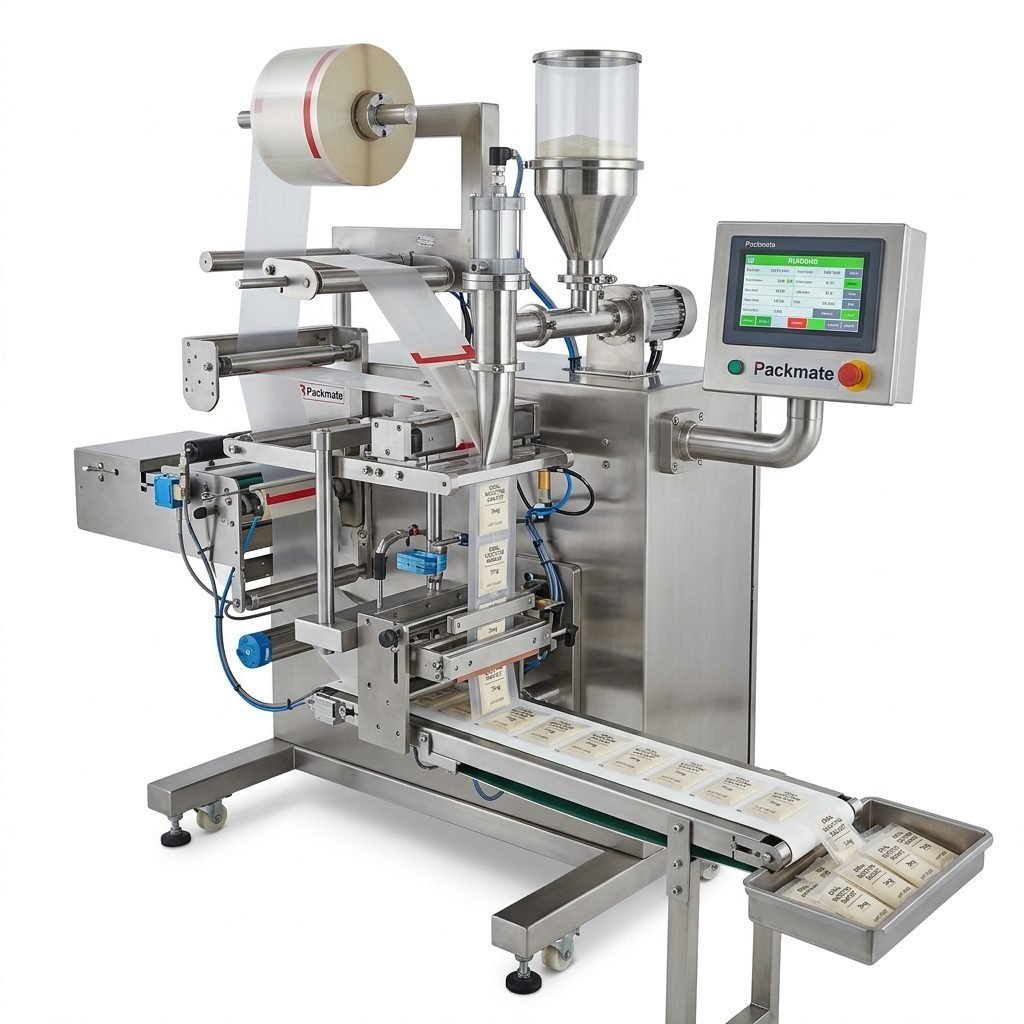
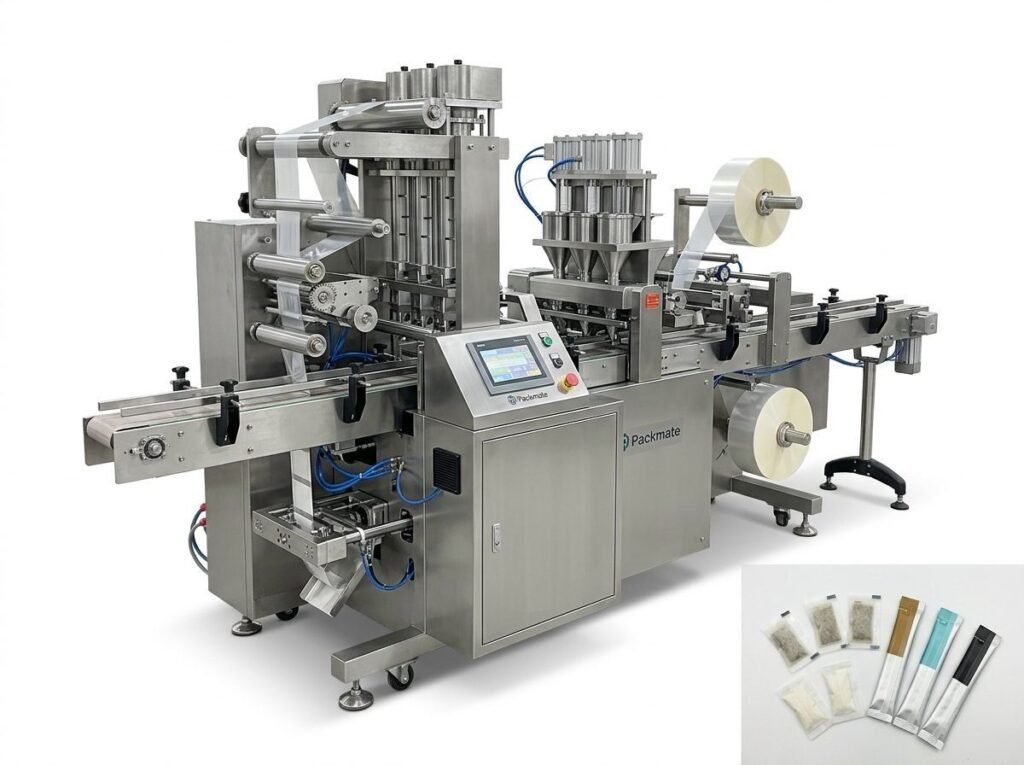
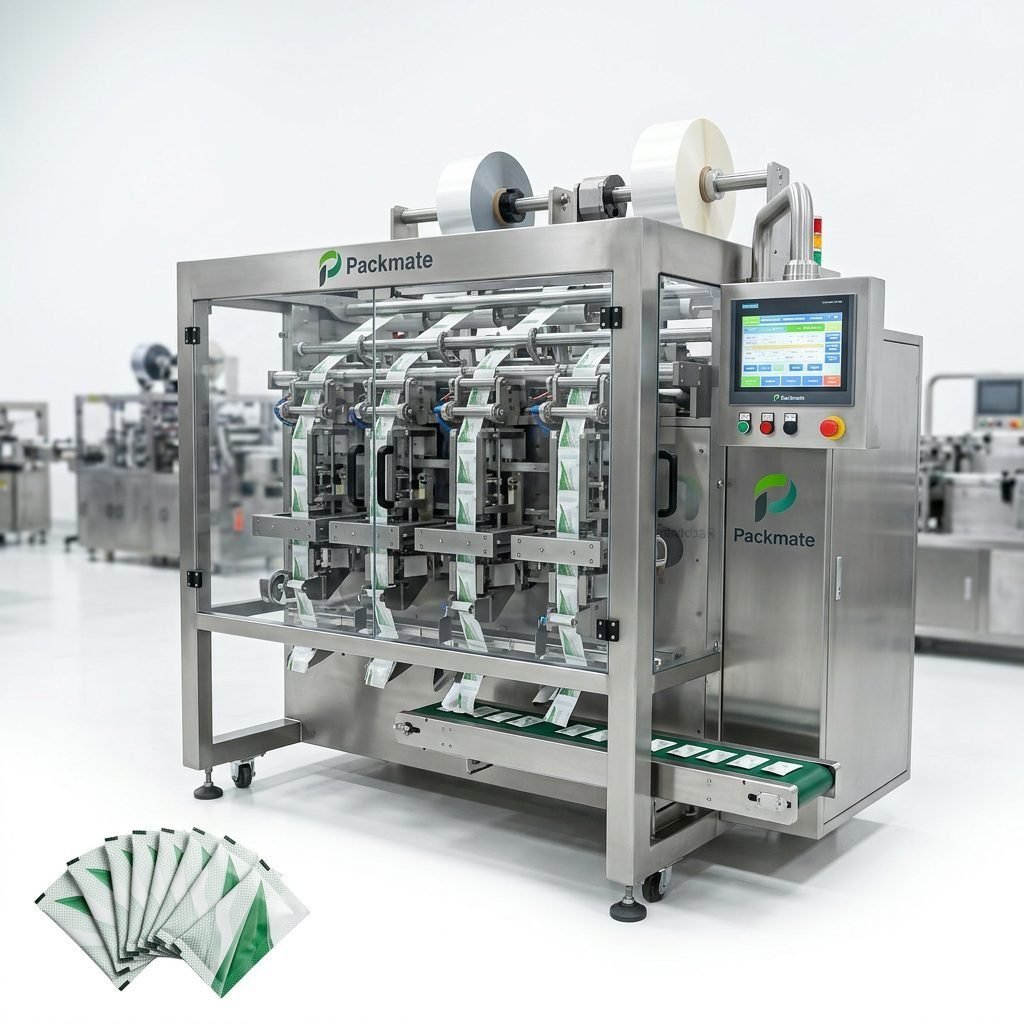
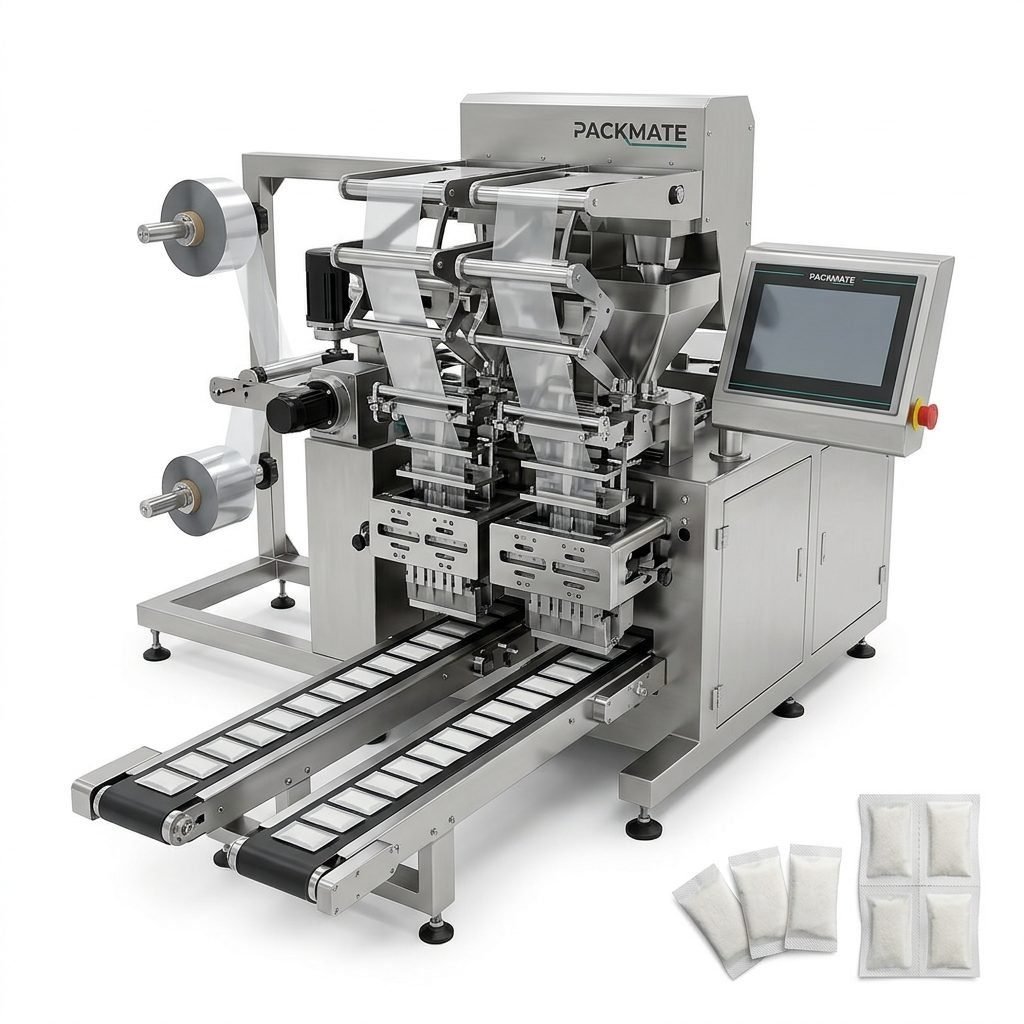
Packaging machinery for snus and nicotine pouches spans several families: vertical form-fill-seal (VFFS) for pouches, stick pack machines, multi-lane systems for high-speed small-dose pouches, and comprehensive filling & packaging lines for liquid or powder products. Evaluate mechanisms (servo-driven vs. cam-driven), control systems (PLC and HMI), and modularity for future upgrades. For detailed machine categories and technical specs, review manufacturers’ product pages such as the Snus & Nicotine Packaging Machines and Bag & Pouch Packaging Machines sections.
A high-quality manufacturer should offer machine lines like snus & nicotine packaging machines, multi-lane sachet/stick packs (sachet & stick pack machines), and supporting equipment such as weighing systems and auxiliary devices.
Quality, Certification & Compliance ✅
Compliance with international standards is non-negotiable. Look for manufacturers with CE, ISO, and other relevant certifications that indicate adherence to safety and quality systems. Certifications are especially important for products destined for regulated markets or export. Confirm the manufacturer’s testing protocols, quality control checkpoints, and documentation practices.
⚠️ Ask for certificates and test reports before placing an order
⚠️ Request FAT (Factory Acceptance Test) videos and QA logs
Factory Strength and Engineering Experience
Evaluate the manufacturer’s production capacity and engineering heritage. Facilities with advanced CNC machining centers, precision assembly lines, and robust testing systems translate to higher machine reliability and consistent tolerances. For example, Packmate Snus Machine emphasizes a 20,000㎡ factory area, advanced CNC systems, and over 30 years of engineering experience—factors that contribute to consistent manufacturing quality and the ability to customize turnkey solutions.
What to verify during a factory visit or virtual audit
– Production floor layout, CNC and assembly equipment.
– Finished machine testing area and demonstration setups.
– Technical teams and after-sales support structure.
– Spare parts inventory and lead times for replacements.
Customization & Turnkey Solutions
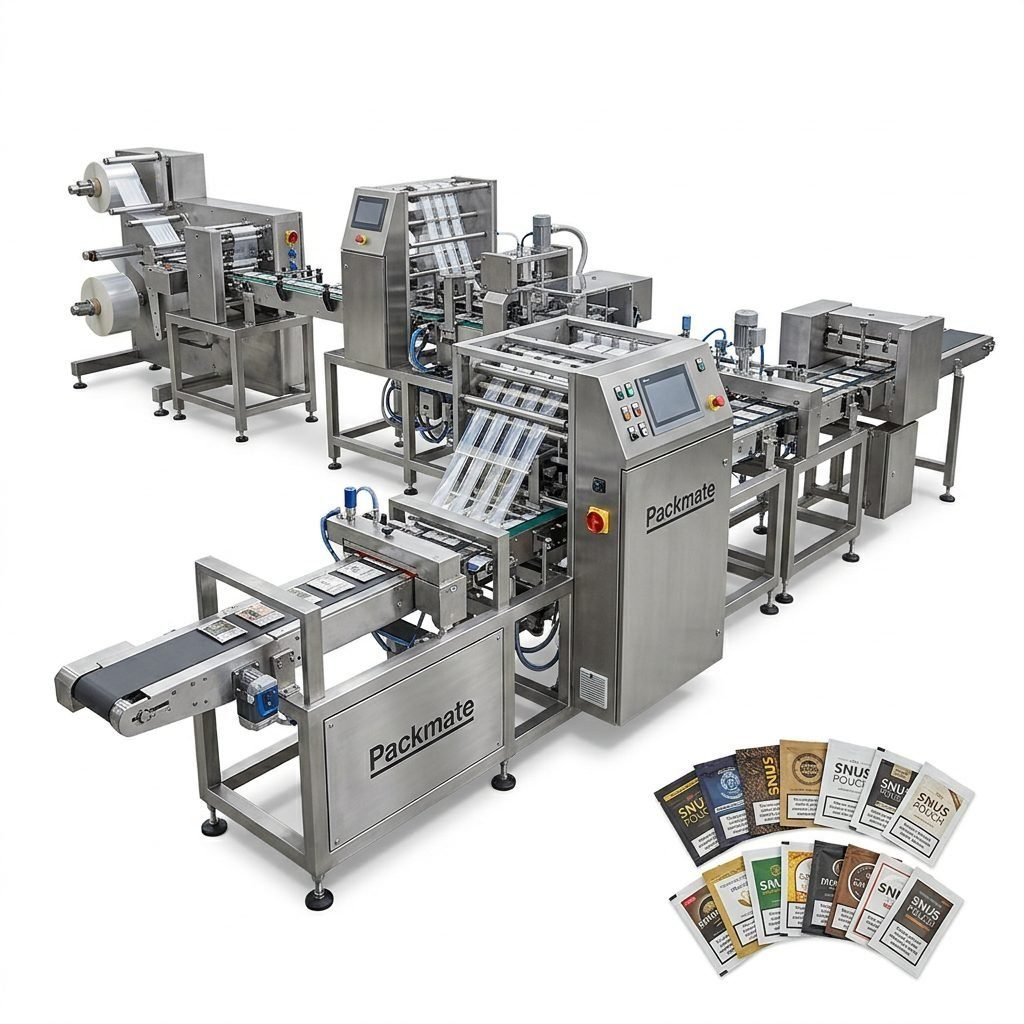
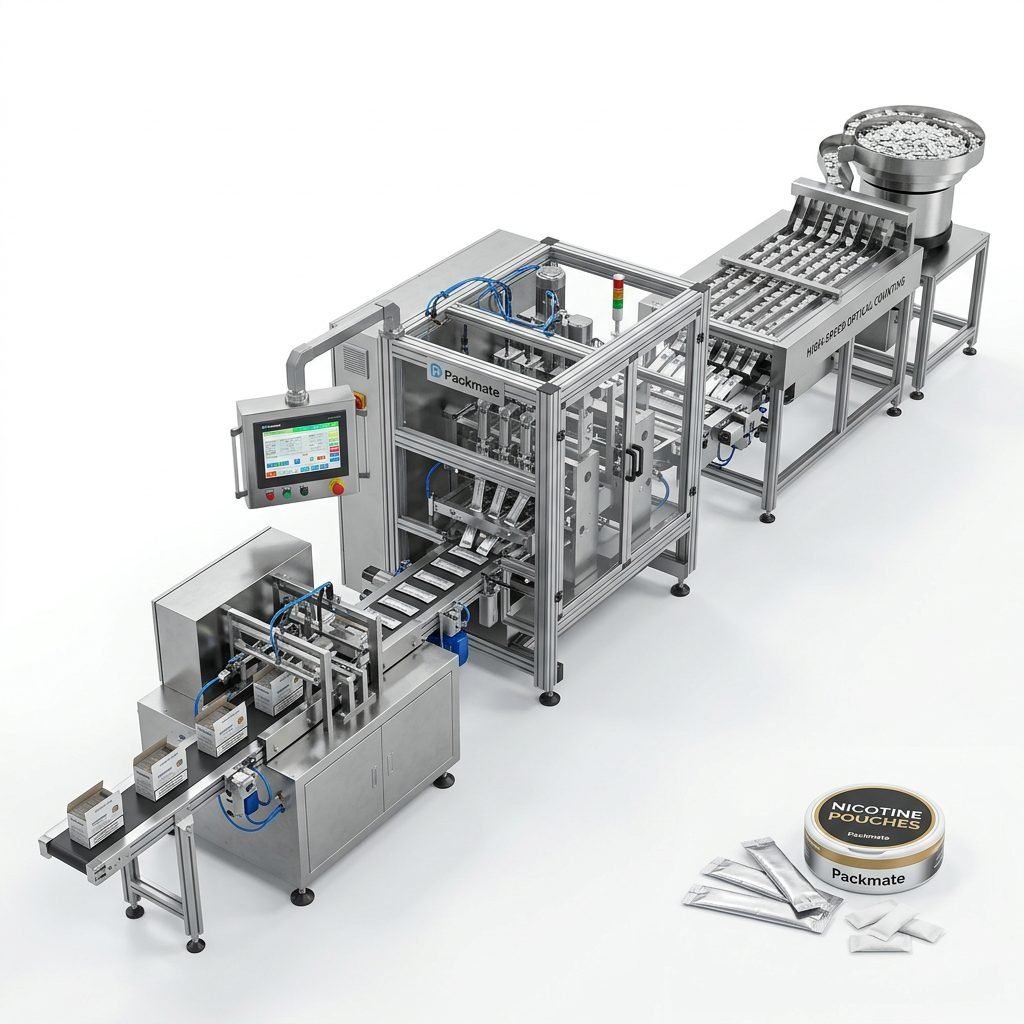
Your snus product line may require tailored solutions—special dosing systems, custom pouch shapes, or integration with upstream/downstream equipment. Choose manufacturers who provide end-to-end turnkey services: FAT and SAT procedures, layout design, electrical and pneumatic integration, and training. Packmate showcases a range of fully customized turnkey packaging solutions spanning stick pack, sachet, and multi-lane systems—capabilities to consider when you need tailored automation.
After-Sales Service & Spare Parts Support
After-sales responsiveness is often the decisive factor. Confirm warranty terms, remote diagnostic capabilities, availability of spare parts, and local or regional service partners. A reliable manufacturer will offer structured training, maintenance plans, and quick spare parts shipping to minimize downtime for your Guinea factory.
✅ 24/7 technical support or rapid-response teams
✅ Spare parts kits for critical components
✅ Operator and maintenance training programs
Cost Considerations: Beyond the Purchase Price
Initial equipment price is only part of the total cost of ownership (TCO). Include installation, commissioning, training, spare parts, energy consumption, and projected maintenance. Consider ROI timelines: higher upfront investment in robust multi-lane systems often pays off through reduced labor costs and higher throughput. Request a breakdown of all costs and expected operational metrics to calculate TCO accurately.
Lead Time, Shipping & Installation Logistics
Confirm manufacturing lead times and realistic delivery schedules. For imports to Guinea, coordinate shipping terms (EXW, FOB, CIF), customs documentation, and local logistics. Reliable manufacturers will support installation and commissioning, either by sending engineers onsite or through remote guidance. Ensure clear project milestones and acceptance criteria are agreed upon in writing.
References, Case Studies & Exhibition Presence
Ask for client references and recent case studies in similar markets. Manufacturers who exhibit at major trade shows demonstrate market engagement and provide opportunities for live demonstrations—review exhibition records and case pages. Check manufacturer case studies to see how they solved comparable production challenges in Europe, Asia, or the Americas. For examples, explore the Case and Our Exhibition pages.
Useful links: Case | Our Exhibition | About Packmate.
Warranty, Contracts & Negotiation Tips
Ensure warranty scope and exclusions are explicit. Define acceptance criteria, test protocols, and penalties for missed timelines in the contract. Negotiate training hours, spare parts packages, and escalation procedures. A balanced contract protects both parties—clarify service level agreements (SLAs) for response times and parts delivery.
Negotiation checklist
🔧 Spare parts lead times and pricing
📅 Clear delivery and installation timeline
🎓 Training and documentation included
Why Choose an Experienced Snus Packaging Specialist?
Specialized manufacturers bring deep knowledge of the nuances of snus and nicotine pouch production: accurate dosing for small doses, contamination control, moisture management, and packaging integrity for shelf life. Companies with decades of experience and a focused product line, such as Packmate Snus Machine, typically provide mature multi-lane technology, a broad model range, and the ability to scale with you as demand grows.
Practical Steps to Finalize Your Supplier
1. Shortlist 3–5 vendors based on machine fit and reputation.
2. Request detailed proposals including specs, lead time, training, and spare parts.
3. Conduct FAT and request demonstration videos or live demos.
4. Visit the factory or arrange a virtual audit.
5. Finalize contract with clear acceptance tests and after-sales commitments.
Where to get more technical resources
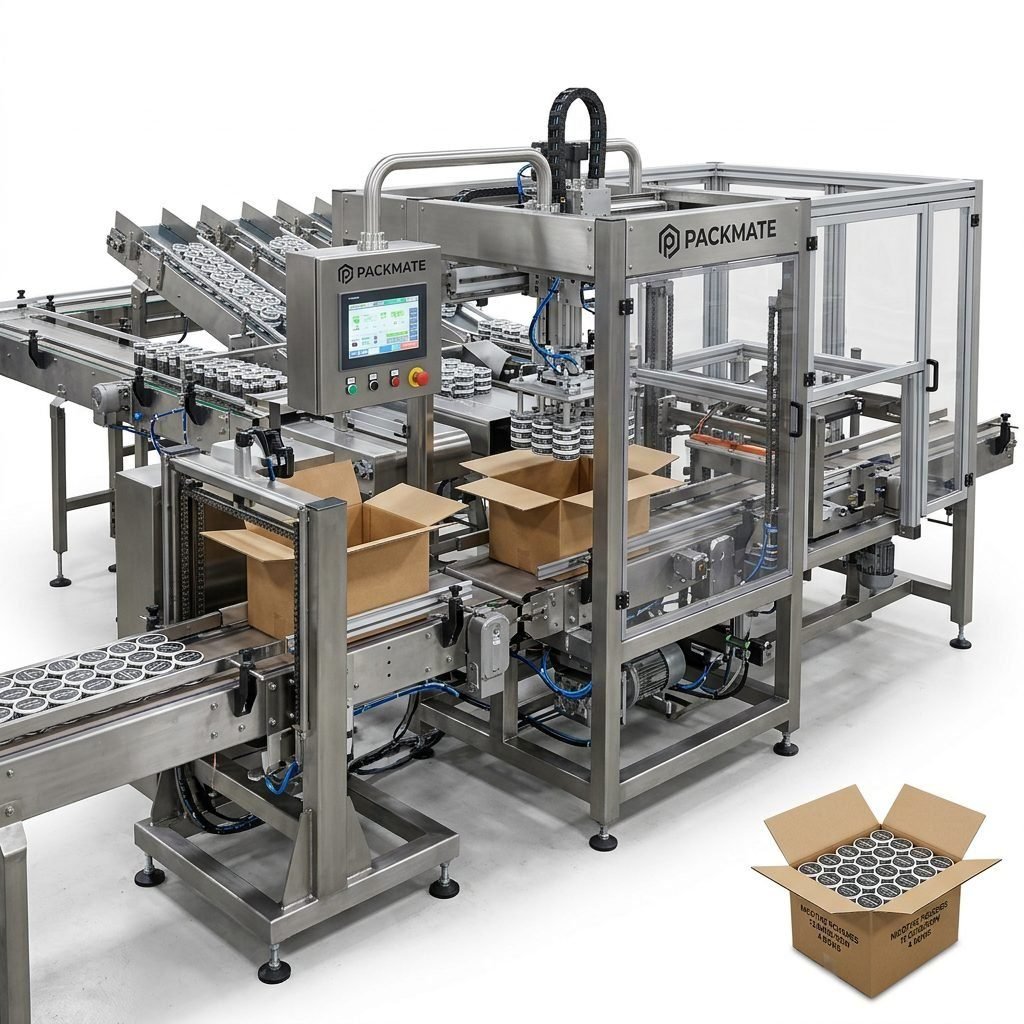
Review online catalogs and technical pages for detailed specifications. Useful manufacturer pages include product categories like Filling & Packaging Lines and Auxiliary Packaging Equipment. These pages provide insights into compatible upstream & downstream integrations to create a complete production flow.
Helpful references: Filling & Packaging Lines | Auxiliary Packaging Equipment.
Final Checklist Before Purchase ✅
✔ Confirm production capacity and lane configuration
✔ Verify certifications (CE/ISO) and QA procedures
✔ Agree on FAT/SAT acceptance tests and documentation
✔ Ensure clear warranty and spare parts terms
✔ Confirm installation, commissioning, and training schedule
Contacting and Vetting Manufacturers
When contacting potential suppliers, prepare a technical brief: expected production volumes, SKU list, product specs (weight, moisture sensitivity), desired automation level, and site utilities (power, compressed air, floor space). Ask for references from similar projects and check online resources such as catalogs or FAQs. Manufacturers with well-documented case histories and transparent information—like Packmate’s catalog and FAQ sections—are easier to evaluate.
Quick links to learn more: Catalog | FAQs | Contact Us.
Summary — Make a Confident Decision
Select a manufacturer who matches your technical requirements, offers proven snus packaging experience, and demonstrates strong after-sales support. Prioritize transparency in testing, clear contractual terms, and logistical support for installation in Guinea. A well-chosen partner will reduce risk, shorten ramp-up time, and help you build a consistent, high-quality product line that meets market demands.
Common Questions (FAQs)
Q1: How long is the typical lead time for a multi-lane snus packaging machine?
A1: Lead time varies by customization level and factory workload but typically ranges from 8 to 16 weeks. Confirm with the manufacturer and include FAT video inspections to speed acceptance.
Q2: What certifications should I require?
A2: Request CE and ISO certificates as a baseline. If you export, check destination country requirements and request compliance documentation and test reports.
Q3: Does the manufacturer provide installation and training in Guinea?
A3: Many specialized manufacturers offer onsite commissioning and training, or remote support combined with local service partners. Confirm travel logistics and scope in the contract.
Q4: How do I ensure spare parts availability?
A4: Negotiate spare parts kits as part of the purchase and confirm lead times for critical components. Consider stocking essential wear parts to minimize downtime.