In the competitive snus and nicotine pouch market, production speed and product quality are inseparable from profitability. Manufacturers who optimize their snus production lines not only reduce waste and downtime but also increase throughput and consistency. This guide walks through practical strategies to improve efficiency, minimize waste, and maximize output across a modern snus packaging production line.
Why Line Optimization Matters
Optimization is more than raw speed. It means achieving the highest sustainable output with the lowest variability and the least waste. For snus lines, where small-dose pouches and tight tolerances are standard, even tiny improvements in filling accuracy or changeover time can translate into sizable savings. Key performance metrics to focus on include OEE (Overall Equipment Effectiveness), yield rate, first-pass quality, and average changeover time.
Core Components of a Snus Production Line
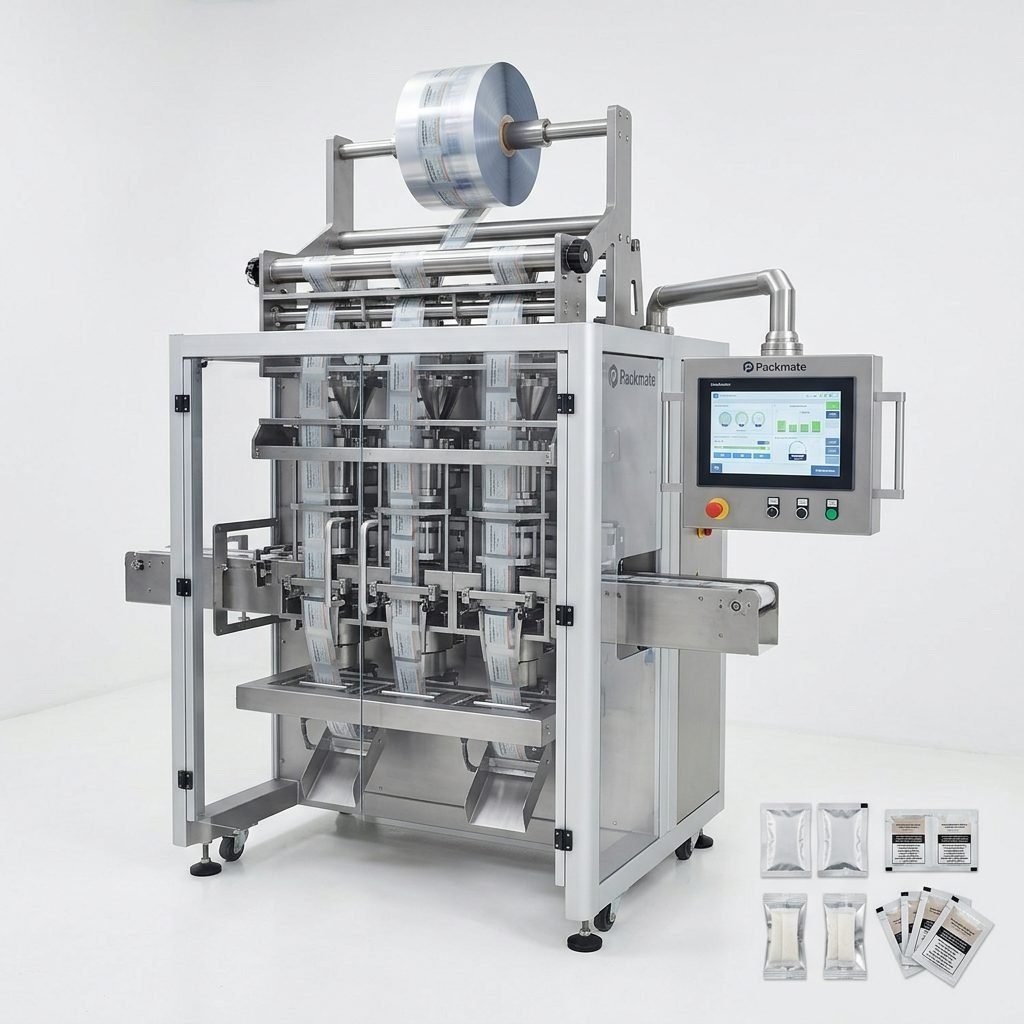
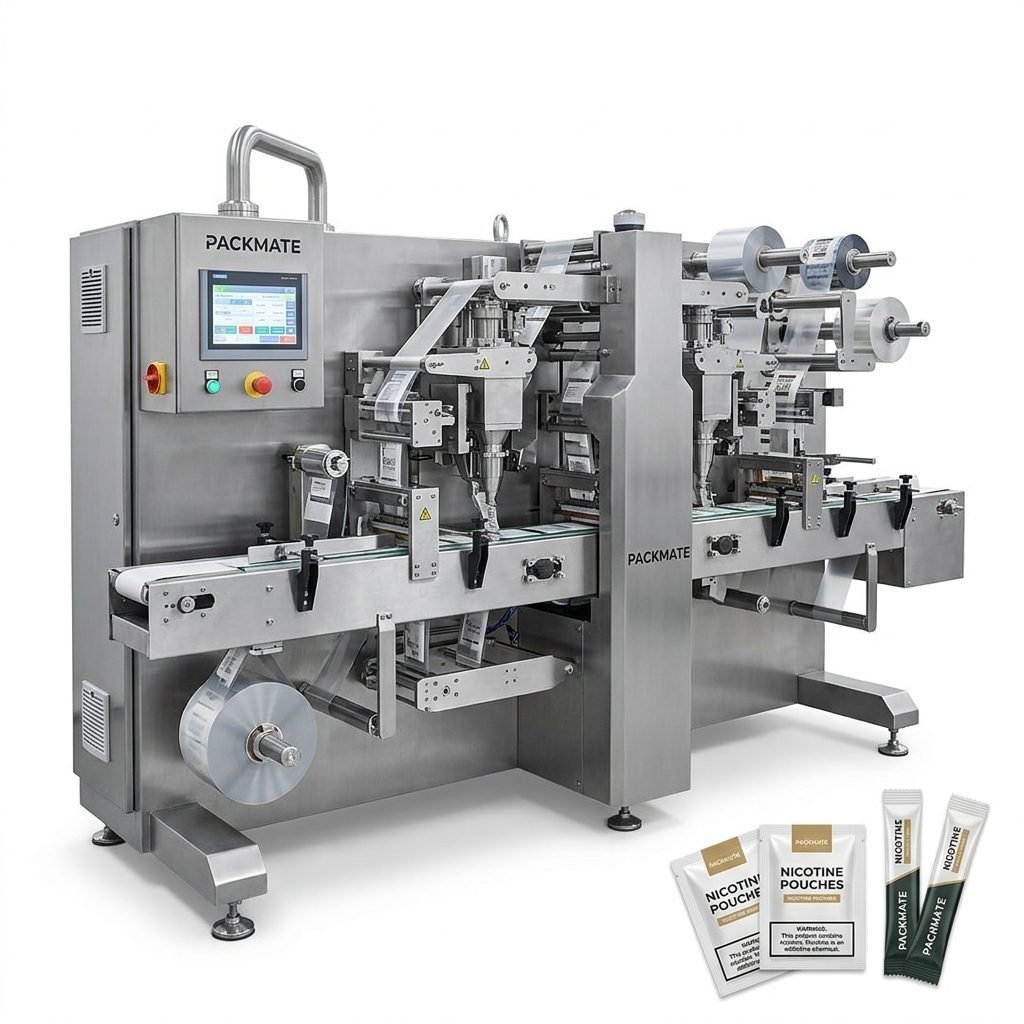
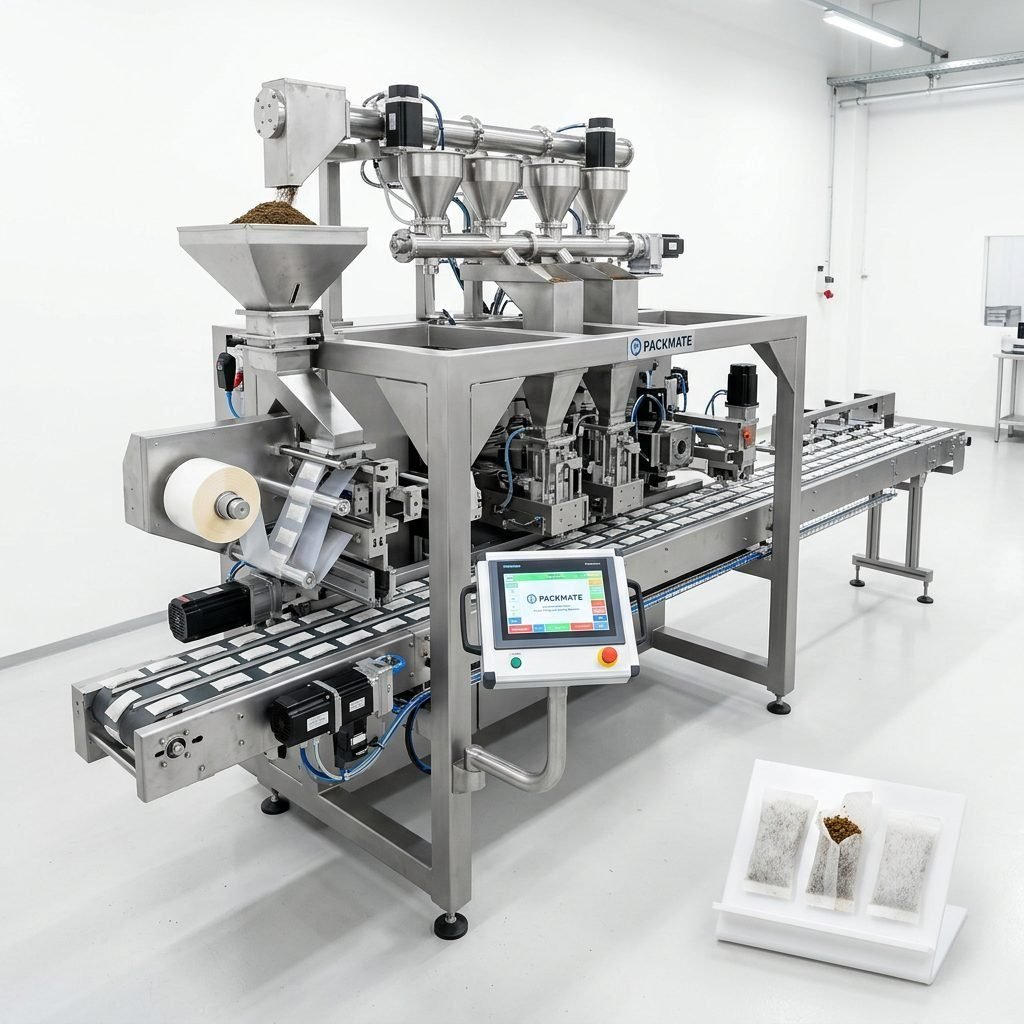
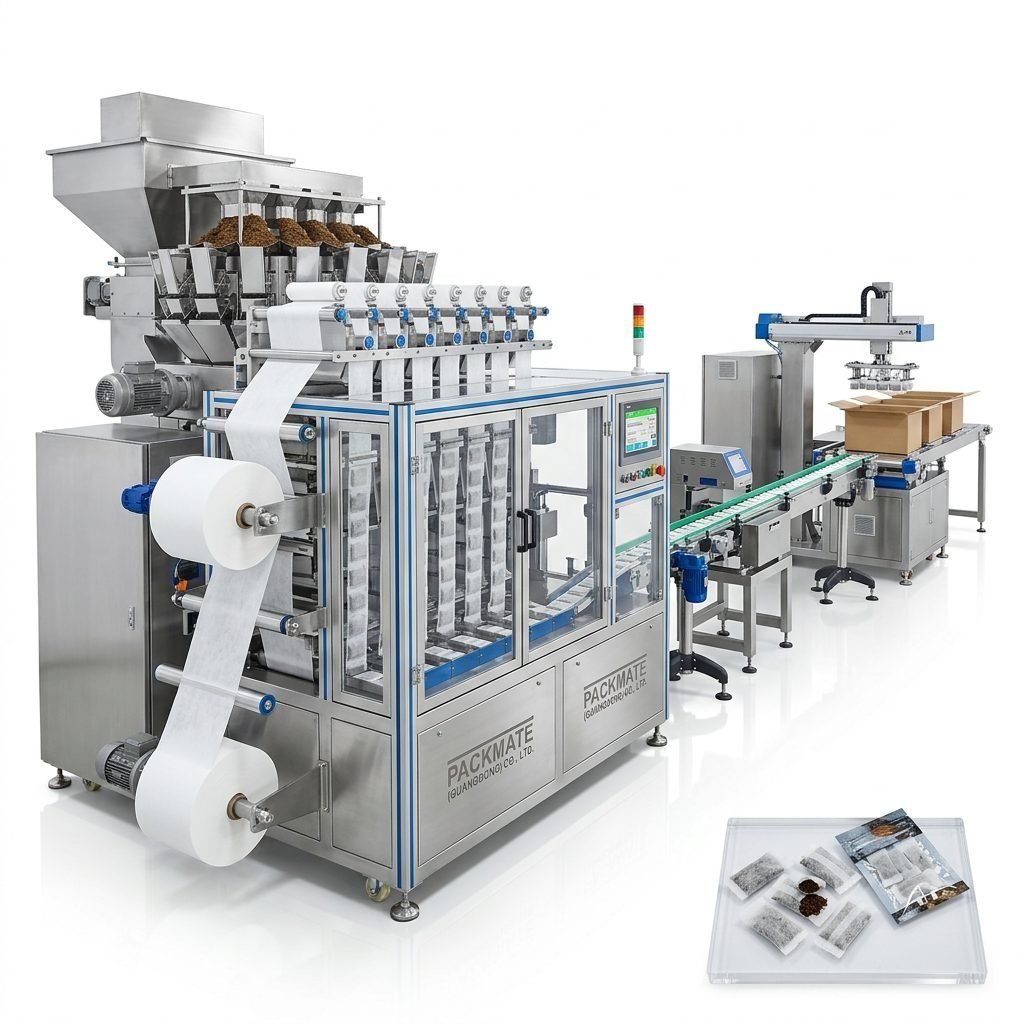
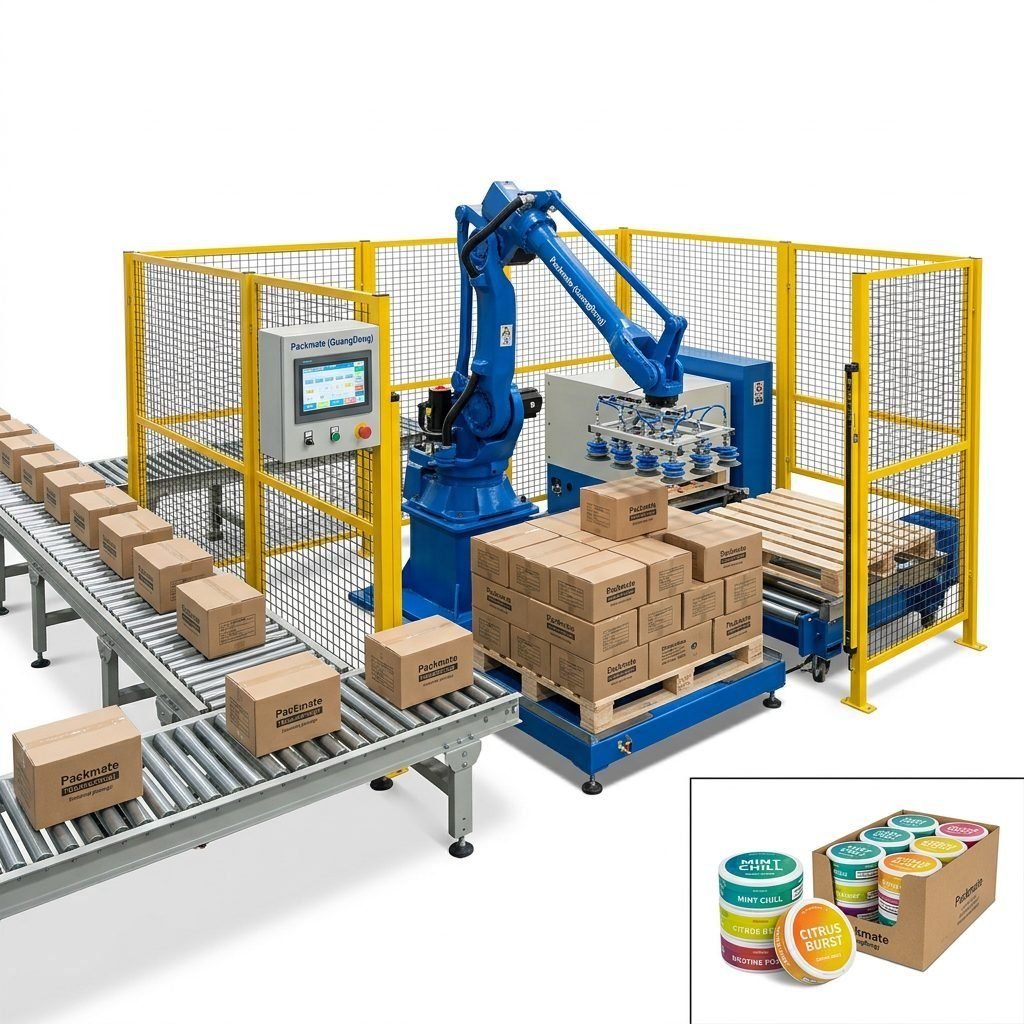
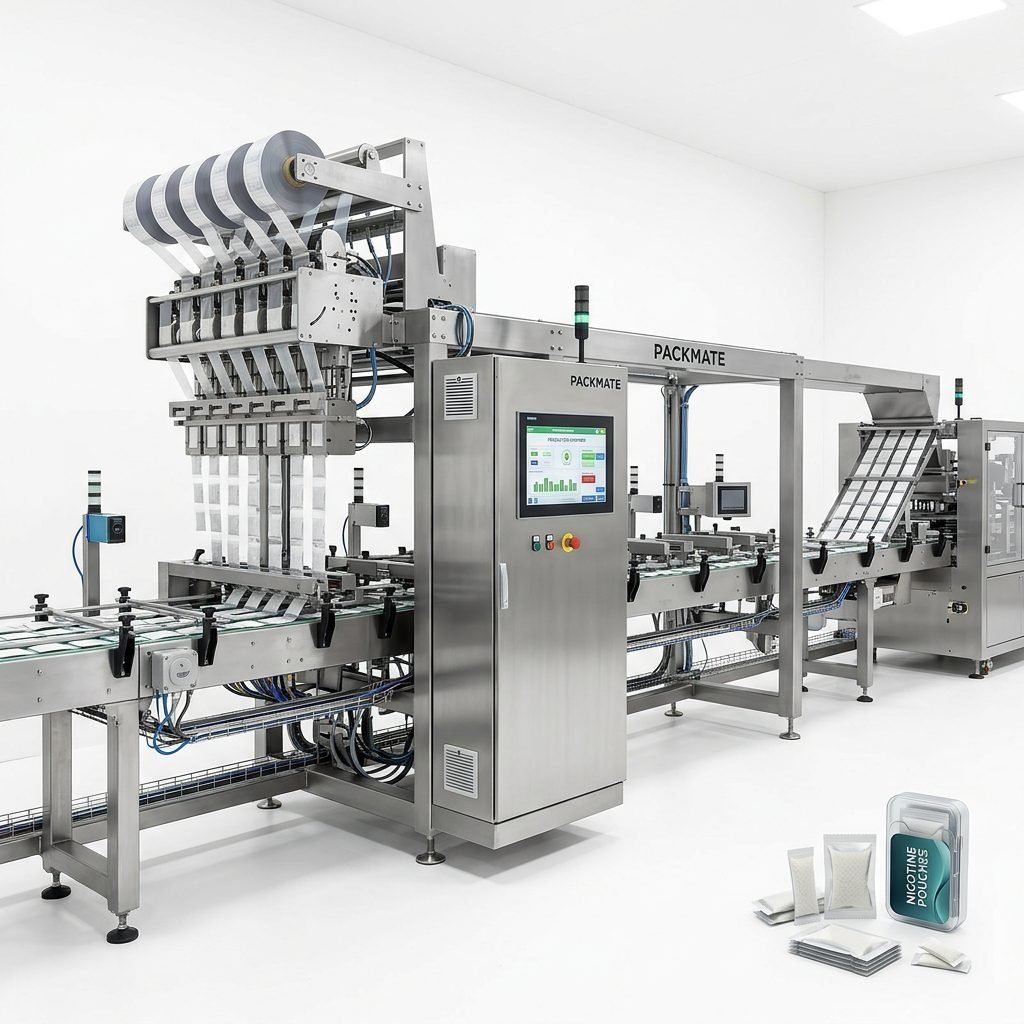
A typical snus production line includes upstream filling and dosing systems, pouch forming/sealing machines, multi-lane conveying, weighing/inspection systems, and final packaging. Each component must be balanced: a fast multi-lane pouch machine becomes ineffective if upstream dosing is inconsistent or downstream inspection causes frequent stops.
⚙️ Tip: Evaluate the line as a system. Optimizing a single machine without addressing upstream or downstream bottlenecks rarely produces sustainable gains.
Measure Before You Modify
Start with data collection. Implement simple logging of downtime causes, cycle time, rejection reasons, and material batch variability. Installing a weighing & packaging system with feedback capability or an IIoT gateway can accelerate root-cause discovery. Use objective measures such as kilograms of material processed per hour and percent defective to set improvement targets.
Common Bottlenecks and How to Resolve Them
Identifying bottlenecks is the fastest route to impactful gains. Typical problems include inconsistent dosing, frequent film jams, slow or imprecise sealing, and manual interventions during changeover. Each issue has targeted solutions.
Inconsistent Dosing
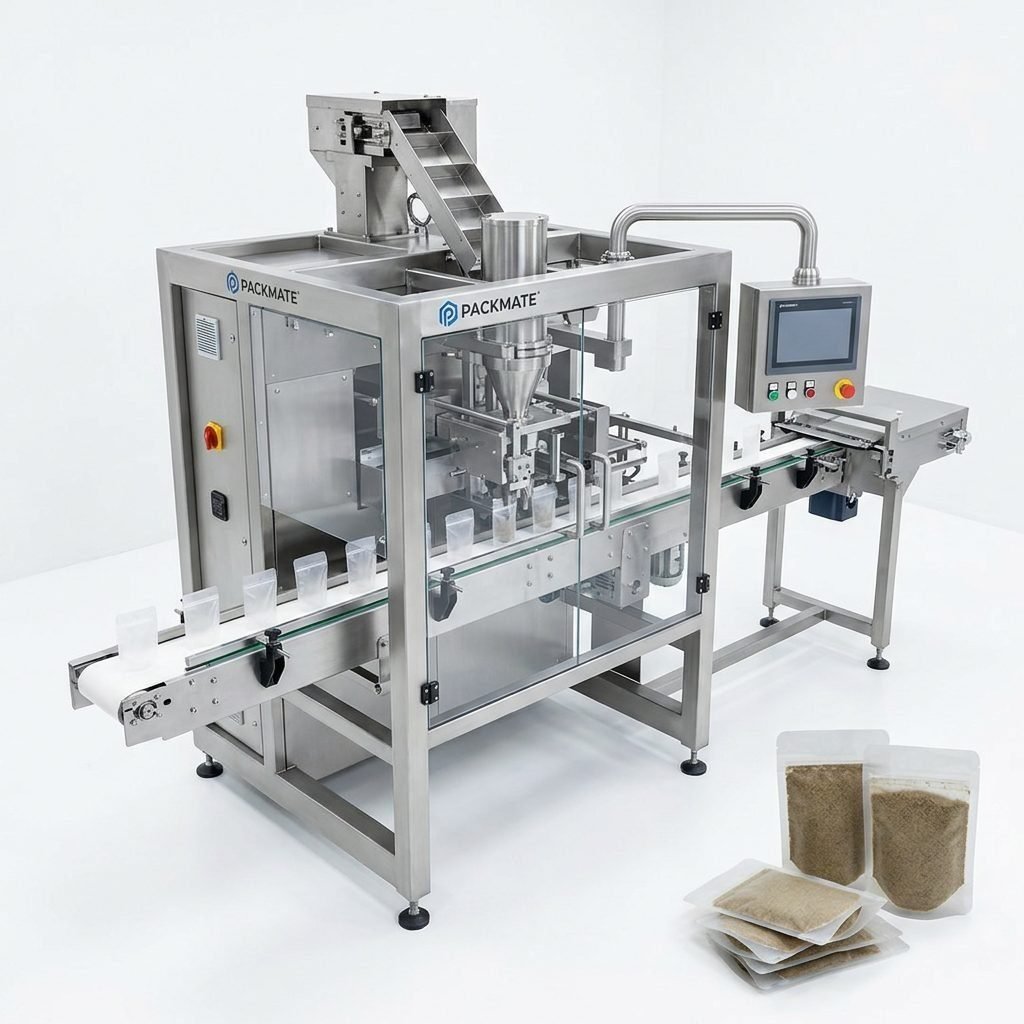
In snus and nicotine pouch production, dosing accuracy directly impacts waste and product value. Consider upgrading to precision dosing modules or multi-head weighers with dynamic correction. Calibrated screw feeders, vacuum dosing tools for small doses, and closed-loop feedback from in-line check weighers dramatically reduce variance and reject rates.
Film & Pouch Handling Issues
Film tracking, registration, and edge handling matter most at high speed. Use servo-driven film pullers and accurate registration sensors to prevent misfeeds. Multi-lane solutions must maintain equal tension across lanes; asymmetric tension leads to lane-to-lane variability and higher scrap.
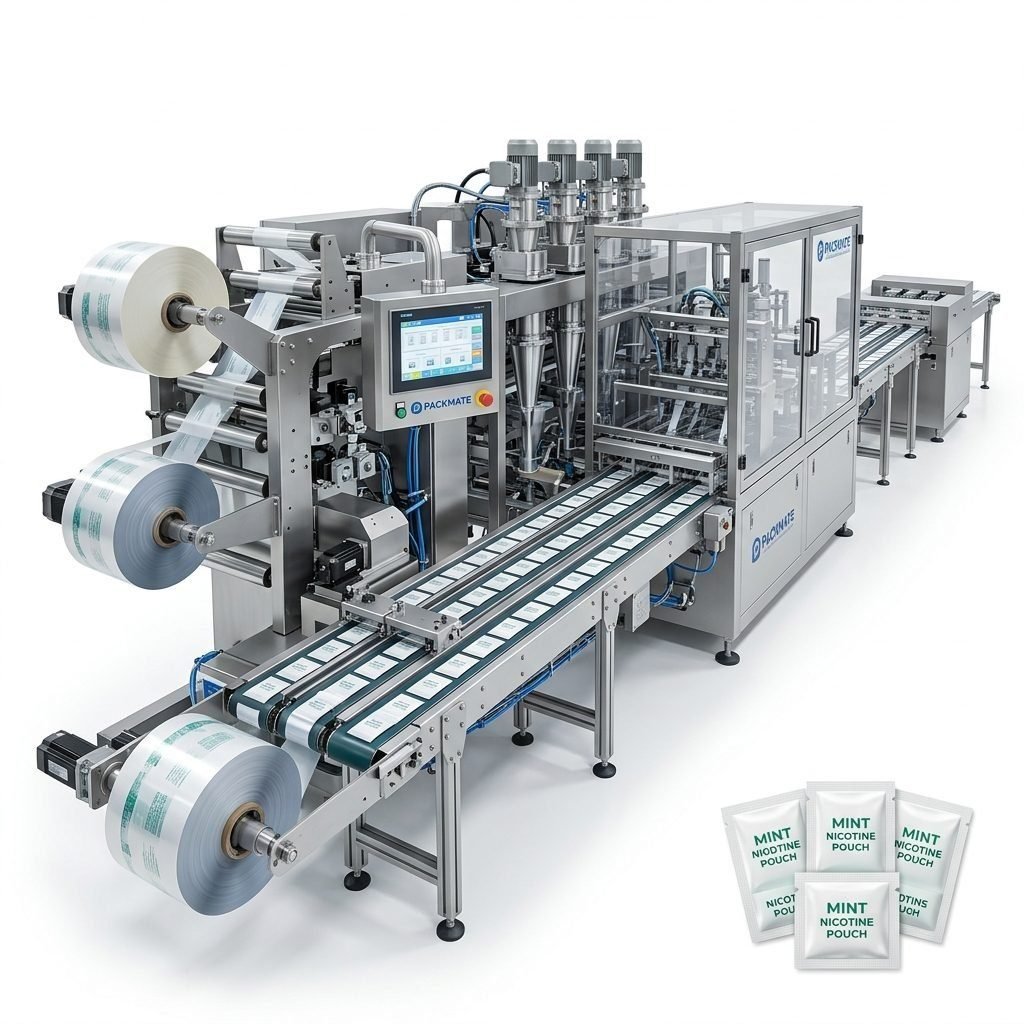
✅ Focus Area: For high-throughput lines, invest in synchronized multi-lane systems rather than parallel single-lane machines — fewer changeovers, consistent quality, and better footprint utilization.
Sealing & Heat Control
Poor seals are one of the most common causes of rejects. Ensure precise temperature control, uniform pressure application, and proper dwell time. Upgrading to systems with zoned heating and real-time temperature feedback can reduce micro-leaks and increase first-pass yield.
Strategies to Reduce Waste
Waste reduction is about both materials and time. Material waste includes off-spec pouches and excess film usage; time waste includes unplanned stops and long changeovers. Target both with a combined approach.
Optimize Material Usage
Reduce film consumption by optimizing film width to pouch size and minimizing margins. Implement automatic web edge steering and use low-tolerance forming tools. When possible, consolidate SKUs into compatible sizes to minimize frequent spool changes.
Minimize Rework and Rejects
Integrate real-time inspection systems — vision for seals and print, and check-weighers for weight accuracy. Immediate automatic rejection of non-compliant units prevents large batches of off-spec products from progressing further, saving materials and downstream labor.
⚠️ Critical: Set clear acceptance thresholds with your QA team and use automated alarms to trigger corrective actions before scrap accumulates.
Maximizing Output Without Sacrificing Quality
Increasing output should never mean compromising on quality. The best approach balances machine capability upgrades, process standardization, and operator training.
Invest in High-Performance Machines
Upgrading to a purpose-built snus packaging machine with high-precision dosing and multi-lane capability is often the fastest route to meaningful production increases. Explore options for modular add-ons such as automated splicing, inline weighing, and vision inspection. See specialized machines here:
Snus & Nicotine Packaging Machines and Weighing & Packaging Systems.
Lean Changeover & Setup
Shorten changeover times using SMED (Single-Minute Exchange of Die) techniques: prepare tools and materials offline, use quick-release fixtures, and train teams on standardized procedures. Reducing changeovers increases productive running time and lowers the per-unit cost.
Operator Training and SOPs
Skilled operators detect subtle issues before they escalate. Implement clear SOPs, hands-on training, and gamified KPIs to encourage consistent performance. Use checklists for start-up, shutdown, and cleaning cycles to ensure consistent machine health and output.
Maintenance, Uptime, and Spare Parts Strategy
Preventive maintenance and a smart spare parts policy are core to uptime. Scheduled lubrication, belt inspections, and seal tooling checks prevent surprise failures. Maintain a small critical parts inventory for items with long lead times.
🔧 Maintenance Rule: Track mean time between failures (MTBF) and schedule parts replacement before end-of-life to avoid emergency downtime.
Service & OEM Support
Choosing a manufacturer with global service capability and fast spare parts distribution reduces downtime risk. If you are evaluating partners, consider companies that offer turnkey lines and local support networks. Learn more about comprehensive service options at
Service and company credentials at
About Packmate.
Data, Automation and the Role of IIoT
Digitalization unlocks new efficiency layers. Use machine PLCs and IIoT sensors to log run rates, rejects, temperature variations, and vibration signatures. Real-time dashboards help shift leaders make decisions, while trend analysis reveals slow degradation before it becomes a breakdown.
Actionable Insights from Data
Implement alerts for abnormal fill weights, seal temperature drift, or spike in rejects. Correlate downtime with shift, material batch, and maintenance actions to identify systemic issues and continuously refine processes.
ROI: How to Justify Investment
Calculate ROI by comparing current output, scrap rates, and labor costs against post-optimization projections. For example, upgrading a dosing system that reduces scrap by 2% and increases run time by 8% can pay back in months for high-volume lines. Include energy savings, reduced film usage, and lower rework labor in your calculations.
📈 Example: A multi-lane snus line that doubles throughput while cutting scrap in half typically recovers capital costs much faster than upgrading multiple single-lane machines.
Selecting the Right Vendor
When choosing machinery or an integrator, prioritize: proven industry experience, after-sale support, modular design, and compatibility with your existing auxiliary equipment. View case studies and machine ranges to ensure the supplier can deliver tailored solutions. See product ranges and case references:
Bag & Pouch Packaging Machines |
Case.
Customization vs. Off-the-Shelf
Off-the-shelf machines are faster to deploy and cheaper initially. Customized lines can better match product complexity and future capacity needs. Assess long-term flexibility and true cost of ownership when deciding.
Sustainability and Regulatory Considerations
Compliance with safety and labeling rules (CE, ISO, local regulations) is non-negotiable. Additionally, sustainable practices — reduced film waste, energy-efficient drives, and recyclable packaging options — lower cost and improve market positioning.
Documentation & Certification
Ensure suppliers provide full documentation, certificates of conformity, and service manuals. A strong partner should offer training, spare parts lists, and local service contact details. For direct inquiries about solutions, contact the supplier:
Contact Us.
Final Implementation Checklist
Use this practical checklist when starting an optimization program:
• Baseline data collection for cycle time, scrap, and downtime
• Prioritize fixes with the highest impact-to-cost ratio
• Invest in precision dosing and synchronized multi-lane sealing
• Implement preventive maintenance and spare parts strategy
• Deploy inspection & IIoT for real-time quality control
Conclusion
Optimizing a snus production line requires a balanced strategy of measurement, targeted equipment upgrades, process standardization, and staff capability building. By focusing on dosing accuracy, synchronized multi-lane processing, preventive maintenance, and data-driven control, manufacturers can significantly reduce waste and increase output — often with fast payback. Choosing an experienced partner that offers modular, serviceable systems and global support accelerates results and safeguards uptime.
Frequently Asked Questions
Q1: What is the single best investment to reduce waste on a snus line?
A1: Upgrading to precision dosing combined with in-line check-weighers typically yields the fastest and most reliable reduction in material waste and rejects.
Q2: How much can multi-lane machines improve throughput?
A2: Multi-lane machines can multiply throughput while reducing per-unit labor and changeovers. The exact gain depends on lane count and upstream/downstream balance, but doubling effective output is common when moving from single-lane to well-synchronized multi-lane setups.
Q3: How important is supplier service and spare parts availability?
A3: Extremely important. Fast access to critical spares and qualified service reduces downtime risk and protects ROI. Verify supplier support networks and stocking policies before purchase.
Q4: Where can I see real-world examples and product specifications?
A4: Review product pages and case studies for practical examples and specifications, such as the Sachet & Stick Pack Machines and documented Case histories.