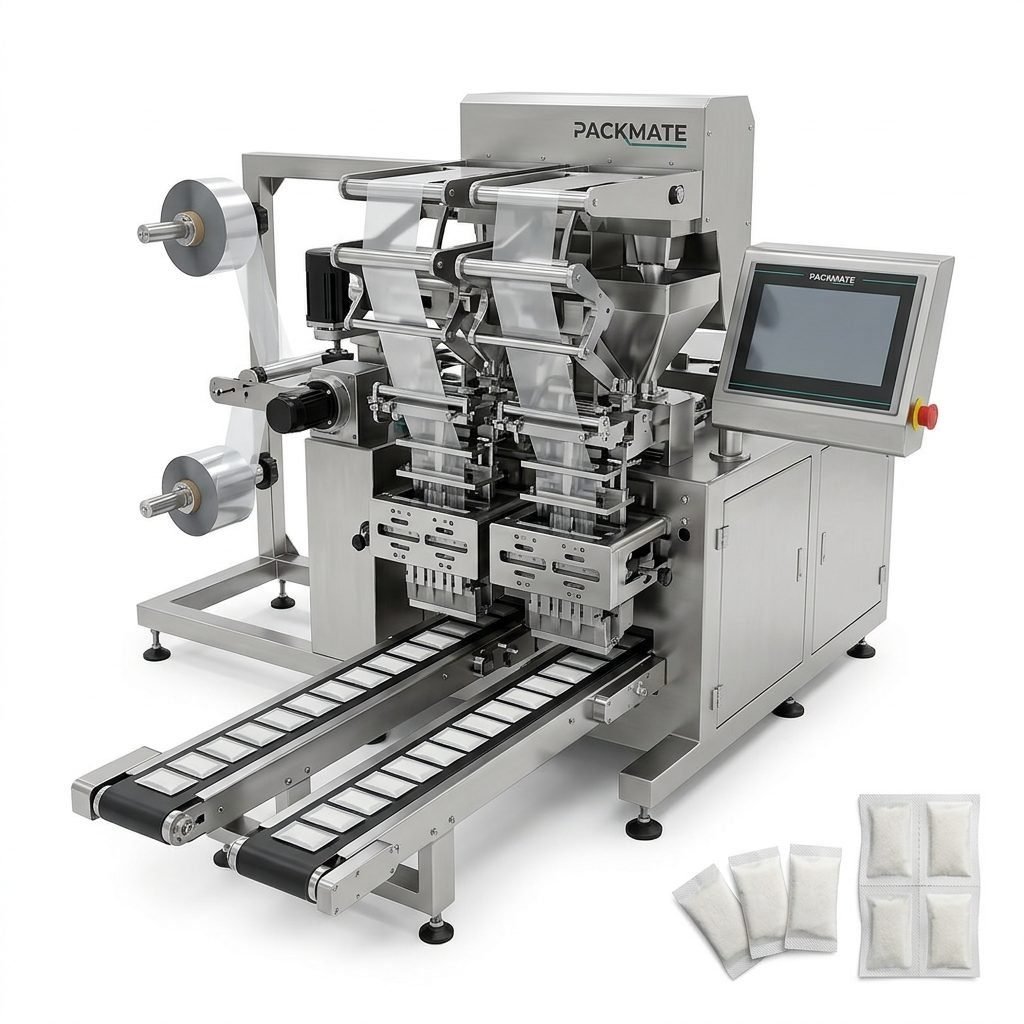
Choosing the right nicotine packaging machinery supplier in Kuwait can be the difference between a smooth production ramp-up and constant downtime. For businesses entering the nicotine pouch or snus market — whether launching a new product line or scaling an existing one — selecting a supplier who understands technical performance, local regulations, and Gulf market practices is critical. This guide walks you through practical steps to evaluate suppliers, highlights Kuwait-specific considerations, and explains what to expect from a trusted partner.
Why supplier selection matters for nicotine packaging in Kuwait
Nicotine pouch packaging requires high-precision machines that handle small-dose products reliably, minimize product loss, and maintain hygienic standards. In Kuwait, market dynamics and regulatory sensitivity mean your packaging partner must deliver machines that meet international compliance, support Arabic labeling and batch traceability, and offer timely after-sales support within the GCC region. Selecting the wrong supplier can lead to long lead times, customs headaches, and costly production interruptions.
Key business outcomes you should expect
🔧 Reliable uptime: Machines built for continuous operation with minimal unscheduled maintenance.
✅ Consistent pouch quality: Accurate filling, sealing, and labeling across lanes and shifts.
🌍 Regulatory readiness: Ability to adapt to label requirements, safety standards, and import rules in Kuwait and neighboring GCC markets.
Step-by-step checklist to evaluate potential suppliers
Use this checklist when you contact suppliers, review proposals, or visit factories. It helps you compare offers objectively and avoid surprises later in the procurement process.
1. Manufacturing experience and product focus
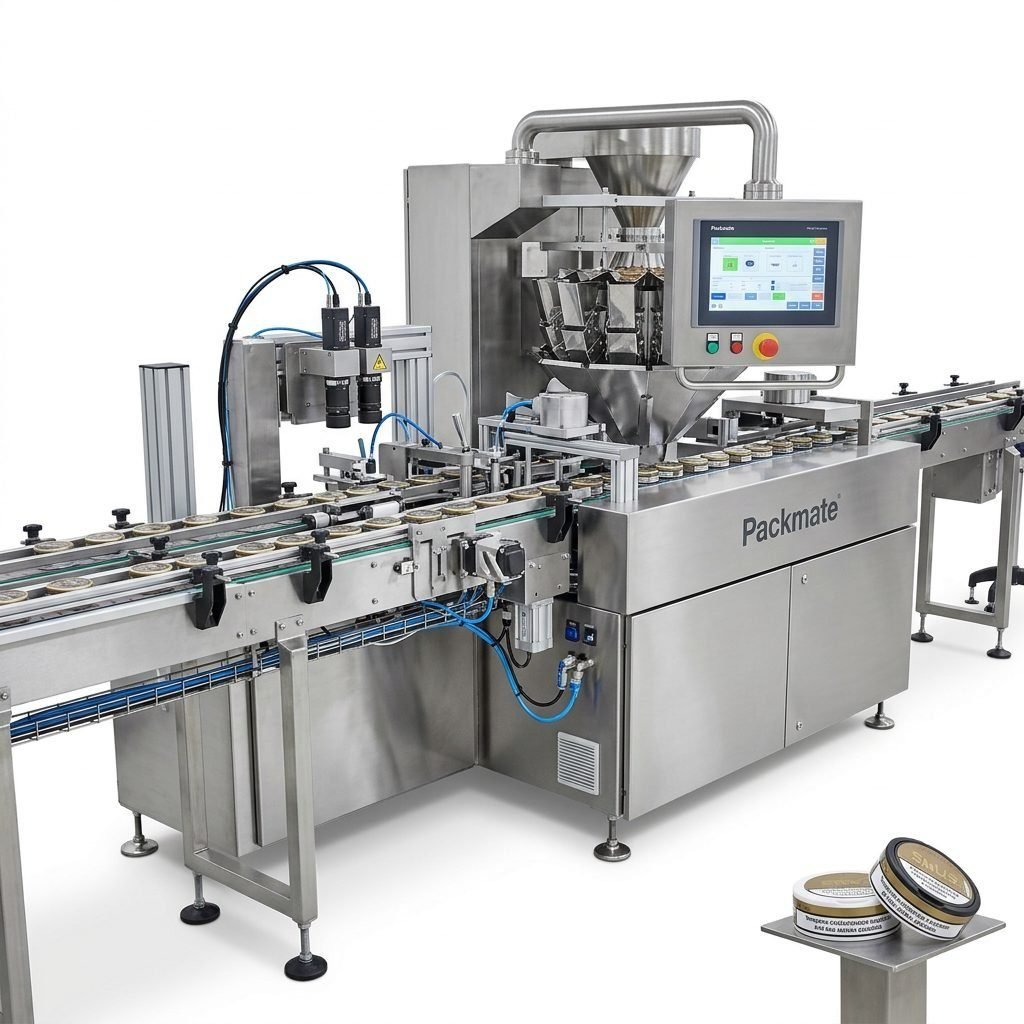
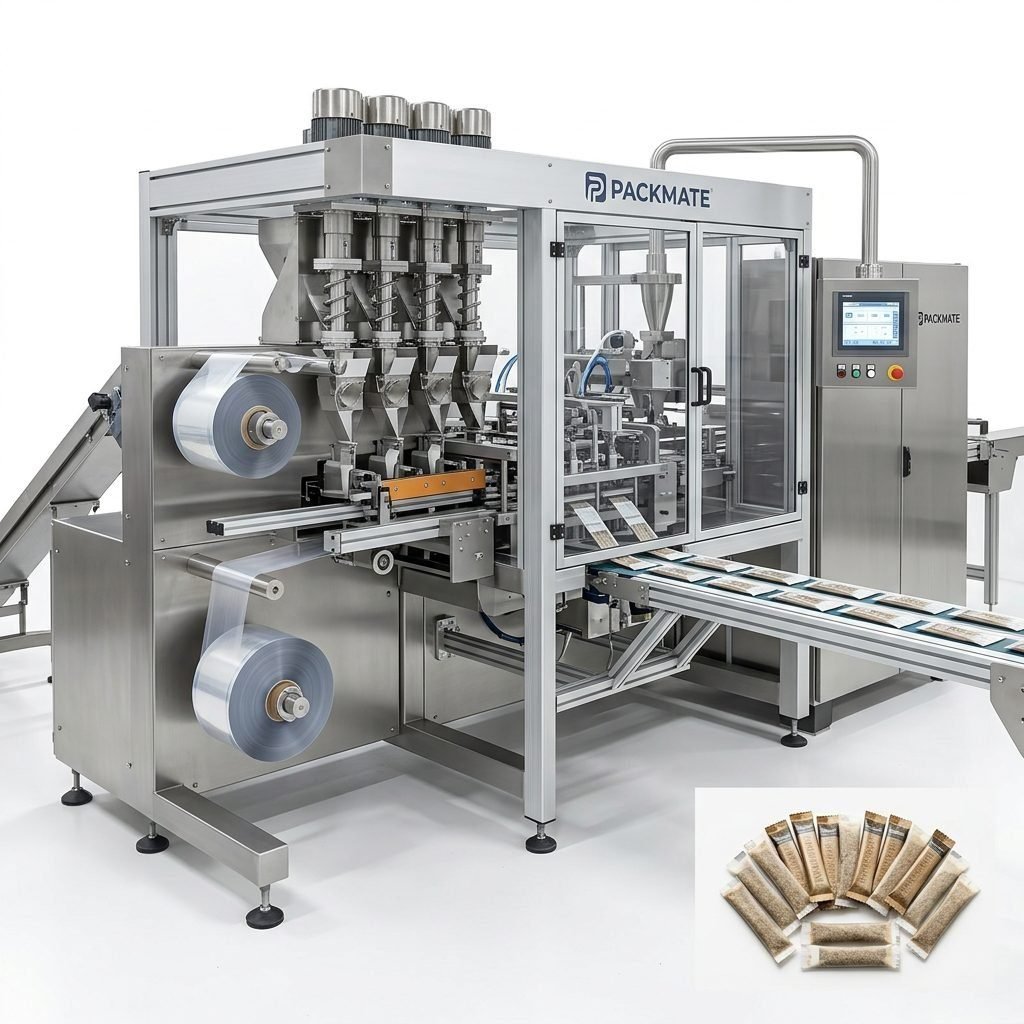
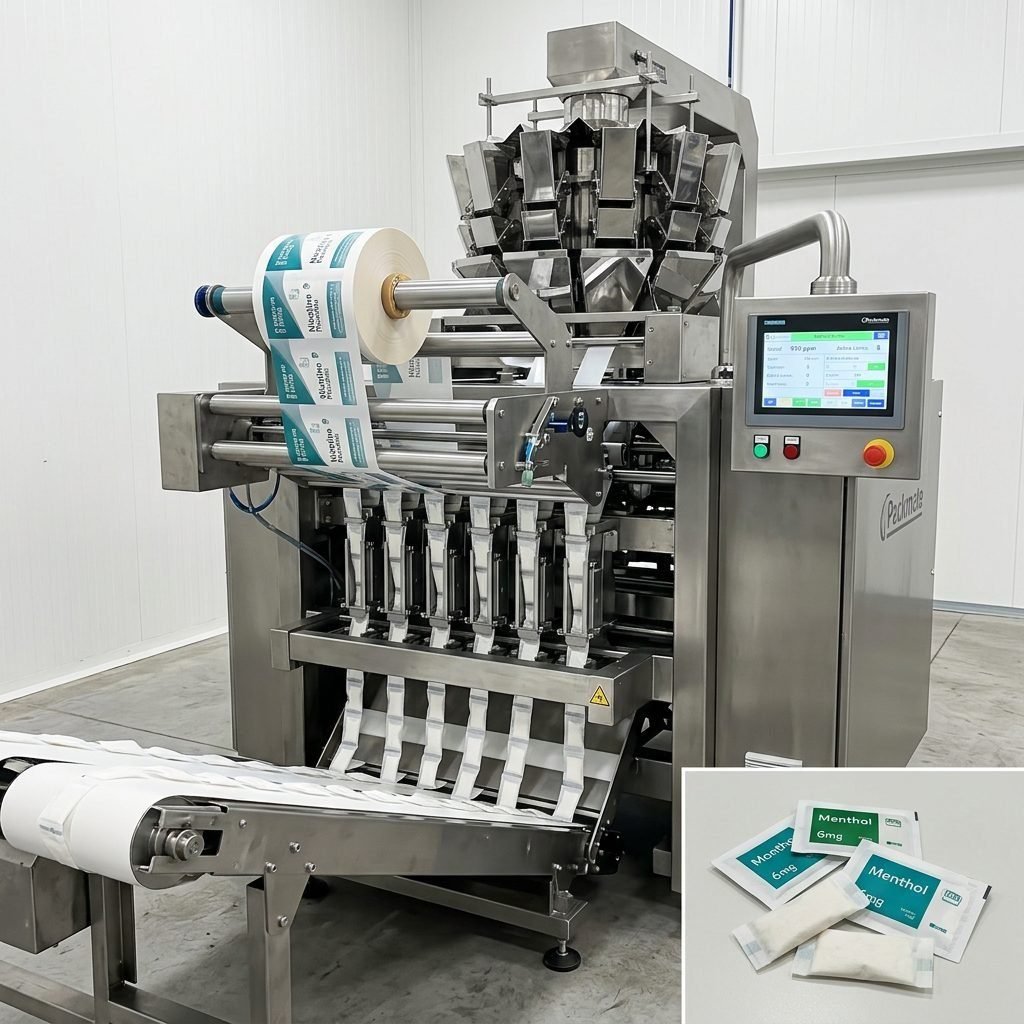
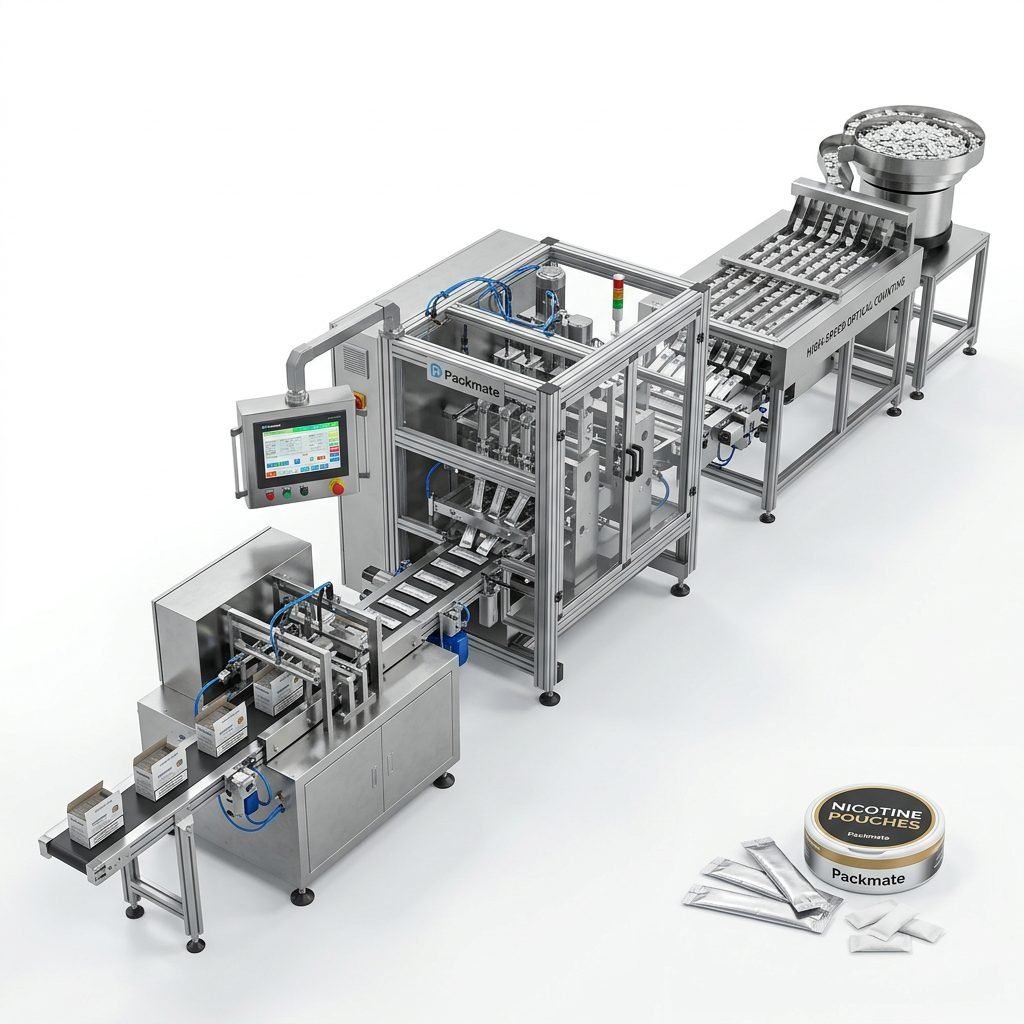
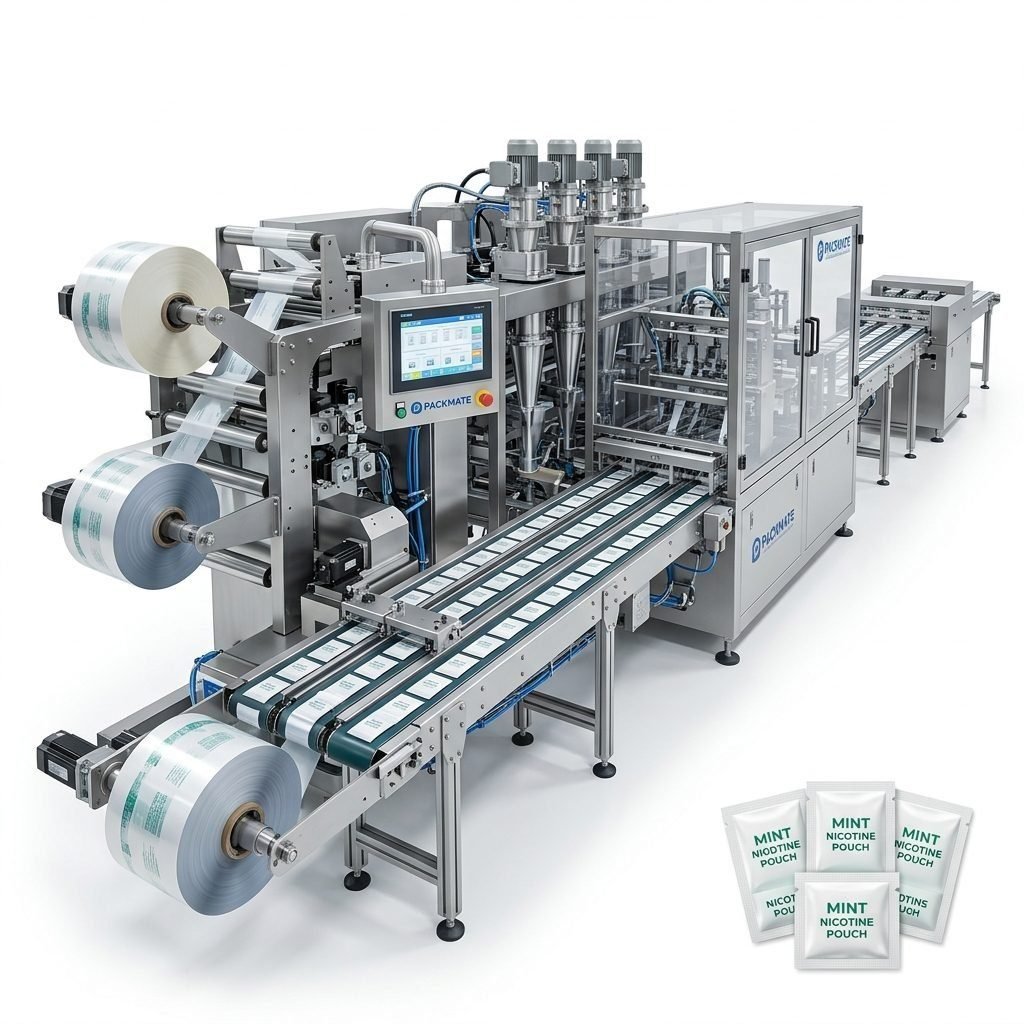
Look for suppliers with proven experience in snus or nicotine pouch packaging. A company with decades of engineering expertise and a broad model range can offer tailored solutions and faster troubleshooting. For example, manufacturers that provide specialized lines for snus, stick packs, and multi-lane pouch machines are better positioned to meet your needs. Explore specific product categories like Snus & Nicotine Packaging Machines and Bag & Pouch Packaging Machines to see relevant options.
2. Compliance, certifications and documentation
Verify CE, ISO, and other applicable certificates. Beyond certificates, ask for test reports, FAT (Factory Acceptance Test) videos, and machine validation documents. These items help customs clearance and demonstrate to Kuwaiti regulators that your line adheres to international safety and quality standards.
3. Range of machine models and customization
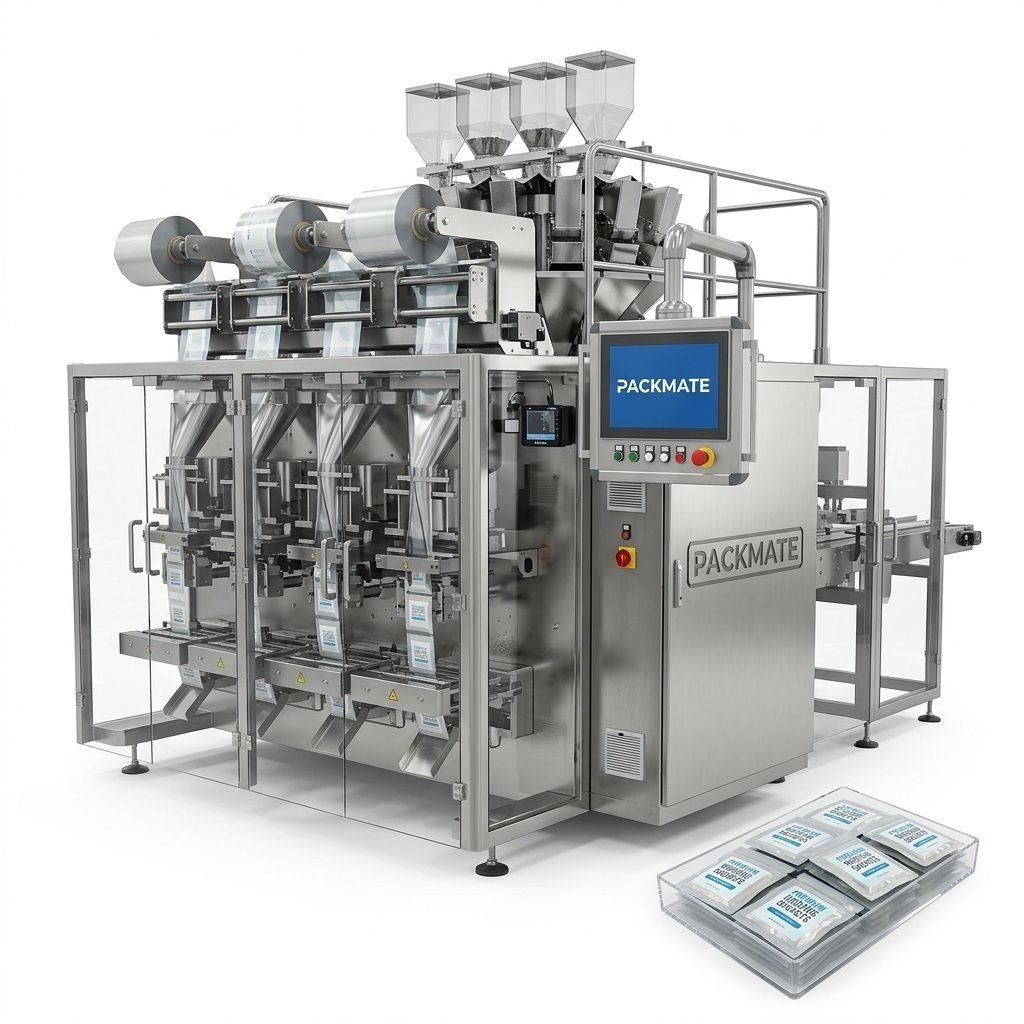
A supplier offering 50+ machine models and turnkey solutions is more likely to provide a good fit — from single-lane trials to high-output multi-lane production. Check if the supplier can adapt dosing systems, pouch sizes, and sealing types to match local packaging preferences and Arabic label placement. You can review detailed options under Sachet & Stick Pack Machines and Filling & Packaging Lines.
4. Spare parts, local support and lead times
In Kuwait, fast access to spare parts and qualified technicians is crucial. Confirm whether the supplier stocks critical spares, offers regional service partners, or provides remote support. Ask about typical lead times for replacement parts and warranty terms — shorter response times mean less downtime and saved operating costs.
5. After-sales training and documentation
Effective operator and maintenance training reduces human error and improves machine life. Request on-site commissioning, operator manuals in English and Arabic, and maintenance schedules. Some suppliers include extended training packages and multilingual documentation as part of their Service offering.
Kuwait-specific considerations and cultural insights
Selling and operating nicotine products in Kuwait comes with cultural and regulatory nuances — and your packaging partner should understand them.
Regulations and import controls
Kuwait enforces strict import regulations and labeling requirements. Ensure your machines can print or apply Arabic labels, lot codes, and production dates in the formats accepted by Kuwaiti authorities. Work with a supplier that provides clear documentation for customs and can assist with export paperwork to accelerate clearance.
Consumer preferences and packaging style
Kuwaiti consumers often prefer premium, discreet packaging for nicotine pouches. Designs that emphasize hygiene, resealability, and portability perform well. Choose machines that support flexible pouch formats (reclosable tins, sachets, stick packs) and high-quality printing or labeling to meet these preferences.
Business etiquette and timelines
Building trust is important in Gulf business culture. Expect longer negotiation cycles and the value of relationship-building meetings. Suppliers who offer transparent timelines and who can travel to Kuwait or host visitors at their factory increase confidence and shorten purchase cycles.
Technical features to prioritize for nicotine pouch lines
When reviewing machine specifications, focus on features that directly impact product consistency, hygiene, and throughput.
⚙️ Multi-lane capability: Produces multiple pouches per cycle to increase output while maintaining small-dose accuracy.
🔬 Precision dosing: Gravimetric or volumetric systems with low variance for nicotine pouches.
🧼 Food-grade contact parts: Stainless steel and hygienic design to prevent contamination.
🖨️ Integrated printing & serialization: For batch codes, dates, and regulatory marks, including Arabic script support.
Commercial terms and pricing transparency
Price is important, but the lowest quote isn’t always the best value. Compare total cost of ownership including installation, training, spare parts, consumables, and energy consumption. Ask suppliers to provide:
- Detailed equipment scope and optional extras
- Warranty coverage and exclusions
- Estimated annual maintenance costs
- Spare parts list with recommended stocking levels
- Payment terms, delivery schedule, and incoterms
How to validate a supplier before purchase
Before committing, use these validation steps to verify claims and reduce procurement risk.
1. Factory visit or virtual tour
Inspect manufacturing capability, assembly lines, CNC centers, and quality control processes. If travel isn’t feasible, request a live virtual tour and FAT videos demonstrating machines running your product format.
2. References and case studies
Ask for customer references and international case studies. A supplier that has delivered to Europe, Asia, or the Americas — and works across the nicotine, food, and pharmaceutical industries — can provide valuable cross-industry best practices. See examples in their Case library to assess real-world performance.
3. Performance guarantees
Negotiate acceptance criteria (yield, cycle speed, sealing quality) and include them in the contract. A supplier willing to commit to measurable KPIs shows confidence in their engineering and after-sales support.
Logistics, installation and local setup in Kuwait
Plan for customs clearance, import duties, and on-site assembly. Preferred suppliers will offer cradle-to-cradle support including packaging for sea freight, export documentation, and coordination with local agents. Ensure the supplier provides a clear installation plan, including electrical and compressed air requirements, foundation needs, and operator training schedules.
Local partnerships and spare parts hubs
Suppliers with regional partners or spare parts hubs in the Middle East shorten lead times and reduce downtime. Confirm whether they align with local service providers or can dispatch engineers to Kuwait quickly.
Why working with an experienced turnkey supplier matters
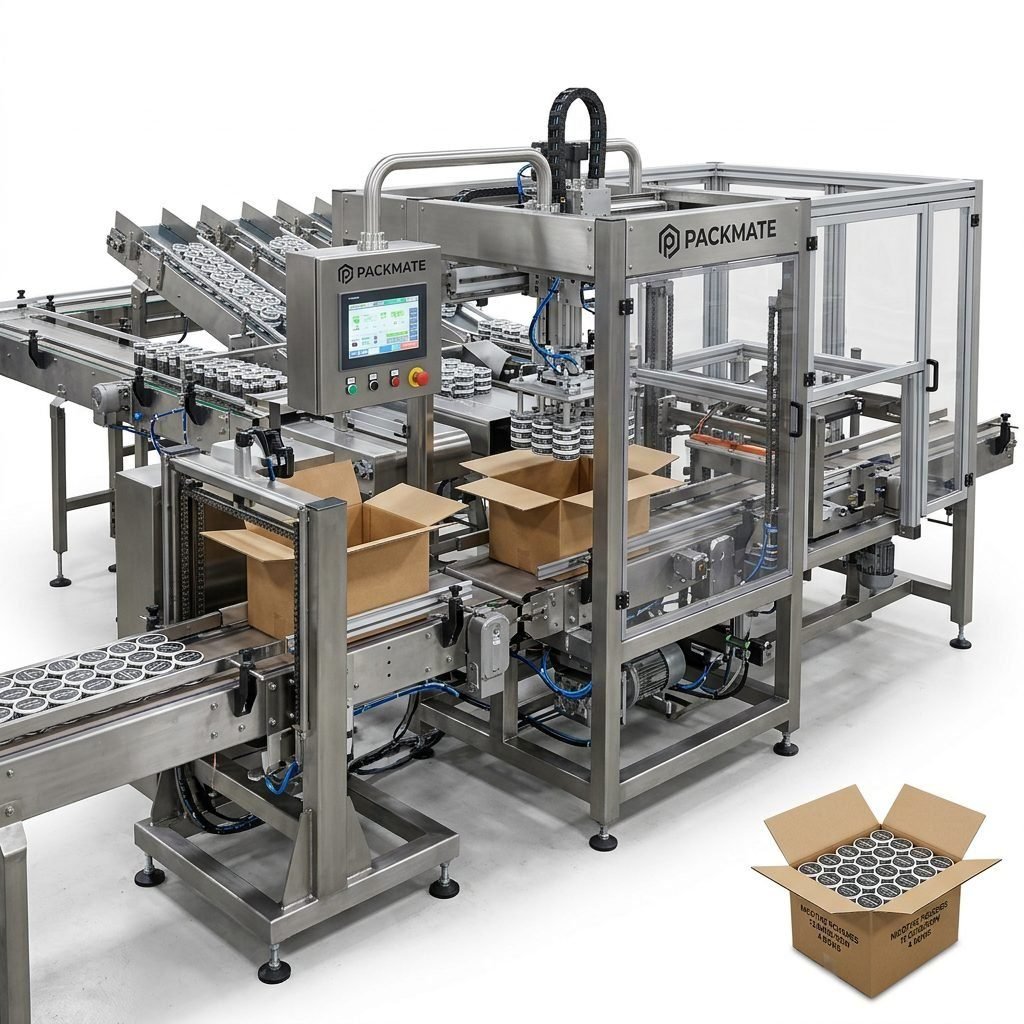
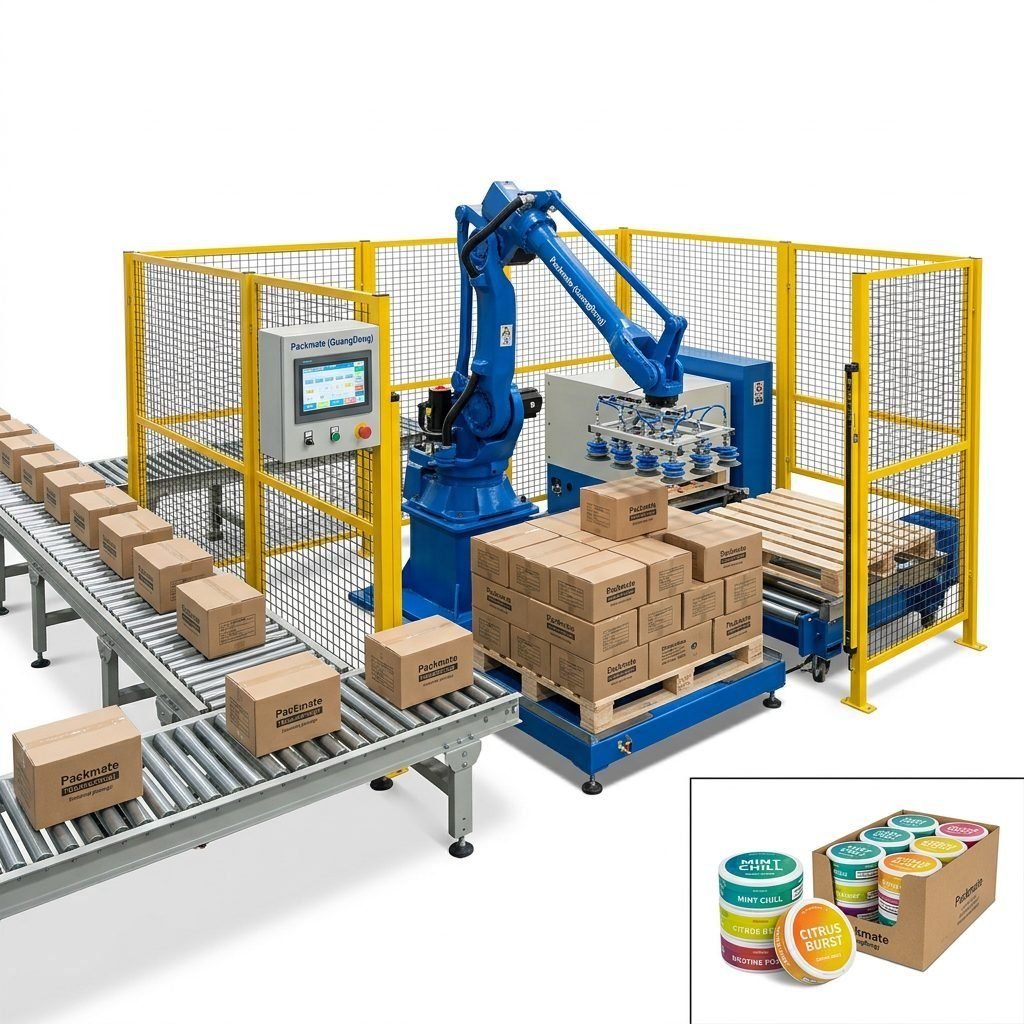
A turnkey provider that offers integrated systems — from weighing and filling to pouch forming and secondary packaging — simplifies integration, reduces compatibility issues, and speeds time-to-market. Look for companies that provide complete lines, including auxiliary packaging equipment and weighing & packaging systems. If you want a direct introduction to a turnkey solution, check their Filling & Packaging Lines and Auxiliary Packaging Equipment pages for examples.
📦 Turnkey advantages: single point of responsibility, proven line integration, consistent documentation, simplified spare parts planning.
Questions to ask during supplier negotiations
Bring a focused list of technical and commercial questions to your meetings. Here are high-impact questions that reveal supplier capability and commitment:
- Can you demonstrate machines running our exact pouch size and blend?
- What is your typical lead time and production capacity per model?
- How do you support Arabic labeling and regulatory documentation for Kuwait?
- What are recommended spare parts and stocking levels for continuous operation?
- Do you provide remote diagnostics and what is your average response time?
How Packmate-style suppliers can help (example resources)
Established manufacturers with three decades of R&D and a wide product portfolio offer distinct benefits: extensive machine choices, factory testing, and global case experience. For more information about a supplier’s background and exhibition presence, review their About Packmate, Our Exhibition, and Certificate pages. If you need to contact a sales engineer for tailored recommendations, use the Contact Us channel to start a conversation.
Final selection tips — making the decision with confidence
Synthesize technical fit, commercial terms, and local readiness — and weigh long-term servicing capability heavily. Visit the supplier or request a FAT, secure clear performance guarantees, and confirm after-sales commitments in writing. A reliable supplier will offer transparent documentation, multi-lane snus packaging options, and a practical route to support your growth in Kuwait and the wider GCC market.
Useful resources
Explore product portfolios and technical details before final conversations:
Conclusion
Choosing the best nicotine packaging machinery supplier for your Kuwait business requires a balance of technical capability, regulatory understanding, and strong after-sales support. Prioritize suppliers with proven snus and nicotine packaging experience, clear certification, robust spare parts strategies, and the ability to support Arabic labeling and local regulatory needs. By following a structured evaluation process — factory validations, performance guarantees, and transparent commercial terms — you will minimize risk and build a resilient production line ready for the Gulf market.
Frequently Asked Questions
Q1: How do I ensure the machine meets Kuwaiti labeling and language requirements?
A1: Ask for integrated printing capability that supports Arabic scripts and confirm label positioning during FAT. Request sample prints to verify clarity and placement.
Q2: What spare parts should I keep in Kuwait to avoid downtime?
A2: Keep critical wear parts (seals, belts, dosing nozzles), electrical components, and at least one spare PLC module. Your supplier can provide a recommended spare parts list based on expected throughput.
Q3: Are there local technicians who can service high-end snus packaging machines?
A3: Many leading suppliers maintain regional partners or can send certified engineers for commissioning and training. Confirm local service coverage before purchase to ensure rapid response times.
Q4: Can I test my product on a supplier’s machine before ordering?
A4: Yes — request a Factory Acceptance Test (FAT) and live trials with your specific pouch format. Reputable suppliers will demonstrate machines using your materials to confirm performance.
Q5: What documentation should accompany the machine shipment?
A5: Include CE/ISO certificates, operation and maintenance manuals (English & Arabic if available), FAT reports, spare parts lists, wiring diagrams, and export/import paperwork to facilitate customs clearance in Kuwait.