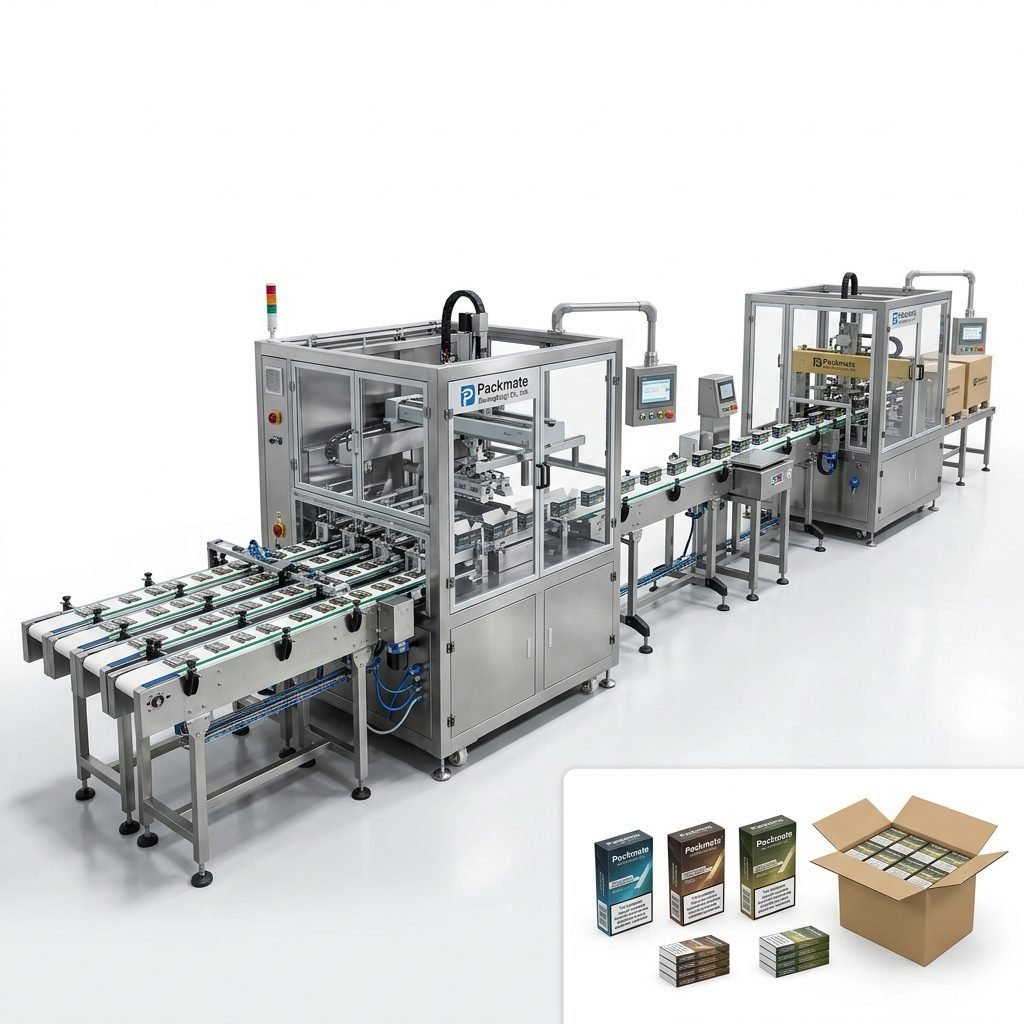
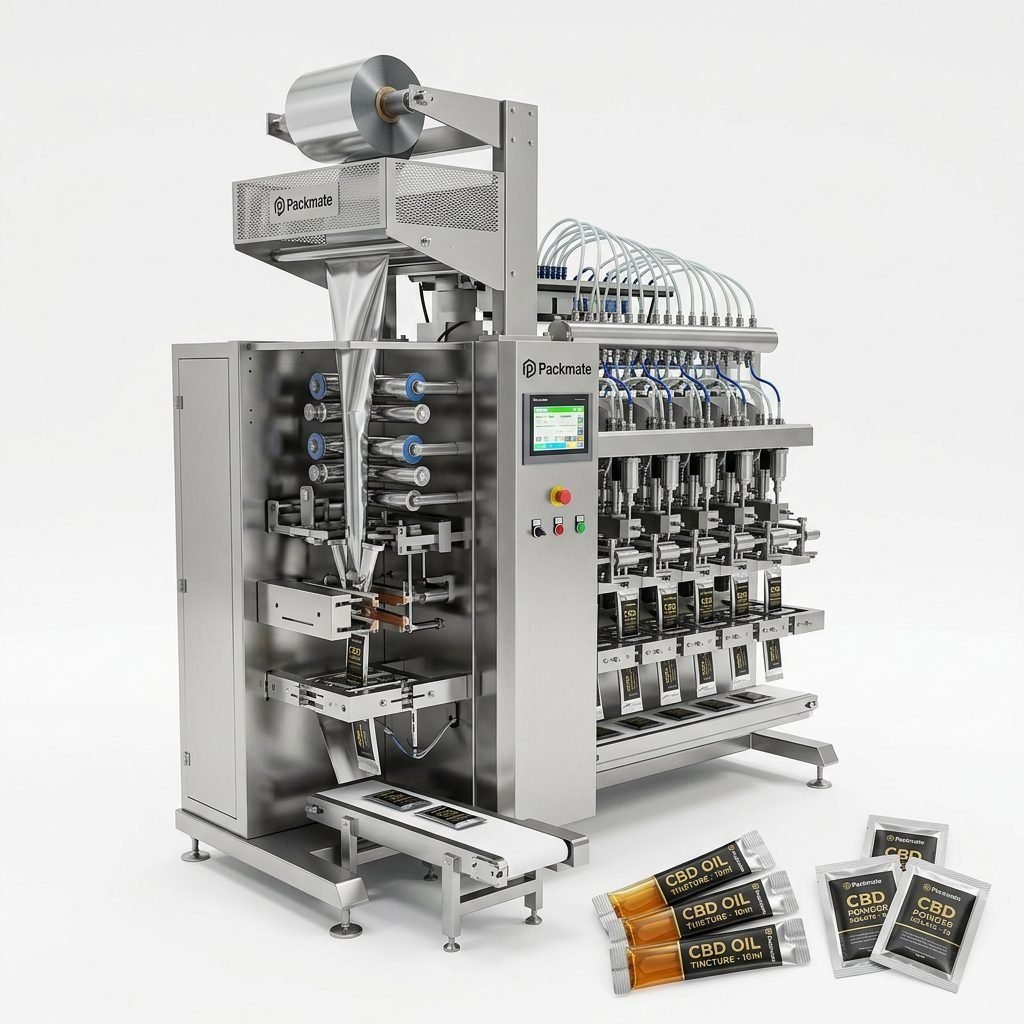
Choosing the right snus packaging machinery supplier is a critical decision for manufacturers of nicotine pouches, snus, and related consumer products. The wrong partner can cost you production uptime, inconsistent product quality, regulatory headaches, and higher long-term expenses. This guide walks you through the key factors to evaluate—production needs, machine types, customization options, quality assurance, after-sales support, and total cost of ownership—so you can confidently select the supplier that matches your business goals and production strategy.
1. Start by Defining Your Production Requirements
Every purchasing decision should begin with a clear specification of your production needs. Consider capacity, product formats, and end-package style:
🔧 Daily and annual output targets: Determine pieces per minute and total annual throughput you need to justify automation investment.
📦 Package formats: Are you producing single-dose pouches, multi-pouch trays, stick packs or sachets? Different machines excel in different formats.
🧩 Product form and dosage: Nicotine pouches, powders, granules, or wet formulations all have handling nuances that influence machine choice.
Quick checklist
✅ Desired production speed • ✅ Product formats • ✅ Fill accuracy requirements • ✅ Floor space and utilities • ✅ Integration with upstream / downstream systems
Pro tip: Document your peak and average production demands. Suppliers will use that data to recommend single-lane or multi-lane snus packaging systems.
2. Understand Machine Types and What They Deliver
Not all packaging machines are created equal. Familiarize yourself with the common types and what they offer for snus and nicotine pouches:
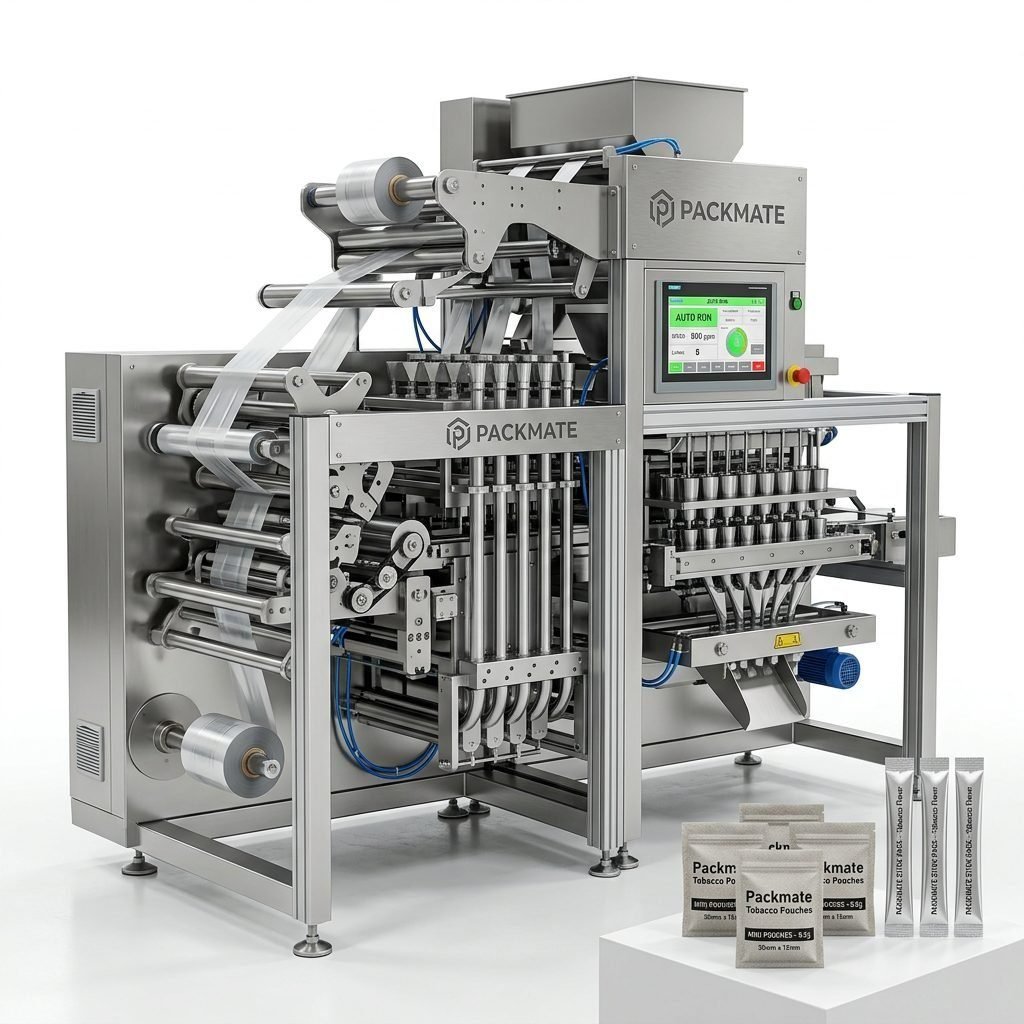
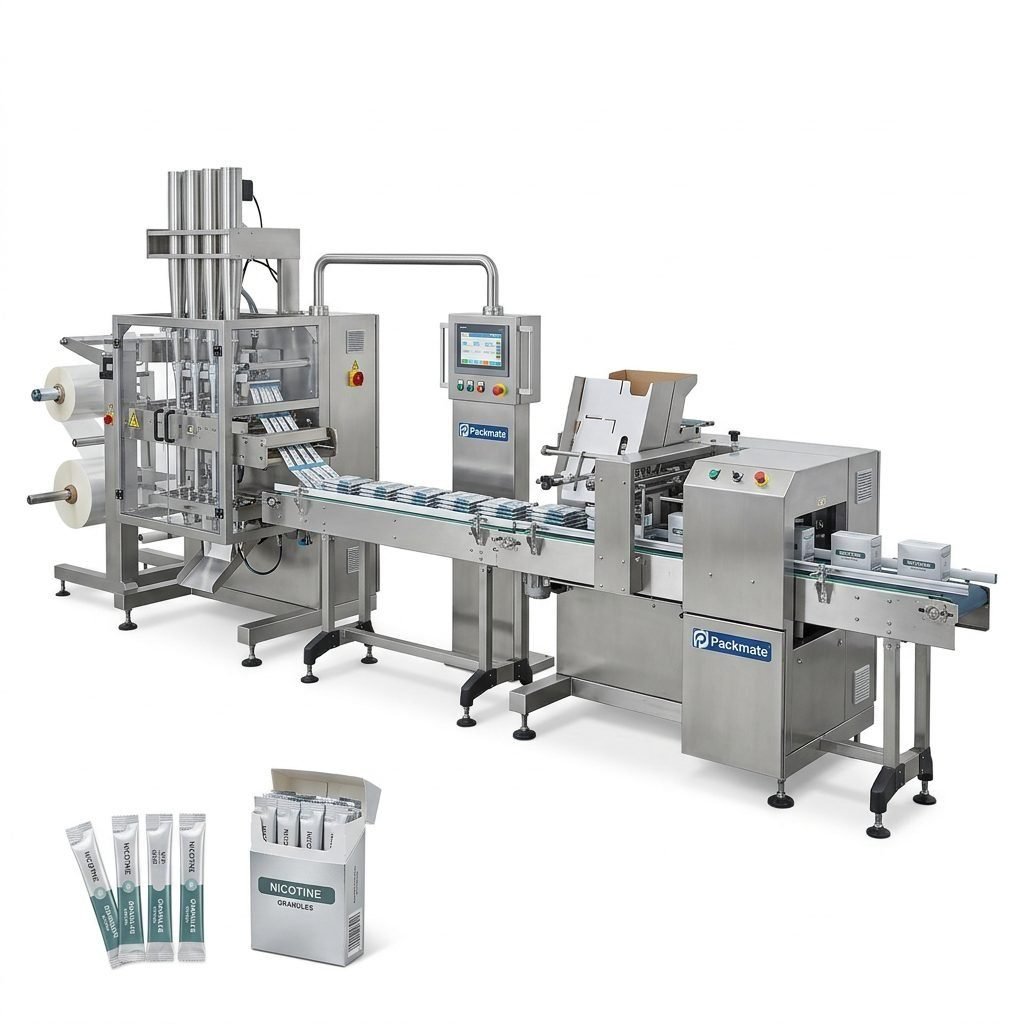
🔹 Stick pack and sachet machines: Ideal for single-serve pouches with fast production speeds.
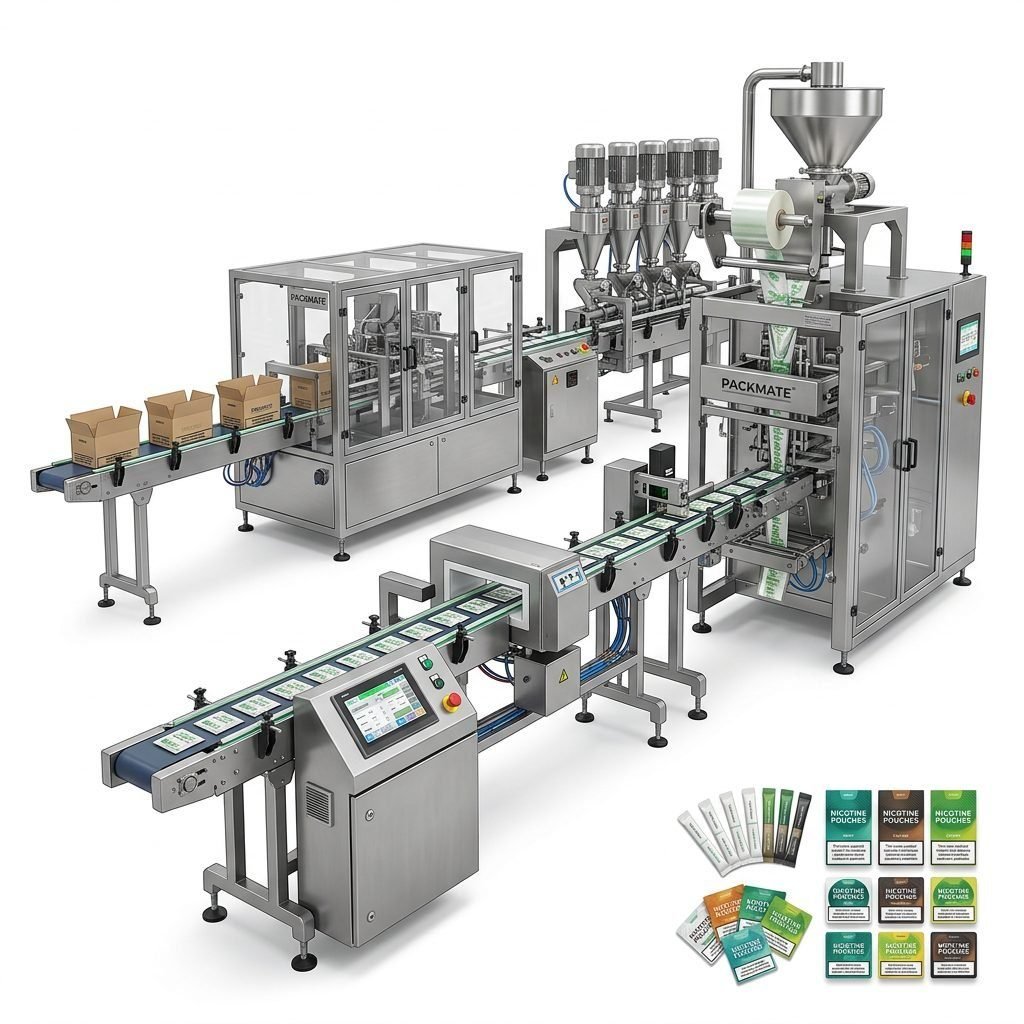
🔹 Multi-lane pouch systems: Best for high-volume operations—multiple lanes reduce cost per pouch.
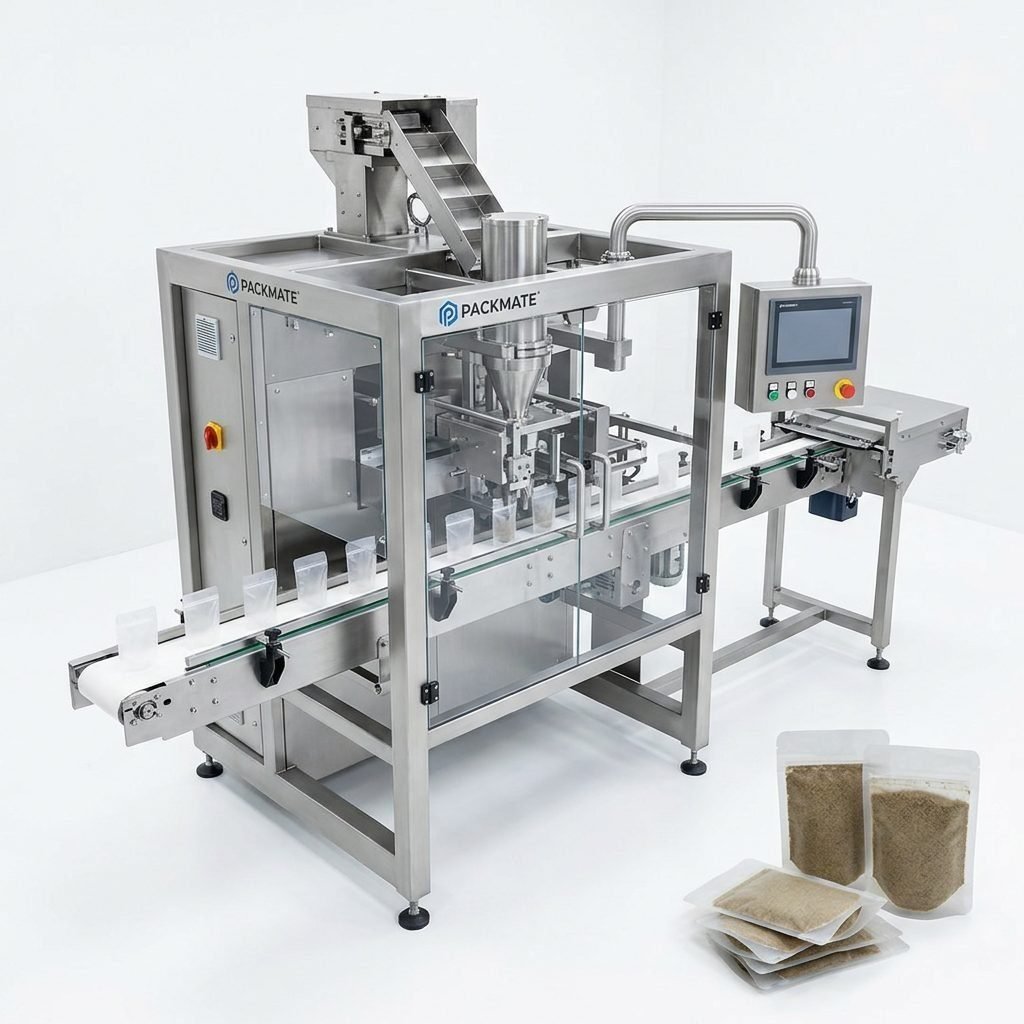
🔹 Weighing and filling systems: Required when strict dose control is essential. Accuracy affects regulatory compliance and customer satisfaction.
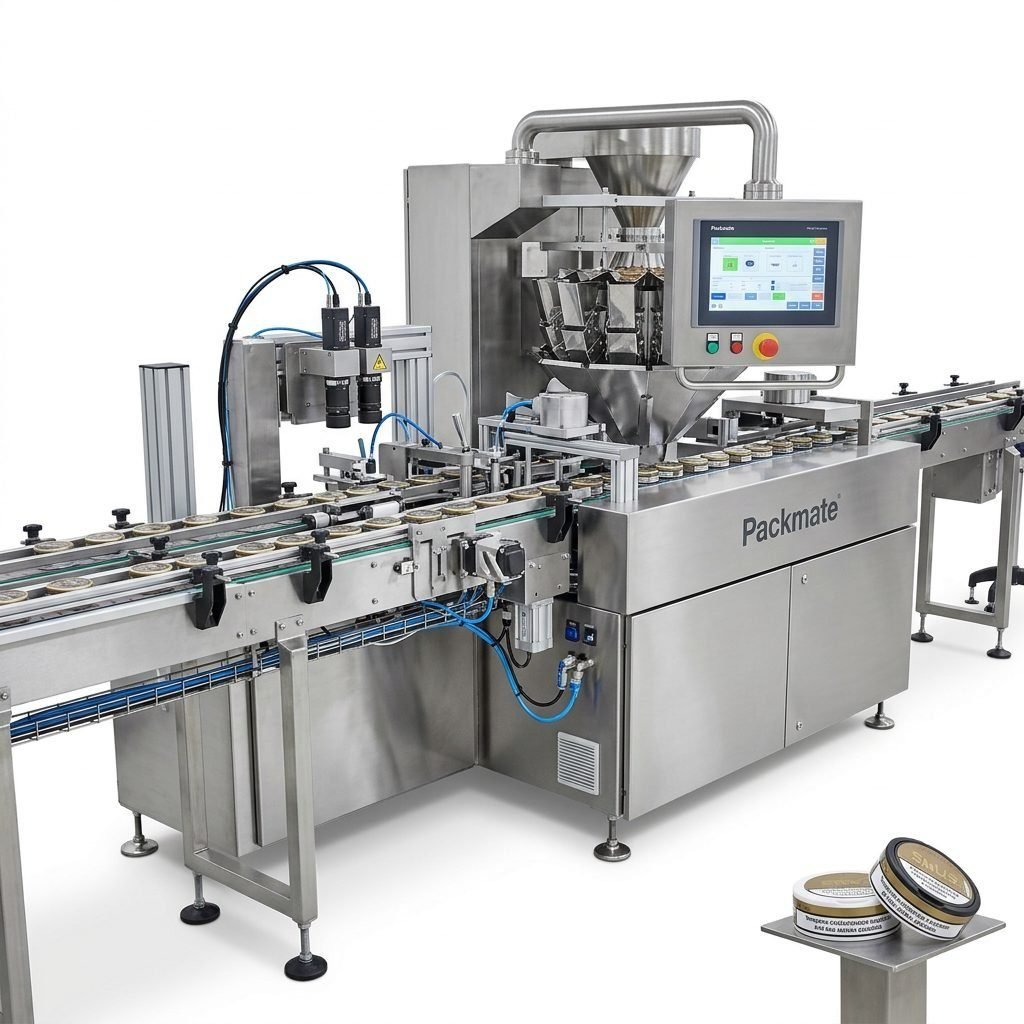
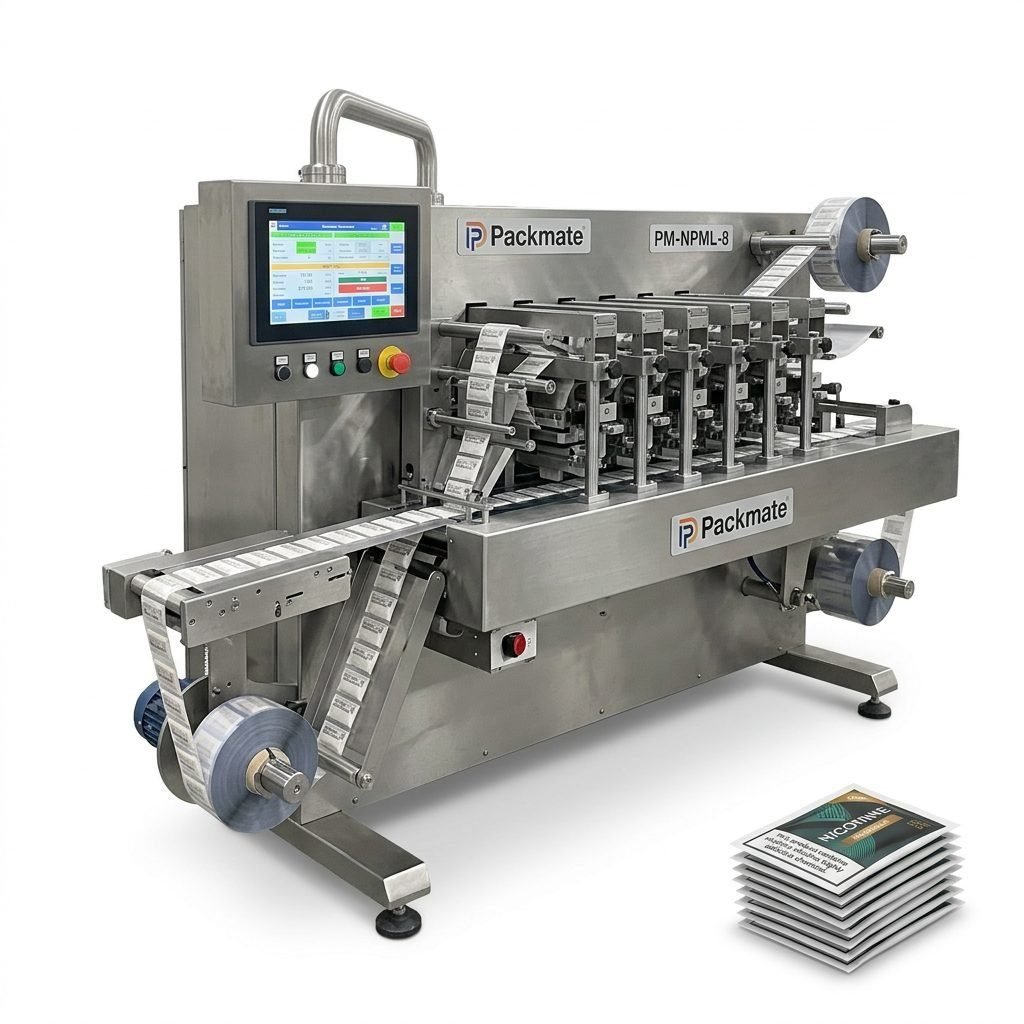
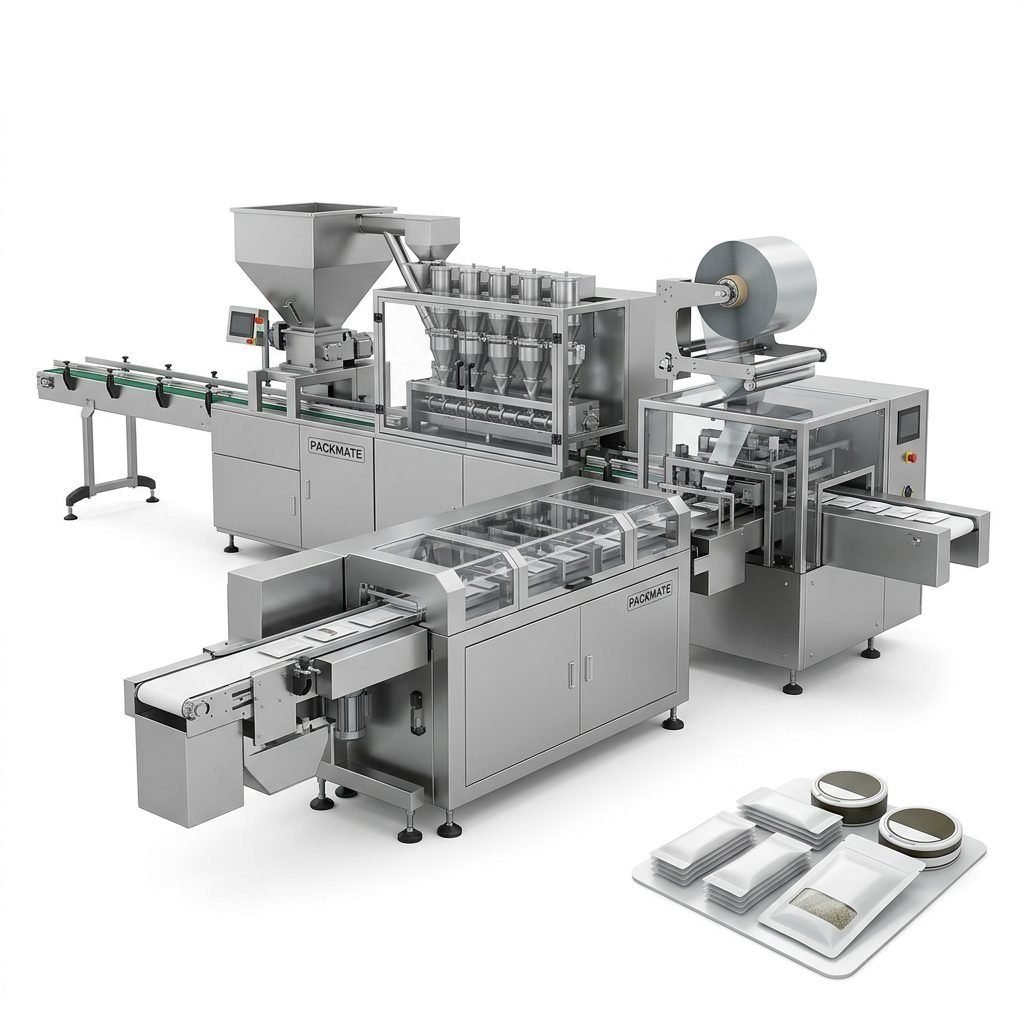
If you want to explore technical models and options, see relevant product lines such as Snus & Nicotine Packaging Machines and Sachet & Stick Pack Machines.
3. Evaluate Supplier Capabilities and Factory Strength
Production equipment is only as good as the engineering behind it. Assess a supplier’s manufacturing footprint, experience, and quality control processes:
🏭 Manufacturing scale: Suppliers with large, modern facilities (CNC centers, precision assembly lines) indicate robust capability to supply consistent machines and spare parts.
📜 Industry experience: Companies with decades in packaging machine R&D bring valuable process knowledge and continuous improvements.
A well-documented supplier profile and case studies give insight into real-world performance—review sections like About Packmate and Case for references and line examples.
Indicator to look for: Factory area, number of machine models, and certifications (CE / ISO). These signal the supplier’s ability to meet international regulatory and quality expectations.
4. Quality, Certifications and Regulatory Compliance
When packaging nicotine products you must ensure equipment supports hygienic design, material compatibility, and traceability. Ask about:
⚖️ Calibration and accuracy: Weighing systems must consistently meet tolerance for dosage—request accuracy reports.
🧼 Hygienic construction: Stainless steel contact parts, easy-to-clean designs, and enclosed dosing are important for product integrity.
🔒 Certifications: CE and ISO compliance demonstrate adherence to international safety and quality standards; confirm certificates and audit records.
Documentation to Request
Product datasheets, IQ/OQ/PQ documentation, material certificates for contact parts, and maintenance manuals. These will reduce commissioning time and help with regulatory inspections.
5. Customization, Integration and Turnkey Solutions
A supplier that offers turnkey lines and customization can reduce integration risks. Consider:
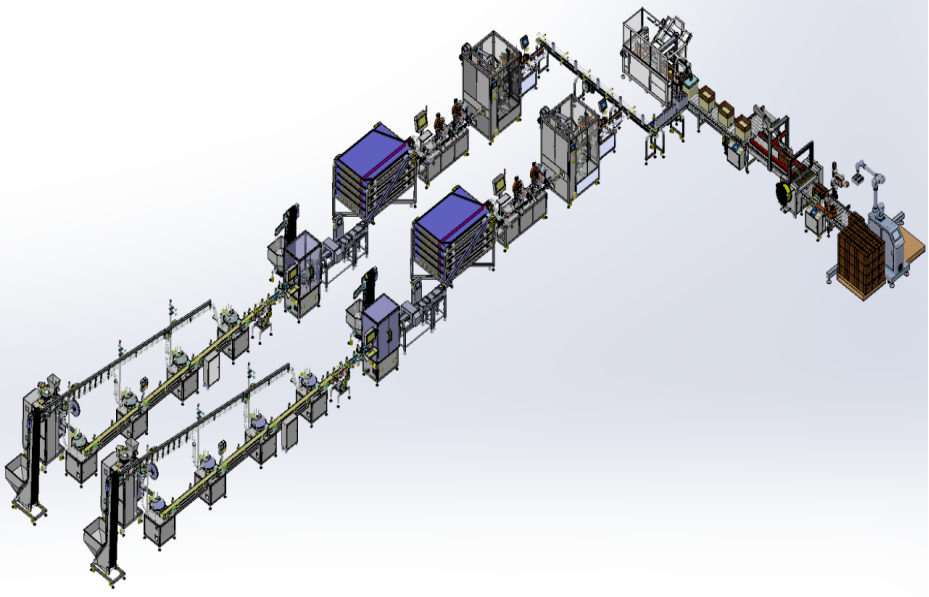
🔁 Line integration: Can the supplier provide filling, transport, packaging, and case packing as a single solution?
🛠️ Customization capability: Tailoring tooling, lane counts, and control software to your SKUs avoids costly retrofits later.
If you need full production lines, explore the supplier’s range of Filling & Packaging Lines and Weighing & Packaging Systems to compare integration strategies.
Integration note: A single supplier for multiple stations typically shortens commissioning time and simplifies spare parts management.
6. After-Sales Support, Spare Parts and Training
Even reliable machines need support. Evaluate the supplier’s service model:
📞 Local service network: Remote support is useful, but local technicians and spare parts warehouses dramatically improve uptime.
⏱️ Response and turnaround times: Ask for guaranteed response windows and spare parts lead times.
🎯 Operator & maintenance training: On-site and virtual training programs reduce human error and shorten the learning curve.
Service level indicators
Average spare parts shipment time • Remote diagnostic capability • Contracted preventive maintenance plans • Availability of replacement tooling
7. Total Cost of Ownership (TCO) — Not Just the Purchase Price
Focus on long-term costs: energy, consumables, downtime, maintenance, and spare parts. Evaluate:
💡 Energy efficiency: Machines with optimized motors and controls reduce operating costs in high-volume production.
🔩 Consumables and tooling life: Durable tooling and affordable consumables reduce per-unit costs.
📈 Upgrade paths: A machine that supports future upgrades (higher lane counts, FPS increases) improves capital utilization.
8. Visit the Factory, Witness Factory Acceptance Tests (FAT)
A factory visit or virtual FAT provides essential reassurance:
🧭 See production in action: Observe machine build quality, assembly standards, and test procedures.
🔎 Run a FAT: Validate performance using your product or closely matched material. FAT reduces surprises during site installation.
Ask for: FAT video, test reports, and a list of spare parts shipped with the machine for first months of operation.
9. References, Case Studies and Global Track Record
Reliability shows up in real operations. Request references and case studies relevant to your product and market. Look for:
🌍 Global deployment: A supplier with installations across Europe, Asia, and the Americas demonstrates adaptability to different regulations and market practices.
📚 Detailed case studies: Real metrics—uptime, production speeds, line yield—are more valuable than marketing claims.
Explore examples and exhibition info to validate supplier presence and expertise: Our Exhibition.
10. Negotiating Terms: Warranty, Delivery and Payment
Contract terms are important and negotiable. Items to negotiate:
⚖️ Warranty scope and duration: Ensure mechanical, electrical and control systems are covered.
📦 Delivery and installation dates: Include penalties or remedies for missed milestones if critical to your launch.
💳 Payment schedule: Link payments to milestones—design review, FAT completion, shipment, and successful site acceptance.
11. Final Evaluation and Selection Matrix
Create a weighted scoring matrix to compare suppliers across key categories: technical fit, quality and certifications, service, TCO, lead time, and references. Score each vendor and include qualitative notes from factory visits and FATs.
Decision trigger: Prefer the vendor that meets your technical specs, shows measurable performance in similar cases, offers reliable service, and provides a clear upgrade path.
Why Packmate Snus Machine is Often Considered
Vendors with long engineering heritage and large manufacturing capacity are attractive partners. For example, Packmate Snus Machine highlights include decades of experience, a 20,000㎡ factory, 50+ machine models, and full turnkey solutions—all backed by CE and ISO certifications. For more details on their product range, view Bag & Pouch Packaging Machines and Contact Us to arrange factory visits or technical consultations.
Quick recap before you buy
Evaluate your needs, inspect machine types, verify supplier manufacturing strength and certifications, demand FATs and references, and negotiate terms that protect your schedule and investment.
Common Questions (FAQs)
Q1: What is the typical lead time for snus packaging machines?
A1: Lead times vary by model and customization, but expect 12–24 weeks for standard multi-lane systems; expedited builds may be possible for stock models.
Q2: How important are certifications like CE and ISO for packaging machines?
A2: Very important. Certifications confirm safety and quality management practices, and they ease market entry in regulated regions.
Q3: Can suppliers provide turnkey lines including weighing and filling?
A3: Yes. Many suppliers offer integrated filling, weighing and packaging lines to simplify commissioning and spare parts management.
Q4: What after-sales services should I insist on?
A4: Fast spare parts delivery, remote diagnostics, on-site commissioning, preventive maintenance contracts, and operator training are essential to protect uptime.
Q5: How do I validate supplier claims before purchase?
A5: Request FAT with your product, check client references, visit the factory, review test logs and certification documents, and confirm spare parts logistics.