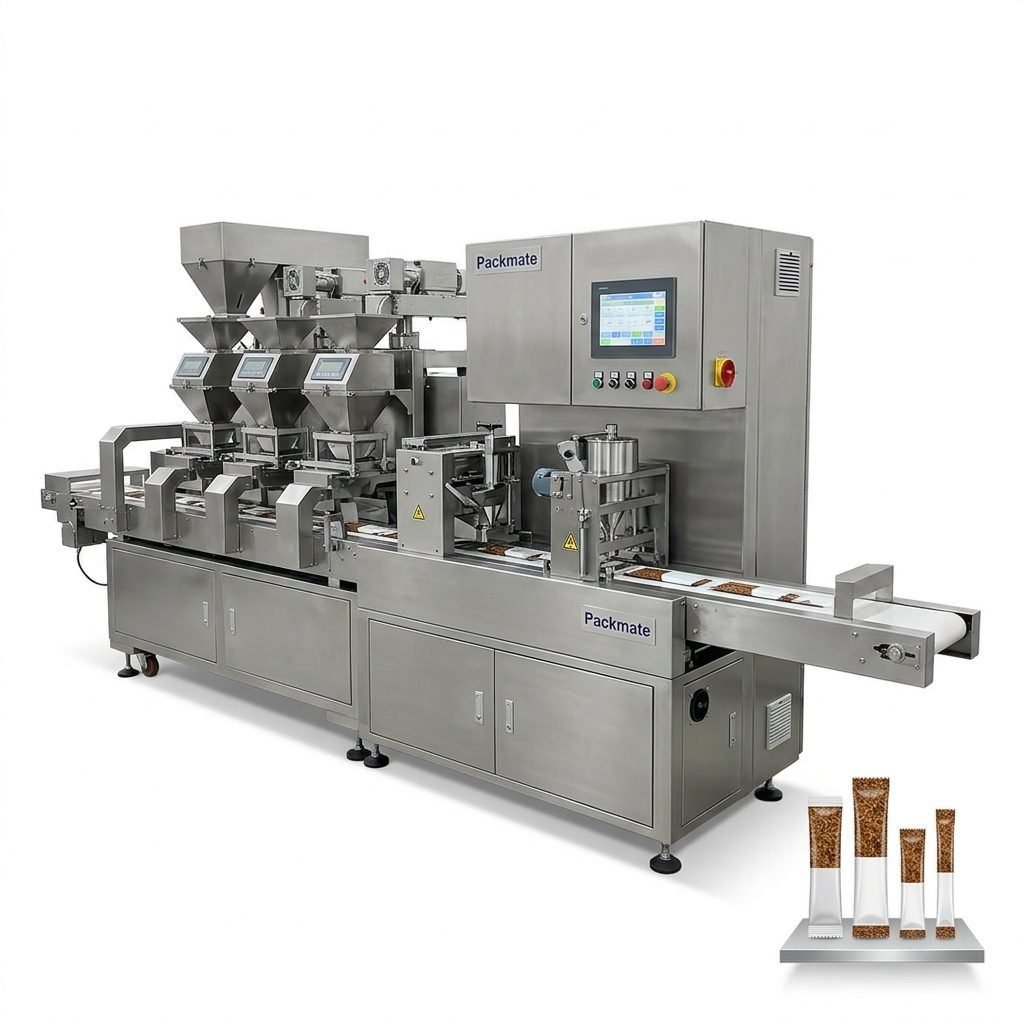
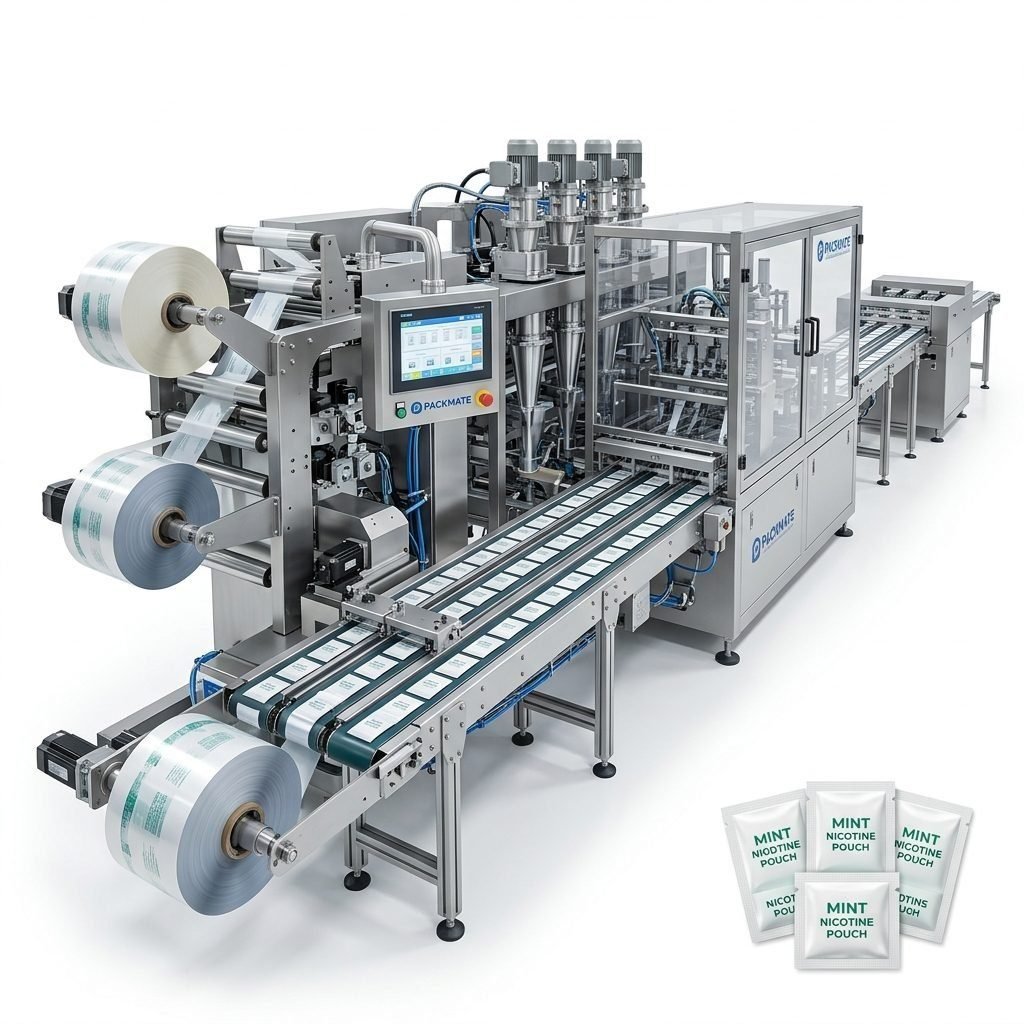
Choosing the right snus packaging machine for production in Denmark requires more than comparing speeds and prices. You need a solution that matches your product format, regulatory expectations, factory footprint, and long‑term business goals. This guide walks you through practical criteria and decision points so you can select a high-performance, compliant snus or nicotine pouch packaging line that fits your production needs and growth plans.
Understand Your Product and Packaging Format
Start by pinpointing the exact pouch type, dosing requirements, and packaging materials. Snus and nicotine pouches vary widely:
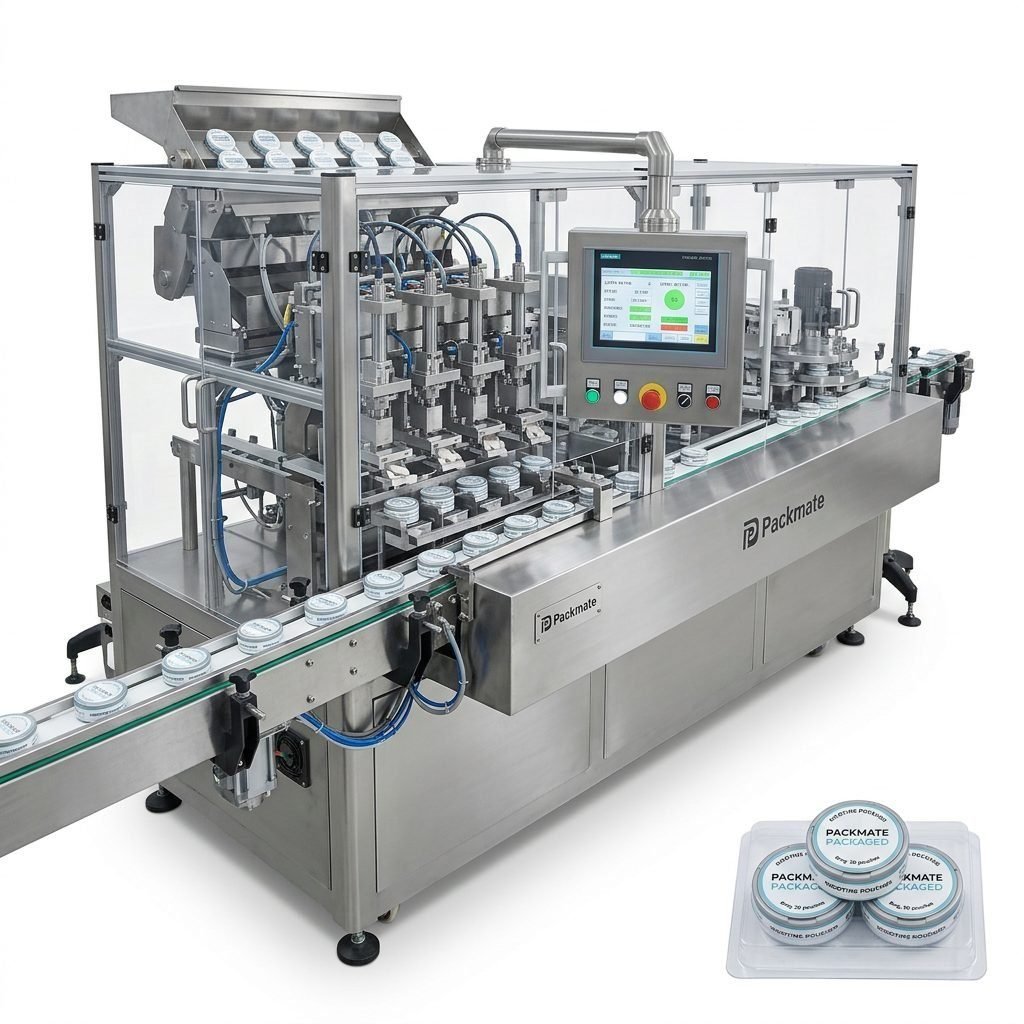
- Single-dose sachets vs multi-dose tins or cans
- Loose pouches vs stick packs
- Standard paper/foil laminates, biodegradable films, or recyclable films
📌 Key point: The chosen machine must support your pouch size and film type. Machines optimized for lightweight paper laminates may struggle with thick multi-layer films or rigid cans.
Machine Types to Consider
There are several common packaging systems used for snus and nicotine pouches. Each has strengths and trade-offs:
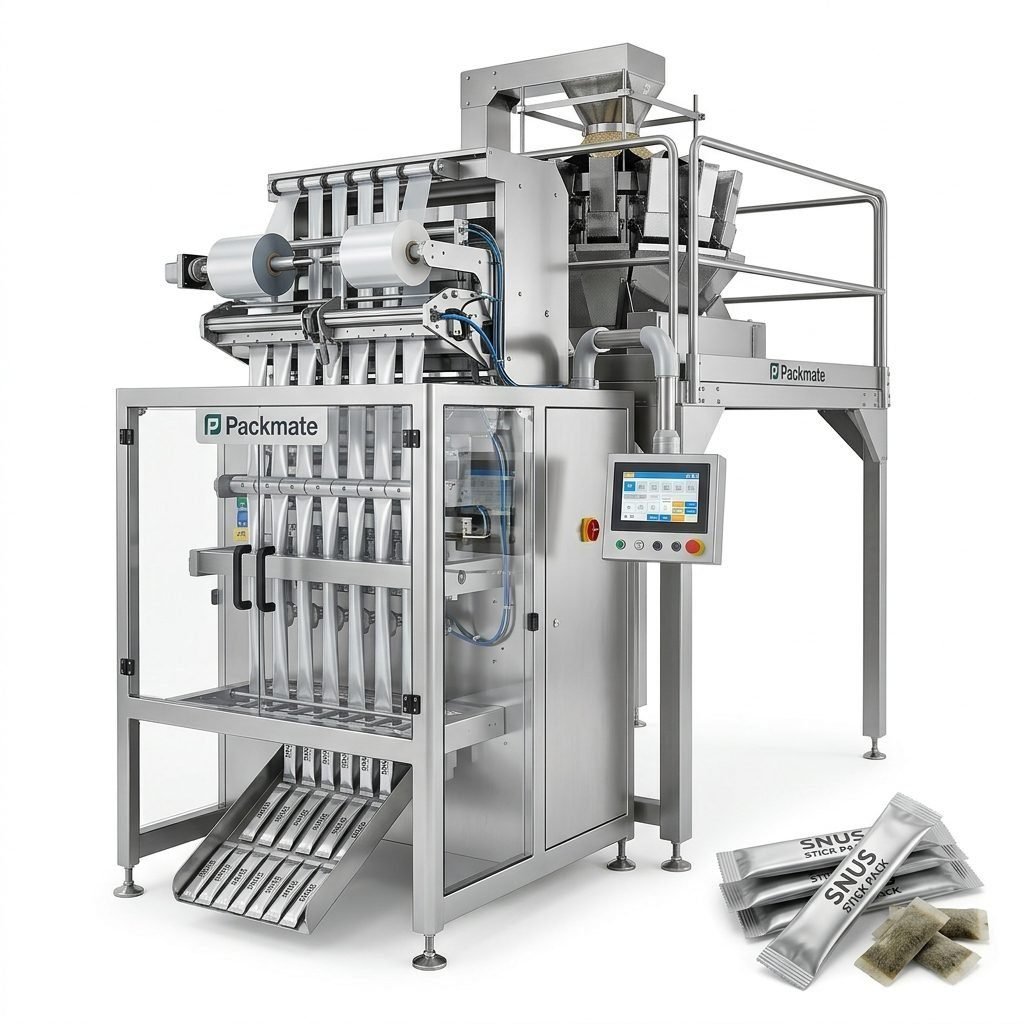
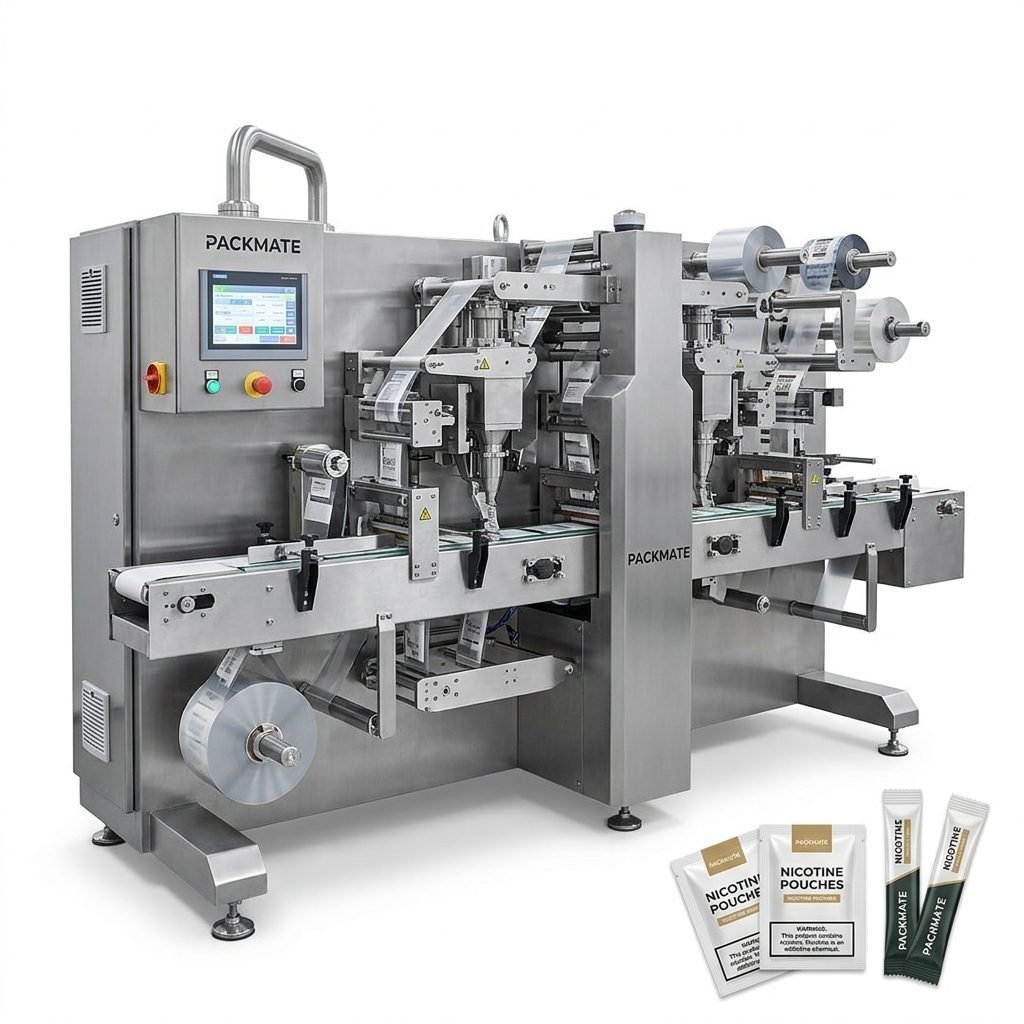
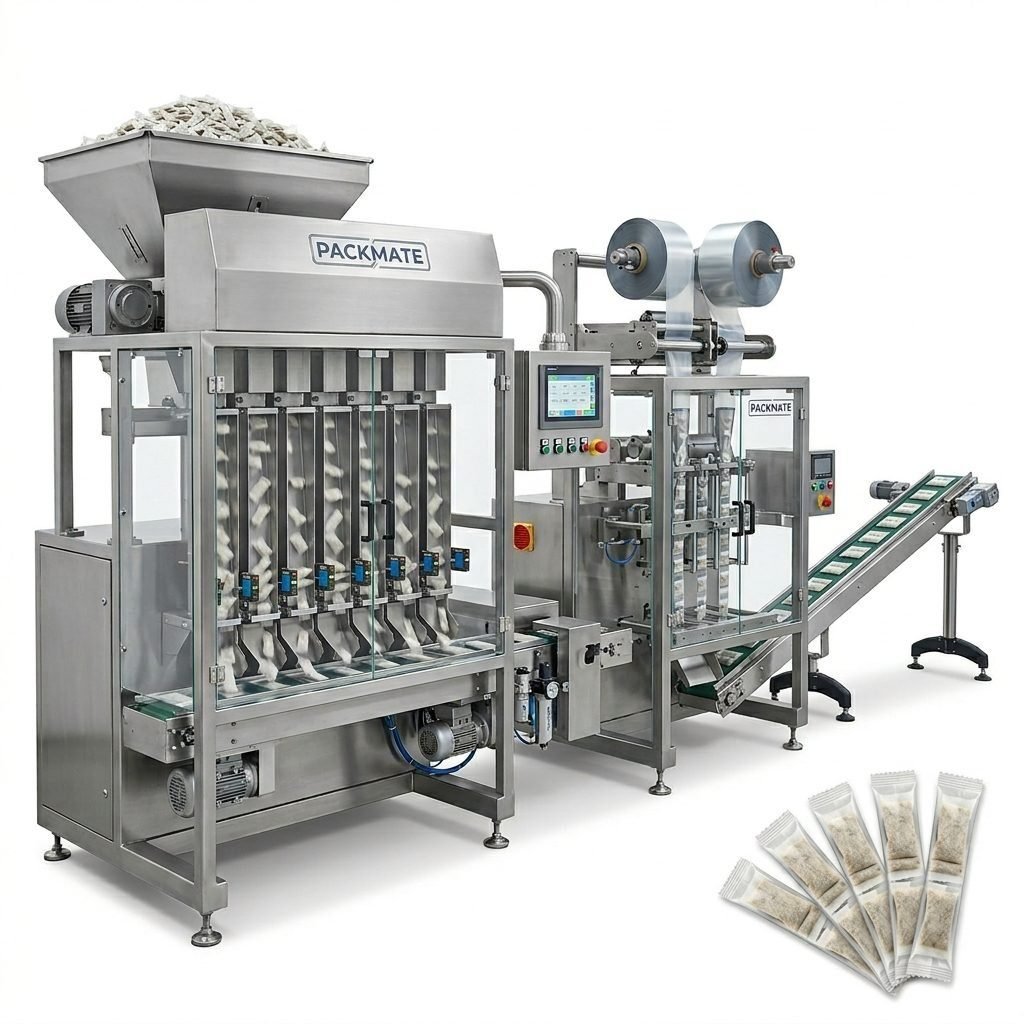
- Stick pack machines — Ideal for single-portion sticks and small pouches. Compact footprint, high speed for single-lane lines.
- Sachet & stick pack multi-lane machines — Offer higher throughput using parallel lanes; suitable for scaling up production without increasing shift hours. See multi-lane solutions: Sachet & Stick Pack Machines.
- Pouch and bag systems — For resealable pouches or specialized formats. Check options: Bag & Pouch Packaging Machines.
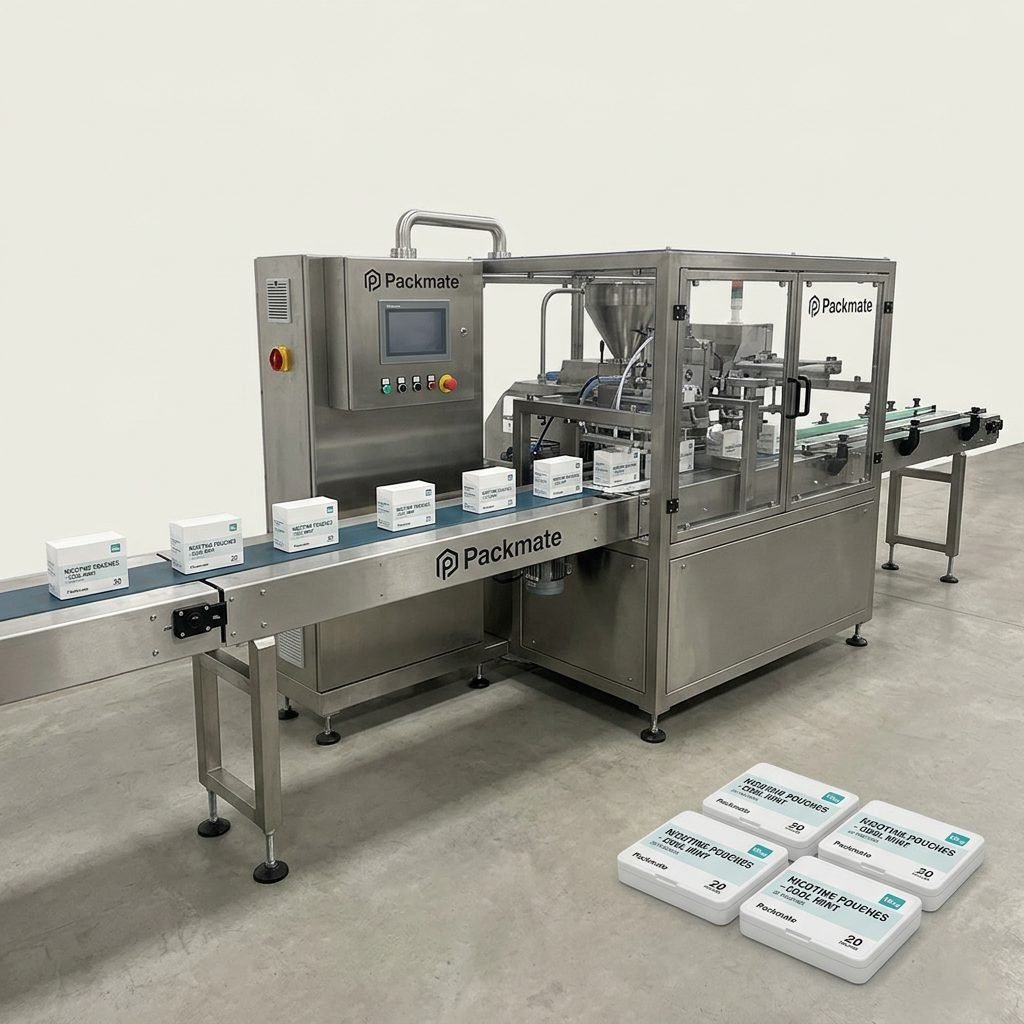
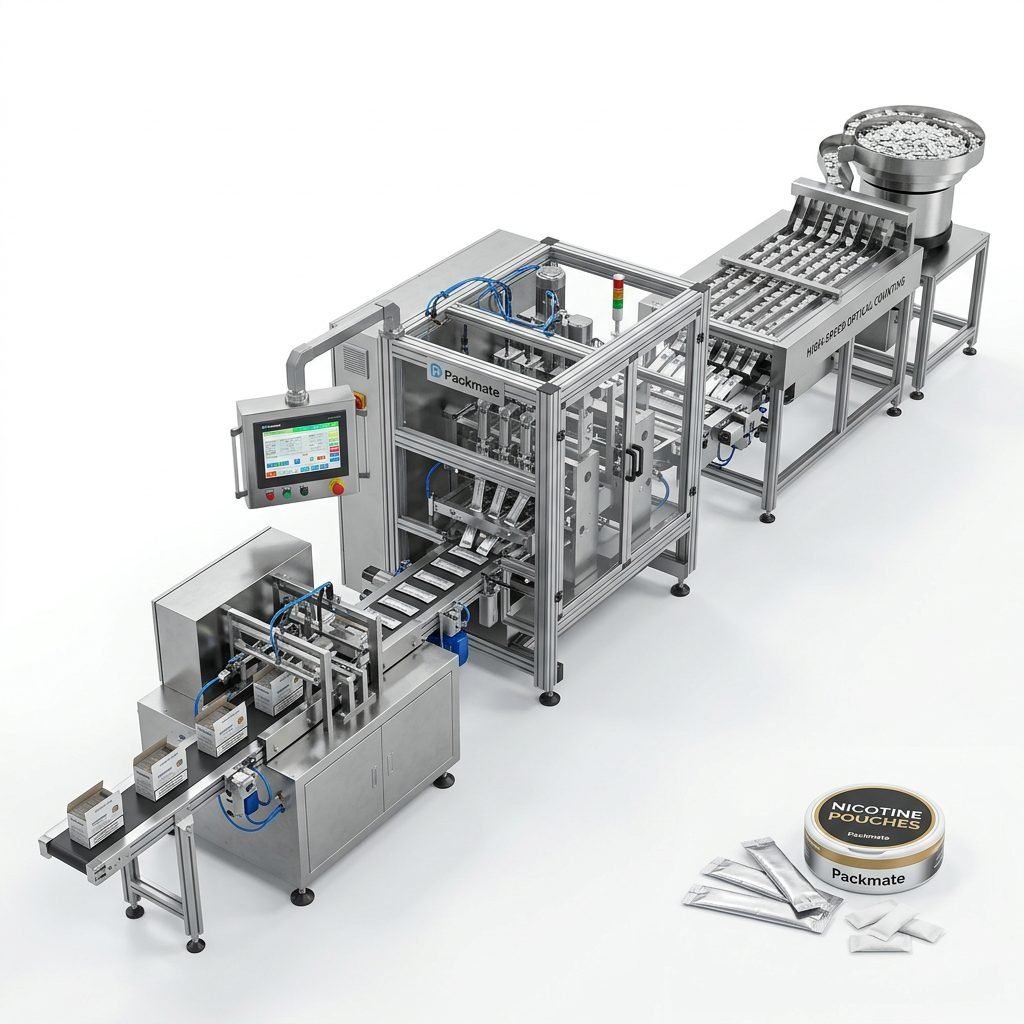
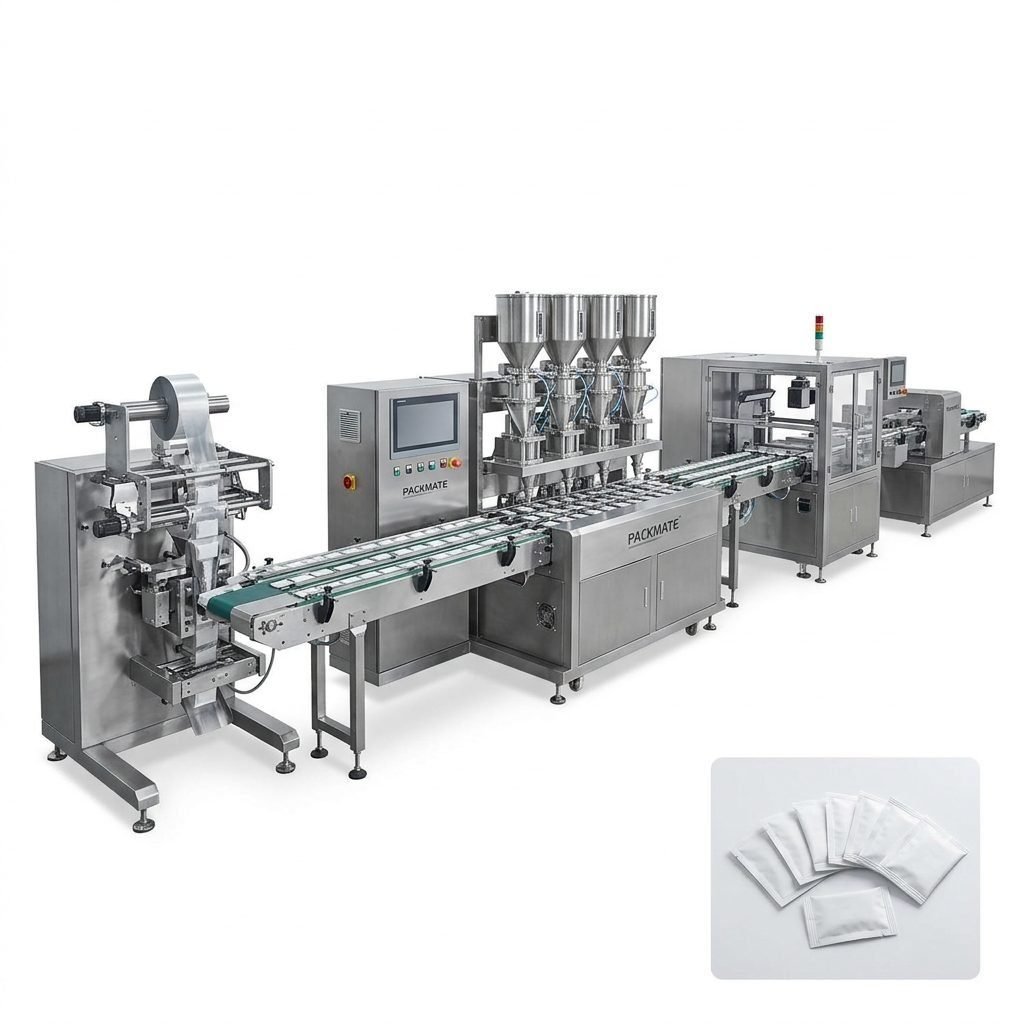
- Integrated filling & packaging lines — Combine weighing/filling and form-fill-seal for highly automated operations. See examples: Filling & Packaging Lines.
Capacity, Speed & Throughput
Capacity planning should reflect current demand and anticipated growth. When evaluating machine specs:
- Compare nominal speed (pouches/min) and the practical sustained speed under your product parameters.
- Consider multi-lane machines to multiply throughput without proportional increases in footprint.
- Factor in changeover times — fast, tool-less changeovers reduce downtime for small-batch or flavor-switched production.
🔧 Practical tip: Ask suppliers for run-rate data on products similar to yours. A nameplate speed of 120 pouches/min can be 30–50% lower when packaging heavy or moisture-sensitive blends.
Material Compatibility & Barrier Requirements
Snus products often need oxygen and moisture barriers. Verify:
- Heat-seal temperatures and dwell times supported by the machine for multi-layer films.
- Integration possibilities for gas flushing (MAP) if your product demands controlled atmospheres.
- Capability to handle biodegradable or compostable films if sustainability is a priority.
Automation, Data & Industry 4.0
Modern plants in Denmark benefit from connected equipment that improves traceability and uptime. Important features include:
- HMI with recipe management and remote access for diagnostics
- OEE monitoring and event logging
- Compatible PLC/communication protocols for plant-level integration
📈 ROI note: Automated fault detection and remote service reduce unplanned downtime and can substantially improve overall equipment effectiveness.
Regulatory, Certification & Compliance Considerations in Denmark
Denmark enforces strict regulations on tobacco and nicotine-related products, including labeling, ingredients disclosure, and packaging. When choosing equipment:
- Confirm the packaging materials and sealing processes support tamper-evident and child-resistant features where required.
- Ensure the supplier can provide documentation for CE conformity and any relevant ISO quality standards.
- Ask about traceability options to maintain batch records and comply with local reporting obligations.
Why Supplier Credentials Matter
Evaluate manufacturer experience, factory capabilities, and after-sales service. A strong supplier will:
- Provide transparent performance data and references
- Offer parts availability and technical support in your region
- Demonstrate robust manufacturing facilities and testing procedures
Case in point: Packmate Snus Machine has 30+ years of engineering experience and a 20,000㎡ facility with advanced CNC and assembly lines, which indicates mature production and quality control capabilities. Learn more: About Packmate.
Service, Spare Parts & Installation Support
Local service partners or quick remote support can save weeks of downtime. When evaluating suppliers:
- Check availability of spare parts and typical lead times
- Confirm installation, commissioning, and operator training packages
- Ask about preventative maintenance plans and warranty terms
Factory Acceptance Testing & Site Acceptance Testing
Insist on factory acceptance testing (FAT) with your product to verify performance before shipment, followed by site acceptance testing (SAT) after installation. A reputable supplier will welcome FAT with documented results or video demonstrations.
🔎 Buyer checklist: FAT performed, spare parts kit supplied, operator training scheduled, remote diagnostic access confirmed.
Budgeting, Total Cost of Ownership & Financing
Price is only one component of the cost equation. Consider:
- Initial purchase price vs lifecycle costs (spare parts, energy consumption, consumables)
- Downtime risk costs and the value of remote support
- Return on investment calculated over expected production volume and product margin
Financing & Leasing Options
Some manufacturers or local partners offer leasing or staged payment terms which can help preserve working capital while scaling production. Ask your supplier for available financing structures.
How to Evaluate Suppliers — A Practical Scorecard
Use a consistent scoring method to compare machines and vendors across key domains:
- Technical fit (30%) — Compatibility with product, film, and required features
- Performance & reliability (25%) — Real-world throughput and uptime guarantees
- Service & parts (20%) — Local or rapid support and spare parts availability
- Total cost & ROI (15%) — Lifecycle costs, consumables, energy use
- Compliance & documentation (10%) — CE, ISO, FAT/SAT records
✅ Pro move: Request sample packs and video demonstrations, and score each supplier on the checklist above before scheduling factory visits.
Real-World Examples & Case Studies
Look for case studies showing machines running products similar to yours. A proven supplier will present global references, FAT videos, and on-site demonstrations. For reference cases and global cooperation examples, visit: Case.
Integration with Auxiliary Equipment
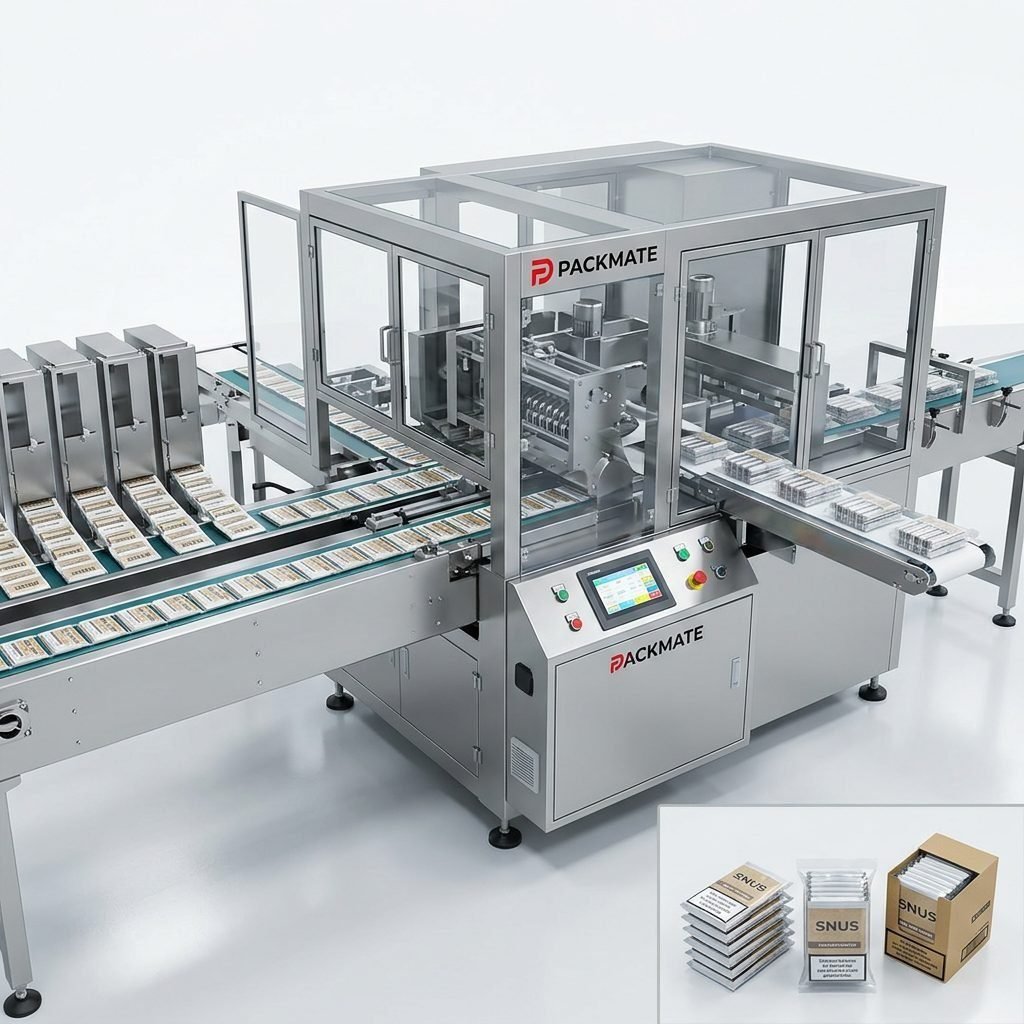
Consider upstream equipment such as dosing and weighing systems, and downstream systems like cartoning and secondary packaging. An integrated line reduces handling and increases traceability. Explore auxiliary solutions here: Auxiliary Packaging Equipment.
Making the Final Decision
When selecting the final vendor, ensure you have:
- Detailed written specifications and contractual acceptance criteria
- Confirmed delivery, installation, and commissioning timeline
- Warranty, spare parts agreement, and training plan
- Signed FAT and SAT documentation that matches performance targets
📞 Next step: Contact the supplier to request a tailored proposal that includes equipment layout, utilities, and ROI projection. Need more information or to reach sales? Try: Contact Us.
Why Packmate Might Be a Fit for Denmark Production Needs
Packmate Snus Machine is positioned as a specialist in snus and nicotine pouch packaging with decades of engineering experience, a large manufacturing footprint, and a range of configurable machines. Their product lines include snus-specific machines, multi-lane systems, and turnkey packaging lines tailored for snus and related products. Learn more about their product offerings here: Snus & Nicotine Packaging Machines.
🔔 Final reminder: Prioritize compatibility, serviceability, and verified performance over initial lowest cost. A reliable machine reduces long-term risk and supports sustainable growth.
Useful Resources
For more detailed product specs, catalogs, or to view certificates and exhibitions, consult the manufacturer’s resources: Catalog, Certificate, and Our Exhibition.
Common Questions
Q1: How do I choose between single-lane and multi-lane machines?
A1: Choose single-lane if your volumes are modest and you prefer simpler maintenance; opt for multi-lane to scale throughput without a proportional increase in floor space or labor.
Q2: Can these machines handle sustainable or compostable films?
A2: Many modern machines can be configured to process biodegradable films, but sealing parameters and film behavior must be validated during FAT.
Q3: What documentation should I request from a supplier before purchase?
A3: Ask for CE/ISO certificates, FAT reports with your product, references, spare parts lists, and warranty terms.
Q4: How important is local support in Denmark?
A4: Very important — local support reduces downtime. If local presence isn’t available, ensure rapid remote support and fast spare part shipping.
Q5: Where can I see machine models and request quotes?
A5: Visit the manufacturer’s product pages and contact their sales team for customized proposals. Explore product lines here: Weighing & Packaging Systems and Service.