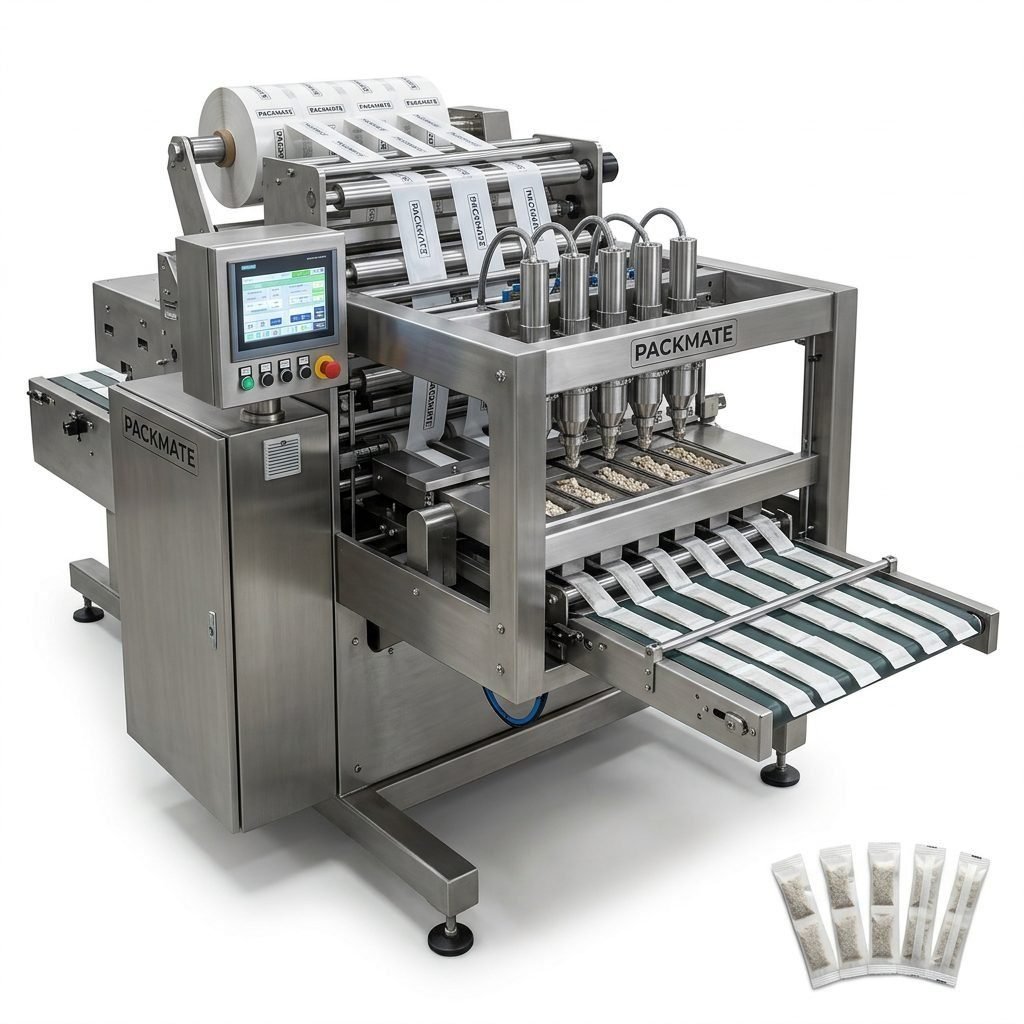
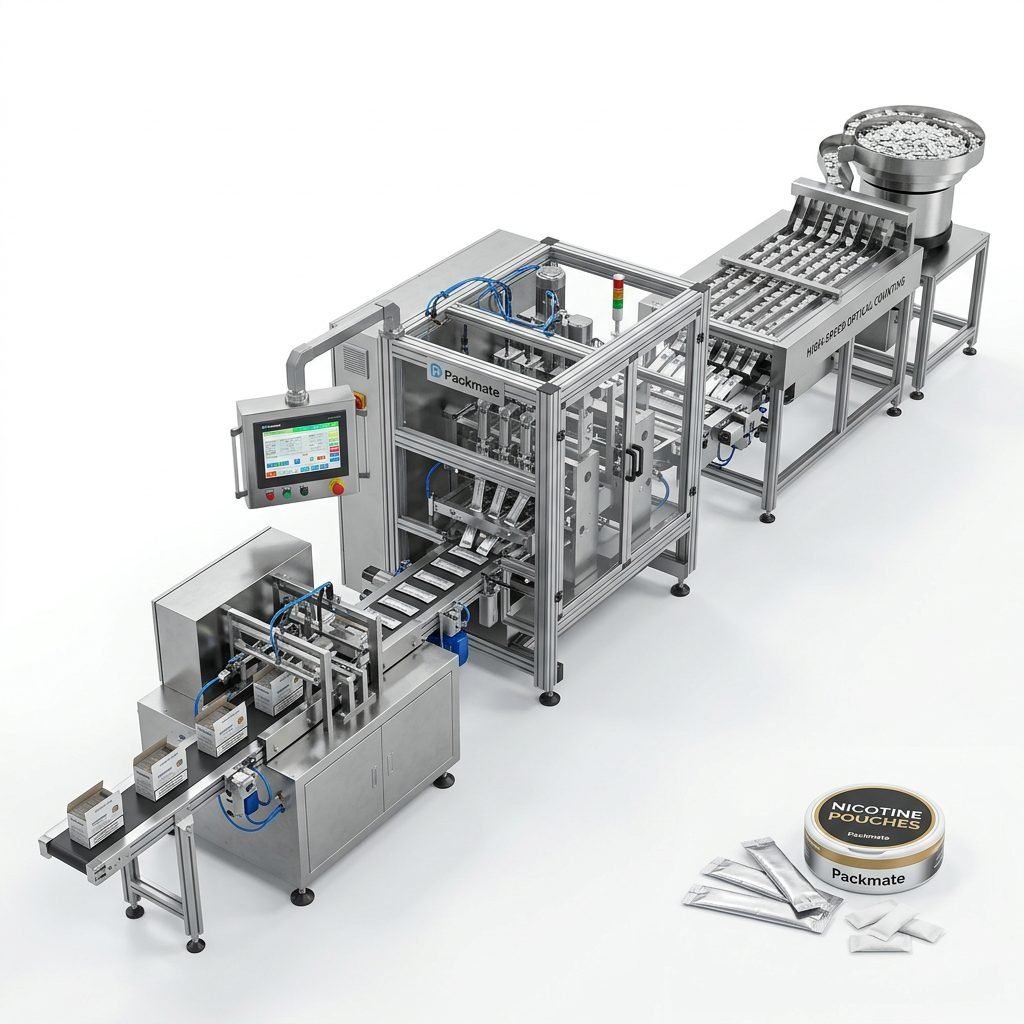
In Grenada, choosing the right nicotine pouch or snus packaging machine means balancing local market needs, island logistics, and regulatory compliance. This guide walks you through practical considerations—from machine types and technical specifications to customs, climate resilience, and after-sales support—so you can buy with confidence and start production smoothly in the Spice Isle environment.
Understanding Grenada’s Nicotine Market and Local Considerations
Grenada is a small, English-speaking island nation with a tourism-driven economy. Local demand for nicotine products is shaped by travelers, duty-free shopping, and a growing interest in smoke-free alternatives. When evaluating packaging equipment, consider that your target customers may include duty-free retailers, boutique tobacconists, and export partners in the Caribbean region.
Important local factors to account for:
📌 Climate & Humidity: Grenada’s tropical climate with high humidity affects product shelf-life and sealing performance. Choose machines with robust sealing systems and humidity control options.
⚙️ Power & Installation: Grenada uses 230V/50Hz electrical standards—confirm machine compatibility or ask about transformer/adjustment options.
🚢 Shipping & Customs: Island logistics mean sea freight and customs clearance play a big role. Factor in lead times and packaging for international transport.
🗣️ Language & Training: English is the working language—ensure training and manuals are available in English for your operators.
Core Machine Types Suitable for Grenada Operations
Selecting the right machine type depends on production volume, product format, and flexibility required. Typical choices include:
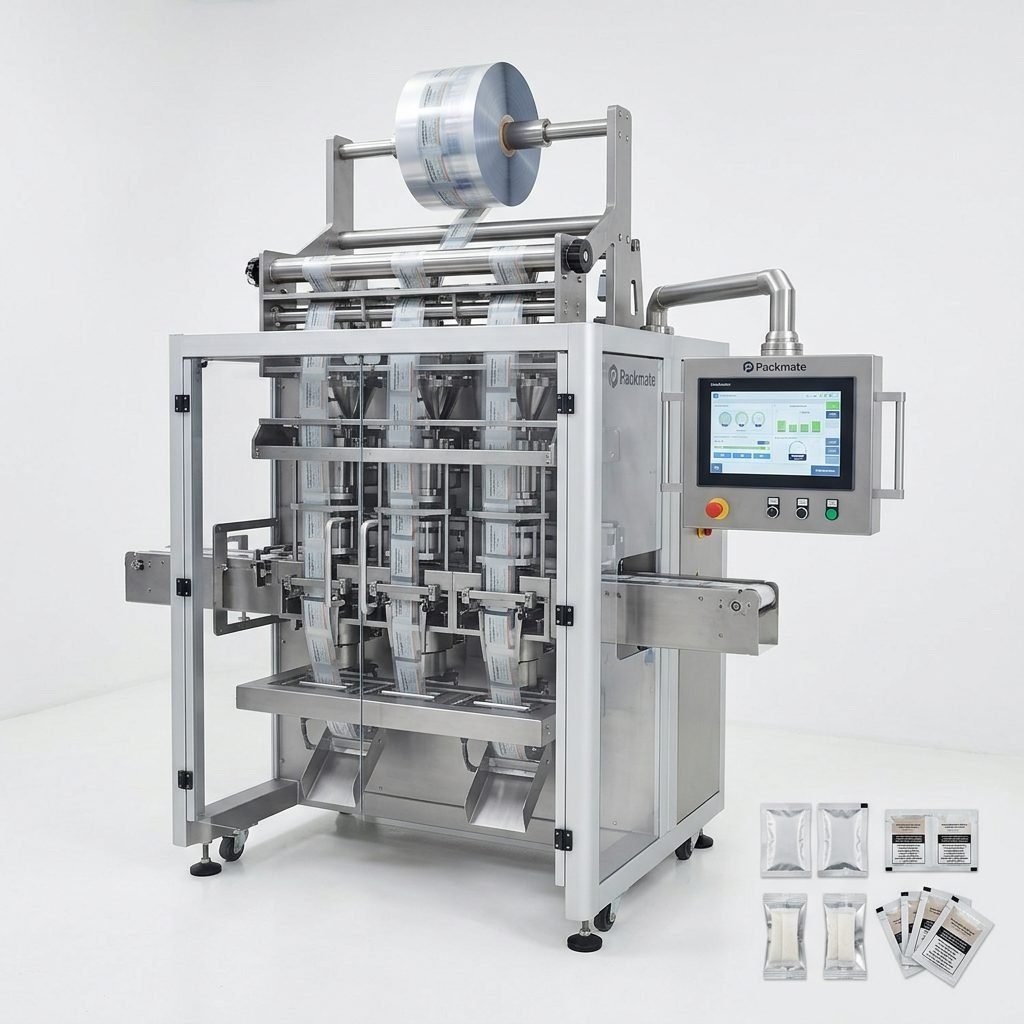
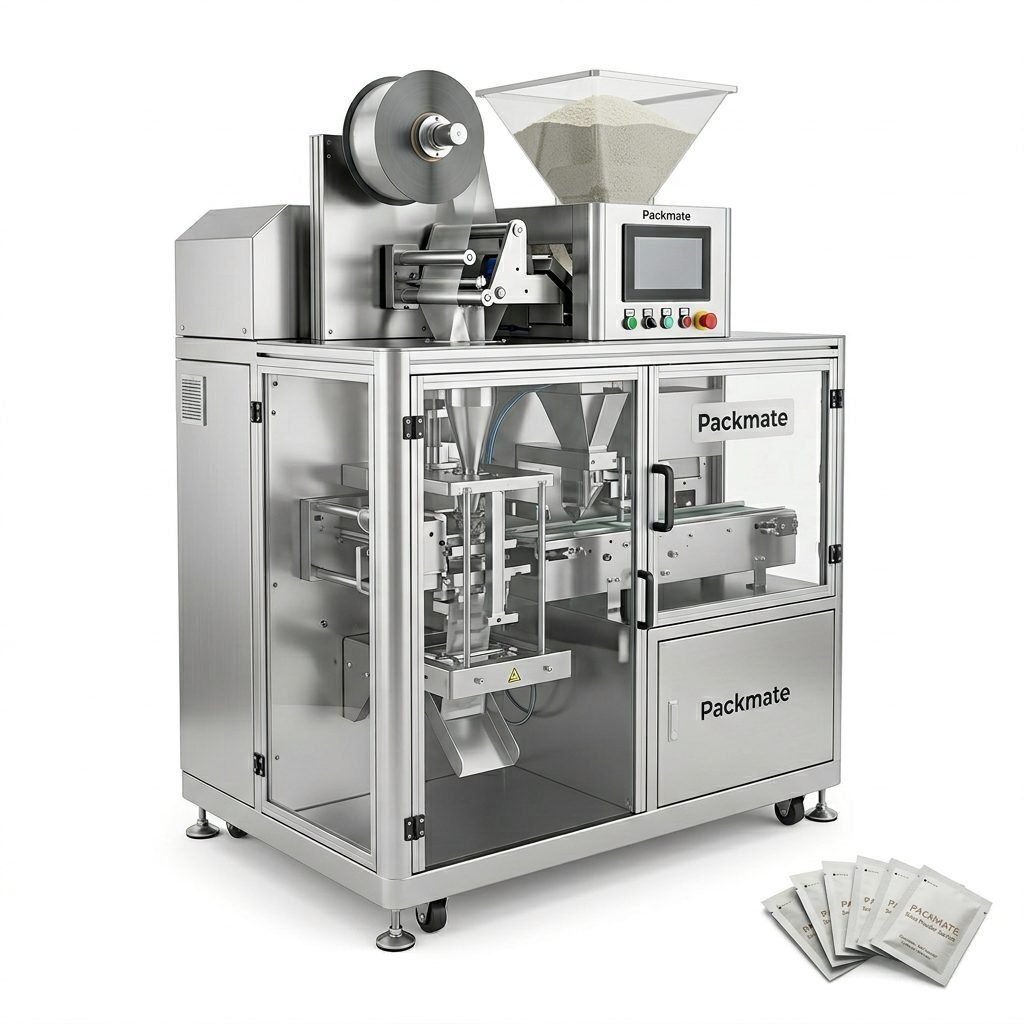
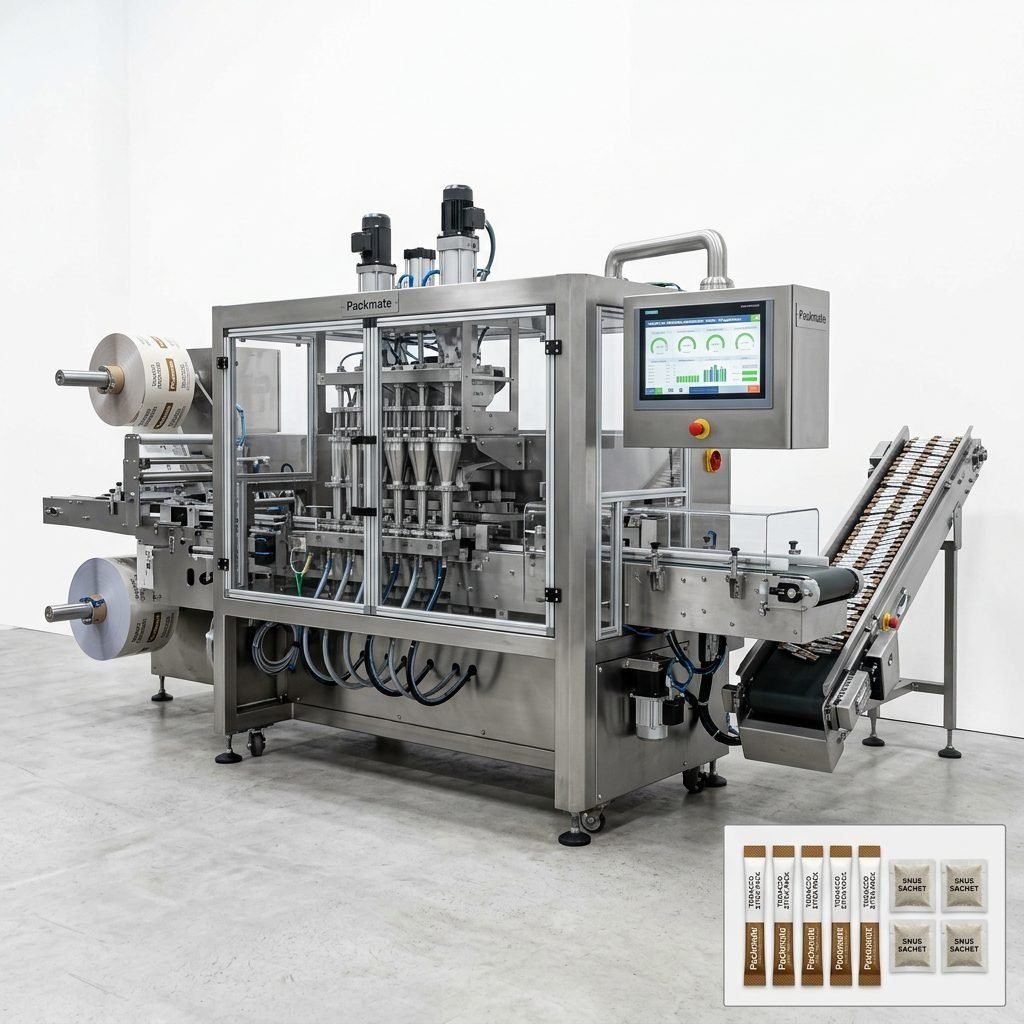
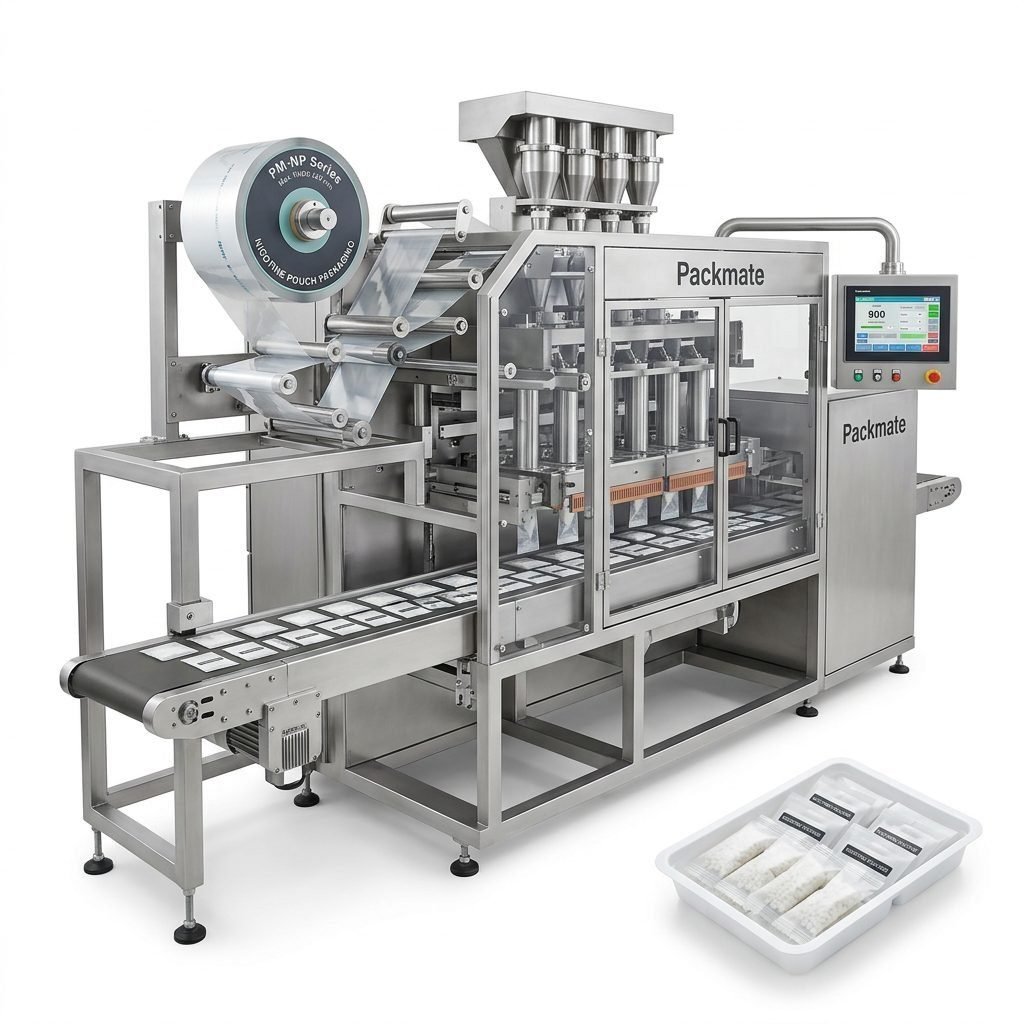
• Stick pack and sachet machines for single-dose nicotine pouches—ideal for retail and duty-free packs.
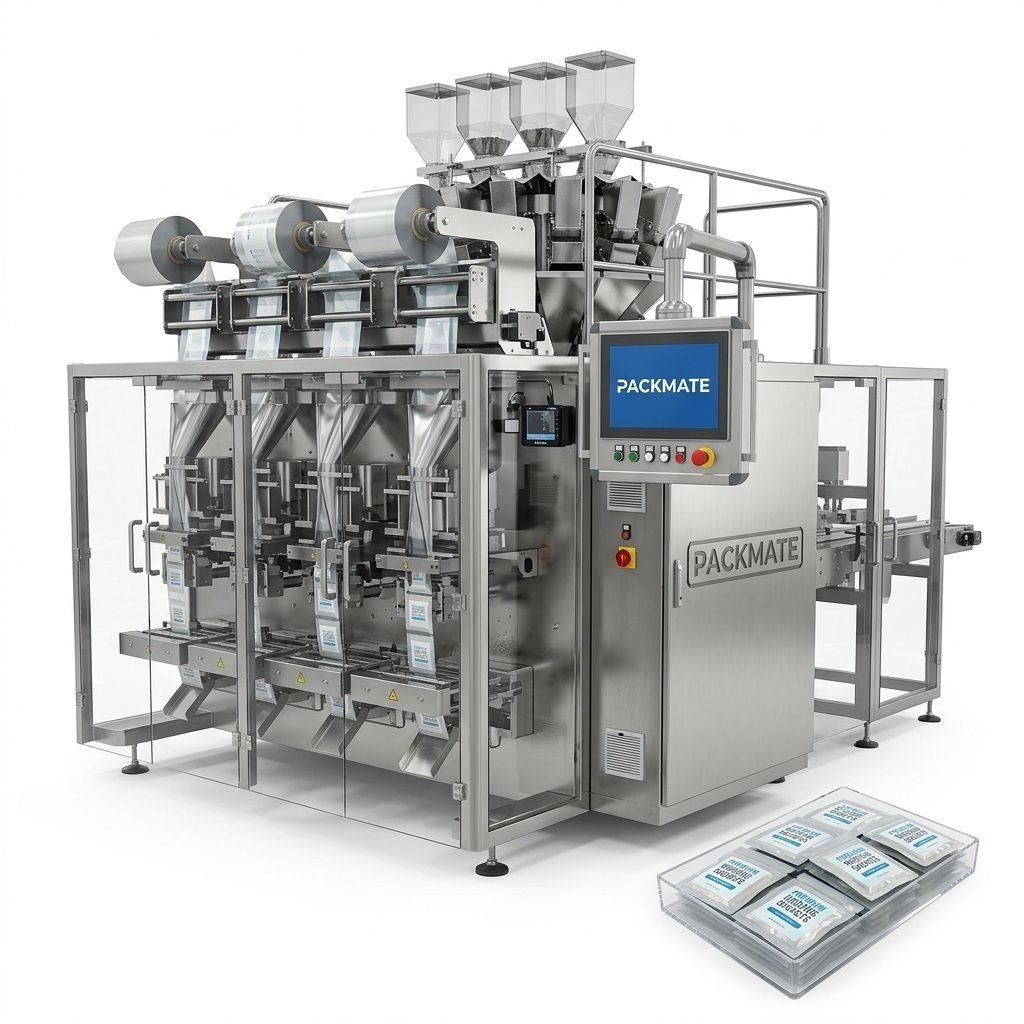
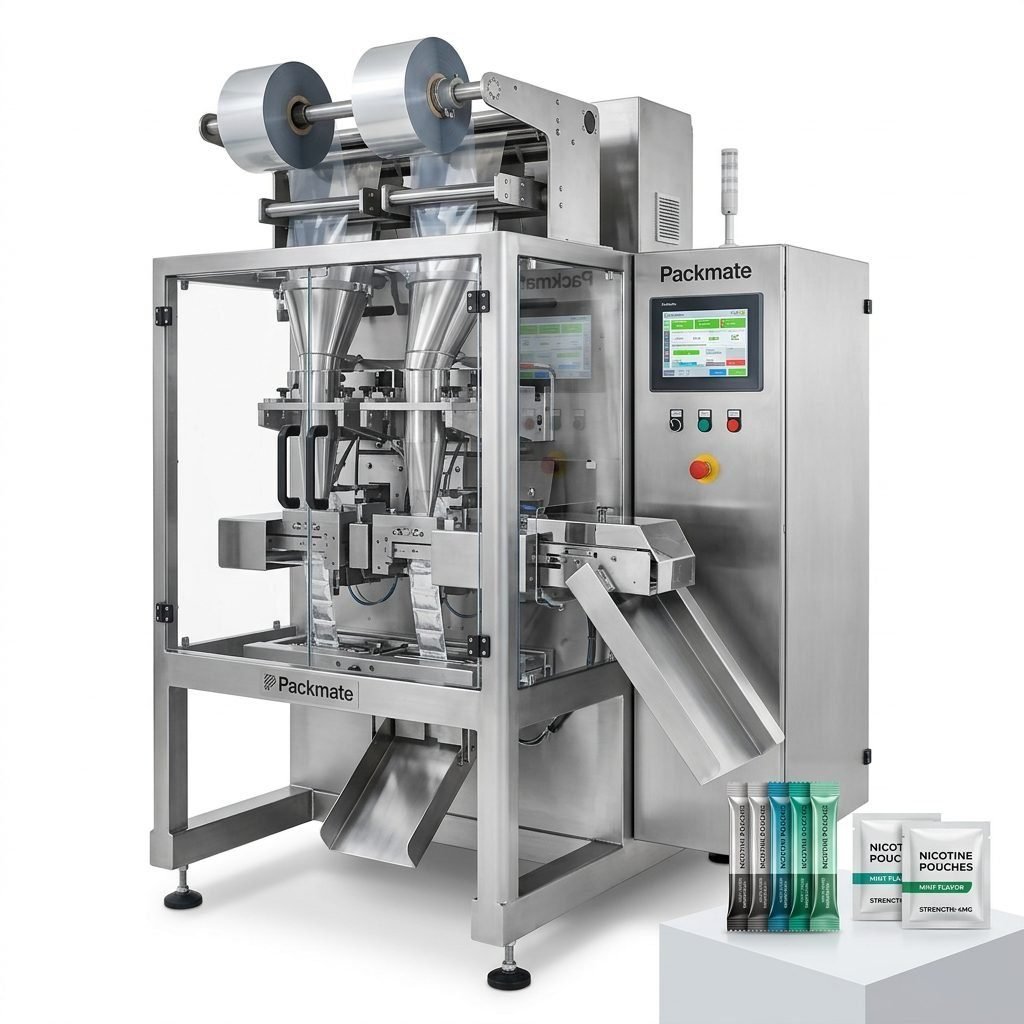
• Multi-lane snus packing machines when you need higher throughput with consistent small-dose filling.
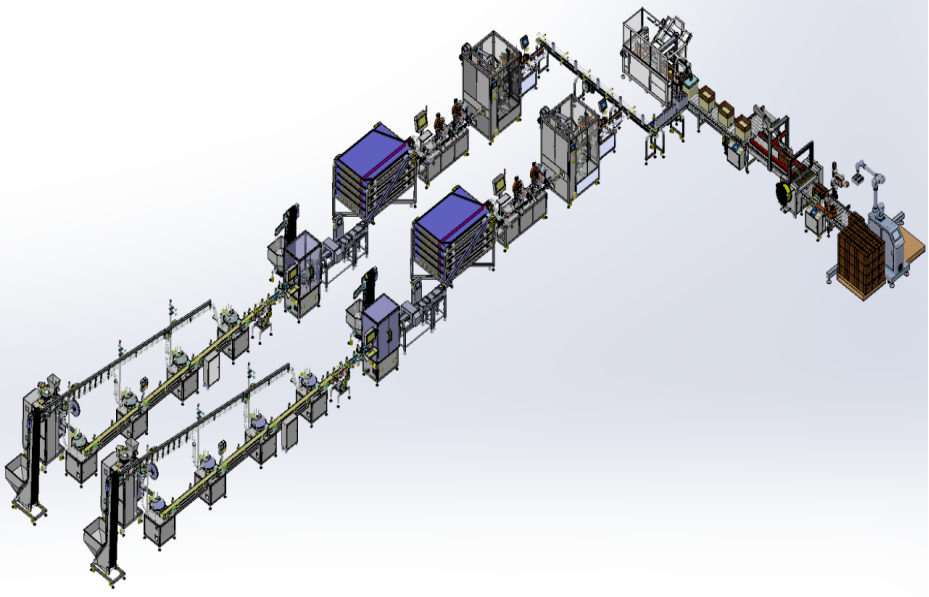
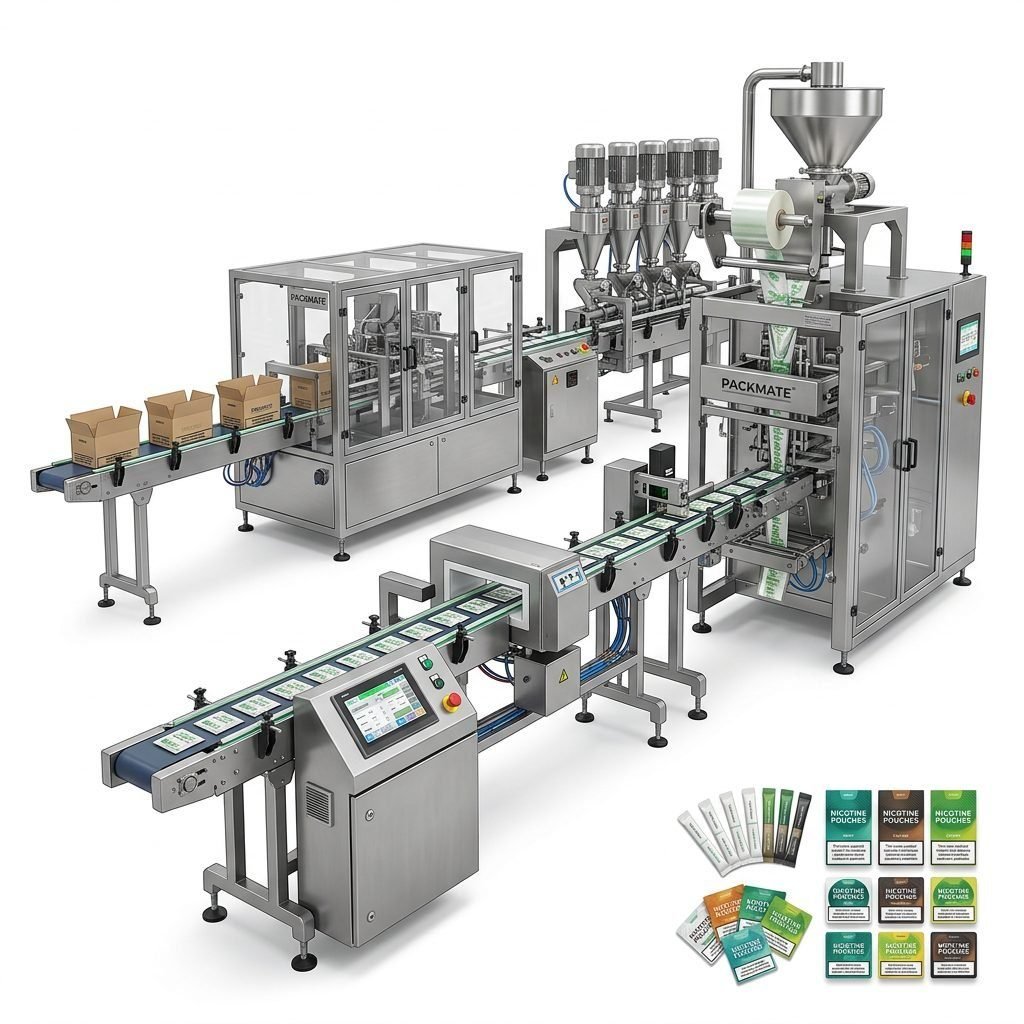
• Integrated filling and packaging lines for turnkey production from dosing to final sealing.
If you want to explore proven machine families, check Packmate’s product range for Snus & Nicotine Packaging Machines and Sachet & Stick Pack Machines.
When to choose single-lane vs multi-lane systems
Single-lane systems are cost-effective for small batches and frequent product changeovers. Multi-lane systems deliver higher output per footprint—perfect if you plan to serve multiple markets or scale production quickly. For Grenada’s smaller market, many operators start with modular single- or dual-lane machines and expand to multi-lane systems as export demand grows.
Key Technical Features to Prioritize
Prioritizing the right technical features ensures long-term reliability and product quality. Below are non-negotiables when sourcing nicotine packaging equipment:
Accuracy & Filling Control
Precise dosing minimizes waste and ensures consistent nicotine content. Look for machines with gravimetric or volumetric feeders and quality weighing integrations. If you need integrated weighing, explore Weighing & Packaging Systems.
Sealing Technology & Packaging Materials
Strong, reliable seals are critical in a humid climate. Consider advanced heat-seal bars, ultrasonic options, and compatibility with barrier films that protect against moisture and oxygen.
Speed, Throughput & Expandability
Match machine speed to your sales forecast. For seasonal tourism peaks in Grenada, choose machines that can ramp up or add lanes without a full replacement. Modular lines or upgradeable controls are valuable.
Sanitation & Ease of Maintenance
Easy-to-clean designs and quick-change parts reduce downtime. Confirm availability of spare parts and remote support options—vital for island locations where service visits can take time.
✅ Tip: Request a pre-shipment factory acceptance test (FAT) and video demonstration so you can verify machine performance before it leaves the factory.
Compliance, Certifications & Documentation
Regulatory compliance is essential. Ensure machines and documentation meet international norms and can support import approvals:
• CE and ISO certifications for safety and quality are standard requirements for international trade. Packmate machines carry CE and ISO credentials, supporting smoother customs and business credibility—see Certificate for more details.
• Technical dossiers and operational manuals in English. Ask the supplier for electrical schematics and spare-part lists to fast-track local technicians or imported maintenance.
Logistics: Shipping, Installation & Local Setup
Island logistics affect lead times and installation planning. Follow this checklist to reduce surprises:
• Confirm crate dimensions and weight for sea freight and inland transport.
• Ensure customs paperwork, commercial invoices, and CE/ISO documents are provided.
• Plan for local electrical hookup (230V/50Hz) and ensure a certified electrician is available for machine commissioning.
• Schedule on-site training for operators and maintenance staff in English to reduce startup errors.
Service, Spare Parts & Remote Support
After-sales service is a top priority for manufacturers working with island customers. Ask potential suppliers:
• Are spare parts available regionally or shipped from the factory?
• Do they provide remote diagnostics, spare-parts kits, and training packages?
• What is the warranty and typical lead time for critical components like PLCs, motors, and sealing bars?
Why Packmate (GuangDong) Co., Ltd. is a Strong Option
With over 30 years of engineering experience and a 20,000㎡ manufacturing facility, Packmate specializes in snus and nicotine pouch packaging lines. Their strengths for Grenada buyers include:
• 50+ machine models and turnkey packaging solutions for small-dose pouch production.
• Advanced CNC machining and precision assembly to ensure stable, durable machines.
• International exhibition presence and global customer cases—evidence of cross-border shipping experience and export support. Learn more About Packmate.
Purchase Checklist: Questions to Ask Before You Buy
1. What is the machine’s nominal speed and expected real-world throughput for my product?
2. Which sealing materials and film types are compatible, and what is the recommended barrier film for humid climates?
3. Are CE/ISO certificates and FAT reports provided for customs and quality assurance?
4. What is included in the warranty, and where are spare parts stocked?
5. Can the supplier provide references or case studies for similar island/Caribbean customers?
Installation & Start-Up Best Practices in Grenada
For a successful deployment, follow these practical steps:
• Prepare the floor space and foundations—machines require level, vibration-free platforms.
• Verify electrical and compressed air requirements before the machine arrives.
• Conduct operator training and dry runs to fine-tune dosing, film tension, and sealing parameters.
• Store films and hygroscopic materials in climate-controlled areas to protect product integrity.
Scaling & Future-Proofing Your Production
If you expect to expand beyond Grenada to nearby Caribbean markets, prioritize flexible, modular equipment that supports:
• Quick format changes for multiple pouch sizes and styles.
• Add-on lanes or integration with weighing and case-packing systems—explore Filling & Packaging Lines for end-to-end options.
• Remote PLC and HMI updates to keep software current without large downtime.
Financing & Return on Investment
Smaller markets like Grenada benefit from lean investment strategies: start with a reliable single- or dual-lane line, validate the market, then scale. Consider supplier financing, leasing, or staggered payments to improve cash flow. Factor in reduced packaging waste and labor savings when calculating ROI.
Final Recommendations Before You Commit
• Arrange a factory audit or video walk-through to confirm build quality and assembly practices.
• Request references from Caribbean or similar island customers to learn about shipping and support experiences.
• Confirm spare-parts kits and remote-support packages to minimize downtime when service visits are delayed.
• Verify all documentation for customs clearance, and plan transit insurance for sea shipments.
Useful Resources & Next Steps
Start by comparing machine lines and requesting quotes, FAT videos, and reference installations. For a broad view of Packmate’s solutions and capabilities, visit their About Packmate page and product lines such as Snus & Nicotine Packaging Machines. For turnkey project planning, check case studies and exhibition demos to evaluate real-world performance.
FAQs
Q1: What power specifications should I prepare in Grenada?
A1: Most industrial packaging machines operate on 230V/50Hz in Grenada. Confirm the supplier provides compatible wiring diagrams or voltage-adjustment options, and hire a certified electrician for installation.
Q2: How does Grenada’s humidity affect packaging?
A2: High humidity can compromise seals and promote bacterial growth. Use high-barrier films, reliable heat-seal or ultrasonic sealing, and store raw materials in climate-controlled rooms to protect product quality.
Q3: What after-sales support should I require?
A3: Require spare parts lists, local or regional service partners (if available), remote support options, and committed lead times for critical components. Factory training and video-assisted troubleshooting are very helpful for island operators.
Q4: Can I expand capacity later without replacing the whole line?
A4: Choose modular equipment that allows adding lanes or integrating weighing and case-packing units. Discuss future expansion scenarios with your supplier during the quotation phase.
Q5: Where can I find examples of turnkey nicotine pouch lines?
A5: Review turnkey solutions and case studies on Packmate’s website and request specific references for snus and nicotine pouch production—visit their product and case pages to see real-world implementations.