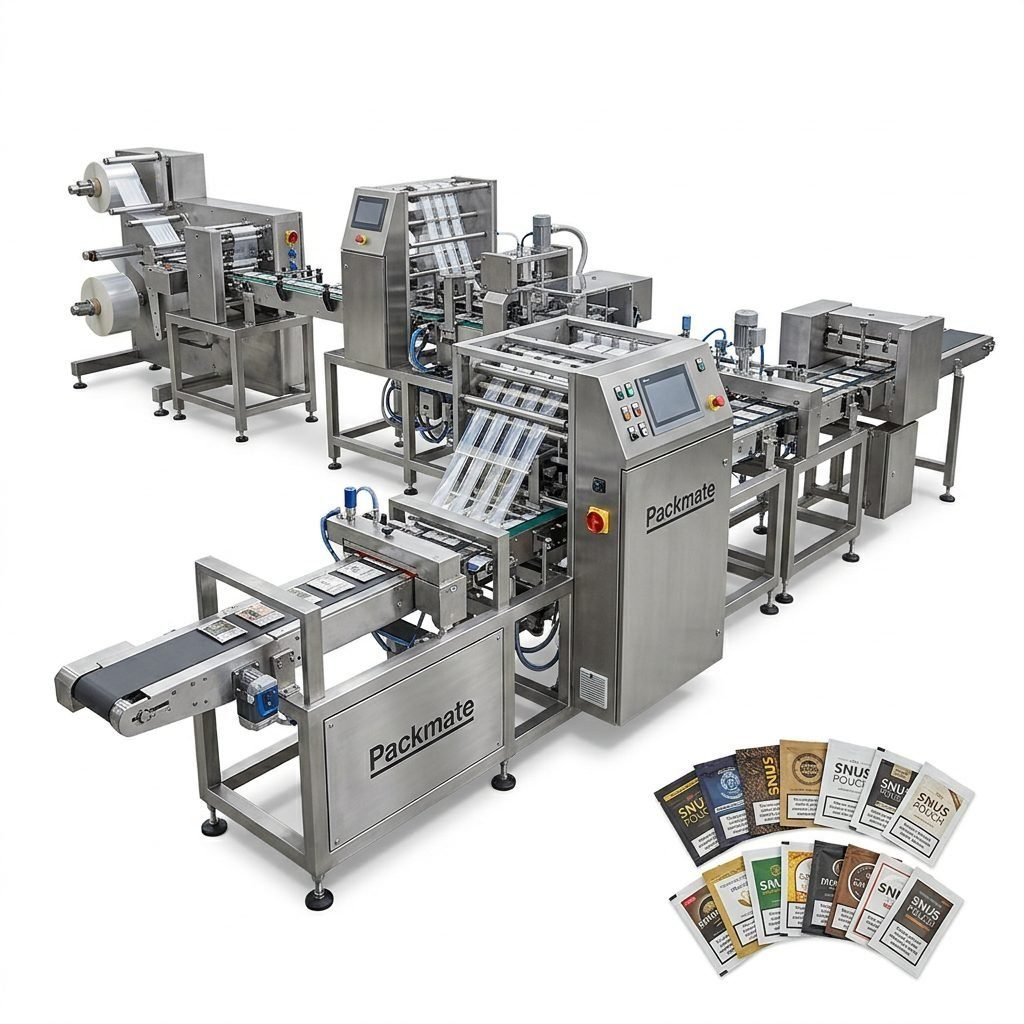
Choosing the right snus packaging machine manufacturer can determine the success of your nicotine pouch or snus production line. Whether you are launching a new brand in Argentina or scaling an existing operation, the decision must balance machine performance, compliance, cost, and long-term support. This guide walks you through the practical steps to identify the best manufacturer for your business needs, and highlights what to inspect, compare, and negotiate before signing a purchase agreement.
Why pick a specialized snus packaging manufacturer?
Generic packaging machine suppliers may offer a one-size-fits-all approach, but snus and nicotine pouch packaging requires precise control of dosing, sealing, pouch shape, and multilane synchronization. A specialized manufacturer brings focused engineering, proven machine designs, and industry-specific experience that reduces risk and shortens ramp-up time. Look for companies that explicitly list snus or nicotine pouch equipment in their portfolio and can provide case studies or references from similar lines.
Key advantages of specialization
Faster validation — machines designed for nicotine pouches require less rework during commissioning.
Higher uptime — optimized parts and wear components mean fewer stoppages.
Regulatory readiness — manufacturers familiar with CE and ISO processes can help with documentation and compliance.
Evaluate engineering track record and factory strength
Manufacturing capacity and engineering depth matter. A vendor with decades of experience and a sizeable production facility is typically better equipped to deliver consistent quality, spare parts, and customization. Verify factory size, machine model range, and whether the plant includes advanced CNC machining, precision assembly lines, and in-house quality testing.
Checklist — factory & capability
✅ Years of industry experience (ideally 10+ or 30+ for leaders).
✅ Factory area and manufacturing capacity (important for lead times).
✅ Range of models including multi-lane systems and turnkey lines.
✅ Evidence of CNC machining centers, testing rigs, and assembly lines.
Assess product portfolio and technology
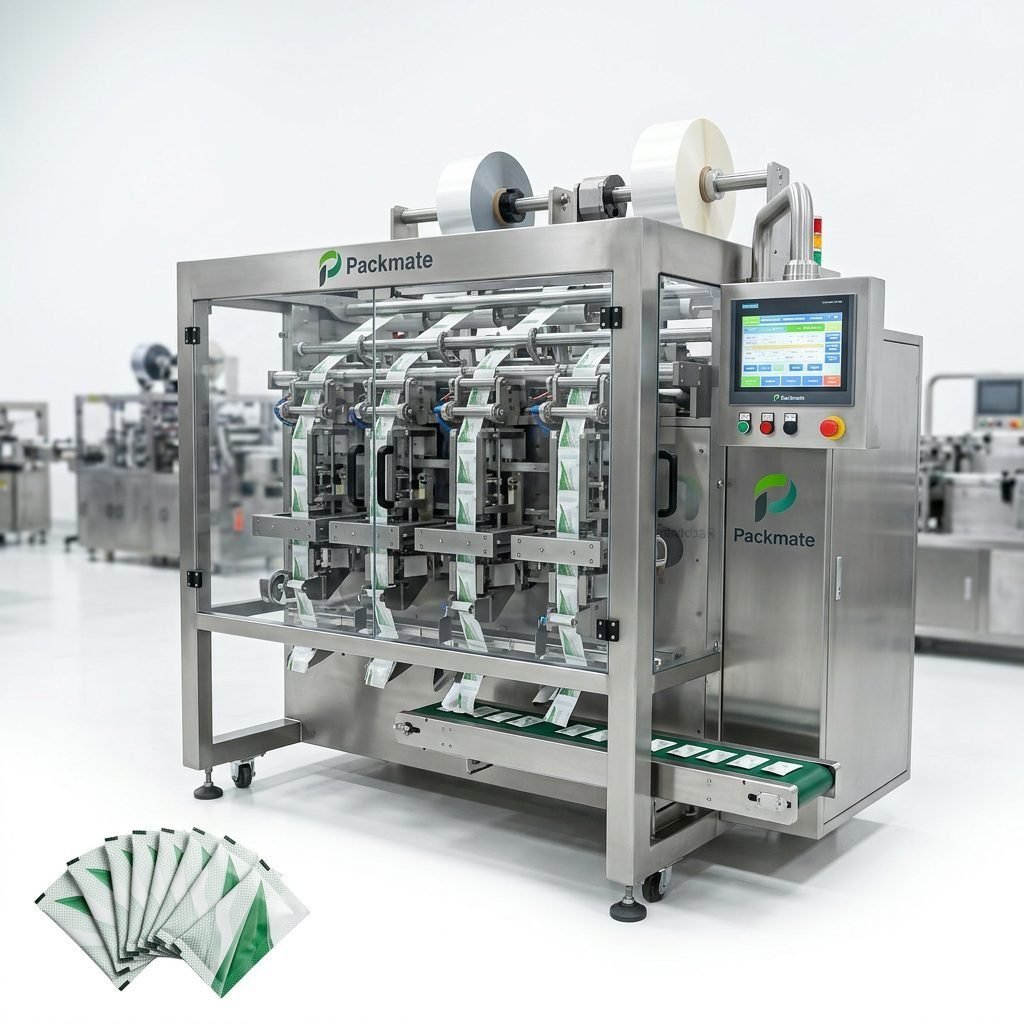
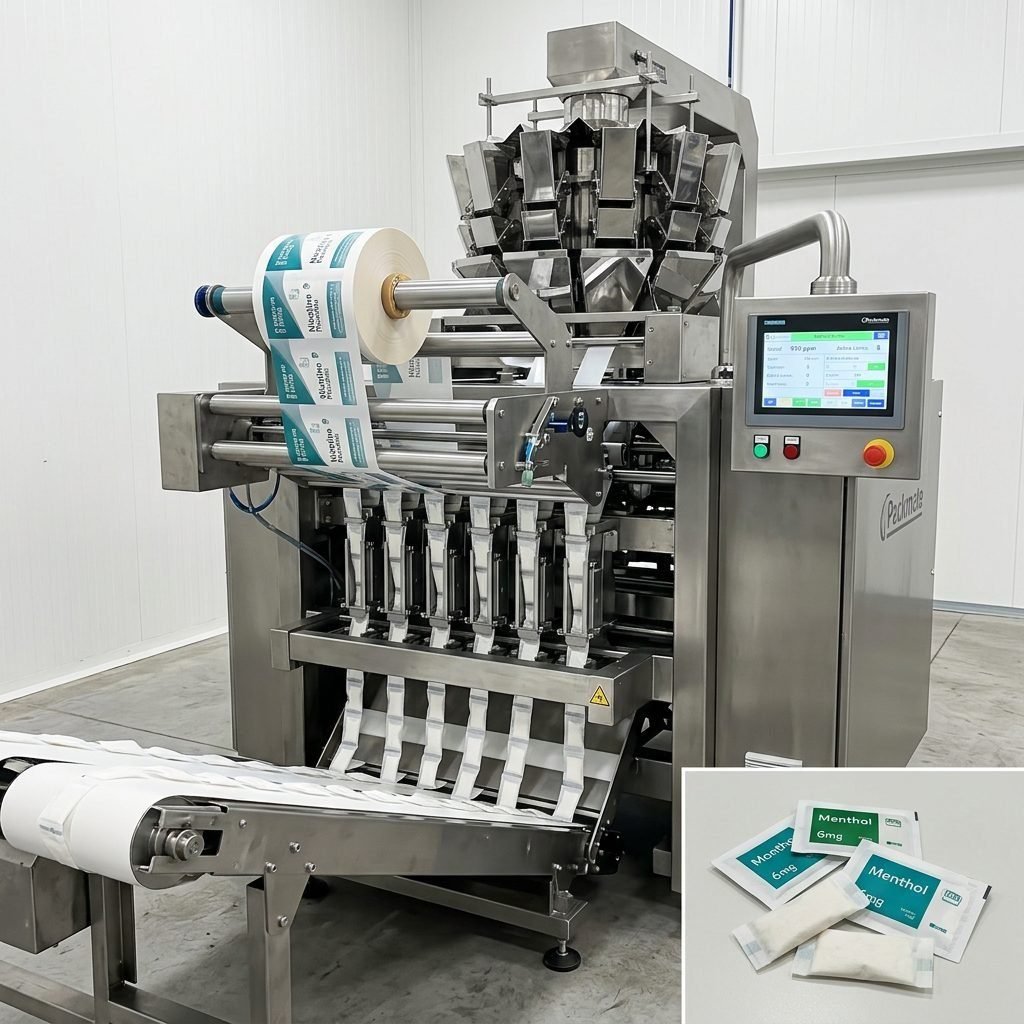
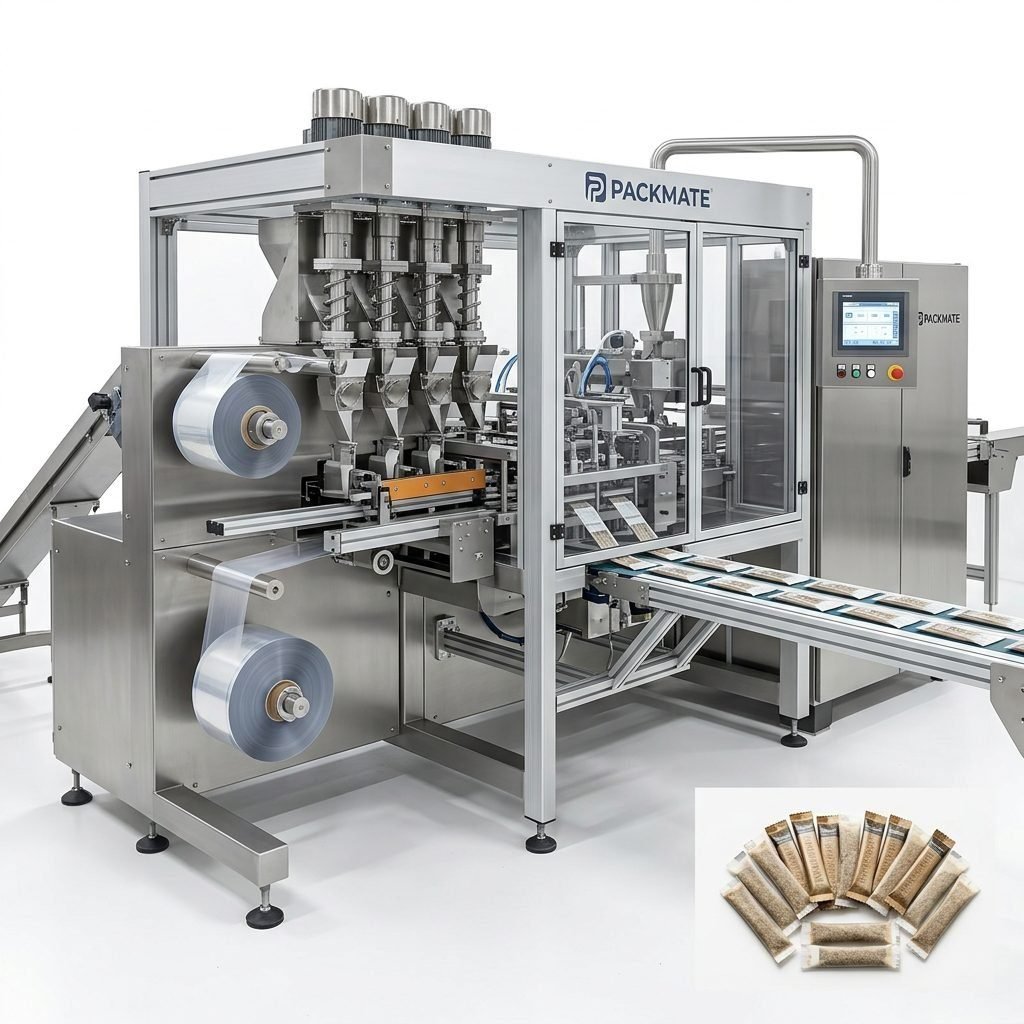
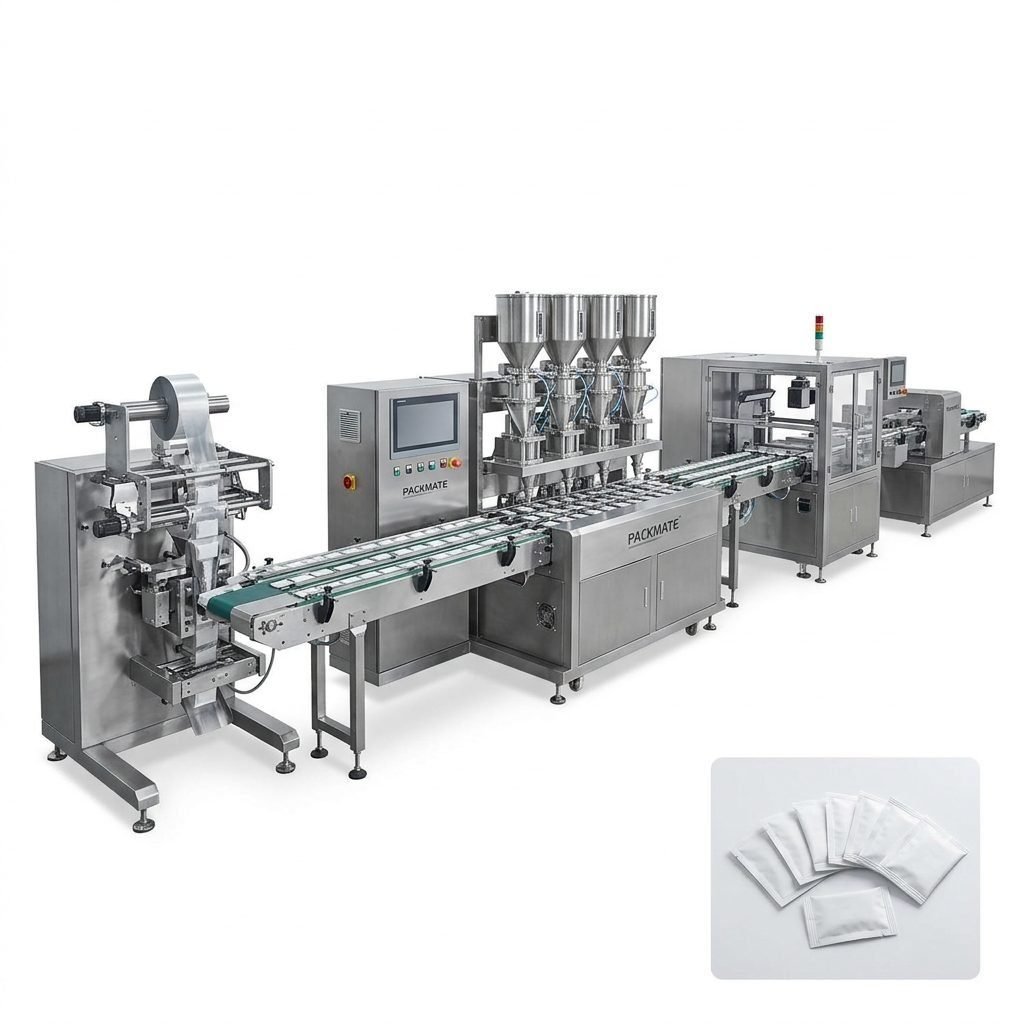
A strong manufacturer will offer a variety of packaging formats — stick packs, sachets, multi-lane pouch systems, and auxiliary equipment such as weighing and filling lines. Review the machine models and choose one that matches your product format, speed requirements, and dose accuracy.
For direct reference to specialized equipment, see the manufacturer’s Snus & Nicotine Packaging Machines page for machine types and technical specifications: Snus & Nicotine Packaging Machines. If your product requires pouches or bags rather than sachets, also examine options on the Bag & Pouch Packaging Machines page.
Technology priorities to verify
– Dosing precision and repeatability for low-dose nicotine pouches.
– Multi-lane synchronization to maximize throughput while keeping product integrity.
– Sealing technology that supports your specific pouch material and barrier requirements.
– Automation features for feeding, counting, and case packing to minimize manual handling.
Customization and turnkey solutions
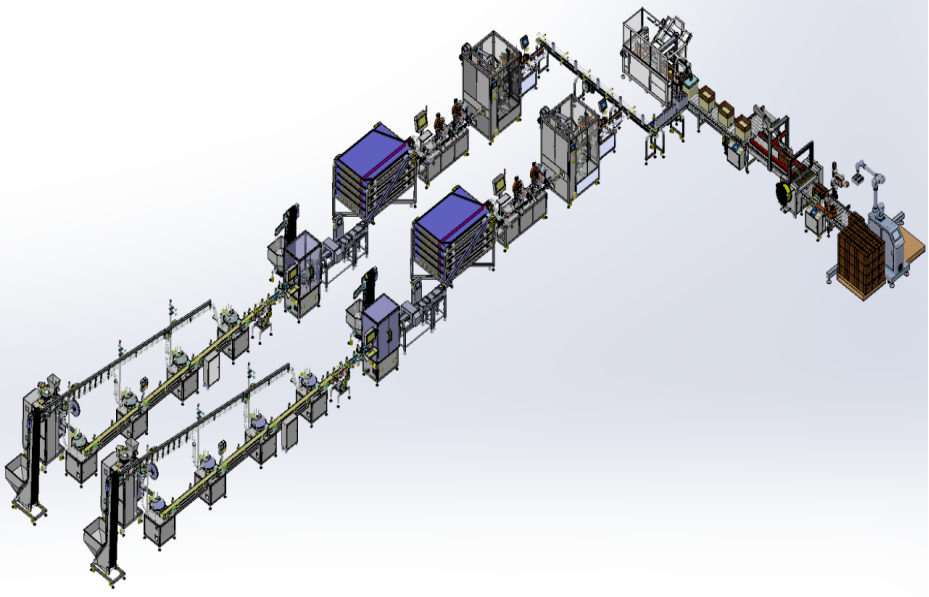
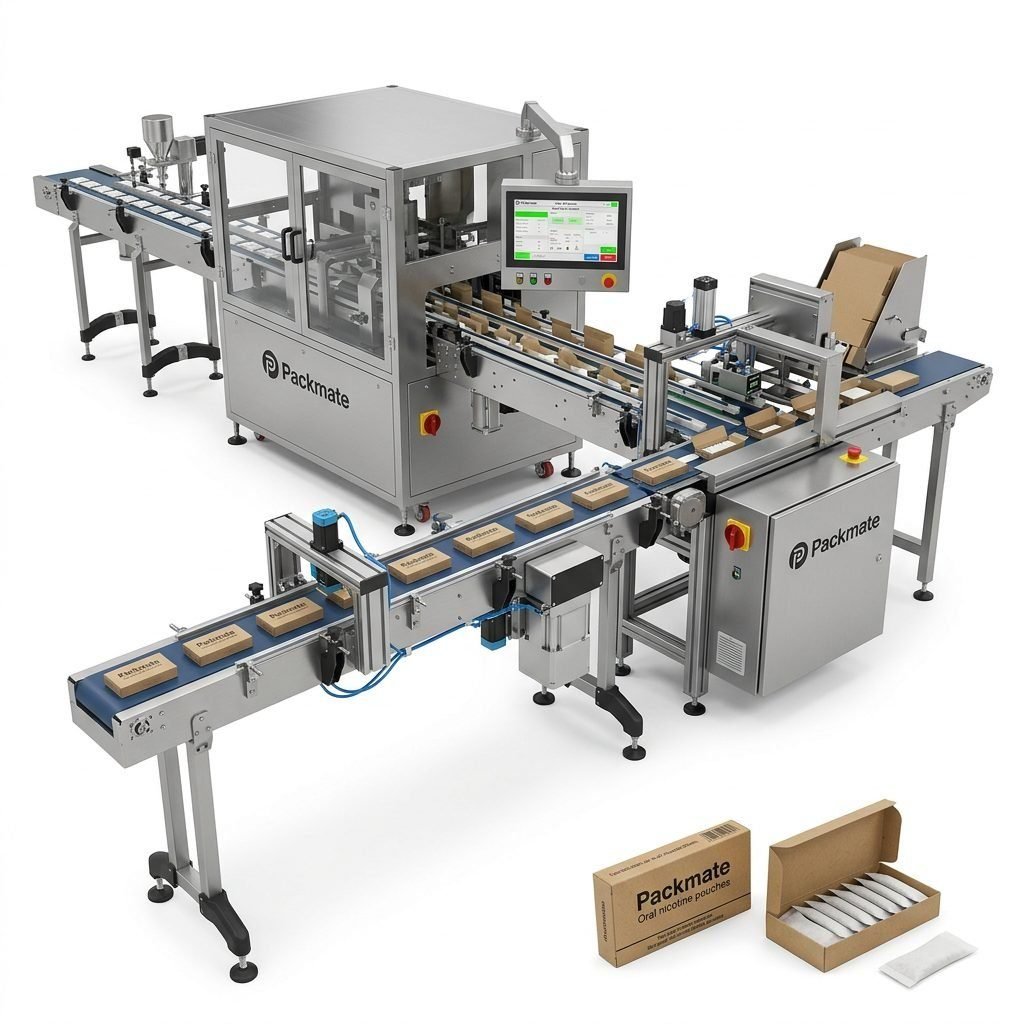
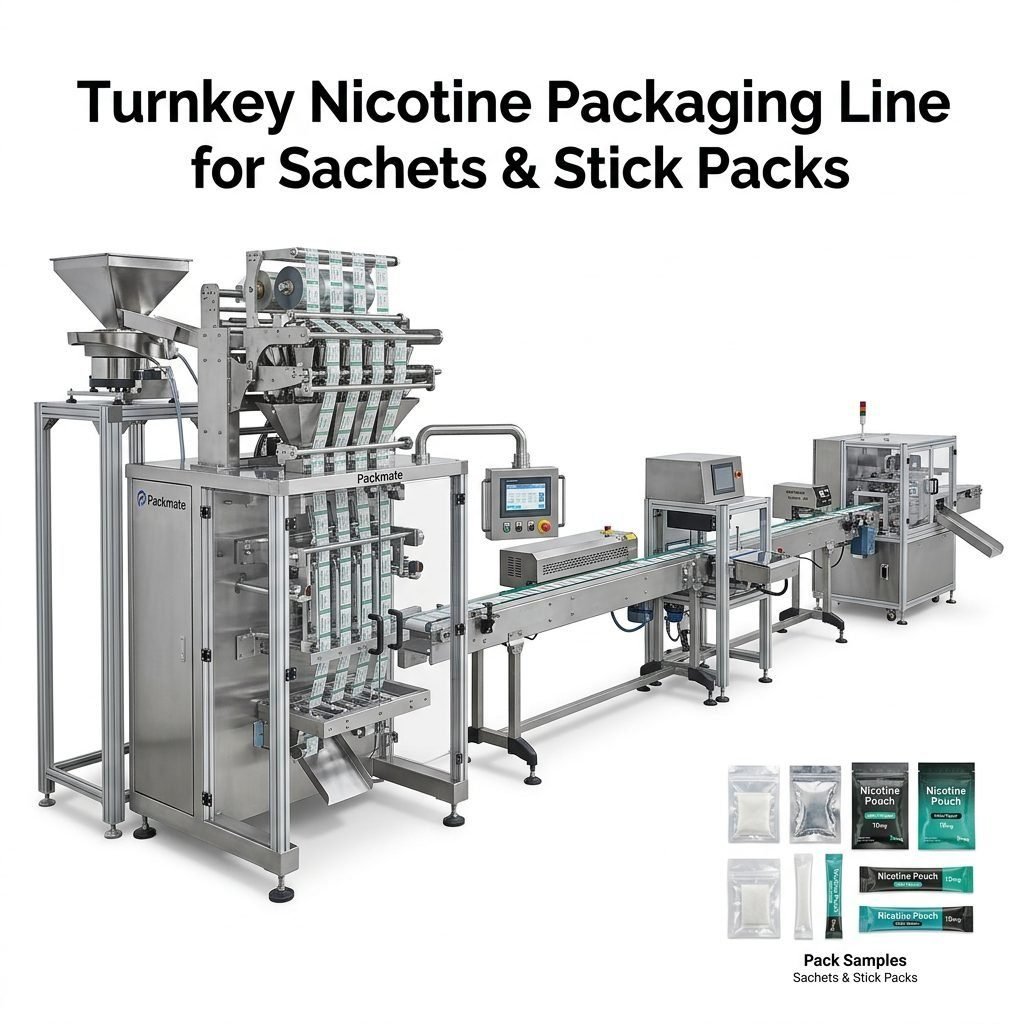
If you need a complete production line, choose a supplier that offers turnkey solutions: integrated feeding, dosing, pouch forming, sealing, checkweighing, and case packing. This reduces integration risk and provides a single point of responsibility for performance guarantees.
Turnkey elements to confirm
– On-site layout design and installation plan.
– Full electrical and control integration.
– FAT (Factory Acceptance Test) procedures and documentation.
– Spare parts kits and a recommended spare parts list.
Certifications, quality control and compliance
International certifications like CE and ISO demonstrate a baseline of compliance and manufacturing discipline. Ask for documentation and certificates, and confirm the manufacturer’s quality testing routines and traceability practices. Reliable suppliers provide machine test records, electrical schematics, and calibration certificates for critical components.
After-sales support, spare parts and training
Long-term support separates good suppliers from great ones. Confirm typical lead times for spare parts, availability of local service technicians (or rapid remote support), and training packages. Strong manufacturers often offer extended warranties, on-site commissioning, and remote diagnostics to minimize downtime.
For insight into service offerings and spare parts, review the manufacturer’s service pages and their global case examples: Service and Case.
Cost analysis and return on investment
Upfront cost is only part of the equation. Consider total cost of ownership (TCO) including energy consumption, maintenance, spare parts, labor, and expected throughput. A higher initial investment in a reliable multi-lane system can pay back quickly through lower per-unit labor, fewer rejects, and higher uptime.
Create an ROI model comparing scenarios: lower-cost single-lane machine versus a higher-speed multi-lane line. Factor in market growth expectations in Argentina and regional distribution costs.
Logistics, import and local regulations in Argentina
When importing industrial equipment into Argentina, review customs, duties, and local certification requirements. Verify the supplier’s experience exporting to South America and whether they provide export packing, shipping documentation, and assistance with customs clearance. Suppliers familiar with the region can save time and reduce unexpected costs.
Practical tips
– Ask for references in Argentina or neighboring countries.
– Verify estimated delivery and installation timelines in writing.
– Confirm supplier responsibility for damage during transit and warranty activation post-installation.
Commercial terms and negotiation points
Negotiate clear payment milestones tied to delivery, FAT, and successful commissioning. Seek a warranty with uptime guarantees and a defined service SLA for response times. Clarify which consumables are customer-supplied and which are included.
Negotiation checklist
• Delivery and installation dates with penalties for missed targets.
• FAT acceptance criteria and rework clauses.
• Spare parts delivery times guaranteed in contract.
• Training scope, language, and duration.
Common pitfalls and how to avoid them
Don’t let procurement be driven solely by price. Common mistakes include accepting vague FAT criteria, overlooking spare parts lead times, and failing to clarify integration responsibilities for upstream or downstream equipment. Avoid surprises by getting technical specifications, electrical diagrams, and spare parts lists before signing.
Selecting the best manufacturer: a practical scoring method
Build a simple scorecard to compare candidates across critical dimensions: product fit, experience, factory strength, certification, after-sales support, references, and price. Weight the categories according to your priorities—if uptime is key, give after-sales and spare parts higher weight.
Example score categories
– Product fit & customization: 25%
– Manufacturing capability & certifications: 20%
– Support & training: 20%
– References & track record: 15%
– Total cost and ROI: 20%
Where to get more information and next steps
Start by requesting detailed datasheets, FAT videos, and customer references. Visit the manufacturer’s online product catalogs to shortlist models and request an on-site or virtual demonstration. If you want to learn more about full packaging lines and supporting equipment, explore the Filling & Packaging Lines and Weighing & Packaging Systems resources: Filling & Packaging Lines and Weighing & Packaging Systems.
Why consider Packmate or similar industry leaders
Companies with over 30 years of engineering experience, a large factory footprint, and dozens of machine models demonstrate the scale and maturity needed for global nicotine pouch projects. Look for suppliers that provide global turnkey solutions, participate in international exhibitions, and publish certifications and case studies. For an overview of company history and credentials, you can view the About page here: About Packmate.
Quick action plan
1. Define product specs (pouch type, dose, speed).
2. Shortlist 3 manufacturers with snus experience.
3. Request FAT evidence and references.
4. Run a TCO/ROI comparison and finalize procurement terms.
5. Plan installation, training and spare parts strategy.
Contact and next steps
When you are ready to request quotes or schedule a technical discussion, contact the supplier directly and ask for a tailored proposal that includes timelines, acceptance criteria, and warranty terms. If you need direct contact details or want to arrange a factory visit, use the manufacturer’s contact page: Contact Us.
Final thought
Selecting the best snus packaging machine manufacturer for your business in Argentina requires a balance of technical fit, manufacturing capability, regulatory understanding, and long-term support. Use a structured evaluation, demand thorough documentation, and prioritize suppliers with a clear track record in nicotine pouch packaging to reduce risk and accelerate time-to-market.
Common Questions (FAQs)
Q1: How long does it typically take to receive and commission a snus packaging line?
A1: Typical lead times vary by model and customization but expect 12–24 weeks for production plus 1–3 weeks for shipping and 1–2 weeks for on-site commissioning, depending on customs and installation complexity.
Q2: What certifications should I insist on when buying a packaging machine?
A2: Key certifications include CE and ISO compliance for manufacturing and electrical safety. Also confirm machine-specific test reports and calibration certificates for dosing equipment.
Q3: How important is local after-sales support in Argentina?
A3: Very important. Local or regional service partners reduce downtime. If local support is limited, ensure the supplier provides robust remote diagnostics, training, and a committed spare parts delivery timeline.
Q4: Can I scale from a single-lane pilot to a multi-lane production system later?
A4: Many manufacturers design modular systems for scaling. Confirm upgrade paths, control compatibility, and whether key modules are interchangeably engineered to minimize future investment.
Q5: What documents should I request during supplier evaluation?
A5: Ask for datasheets, FAT reports, electrical diagrams, spare parts lists, performance guarantees, compliance certificates, and customer references from similar projects.