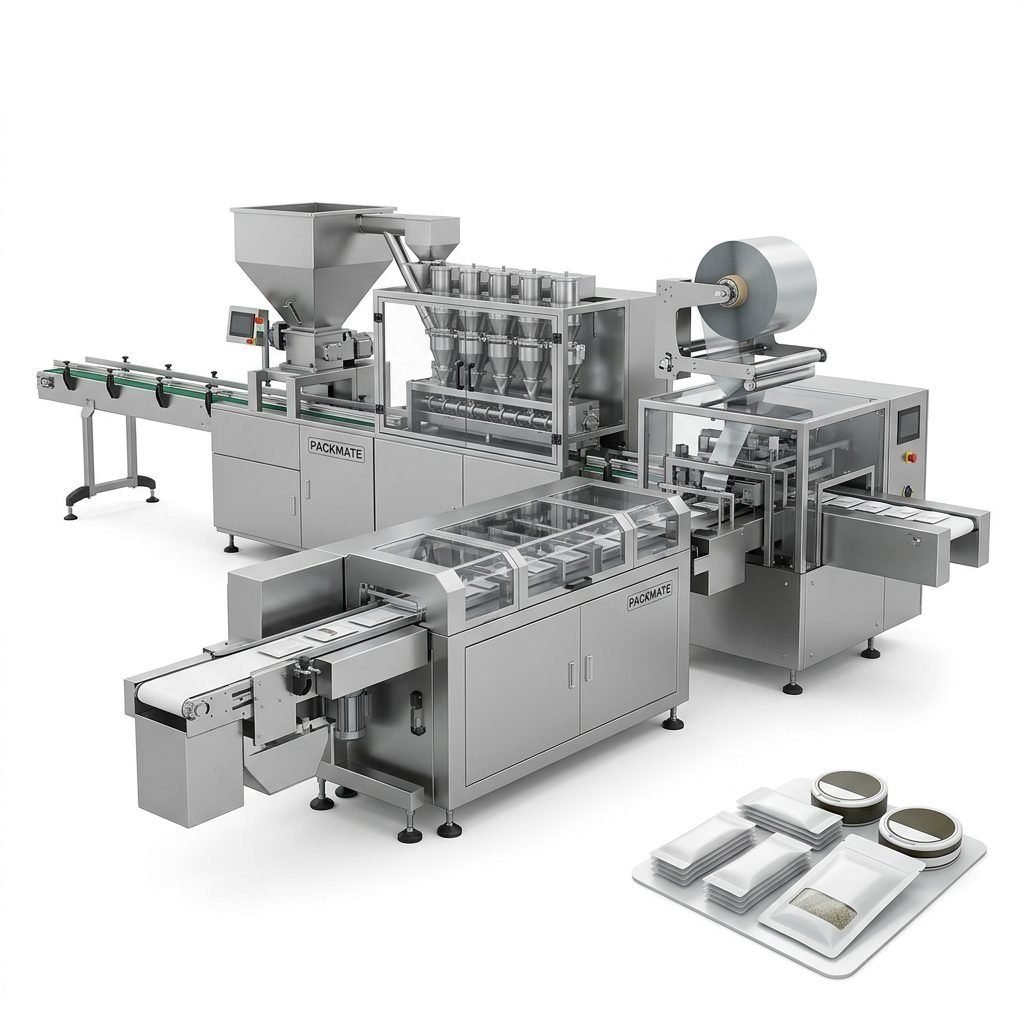
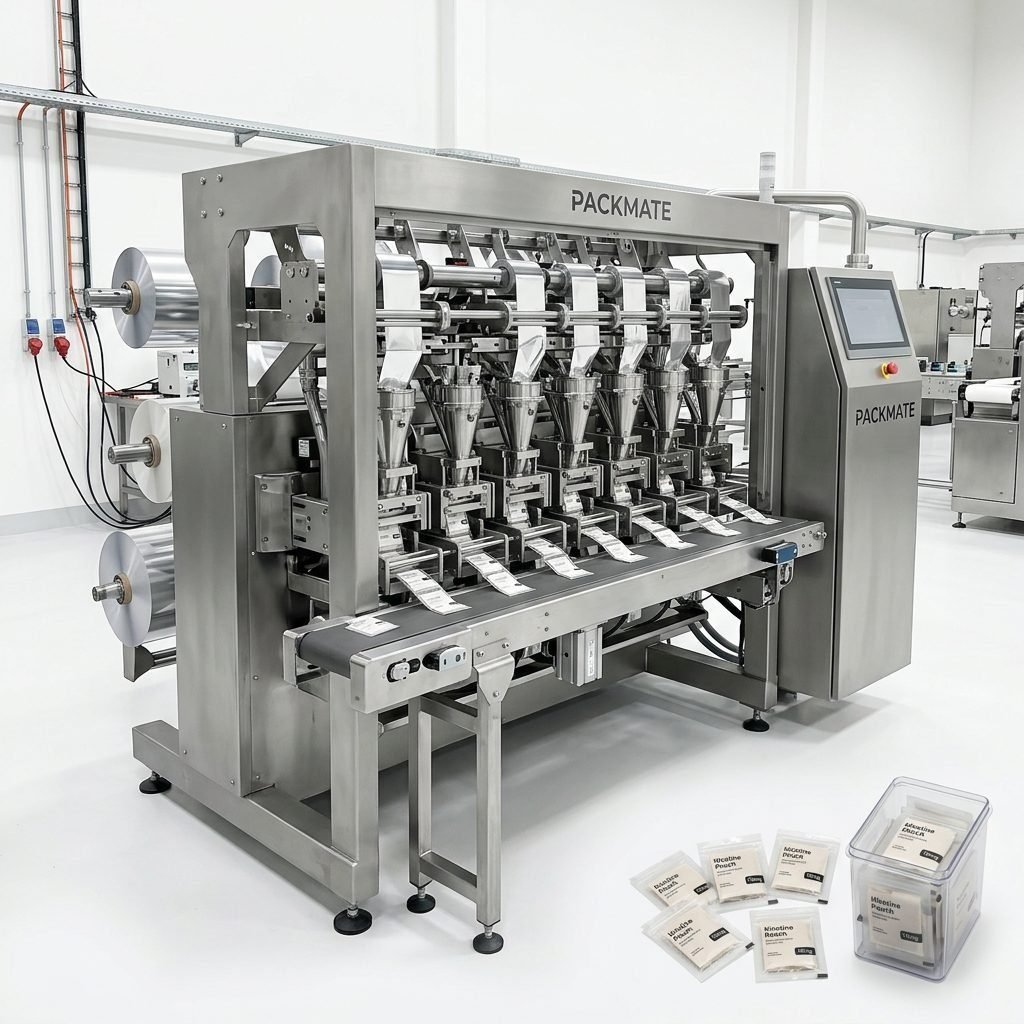
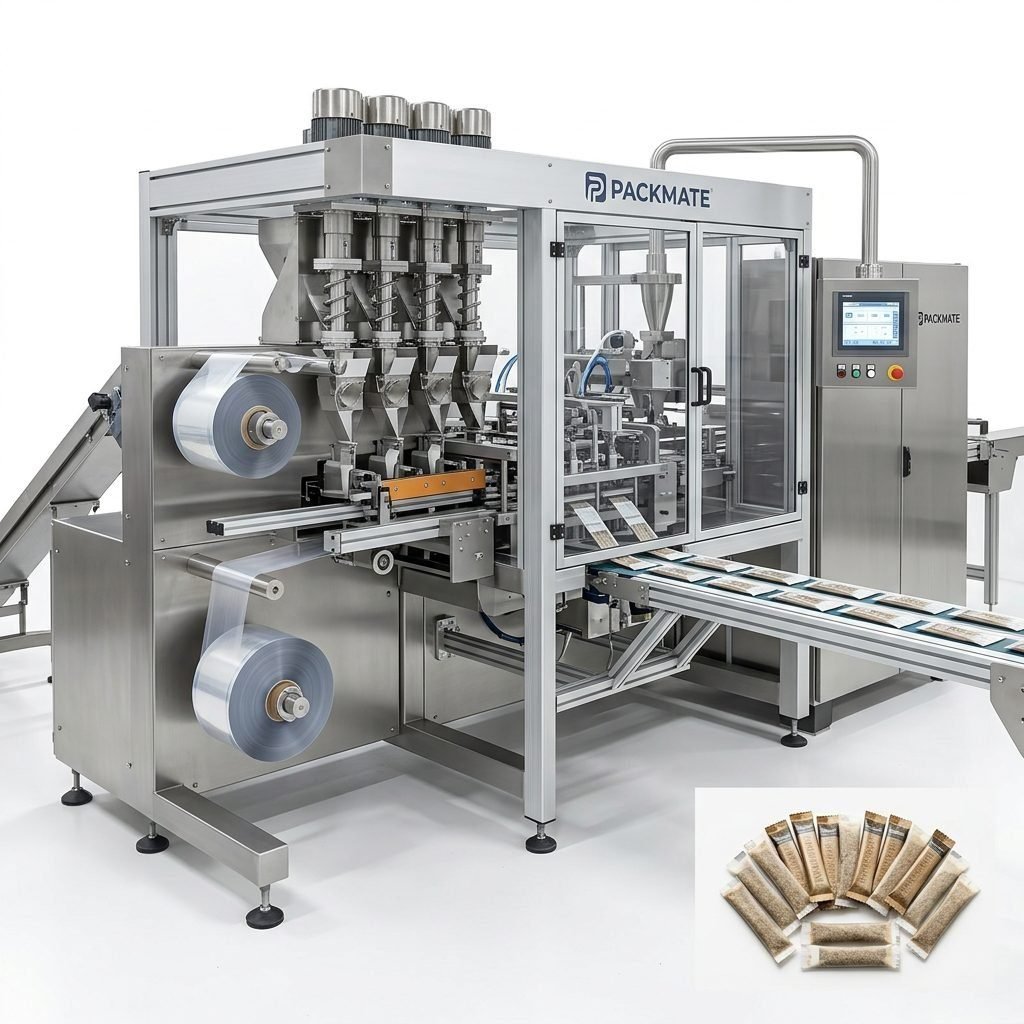
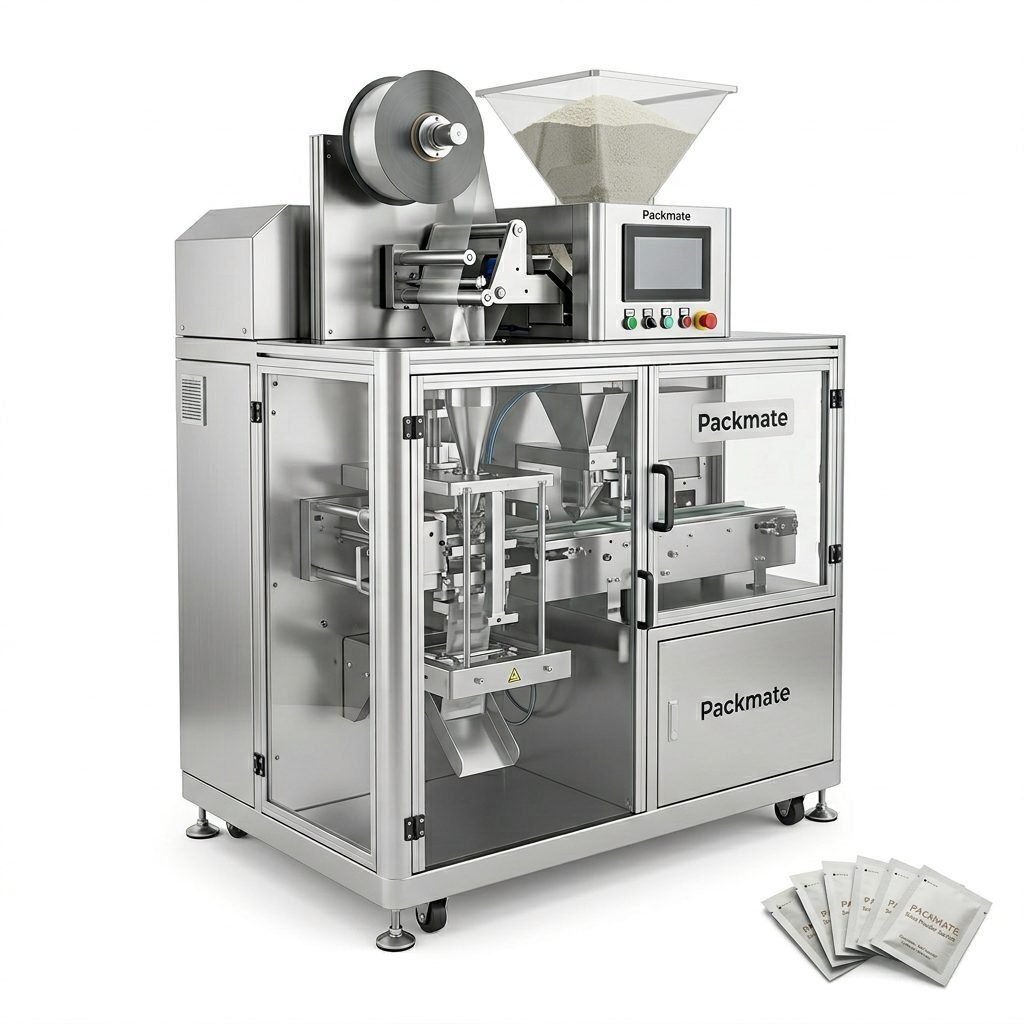
In the competitive packaging landscape for nicotine pouches and snus, advanced filling technology is the backbone of consistent product quality and high throughput. Manufacturers and brand owners demand machines that deliver precision dosing, repeatable sealing, and seamless integration into automated production lines. This article explores the core innovations behind modern nicotine pouch filling systems, explains how precision and automation improve production efficiency, and outlines the factors to consider when selecting a turnkey packaging partner.
Precision Filling: The Foundation of Consistent Nicotine Pouch Quality
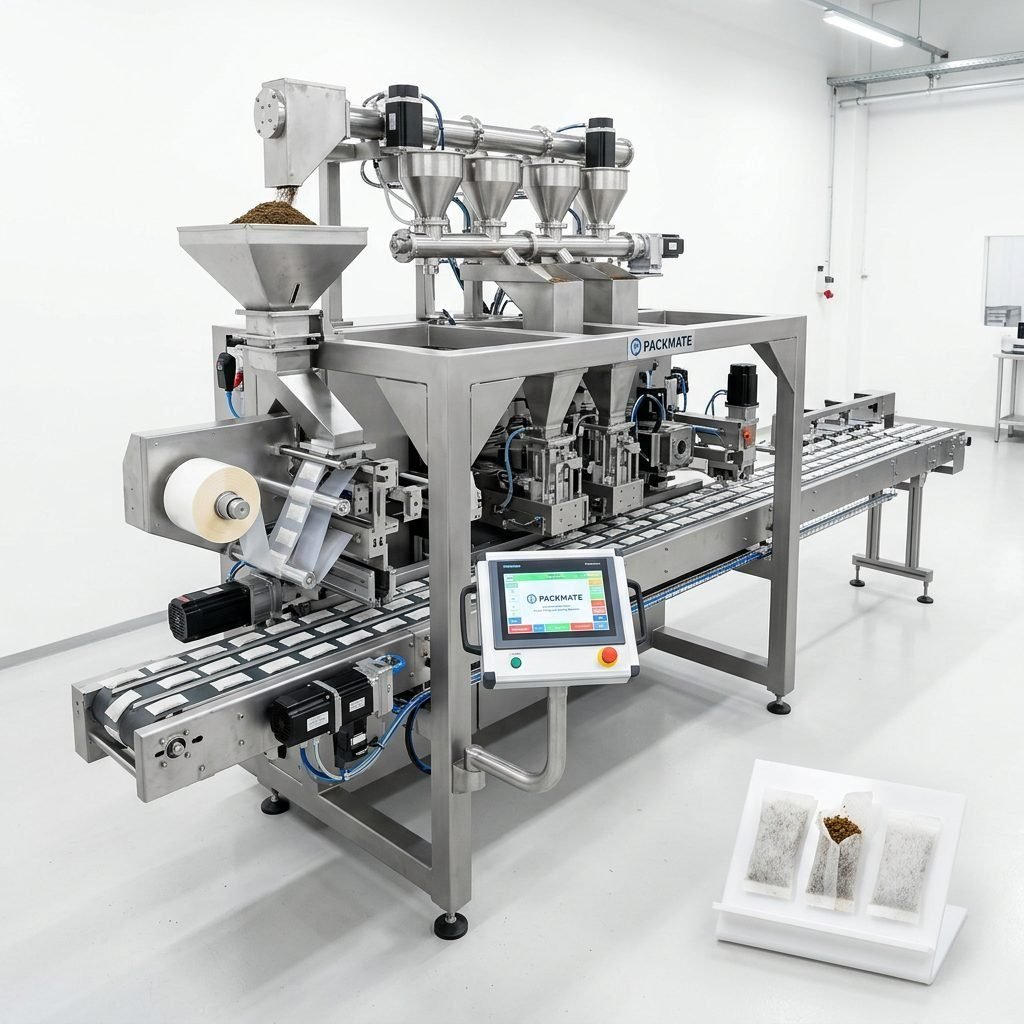
Precision filling ensures every pouch contains the exact nicotine dose and pouch material required by regulatory and commercial specifications. Modern systems use high-accuracy volumetric or gravimetric dosing modules paired with real-time feedback controls. Accurate dosing reduces waste, minimizes product variance, and maintains brand consistency across production batches.
⚙️ Key precision features:
high-resolution metering, closed-loop weighing feedback, servo-driven pistons, and multi-sensor verification for every pouch.
Gravimetric vs. Volumetric Dosing
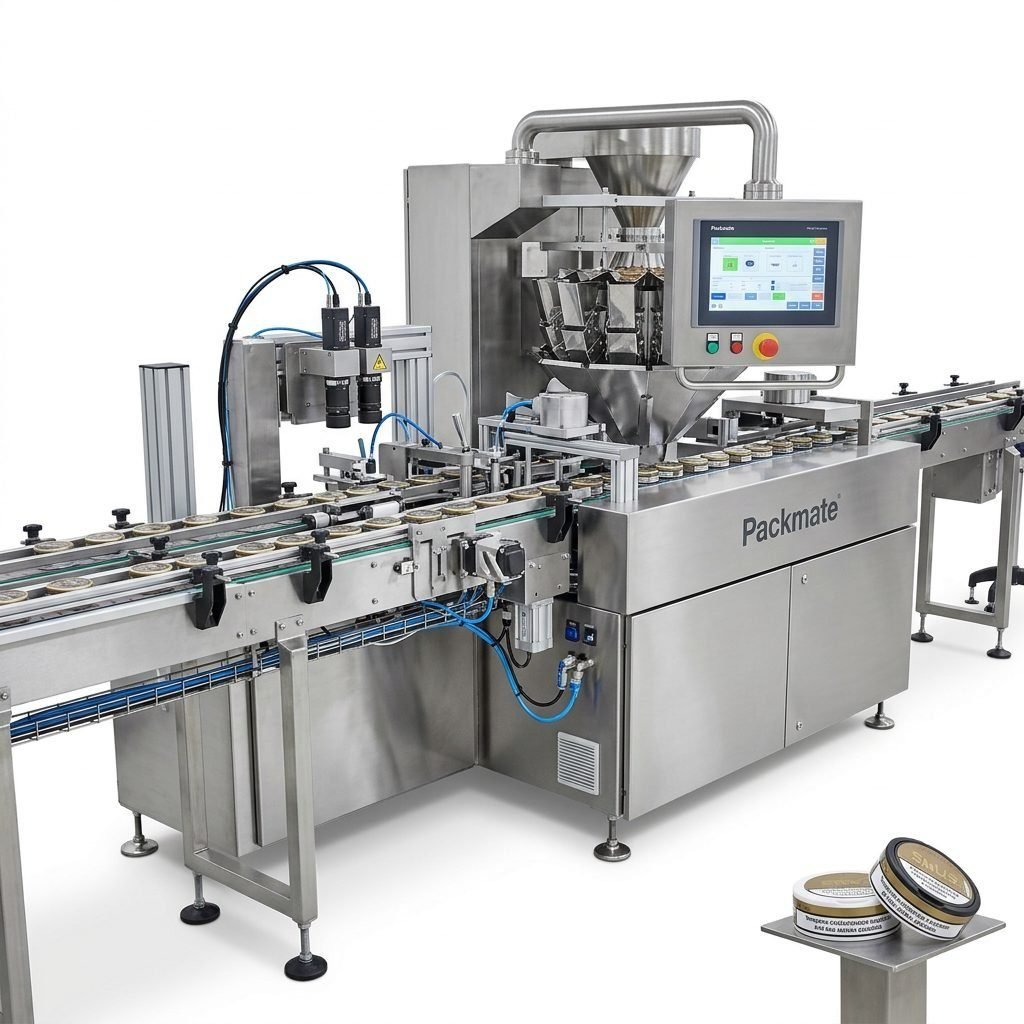
Gravimetric dosing measures and adjusts mass on every cycle, delivering the highest accuracy for variable bulk densities and hygroscopic materials. Volumetric systems are faster and cost-effective for stable, free-flowing blends. Many high-performance lines combine both approaches—using volumetric feeders for bulk flow and in-line weight verification to correct deviations—striking a balance between speed and precision.
Automation: From Single-Machine Cells to Fully Integrated Lines
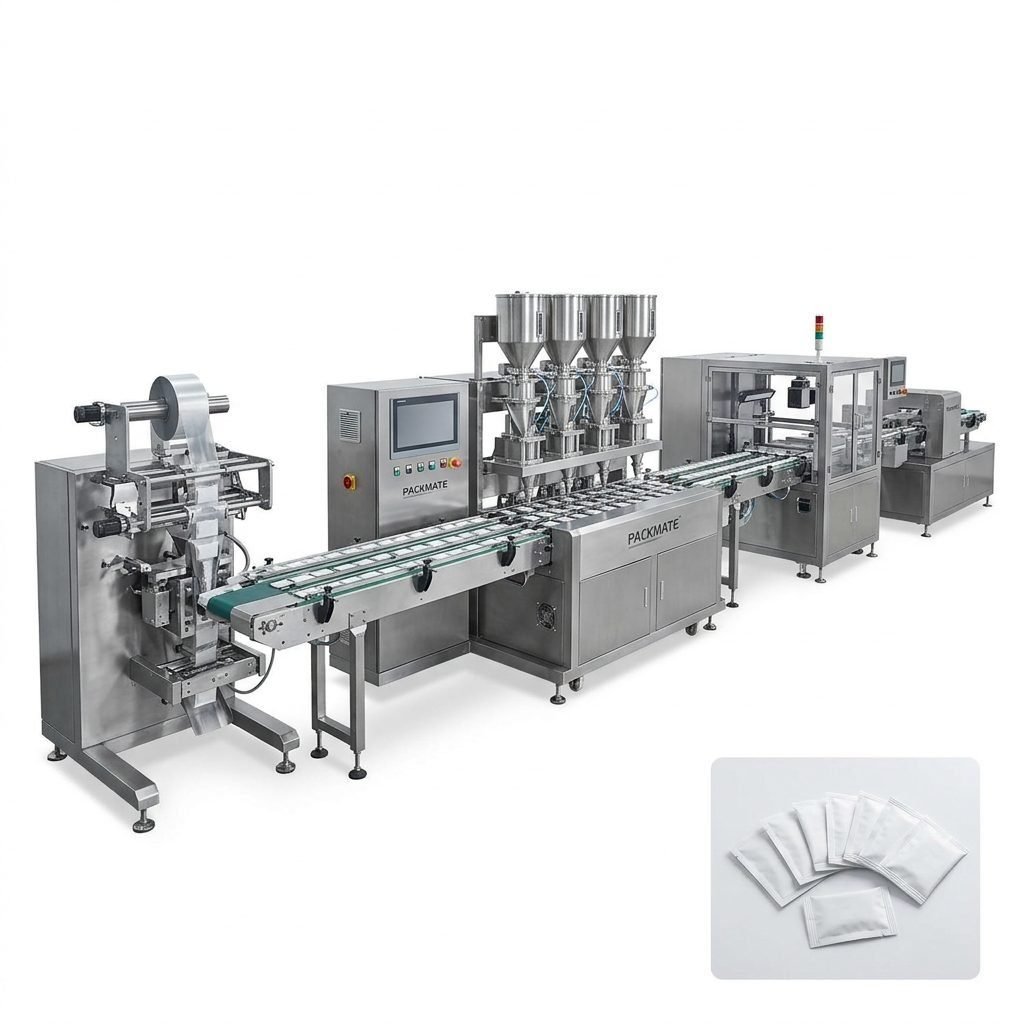
Automation extends beyond a single filling head. It encompasses pouch forming, filling, sealing, date coding, secondary packaging, and material handling. Advanced PLC and HMI systems coordinate the entire line, allowing for recipe management, quick changeovers, and minimal operator intervention. Automated diagnostics and predictive maintenance reduce downtime and provide actionable alerts to technicians, improving overall equipment effectiveness (OEE).
🔧 Automation advantages:
faster setup, consistent output, remote monitoring, and integrated quality control for regulatory traceability.
Multi-Lane Systems for High Throughput
Multi-lane fillers multiply throughput without increasing footprint by simultaneously forming and filling multiple pouches across parallel lanes. These systems are particularly valuable for small-dose nicotine pouches where single-lane speed improvements alone cannot meet market demand. Precise lane-to-lane synchronization and consistent product distribution are critical to avoid cross-lane variance.
Production Efficiency: Reducing Cost per Unit
Efficiency is measured not just in pouches per minute but in yield, material utilization, and total cost of ownership. Modern filling lines focus on:
• Optimized pouch format and minimal scrap through precise cutting and sealing.
• Fast changeover mechanisms for format, dosing volume, and lane count.
• Energy-efficient drives and smart standby modes to reduce operating costs.
Lean Design and Footprint Optimization
Compact machine integration and modular designs reduce line length and allow easier layout adjustments on the factory floor. Combining upstream filling with downstream cartoning and case packing minimizes manual handling and speeds overall throughput. A well-designed line translates to lower labor costs and improved safety compliance.
Quality Control & Regulatory Compliance
Nicotine products face stringent regulatory oversight in many markets. Packaging machines must support traceability, tamper evidence, and accurate labeling. Inline inspection systems—vision checks, leak detection, and weight verification—ensure that every pouch meets specifications before it reaches secondary packaging. CE and ISO-aligned machine design help manufacturers meet global compliance expectations and simplify audits.
📜 Certification note:
choose suppliers with verifiable CE/ISO certifications and documented testing protocols to minimize regulatory risk.
Hygiene, Material Handling and Containment
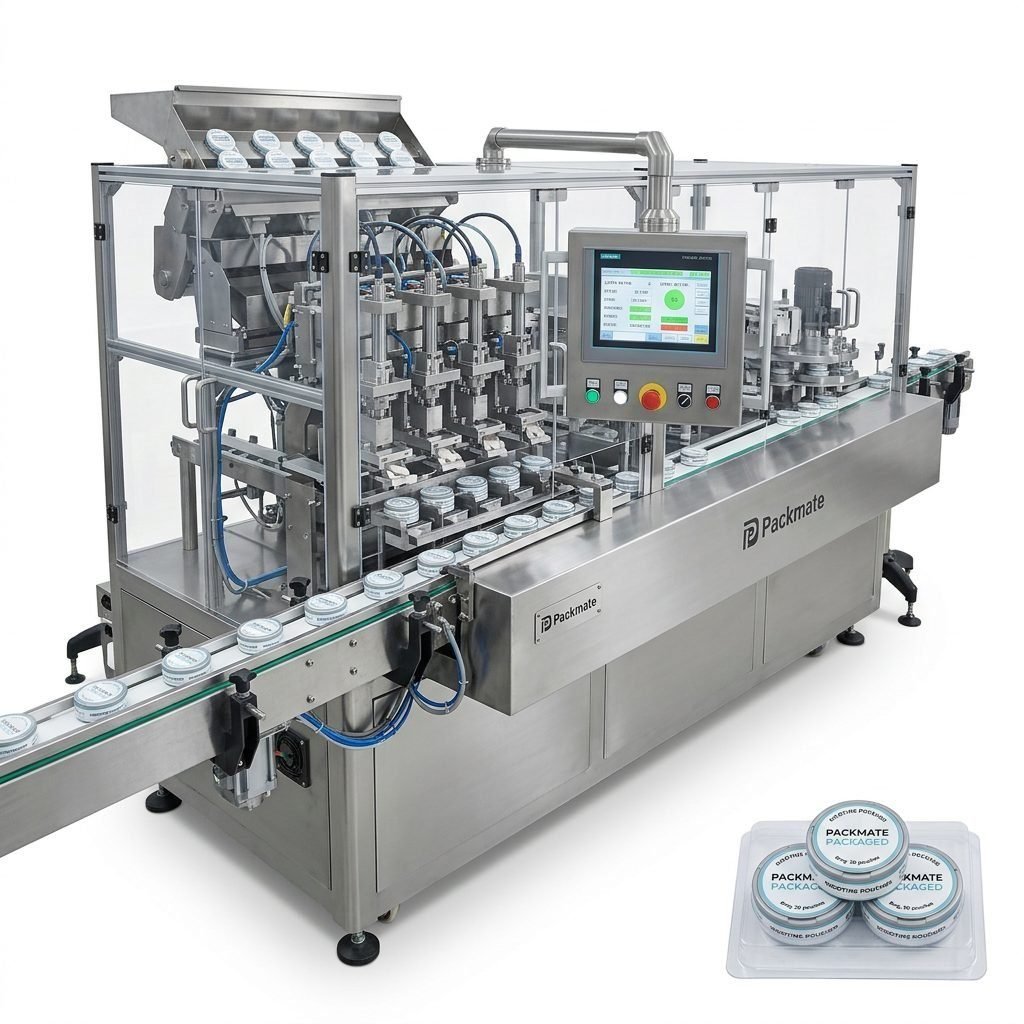
Controlled environments, easy-to-clean surfaces, and enclosed dosing modules are essential—especially when dealing with nicotine and hygroscopic blends. Containment features protect operators and reduce cross-contamination. Consider machines with quick-release parts and CIP (clean-in-place) friendly designs for swift sanitation cycles.
Customization & Turnkey Solutions
No two production facilities share identical needs. Leading manufacturers offer scalable, modular lines and tailored solutions that include upstream dosing, pouch formation, filling, sealing, labeling, and end-of-line packaging. For comprehensive capabilities, explore turnkey providers with experience across snus, nicotine pouches, and adjacent markets—this reduces integration friction and speeds time-to-market.
For product lines and machine models, companies often display comprehensive product pages; examples include dedicated sections for Snus & Nicotine Packaging Machines and integrated Filling & Packaging Lines.
Turnkey benefits
Turnkey solutions minimize coordination with multiple vendors, provide a single point of responsibility, and support faster commissioning. Suppliers with global service networks and documented case histories provide an added layer of confidence—review their installation references and exhibition presence before committing.
Factory Capabilities & Long-Term Support
A manufacturer’s engineering pedigree and workshop capabilities determine quality and long-term reliability. Facilities with advanced CNC machining, precision assembly lines, and structured QA processes can deliver machines that stand up to continuous operation. Look for vendors offering spare parts, remote diagnostics, and training to ensure low lifecycle costs.
Learn more about a provider’s background on their company page such as About Packmate and review real-life installations in their Case studies.
🏭 Factory strength checklist:
30+ years of engineering, 20,000㎡ manufacturing area, advanced CNC machining, and 50+ machine models indicate robust production and customization capacity.
Integration with Weighing & Secondary Equipment
Automated weighing systems and secondary equipment such as carton erectors, case packers, and palletizers complete the production ecosystem. Seamless interfaces reduce bottlenecks and ensure the entire flow—from raw materials to palletized cartons—operates harmoniously. Consider suppliers that offer both primary filling machines and auxiliary packaging equipment to simplify integration.
See product integrations like Weighing & Packaging Systems and Auxiliary Packaging Equipment for examples of full-line coordination.
Maintenance, Service and Spare Parts Strategy
A proactive maintenance plan backed by quick spare parts support is essential. Remote assistance, predictive analytics, and preventive maintenance schedules keep lines running with minimal disruption. Establish clear SLAs with the supplier for response times, spare part availability, and remote support to secure production continuity.
Training and Documentation
Comprehensive operator training, maintenance manuals, and on-site startup support accelerate ramp-up and reduce incidents. Verify that the vendor provides multilingual documentation and digital resources for ongoing staff development.
Return on Investment: Calculating the Real Impact
When evaluating equipment, calculate ROI based on improved yield, reduced waste, labor savings, and shorter cycle times—not just machine price. High-efficiency filling lines often pay back quickly when they deliver predictable output and reduce quality-related rework.
📈 ROI focus areas:
yield improvement, labor reduction, energy efficiency, and reduced material scrap.
Selecting a Supplier: Questions to Ask
Ask about warranty terms, spare parts lead times, field service coverage, customization capabilities, and references from similar projects. Review exhibition presence and certificates to gauge commercial credibility and technical competence.
Exhibition & Support Channels
Attend industry exhibitions to see live demonstrations and meet engineering teams. Many manufacturers list their upcoming shows—review their Our Exhibition calendar to arrange machine trials and face-to-face consultations.
Final Thoughts: Balancing Speed, Precision and Support
Investing in advanced nicotine pouch filling technology is a strategic move that affects product quality, compliance, and profitability. Prioritize machines that pair high-precision dosing with robust automation, provide easy maintenance, and are backed by a supplier with manufacturing depth and global service capability. With the right partner, your packaging line becomes a competitive advantage—scalable, reliable, and ready for future product innovations.
For inquiries or to explore tailored packaging solutions, visit the supplier contact page such as Contact Us and request a consultation to assess your production goals and constraints.
Frequently Asked Questions
Q1: How do I choose between gravimetric and volumetric dosing for nicotine pouches?
A1: Choose gravimetric dosing for maximum accuracy with variable materials; volumetric can be suitable for high-speed production with consistent blends. Consider hybrid systems that offer weight verification for the best balance.
Q2: What throughput can multi-lane systems achieve?
A2: Throughput depends on lane count, dosing method, and pouch format. Multi-lane systems can multiply single-lane capacity—speak with your vendor about lane synchronization and real-world case studies to set realistic expectations.
Q3: What certifications should packaging machines have for global distribution?
A3: CE and ISO certifications are standard indicators of safety and quality. Additionally, ensure machines meet local electrical and environmental standards and support traceability needed for regulatory compliance.
Q4: How can I minimize downtime and ensure quick maintenance?
A4: Implement scheduled preventive maintenance, secure a spare parts agreement, and select machines with remote diagnostic capabilities. Training operators and having clear maintenance documentation also reduce mean time to repair.
Q5: Where can I see real installations and request demonstrations?
A5: Visit manufacturer case pages and exhibition schedules. Many suppliers showcase live machine demos at trade shows and can provide virtual or on-site demonstrations—check their Case and Exhibition details.