Choosing the right nicotine packaging machinery supplier in Russia requires a blend of technical insight, local market awareness, and careful vendor evaluation. This guide walks production managers, purchasing teams, and plant engineers through the practical steps to select a supplier that matches your capacity needs, regulatory expectations, and operational culture in the Russian market. Expect actionable checklists, risk-mitigation tips, and supplier selection criteria you can use immediately.
Understand Your Production Requirements
🔧 Start by documenting your core production needs: target throughput (pouches/min or sticks/min), number of lanes, pouch formats, dosing accuracy, and hygiene/cleaning requirements. Russian tobacco and nicotine producers often prioritize robustness and easy maintenance due to wide climatic conditions and varied supply chains across regions. A clear specification sheet will help you compare suppliers on an apples-to-apples basis.
Key technical points to capture:
- Target output and scalability requirements
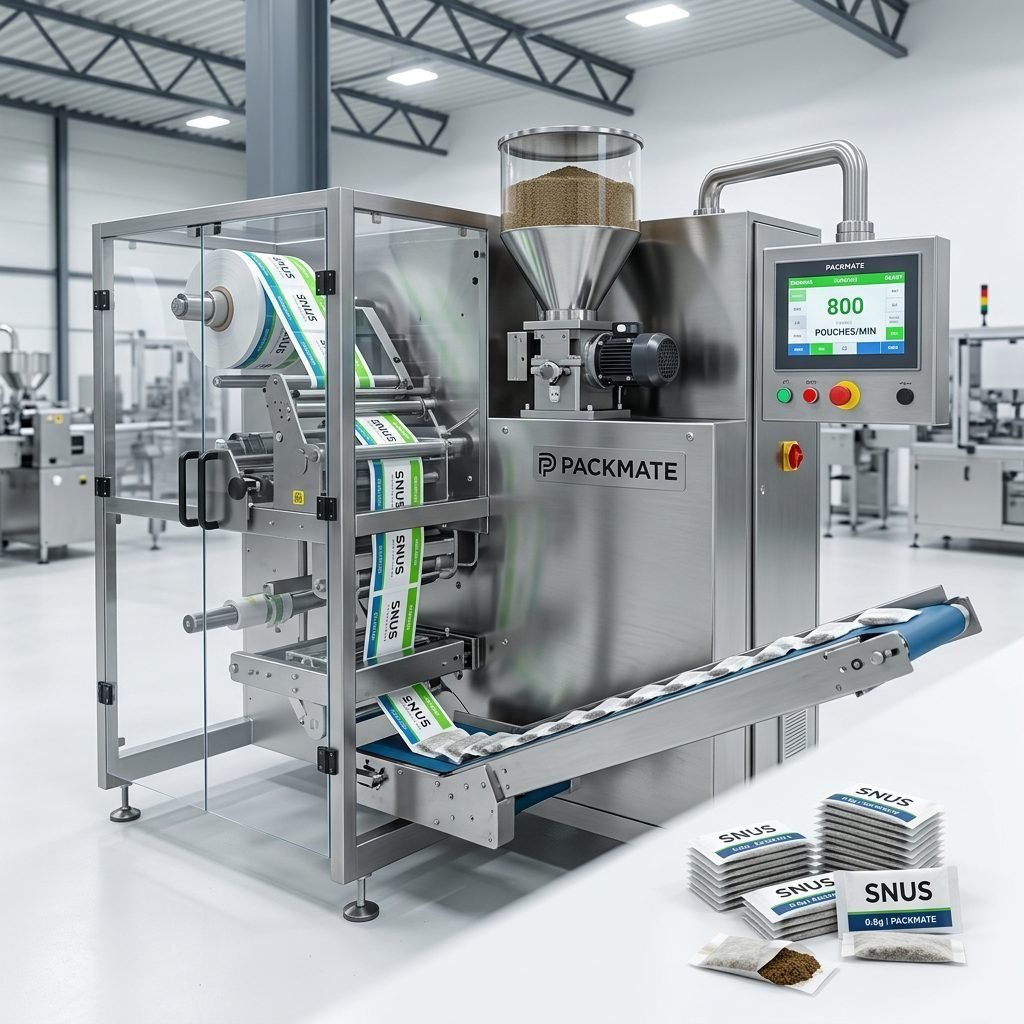
- Product types: nicotine pouches, snus, loose-leaf, powders or liquids
- Dosing tolerance and quality control systems
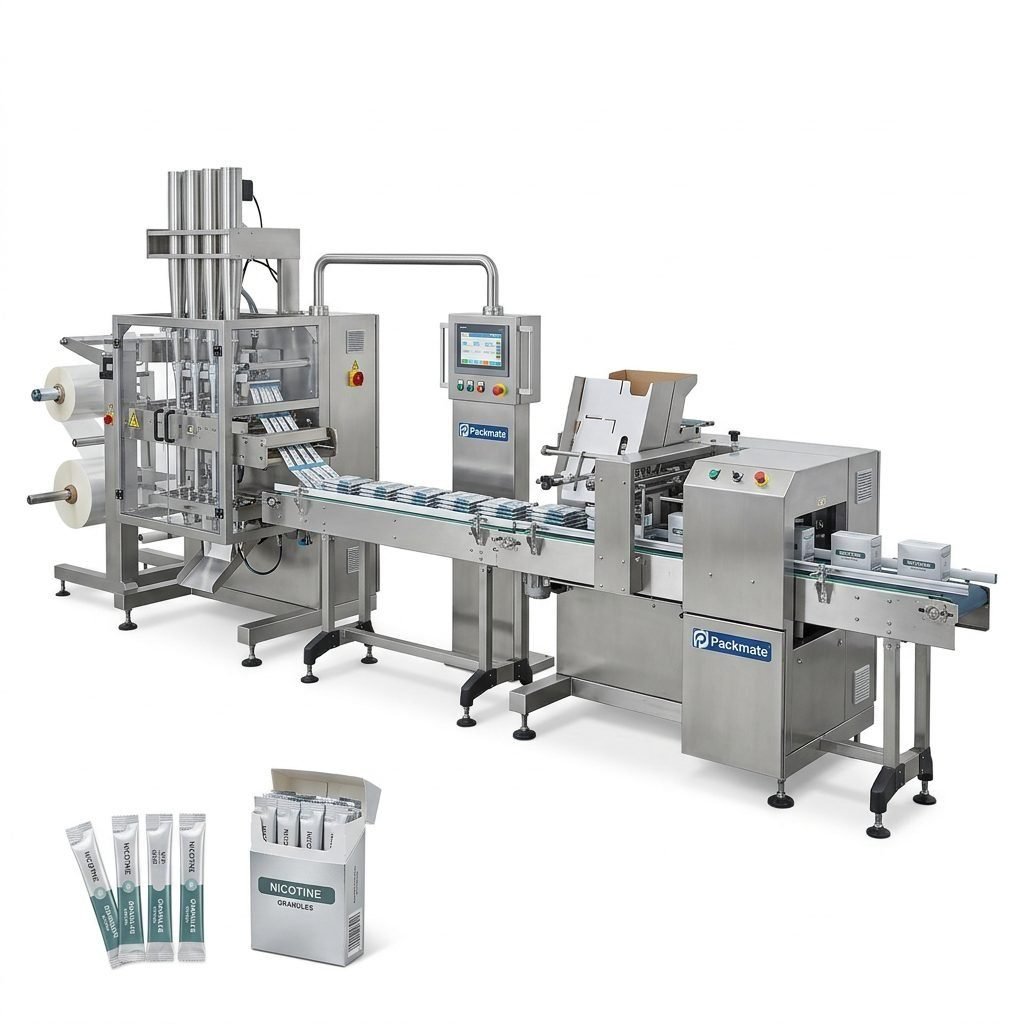
- Automation level: single machine vs. turnkey line
Prioritize Compliance and Certifications
📜 Russian regulatory and customs requirements for nicotine products can be strict and evolving. Look for suppliers whose machinery complies with international standards such as CE and ISO, and who provide clear documentation for customs clearance and certification. Suppliers experienced in exporting to Russia will typically include documentation and support for smooth importation.
Evaluate Supplier Experience and Track Record
📈 Choose a supplier with proven experience in nicotine pouch packaging and multi-lane small-dose systems. Companies with decades of engineering history and a documented growth story indicate long-term support capability. When targeting the Russian market, preference should be given to vendors who have delivered turnkey solutions or shipped multiple lines internationally.
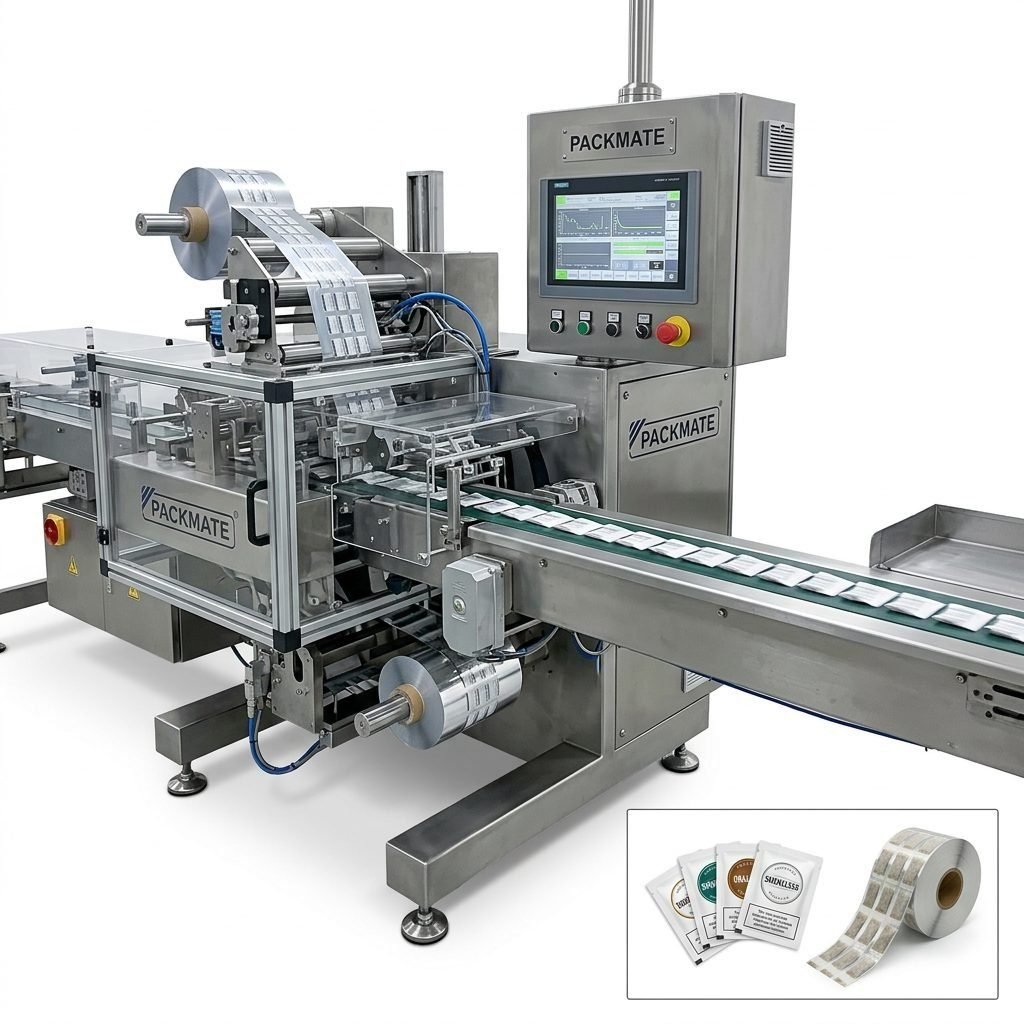
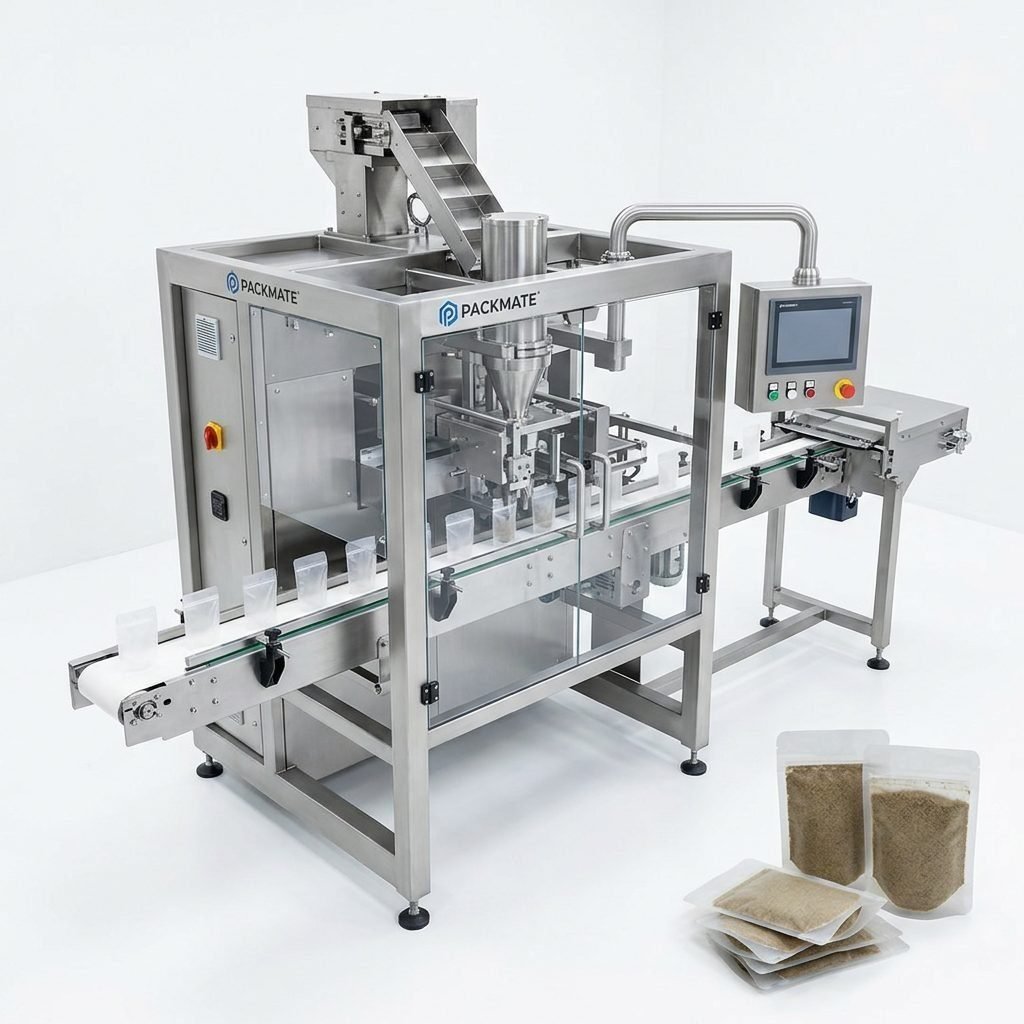
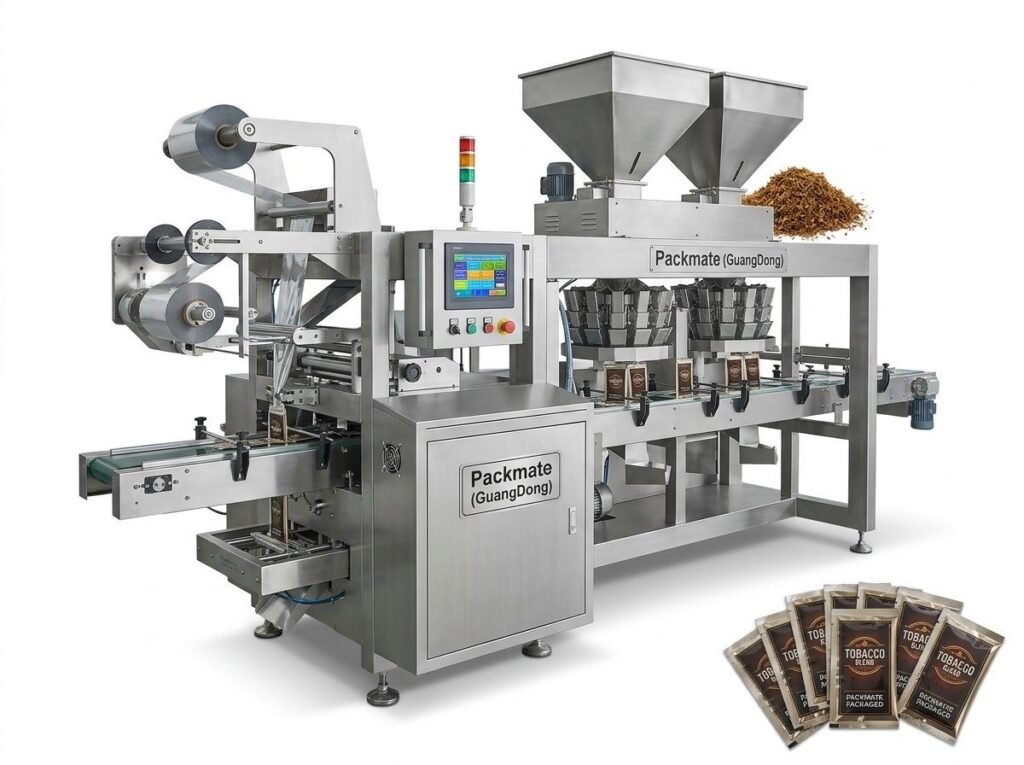
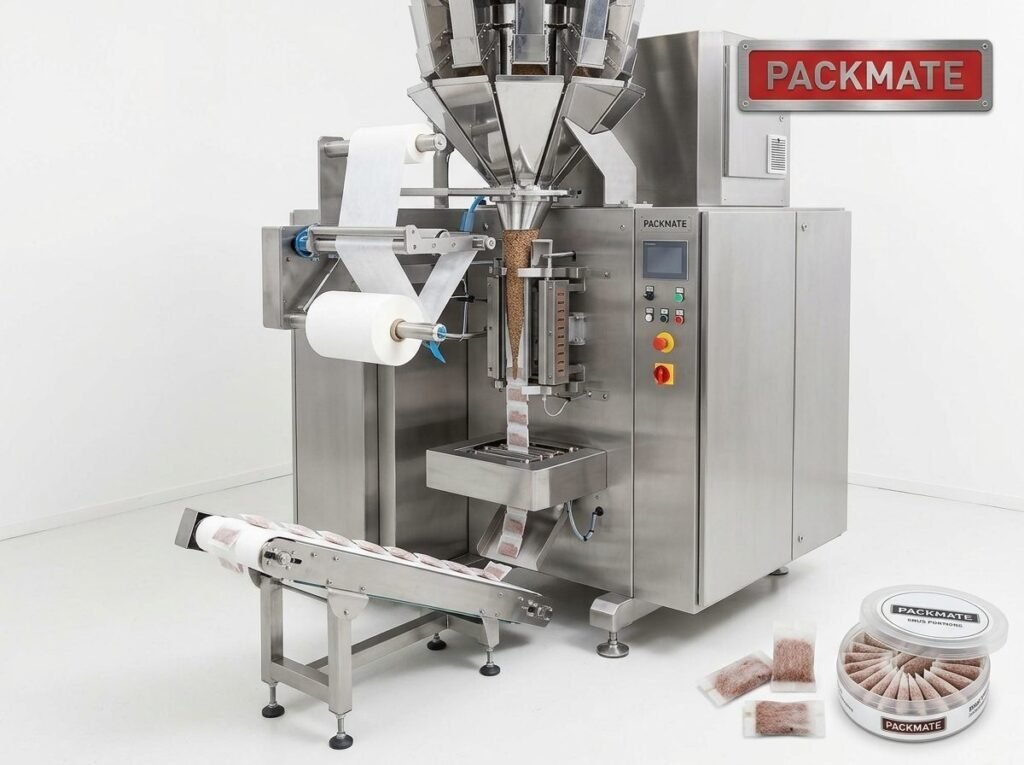
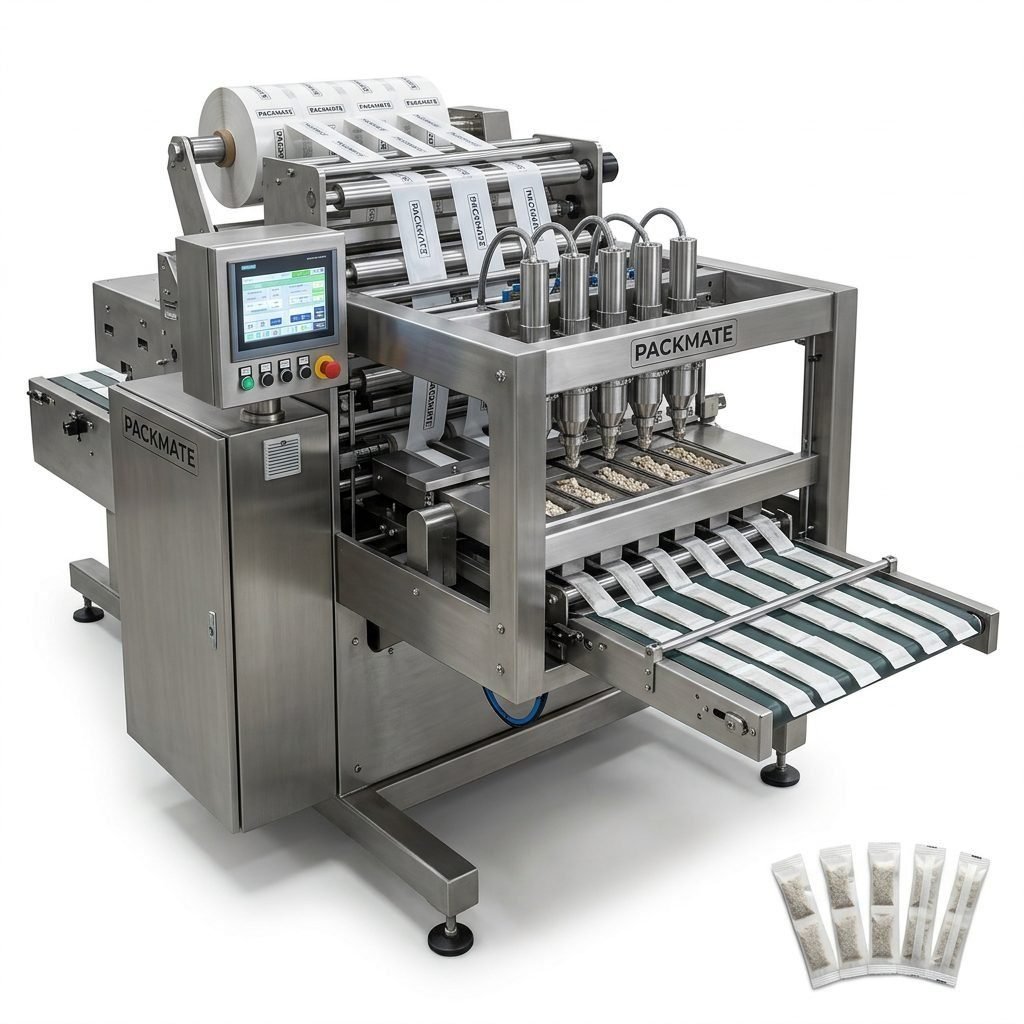
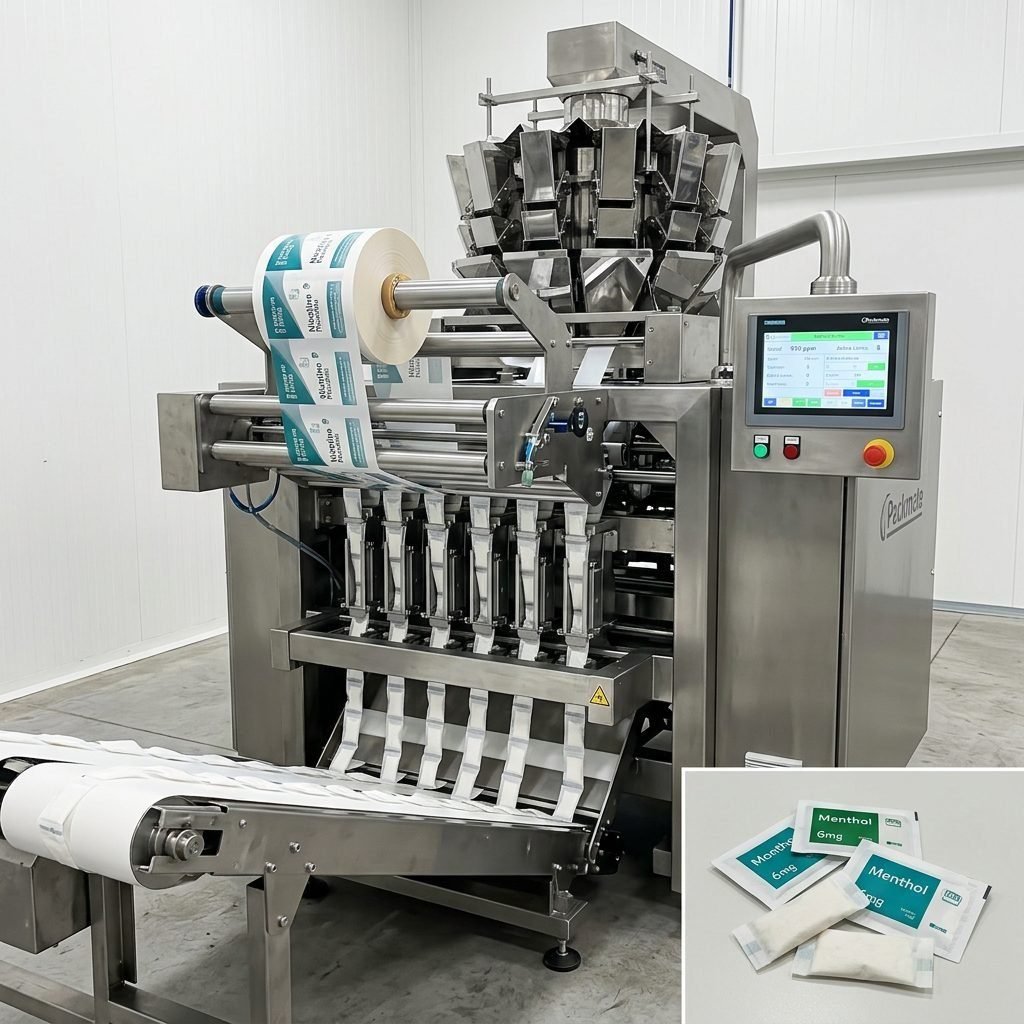
Look for case studies and past projects. A reliable supplier will offer references and real-world examples like complete snus packing lines, stick pack installations, and sachet systems. For product details and model options, you can review dedicated product pages such as Snus & Nicotine Packaging Machines and Sachet & Stick Pack Machines.
Questions to ask about experience
– How many nicotine pouch production lines have you supplied internationally?
– Can you provide performance data (uptime, average throughput) from existing installations?
– Do you have installation, commissioning, and training references in regions with logistical challenges similar to Russian territories?
Assess After-Sales Support and Service Network
🛠️ After-sales service is critical for continuous operation. Russian facilities often need rapid remote support across time zones and reliable spare parts logistics. Verify the supplier’s service packages, SLA response times, and availability of field engineers. Suppliers with global exhibition presence and local representatives can reduce downtime during emergencies.
Ask for:
- Clear spare parts list and lead times
- Remote diagnostics and software update policies
- Training programs for operators and maintenance staff
Design Flexibility and Customization
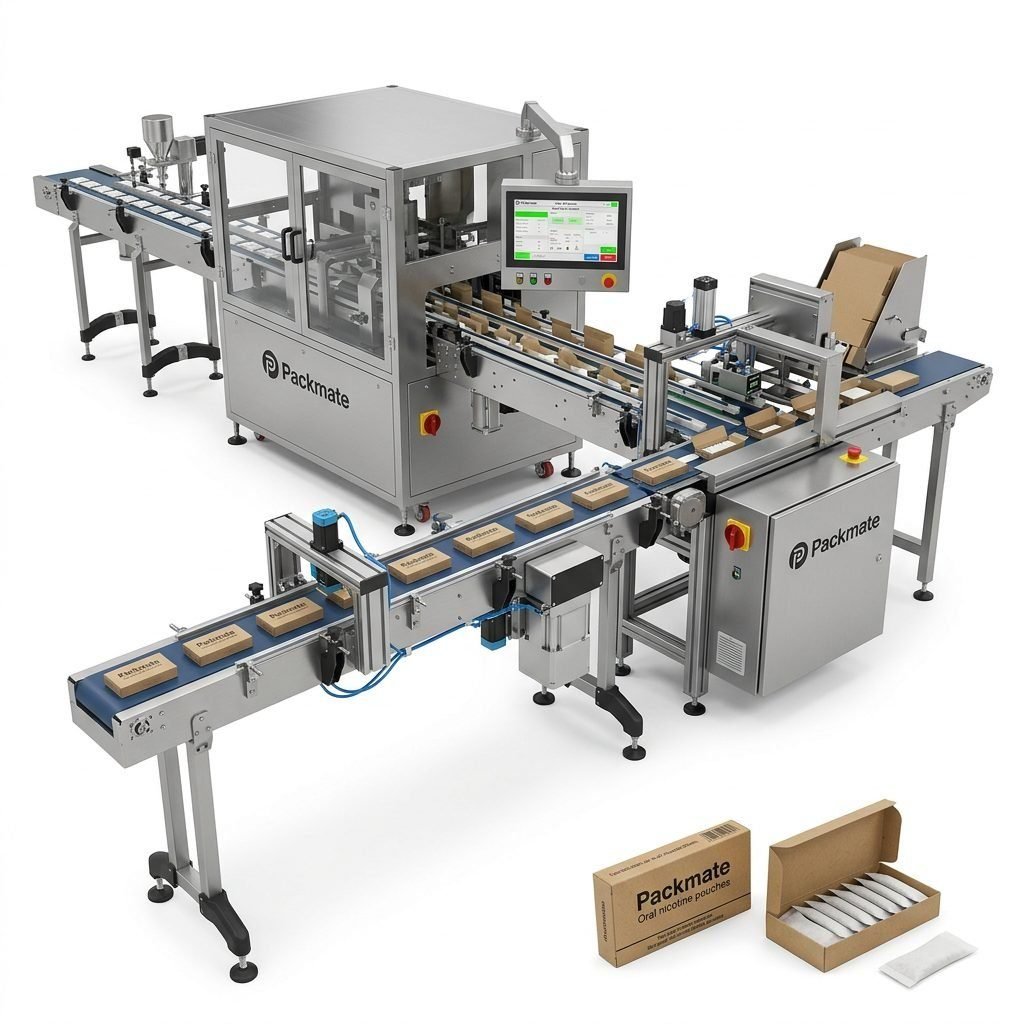
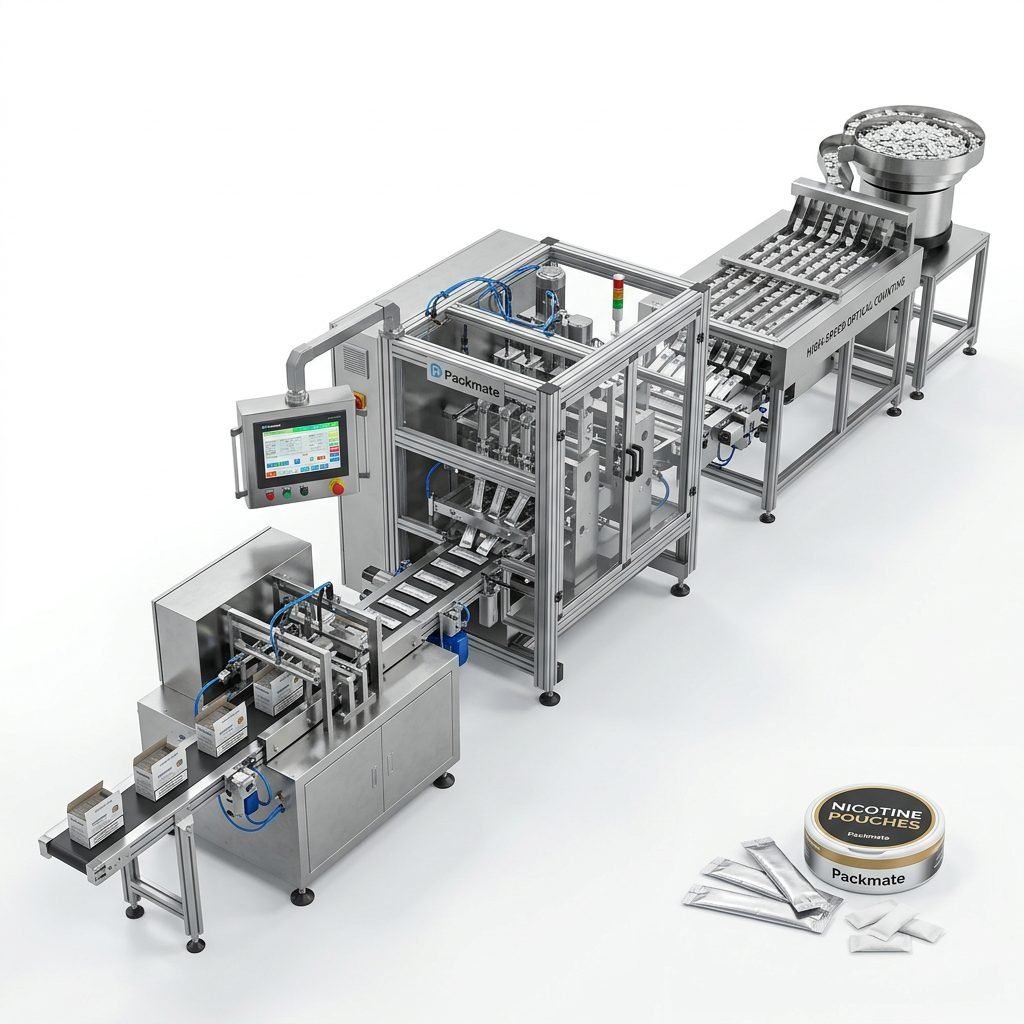
📦 Russian producers value customization that fits both product variants and seasonal demand shifts. Choose suppliers capable of modular design, quick-change tooling, and multi-format capability. The ideal partner will offer both off-the-shelf models and bespoke turnkey lines that integrate weighing, filling, sealing, and secondary packing.
For example, companies that provide comprehensive solutions across snus, stick packs, sachets, and auxiliary equipment simplify procurement — review product suites like Bag & Pouch Packaging Machines and Weighing & Packaging Systems when evaluating integration risk.
Practical customization checklist
– Multi-lane capability and easy lane activation/deactivation
– Quick-change format sets for different pouch sizes
– Compatibility with in-line metal detection and vision inspection
– Software interfaces for plant-level MES/SCADA systems
Financials, ROI and Total Cost of Ownership
💰 Upfront price is only part of the story. Evaluate the Total Cost of Ownership (TCO): energy consumption, spare parts pricing, expected MTBF (mean time between failures), and planned maintenance hours. Russian plants often factor in energy costs and winterization needs, so request data on machine energy efficiency and any required climate adaptations.
- Warranty period and warranty coverage details
- Spare parts availability and price forecasts
- Service contract cost options (preventive, predictive)
- Estimated payback period based on targeted throughput
Factory Visit and Factory Acceptance Testing (FAT)
🔍 Whenever possible, perform a factory visit or request a live FAT. Observing machines running similar products confirms claimed performance. Russian purchasers often bring technical teams to witness FAT or ask for recorded proof and run reports. FAT should demonstrate repeatable dosing, packaging integrity, and ease of changeover.
If travel is limited, request detailed videos, cycle-time logs, and a remote FAT session. Ensure acceptance criteria are documented in the contract to avoid disputes after shipment.
Logistics, Shipping and Local Customs Considerations
🚢 Russia’s geography and customs practices make logistics a material part of procurement planning. Confirm whether the supplier offers assistance with packing, export documentation, and preferred shipping terms (EXW, FOB, CIF). For faster customs clearance, make sure the documentation is complete and includes machine serials, component lists, and certification copies.
Consider suppliers that provide on-site installation support and can coordinate with local service partners for faster post-arrival commissioning. A supplier profile with global turnkey experience and exhibition participation usually signals readiness to handle export complexities — you can learn more about supplier presence via their Our Exhibition page.
Cultural Fit and Communication
🤝 Russian business culture values clarity, reliability, and long-term partnerships. Choose a supplier who communicates clearly in English or Russian, provides timely updates, and respects contractual terms. Frequent, transparent communication during the procurement, shipping, and commissioning phases reduces misunderstandings and builds trust.
Technical Documentation and Language Support
📘 Ensure that the supplier provides operation manuals, electrical diagrams, and maintenance guides in Russian if required. Local-language documentation shortens training time and reduces operational risk. Also verify software HMI language options for operators in your plant.
Proof of Reliability: References and Case Studies
🔎 Ask for client references and real-world case studies. Reliable suppliers will share success stories and installation summaries showing uptime, ROI, and machine longevity. You can often find these on supplier websites or their case sections — for example, review their installation portfolio at Case.
- Lack of verifiable client references
- Vague warranty and spare parts policies
- Inability to demonstrate machine performance metrics
Final checklist before signing
– Complete technical specification and acceptance criteria included in contract
– Detailed delivery, installation, and commissioning schedule
– Warranty, spare parts lead times, and service SLA documented
– Training plan for operators and maintenance team
– Payment terms aligned with project milestones
For more information about the manufacturer profile, capabilities, and certifications, consider reviewing the supplier’s company overview and certifications at their About Packmate and Certificate pages to verify factory size, equipment, and compliance.
Summary: Choosing with Confidence
Frequently Asked Questions
Q1: What certifications should I insist on for nicotine packaging machines shipped to Russia?
A1: At minimum, ask for CE and ISO compliance documentation, a comprehensive bill of materials, and electrical schematics. If the supplier has experience with Russian imports, they will usually provide additional paperwork to facilitate customs clearance.
Q2: How important is local-language documentation and training?
A2: Very important. Russian-language operation manuals and HMI options reduce training time and operational errors. If the supplier cannot provide local-language materials, arrange for translation as part of the contract.
Q3: Should I visit the manufacturer’s factory before purchase?
A3: A factory visit or a formal Factory Acceptance Test (FAT) is highly recommended. It validates machine performance, build quality, and documentation. If travel is impractical, request a live FAT and detailed run logs.
Q4: What spare parts strategy works best for Russian operations?
A4: Maintain a critical spare parts kit on-site for high-wear components and confirm lead times with the supplier for less common parts. Consider a service agreement that includes priority shipping and remote diagnostics.
Q5: Where can I find reliable turnkey solutions and more product details?
A5: Explore full product lines and turnkey packaging solutions on the supplier’s product pages, including Filling & Packaging Lines and Auxiliary Packaging Equipment, or contact the vendor directly via their Contact Us page for tailored proposals.