Choosing the right nicotine packaging machinery supplier for your factory in Yemen requires a combination of technical knowledge, regulatory awareness, and sensitivity to local market practices. This guide will walk you through the critical factors to evaluate, practical questions to ask potential vendors, and ways to ensure long-term reliability and compliance for nicotine pouch and snus production lines.
Understand Yemen’s Market Context and Local Considerations
Yemen’s consumer preferences, import regulations, and distribution networks differ from many other regions. While nicotine products may face stricter scrutiny in some markets, your supplier must help you navigate customs, labeling, and logistical challenges. Consider the following local points:
🔧 Cultural and regulatory sensitivity: Packaging designs, language on packs, and health warnings must respect local customs and legal requirements. A supplier experienced with exports to the Middle East can be a major advantage.
Why Yemen-specific knowledge matters
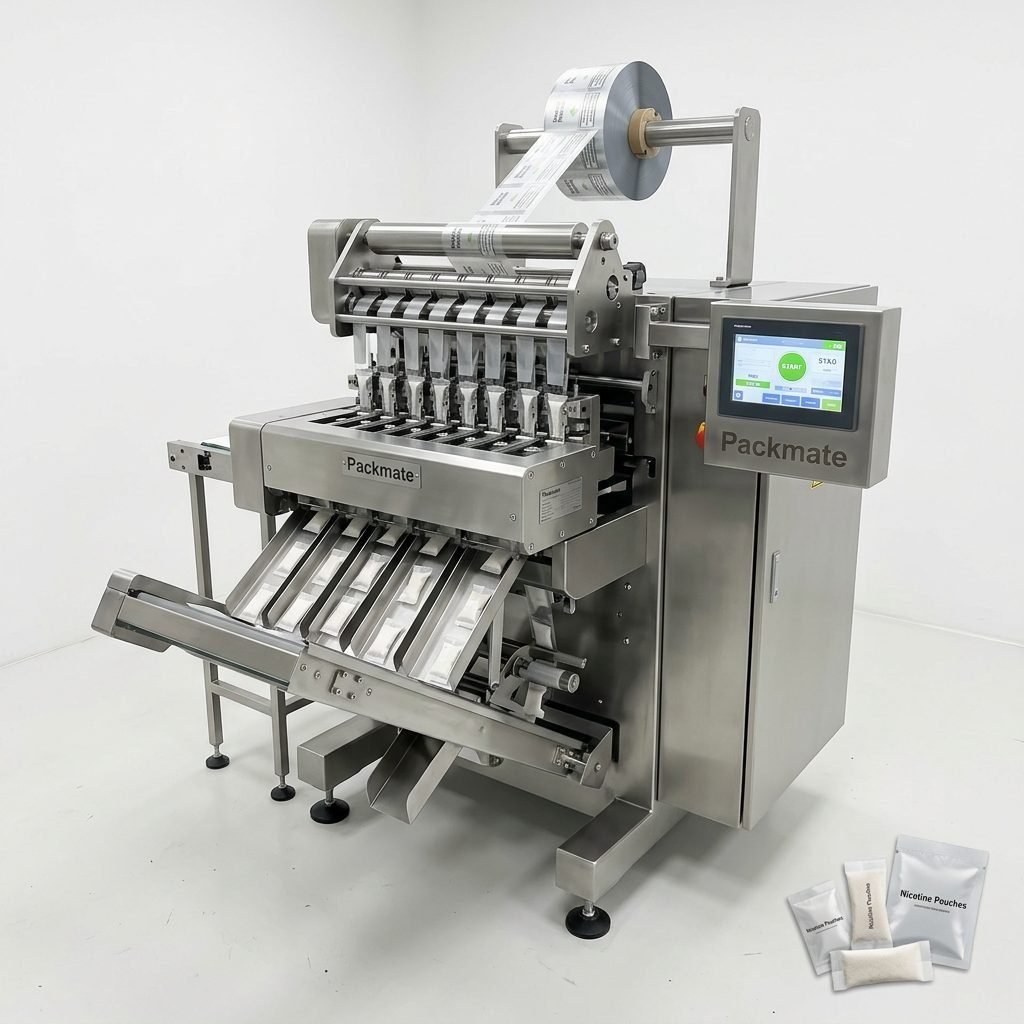
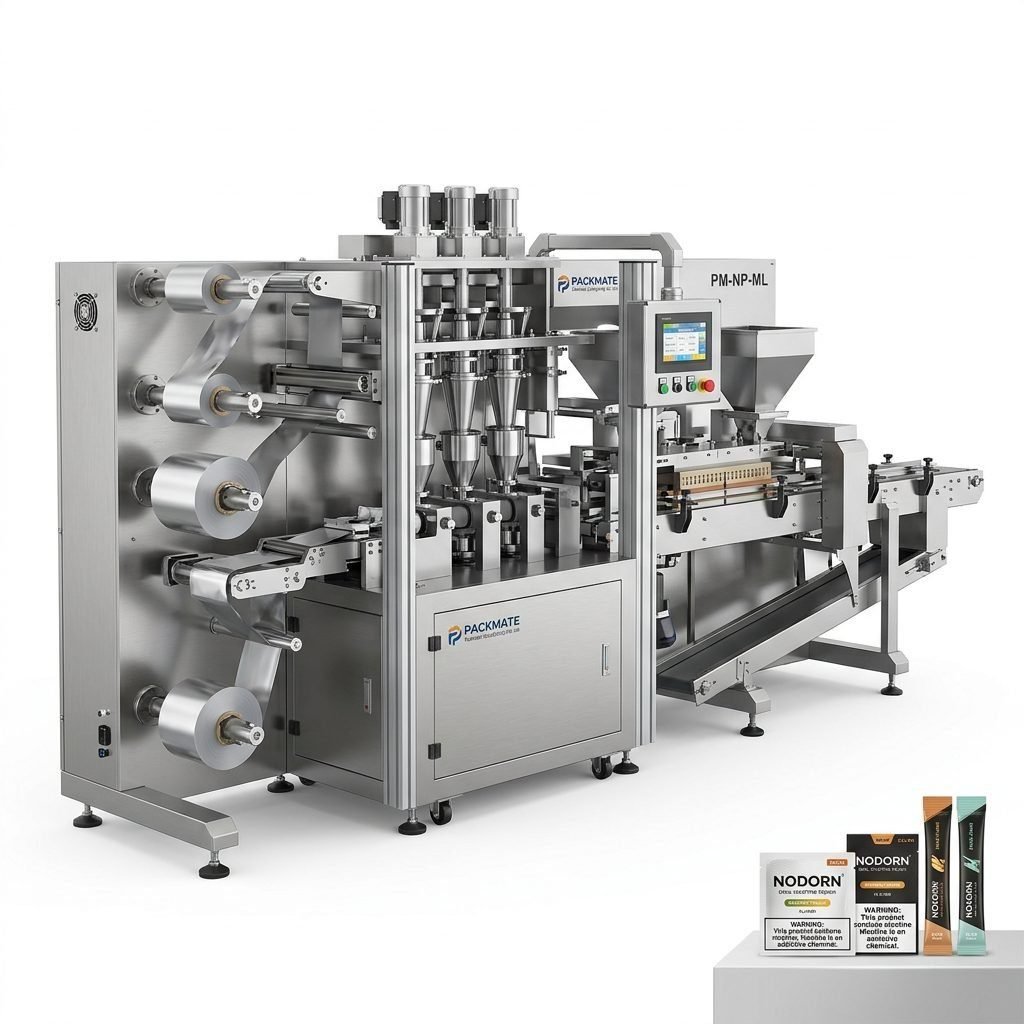
A supplier who understands Yemen’s logistical routes, common labeling languages (Arabic), and packaging preferences will help you reduce time-to-market and avoid rework. For example, multi-lane snus systems must be calibrated for small-dose pouches commonly demanded in the region.
Key Technical Capabilities to Verify
Selecting machinery goes beyond price. Verify the supplier’s engineering depth, machine performance, and customization capability.
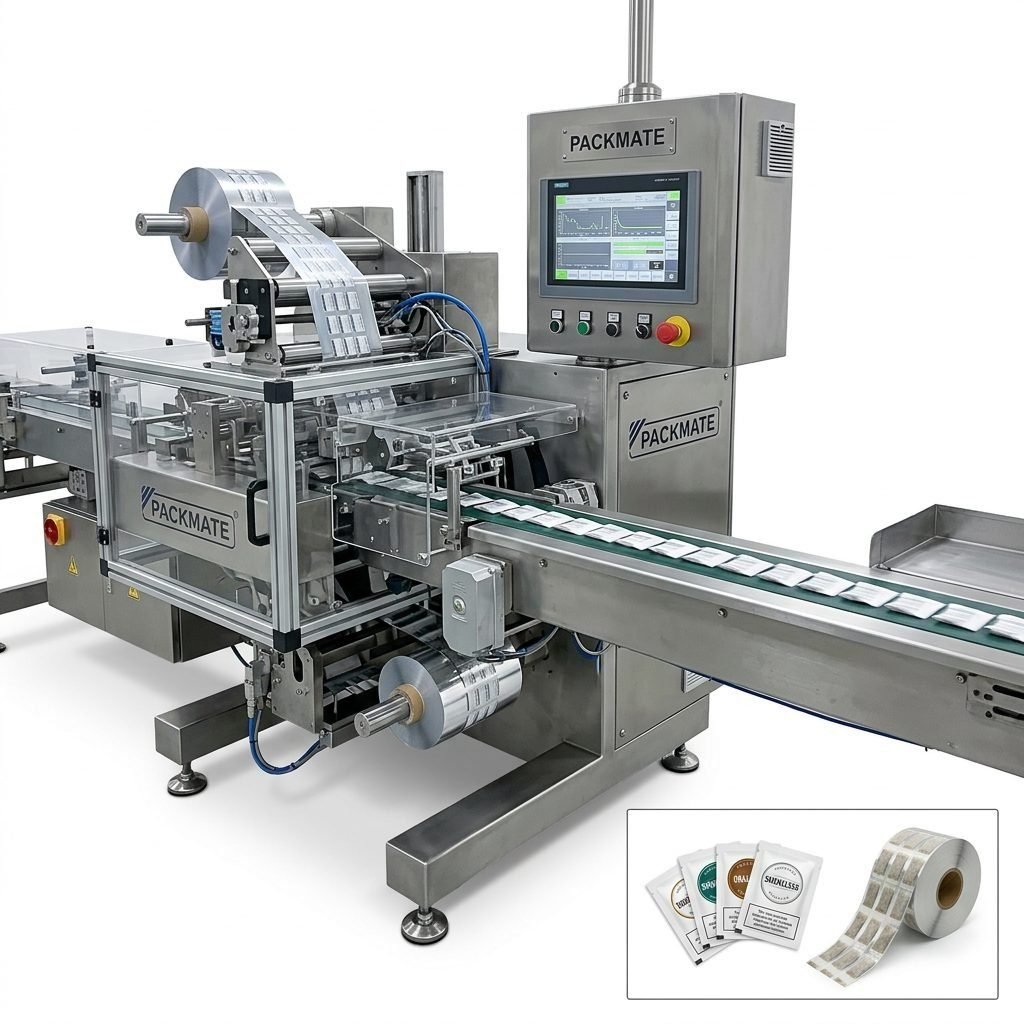
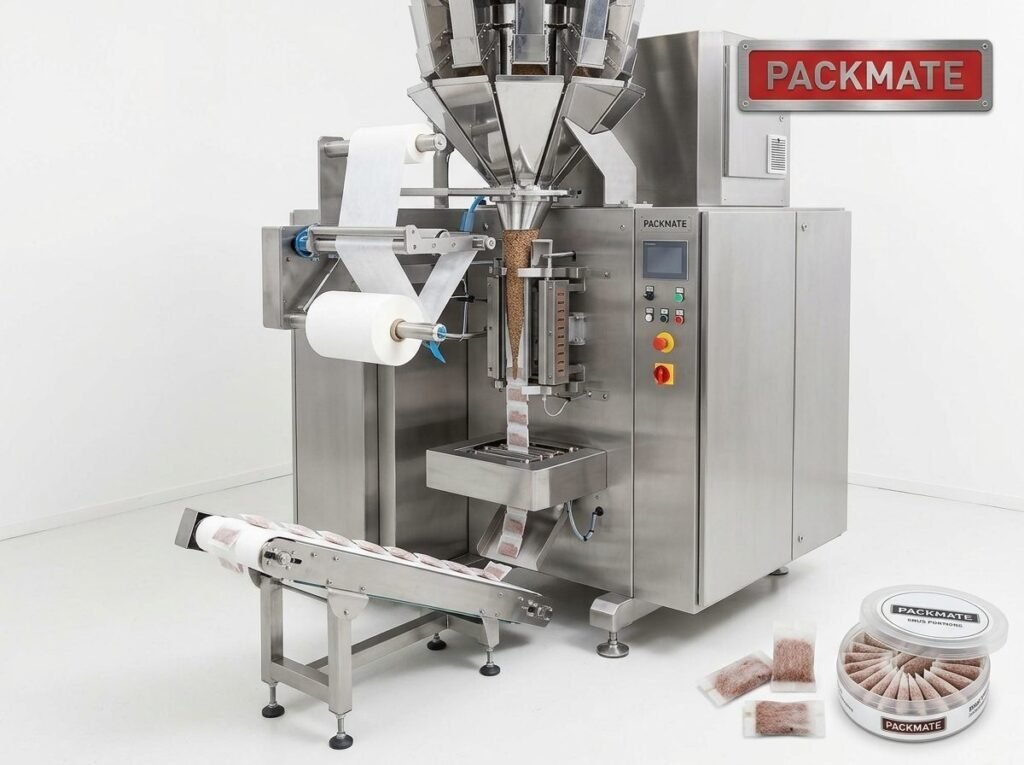
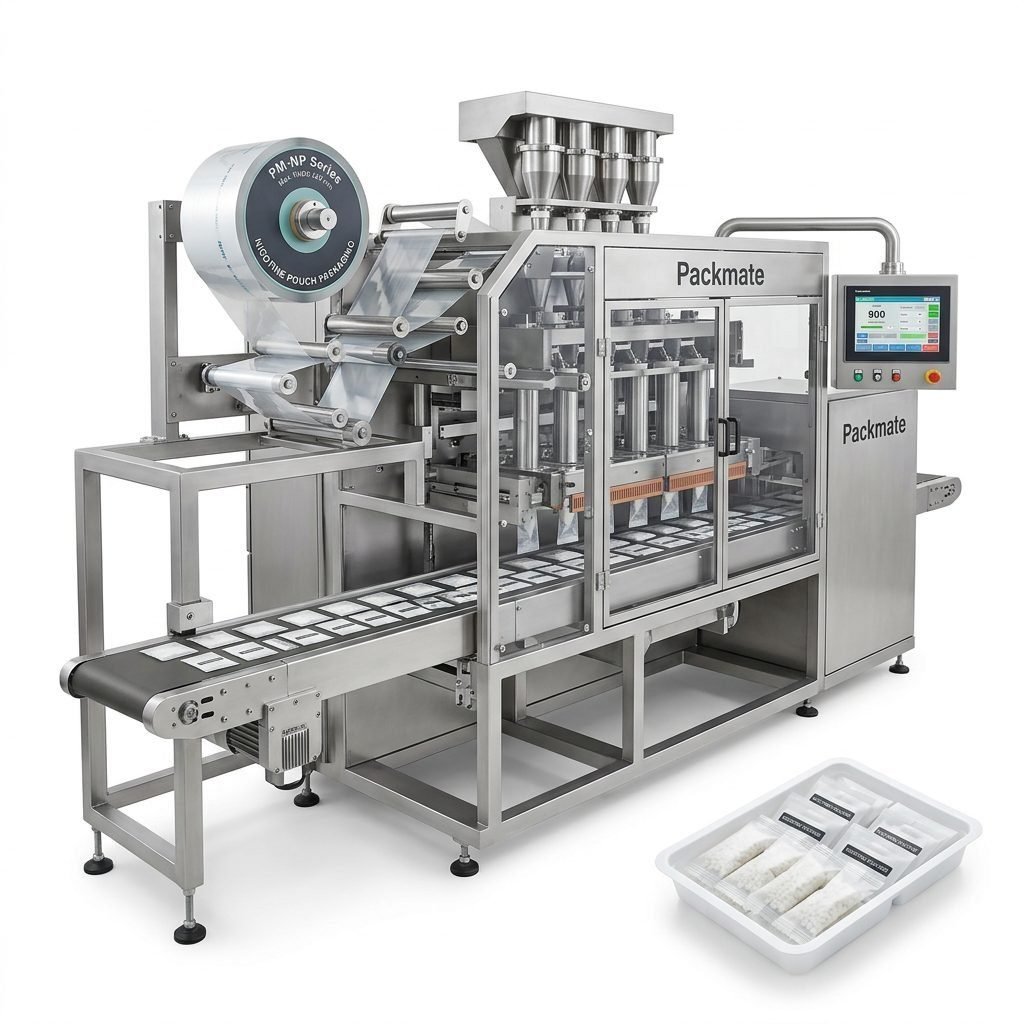
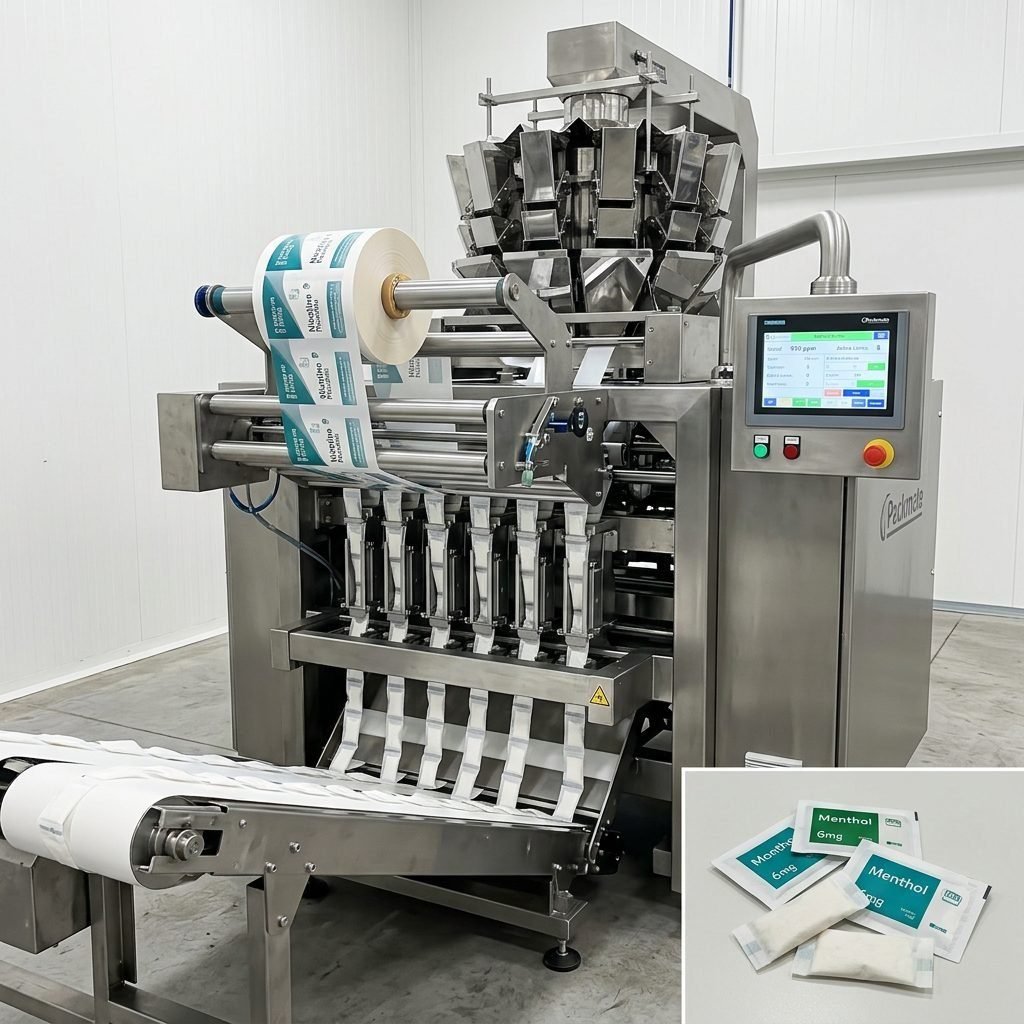
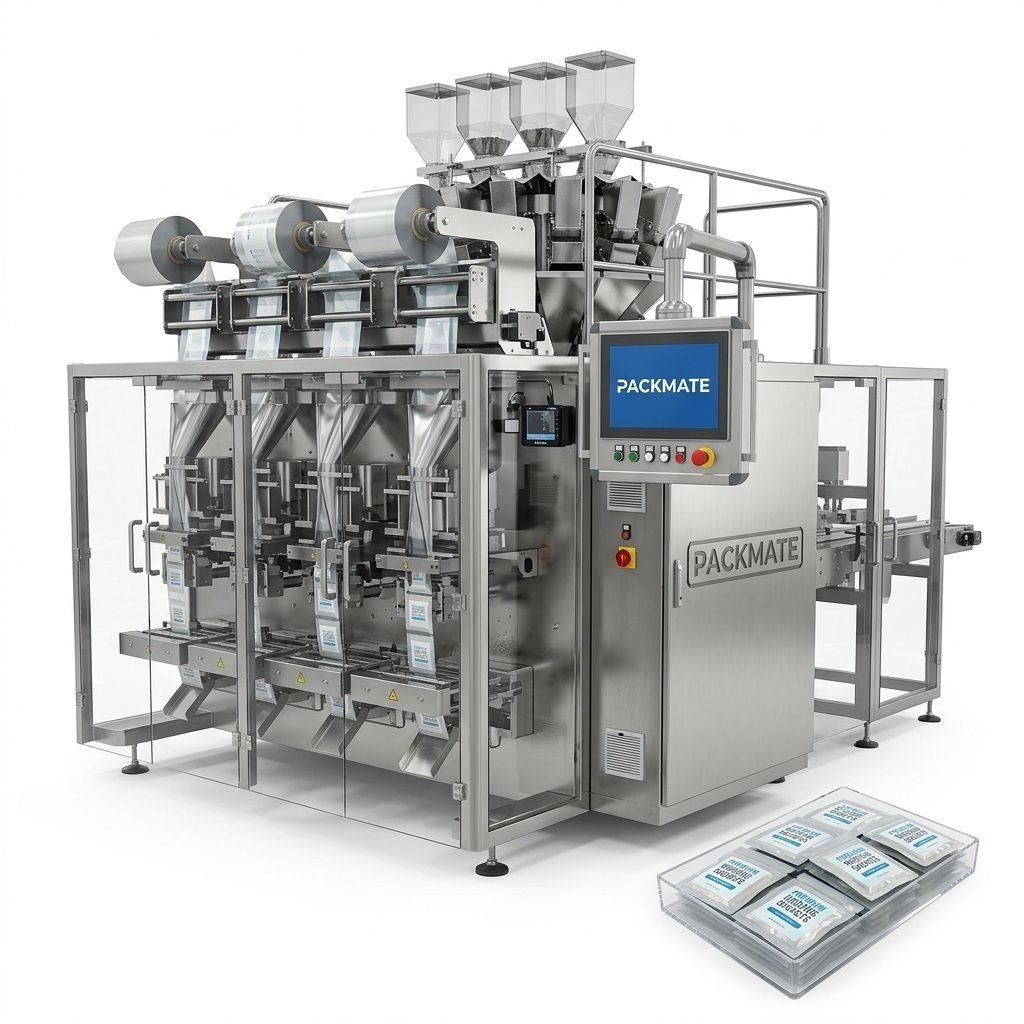
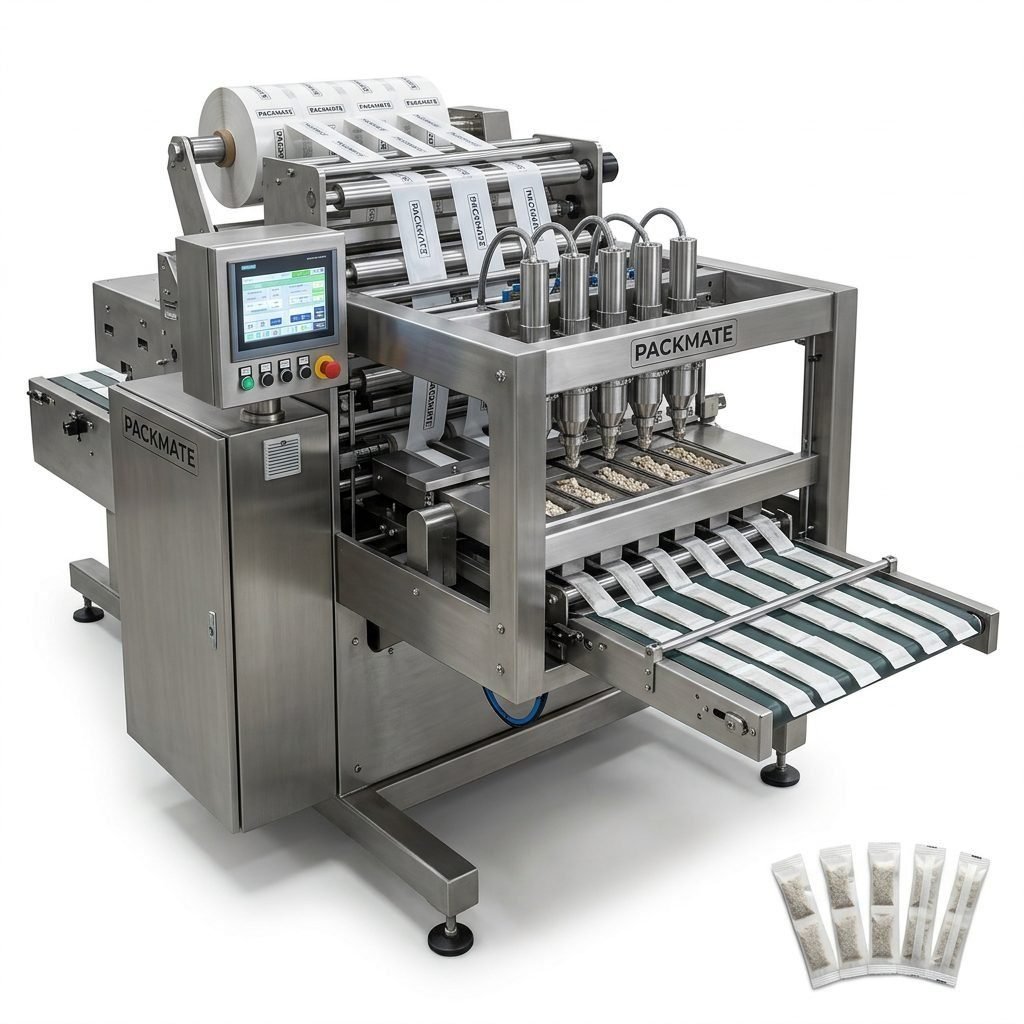
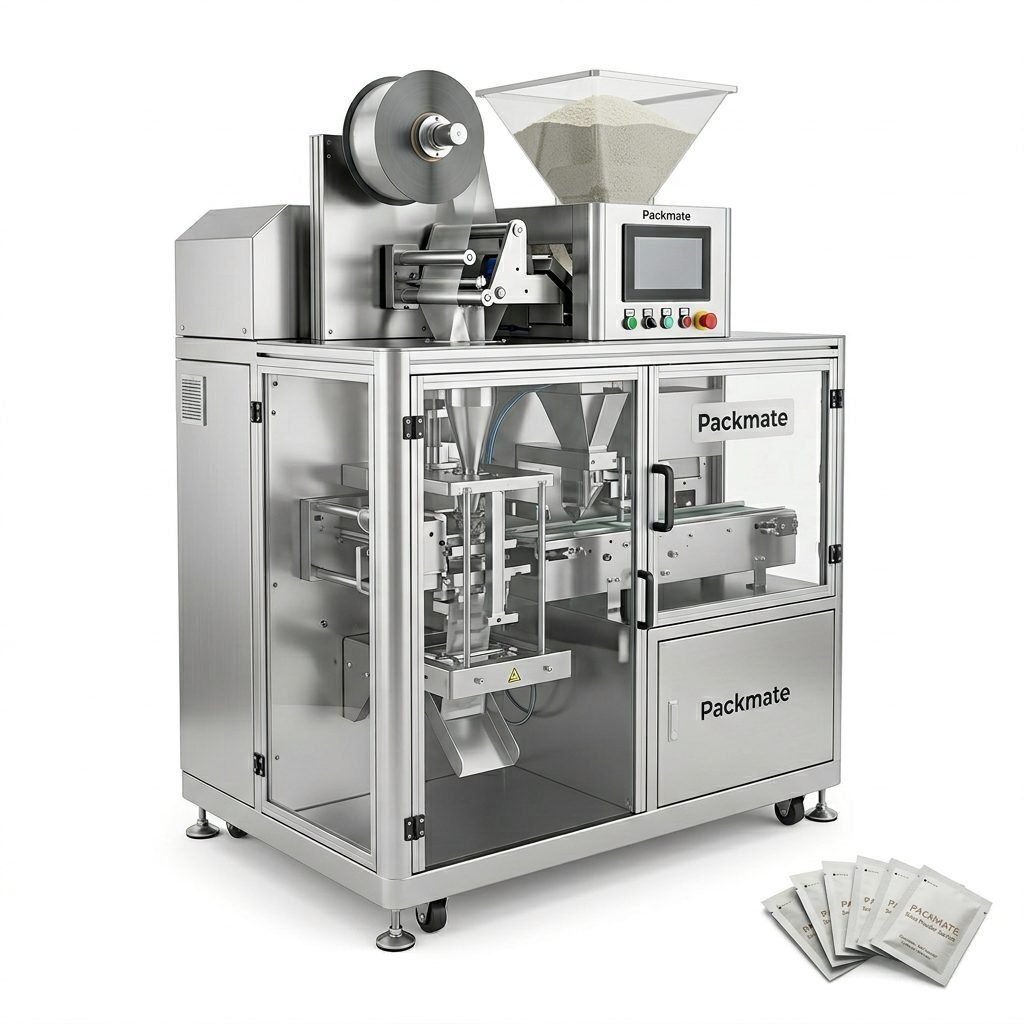
✅ Range of machines: Ensure they offer snus/nicotine packaging machines, sachet & stick pack lines, multi-lane systems and supporting weighing/filling equipment. See product range for reference: Snus & Nicotine Packaging Machines.
Important technical checks:
🔍 Machine throughput and lane configuration — ensure the supplier can deliver multi-lane options if you need high output from limited floor space.
🔍 Filling accuracy and dosing for small nicotine pouches — low variance in weight is critical for regulatory compliance and customer satisfaction.
🔍 Changeover speed and tooling availability — quick format changes reduce downtime when offering multiple SKUs.
🔍 Automation level and Industry 4.0 features — check for easy integration with line control systems, remote monitoring, and preventive maintenance alerts.
Evaluate Manufacturer’s Factory and Quality Systems
Factory strength and quality control directly influence machine durability and after-sales performance.
🏭 Manufacturing scale: Look for a supplier with a dedicated production area, CNC machining, and assembly lines. Packmate’s 20,000㎡ facility and advanced CNC centers are examples of the capability needed for consistent machine quality.
Ask for:
📌 Factory photos, machining capabilities, and assembly flow.
📌 Quality certifications such as CE and ISO — these indicate compliance with international safety and manufacturing standards. See certificates: Certificate.
📌 Sample test reports, run-off sheets, and acceptance criteria for delivered machines.
Experience and Case Studies Matter
A supplier’s track record in delivering snus and nicotine packaging lines is a key indicator of reliability. Look for demonstrated experience with similar product types and production scales.
🔗 Review real-world projects and customer testimonials. A company that supplies turnkey lines and has global cooperation cases is more likely to understand export challenges and provide turnkey support. Example case references are helpful: Case.
Questions to ask about past projects
• What production capacities were achieved and are there references I can contact?
• Can the supplier share run-off videos of lines running nicotine pouches similar to ours?
• How did the supplier handle spare parts, maintenance, and remote commissioning for overseas customers?
After-Sales Support, Spare Parts and Training
After-sales service is often the most important factor for long-term success. In Yemen, where local service networks may be limited, ensure your supplier provides robust remote and onsite support options.
📦 Spare parts strategy: Confirm spare parts availability, lead times, and whether critical wear parts are included with the initial delivery.
🔧 Remote diagnostics and spare-part kits — ask if they offer remote troubleshooting, spare kits, or regional stock.
🔧 Training — request operator and maintenance training at your site and documented manuals in suitable languages (Arabic and English).
🔧 Warranty terms — clarify duration, coverage, and the process for warranty claims.
Commercial Terms and Total Cost of Ownership (TCO)
The lowest purchase price rarely yields the best value. Assess the total cost of ownership including spare parts, energy consumption, downtime risk, and technical support costs.
⚖️ Ask for a detailed quote that breaks down:
• Base machine cost and optional modules (weighing, multi-lane expansions, in-line quality checks).
• Installation and commissioning fees, training, and site acceptance testing.
• Estimated annual maintenance and spare parts consumption.
Compliance, Safety and Certification
Nicotine products are regulated in many regions. Your machinery should help you meet hygiene, electrical safety, and operational standards. Verify the supplier provides necessary documentation for customs and local authorities.
🛡️ CE/ISO compliance — request certificates and ensure the machine’s electrical components meet local installation requirements.
📝 Documentation — machine manuals, spare parts lists, wiring diagrams, and software licenses must be included in English and, where possible, Arabic.
Factory Acceptance Testing (FAT) and Site Acceptance Testing (SAT)
A thorough FAT at the manufacturer’s site and a clear SAT plan at your Yemeni factory ensure machines meet agreed performance before full handover.
🔎 FAT should include production trials with your actual pouch material, filling media, and target speeds.
🔎 Ensure acceptance criteria for weights, sealing integrity, and packaging aesthetics are documented.
🔎 Insist on video documentation if you cannot attend FAT in person.
Choose a Partner, Not Just a Vendor
The best outcomes come from suppliers that act as partners — offering engineering advice, flexible solutions, and ongoing R&D collaboration as your product range evolves.
🤝 Long-term support: Look for suppliers that provide lifecycle services, spare-part forecasts, and periodic machine health checks.
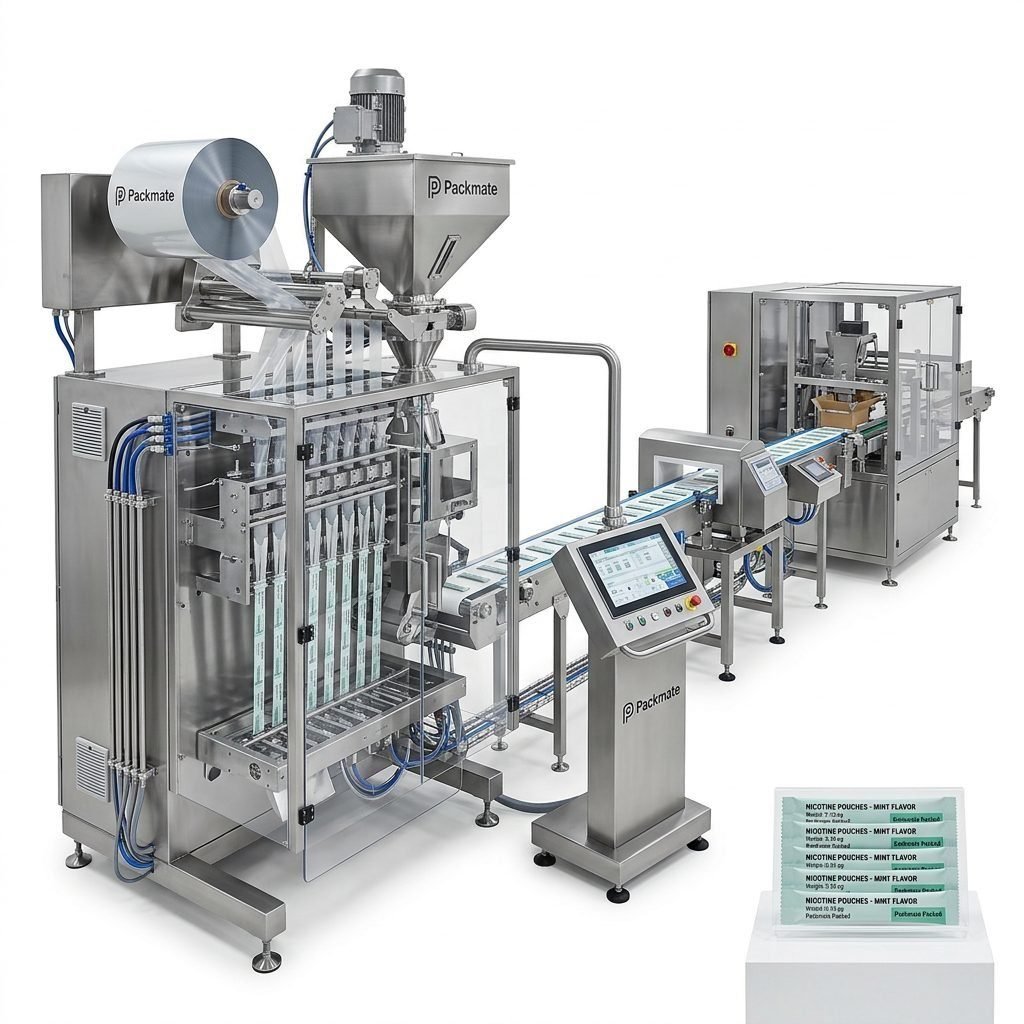
If you want to explore a full line, including auxiliary equipment, weighing systems and turnkey services, review their product pages and services: Filling & Packaging Lines, Weighing & Packaging Systems, and Service.
Procurement Checklist — Quick Reference
Use this checklist when evaluating suppliers and proposals:
✅ Factory capability (CNC, assembly lines, 20,000㎡ scale or equivalent)
✅ Relevant certifications (CE, ISO) and FAT/SAT documentation
✅ Performance guarantees and acceptance criteria (speed, accuracy, yield)
✅ After-sales support, spare parts availability, and training (including language requirements)
✅ Local market understanding and export experience to the Middle East
Final practical tips
• Start with a pilot line or single machine to validate product formats before investing in a full-scale multi-lane production line.
• Negotiate spare-part kits and a remote-support SLA into your contract.
• Request bilingual documentation (Arabic & English) and local language training where possible.
• Visit the supplier’s factory or request a detailed virtual tour and run-off videos for peace of mind.
Where to learn more about the supplier
Company background and mission details can show their long-term focus on snus/nicotine equipment. For more information on a proven supplier profile, see: About Packmate and their exhibition appearances.
Conclusion
Choosing the best nicotine packaging machinery supplier in Yemen means balancing technical performance, factory credibility, after-sales support, and knowledge of local practices. Prioritize suppliers with proven snus/nicotine experience, global certifications, and a clear spare-parts and service roadmap. A strong partner will reduce your risk, accelerate production ramp-up, and help ensure long-term, compliant operations.
Frequently Asked Questions (FAQs)
Q: How important is factory accreditation when selecting a supplier?
A: Very important. Certifications like CE and ISO signal adherence to international manufacturing and safety standards, while a well-equipped factory (CNC, precision assembly) indicates consistent build quality and availability of spare parts.
Q: Can I get support in Yemen for installation and maintenance?
A: Many global suppliers provide remote commissioning and arrange onsite support through regional partners. Confirm SLA details, remote diagnostic options, and whether technicians can be dispatched for critical tasks.
Q: What documents should arrive with the machine shipment?
A: Required documents typically include packing lists, machine manuals, wiring diagrams, CE/ISO certificates, FAT reports, spare parts lists, and warranty certificates. Having these in English and Arabic is highly beneficial.
Q: How can I verify a supplier’s claims about machine speed and accuracy?
A: Request FAT with your actual materials, video evidence of run-off tests, references from customers with similar products, and clearly defined acceptance criteria included in the contract.
Q: Are turnkey solutions necessary for a new nicotine pouch factory?
A: Turnkey solutions simplify integration, reduce project management burden, and ensure compatibility across filling, weighing, packaging and auxiliary equipment. For factories new to nicotine pouch production, turnkey support from a supplier experienced in snus lines can significantly speed up commissioning and regulatory compliance.