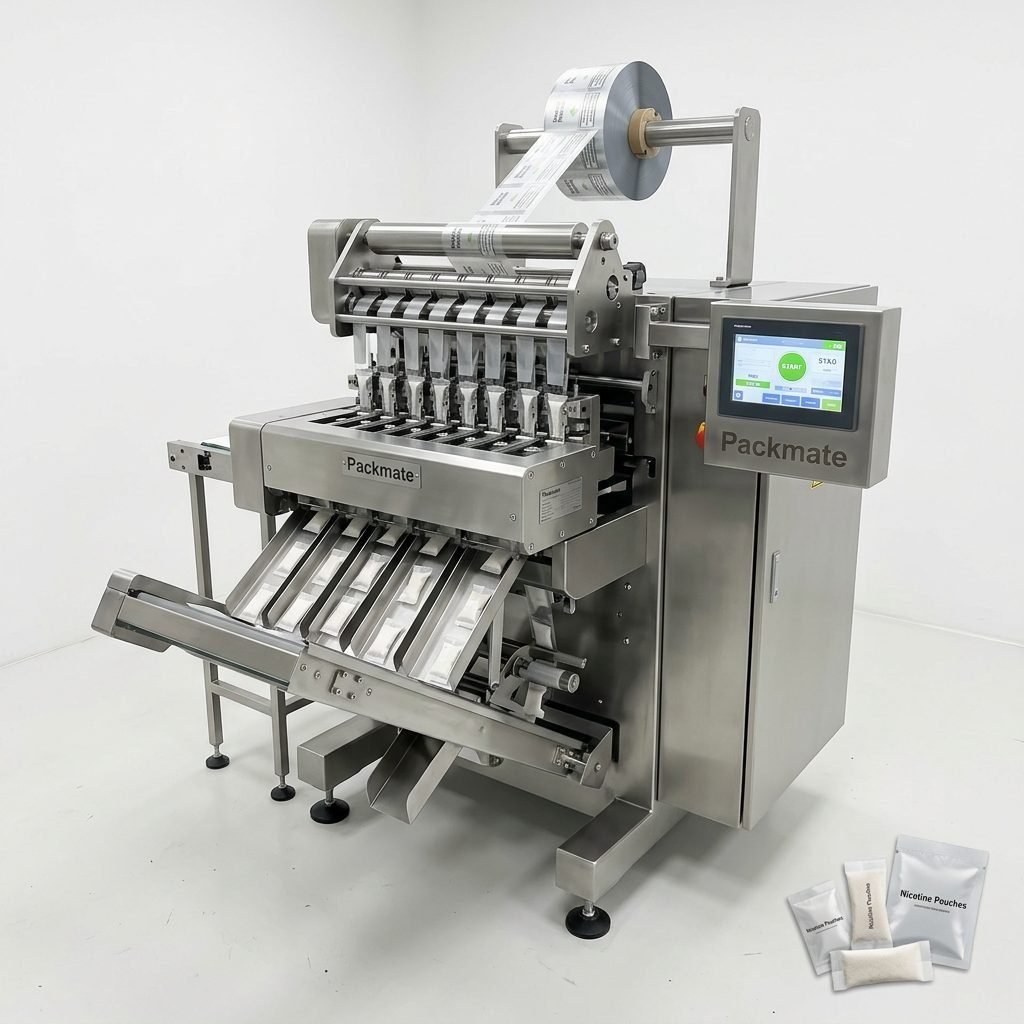
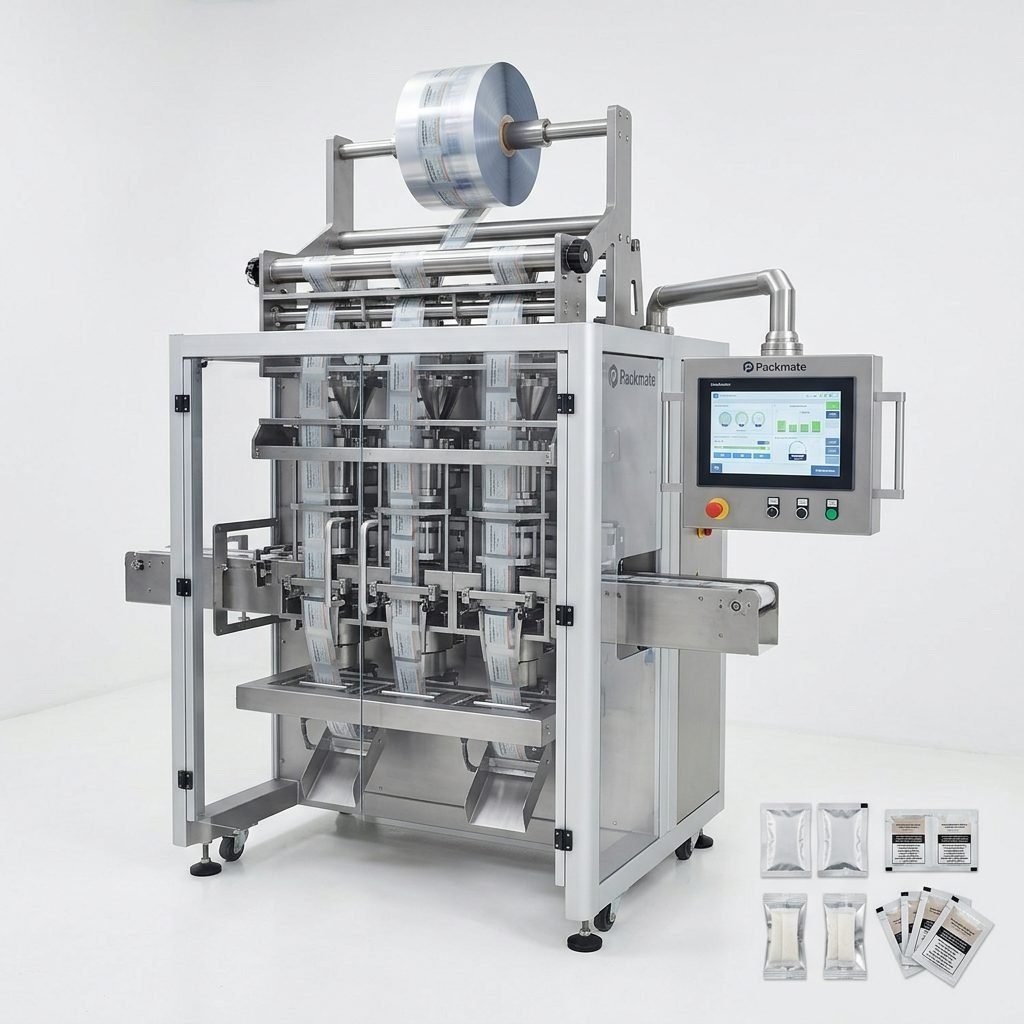
Choosing the right snus packaging machine for the European market means more than picking the fastest or cheapest model. It requires a clear understanding of EU regulatory expectations, CE certification mechanics, and machine-level safeguards that ensure product integrity, operator safety, and traceability. This guide walks packaging managers, production engineers, and procurement teams through how to select a fully compliant, CE-certified snus packing solution that minimizes regulatory risk and maximizes uptime.
Why EU Compliance Matters for Snus and Nicotine Pouch Packaging
The European market is highly regulated for products containing nicotine or tobacco derivatives. Non-compliant machines can cause:
🔴 Risk of product recalls and market withdrawal.
⚖️ Legal penalties and halted production lines when machines fail to meet safety or hygiene standards.
📦 Compromised package integrity leading to quality complaints and brand damage. Selecting equipment with proper CE certification and documented technical files is essential to avoid these outcomes.
Key takeaway: A CE mark alone is not a guarantee—evaluate the manufacturer’s technical file, risk assessment, user manuals, and traceability for full confidence.
Understanding CE Certification: What to Look For
CE marking indicates conformity with relevant EU directives, but for snus packaging lines you should verify several specific items:
✅ A valid EU Declaration of Conformity that lists the applicable Directives (e.g., Machinery Directive 2006/42/EC, EMC, Low Voltage).
✅ A comprehensive technical file available for audit, including risk assessments, drawings, component lists, and test reports.
✅ Clear user manuals and maintenance instructions in the language(s) relevant to your facility.
If a supplier cannot provide these, treat the CE claim as incomplete. Ask for supporting test reports, and if necessary, an independent verification from a notified body.
Essential Machine Features for EU-Compliant Snus Packaging
When evaluating snus packing equipment, prioritize features that directly affect safety, hygiene, and product compliance:
🔧 Hygienic design — rounded edges, easy-access panels, and surfaces compatible with cleaning agents reduce contamination risk.
⚙️ Guarding & interlocks — physical guards and safety interlocks that stop the machine when opened or breached.
🔁 Controlled servo systems and recipe-driven controls for consistent pouch weight, sealing quality, and lane synchronization.
Other practical features include multi-lane capability for high throughput, modular design for faster line changeovers, and CIP-compatible components if your process requires wet cleaning.
Safety & Electrical Compliance
Ensure the electrical cabinet follows EMC and LVD rules, has proper grounding, and uses CE-compliant components (safety relays, contactors, e-stops). Request a wiring diagram and component datasheets as part of the technical file.
How to Verify Supplier Claims: A Practical Checklist
Before purchase, perform these checks with the supplier and include results in your procurement file:
1) Request the EU Declaration of Conformity and verify the directives listed.
2) Ask for the technical file—drawings, risk assessment, and testing records must be included.
3) Confirm spare parts availability and lifecycle support to meet EU market expectations.
4) Validate on-site commissioning, FAT (Factory Acceptance Test) and SAT (Site Acceptance Test) procedures are offered.
Questions to Ask About Documentation and Validation
Procure with documentation in mind. Ask the supplier:
• Can you provide the machine’s risk assessment (EN ISO 12100) and any task-specific method statements?
• Is there an available machine validation protocol for IQ/OQ/PQ if my production requires it?
• Will the supplier assist in preparing the documentation needed for audits and certification verifications? A proactive supplier will include these items in the proposal.
Evaluating Total Cost of Ownership (TCO) vs. Regulatory Risk
Investing in a compliant, well-engineered machine often reduces TCO by minimizing downtime, scrap, and regulatory headaches. Consider:
• Spare parts pricing and lead times — cheap machines with long parts lead times inflate downtime costs.
• Local support and training — on-site commissioning and operator training reduce user error and compliance risks.
• Energy efficiency and consumables — sealing jaws, tooling life, and energy draw all contribute to yearly operating costs.
ROI note: A machine that reduces scrap by 2–5% and improves line uptime by 8–10% often pays back in less than 18–24 months when handling high-value snus products.
Why Choose an Experienced Manufacturer: Packmate Example
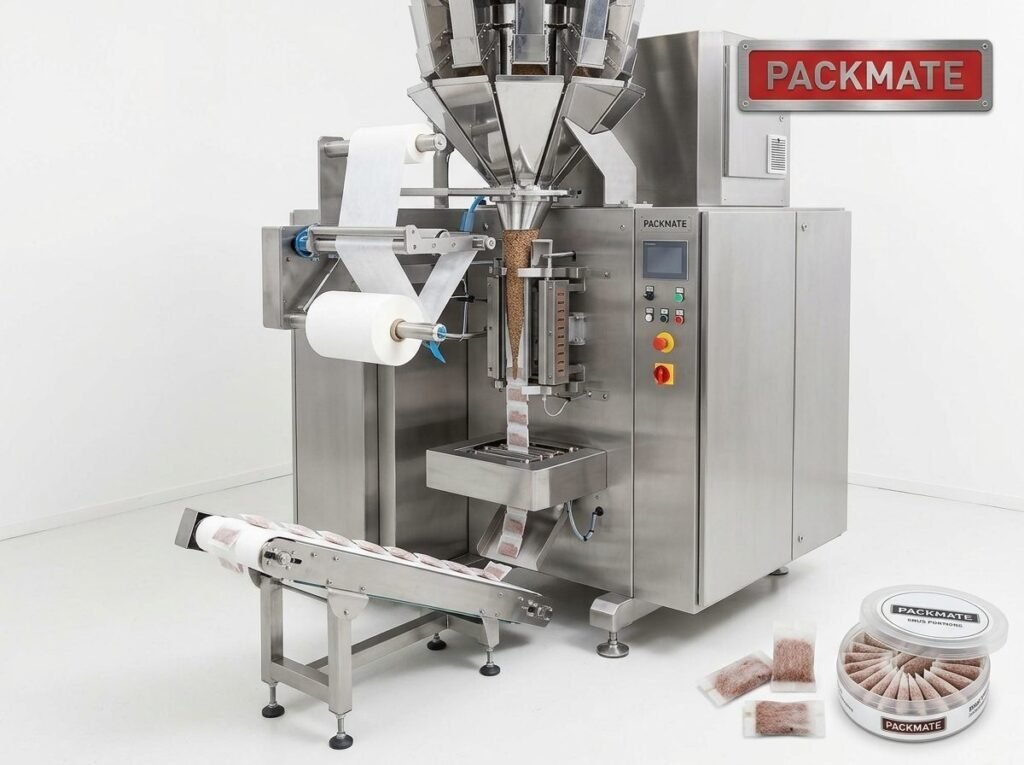
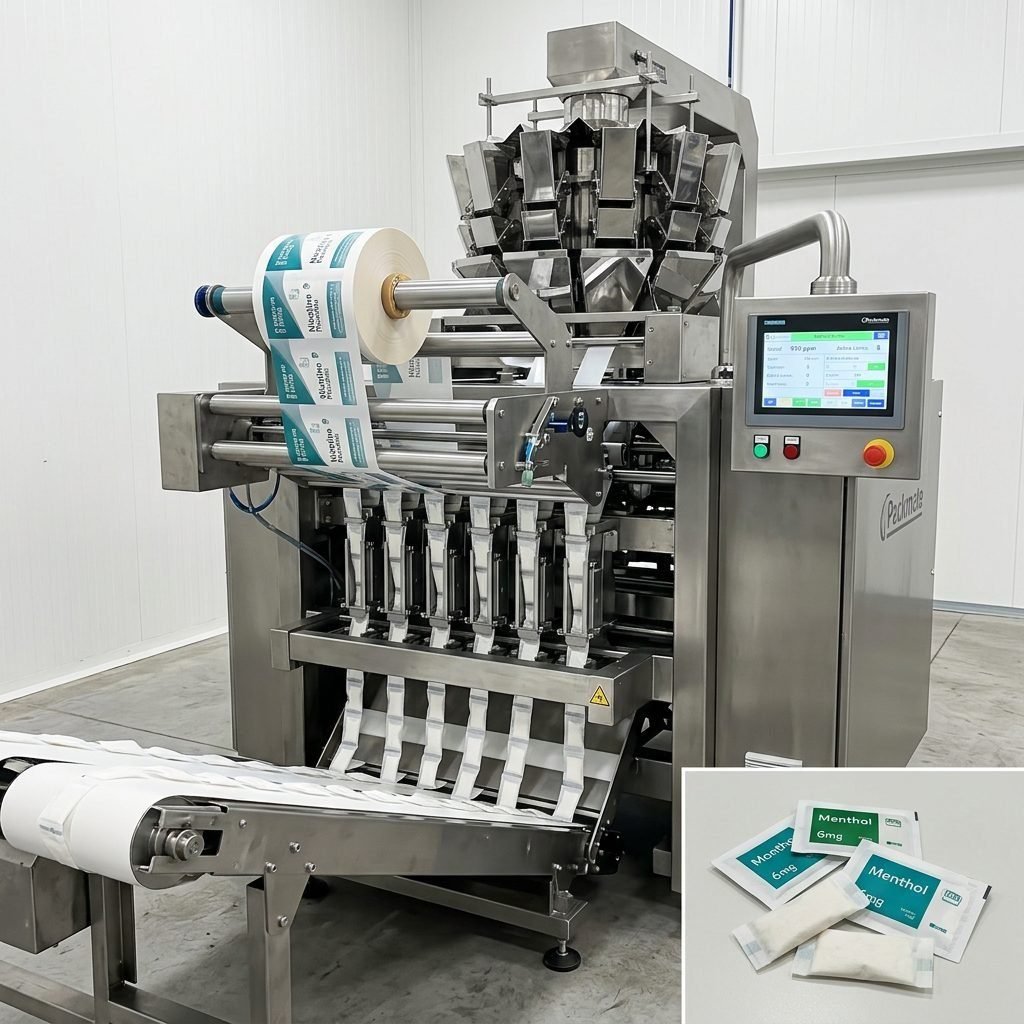
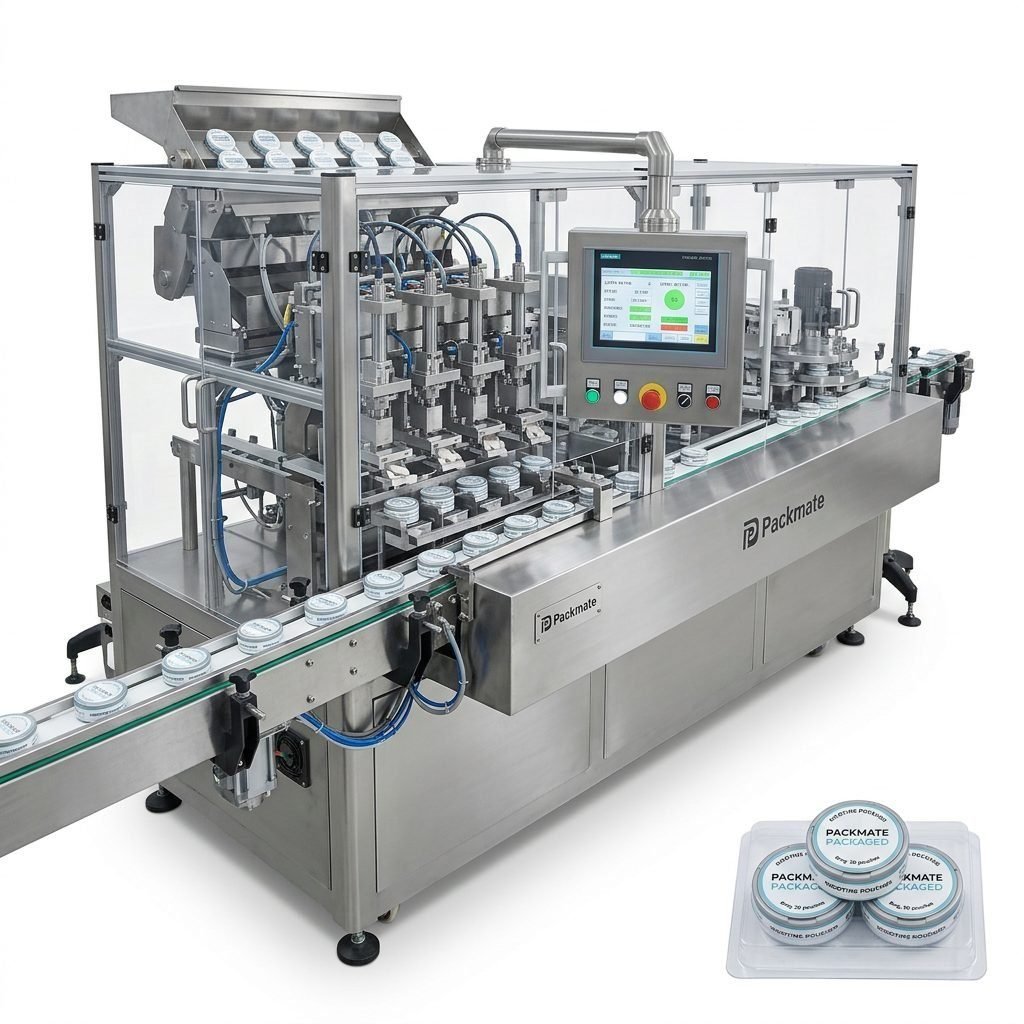
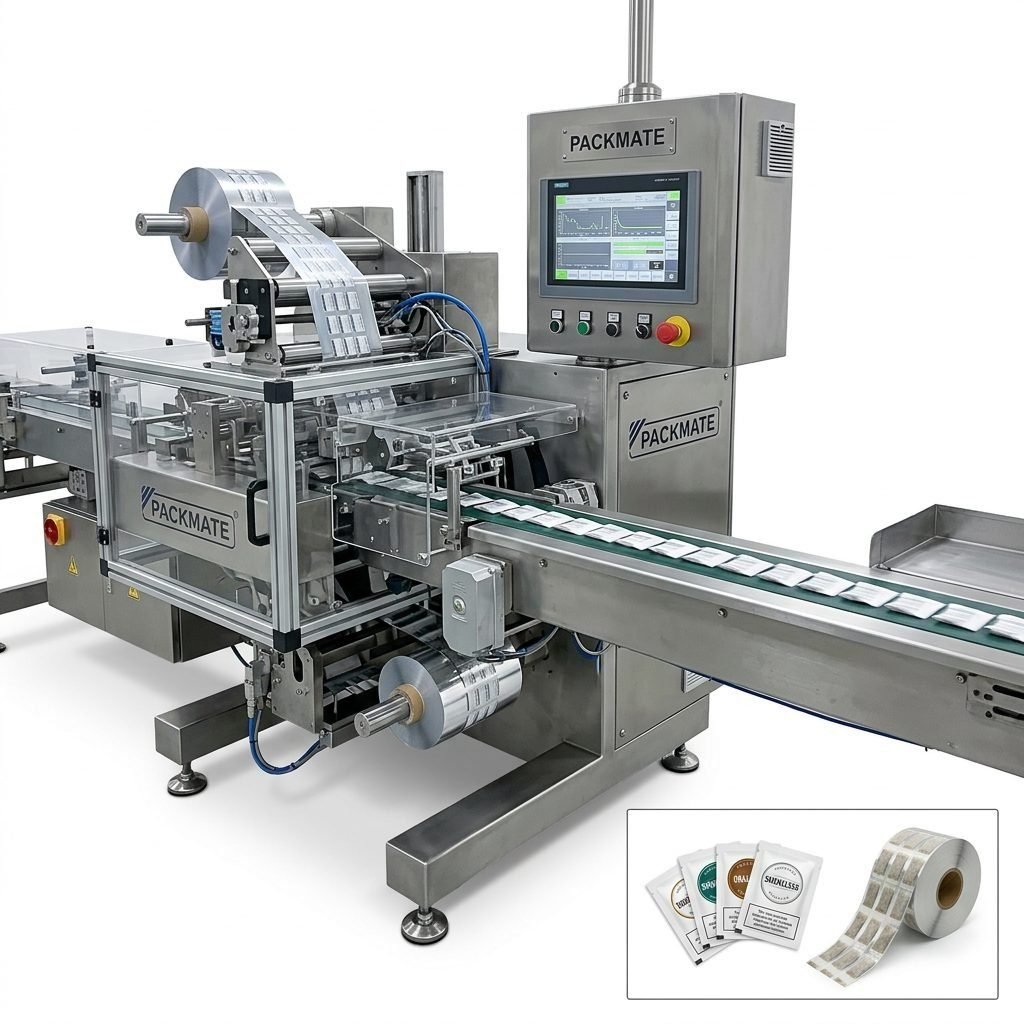
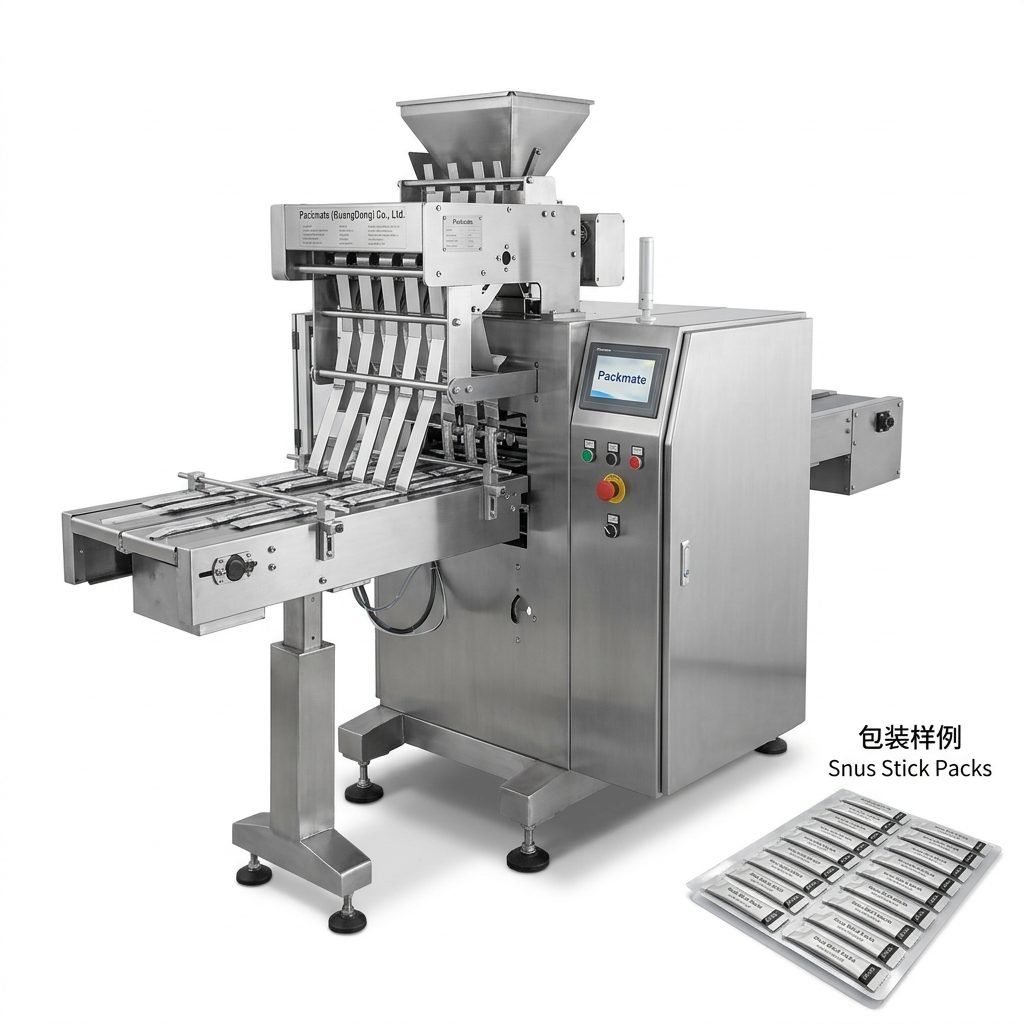
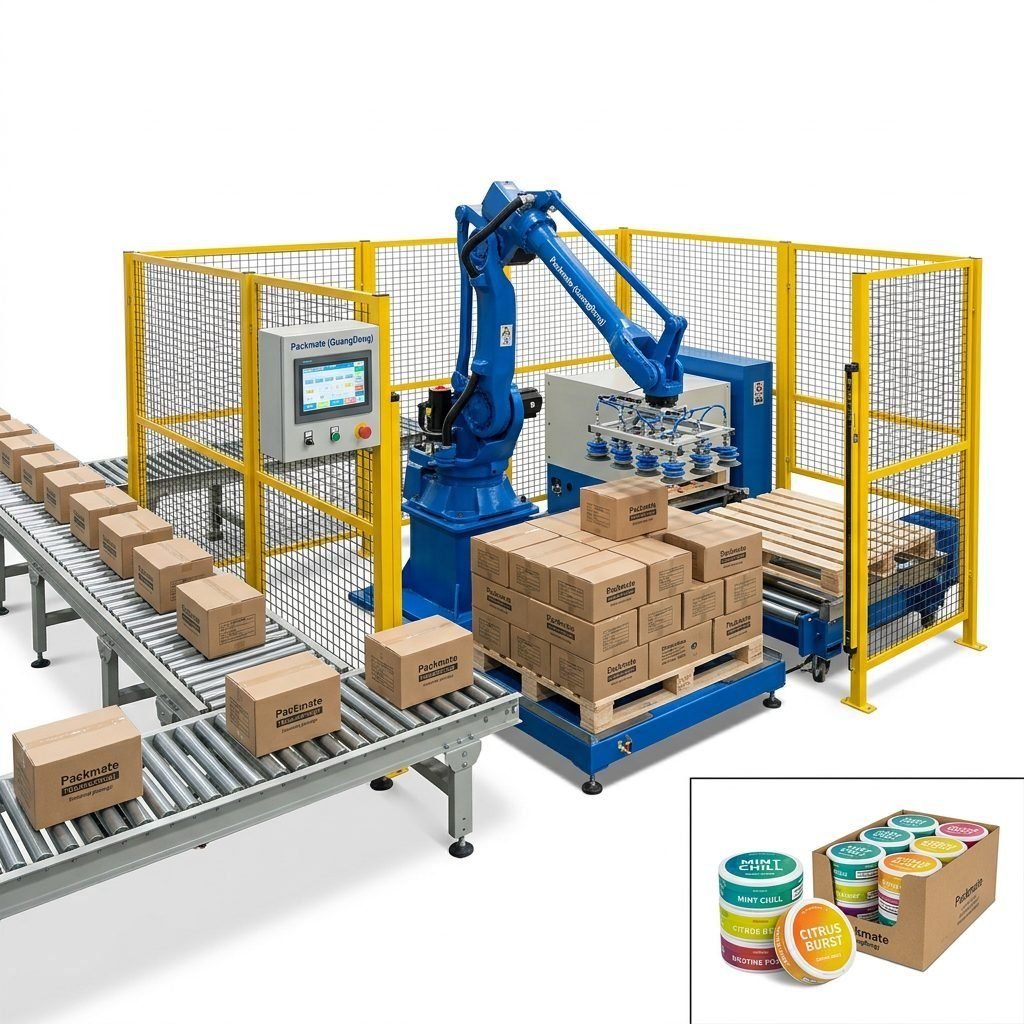
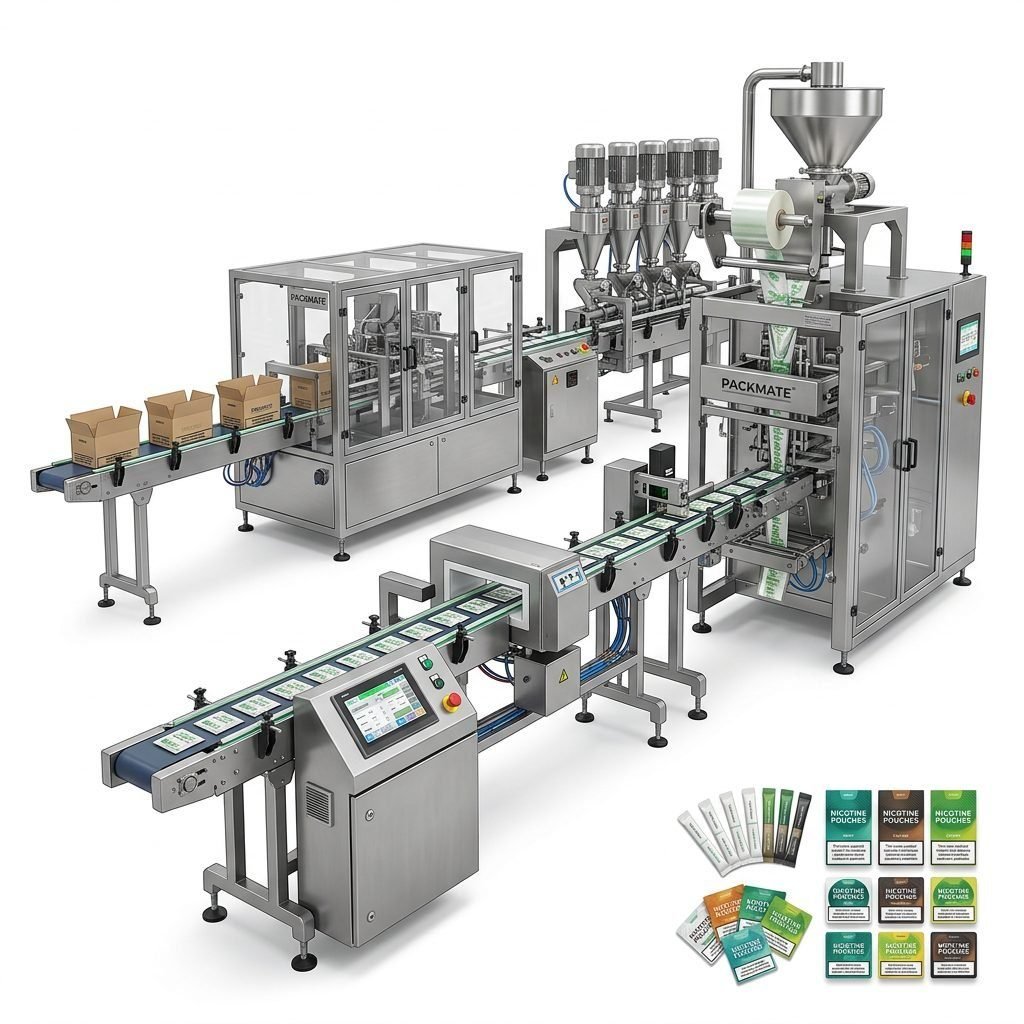
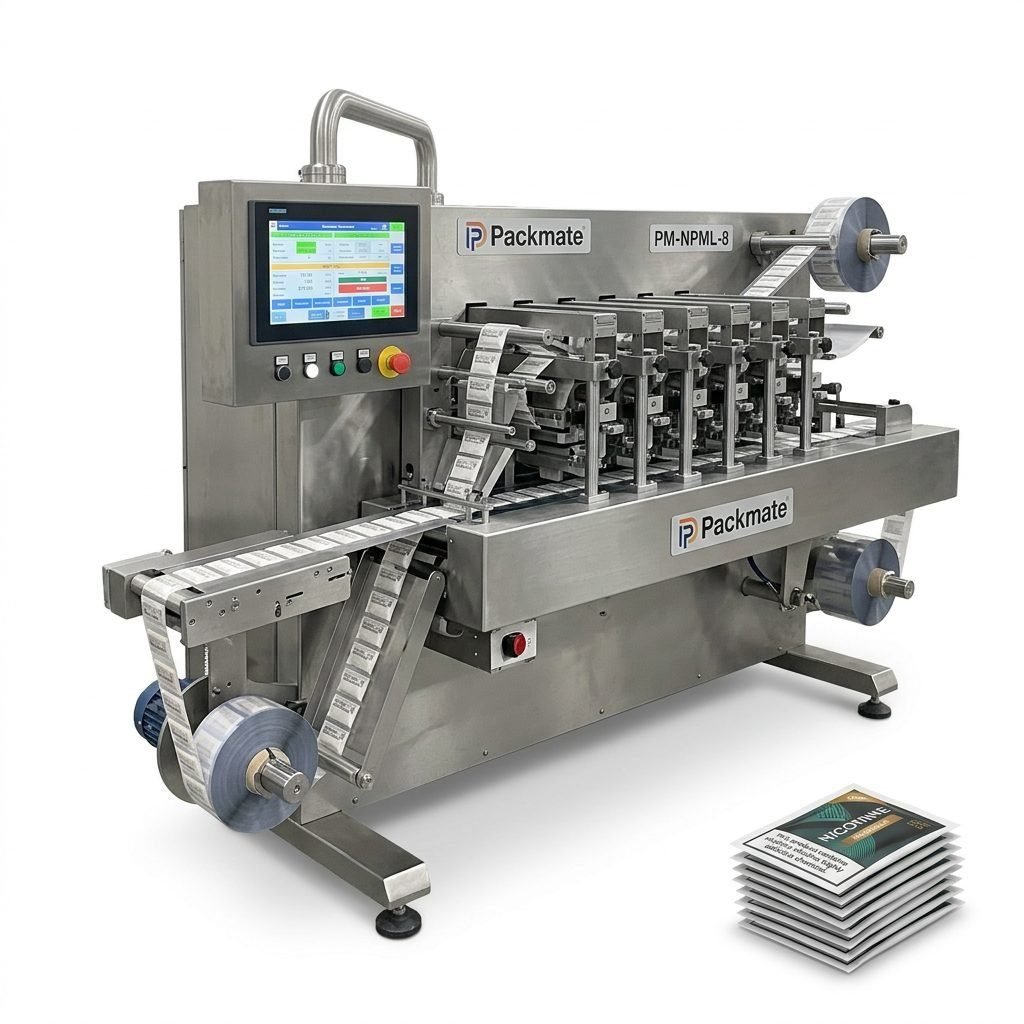
Manufacturers with deep experience in snus and nicotine pouch equipment understand the unique challenges of low-dose, high-precision packaging. Packmate (GuangDong) Co., Ltd. combines over 30 years of engineering experience with dedicated snus lines and a modern 20,000㎡ facility. Their product range includes stick pack, sachet, multi-lane systems, and complete lines for nicotine pouches—important when you require integrated solutions and proven CE-compliant documentation.
Explore relevant product categories and company information:
• Snus & Nicotine Packaging Machines
• About Packmate — company background and capabilities
• Certificate — view certifications and compliance statements
Procurement Workflow: From RFQ to Commissioning
A practical procurement flow ensures compliance milestones are tracked:
1) RFQ — include mandatory document requests (DoC, technical file, FAT protocol).
2) FAT — witness factory tests focusing on sealing integrity, weight accuracy, and safety interlock performance.
3) Shipment & Installation — confirm mechanical anchoring, electrical connections, and grounding meet local electrical codes.
Commissioning and Operator Training
Effective commissioning should include operator and maintenance training, spare parts lists, and a validated acceptance report. Retain all documentation for CE compliance audits and product traceability.
Common Pitfalls and How to Avoid Them
Avoid these frequent mistakes when buying snus packing machines:
• Accepting a CE label without reviewing the technical file.
• Overlooking spare parts lead times and local support availability.
• Not validating the machine under actual product conditions during FAT—real product trials often expose sealing or feed issues that dry tests miss.
Final Checklist Before Signing the Order
🔍 Document checklist: EU DoC, full technical file, wiring diagrams, risk assessment, FAT report, spare parts list.
🔍 Operational checklist: commissioning plan, training schedule, maintenance agreement, warranty terms.
🔍 Commercial checklist: lead times, spare part SLA, on-site support options, and final acceptance criteria.
Where to Get More Information & Support
For product catalogs, case studies, and service offerings, visit Packmate’s resources and contact pages. Working with an established manufacturer simplifies compliance and accelerates time-to-market.
• Catalog • Case • Contact Us
Frequently Asked Questions
Q1: How do I confirm a machine’s CE documentation is complete? — Ask for the EU Declaration of Conformity and the full technical file (risk assessment, drawings, component lists, test reports). Review these documents or have a qualified engineer audit them.
Q2: Is FAT sufficient to prove compliance? — FAT is essential but should be complemented by documented risk assessments, on-site SAT, and installation records. Perform FAT with your actual product to validate sealing and feed systems.
Q3: What ongoing support should a supplier provide? — Expect commissioning assistance, operator training, spare parts lists, remote support options, and a clear warranty and SLA for parts.
Q4: Where can I find compliant snus packaging machine models? — Browse reputable manufacturers’ product pages and certifications; for example, explore Snus & Nicotine Packaging Machines and related product lines to compare specifications and support.