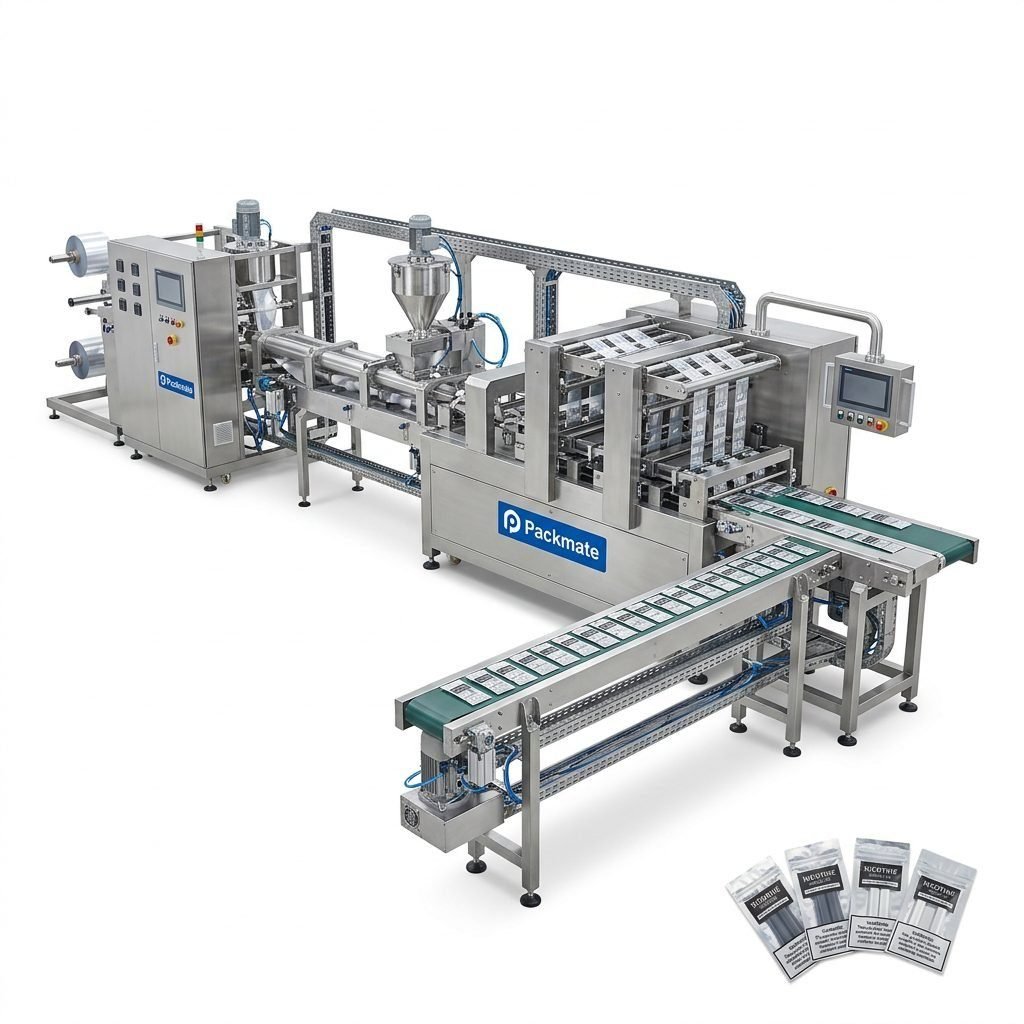
The modern snus and nicotine pouch industry demands packaging solutions that combine precision, speed, and hygienic design. This guide walks you through automatic snus pouch making machines and full production lines, offering practical insights for packaging engineers, production managers, and procurement teams looking to upgrade or install a complete system.
Overview: What Is a Snus Pouch Making Machine?
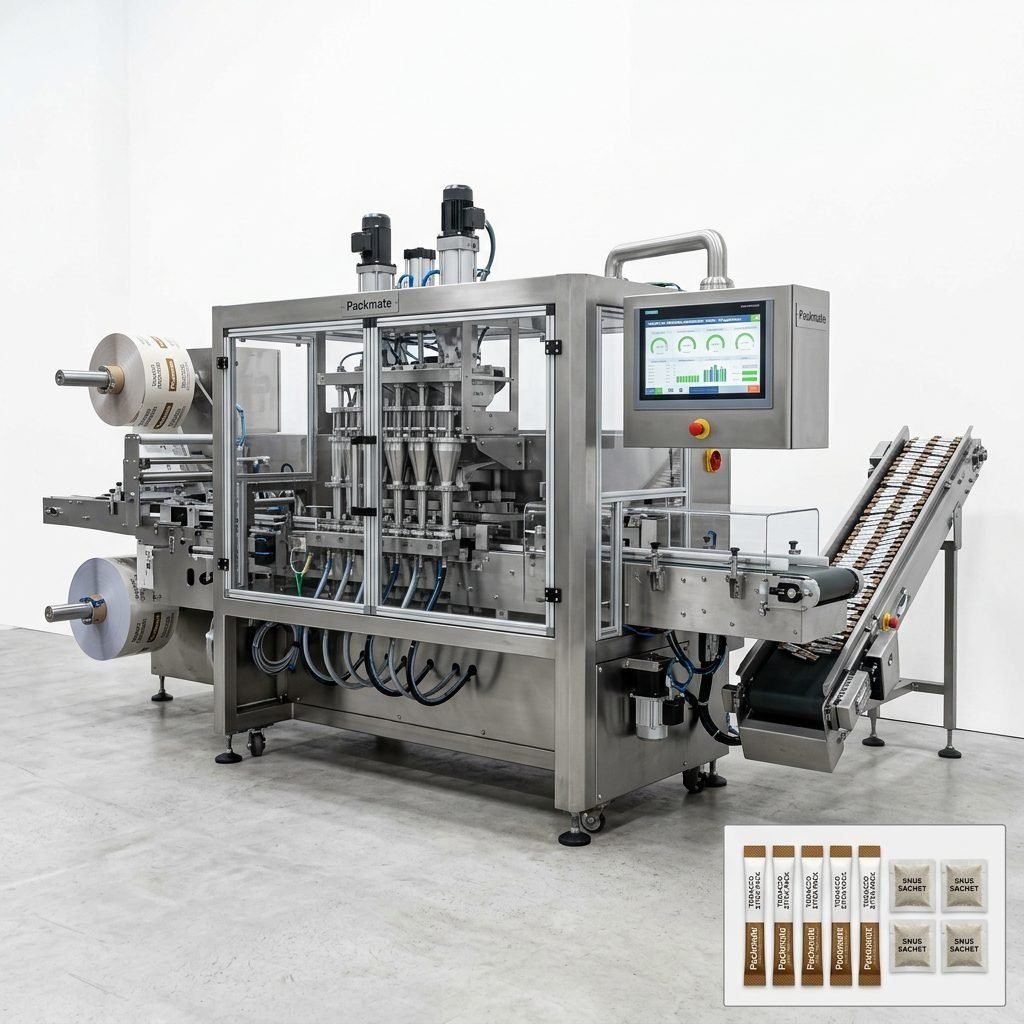
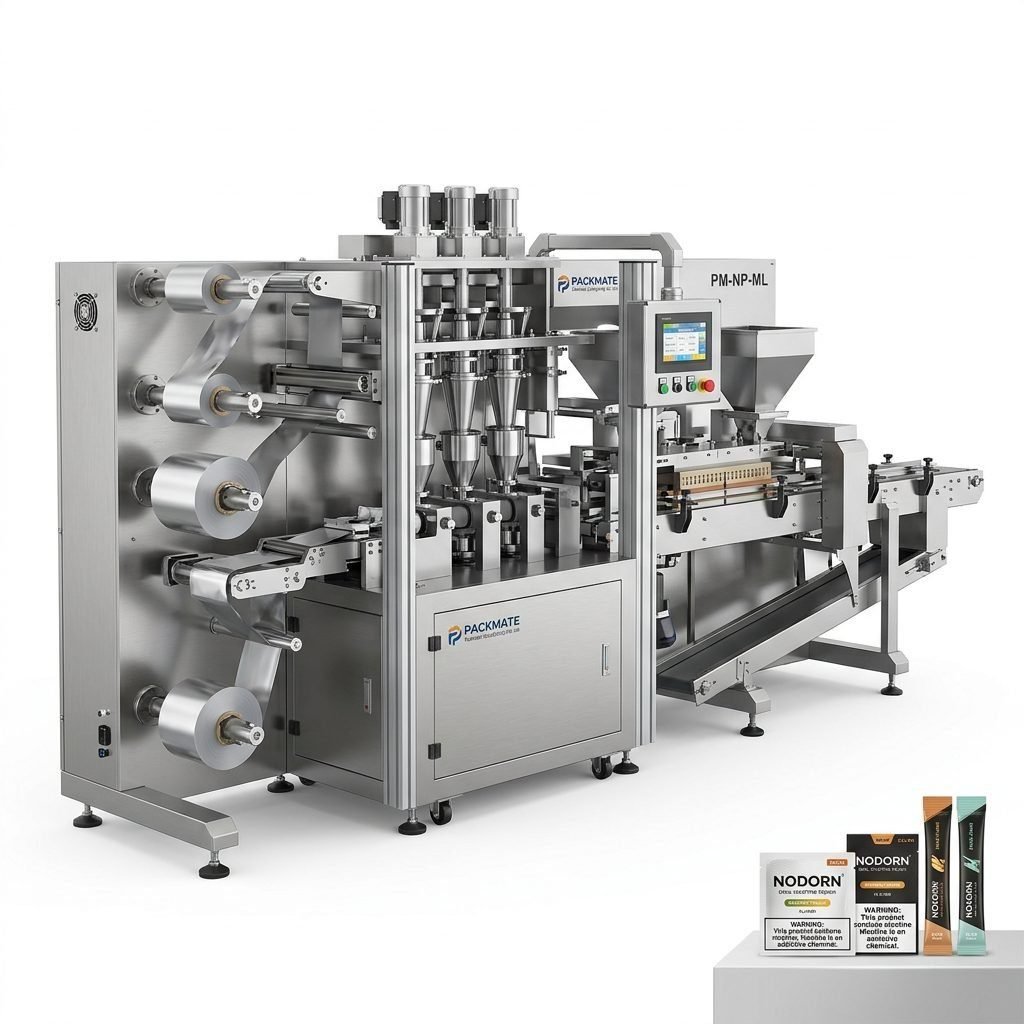
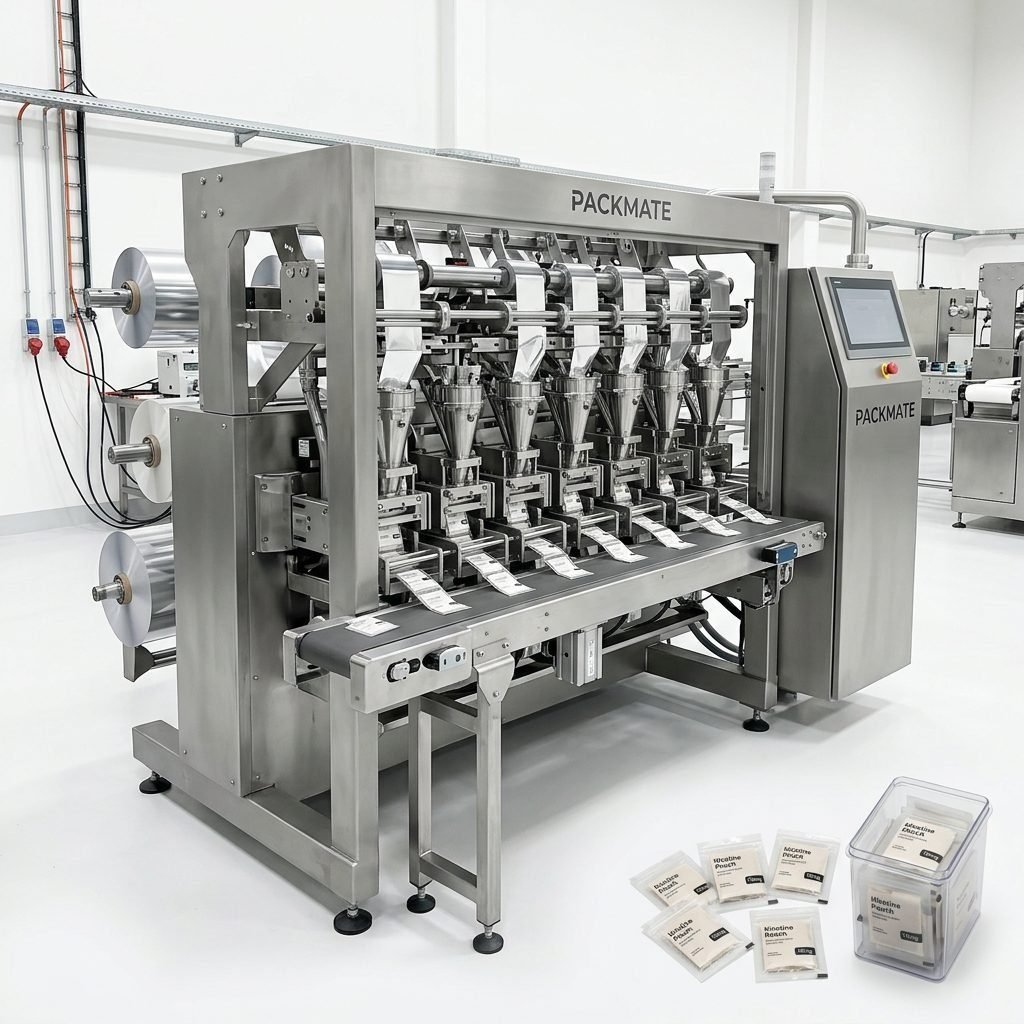
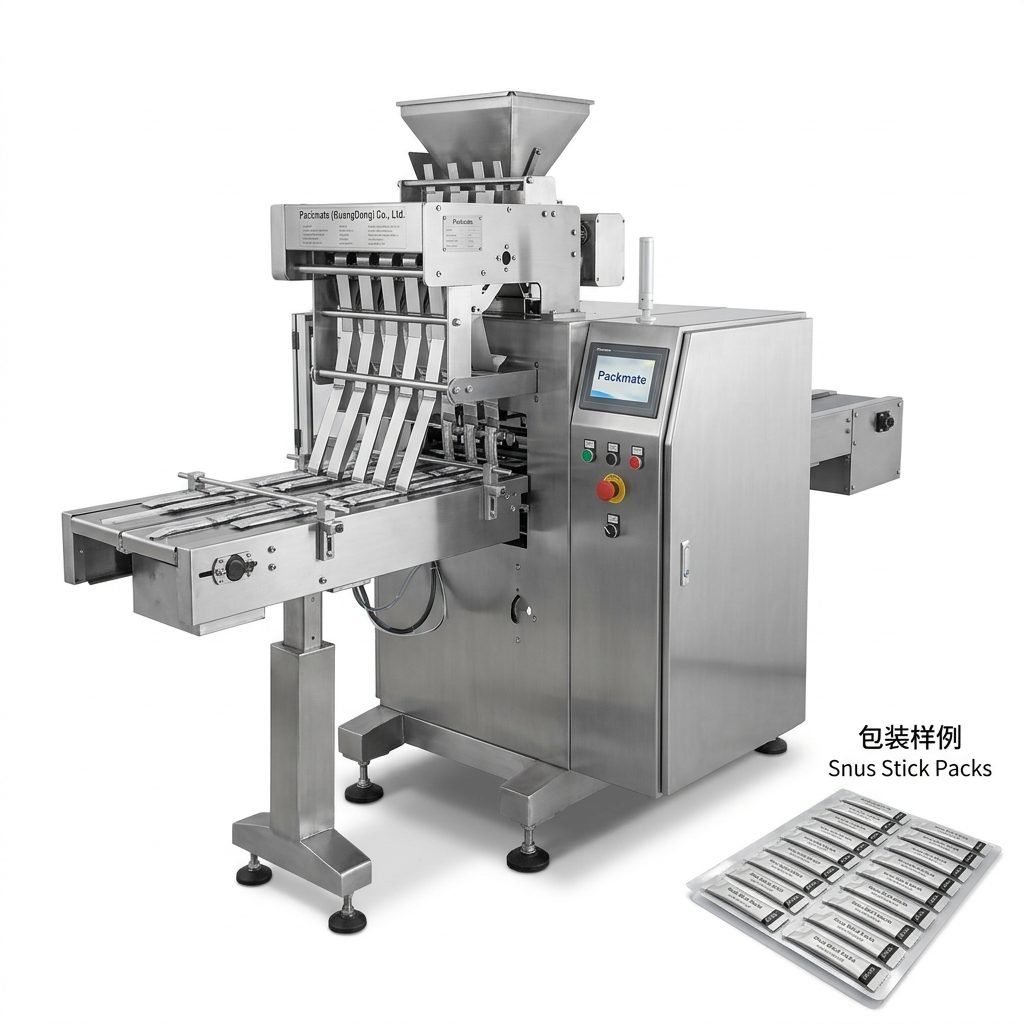
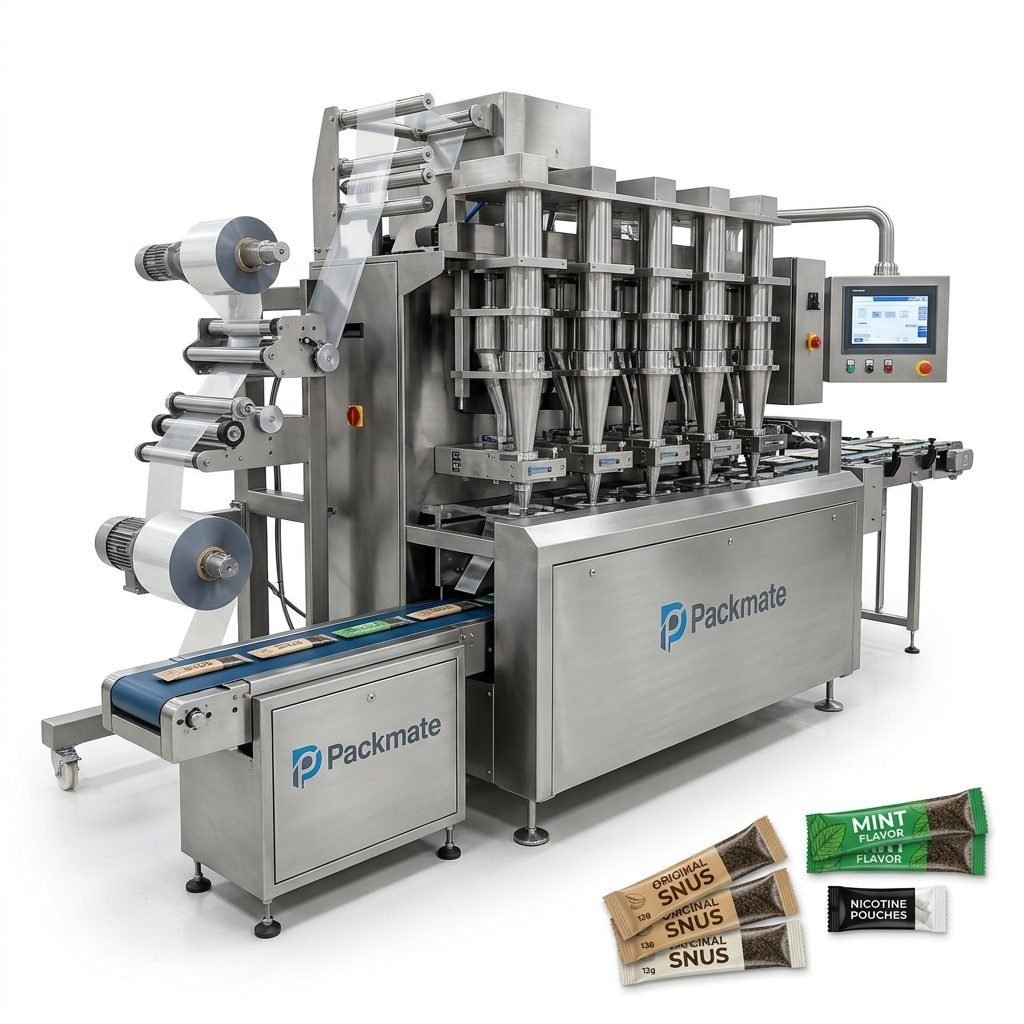
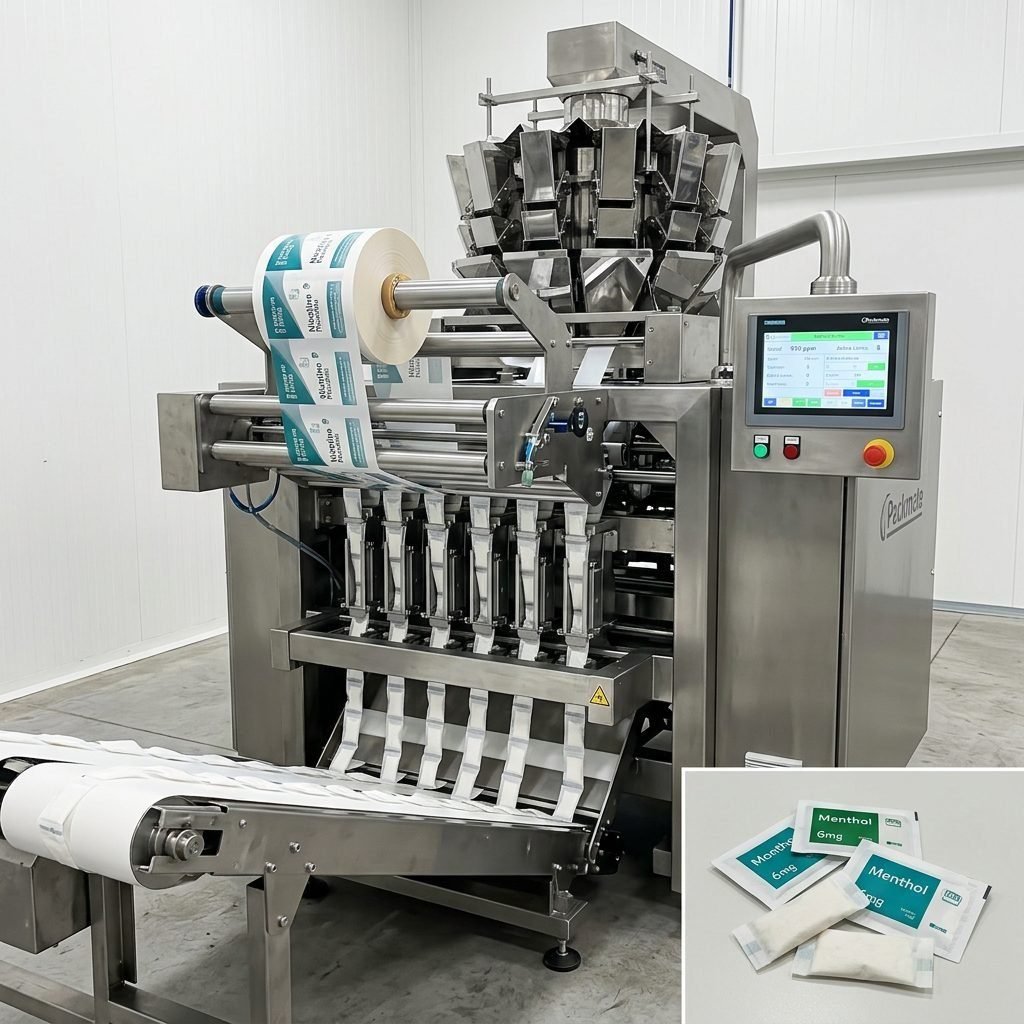
A snus pouch making machine is a specialized packaging system that forms, fills, and seals small-dose pouches for smokeless tobacco and nicotine products. These systems are engineered to handle delicate materials with consistent dosing and minimal waste. Leading manufacturers provide both single-lane and multi-lane options to meet varying throughput targets.
Key benefits of automated snus pouch machines include higher throughput, precise dosing, reduced labor costs, and improved hygiene controls — essential for regulated nicotine products.
Why Choose Automatic Snus Packing Equipment?
Investing in an automatic snus packing line delivers measurable returns across production, quality, and compliance. Below are the principal advantages:
- Consistent pouch weight and sealing integrity — critical for product safety and customer trust.
- High-speed multi-lane options for small-dose pouches that scale with market demand.
- Integrated CIP-friendly designs and stainless-steel construction for hygiene and durability.
- Modular systems that allow quick changeovers and flexible formats (stick pack, sachet, pouch).
Machine Types & Typical Configurations
Manufacturers offer a range of snus packaging machines to match production needs. Typical categories include:
1. Single-Lane Automatic Pouch Machines
Best for small-scale production and R&D operations. These machines are compact, easy to operate, and suitable for product runs with frequent formula changes.
2. Multi-Lane High-Speed Systems
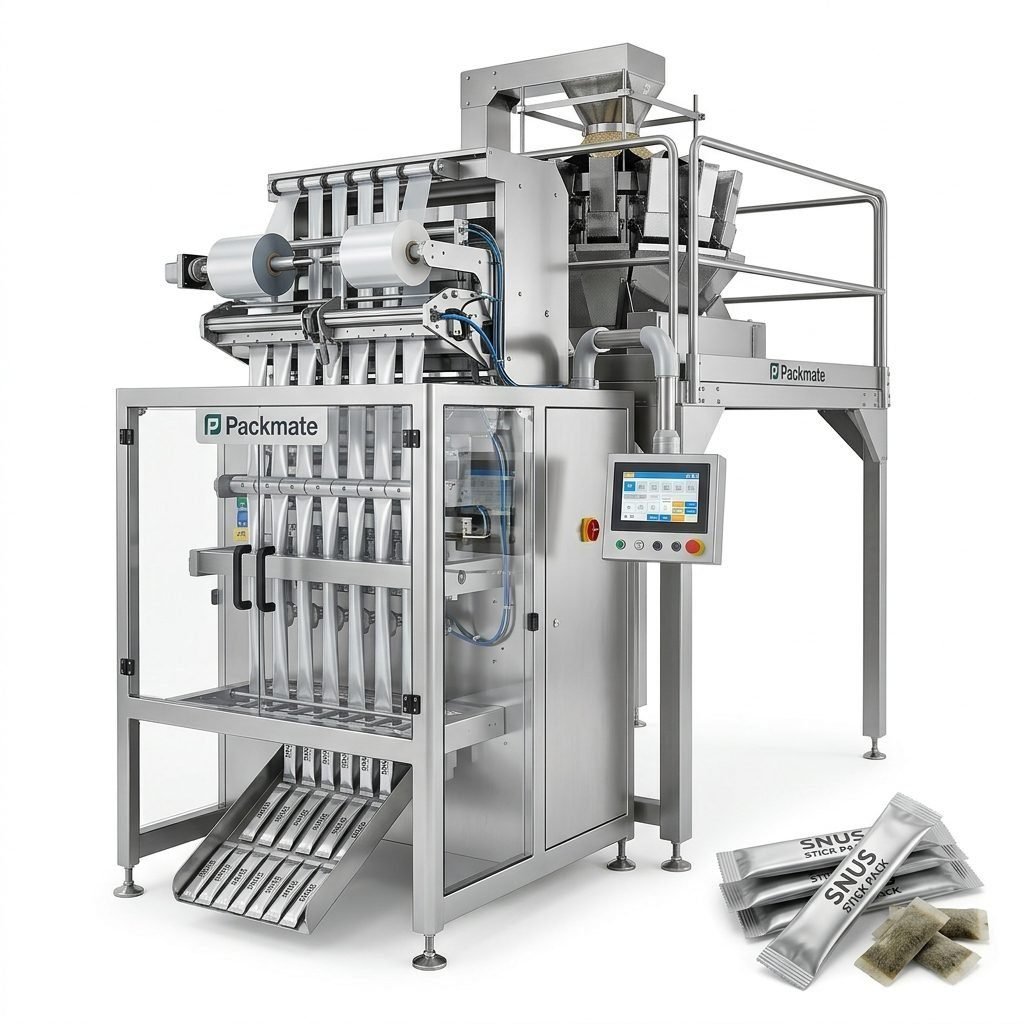
Multi-lane systems increase throughput by running several pouches in parallel. They are ideal for contract manufacturers and brands scaling up production volumes.
3. Sachet & Stick Pack Modules
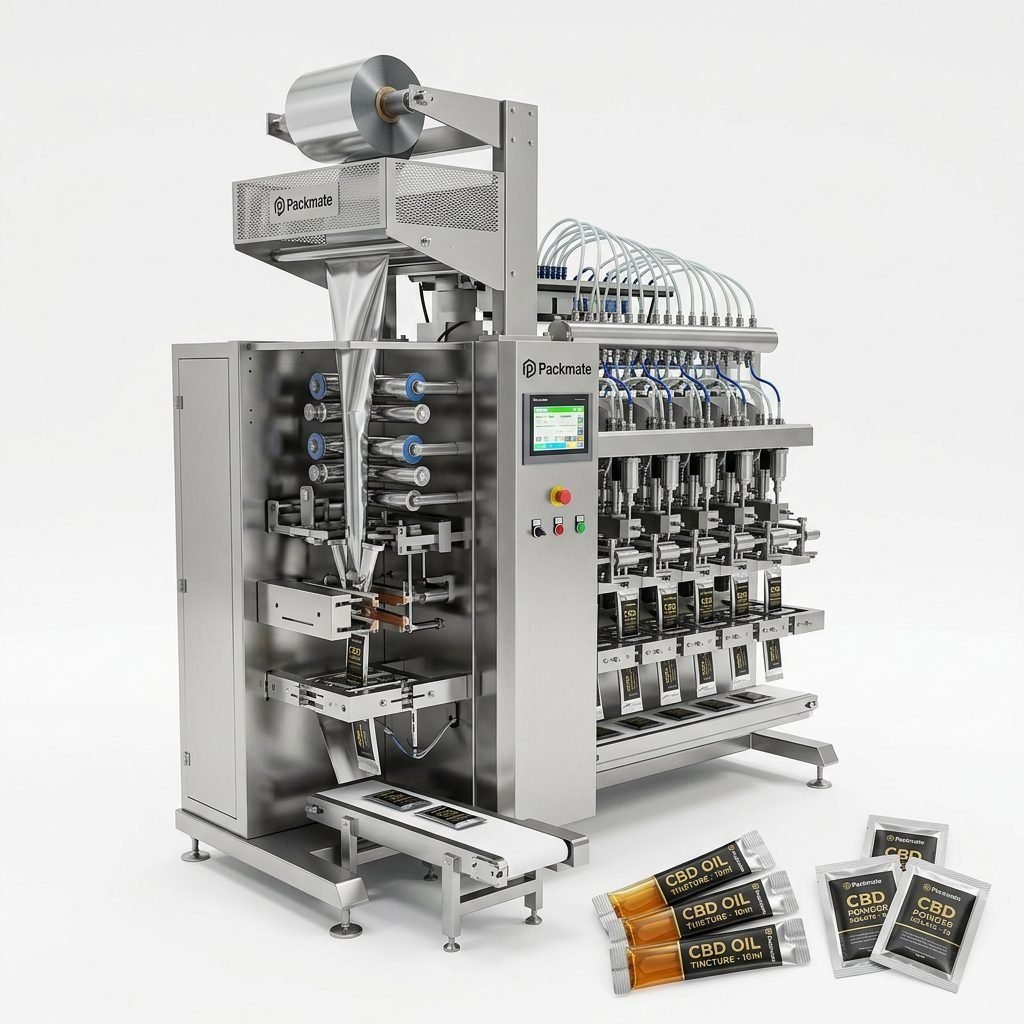
For markets requiring different pack styles, hybrid lines can produce sachets or stick packs alongside pouch types. Explore options like the Sachet & Stick Pack Machines for format flexibility.
Tip: If your product line includes powders or liquids, check integrated filling modules. See Filling & Packaging Lines.
Key Components & Technology Highlights
Understanding the main components helps you evaluate suppliers and plan for long-term operation. Modern snus pouch lines typically include:
- Unwinding and film handling modules with tension control for consistent sealing.
- Forming stations engineered for precise pouch dimensions.
- High-precision dosing systems (vibratory, auger, or weight-based) for accurate nicotine pouch filling.
- Sealing stations using ultrasonic or heat-seal technologies, chosen per material compatibility.
- Integrated vision inspection and leak detection for quality assurance.
- PLC and HMI controls for recipe management, traceability, and easy operation.
Designing a Production Line: From Layout to Logistics
A reliable production line is more than the main machine. Here are essential considerations when planning a snus pouch manufacturing cell:
- Raw material flow — allocate space for rolls, spare films, and storage with controlled humidity.
- Upstream preparation — dosing and pre-mix stations must be close to the filling machine to reduce transfer time.
- Downstream systems — counting, secondary packaging, case packing, and palletizing should match main machine throughput.
- Utilities & clean zones — ensure compressed air, power, and extraction meet local standards, and designate clean areas for final packing.
Installation, Commissioning & Training
Proper installation and commissioning are critical to achieving target performance. Leading suppliers provide:
- On-site setup and machine calibration.
- Operator and maintenance training programs.
- Validation protocols for regulated markets.
- Remote support and spare parts packages to minimize downtime.
Quick checklist before acceptance testing: throughput targets, pouch integrity under environmental variation, and full traceability of parameters (batch ID, operator, recipe).
Maintenance Practices & Troubleshooting
Preventative maintenance reduces downtime and protects ROI. Key activities include:
- Scheduled lubrication and inspection of mechanical drives.
- Regular replacement of wear parts (sealing jaws, belts, cutters).
- Calibration of dosing systems and sensors.
- Cleaning routines that comply with product safety requirements.
For troubleshooting, keep an error log and engage supplier support; many manufacturers offer fast-response service contracts. ❗ Common issues include film feeding misalignment, inconsistent dosing, and seal defects — all solvable with systematic checks.
Compliance, Certifications & Global Standards
Equipment must meet international safety and hygiene standards. Look for suppliers whose machines are CE certified and built under ISO quality systems. For a reliable partner and certification references, see the manufacturer’s information at Certificate.
Case Studies & Global Reach
Global brands and contract manufacturers have adopted packaged lines for nicotine pouches to scale market entry. Case references often highlight turnkey installations, rapid commissioning, and long-term service — view real examples at Case.
Buying Guide: How to Select a Supplier
When selecting a machine supplier evaluate:
- Engineering experience — over decades of R&D indicate maturity; companies with 20,000㎡ factories and diversified models can deliver scale.
- Product range and modularity — ensure the supplier offers both core machines and auxiliary equipment (weighing, conveyors, case packers).
- Global support network — for spare parts and rapid service, local presence or global partners is advantageous.
- Proof of performance — request FAT videos, acceptance plans, and client references.
Supplier highlight: Packmate Snus Machine emphasizes 30+ years of engineering experience and offers complete lines across snus, sachet, and filling systems — explore more at About Packmate.
Return on Investment & Cost Considerations
ROI depends on automation level, throughput, and labor delta. Key cost drivers:
- Initial capital for machine and installation.
- Utilities and facility upgrades.
- Spare parts and warranty/service plans.
- Validation and regulatory compliance costs for nicotine products.
Typically, multi-lane systems show faster payback through higher output and reduced per-unit labor cost. Request a detailed cost-benefit analysis from suppliers to align expectations.
Where to Learn More & Next Steps
If you’re evaluating equipment, review product catalogs and attend live demonstrations. Useful links:
- Snus & Nicotine Packaging Machines — core product range and specifications.
- Bag & Pouch Packaging Machines — broader pouch solutions.
- Weighing & Packaging Systems — integration for precise dosing.
Final Recommendations
Start with a clear production target (pouches/hour), define format requirements, and choose a supplier offering full turnkey solutions with after-sales support. Investing in modular, validated systems helps future-proof your operation as regulations and market demand evolve.
Common Questions
Q1: What throughput can multi-lane snus pouch machines achieve?
A: Throughput varies by lane count and pouch size; modern multi-lane systems can reach several tens of thousands of pouches per hour in aggregate. Confirm per-lane performance with the supplier.
Q2: Are nicotine pouch machines compliant with international standards?
A: Reputable manufacturers produce equipment that complies with CE and ISO standards. Ask for certification documents and quality control procedures.
Q3: What services are typically included after purchase?
A: Typical services include installation, commissioning, operator training, spare parts kits, and optional service contracts for preventive maintenance and remote support.
Q4: How flexible are these machines for product changes?
A: Most systems are modular with quick-change parts for different pouch sizes and fill weights. Verify changeover times and tooling availability with the manufacturer.