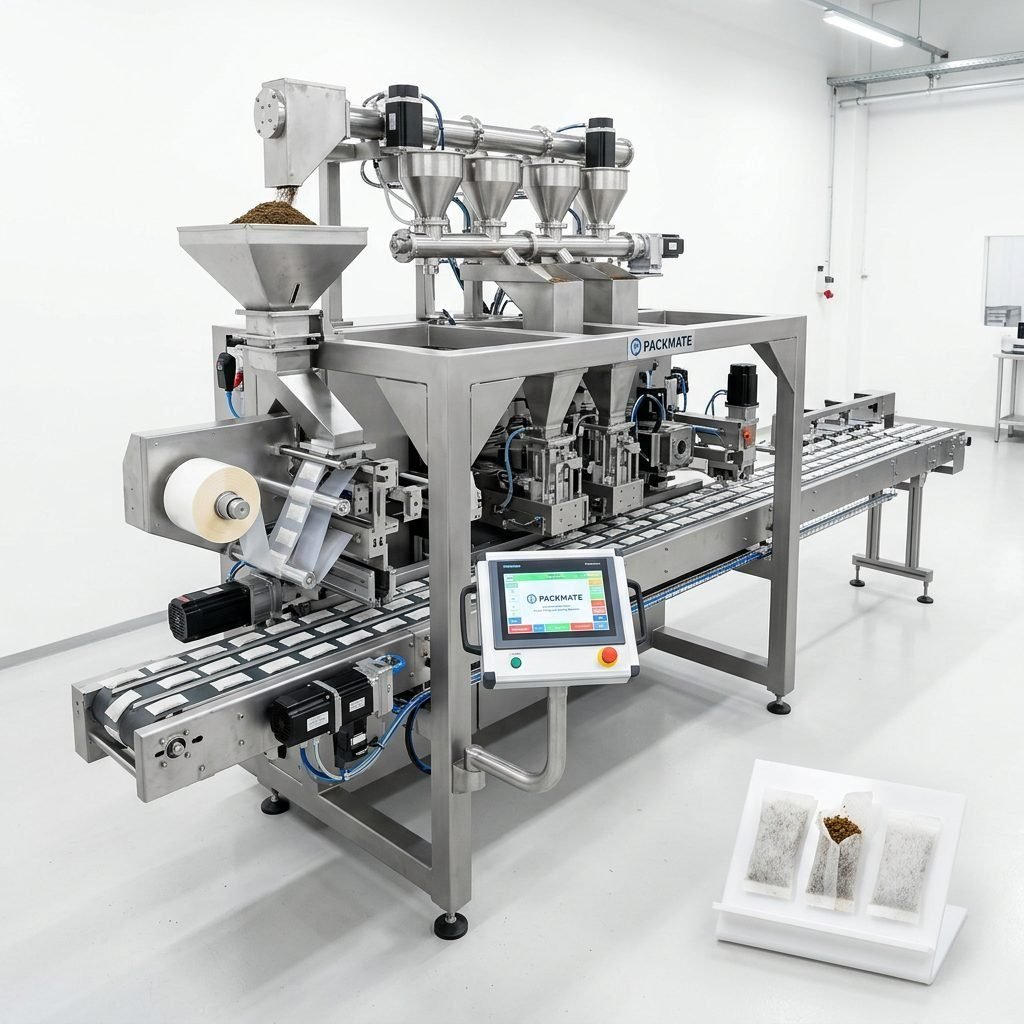
Snus stick pack machines have become the industry standard for high-speed, precise portion packing of moist snuff and nicotine pouches. In this article we explore how modern automatic stick pack solutions deliver consistent portion control, hygienic handling, and flexible production for emerging nicotine pouch markets. Whether you are evaluating a new production line or scaling up capacity, the insights below will help you understand machine capabilities, integration options, and why a professional supplier with strong manufacturing and service support matters.
What is a Snus Stick Pack Machine?
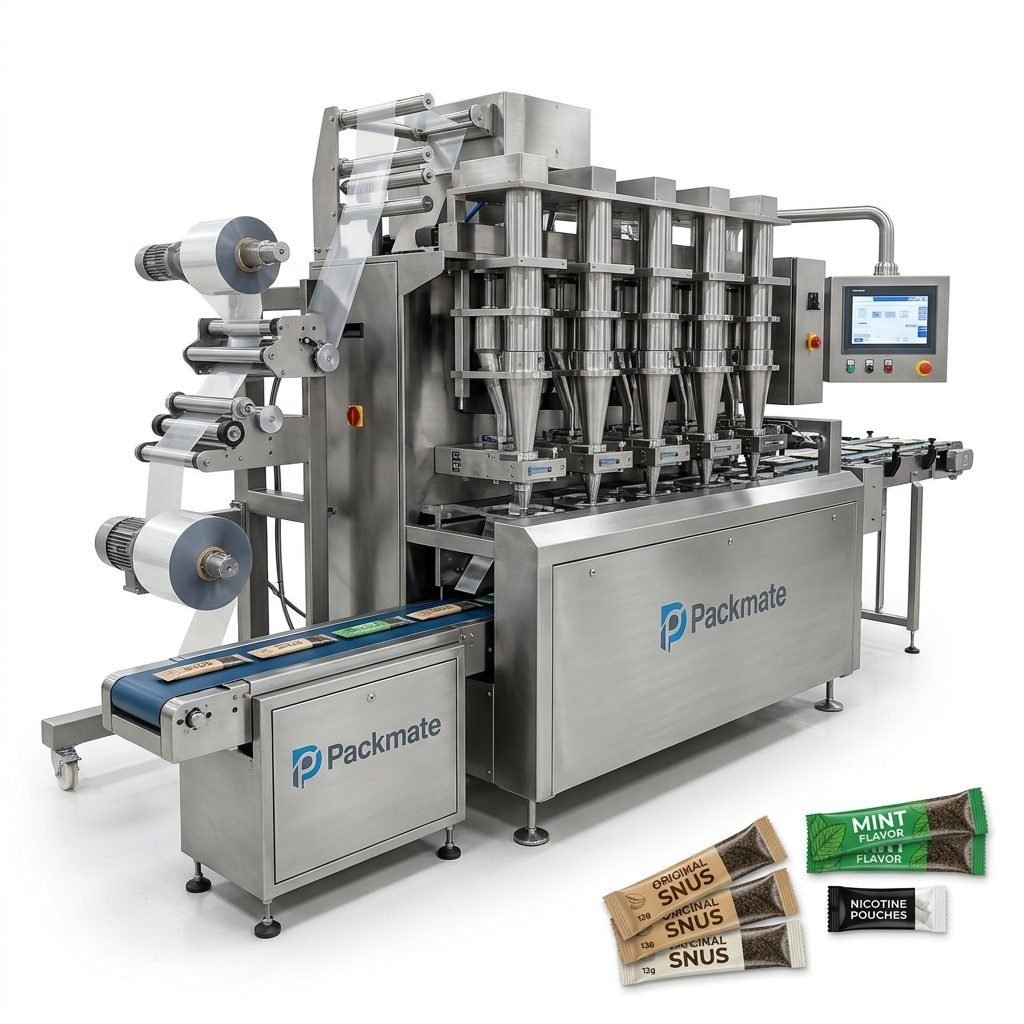
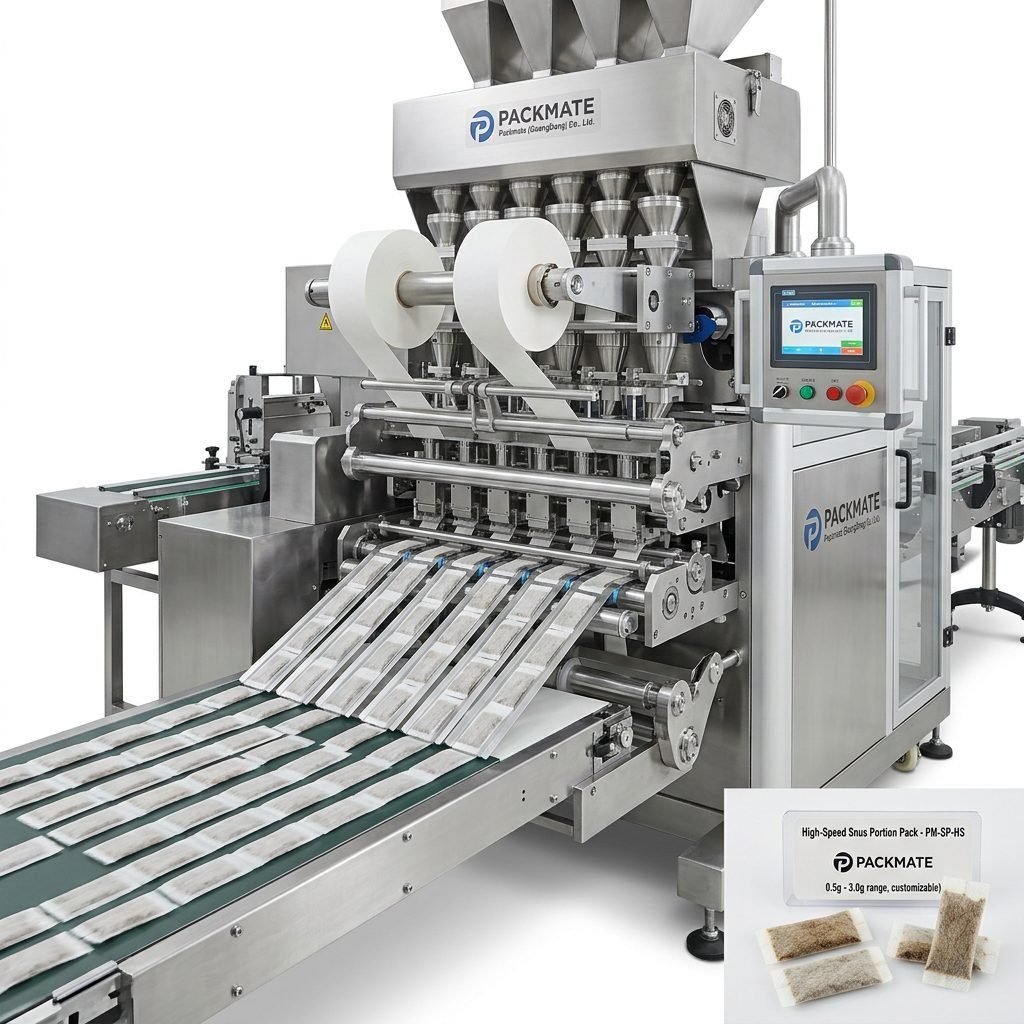
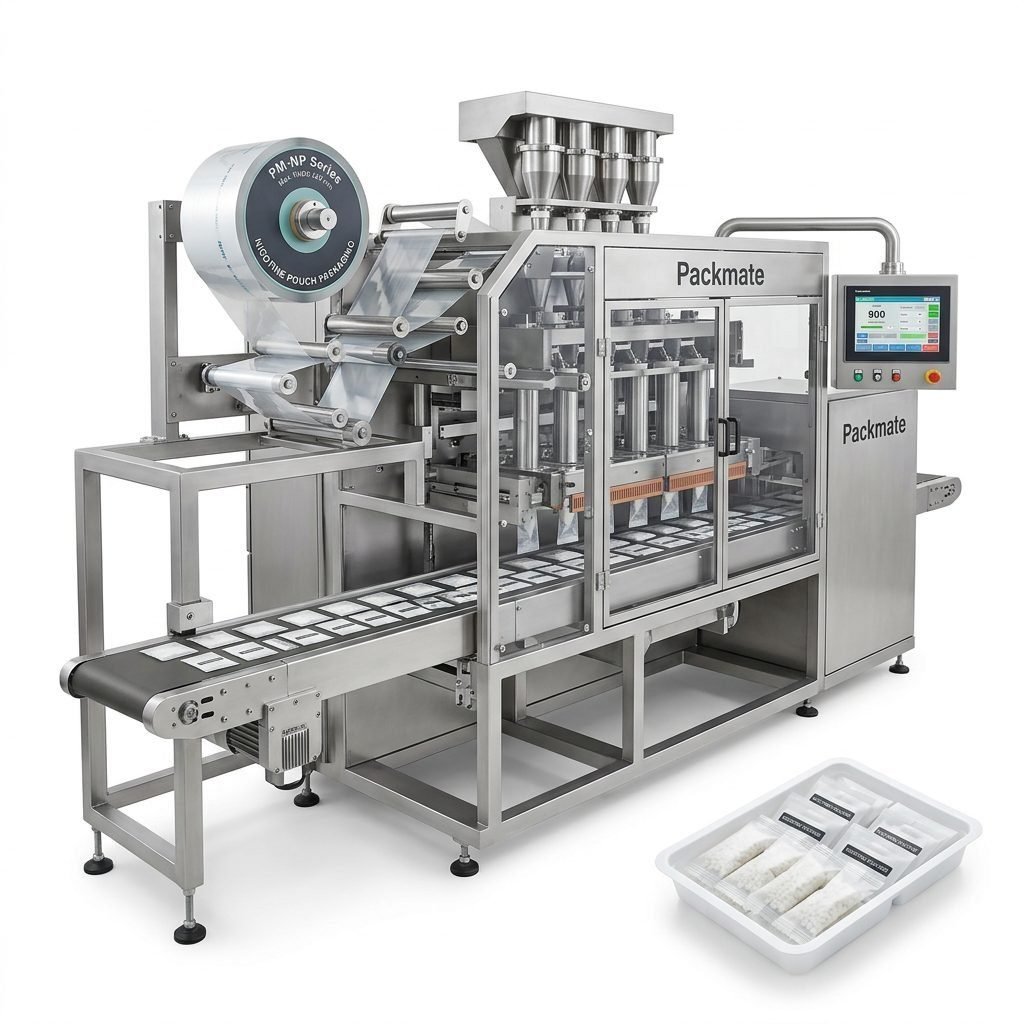
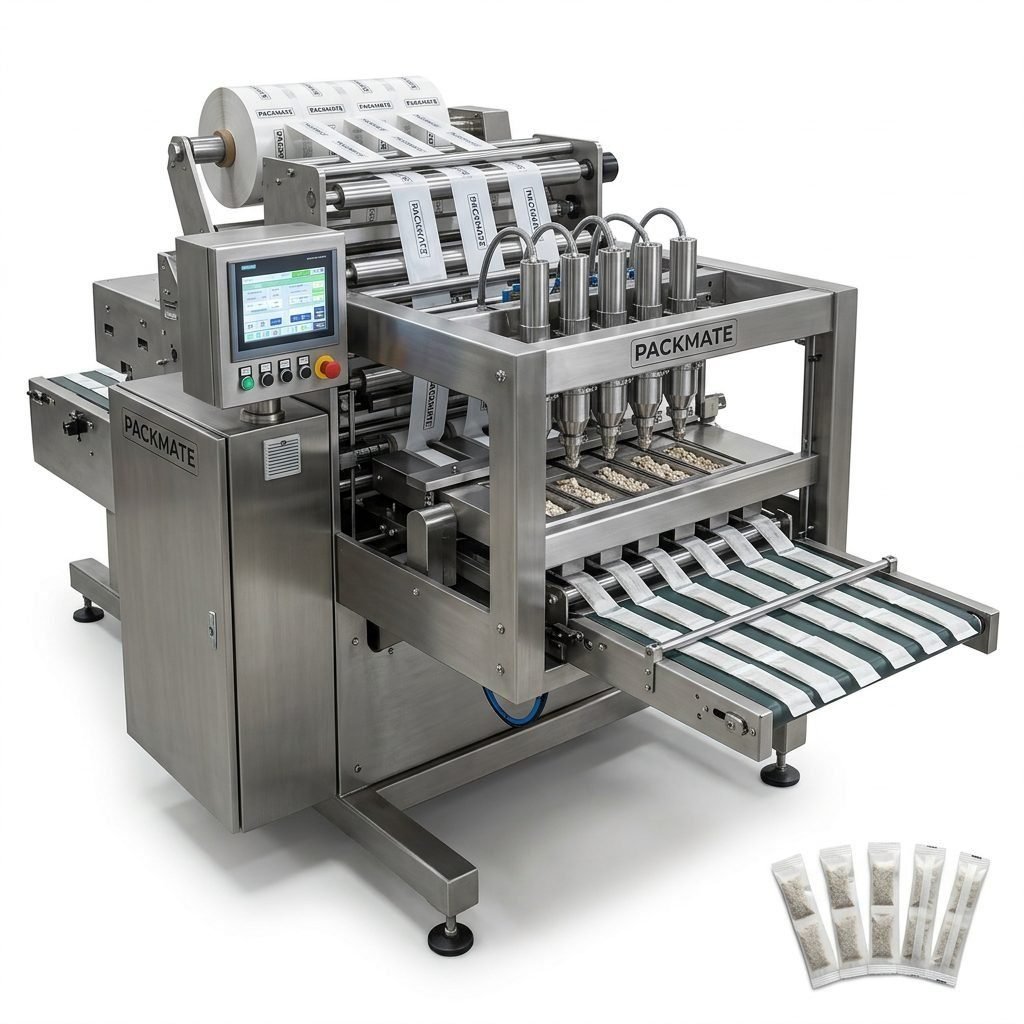
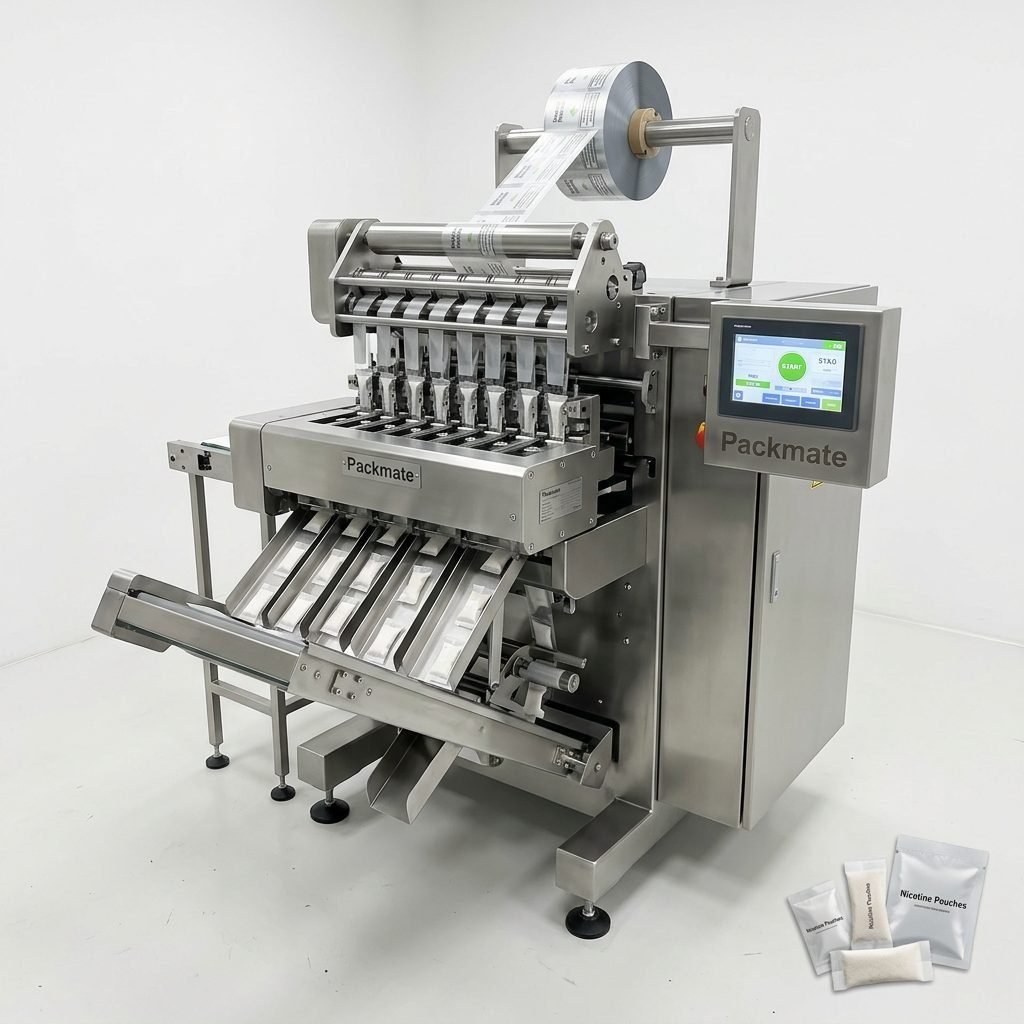
A snus stick pack machine is a specialized form-fill-seal packaging system designed to produce single-dose stick packs or sachets for moist tobacco products and nicotine pouches. These machines precisely measure and place a controlled portion of product into a preformed or formed pouch, then seal and cut to produce individual retail-ready units. Key characteristics include: high-speed multi-lane options, portion weighing or volumetric dosing, and gentle handling systems to preserve product integrity.
Core Benefits at a Glance
✓ High consistency: automated portioning reduces weight variation and ensures consumer satisfaction.
✓ Hygienic processing: designs meet food and pharmaceutical hygiene standards to protect moist products from contamination.
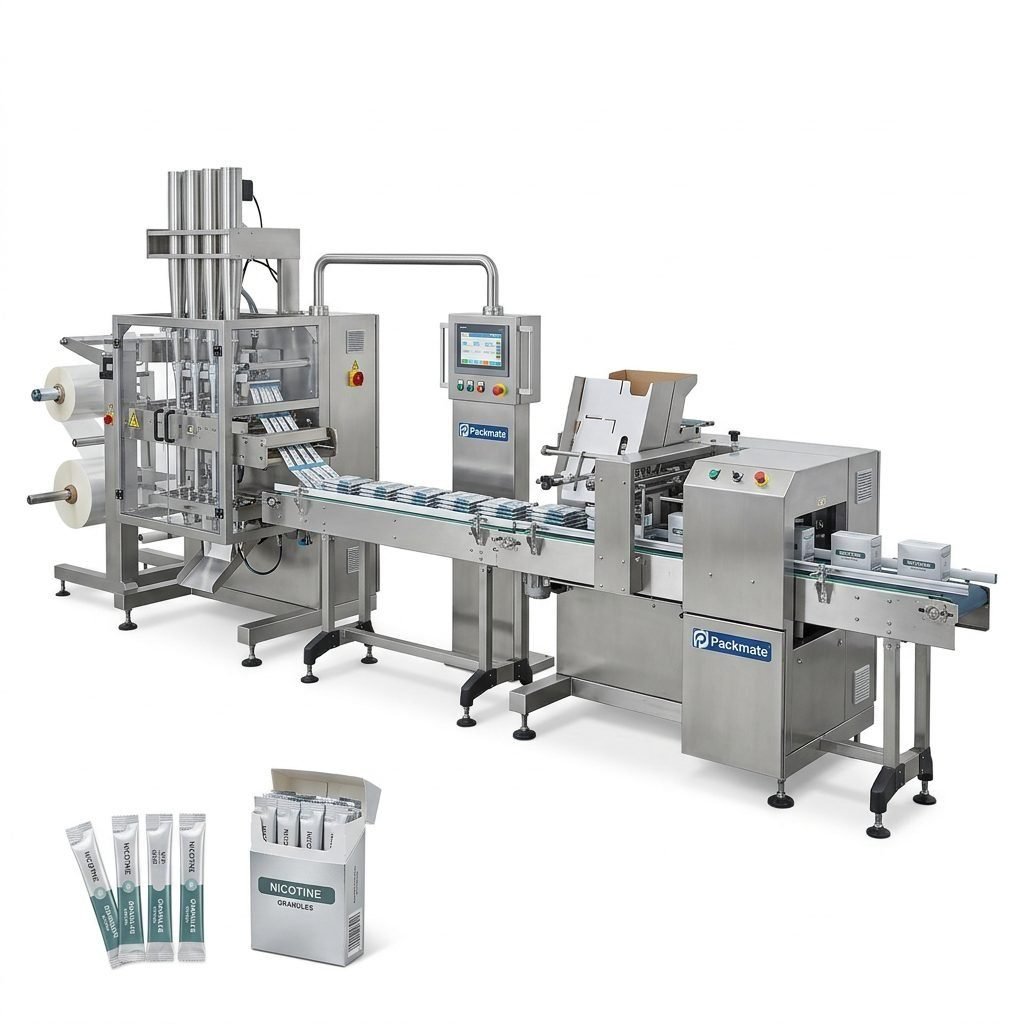
✓ Flexible formats: from pillow stick packs to four-side seal sachets, multi-lane configurations support high throughput.
Key Technical Features and Options
Modern snus stick pack machines are modular and loaded with industry-focused features. Below are the technical elements you should consider when specifying equipment for moist snuff or nicotine pouches:
1. Portioning Systems
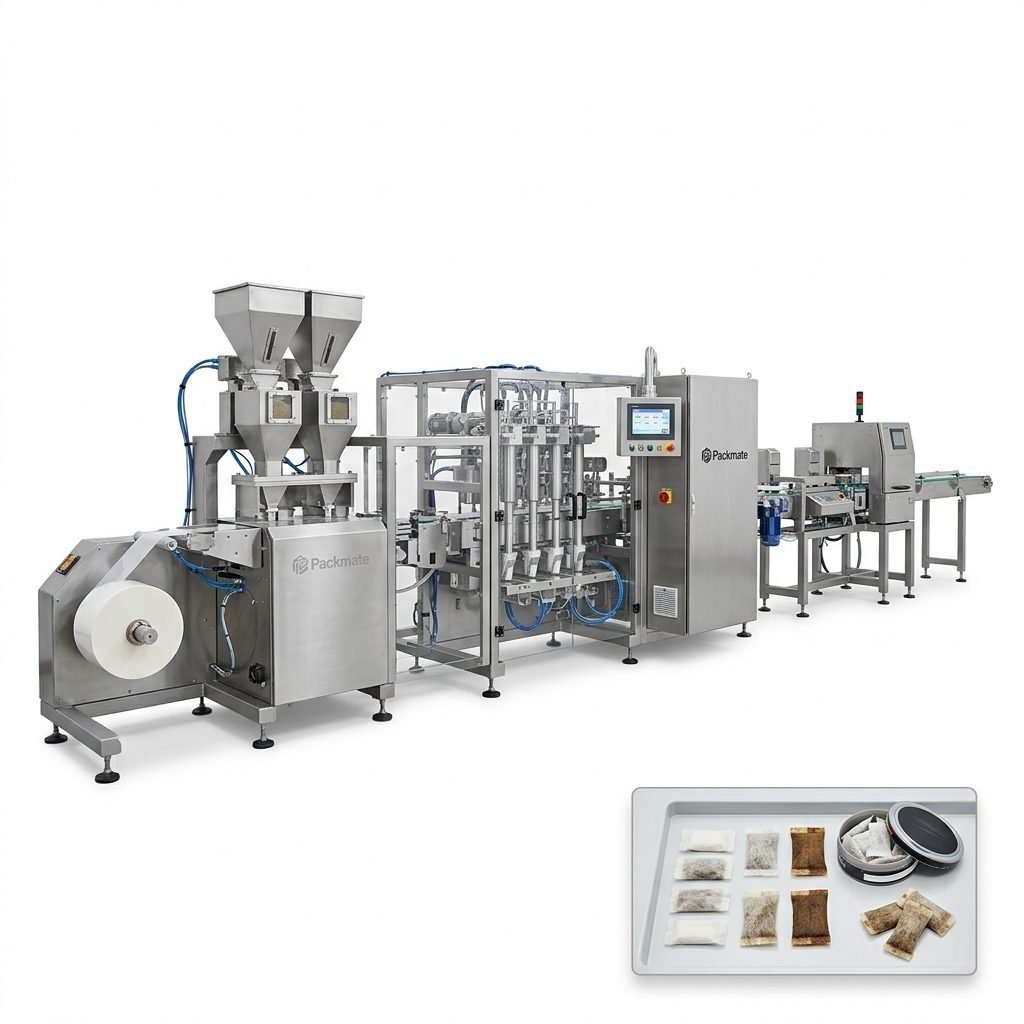
Portioning can be achieved by precision weigh scales, auger or volumetric dosing for powders and pastes, and vacuum or positive displacement dosing for slurries. For nicotine pouches, multi-head weighers integrated with multi-lane forming machines provide exact grams-per-pouch control. Accurate dosing minimizes giveaway and ensures regulatory compliance.
2. Forming and Sealing Technology
The forming station must accommodate product moisture and possible tackiness. Heat-sealing profiles, ultrasonic sealing, and specialized non-stick films are common. Machines with adjustable sealing temperature and dwell time can handle a wide range of materials while preventing film adhesion and maintaining strong seals.
3. Multi-Lane and High-Speed Configurations
Scaling production often means moving to multi-lane stick pack lines that run in parallel. High-performance machines from experienced manufacturers offer synchronized feeding, cross-communication with upstream weighers, and high-speed cutting to achieve tens of thousands of pouches per hour across lanes. Choose a system rated for your projected throughput, plus a margin for growth.
Design Considerations for Moist Snuff and Nicotine Pouches
Moist snuff and nicotine pouch products present specific challenges: moisture management, product stickiness, shape integrity, and regulatory labeling. A well-engineered stick pack machine addresses these concerns through material selection, gentle product pathways, and environmental controls.
🔧 Moisture control: enclosed feed systems, purge air nozzles, and temperature-regulated seal stations prevent moisture-related sealing failures.
📦 Film selection: barrier films with anti-stick coatings and peelable seals offer both shelf-life and consumer convenience.
⚙️ Gentle handling: low-drop product transfers and angled chutes reduce product deformation and dusting.
Integration: From Filling to Finished Packs
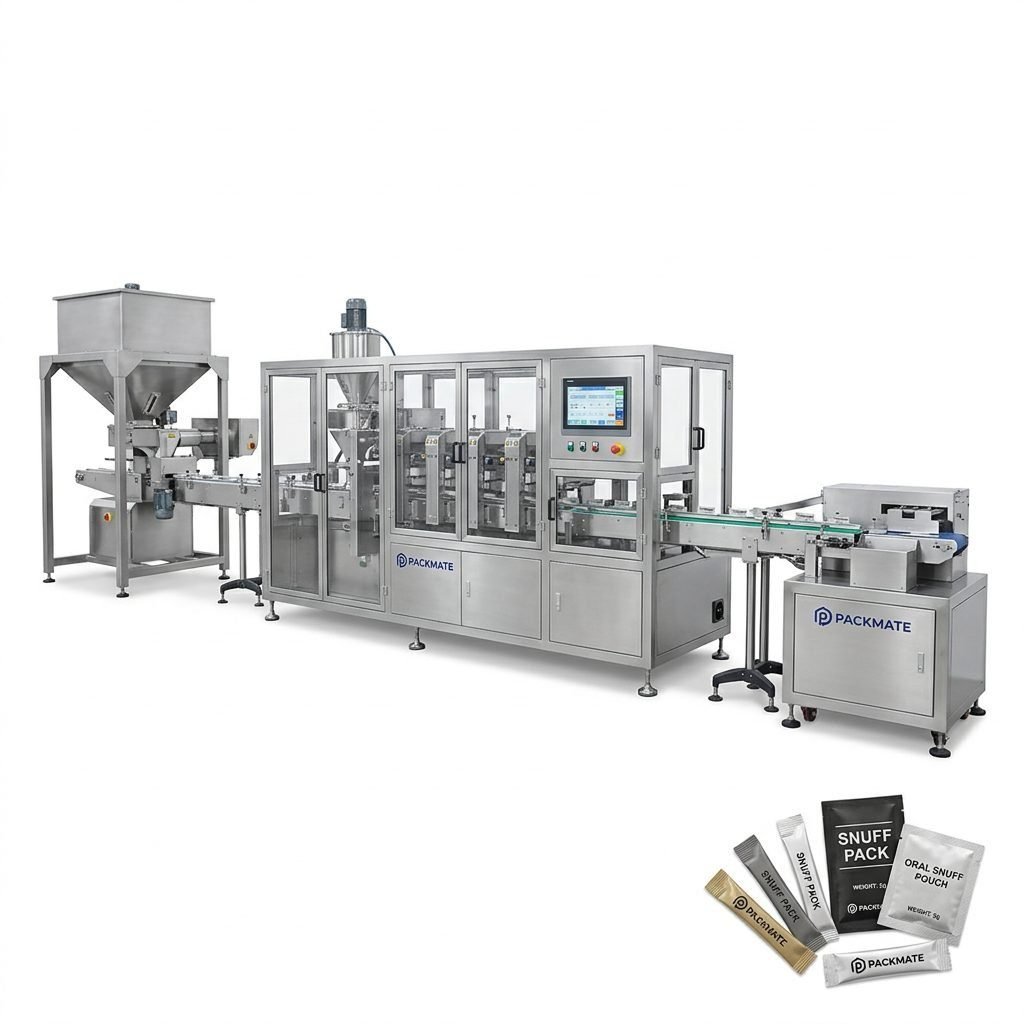
A complete packaging line often includes upstream dosing/weighing systems, the stick pack machine, end-of-line solutions (cartoners, case packers), and inspection equipment. Seamless integration reduces downtime and improves throughput. Many suppliers offer turnkey solutions that include project engineering, commissioning, and operator training.
For comprehensive product ranges and integrated systems, review the supplier’s portfolio — for example, manufacturers often list product lines such as Snus & Nicotine Packaging Machines and Sachet & Stick Pack Machines.
Quality, Certifications and Factory Capability
Selecting a reputable manufacturer with strong factory capabilities is crucial. Look for companies with robust CNC machining, precision assembly lines, and rigorous testing procedures to ensure every machine performs reliably. Certifications such as CE and ISO indicate compliance with international safety and quality standards.
🏭 Manufacturing strength: experienced manufacturers often maintain large production facilities (for instance, 20,000㎡) with advanced equipment and a broad model range to meet diverse client needs.
📜 Certifications: CE and ISO demonstrate a commitment to regulatory compliance and product safety.
Customization and After-Sales Service
Customization is often a must for niche products like nicotine pouches: tailor-made portioners, lane counts, film handling, and end-of-line packing options can be specified. Reliable after-sales support — spare parts, remote assistance, on-site training, and preventative maintenance plans — keeps production running smoothly.
If you want to see real-world installations and success stories, many manufacturers publish case studies and exhibition reports. Check resources such as the supplier’s Case pages and Our Exhibition listings to evaluate field performance and support capabilities.
Turnkey Solutions: What’s Included
A turnkey snus packaging solution typically includes engineering design, machine supply, integration of dosing and weighing equipment, automation controls, electrical panels, PLC programming, and on-site commissioning. Training for operators and maintenance personnel is also part of most contracts to ensure long-term reliability.
Operational Best Practices
To get the best performance from a stick pack line, follow these operational best practices:
🔁 Regular calibration: verify weighers and portioners daily to maintain accuracy.
🧽 Hygiene routines: implement cleaning-in-place or scheduled cleanings to prevent product buildup and contamination.
📊 Data monitoring: use inline checkweighers and vision inspection to catch defects before packing.
How to Choose a Supplier
Selecting a supplier is more than price comparison. Consider technical expertise, manufacturing capacity, service network, and turnkey project experience. Suppliers with long histories in packaging engineering can provide refined solutions that reduce implementation risk. Explore detailed product categories such as Filling & Packaging Lines and related systems to understand the full capabilities available.
Checklist Before Purchase
– Confirm required throughput (pouches per minute/hour) and lane configuration.
– Verify compatibility with product moisture and particle size.
– Ask for factory acceptance test (FAT) and performance videos.
– Review spare parts strategy and lead times.
– Ensure clear warranty and service terms.
Real-World Example: From R&D to Production
A manufacturer designing a new nicotine pouch product typically starts with R&D trials using benchtop filling equipment, then selects a multi-lane stick pack machine for pilot runs. After process validation, the line is scaled to full production with integrated weighing, sealing, and case packing. Throughout, the supplier’s engineering team refines film selection, sealing temperatures, and machine cadence to ensure stable production.
For more information about a supplier’s capabilities, including their company history, manufacturing scale, and product portfolio, visit the company profile and product pages such as About Packmate.
Economic Considerations and ROI
Investment in a quality stick pack machine offers ROI through reduced labor costs, minimized product giveaway, and increased throughput. Consider the total cost of ownership: initial capital expenditure, spare parts, energy consumption, and expected uptime. High-quality machines often deliver lower lifetime cost through greater reliability and lower maintenance.
Final Recommendations
If you are evaluating snus stick pack machines, prioritize suppliers with deep experience in nicotine and moist product handling, robust multi-lane options, and proven global service networks. Request demonstrations, sample runs, and detailed FAT documentation to validate performance. A strong partnership with your equipment manufacturer will accelerate ramp-up and protect product quality.
Helpful Resources
Explore additional machine categories and accessories to complete your production line: Auxiliary Packaging Equipment and Weighing & Packaging Systems.
Common Questions (FAQs)
Q1: How do stick pack machines handle wet or sticky nicotine pouches?
A1: Machines use enclosed feed systems, non-stick film options, controlled sealing temperatures, and gentle product transfer paths to manage moisture and stickiness. Regular maintenance and appropriate film selection are critical to avoid production issues.
Q2: What throughput can I expect from a multi-lane stick pack line?
A2: Throughput depends on lane count, portion size, and machine spec. Single-lane machines may range from a few hundred to over a thousand pouches per minute; multi-lane configurations multiply this capacity. Always request performance curves and FAT results for accurate planning.
Q3: Can suppliers provide turnkey lines including weighers and end-of-line packaging?
A3: Yes, many experienced manufacturers deliver full turnkey solutions that include filling, weighing, stick pack machines, inspection systems, and case packing, along with commissioning and operator training.
Q4: What certifications should I look for in a machine supplier?
A4: CE and ISO certifications are standard indicators of compliance with international safety and quality norms. Additionally, request documentation of material traceability and electrical safety tests.
Q5: How can I evaluate a supplier before purchase?
A5: Visit the factory if possible, review case studies, watch FAT videos, check references, and confirm spare parts availability and service response times. Supplier transparency on manufacturing processes and product lines is a strong reliability signal.