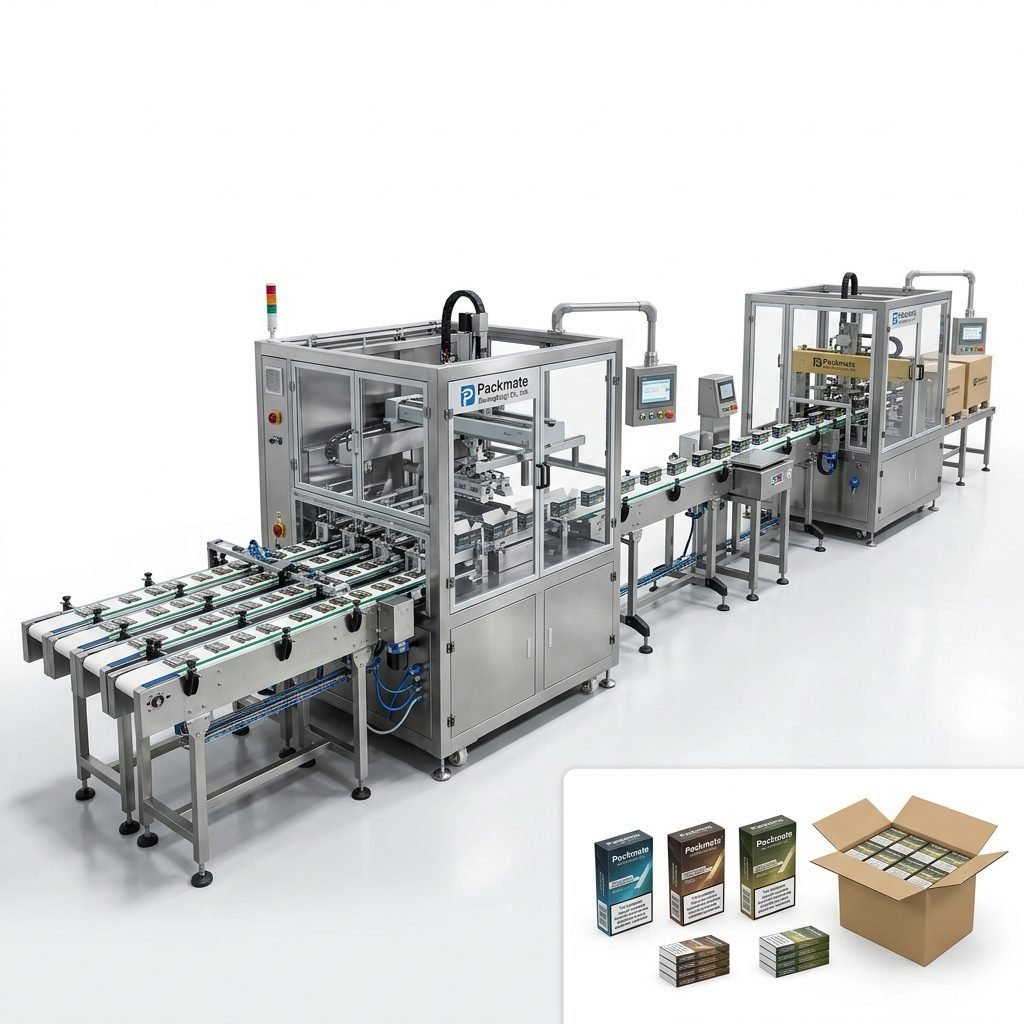
Choosing the right snus packaging machine in Lesotho means balancing production needs, regulatory compliance, and long-term costs. Whether you are scaling a startup nicotine pouch operation or upgrading a mature production line, this guide walks you through practical steps, technical considerations, and supplier evaluation criteria so you can select a machine that delivers reliability, efficiency, and strong ROI.
Understand Your Production Requirements
Start by documenting your current and forecasted production volumes, product formats, and packaging materials. Key variables include: daily output targets (pouches/hour or kg/day), pouch styles (stick pack, sachet, or multi-lane nicotine pouches), and the range of product weights. A clear specification helps you shortlist machine models with the right throughput and flexibility.
Must-have production inputs:
Daily output target, product formats (single or multi-lane), film material type (PE/PA/laminated), target sealing type (heat/ultrasonic), and allowable changeover time for SKUs.
Match Machine Type to Your Product
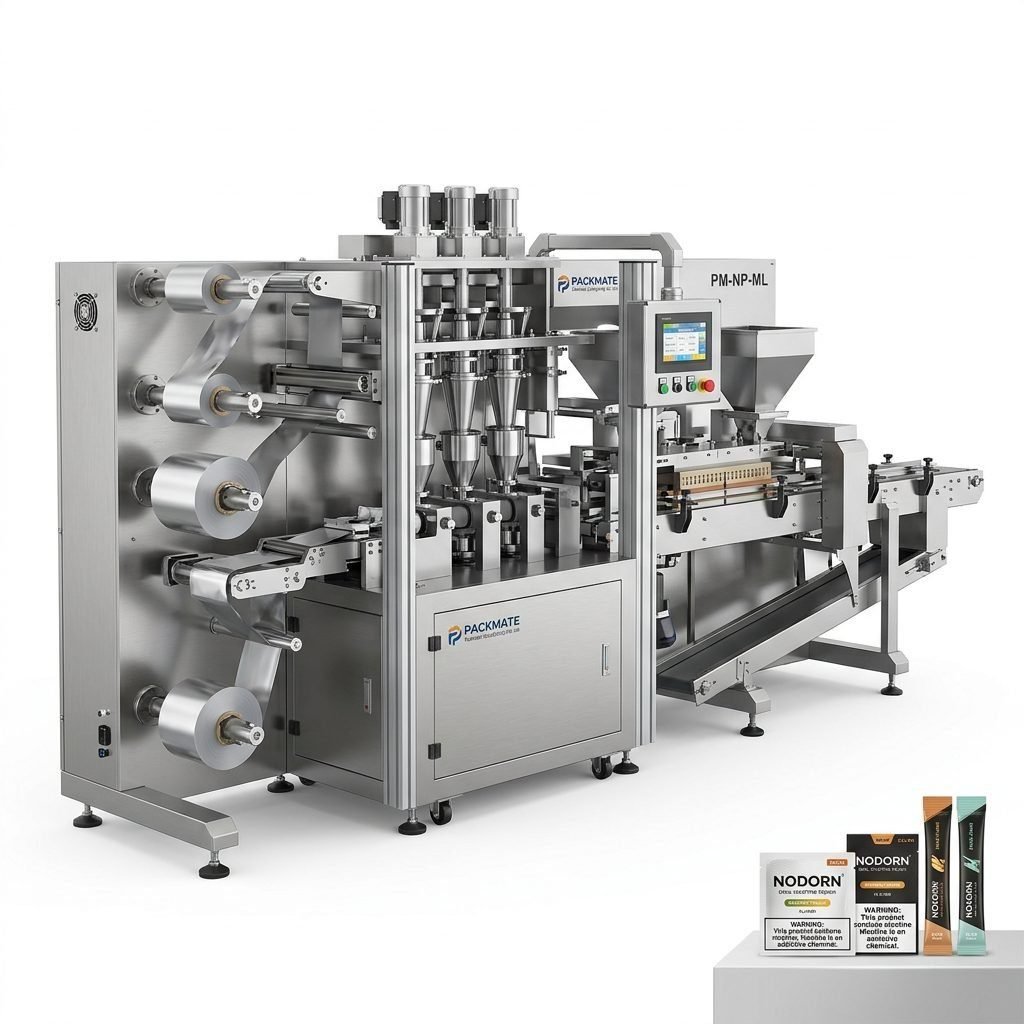
Packaging machines for snus and nicotine pouches come in several families. Choose based on pouch geometry, speed needs, and automation level:
Sachet & Stick Pack Machines
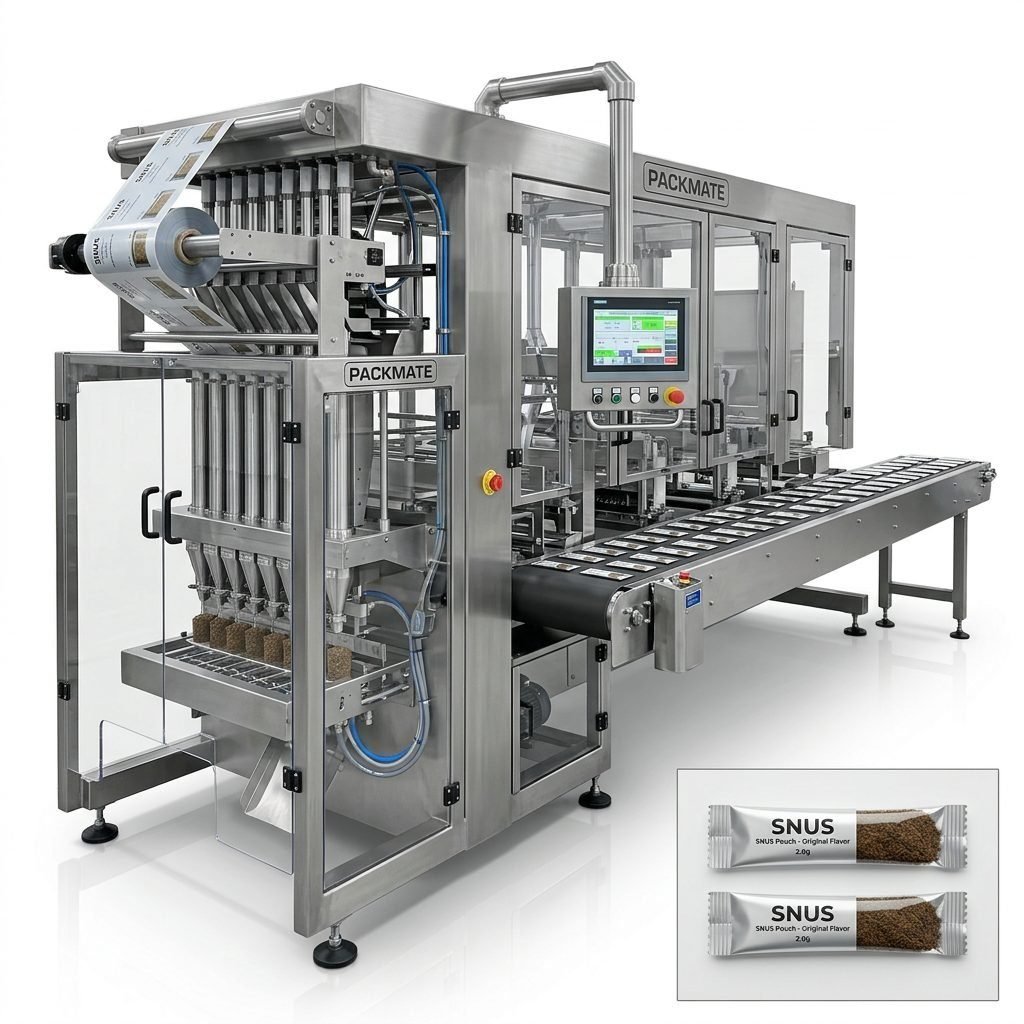
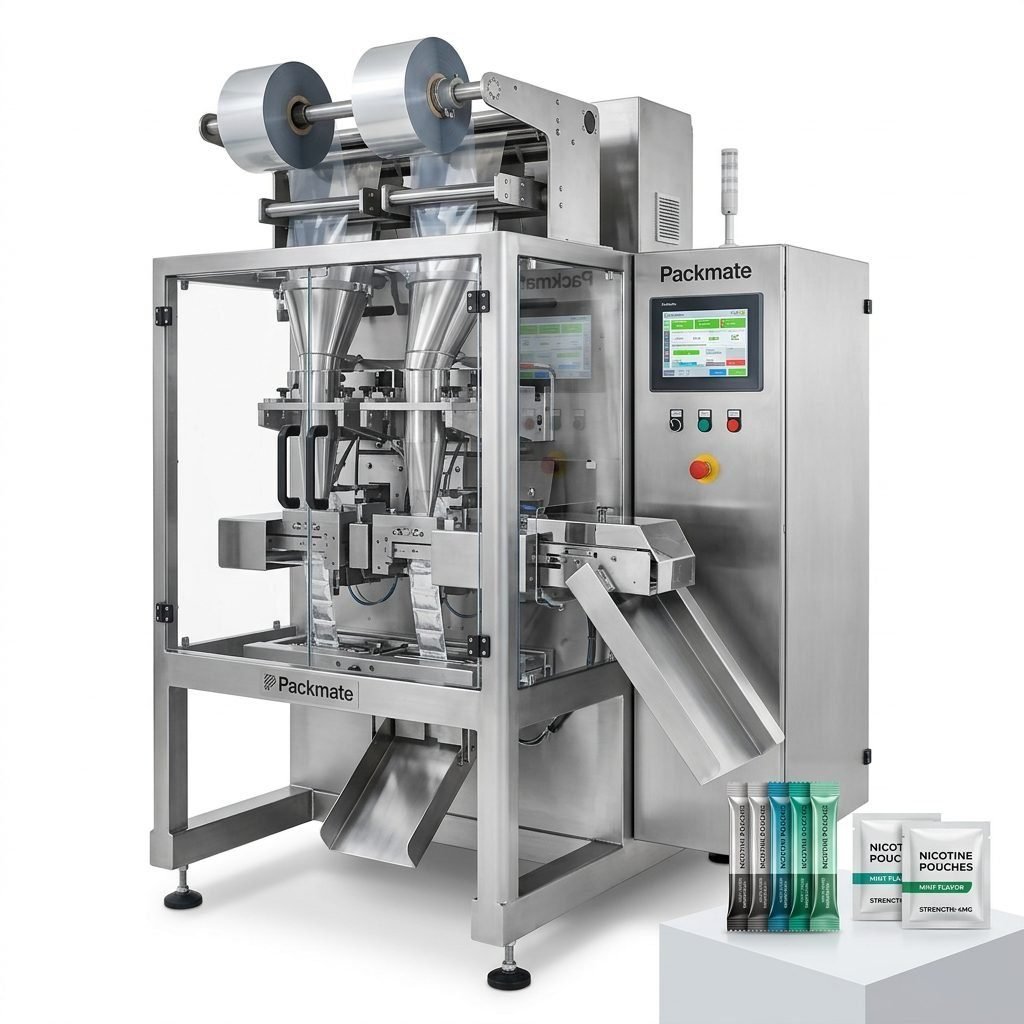
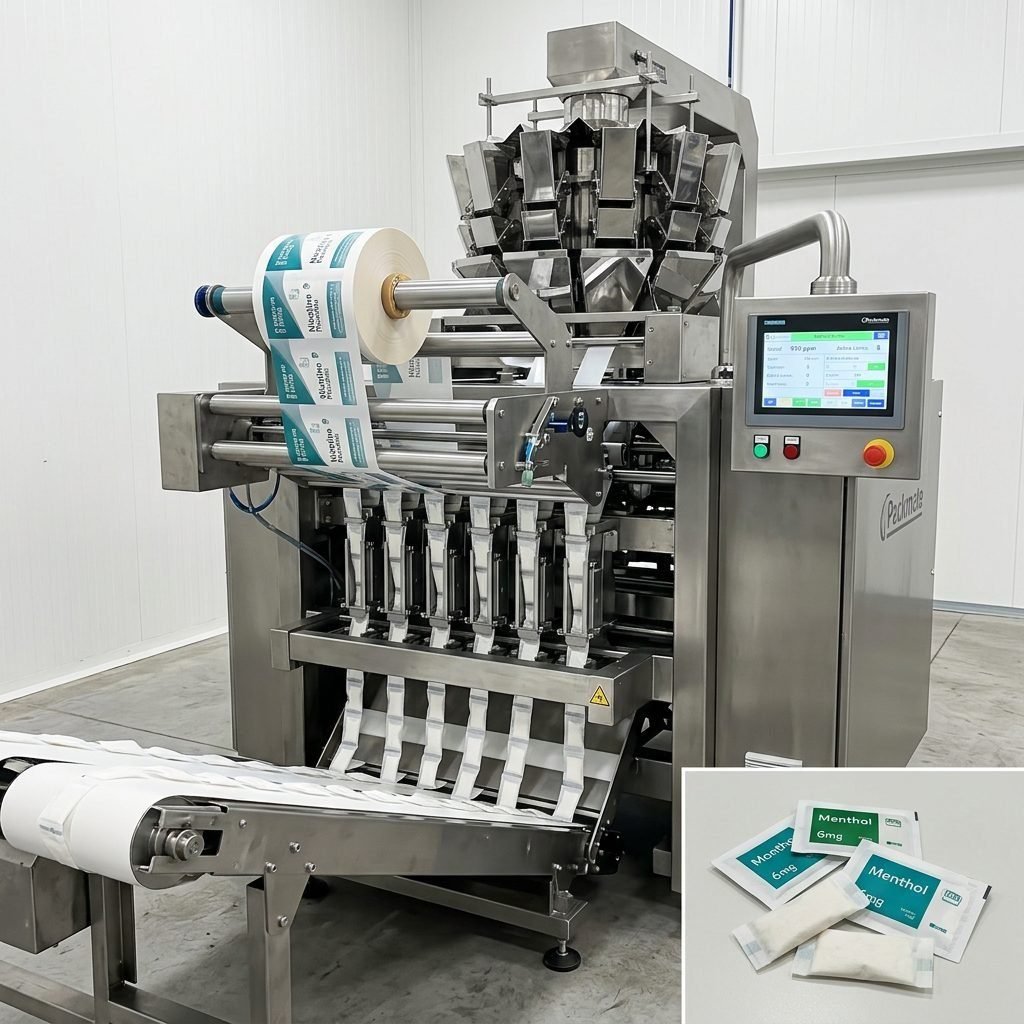
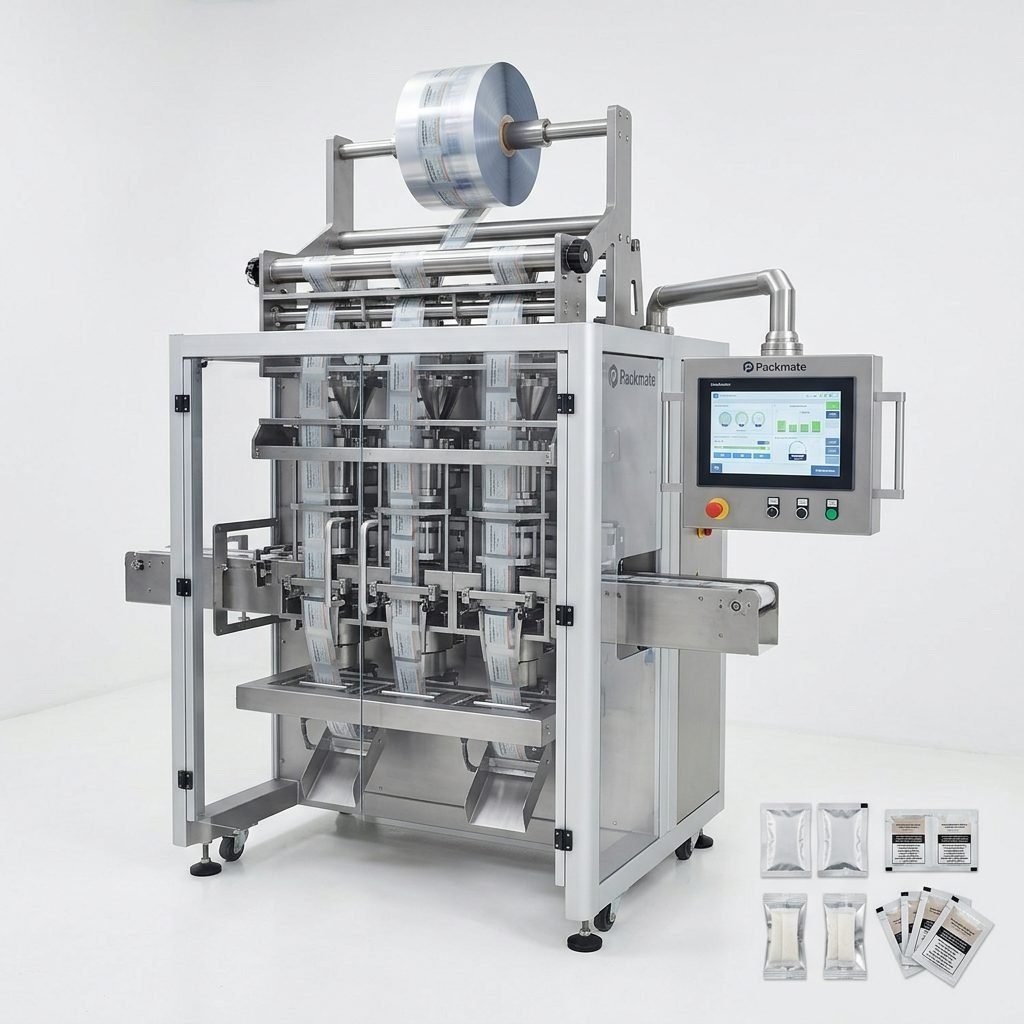
Sachet and stick pack machines work well for single-dose items and often offer high speeds for narrow formats. They are ideal when you need compact single-serving deliveries with simple end-seal or pillow-seal styles. See advanced models at Sachet & Stick Pack Machines.
Multi-lane Nicotine Pouch Lines
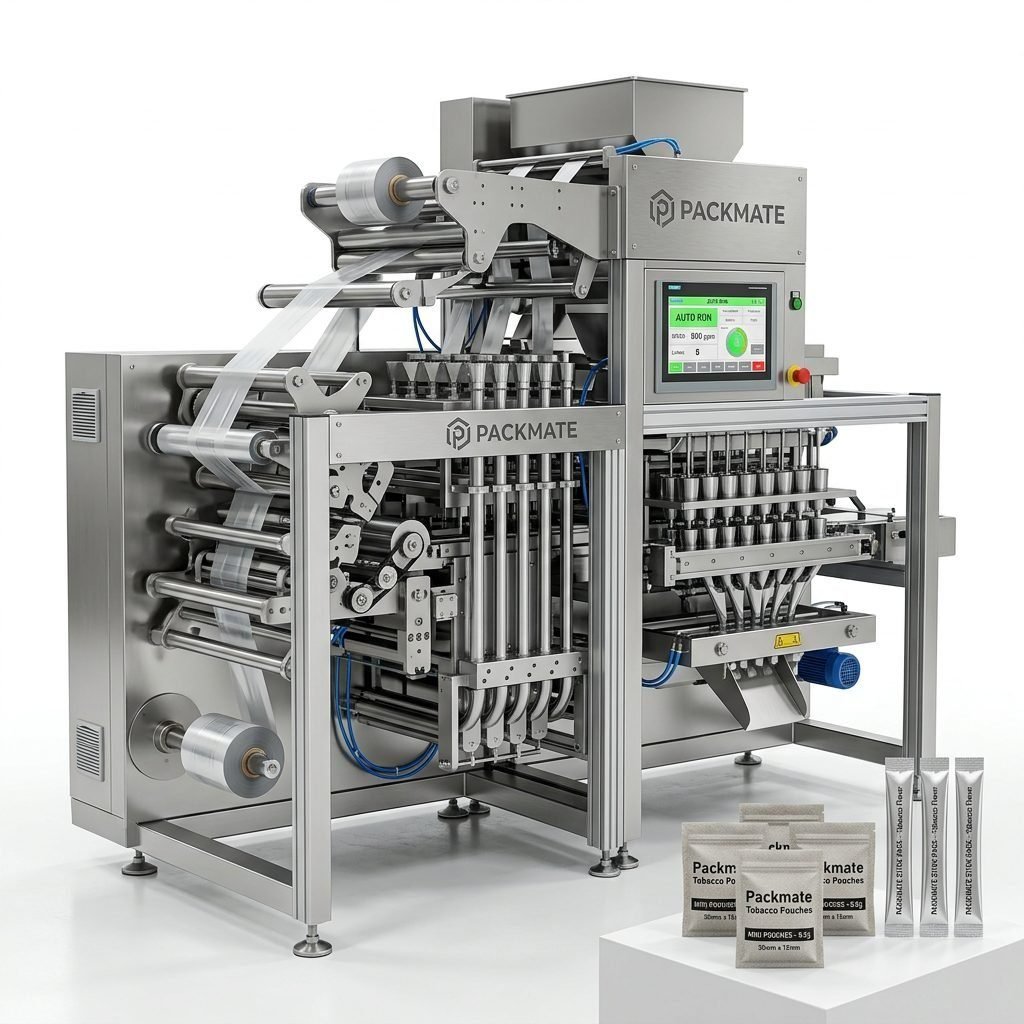
If your production requires high throughput and multiple pouches per cycle, multi-lane systems are the best fit. They multiply output without increasing operator count, ideal for commercial snus brands and export packs.
Full Turnkey Lines (Filling, Weighing, Packing)
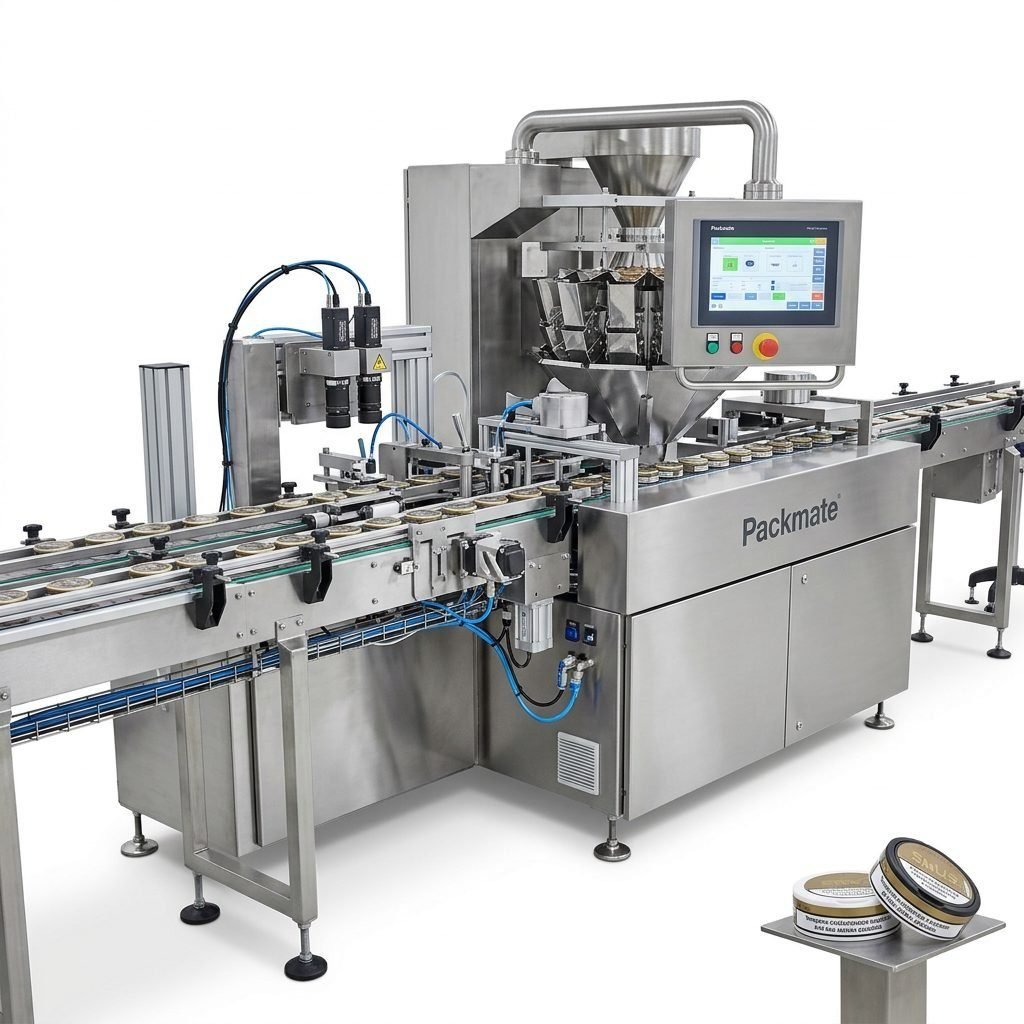
For end-to-end automation consider integrated solutions that combine dosing, weighing, pouch forming, and packing. Integrated lines reduce manual handling and improve traceability. Explore complementary systems at Weighing & Packaging Systems and Filling & Packaging Lines.
Selection tip:
If you plan SKU expansion, prioritize modular machines that accept additional lanes or modules rather than fixed single-purpose equipment.
Assess Technical Specifications & Build Quality
Technical robustness determines uptime and maintenance cost. Evaluate the following specs closely:
- Rated throughput (pouches/minute or lanes × pockets)
- Accuracy of dosing system (important for nicotine content control)
- Material compatibility (film thickness, lamination types)
- Changeover time and tool-less adjustments
- PLC & HMI platform for recipe storage and process monitoring
Materials & Sealing
Choose machines that support the films you intend to use and provide reliable sealing (temperature-controlled jaws or ultrasonic sealing for certain laminates). Proper sealing avoids leaks and preserves shelf life.
Regulatory Compliance & Certifications
In Lesotho and for export markets, ensure your equipment complies with international safety and quality standards. Prefer vendors whose machines carry CE and ISO certifications and who can document traceability and manufacturing quality controls.
Packmate Snus Machine emphasizes certified manufacturing processes and global standards — more on the company profile at About Packmate.
Factory & Supplier Evaluation
When evaluating suppliers, consider their engineering experience, production footprint, and after-sales capabilities. Key indicators of a reliable supplier include size of manufacturing facility, variety of machine models, and case references.
What to look for in a supplier:
A manufacturer with decades of R&D, a sizable factory area (e.g., 20,000㎡), advanced CNC machining centers, and 50+ machine models indicates strong production and customization capability.
Service, Training & Spare Parts
Machine uptime depends on fast support and parts availability. Confirm lead times for critical spares, availability of remote diagnostics, and whether the supplier provides on-site setup and operator/maintenance training.
Service expectations:
24/7 remote support option, annual preventive maintenance contracts, and spare parts kits for wear components like belts, bearings, and sealing jaws.
Site Requirements in Lesotho
Plan your facility layout, utilities, and local compliance in advance. Important site considerations include:
- Power supply (phase, voltage, and backup capacity)
- Compressed air quality and capacity
- Floor load and space for conveyors and auxiliary equipment
- Environmental controls for product stability (temperature/humidity)
- Local wiring and safety standards alignment
Total Cost of Ownership (TCO) & ROI
Evaluate machines on TCO rather than purchase price alone. Account for installation, commissioning, training, spare parts, expected downtime, energy consumption, and depreciation. A slightly more expensive, well-built machine often saves money over its lifecycle due to reduced downtime and maintenance.
ROI quick check:
Calculate break-even by comparing incremental revenue from increased output against annualized equipment cost plus maintenance. Include product yield improvements from accurate dosing.
Customization & Future-proofing
Look for suppliers offering modular upgrades: extra lanes, different filling modules, or secondary packaging add-ons. This future-proofs your investment as product lines evolve.
Auxiliary Equipment
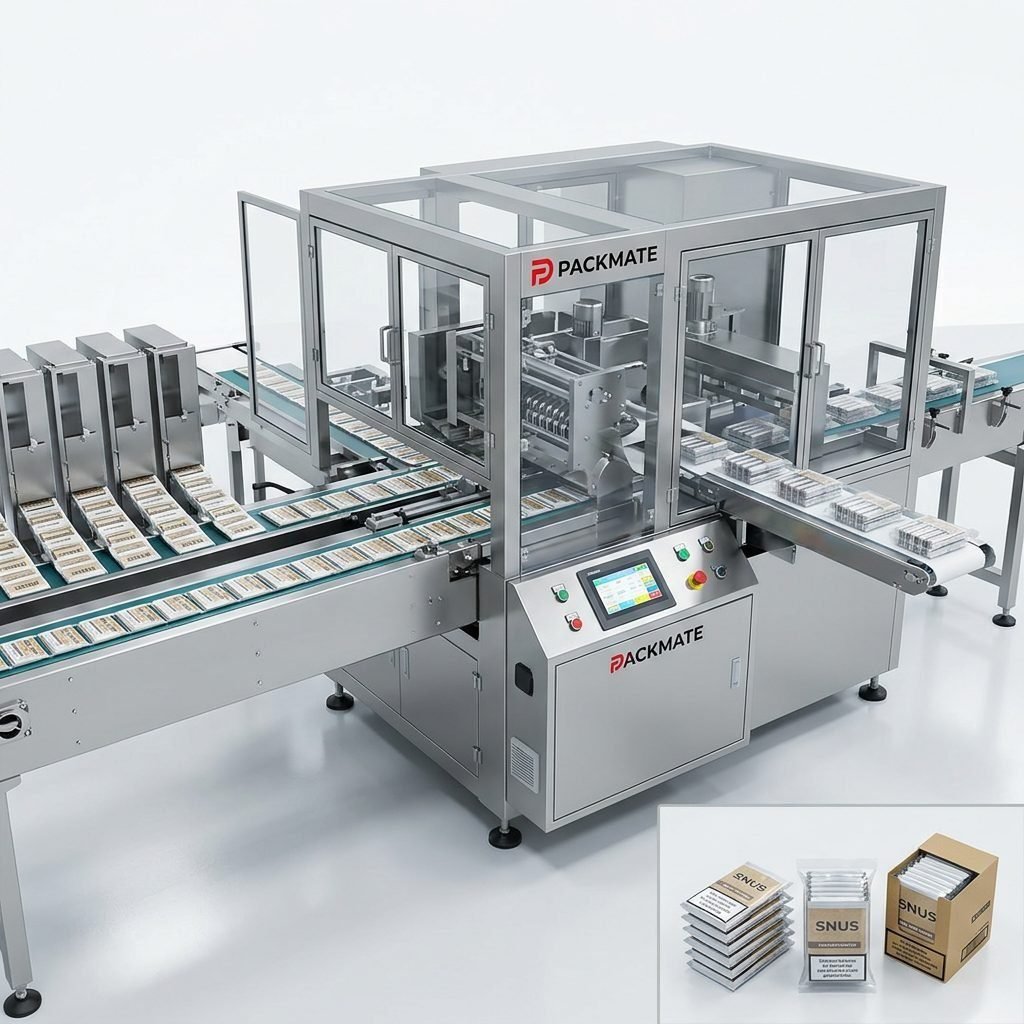
Consider integration with auxiliary equipment such as weighing systems, belt conveyors, metal detectors, and case packers. Check available modules at Auxiliary Packaging Equipment.
Factory Acceptance Tests & Case Studies
Request FAT (Factory Acceptance Test) videos or live demos. Review case studies from similar markets to Lesotho for performance benchmarks and references. Visit real-world cases at Case.
Installation, Commissioning & Training
Ensure the supplier provides clear commissioning protocols and operator training. A well-documented handover reduces early-life issues and helps your team run the line reliably.
Onboarding checklist:
Equipment manuals, maintenance schedule, spare parts list, remote support contacts, and on-site operator training sessions.
Local Support & Logistics in Lesotho
Evaluate how the supplier manages shipping, customs, and local installation. Reliable global suppliers often provide documentation and local partner support to ease the importation and setup process.
Why Choose a Proven Manufacturer
Choosing a manufacturer with decades of packaging experience reduces technical risk. A trusted supplier brings engineering expertise, standard compliance, and a track record of successful installations worldwide.
If you’d like to learn about product lines and certifications, check the company credentials at Certificate and see exhibitions at Our Exhibition.
Practical Buying Steps
Follow these steps to make an informed purchase:
- Define product specs and projected volumes.
- Shortlist machine families (sachet, multi-lane, turnkey).
- Request FAT demos and technical proposals with TCO breakdown.
- Check references and certifications.
- Confirm installation, training, and spare parts logistics for Lesotho.
Contact & Next Steps
When you are ready to get quotations or technical drawings, request detailed proposals that include floor plans, utility requirements, and sample FAT data. For direct enquiries, use the supplier contact channels at Contact Us and review downloadable resources at Catalog.
Final checklist before purchase:
Confirm throughput, verify sealing quality on your films, validate spare parts lead time, and secure a training and commissioning schedule.
Frequently Asked Questions
Q1: What machine speed do I need for an initial capacity of 500,000 pouches/month?
A1: Calculate daily production, then select a machine whose rated throughput exceeds that by a comfortable margin (20–30%) to account for changeovers and maintenance. Multi-lane machines can drastically reduce required runtime.
Q2: Are nicotine pouch machines regulated differently in Lesotho?
A2: Local product regulations may apply; ensure compliance for labeling and nicotine content. Machine suppliers can provide documentation to support regulatory approval and traceability.
Q3: How important is modularity?
A3: Very important. Modular designs allow adding lanes, changing filling modules, and integrating new downstream equipment without replacing the entire line, preserving investment value.
Q4: What after-sales support should I insist on?
A4: Remote diagnostics, a parts kit for wear items, defined SLA for spare parts shipment, and on-site commissioning and operator training are essential.
Q5: Where can I see real-world installations?
A5: Request FAT videos and case studies from suppliers. Review examples at the supplier’s case page or exhibition references to confirm performance in similar production environments.