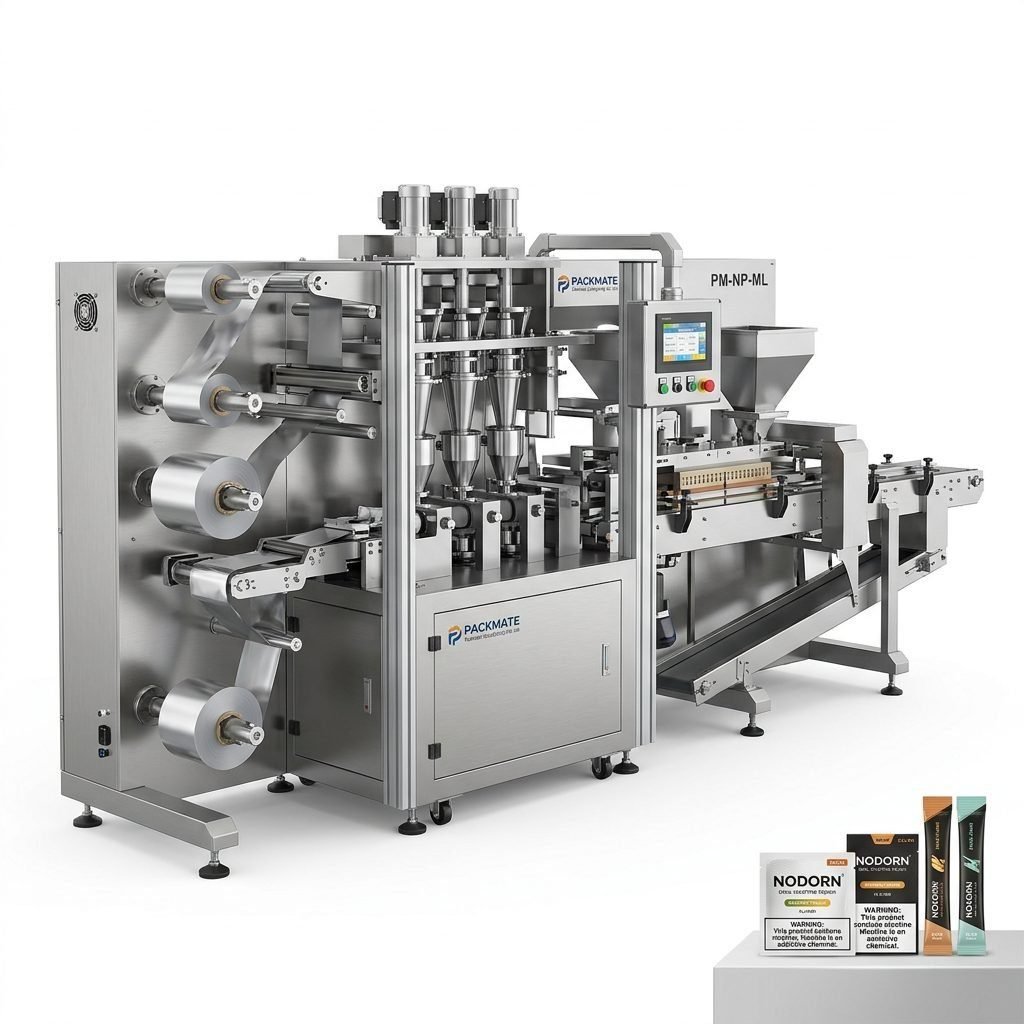
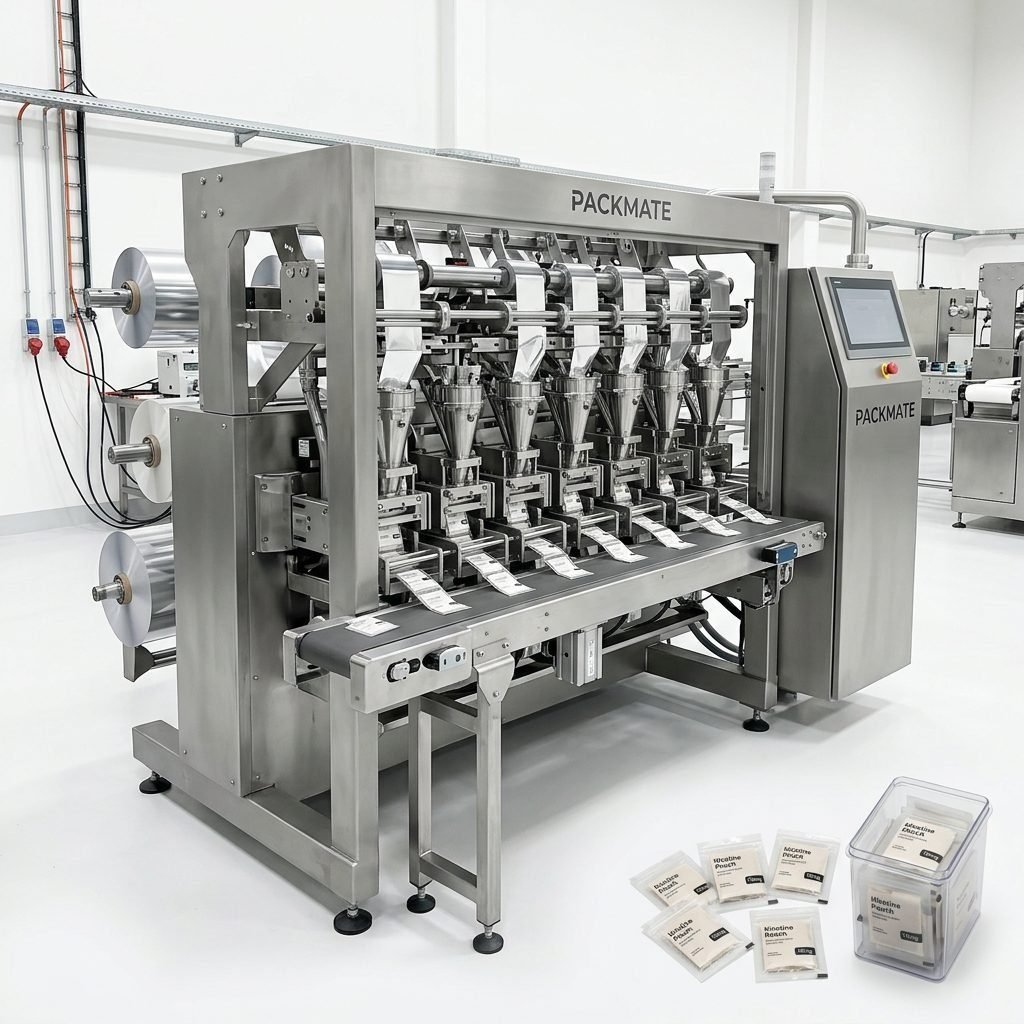
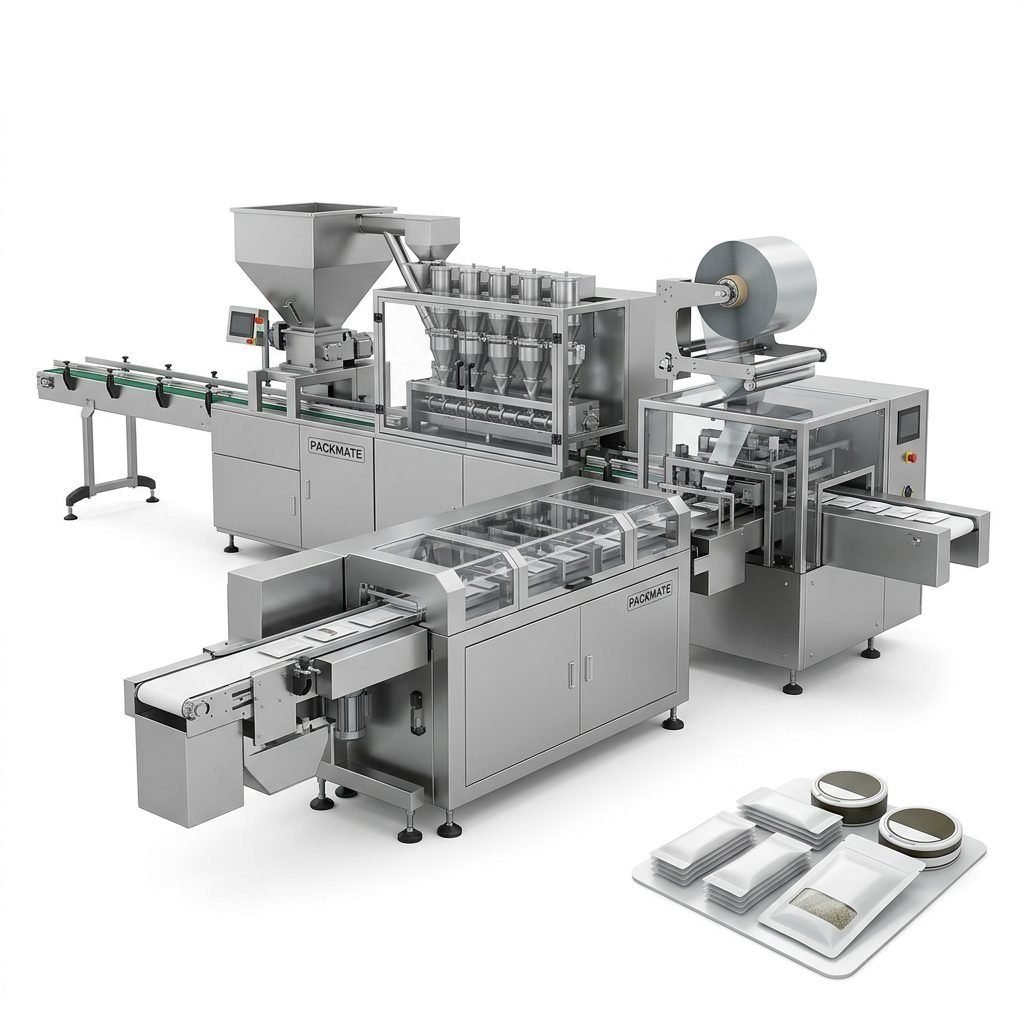
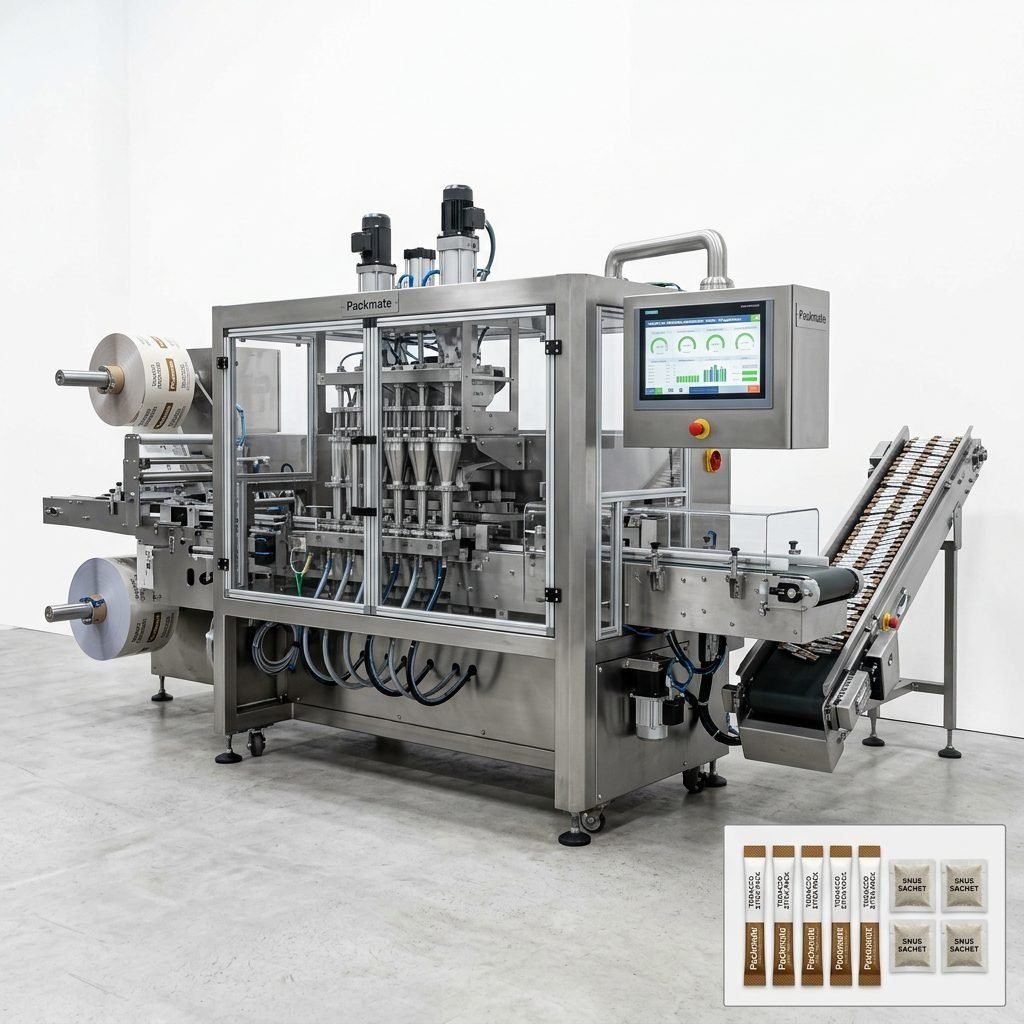
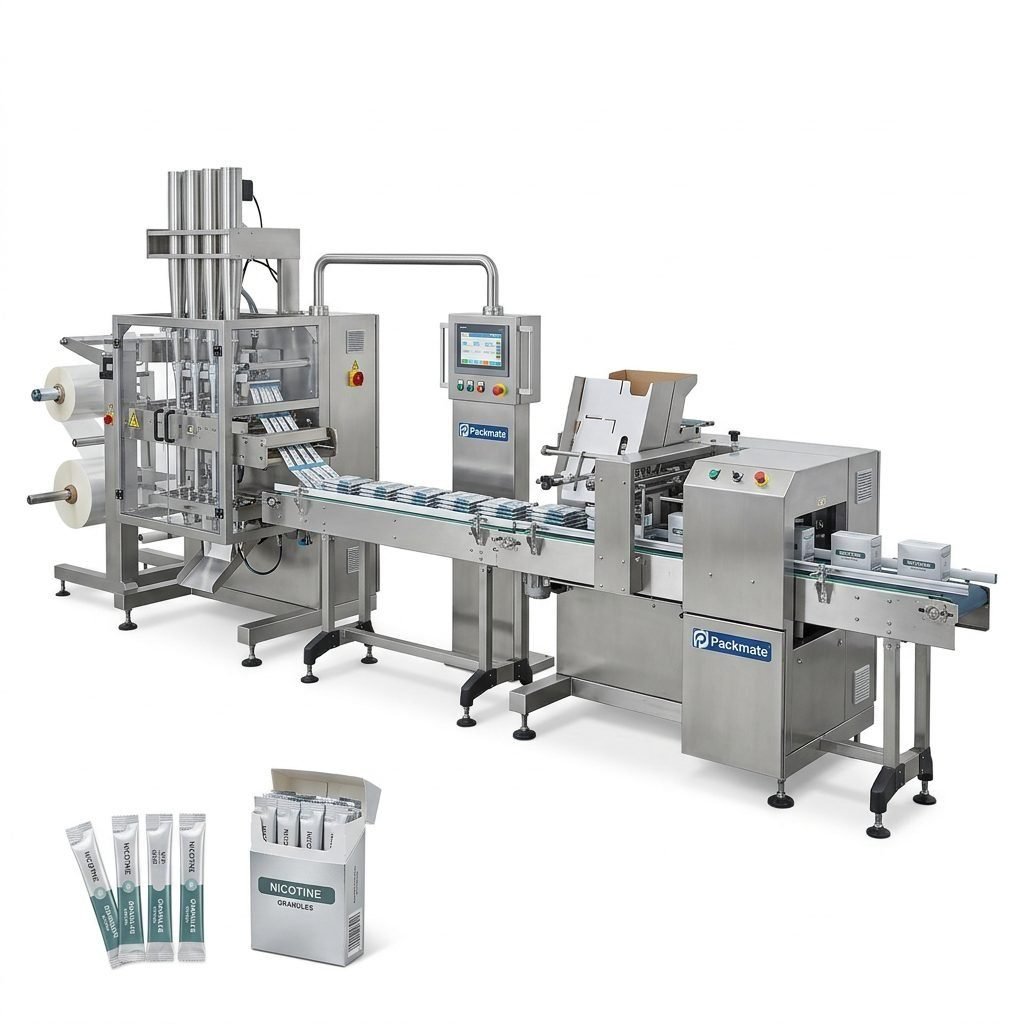
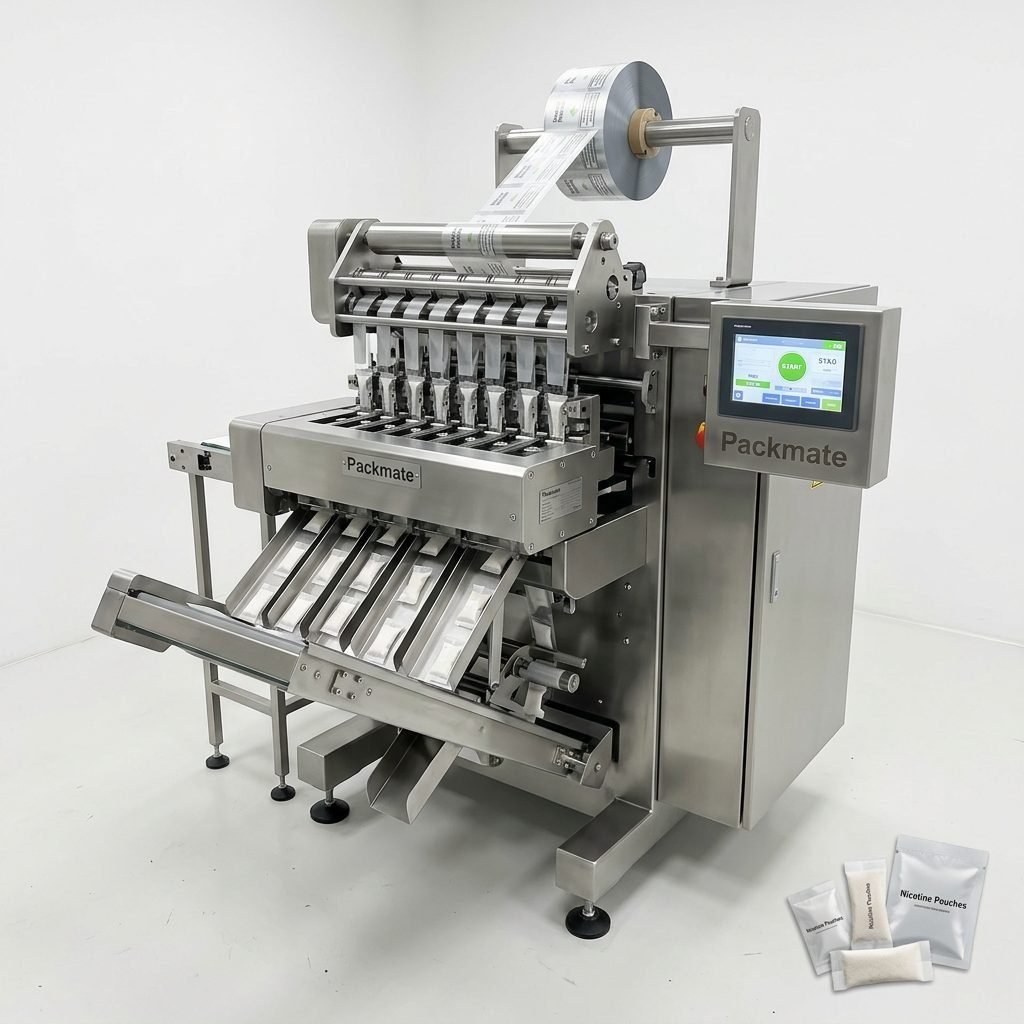
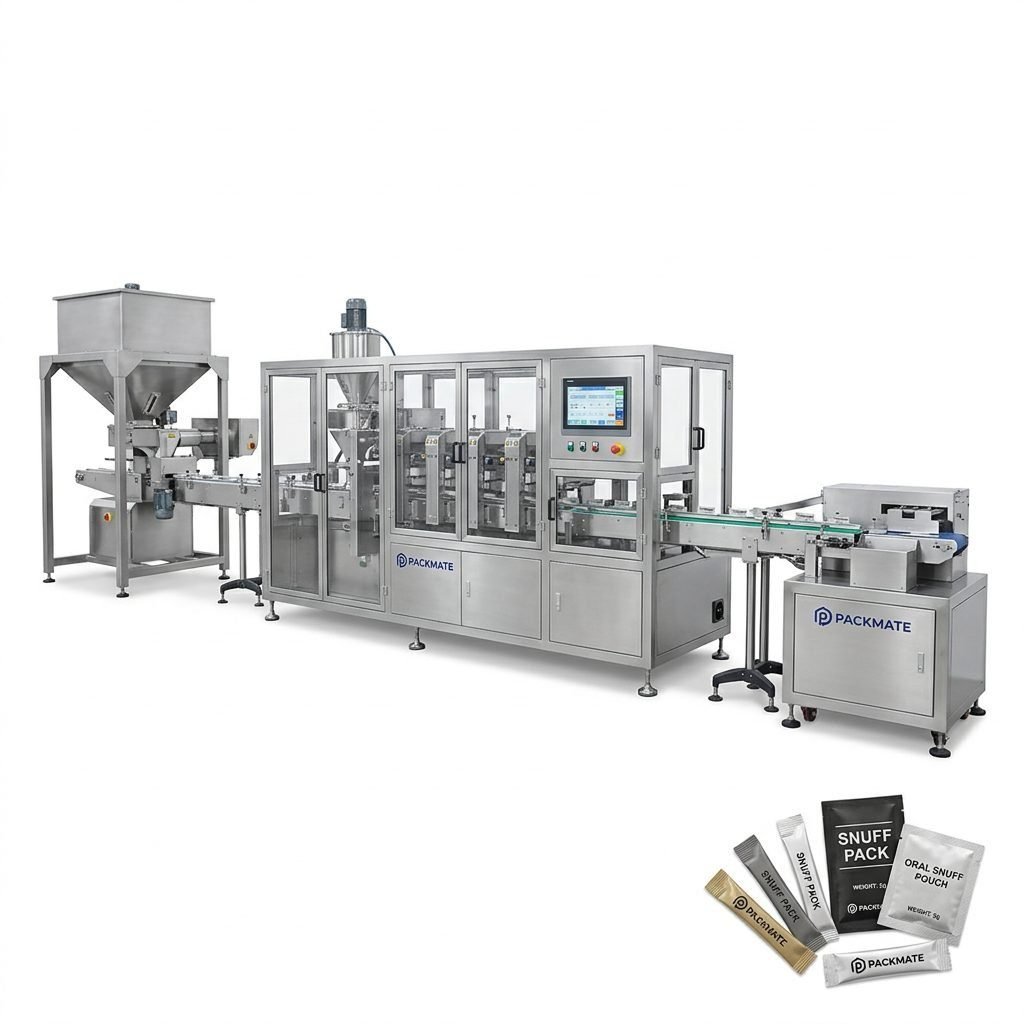
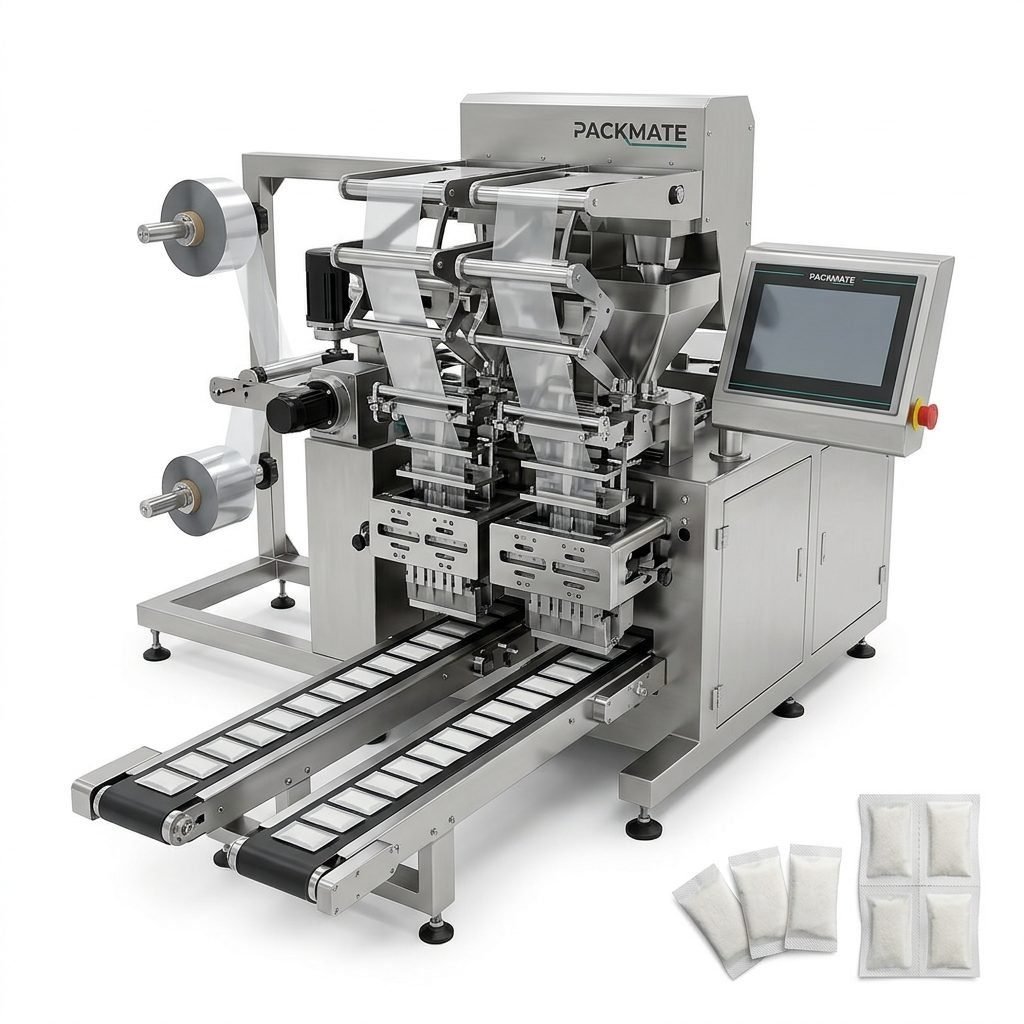
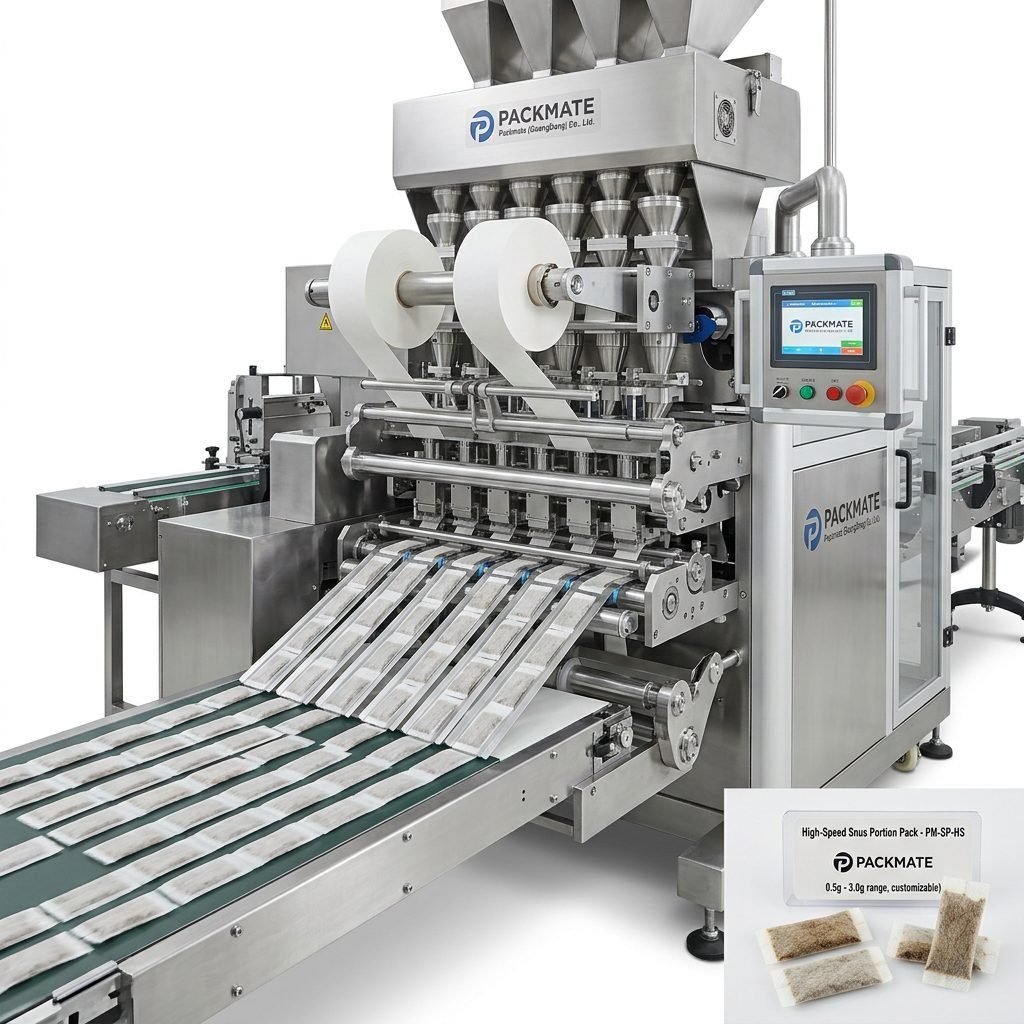
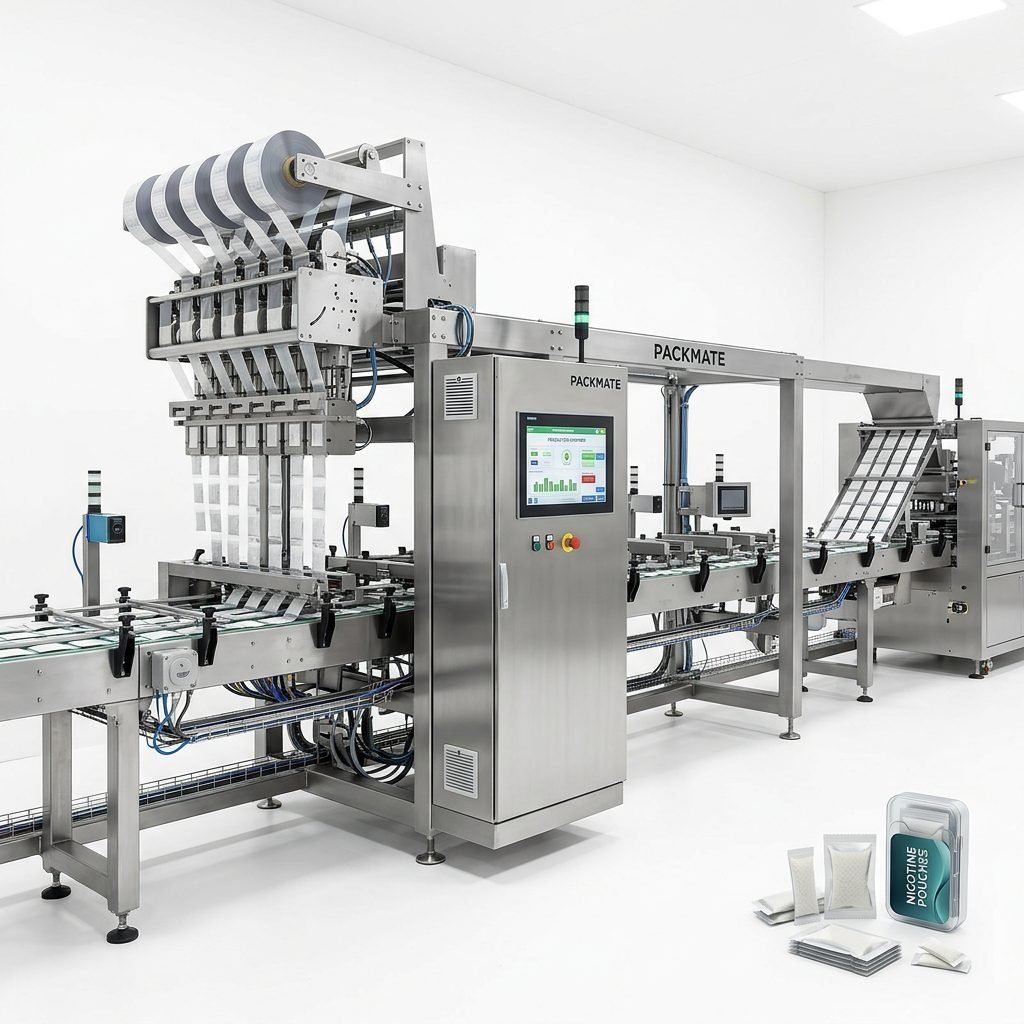
The automated snus production line has become the backbone of modern nicotine pouch manufacturing, blending precision mechanics, high-speed filling systems, and strict quality controls to meet global demand. This guide walks through the full production ecosystem — from core equipment and staged workflow to practical cost-optimization measures — helping manufacturers, engineers, and operations managers plan and scale efficient snus packaging operations.
Why Automation Matters for Snus & Nicotine Pouches
Automating snus production reduces variability, increases throughput, and ensures hygiene and traceability across the line. Key gains include reduced labor costs, lower scrap rates, consistent dosing, and faster time-to-market for new SKUs. For businesses targeting multi-lane production or international markets, consistent machine performance and certification compliance are essential.
Highlighted Benefits
✔️ Higher throughput: Multi-lane systems can multiply output without linear increases in footprint.
✔️ Better dosing accuracy: Accurate weighing and vibratory feeding lower product waste.
✔️ Traceability & Compliance: Integrated control systems document production parameters and support certifications.
Core Equipment in a Complete Automated Snus Production Line
A full snus packaging line typically combines upstream dosing and blending with midline forming/filling/sealing and downstream inspection, counting, and secondary packaging. Leading manufacturers supply modular systems so operators can expand capacity or add functions without replacing the whole line.
Essential Machine Types
⚙️ Weighing & Dosing Systems: High-precision multi-head weighers or single-head micro-weighers for low-dose pouches ensure consistent fill weight and reduce giveaway. Consider the Weighing & Packaging Systems for integrated solutions.
🔧 Form-Fill-Seal Machines: Sachet, stick pack, and multi-lane pouch formers are central to pouch shaping and sealing. Choose machines capable of the target pouch size and material compatibility. See examples under Sachet & Stick Pack Machines.
📦 Secondary Packaging: Automated cartoning, case packers, and collators prepare products for distribution while keeping cycle times tight.
🧪 Inspection & Rejection: Vision systems, metal detection, and weight checks ensure each pouch meets quality standards before packing.
🔄 Conveying & Integration: Robust conveyors and synchronized servo controls maintain throughput and reduce downtime.
Typical Production Workflow: From Raw Material to Ready-to-Ship
The production workflow for snus and nicotine pouches can be divided into clear stages. Each stage requires tailored equipment, process control, and hygiene practices to ensure product integrity and regulatory compliance.
Stage 1 — Raw Material Handling & Pre-Processing
Materials such as tobacco blends, nicotine powder, fillers, and flavorings are received, sampled, and stored under controlled conditions. Pre-blending and sieving eliminate lumps and ensure homogeneous feed to the dosing units. Investment in proper storage and dust control pays off by reducing contamination and process drift.
Stage 2 — Dosing and Filling
Accurate dosing is the most critical step for product consistency and regulatory compliance. Options include micro-feeders, auger fillers for powders, and multi-head weighers for granular blends. Synchronization with the form-fill-seal unit prevents overrun and ensures stable output.
Stage 3 — Pouch Forming & Sealing
Modern pouch machines provide precise heat sealing, cut control, and lane balancing. Multi-lane systems enable higher throughput while maintaining compact footprints. Material compatibility (films, laminates) must be validated to avoid seal failures.
Stage 4 — Inspection, Counting & Secondary Packaging
Automated inspection stations catch underweight pouches, foreign objects, and print defects. Counting and feeding into cartons or tins is automated for speed, while serialization options support traceability and recalls.
Quality, Safety and Certification Considerations
Regulatory compliance is non-negotiable when producing nicotine-containing products. Equipment must be built to cleanability standards, and production processes must support documentation for CE, ISO, and local regulatory frameworks.
Key compliance features to prioritize:
• CIP-friendly stainless designs and easy access for cleaning.
• Traceable electronic batch records and PLC data logging.
• Supplier documentation for materials and spare parts.
• Safety interlocks, guarding, and CE/ISO support.
Automation & Control: The Digital Backbone
Centralized PLC/SCADA systems enable real-time monitoring, recipe management, and predictive maintenance. Smart sensors and servo-driven axes increase repeatability and reduce mechanical wear. Integration with ERP systems helps forecast demand and manage inventory effectively.
Recommended Control Features
Include electronic recipe storage, remote diagnostics, and comprehensive alarm logging. These features reduce the time to recover from stoppages and help preserve product quality across shifts and locations.
Optimizing Cost: CAPEX and OPEX Strategies
Cost optimization spans capital expenditure (CAPEX) for machines and operating expenses (OPEX) such as labor, utilities, and maintenance. A balanced approach evaluates lifecycle cost rather than initial purchase price alone.
Top cost-saving tactics:
• Invest in modular multi-lane equipment to scale output without duplicating infrastructure.
• Use energy-efficient motors and variable frequency drives to lower utility bills.
• Implement predictive maintenance via vibration and temperature monitoring to avoid costly downtime.
• Standardize parts and consumables across lines to reduce inventory and MOQ pressure.
Return on Investment (ROI) Considerations
Calculate ROI with conservative uptime assumptions and include savings from lower labor needs, reduced giveaway, and fewer quality rejects. Payback periods for well-specified lines typically range from 18 to 48 months, depending on automation level and throughput.
Space Planning, Layout and Footprint
Smart layout reduces material handling, improves safety, and simplifies cleaning. Plan for clear service aisles, safe access to diagnostic ports, and segregated zones for raw and finished materials.
Layout Tips
• Locate weighing and dosing close to raw material storage to minimize transfer time.
• Place inspection after primary sealing and before secondary packaging to catch defects early.
• Design flexibility for future lanes or new packaging formats.
Maintenance, Spare Parts and After-Sales Support
Long-term uptime depends on manufacturer support, availability of spare parts, and training. Choose suppliers that offer commissioning, preventive maintenance plans, and remote troubleshooting. Packmate Snus Machine’s factory setup, extensive models, and global support network illustrate the level of support to expect.
Service & Training
On-site commissioning, operator training, and documented maintenance schedules accelerate ramp-up. Remote service capabilities reduce MTTR (mean time to repair) and simplify troubleshooting for overseas customers.
Selecting the Right Supplier: Checklist
A supplier should combine engineering expertise, manufacturing capacity, and after-sales service. Evaluate factory capability, certifications, existing global installations, and demo availability when comparing vendors.
Supplier evaluation points:
• Real factory photos and capacity (e.g., 20,000㎡ manufacturing area).
• Engineering experience (30+ years is ideal).
• Range of models and customization options (50+ models).
• Certifications such as CE and ISO.
• Customer case studies and exhibition presence for transparency. Learn more About Packmate.
Case Examples & Global Use
Producers in Europe, Asia, and the Americas have adopted automated snus lines for nicotine pouches, achieving higher throughput and improved product stability. Manufacturers often document these wins in case pages that show ROI and configuration specifics.
For real-world deployments and machine portfolios, review product pages like Snus & Nicotine Packaging Machines and system integrations at Filling & Packaging Lines.
Implementation Roadmap: Practical Steps to Commissioning
A pragmatic roadmap shortens time-to-production and reduces surprises during commissioning. The following checklist guides successful installation and start-up.
Implementation checklist:
• Site readiness: utilities, compressed air, floor strength, drainage.
• Material trials: run your core recipes before final acceptance.
• Training: operators and maintenance staff on machine basics and safety.
• Spare parts kit: critical wear parts and electrical components.
• Documentation: validation, inspection protocols, and batch record templates.
Final Notes: Making the Right Investment
Investing in a well-engineered automated snus production line transforms manufacturing reliability and competitive positioning. Consider total cost of ownership, supplier reputation, and the ability to adapt to future SKUs. A trusted supplier with broad experience, global cases, and comprehensive after-sales service can accelerate success and protect your investment.
Further Resources
Explore manufacturer catalogs and technical pages to compare equipment offerings and machine specs. Useful links include product categories and service pages for deeper technical insight and contact information for demonstrations and quotations:
Bag & Pouch Packaging Machines | Auxiliary Packaging Equipment | Case Studies
Common Questions (FAQ)
Q1: What is the typical lead time for a custom snus production line?
Lead times vary by configuration and customization level; standard modular lines often ship in 12–20 weeks, while fully customized turnkey lines can take longer. Early engagement on specifications shortens delivery windows.
Q2: How do manufacturers ensure dosing accuracy for very low nicotine pouch weights?
Use high-resolution micro-weighers or multi-head weighers with frequent calibration. Vibration control, temperature-stable environments, and carefully designed feed systems minimize variability.
Q3: Can I expand capacity without major equipment replacements?
Yes — choose multi-lane, modular equipment or lines designed for adding lanes. Many suppliers offer upgrade paths that increase throughput with minimal new infrastructure.
Q4: What certifications should I expect on reputable machines?
Look for CE and ISO compliance, safety interlocks, and supplier support for documentation necessary in your target markets. Equipment should be designed for cleanability and product safety.
Q5: How do I get a hands-on demo or quote?
Contact the supplier’s sales or technical team to arrange trials, factory visits, or on-site demonstrations. Many manufacturers also participate in international exhibitions where live demos are available; see the Our Exhibition page for events.