Turnkey snus production lines are transforming how new and existing factories enter the fast-growing nicotine pouch and snus market. A fully integrated, automated production solution reduces risk, shortens time-to-market, and ensures consistent product quality across batches. This article explores the components, benefits, implementation steps, customization options, and real-world considerations for adopting a turnkey snus manufacturing line from concept to full-scale production.
Overview: What a Turnkey Snus Production Line Includes
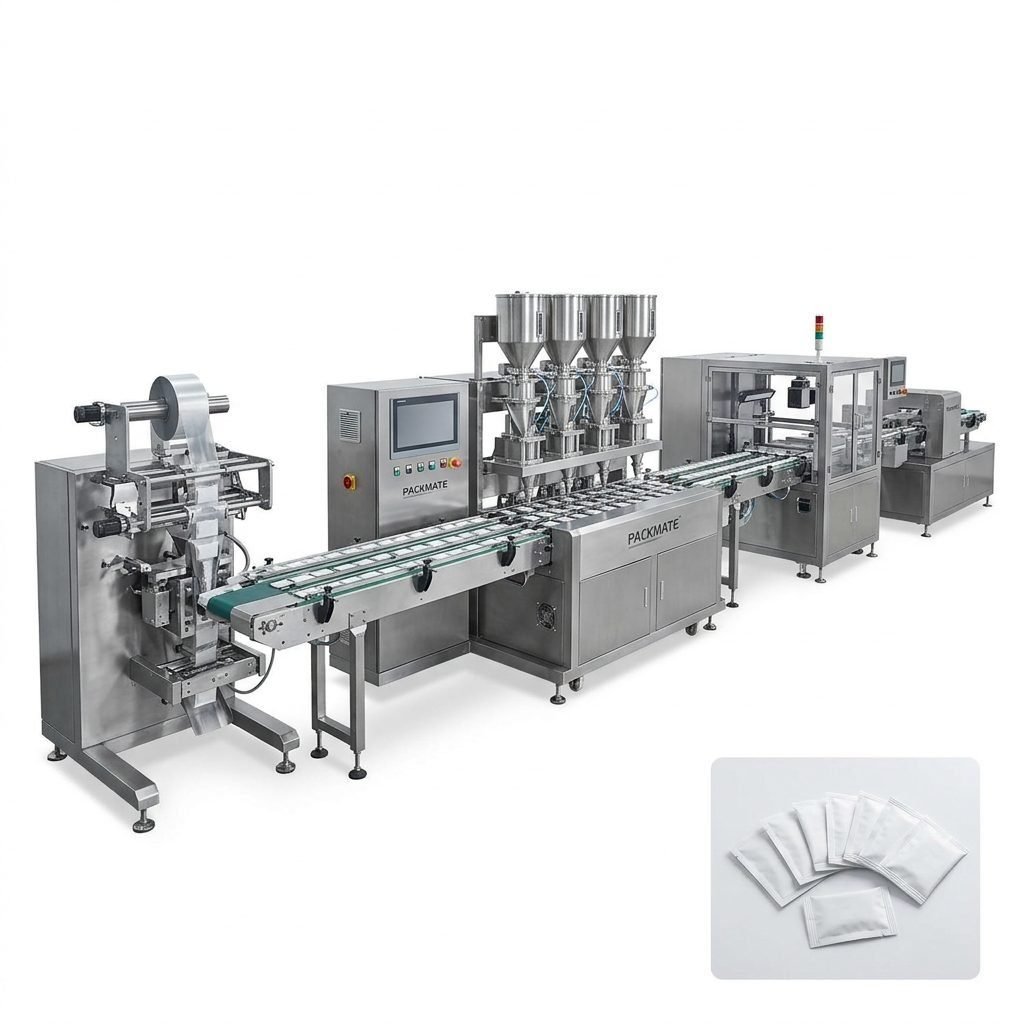
A turnkey production line supplies everything a factory needs to produce snus and nicotine pouches at scale. Instead of sourcing disparate machines and integrating them piecemeal, a turnkey solution bundles engineering, equipment, software, testing, and commissioning into one deliverable. Typical elements include:
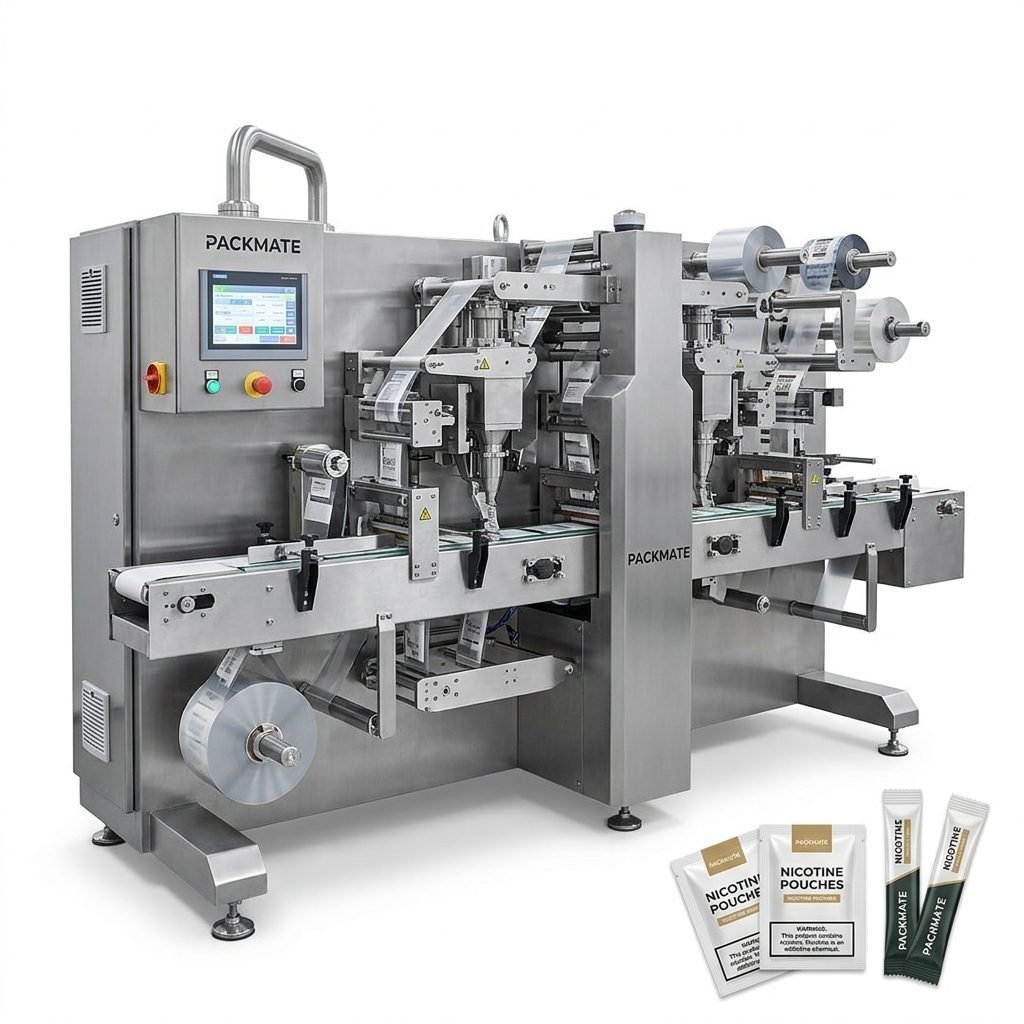
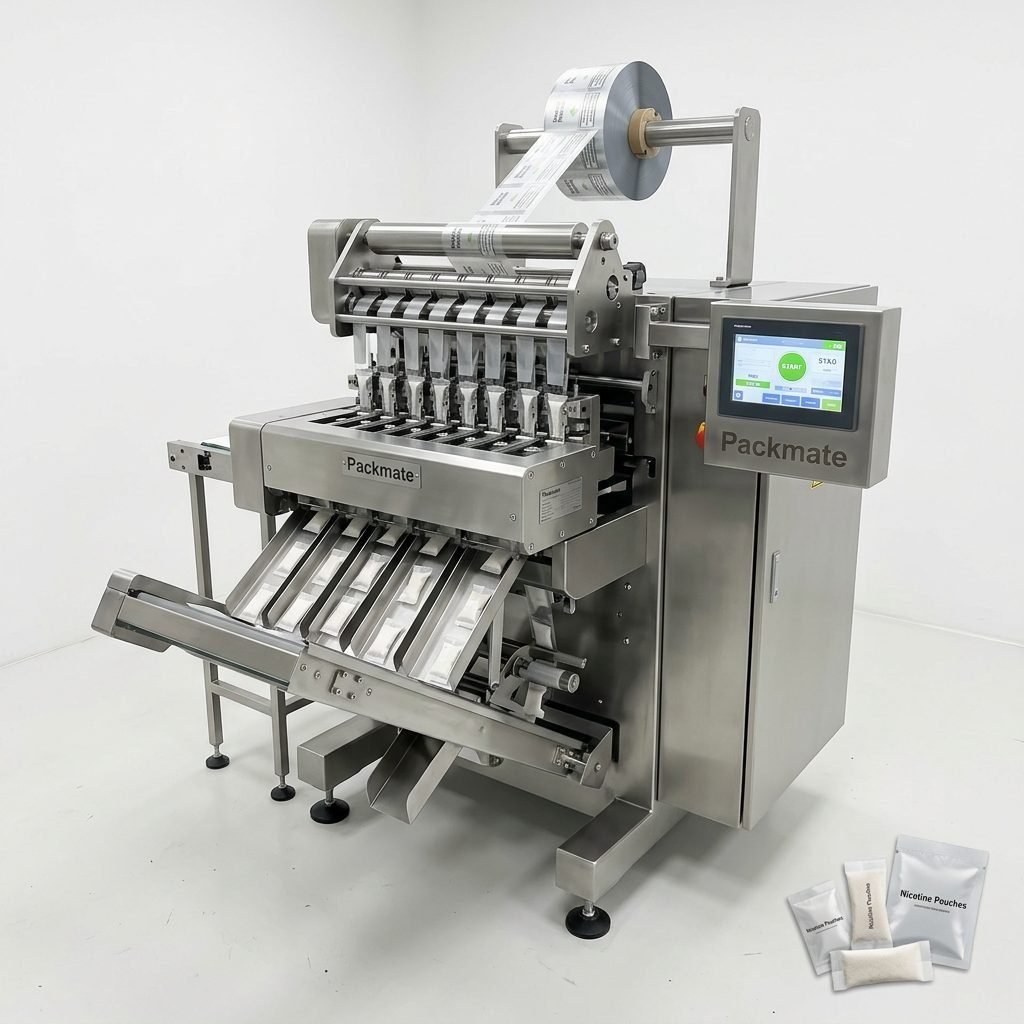
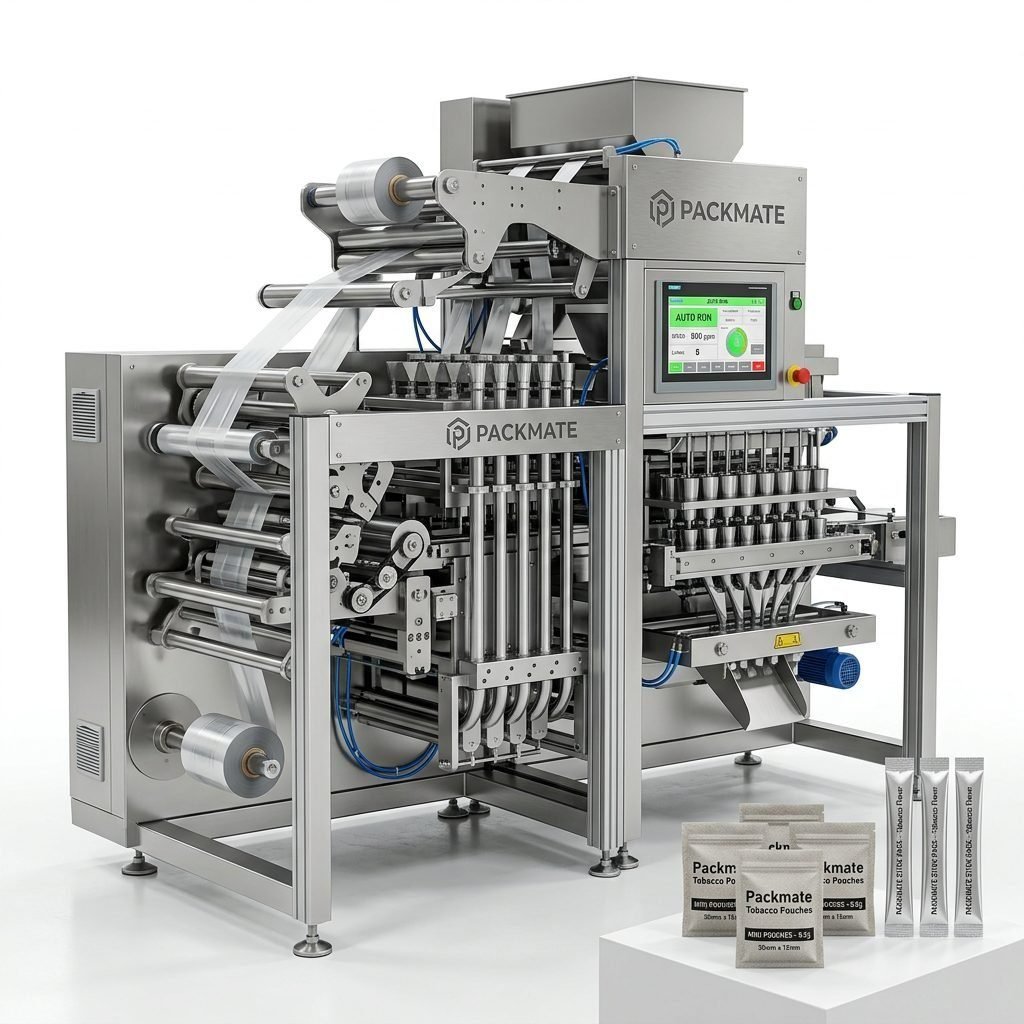
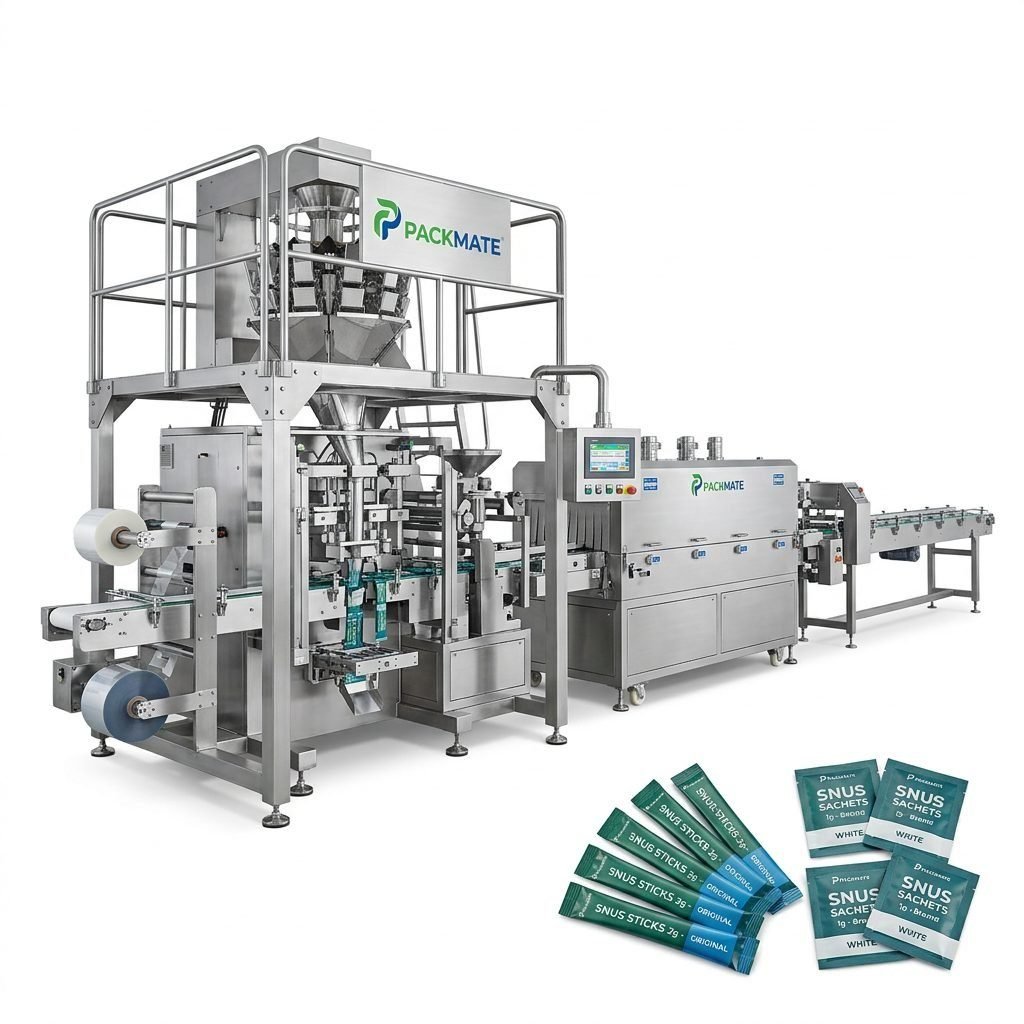
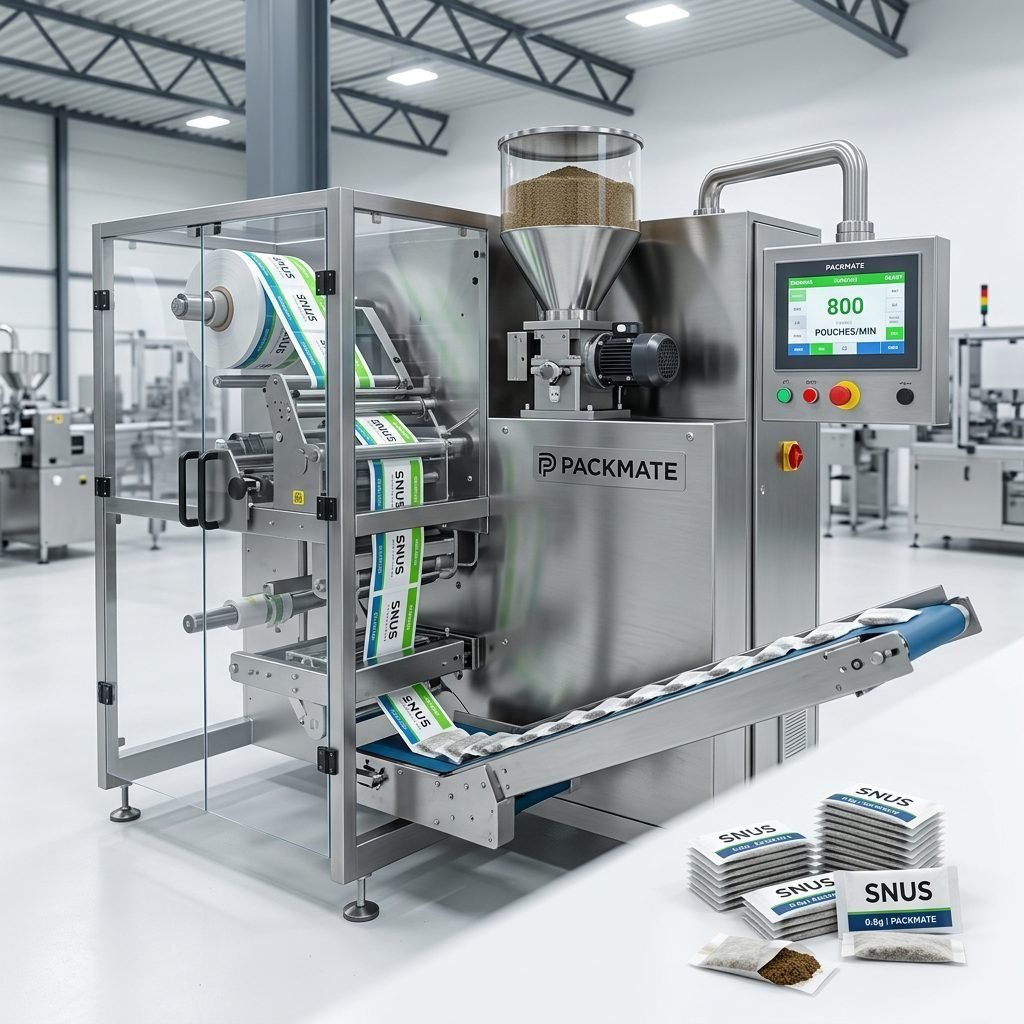
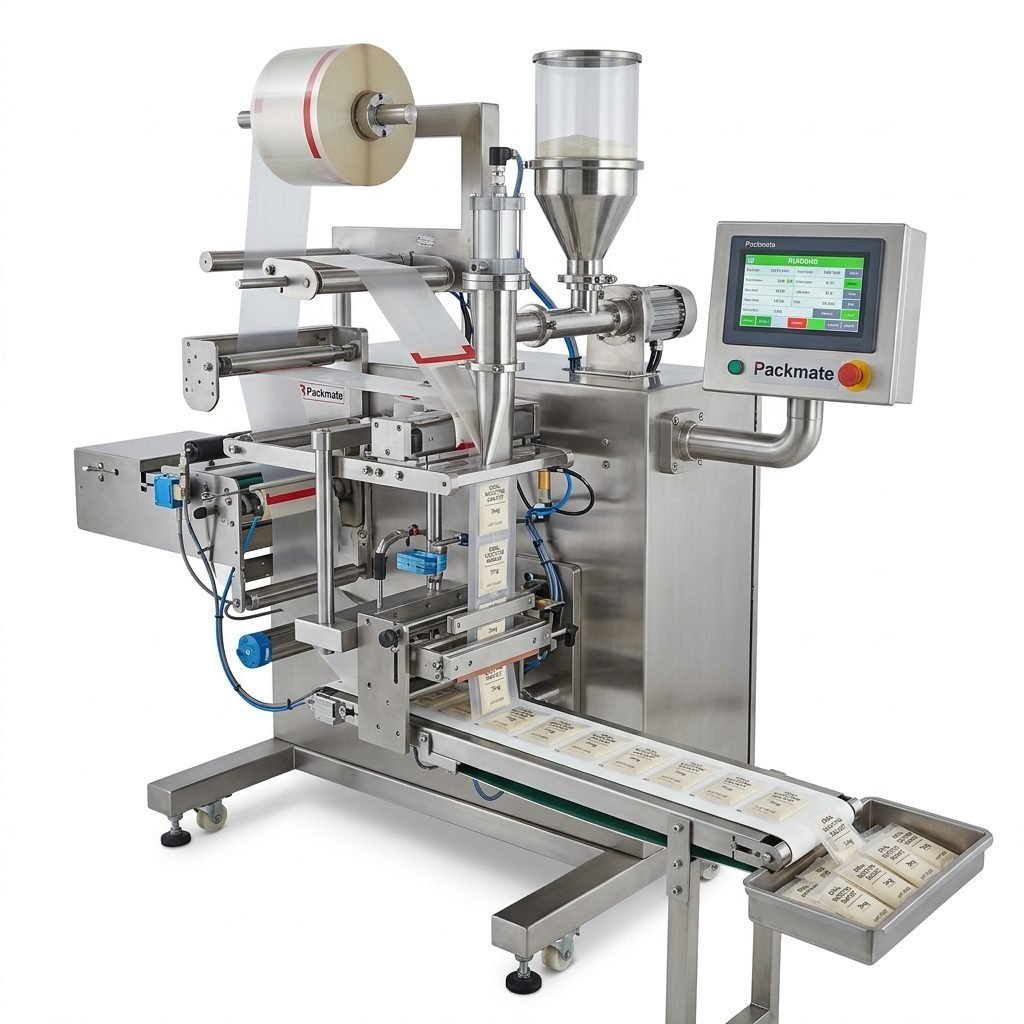
⚙️ Primary packaging machines: multi-lane snus pouch form-fill-seal units, stick pack or sachet machines for variety in formats. Many suppliers offer models suited to single-dose pouches and multi-lane high-output systems. For technical options, review detailed product lines such as Snus & Nicotine Packaging Machines.
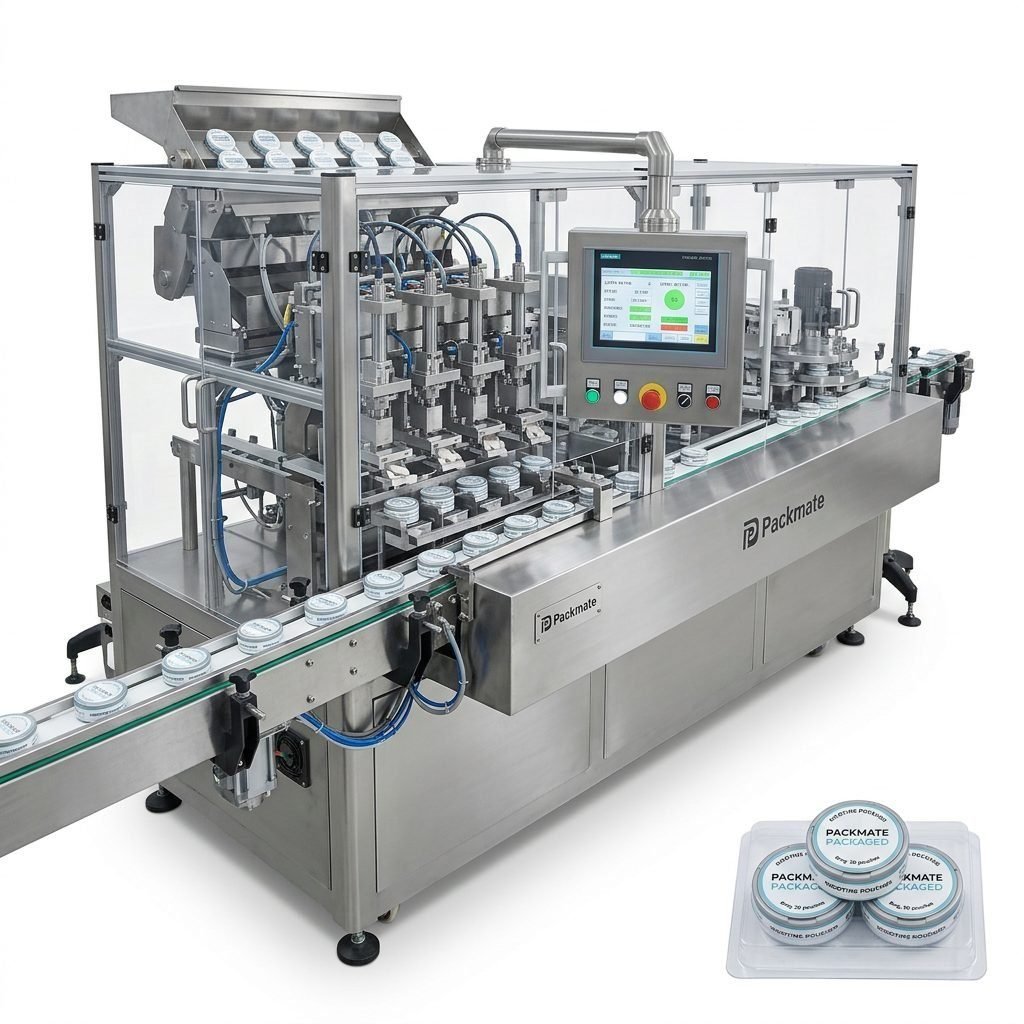
📦 Filling and dosing systems: precision volumetric or gravimetric dosing tailored for powder, granules, or paste fillings, with hygroscopic material handling options.
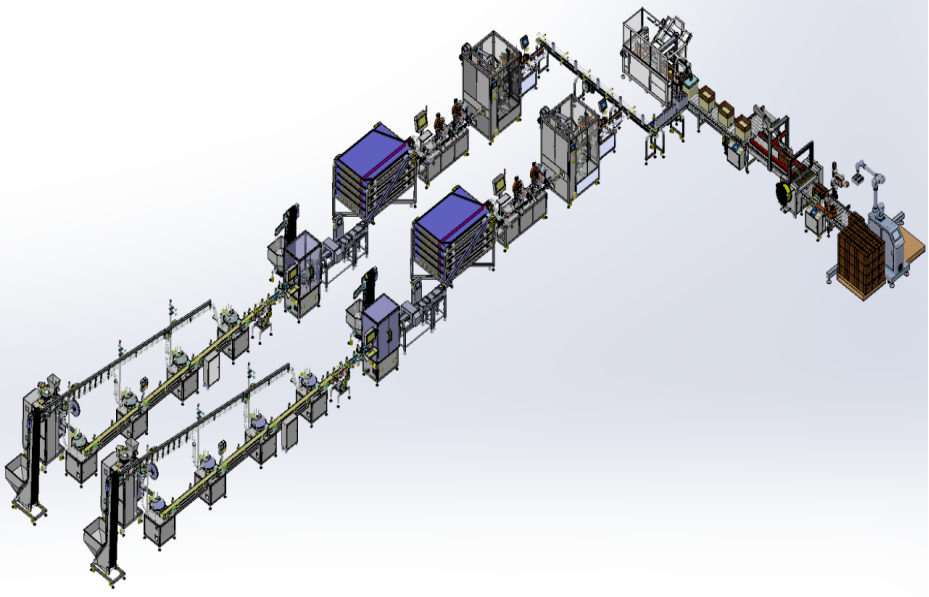
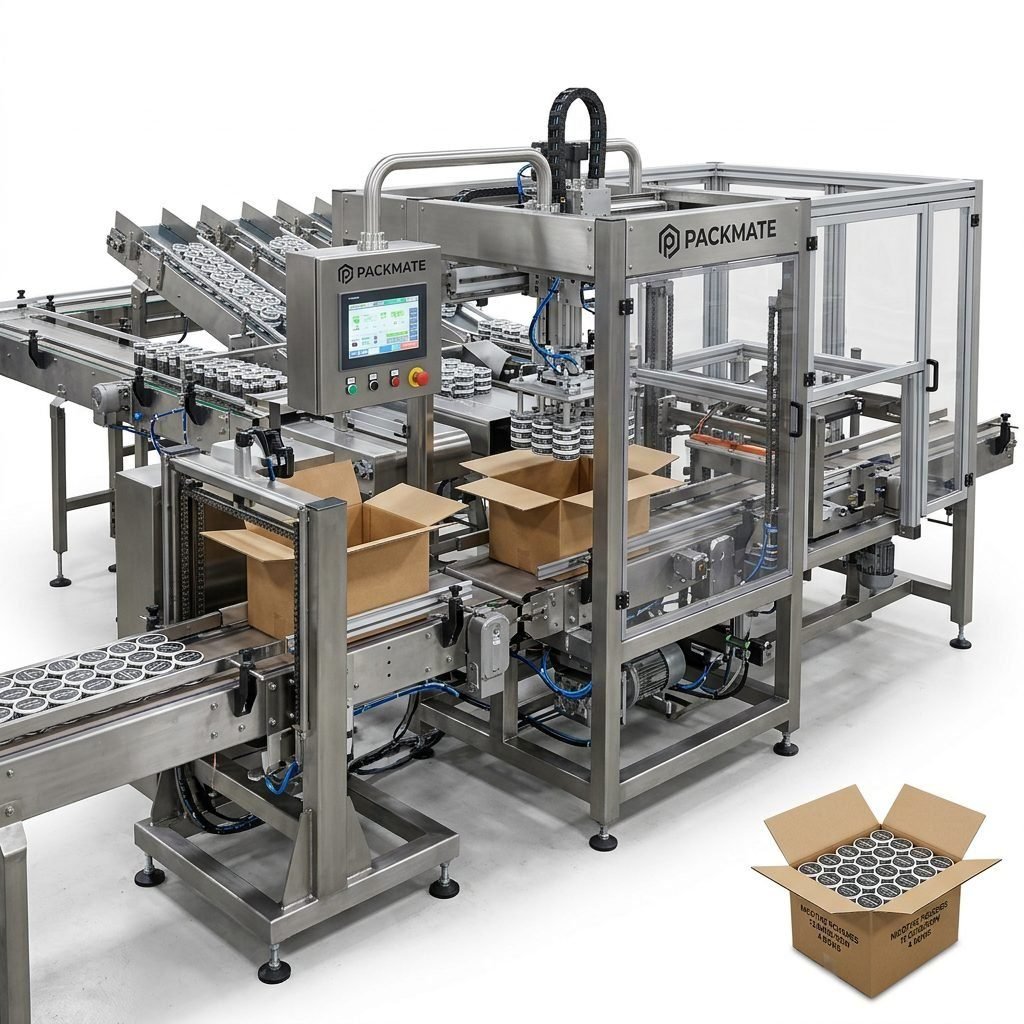
🔁 Ancillary equipment: conveyors, accumulators, checkweighers, metal detectors, and automated packing stations to complete secondary packaging and case packing.
🧭 Process control and software: SCADA/HMI interfaces, recipe management, and remote diagnostics for production monitoring and OEE optimization.
Core Advantages for New and Existing Facilities
Turnkey solutions offer clear business and technical advantages. For new factories, they dramatically reduce the engineering burden and the coordination required with multiple vendors. For existing plants, a turnkey upgrade can standardize performance and simplify regulatory compliance. Key benefits include:
Speed to market: pre-engineered workflows and integrated testing cut commissioning time.
Single-vendor accountability: one supplier handles installation, training, and warranty, reducing interface issues.
Optimized uptime: factory acceptance testing (FAT) and commissioning protocols maximize first-run yield and seasonal reliability.
Essential Components and Their Roles
A reliable turnkey package should cover mechanical systems, electrical integration, material handling, and quality assurance tools. Here are the critical modules and why each matters:
Form-fill-seal (FFS) modules: the heart of pouch production. Multi-lane FFS machines increase output without a proportional increase in floor area. They must be compatible with nicotine pouch materials and support precise sealing for shelf stability.
Dosing & mixing: accurate weight control is essential for regulatory compliance and consistent user experience. Systems range from single-head volumetric dispensers to multi-head gravimetric weighers integrated into a single line. See examples under Weighing & Packaging Systems.
Secondary packaging: grouping, cartoning, and case packing stages protect products during shipping and presentation. Automation here reduces labor costs and improves consistency.
Quality Control and Compliance
Quality assurance equipment such as checkweighers, metal detectors, and inline vision systems form an integral part of the turnkey offering. A well-configured line provides data logging for batch traceability and supports audits. Packmate Snus Machine’s CE and ISO-aligned systems illustrate how compliant equipment can be delivered as part of an integrated solution. For company background and credentials, visit About Packmate.
Design & Customization: Tailoring a Line to Your Product
No two snus products are identical: differences in moisture content, pouch material, and fill type demand customization. A reputable turnkey provider will perform product trials, evaluate material compatibility, and recommend a configuration that balances throughput, flexibility, and cost.
Common customization requests include multi-lane width adjustments, special dosing solutions for micro-doses, and adapted sealing profiles for novel sachet materials. Integrating modular systems makes future upgrades straightforward and cost-effective.
Case Study Snapshot: From Concept to Commissioning
A mid-sized European startup required a production line capable of producing two pouch formats across 4 lanes with an annual capacity target of 300 million single-dose pouches. The turnkey supplier delivered:
-
Product development trials and sample validation.
-
A multi-lane FFS machine with integrated gravimetric dosing and automated pouch conveyors.
-
On-site training, FAT, and a 6-week commissioning period to validate performance.
Result: production ramped up within three months of delivery, meeting stability and regulatory requirements with minimal rework.
Pro Tip: Prioritize suppliers that offer complete process validation and on-site start-up support — this minimizes downtime and accelerates qualification.
Implementation Roadmap: Key Steps for a Smooth Rollout
Adopting a turnkey snus line involves several phases, each requiring close coordination between your project team and the supplier:
1) Feasibility & product trials: Verify product geometry, fill characteristics, and material sealability.
2) Layout & utilities planning: Confirm floor space, electrical, compressed air, and HVAC needs. The supplier typically provides CAD layouts and utility schedules.
3) Manufacturing & FAT: Before shipment, the line is assembled and tested at the manufacturer to validate performance against agreed KPIs.
4) Shipping, installation & commissioning: On-site assembly, calibration, and final validation. Training for operators and maintenance staff is usually provided during this phase.
5) After-sales support: Preventive maintenance plans, spare parts kits, and remote troubleshooting are essential for sustained uptime.
Selecting the Right Vendor: What to Ask
When evaluating turnkey suppliers, consider the following criteria:
-
Track record: experience in nicotine pouch and snus packaging and references across similar projects.
-
Engineering depth: in-house CNC machining, assembly, and quality control indicate tighter manufacturing tolerances and faster turnarounds. Packmate operates a 20,000㎡ facility with advanced CNC centers and over 50 machine models.
-
Regulatory compliance: CE and ISO certifications are a minimum for global markets.
-
Spare parts & service network: rapid access to parts and service reduces production downtime.
Integration with Existing Lines
For factories adding snus production to an existing portfolio, modular turnkey systems can be integrated with current packing lines and ERP systems. This enables shared utilities and streamlined material flows. Consider potential bottlenecks (e.g., material handling, quality control points) and ensure the supplier has expertise in retrofit projects.
Operational Considerations: Running a Turnkey Line Efficiently
Operational excellence depends on the right people, maintenance strategy, and continuous improvement mindset. Key focus areas include:
Operator training: invest in structured training programs for line operators and technicians to reduce setup times and minimize human error.
Preventive maintenance: a documented PM schedule aligned with OEM recommendations preserves performance and extends equipment life.
Data-driven optimization: use production data to identify downtime causes and refine OEE. Modern turnkey systems include remote diagnostics and historical logging that aid root-cause analysis.
Sustainability & Cost Management
Selecting energy-efficient motors, vacuum systems, and reclaim options for packaging trims reduces operational cost and environmental impact. Evaluate lifecycle costs (CAPEX + OPEX) rather than upfront price alone. Turnkey suppliers frequently assist with ROI models that compare scenarios across production scales and packaging formats.
Link Resource: For related packaging technologies, explore Filling & Packaging Lines and Sachet & Stick Pack Machines for complementary equipment options.
Common Challenges and How to Mitigate Them
Even well-specified turnkey projects encounter hurdles. Anticipating common issues and planning mitigations prevents costly delays:
Supply chain lead times: order long-lead components early and choose suppliers with robust manufacturing capacity. Packmate’s large factory footprint supports scalable production of standardized modules.
Regulatory changes: stay informed about local and export market requirements; work with suppliers experienced in certification processes.
Material compatibility: perform thorough material trials; do not assume one material works for every sealing profile or pouch type.
Getting Started: Checklist for Decision-Makers
– Define target formats, annual volumes, and packaging specifications.
– Budget for CAPEX, installation, validation, and first-year OPEX.
– Ask vendors for FAT evidence, customer references, and documented commissioning timelines.
– Ensure spare parts strategy and training plans are included in the contract.
Why Packmate Snus Machine is a Relevant Option
Packmate offers vertical integration with 30+ years of engineering experience and a 20,000㎡ factory capable of producing 50+ machine models. Their turnkey approach includes testing, commissioning, and global service support — an attractive proposition for teams seeking a single-source provider for snus and nicotine pouch lines.
Conclusion
Investing in a turnkey snus production line provides strategic advantages for manufacturers seeking rapid, reliable, and compliant production capability. When specified and implemented correctly, turnkey systems reduce project risk, accelerate ramp-up, and deliver consistent product quality. Choose vendors with proven experience, comprehensive after-sales support, and a clear roadmap for upgrades and expansion.
Frequently Asked Questions
Q1: How long does it take to install and commission a turnkey snus line?
A1: Typical timelines range from 8 to 20 weeks from delivery to full commissioning depending on line complexity, local utilities readiness, and site-specific qualifications.
Q2: What validation and testing are included?
A2: Reputable suppliers provide Factory Acceptance Testing (FAT), on-site installation qualification (IQ/OQ), and product trials. Ensure these are contractually specified.
Q3: Can a turnkey supplier integrate with my existing ERP and MES systems?
A3: Yes, most modern turnkey providers offer SCADA/HMI interfaces and data export capabilities to integrate with ERP/MES platforms for traceability and production analytics.
Q4: How should I plan for spare parts and maintenance?
A4: Establish a preventive maintenance schedule and a critical-spare-parts kit during commissioning. Many suppliers also offer service agreements for parts and remote support.
Q5: Where can I see examples of turnkey systems and references?
A5: Ask suppliers for case studies and exhibition demonstrations. For examples of Packmate’s projects and exhibitions, see their Case and Our Exhibition pages.