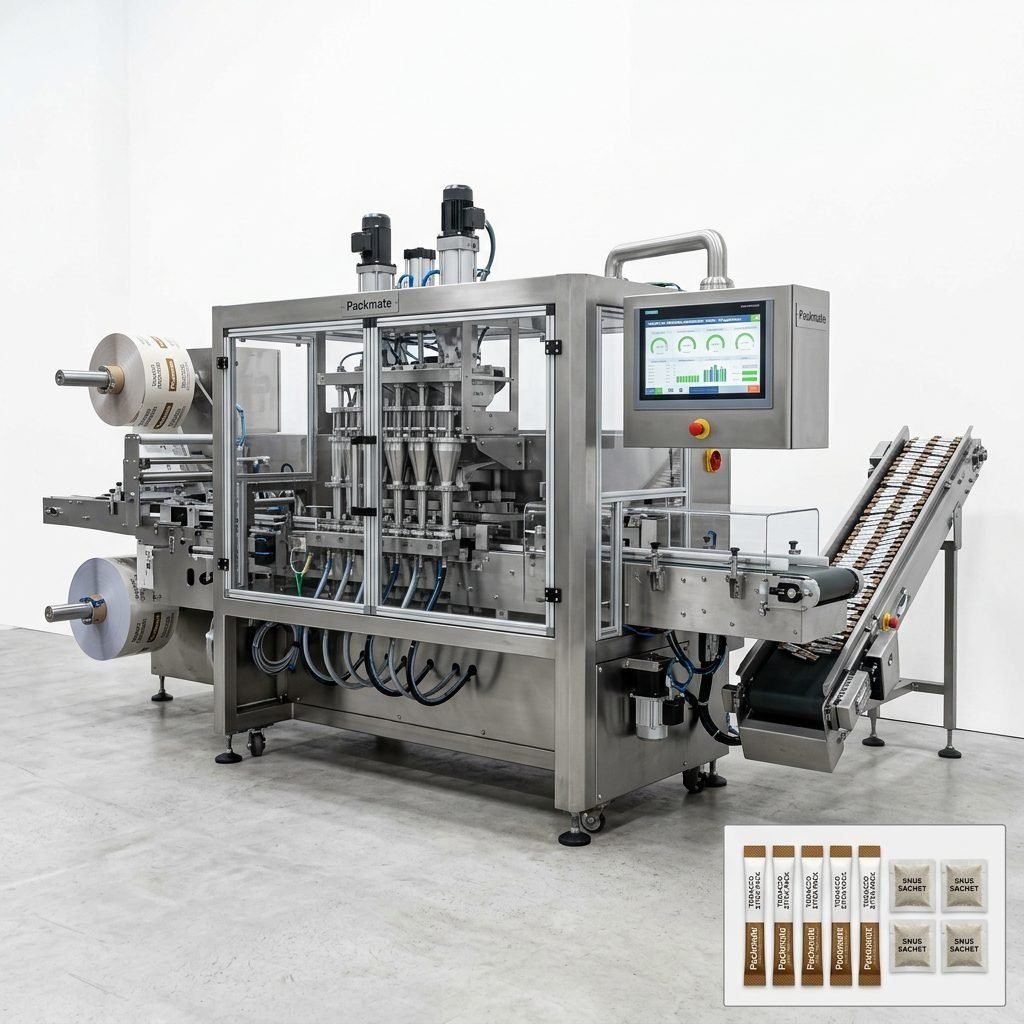
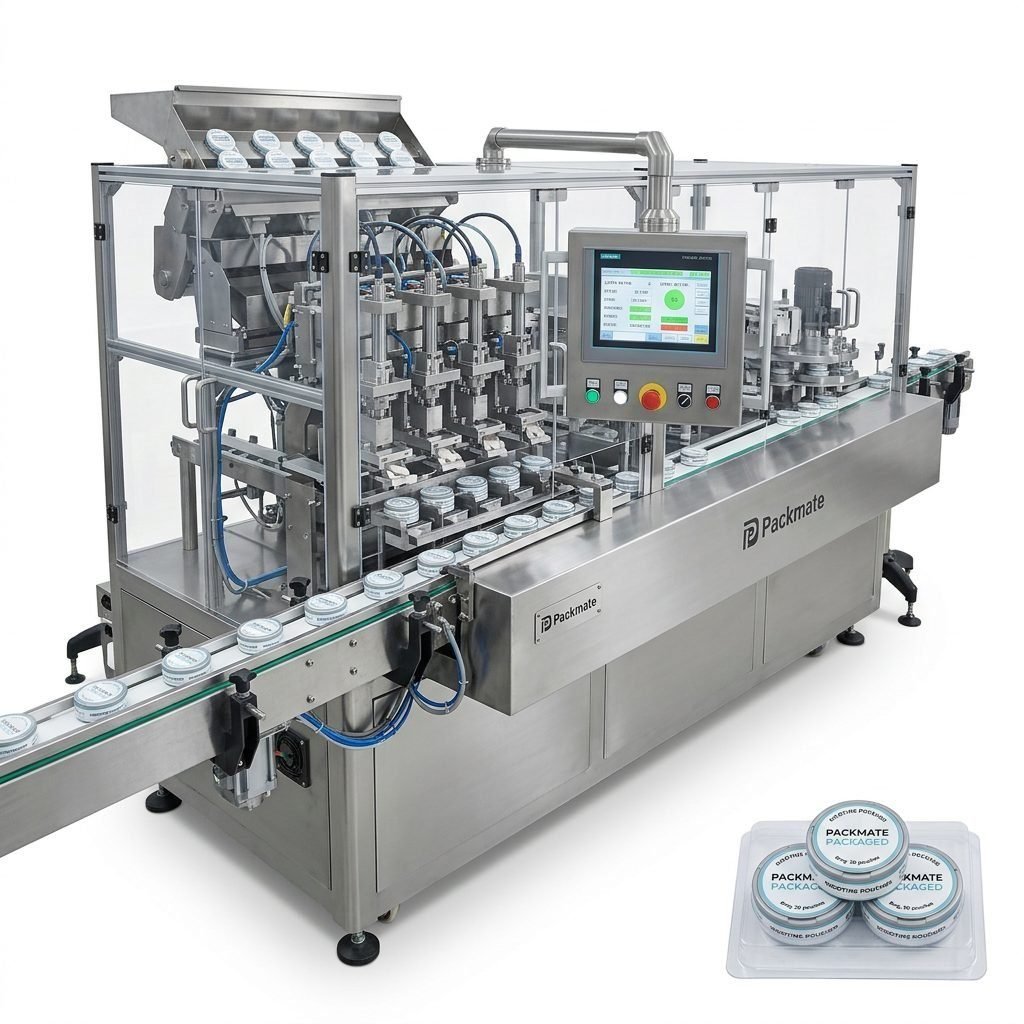
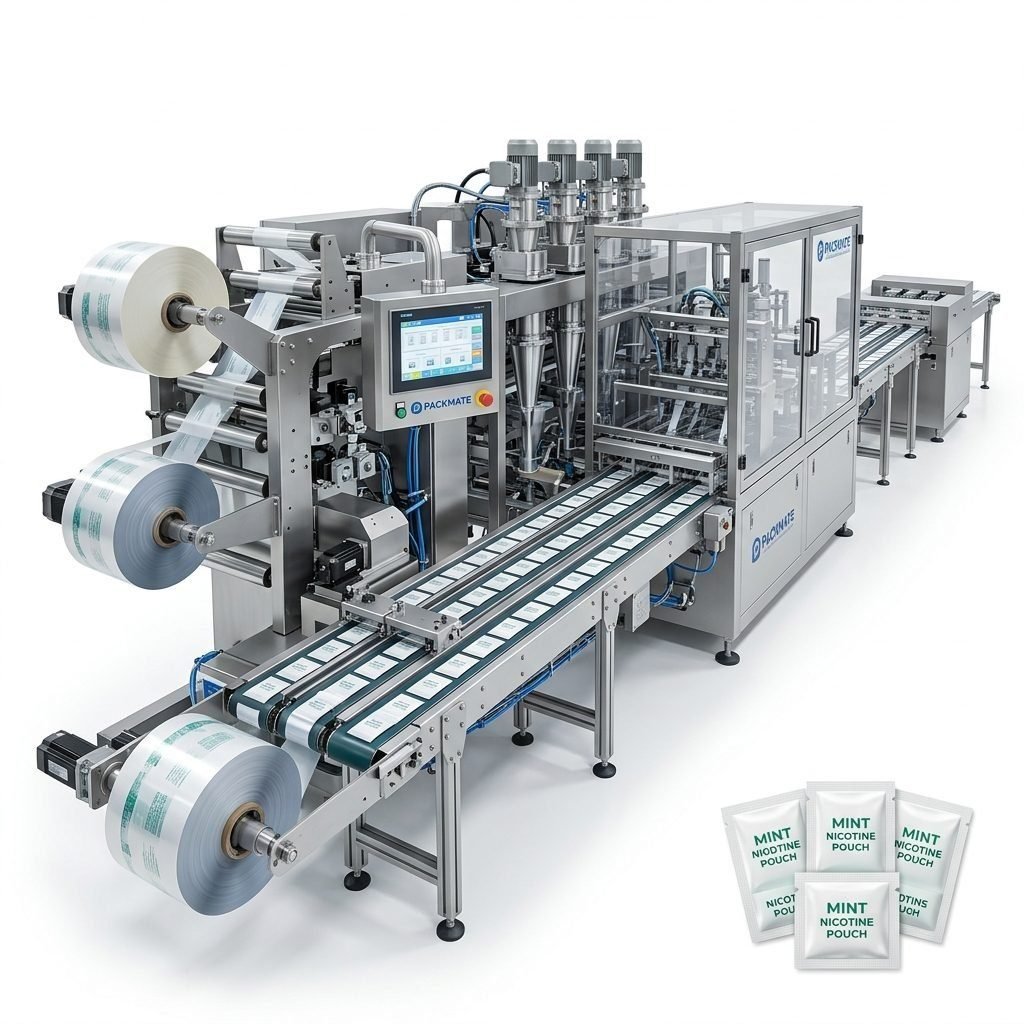
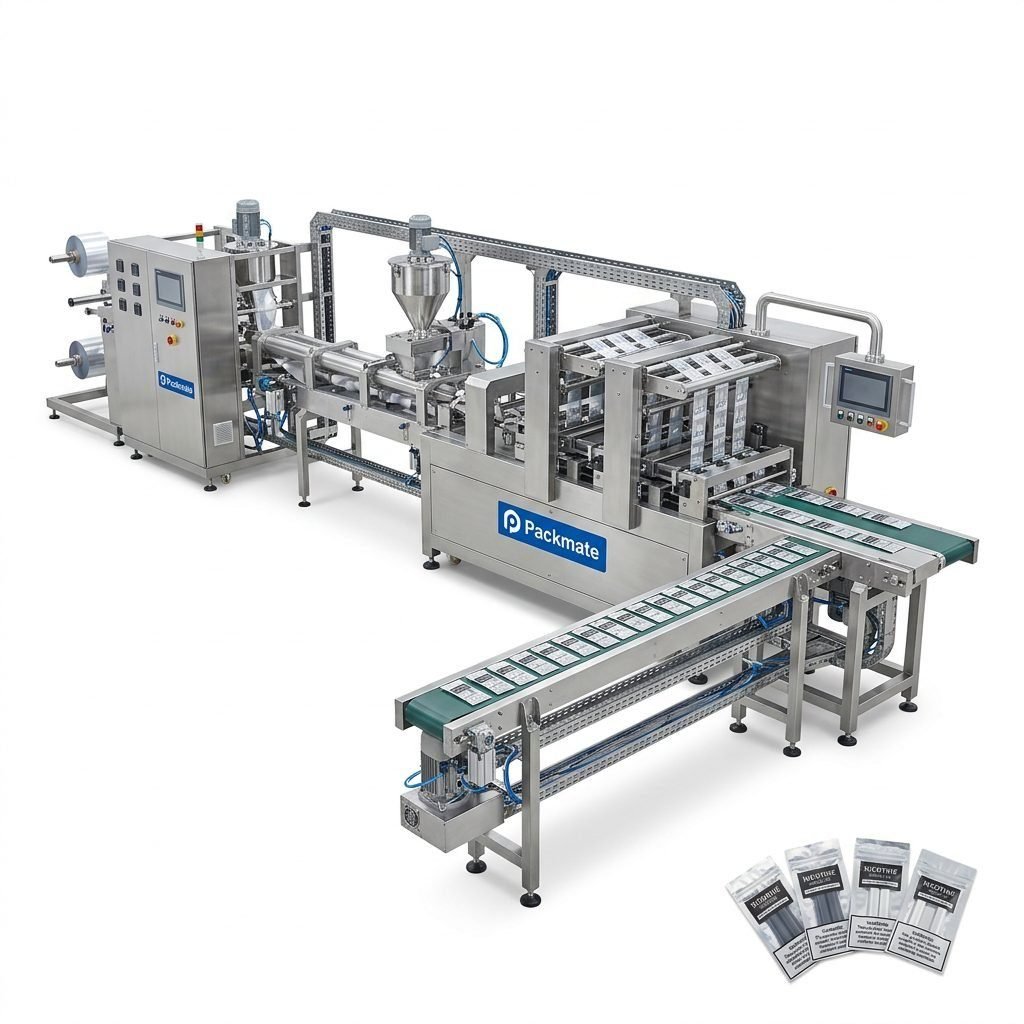
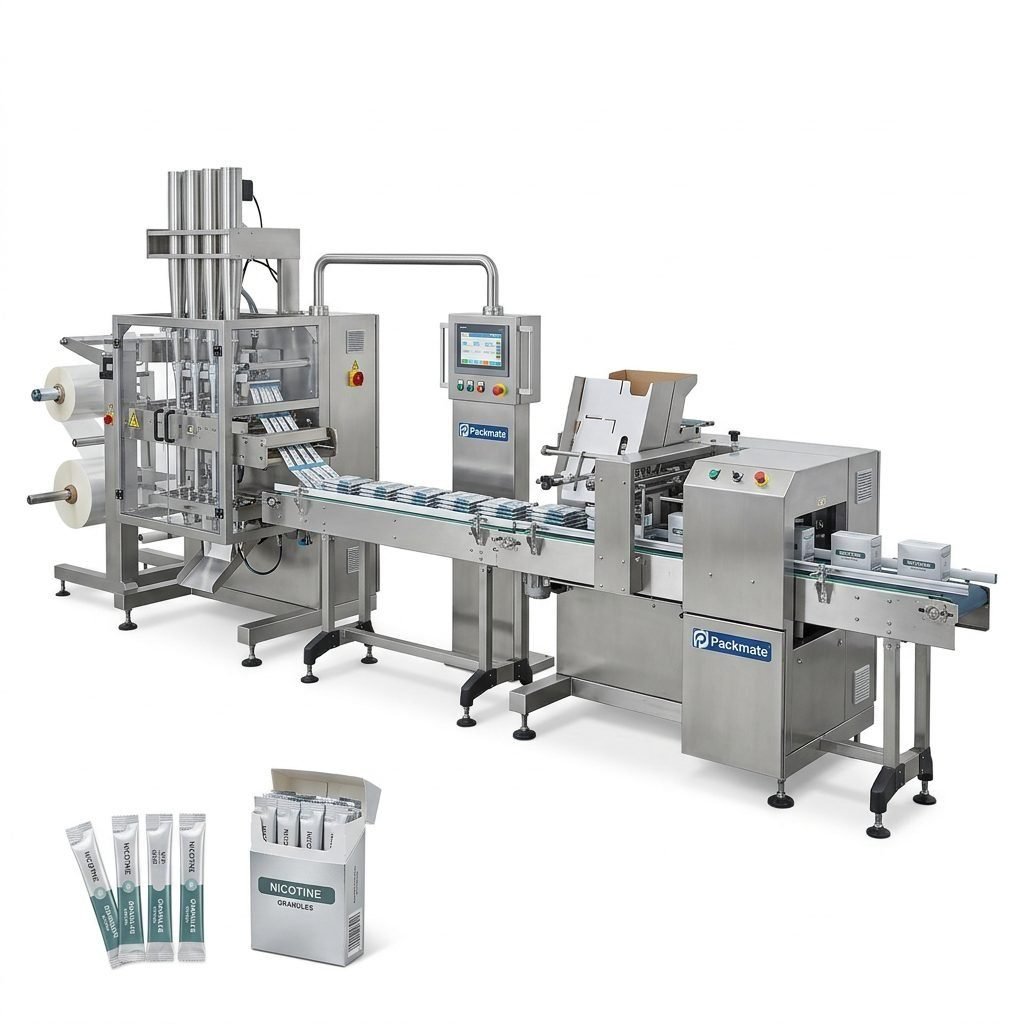
The nicotine pouch vertical packing machine is transforming pouch manufacturing by combining speed, accuracy, and automation. For manufacturers producing nicotine pouches, snus, or other small-dose pouch products, adopting a vertical packing system can significantly increase throughput while ensuring consistent pouch quality and presentation. This article explores the technology, benefits, integration options, maintenance tips, compliance considerations, and return-on-investment insights for businesses considering vertical packing machines for nicotine pouch production.
What Is a Nicotine Pouch Vertical Packing Machine?
A nicotine pouch vertical packing machine is a specialized form-fill-seal (VFFS) system engineered to form pouches from roll stock and fill them with precise doses of nicotine pouch material before sealing. These machines are designed for high-precision dosing, gentle product handling, and compact layouts to fit into modern automated packaging lines. Key outcomes include uniform pouch weight, reduced product waste, and rapid changeovers.
Core Components
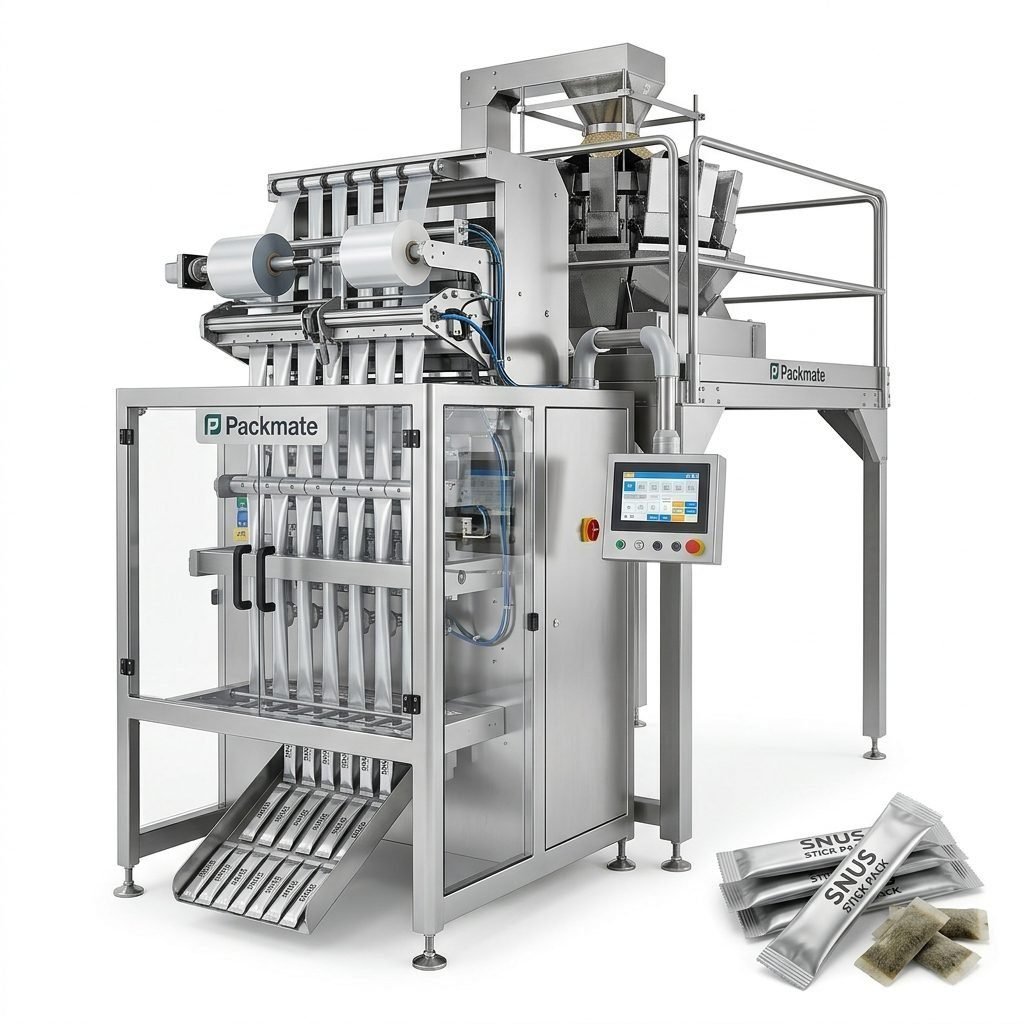
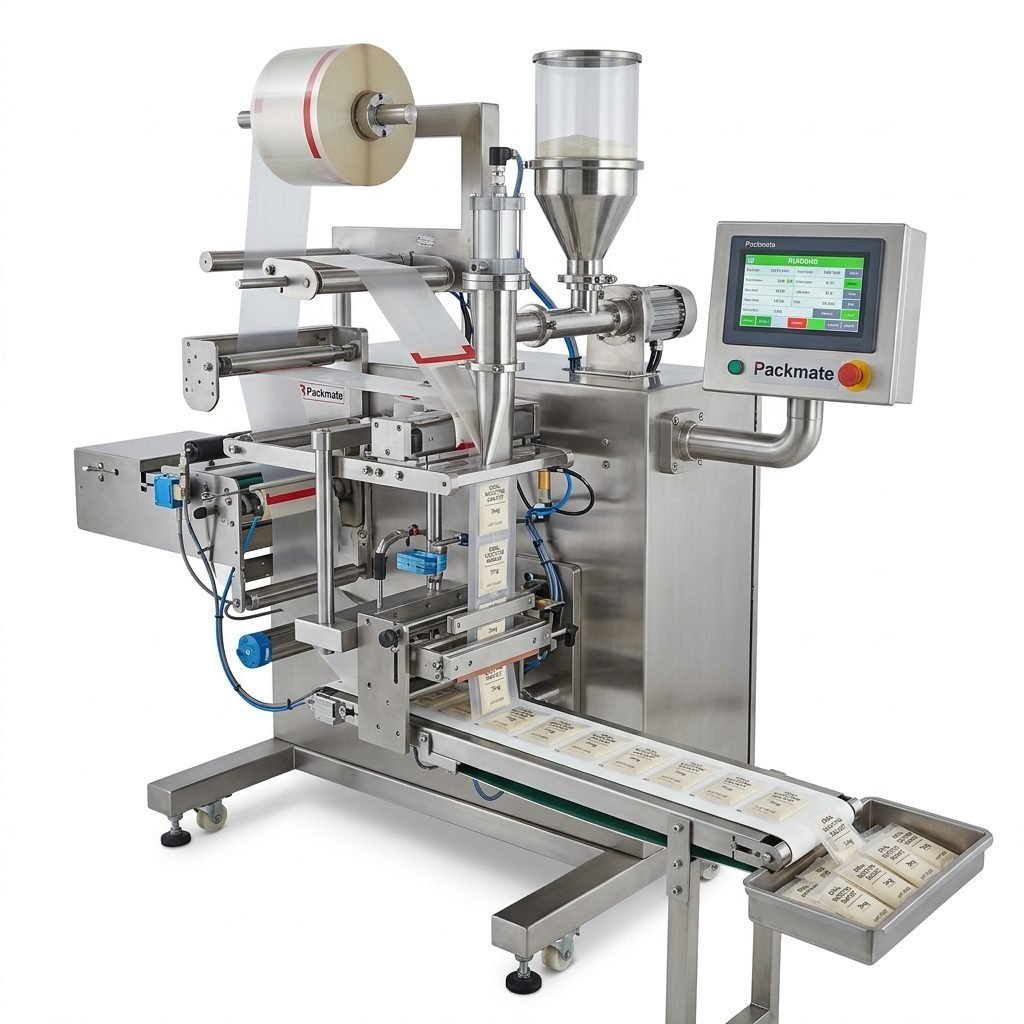
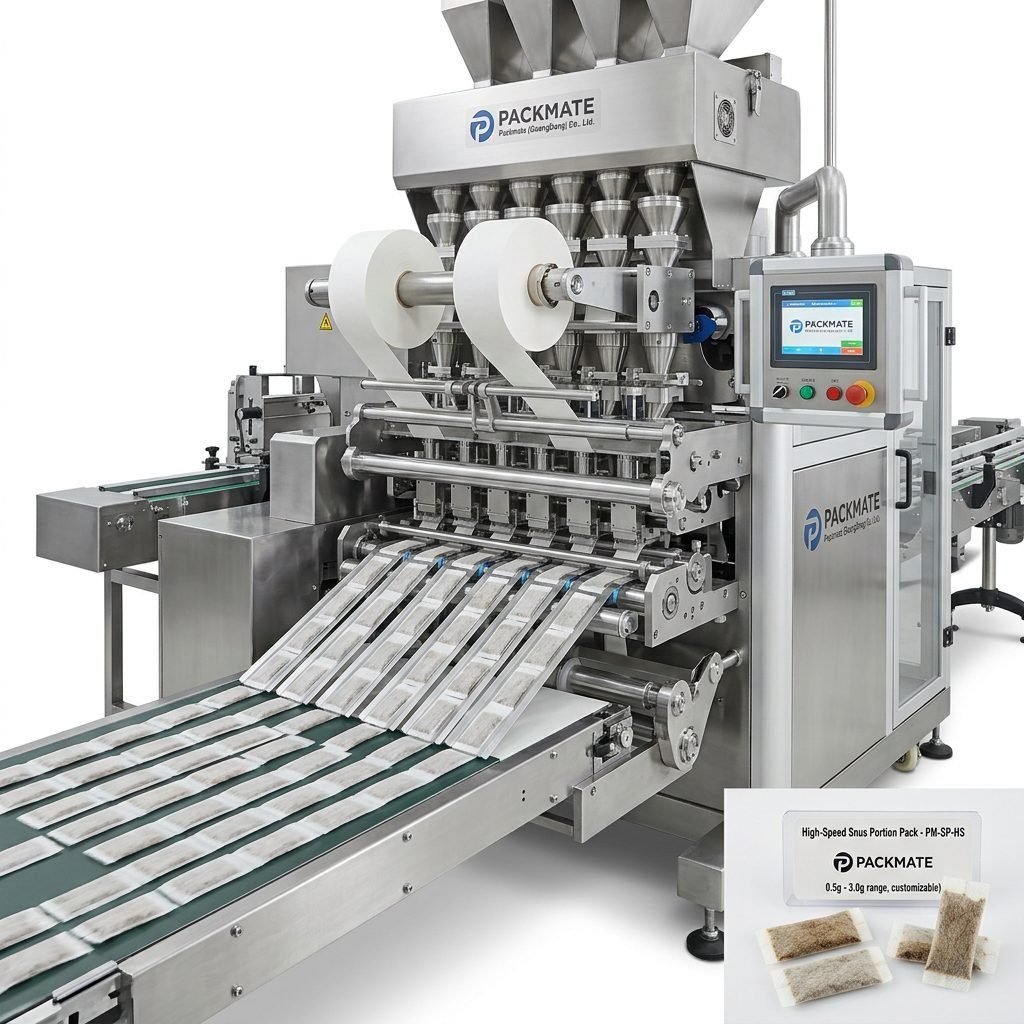
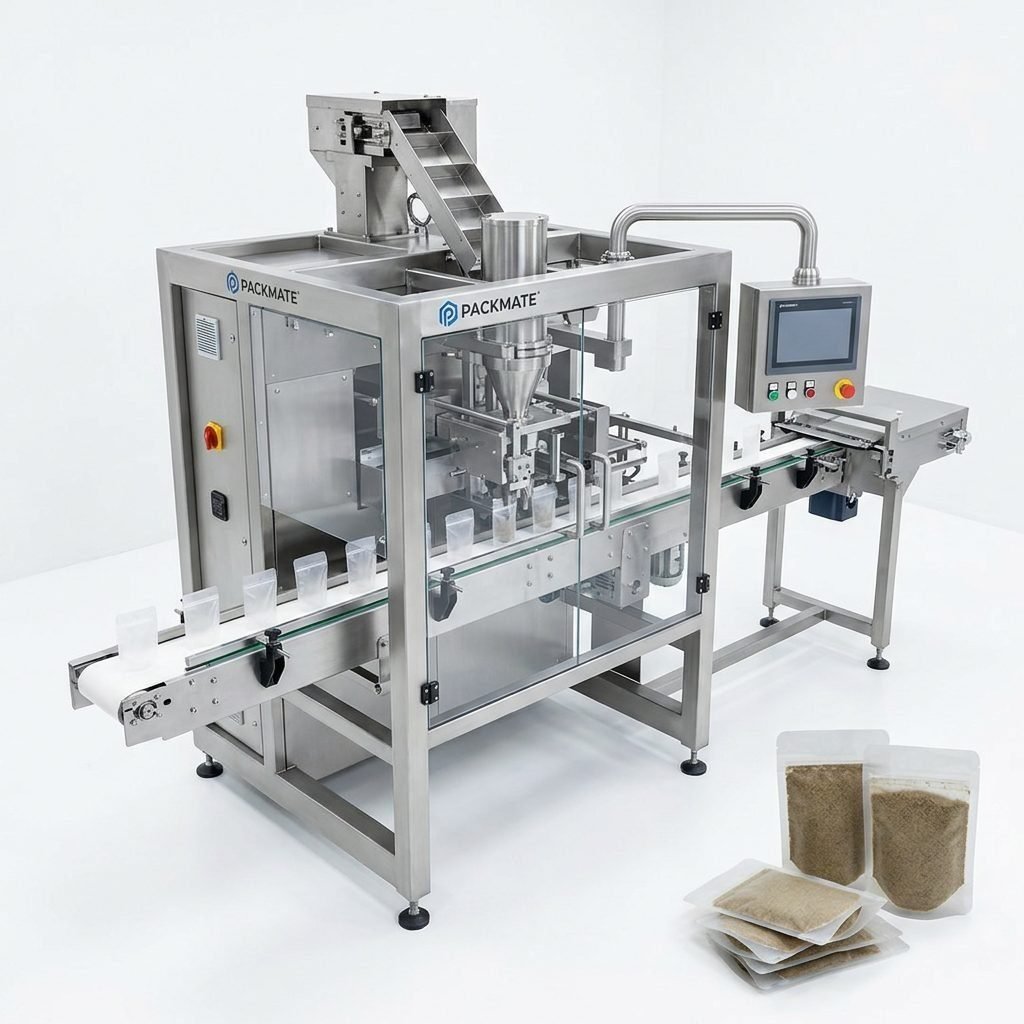
Typical vertical packing systems for nicotine pouches include a film unwinder, forming collar, longitudinal and transverse sealing elements, a dosing system (weighing or volumetric), an indexing conveyor, and touch-screen controls for recipe management. High-end models incorporate multi-lane capabilities for ultra-high output and servo-driven mechanisms for repeatable sealing quality.
Multi-lane vertical machines can multiply output without multiplying footprint — a crucial advantage for space-limited factories.
Why Manufacturers Choose Vertical Packing for Nicotine Pouches
Nicotine pouch manufacturers prioritize consistency, hygiene, and flexibility. Vertical pouch machines deliver on these fronts by allowing precise portioning, clean formation and sealing, and quick format adjustments for different pouch sizes or materials. They also integrate easily with upstream and downstream equipment like weighers, boxers, and labeling systems.
Performance Advantages
– Higher throughput with stable quality control.
– Reduced manual handling and contamination risk.
– Quick tool-less changeovers for different pouch lengths and styles.
– Multi-lane options to scale production without large capital investment.
Key Features to Look For
Selecting the right vertical packing machine requires assessing features that directly impact product quality, downtime, and cost of ownership. Below are the essential capabilities to evaluate.
Precision Dosing System
Accurate dosing is non-negotiable for nicotine pouches due to regulatory and consumer safety concerns. Choose machines compatible with high-precision weighers or multi-head weighing systems for consistent dose control.
Sealing Technology
Robust longitudinal and transverse sealing systems are critical to prevent leaks and protect product shelf life. Look for servo-controlled jaws, temperature regulation, and quality inspection options such as vision systems.
Hygienic Design
Materials contact surfaces should be stainless steel with easy-to-clean designs. Sanitary construction reduces microbial risks and simplifies validation for regulatory audits.
For manufacturers seeking complete solutions, explore integrated systems including weighing & packaging systems and auxiliary equipment.
Integration Into a Turnkey Production Line
A vertical packing machine is most effective when integrated into a turnkey line that includes upstream dosing/weighing and downstream case packing. Packmate and other established suppliers provide modular options to create a seamless production flow from raw pouch material to boxed pallets.
Typical Line Configuration
Feed hopper → Multi-head weigher or auger filler → Vertical packing machine → In-line metal detector → Checkweigher → Cartoner or case packer. Including these modules ensures product safety and compliance while enabling automated data capture for traceability.
Customization and Flexibility
Manufacturers often require custom solutions for pouch shape, material compatibility, and packaging formats. Reputable suppliers offer a range of 50+ machine models and customization options to meet specific throughput, lane count, and control system preferences.
- Multi-lane configurations for small-dose, high-volume pouches
- Modified forming collars for unique pouch shapes
- Material handling upgrades for hygroscopic or sticky blends
- Integration with client ERP systems for production tracking
Compliance and Quality Assurance
Compliance to international standards such as CE and ISO is essential when supplying nicotine products across global markets. Machines should support GMP-friendly operations, produce audit logs, and be compatible with validation procedures required by regulatory authorities.
Certification Considerations
Confirm that the supplier offers documented certification paths and service support. Many established manufacturers display certificates and case studies demonstrating performance in regulated environments — review these references before procurement.
Maintenance, Training, and After-Sales Support
Uptime is directly tied to how well machines are maintained and how effectively operators are trained. Reliable manufacturers provide spare parts kits, remote diagnostics, and on-site training programs to reduce unplanned downtime and maintain production stability.
- Comprehensive operator and maintenance training
- Fast-access spare parts inventory and consumables
- Remote troubleshooting with PLC/HMI support
- Field service engineers for regular preventive maintenance
Case Studies and Proven Results
Case studies often show how multi-lane vertical packing systems helped manufacturers scale quickly. Examples include companies in Europe and the Americas that increased capacity while achieving consistent weight accuracy and extending shelf life through improved sealing. For real-world examples and supplier references, review published cases from established providers.
Learn more about practical deployments and product lines at Packmate’s case pages and product ranges: Case, Snus & Nicotine Packaging Machines, and Bag & Pouch Packaging Machines.
Return on Investment (ROI) Considerations
Calculating ROI for a vertical packing investment should include capital costs, expected throughput gains, labor savings, material waste reduction, and regulatory compliance benefits. Manufacturers typically recover investment through increased production capacity, lower per-unit labor costs, and fewer product rejections.
Practical ROI Metrics
– Payback period (months) based on increased production and revenue.
– Reduction in labor hours per shift.
– Waste reduction percentage from consistent dosing.
– Compliance-related savings (fewer recalls, audit passes).
Investing in an automated vertical packing line is a strategic move for long-term competitiveness in the nicotine pouch market.
Purchasing Tips: How to Choose a Supplier
When selecting a supplier, evaluate manufacturing capacity, experience with nicotine pouch applications, spare parts lead times, and global service footprint. Suppliers with 20,000㎡ facilities, advanced CNC machining centers, and decades of R&D history often provide the stability and support needed for long-term partnerships.
If you are ready to discuss machine models, customization needs, or on-site demonstrations, consider suppliers who provide transparent documentation and accessible contacts such as Contact Us pages and product catalogs.
Local Considerations and Market Practices
Market practices vary by region. For manufacturers in Europe, regulatory scrutiny around nicotine dosing and product labeling is high — choose machines with robust traceability and validation support. In Asia-Pacific markets, compact multi-lane machines that maximize throughput while conserving floor space are highly valued. In the Americas, emphasis is often on throughput and integration with existing automation systems.
Understanding local consumer preferences for pouch size, texture, and packaging aesthetics will help determine the right pouches per pack, film options, and secondary packaging choices.
Final Thoughts
Vertical packing machines for nicotine pouches offer a balanced solution of precision, speed, and hygienic design. By selecting the right configuration — whether single-lane for specialty products or multi-lane for mass production — manufacturers can achieve consistent quality and profitable scaling. Partnering with experienced suppliers who offer full turnkey solutions, spare parts, and strong after-sales support will accelerate time-to-market and help maintain continuous production.
For detailed product listings and technical brochures, visit the About Packmate and Catalog pages.
常见问题 (FAQs)
Q1: How fast can a multi-lane vertical packing machine run for nicotine pouches?
Speeds vary by lane count and pouch size. Typical multi-lane vertical machines can achieve several hundred to thousands of pouches per minute aggregated across lanes. Exact throughput depends on dosing method and pouch format.
Q2: What maintenance is required to keep sealing quality consistent?
Regular cleaning, inspection of sealing jaws, monitoring temperature controls, and replacing worn seals are essential. A preventive maintenance schedule and trained technicians are recommended to maximize uptime.
Q3: Can these machines handle hygroscopic or sticky nicotine blends?
Yes — specialized feeders, anti-stick coatings, and controlled humidity enclosures can be provided for challenging materials. Discuss product characteristics with the supplier to ensure the right handling options are included.
Q4: Are vertical packing machines compliant with international standards?
Reputable manufacturers design machines to meet CE and ISO standards and provide documentation to support audits. Verify certifications and request supplier references for regulated markets.
Q5: Where can I see real-world examples of these machines in operation?
Many suppliers publish case studies and host exhibition demonstrations. View live examples and project references at supplier case pages like Case and attend industry exhibitions listed on their Our Exhibition page.