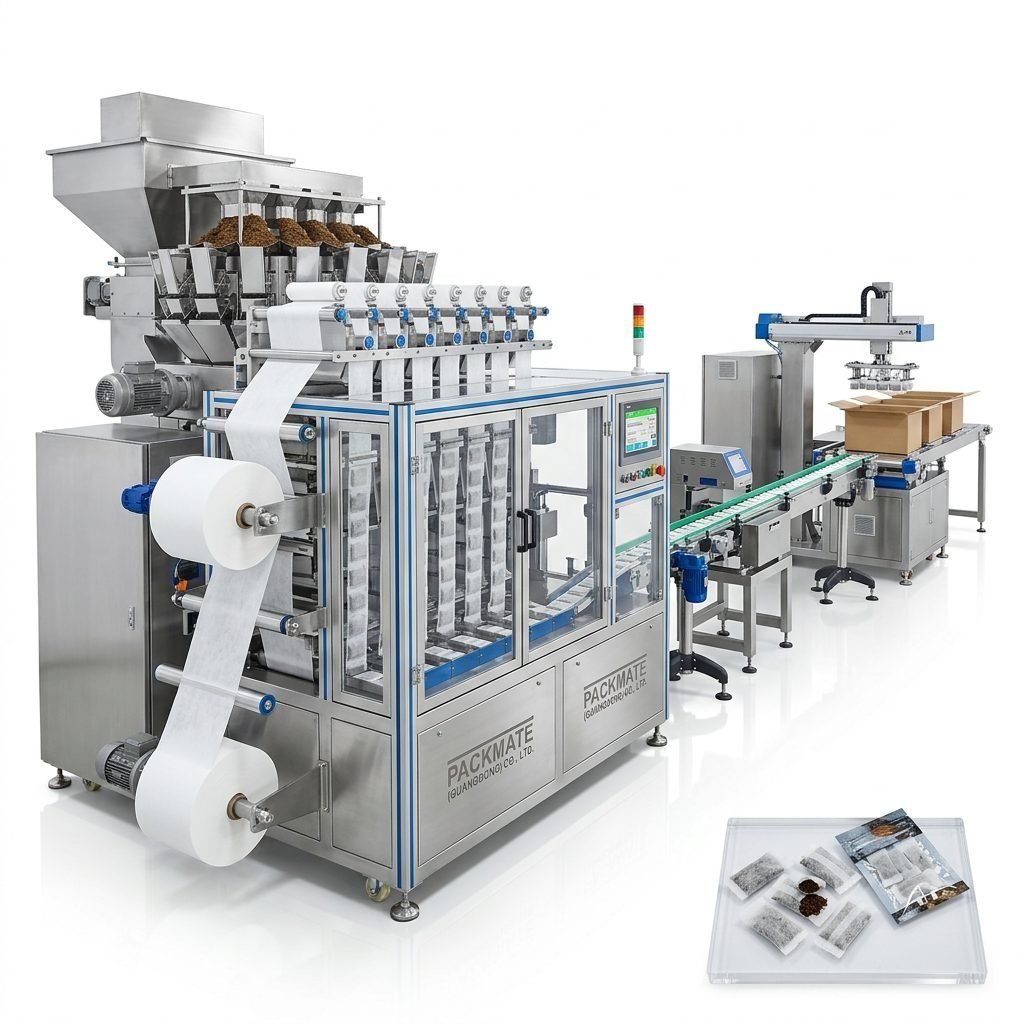
Investing in a snus production line requires careful budgeting and an understanding of the many cost drivers that influence total project spend. This guide breaks down the typical expenses for a snus/nicotine pouch packaging line, explains the most important variables, and offers practical budget-planning tips so you can estimate a realistic capital and operating budget for your project.
Overview of Snus Production Line Costs
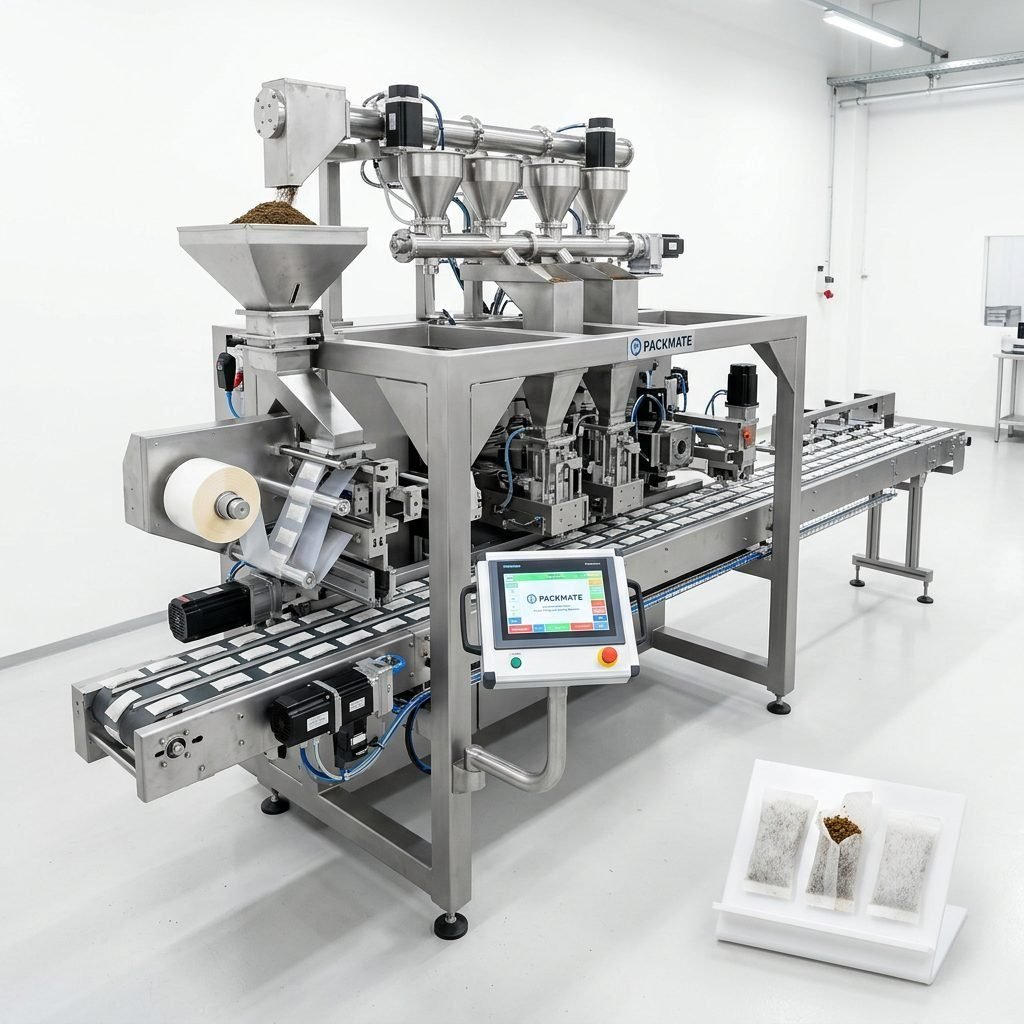
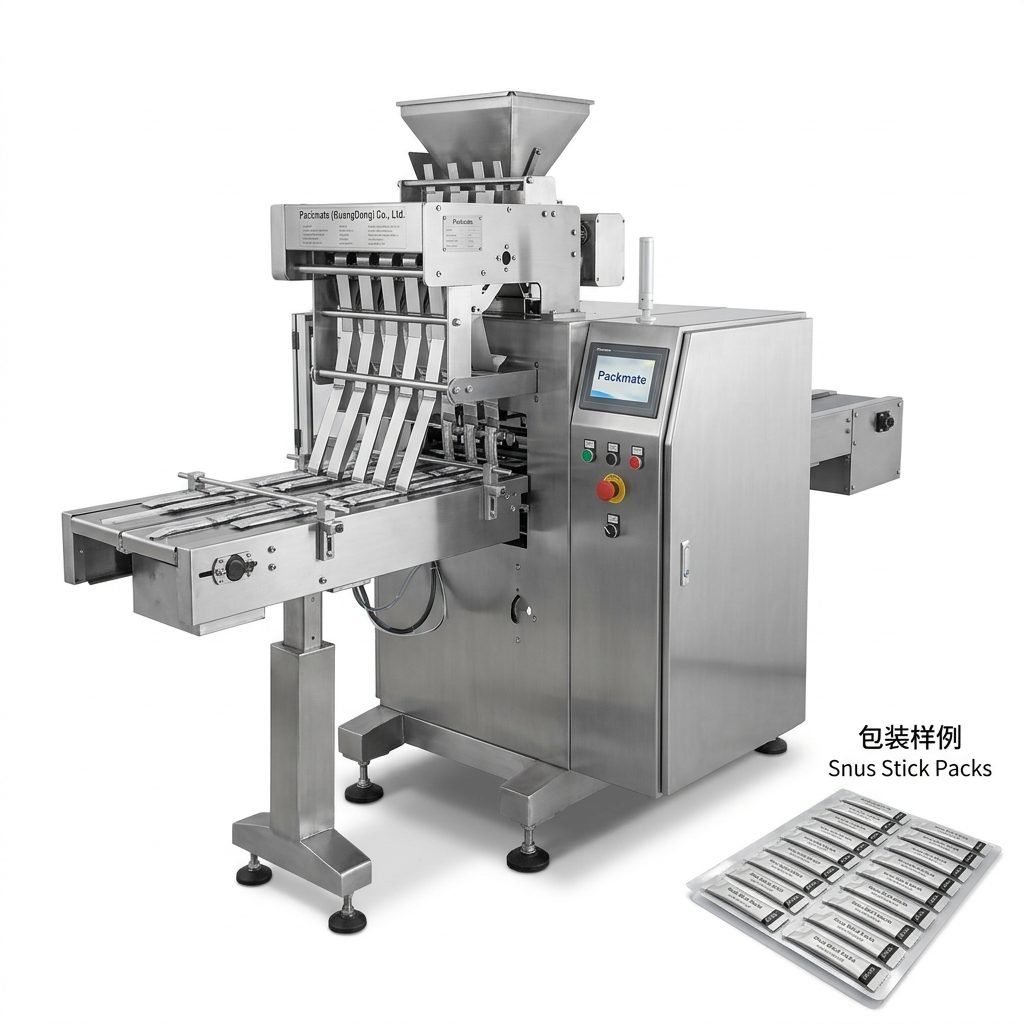
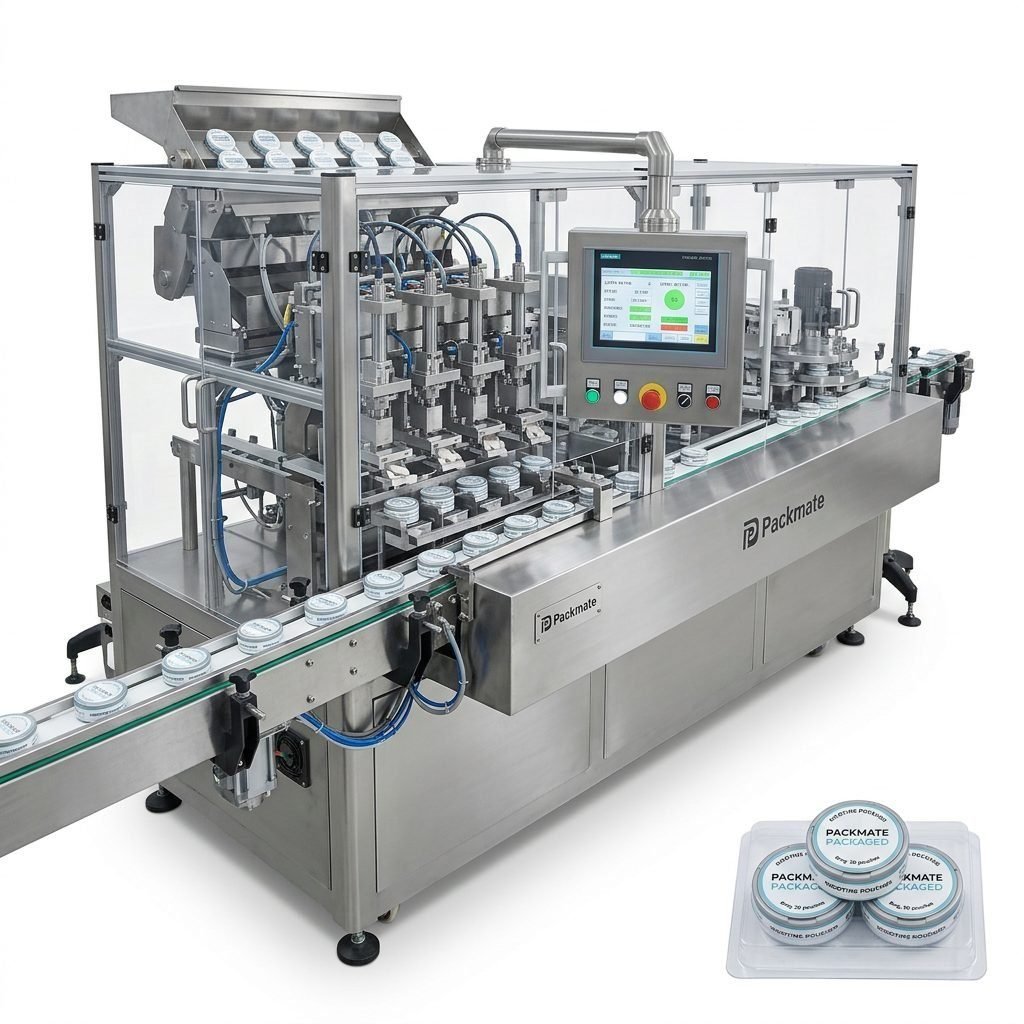
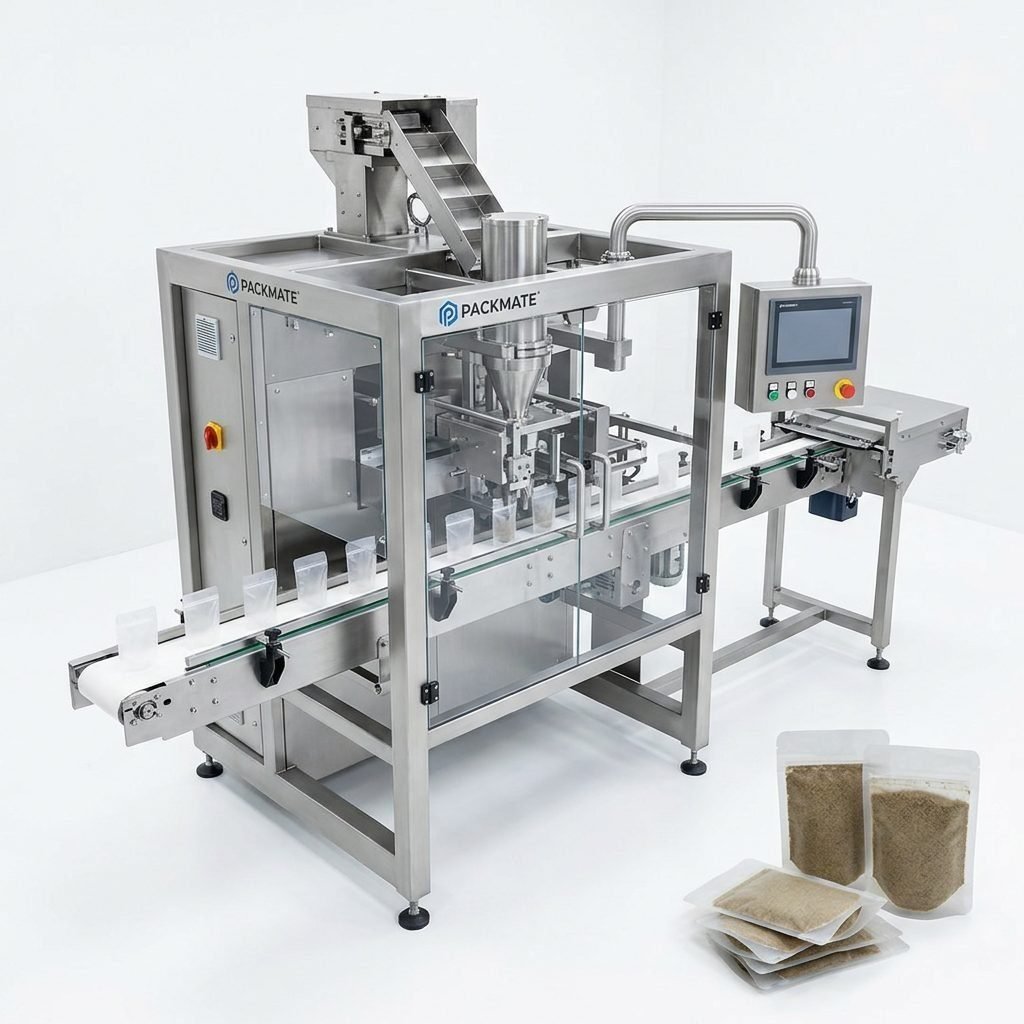
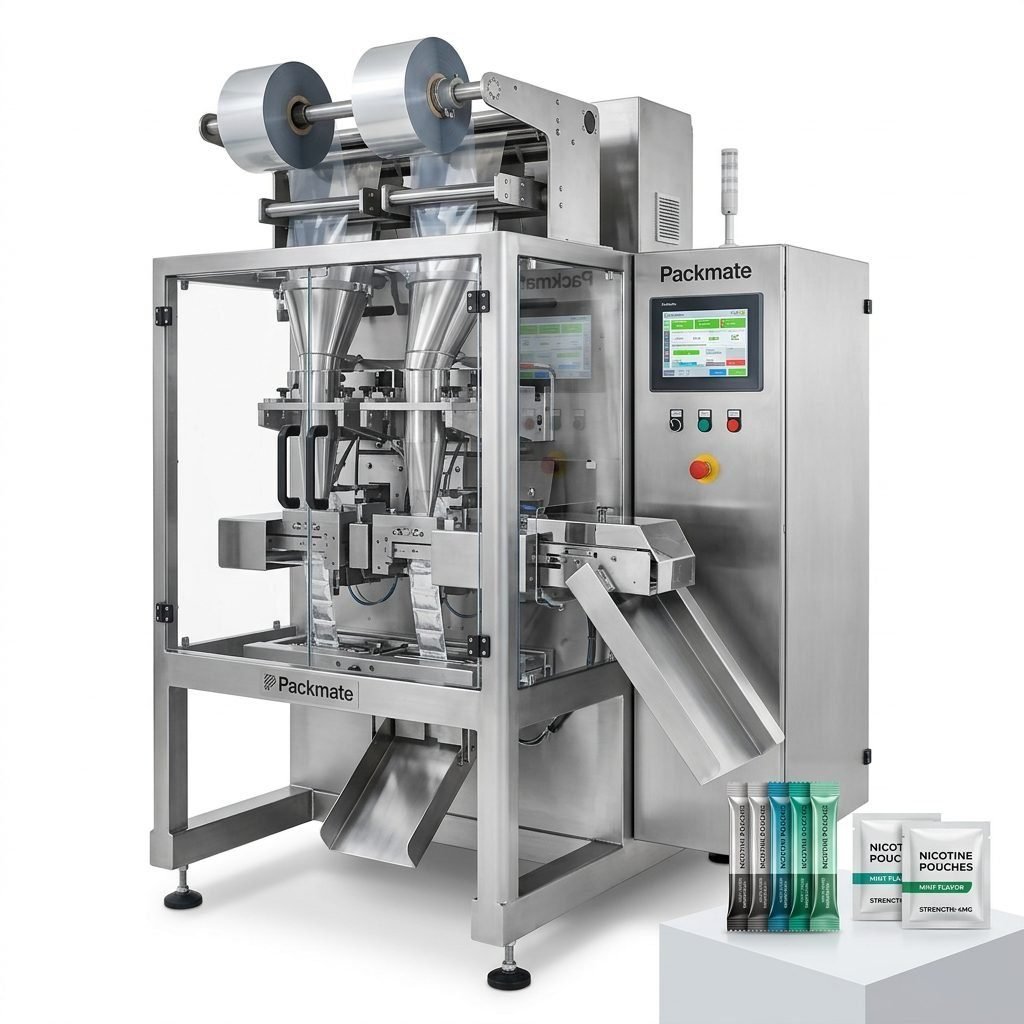
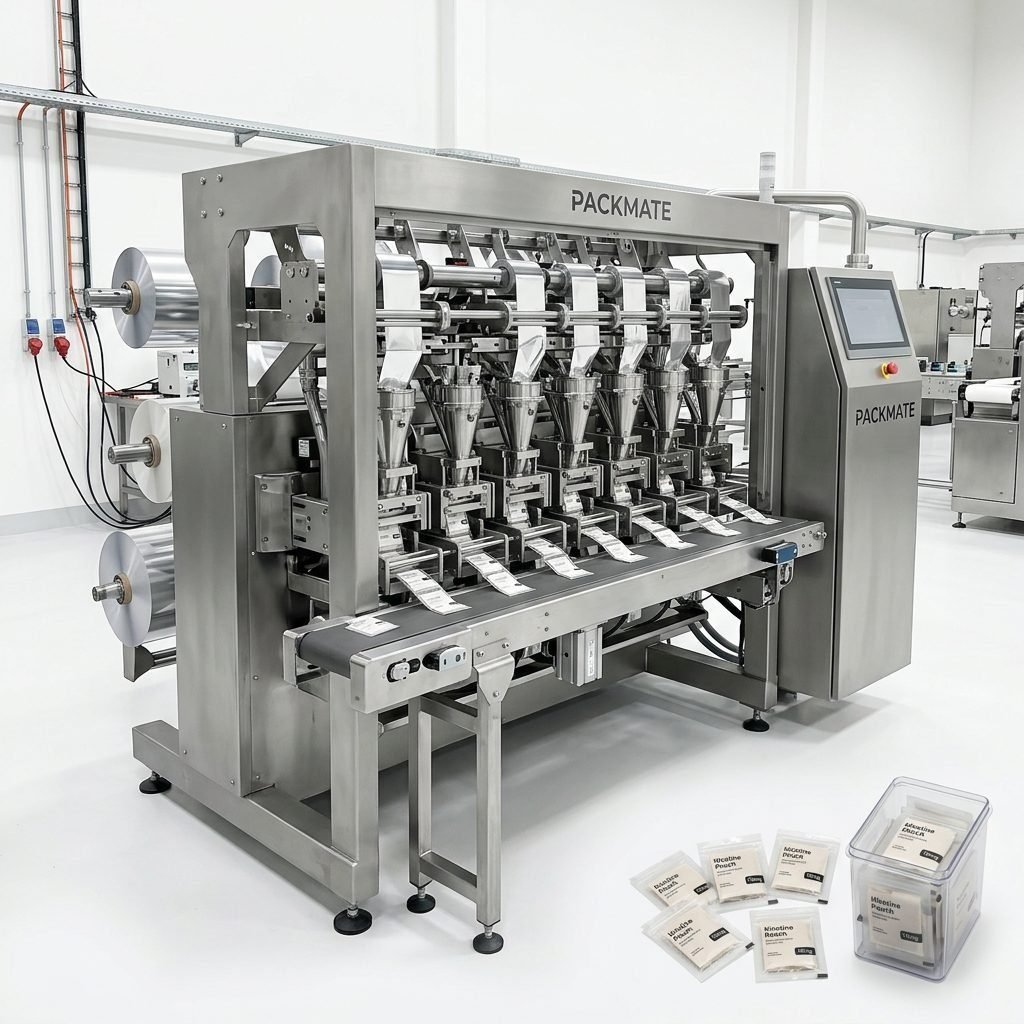
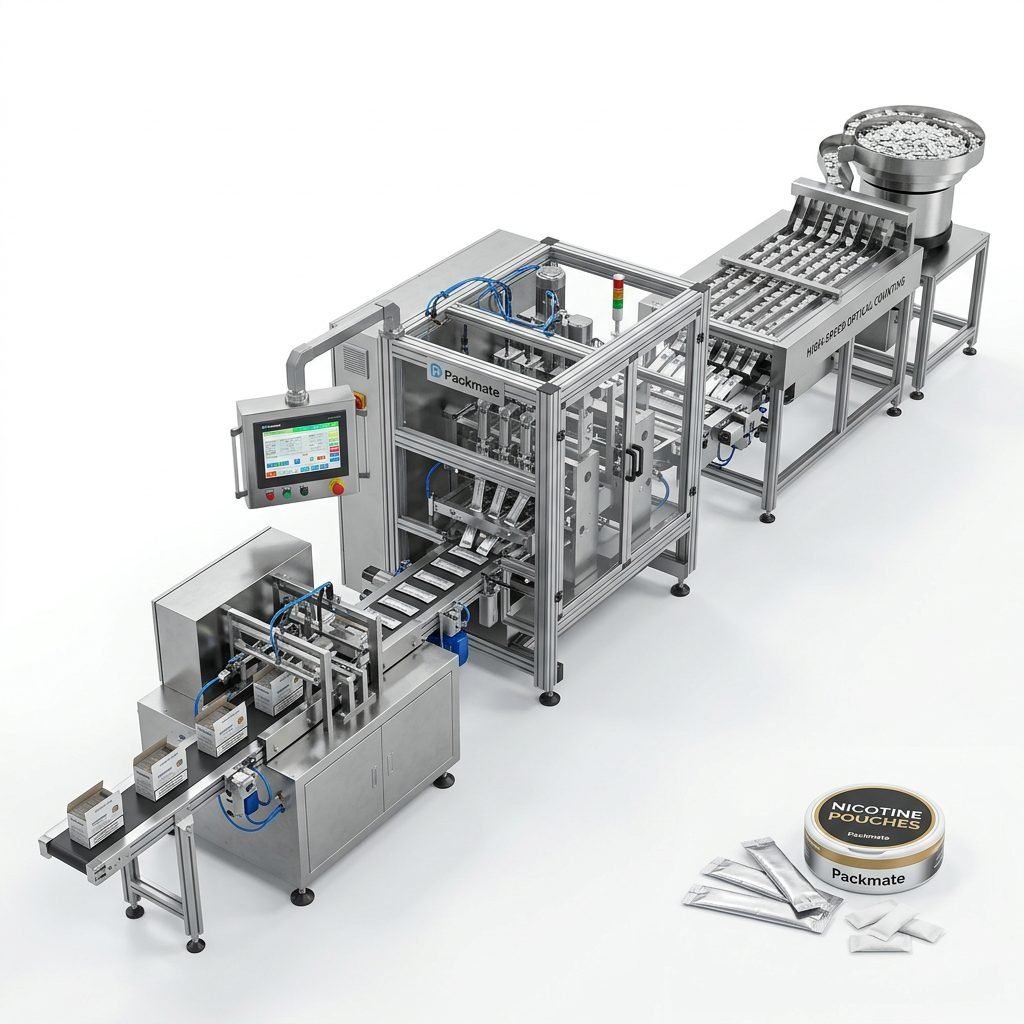
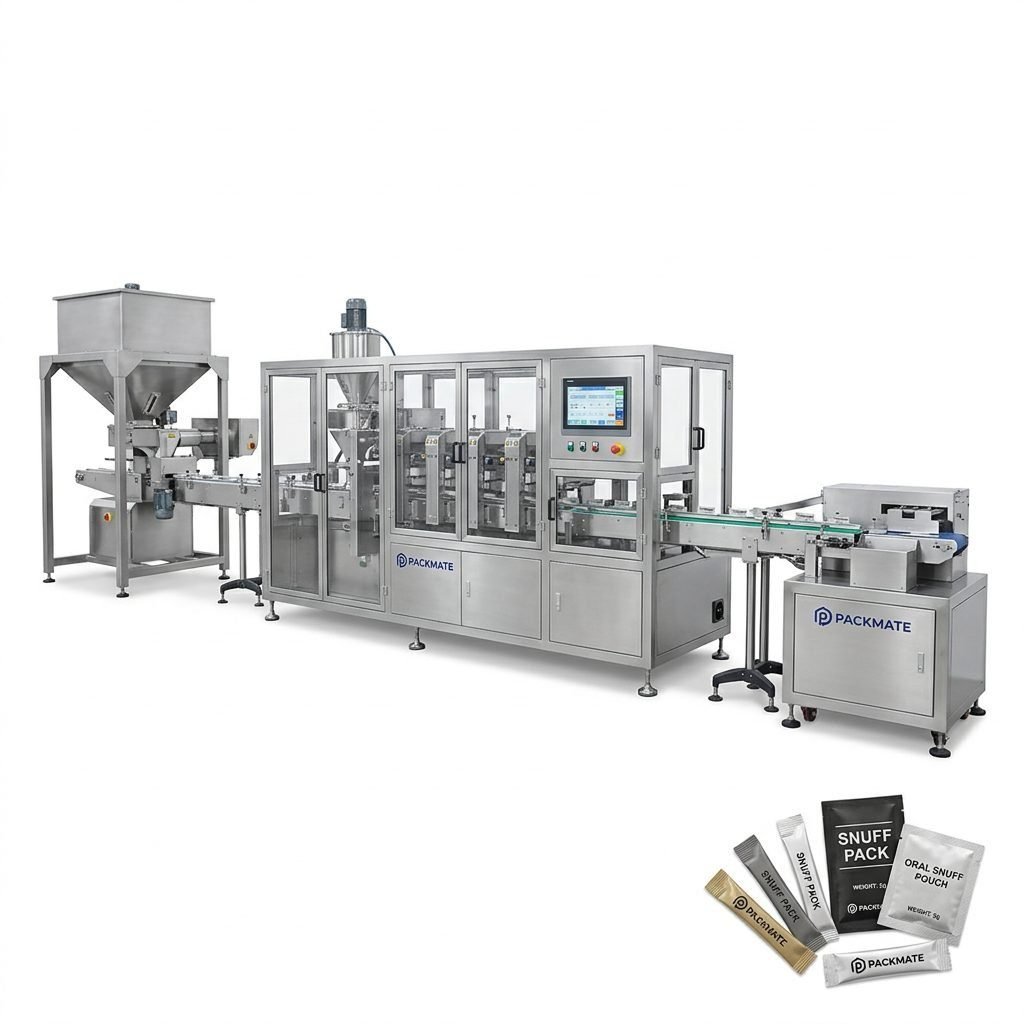
A complete snus production line typically includes primary packaging machines (snus pouch forming, filling, sealing), auxiliary equipment (weighers, conveyors, vibrating feeders, capping or cartoning if required), control systems, and integration services. Prices vary widely based on capacity, automation level, number of lanes, and product format (loose tobacco, nicotine pouch powder, wet/dry formulations). Expect a range from entry-level single-lane OEM systems to high-speed multi-lane turnkey lines.
Quick rule of thumb
⚠️ Typical investment bands (USD): small single-lane lines: $40k–$120k, mid-range automated lines: $120k–$400k, high-speed multi-lane turnkey systems: $400k–$2M+. These are indicative ranges—detailed quotes from manufacturers like Packmate will reflect customization and options.
Key Cost Components
1) Core Packaging Equipment
The primary machine(s) form the largest single capital expense. Costs are driven by machine type (stick pack, sachet, or pouch), lane count, speed (pouches/min), and integration requirements. Multi-lane solutions raise throughput but increase engineering and calibration time. When comparing offers, request OEE and throughput curves rather than only rated speed.
🔧 Tip: Ask for modular options—start with a core machine and add lanes or features later to spread capital expenditure.
2) Auxiliary Equipment & Integration
Weighing systems, vibratory feeders, conveyors, metal detectors, checkweighers, and automated cartoners add 15–40% to equipment costs depending on complexity. Integration, controls programming (PLC/HMI), and wiring are often quoted separately—ensure integration scope is explicit.
3) Installation, Commissioning & Training
On-site installation and commissioning typically add 5–12% of equipment cost. Training operators and maintenance staff is essential—budget for at least 3–7 days of factory and on-site training. Remote commissioning options can reduce travel costs but may lengthen timelines.
4) Civil Works, Utilities & Plant Upgrades
Factory floor preparation, foundations, electrical supply upgrades, compressed air systems, dust control, HVAC and wastewater handling can be significant. Allocate a contingency of 10–25% of capital costs for plant adaptations and utility upgrades.
5) Packaging Materials & Consumables
Film, pouches, sachets, labels, and sealing liners are recurring costs and vary by material choice and print complexity. High-barrier films or custom-printed pouches increase per-unit packaging cost but may be necessary for shelf-life and brand requirements.
6) Quality, Validation & Certification
If you require ISO, CE, or market-specific compliance testing, budget for validation, lab testing, and documentation. For export markets, additional certification or fumigation protocols may apply.
Typical Price Examples (Illustrative)
The following examples are illustrative and will vary by vendor, region, and configuration. Always request a detailed bill of materials (BOM) and service scope.
• Entry-level single-lane pouch line: Machine $40k–$90k + auxiliary $10k–$30k + installation & training $5k–$20k.
• Mid-range automated line (multi-function): Machine suite $150k–$350k + auxiliary $30k–$80k + installation & civil works $20k–$70k.
• High-speed multi-lane turnkey production line: $400k–$2M+ depending on lanes, automation, and hygienic design.
Budget Planning Tips
Sound budgeting anticipates both capital and operating costs. Below are practical tips to prevent overruns and improve long-term ROI.
Prioritize Total Cost of Ownership (TCO)
Look beyond purchase price. Consider energy consumption, spare part lead times, mean time between failures (MTBF), consumable costs, and expected maintenance. A cheaper machine with high downtime may cost far more over five years.
Plan for Spare Parts & Service Contracts
Keep critical spare parts on hand (seals, cutter blades, sensors, belts). Negotiate service response times and spare parts agreements. Manufacturer support and local partners reduce downtime risk—consider available after-sales networks when choosing suppliers.
Validate Through Pilot Runs
Conduct pilot or sample runs before full production to validate recipe handling, dosing consistency, and sealing performance. This reduces costly rework and change orders later.
Negotiate Clear Acceptance Criteria
Acceptance tests should include throughput, seal integrity, weight accuracy, and uptime under defined conditions. Make these criteria part of the contract to avoid disputes.
Financing, Depreciation & ROI
Financing options (leasing, equipment loans) can smooth cash flow. Calculate ROI using conservative production volumes and expected yield. Include depreciation, training, and ramp-up time. Consider manufacturers who provide performance guarantees or trial periods.
How to Choose the Right Supplier
Evaluate suppliers on technical capability, references, factory capacity, and after-sales support. Request factory visit or virtual demos, and ask for case studies showing similar product formats. Packmate’s decades of engineering experience and turnkey solutions are an example of a supplier you can evaluate for snus and nicotine pouch lines.
Useful links for evaluating equipment and services:
• Snus & Nicotine Packaging Machines
• Weighing & Packaging Systems
• Filling & Packaging Lines
• Service & After-Sales
Common Cost Drivers to Watch
✓ Custom tooling and special dosing systems
✓ High-barrier printed pouch materials
✓ Additional lanes or future-proof modularity
✓ Hygienic design and stainless-steel upgrades for wet processes
✓ Market-specific regulatory compliance and testing
Negotiation Checklist
When comparing quotes, verify the following items are included or itemized: delivery DDP/FOB, installation scope, spare parts list, warranty period, training days, acceptance tests and penalty clauses, software license and PLC code ownership, and remote support terms.
Installation & Lead Times
Typical lead time for standard machines ranges from 8–20 weeks depending on customization. Turnkey project delivery (with civil works and utilities) may take 3–9 months. Plan for FAT (factory acceptance testing), shipping, customs clearance, and site commissioning in your project timeline.
Used vs New Equipment
Used equipment reduces upfront cost but can increase risk in spare part availability, undocumented modifications, and lower uptime. If considering pre-owned machines, budget for refurbishment, revalidation, and integration costs.
Final Recommendations
Invest time in supplier selection, insist on clear technical specifications, and include performance-based acceptance criteria. Prioritize long-term reliability and local service capability—these factors usually deliver better ROI than the lowest purchase price.
Packmate capability snapshot
Manufacturers with decades of experience and a wide model range—covering snus packaging, sachet/stick packs, and weighing systems—can simplify integration and ongoing support. Explore product catalogs and case studies when evaluating partners.
Common Questions
Q: How much should I budget for utilities and plant upgrades?
A: Expect to allocate 10–25% of equipment cost for electrical, compressed air, HVAC and minor civil modifications. Complex clean-room or wastewater projects can exceed this.
Q: Are multi-lane systems worth the extra cost?
A: Multi-lane systems increase throughput and lower per-unit capital cost at scale, but they raise complexity, spare parts variety, and changeover time. Choose multi-lane only if projected volumes justify it.
Q: What recurring costs should I expect after installation?
A: Recurring costs include packaging materials, energy, operator labor, preventative maintenance, and periodic spare part replacements (seals, belts, blades, sensors).
Q: How can I lower initial capital outlay?
A: Consider staged investment—purchase core machines first and add auxiliary lines or lanes as volumes ramp. Leasing or financing options can also preserve working capital.
Q: Where can I get more detailed machine specifications and case studies?
A: Review manufacturer resources such as product pages and case studies to compare models, or contact the supplier for tailored quotes and FAT demonstrations. See examples at Case Studies and the About Packmate page for company background.