Choosing the right snus packaging machinery manufacturer in Poland requires attention to local regulations, production capacity, equipment reliability, and after-sales support. This guide walks you through practical steps and key considerations so you can select a supplier that meets EU compliance, supports your scale-up plans, and fits Polish market habits and expectations.
Market context in Poland: what you need to know
Poland is part of the European Union, where traditional snus (tobacco pouches) faces strict sale restrictions, but nicotine pouches and nicotine-free sachets have growing demand through alternative nicotine and consumer wellness channels. Polish consumers appreciate high-quality packaging, clear labeling in Polish, and products that meet EU safety and hygiene standards. When sourcing machines locally or internationally, prioritize manufacturers that understand EU certification and can provide Polish-language documentation and training.
Regulation & compliance (practical checklist)
✅ Ensure machines and lines comply with CE and ISO standards. Look for suppliers who can demonstrate certification and testing traceability. Manufacturers with experience exporting to EU customers will be familiar with documentation, hygiene design, and electronic safety requirements.
⚠️ Pay attention to labeling capabilities — if packaging lines cannot integrate variable data printing in Polish (batch, expiry, warnings), you may face regulatory or market-readiness issues.
Polish consumer habits that affect packaging choices
Polish customers value discreet, neat packaging and reliable resealable formats. Thin, multi-pouch cartons or tins are popular for portability. Machines that support tight sealing, tamper indicators, and compact secondary packaging will align better with Polish retail presentation and consumer expectations.
Key machine types & features for snus/nicotine pouches
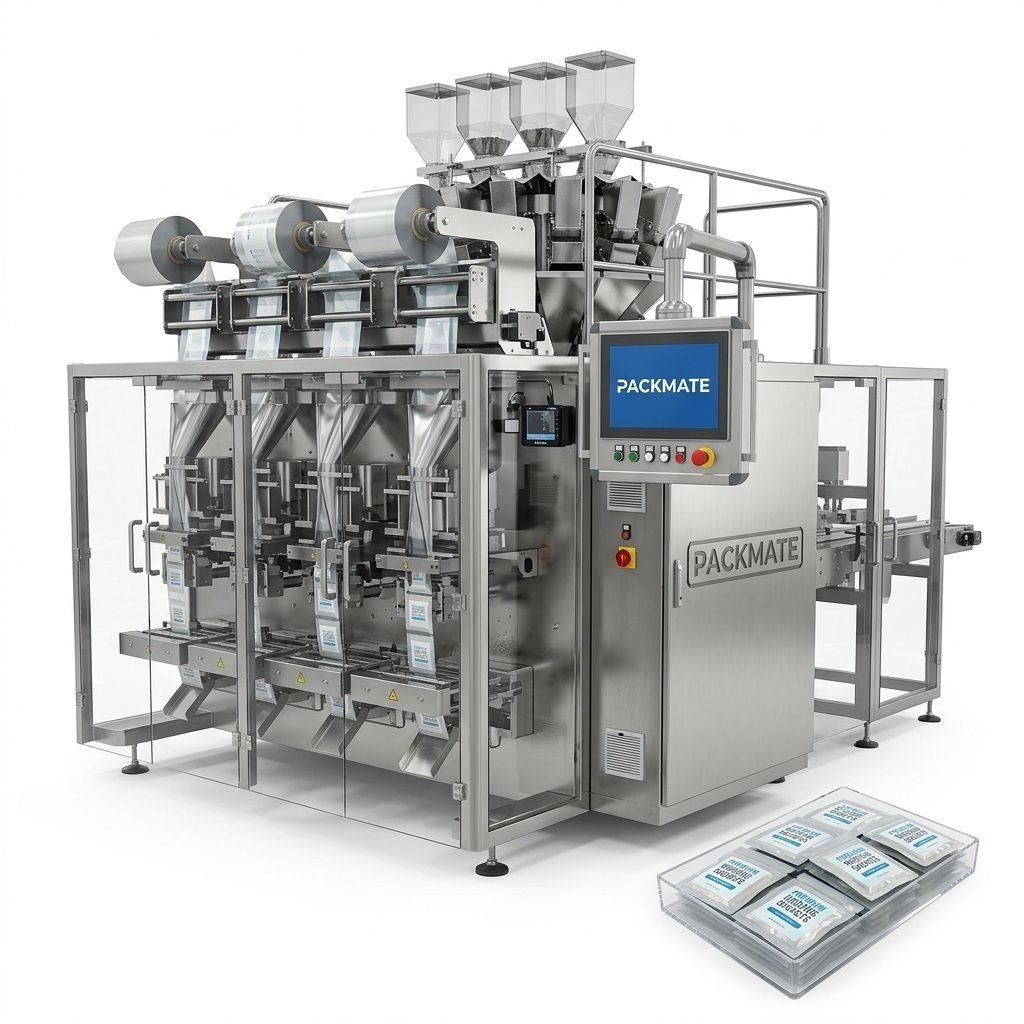
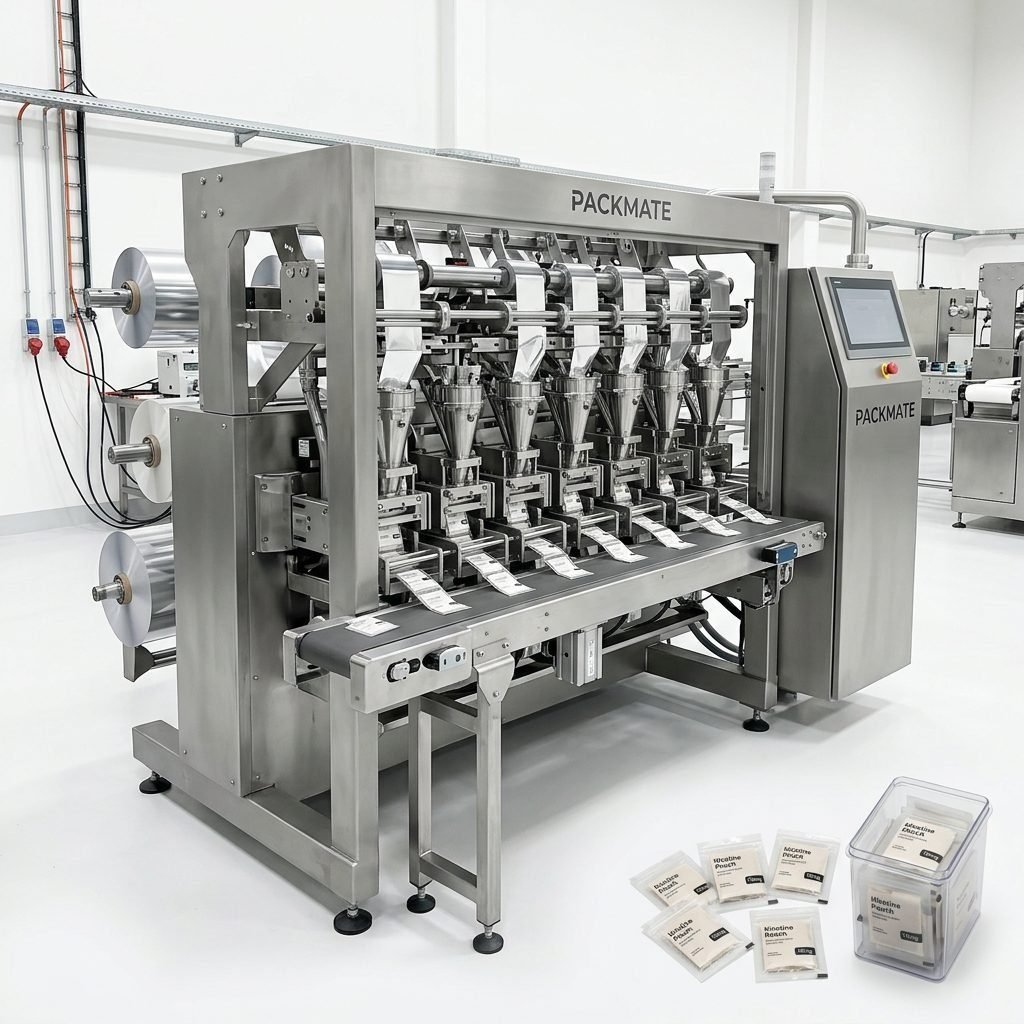
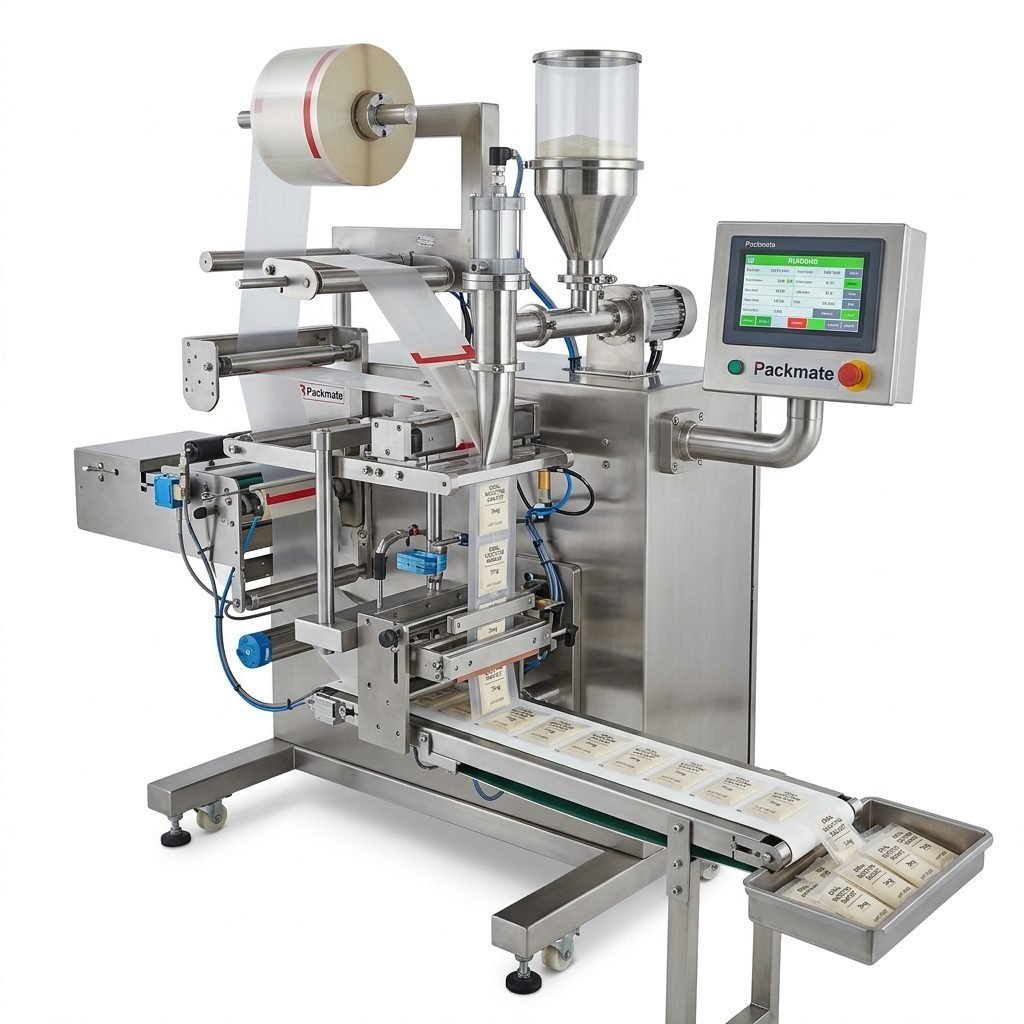
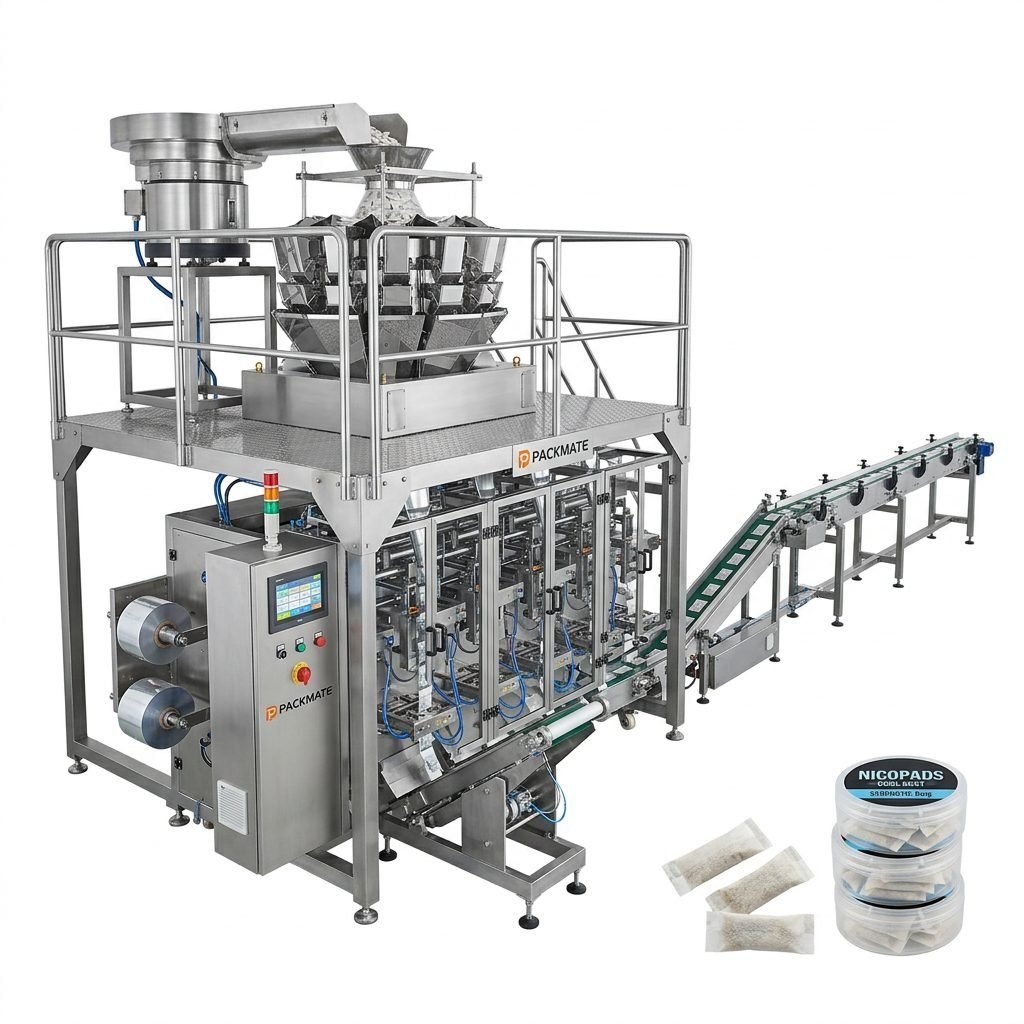
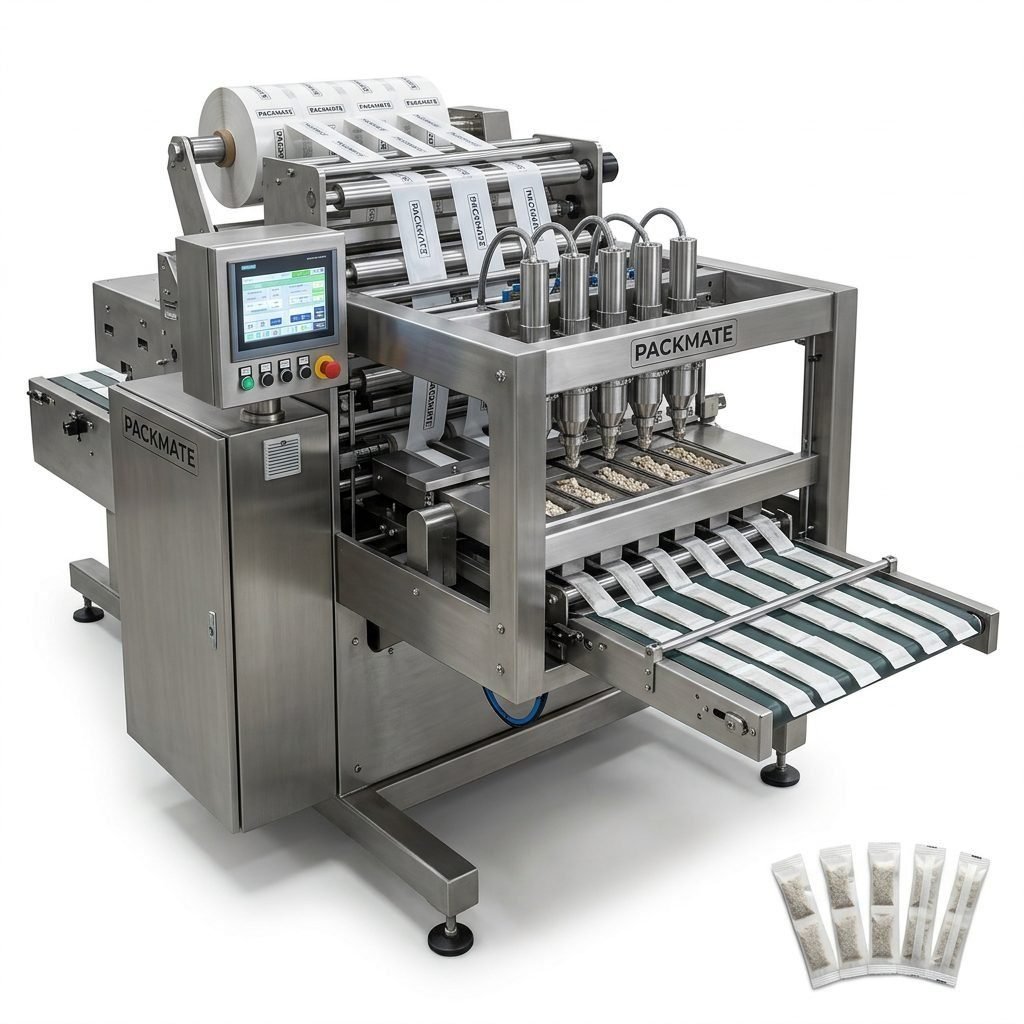
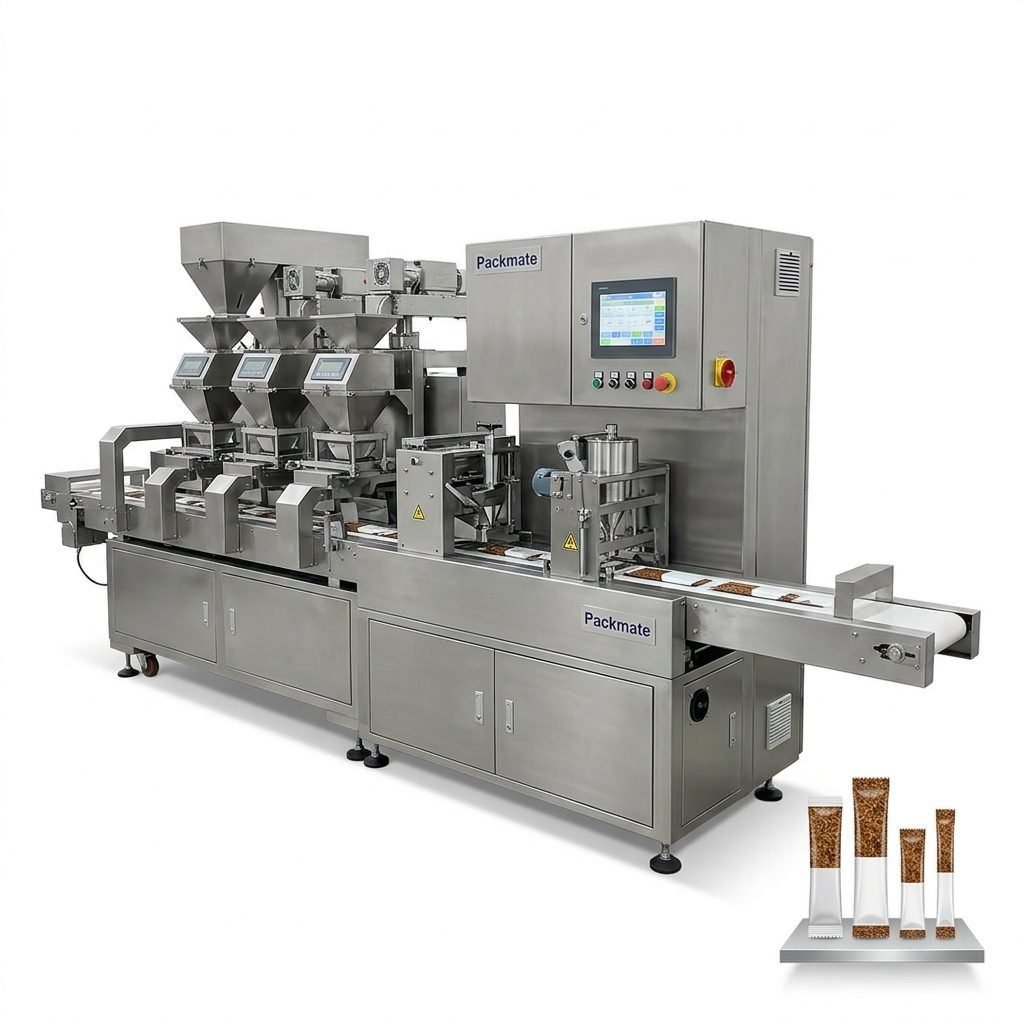
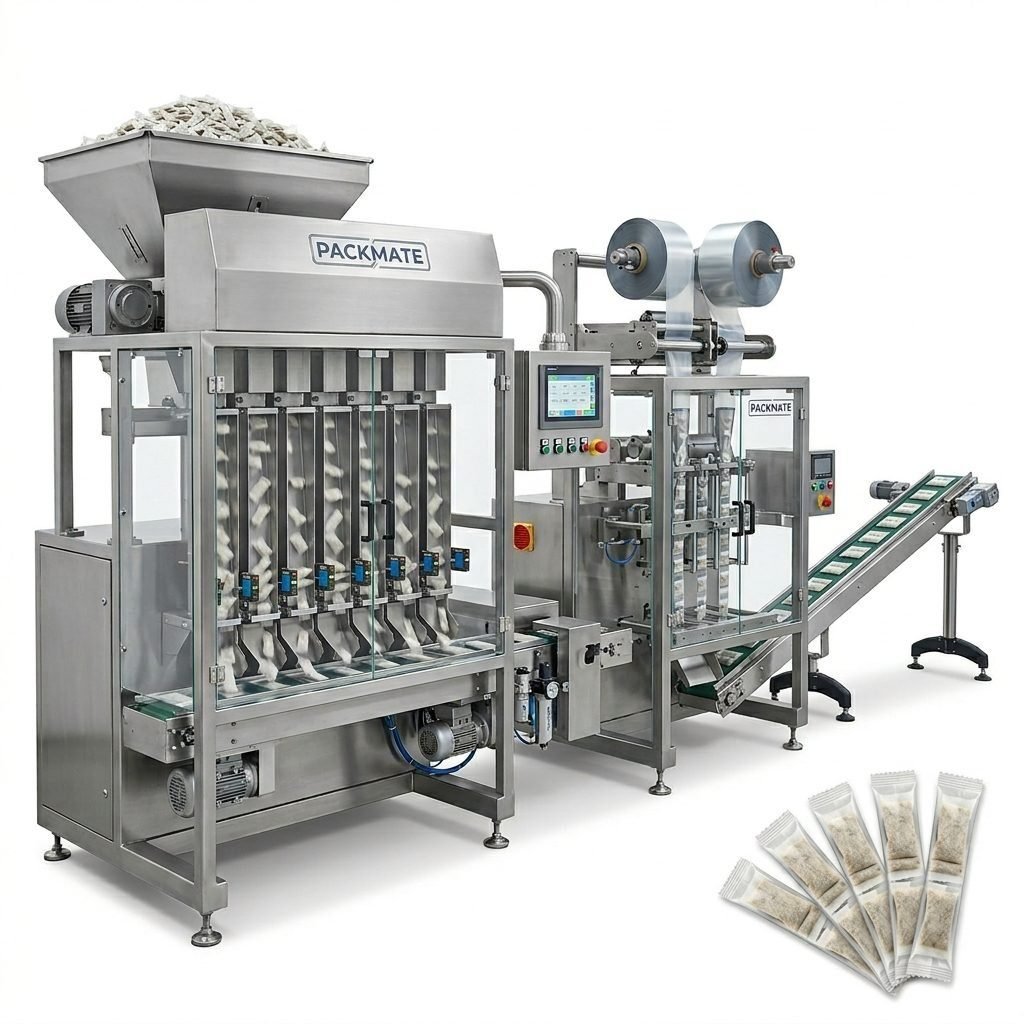
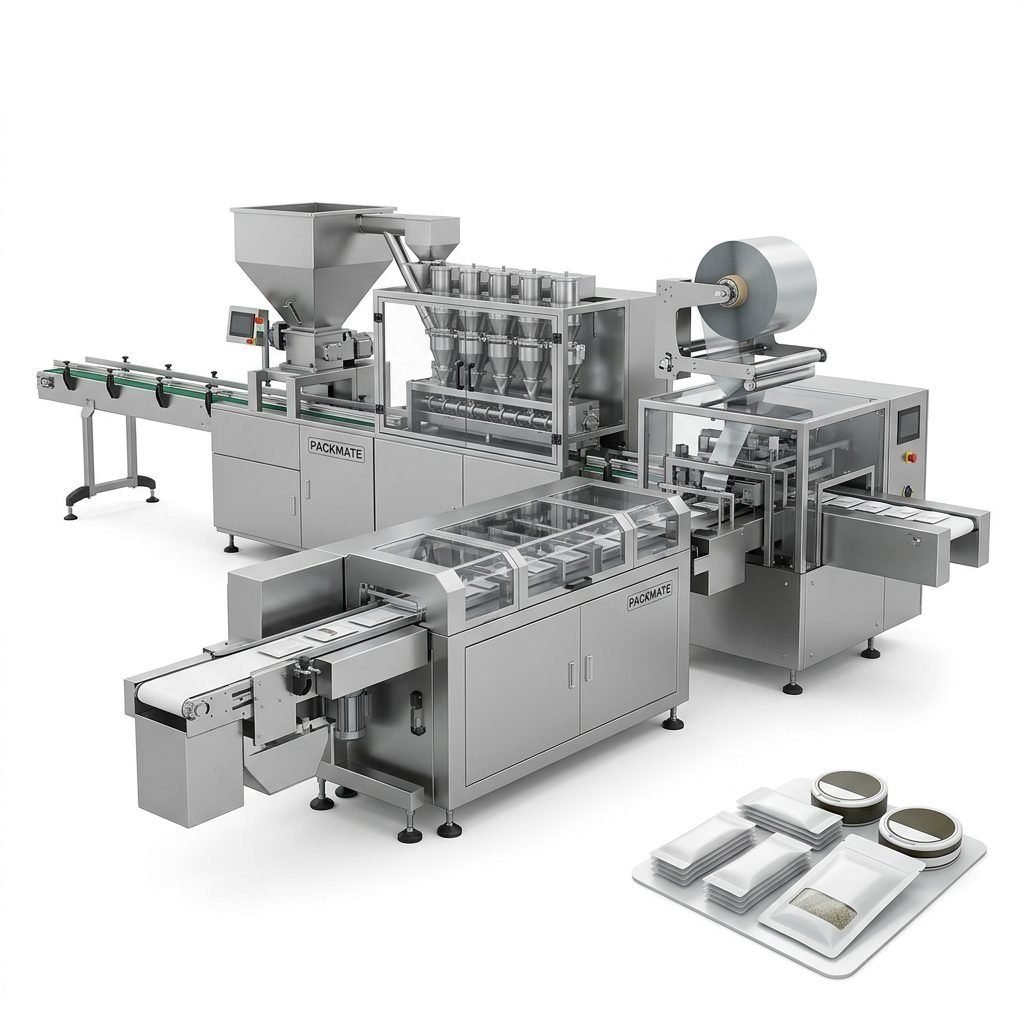
When evaluating manufacturers, verify they offer the machine types that match your product design and output goals: stick pack, sachet, multi-lane pouch machines, and downstream filling & packaging lines. Manufacturers with a broad portfolio can integrate your full line from feeding to secondary packaging.
For examples of diverse equipment ranges, review manufacturers that publish product categories such as Snus & Nicotine Packaging Machines and Filling & Packaging Lines.
Throughput, accuracy and lane configuration
Decide on production speed and lane count early. Multi-lane systems can dramatically increase output but require precise synchronization. Ask for validated speed metrics and real-world case studies showing run hours per month for similar products. Manufacturers that provide multi-lane snus lines and modular upgrades are ideal when planning phased capacity increases.
Evaluating manufacturer reliability and engineering strength
Look for a manufacturing partner with decades of engineering experience, modern CNC machining, and an organized assembly process. A factory footprint of substantial size and a range of models suggests stability and R&D depth — important if you expect custom features or future expansions.
📌 Recommended proof points to request: production plant photos, CAD drawings for your line, machine uptime statistics, spare-parts inventory, and examples of CE/ISO certificates. Companies with public case studies or exhibition presence demonstrate transparency and active customer engagement. See a manufacturer profile and case history example About Packmate and Case.
Why after-sales matters in Poland
In-market technical support is crucial. Polish clients often prefer local technicians or fast-response remote support in English and, if possible, Polish. Ensure spare parts availability and a clear support SLA. Ask whether the supplier has EU spare parts stock or local partners to reduce downtime.
Customization, scalability and turnkey capabilities
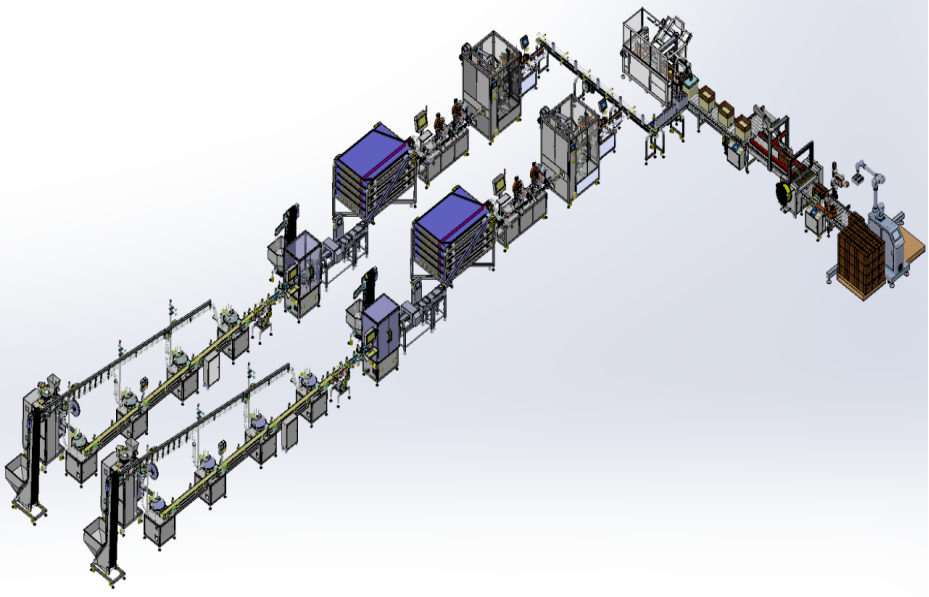
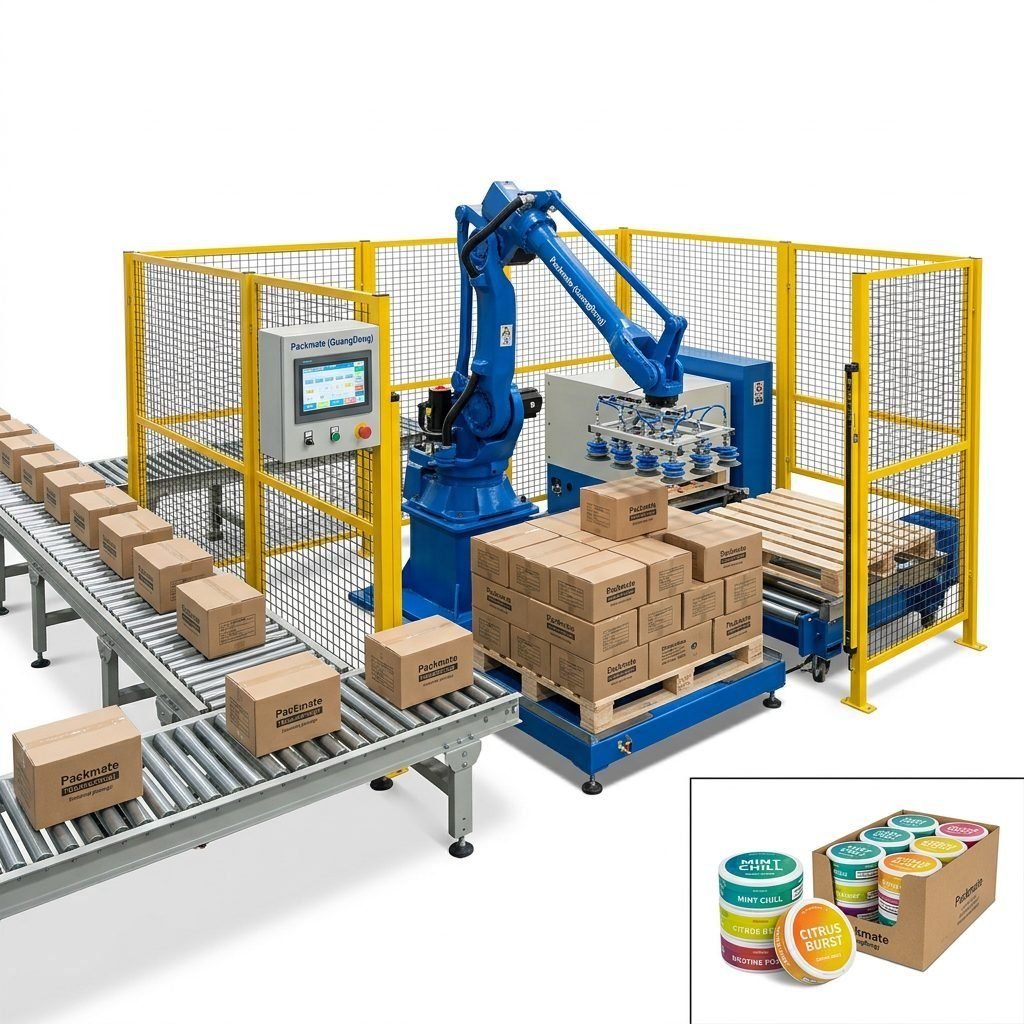
Seek manufacturers that offer turnkey solutions — from weighing, filling, and pouch forming to case packing and palletization. A turnkey supplier can reduce integration risk and shorten time-to-market. If you require custom pouch sizes, unique resealing solutions, or special materials handling, validate the vendor’s R&D cycle and prototyping options.
If you want to explore complete systems, look at companies that publish their integrated product suite such as Weighing & Packaging Systems and Auxiliary Packaging Equipment.
🔍 Quick decision framework: define your target daily output, required pouch format(s), secondary packaging, and regulatory labeling. Ask potential suppliers for a line layout, OEE (Overall Equipment Effectiveness) projections, and upgrade path. A credible manufacturer will offer modular upgrades and clear ROI scenarios.
Quality control, testing & certifications
Verify that the manufacturer has strict quality testing systems and CNC capabilities for precise parts. Request machine test reports and acceptance criteria. CE and ISO compliance are baseline requirements; suppliers with documented FAT (Factory Acceptance Testing) procedures and on-site commissioning reduce project risk. You can review certificates and standards examples on manufacturer pages such as Certificate.
Technology trends to prioritize
– Servo-driven axes for speed and precision
– Integrated vision systems for pouch seal inspection
– PLC/HMI interfaces with recipe management and remote diagnostics
– Modular feeder systems for different pouch materials and sizes
Commercial terms, lead time & installation
Clarify lead times, payment terms, warranty, and commissioning packages. For Poland, plan for customs clearance, CE documentation for importation, and any local electrical or machine adaptations. Confirm whether the supplier assists with installation or provides remote commissioning support.
If you need brochures or a technical catalog to compare models and spare parts lists, ask for the Catalog and a detailed technical offer. Also check exhibition calendars — reputable manufacturers exhibit globally, which can allow you to see machines in person: Our Exhibition.
📌 Negotiation tips: request a performance guarantee, spare parts lead time commitment, and a clause for remote support response times. Consider an acceptance test at the factory before shipment and include Polish-language operator manuals where possible.
Spotlight: What to expect from an experienced supplier
An experienced supplier will provide:
• Proven multi-lane systems and flexible machine models
• Factory capacity with advanced CNC and precision assembly lines
• Turnkey line integration, FAT reports, and CE/ISO certifications
For example, companies with more than 30 years of R&D and a 20,000㎡ manufacturing site typically have the infrastructure to offer customized and scalable solutions. You can learn about one such supplier’s profile and services at About Packmate and explore their machine categories on product pages like Sachet & Stick Pack Machines.
Red flags to avoid
⚠️ Vague documentation, no FAT, unclear warranty clauses, or inability to share customer references. Limited spare-part availability or no remote diagnostic capabilities are also major concerns for operations in Poland and the wider EU market.
Final selection steps & next actions
1) Shortlist 3–5 manufacturers that meet EU standards and have relevant case histories.
2) Request machine demonstrations (video or live), FAT procedures, and detailed quotes including shipping, installation, and spare parts.
3) Compare total cost of ownership: energy, maintenance, spare parts, and training expenses.
4) Negotiate clear SLAs for support and spare-part delivery to Poland.
To contact a supplier for more information or personalized solutions, use the manufacturer’s contact portal such as Contact Us and review service offerings at Service.
Decision checklist (compact)
🔎 Confirm: CE/ISO certificates, FAT & QA reports, spare parts availability, EU references, language support, local documentation, and realistic lead times.
FAQs
Q1: Can I buy snus packaging machines for Poland even though snus sale is restricted in the EU?
A1: Yes — you can purchase machines to produce nicotine pouches, herbal sachets, or for export markets. Ensure your intended product complies with Polish and EU laws, and discuss labeling capabilities and material compatibility with the manufacturer.
Q2: How important is local support for machine downtime in Poland?
A2: Very important. Fast spare parts delivery and remote diagnostic support reduce downtime. Prefer suppliers with EU spare stock or local service partners, and confirm SLAs before purchase.
Q3: What are typical lead times for a turnkey snus/nicotine pouch line?
A3: Lead times vary by customization level. Standard modular lines may ship in months, while fully customized turnkey systems often require 4–12 months. Always include FAT and installation time in your plan.
Q4: Should I choose multi-lane machines or single-lane for a new Polish brand?
A4: If you expect rapid scale-up or plan multiple SKUs, multi-lane systems are more efficient. For low-volume startups, single-lane or modular lines minimize initial CAPEX and allow future upgrades.
Q5: Where can I verify a supplier’s credentials and see past projects?
A5: Check manufacturer case studies, exhibition presence, and certificates. Many suppliers publish their project cases and certificates online — for example see the Case page and Certificate section for verification.