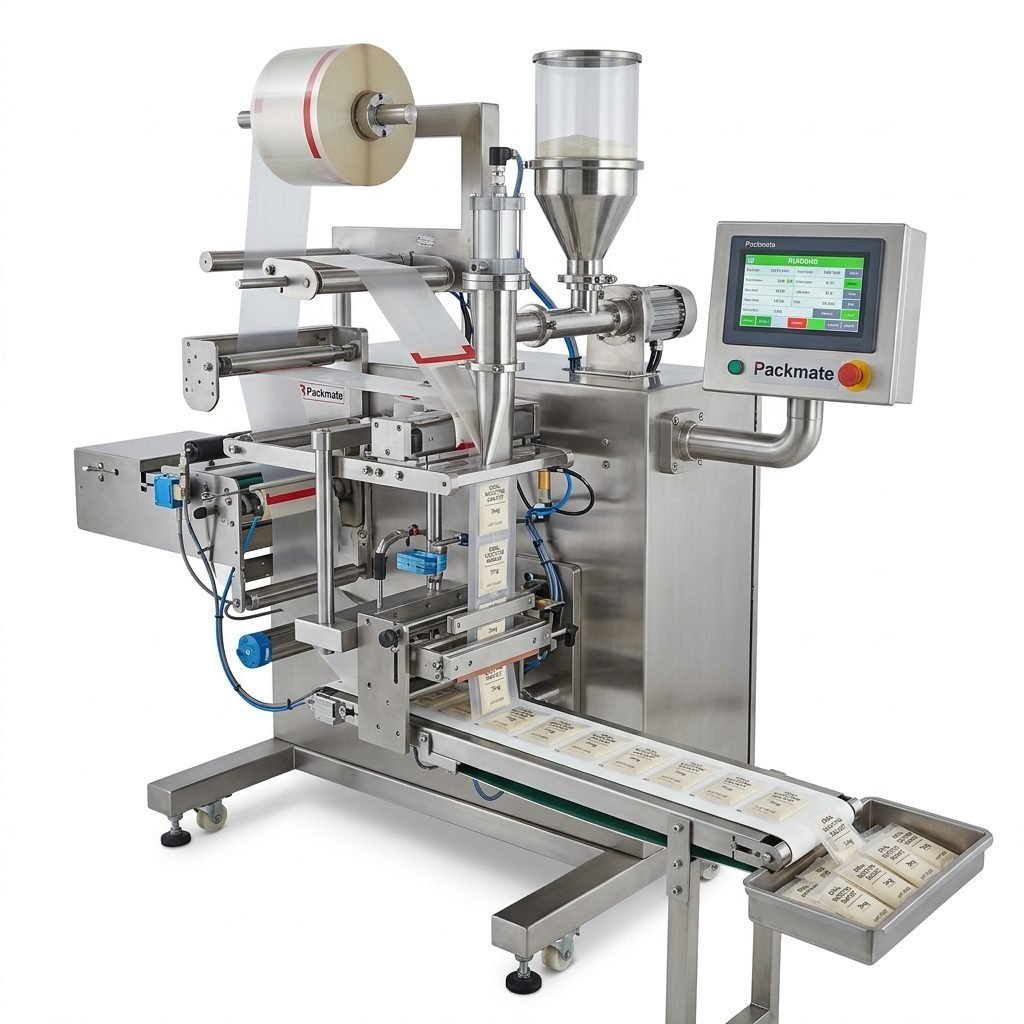
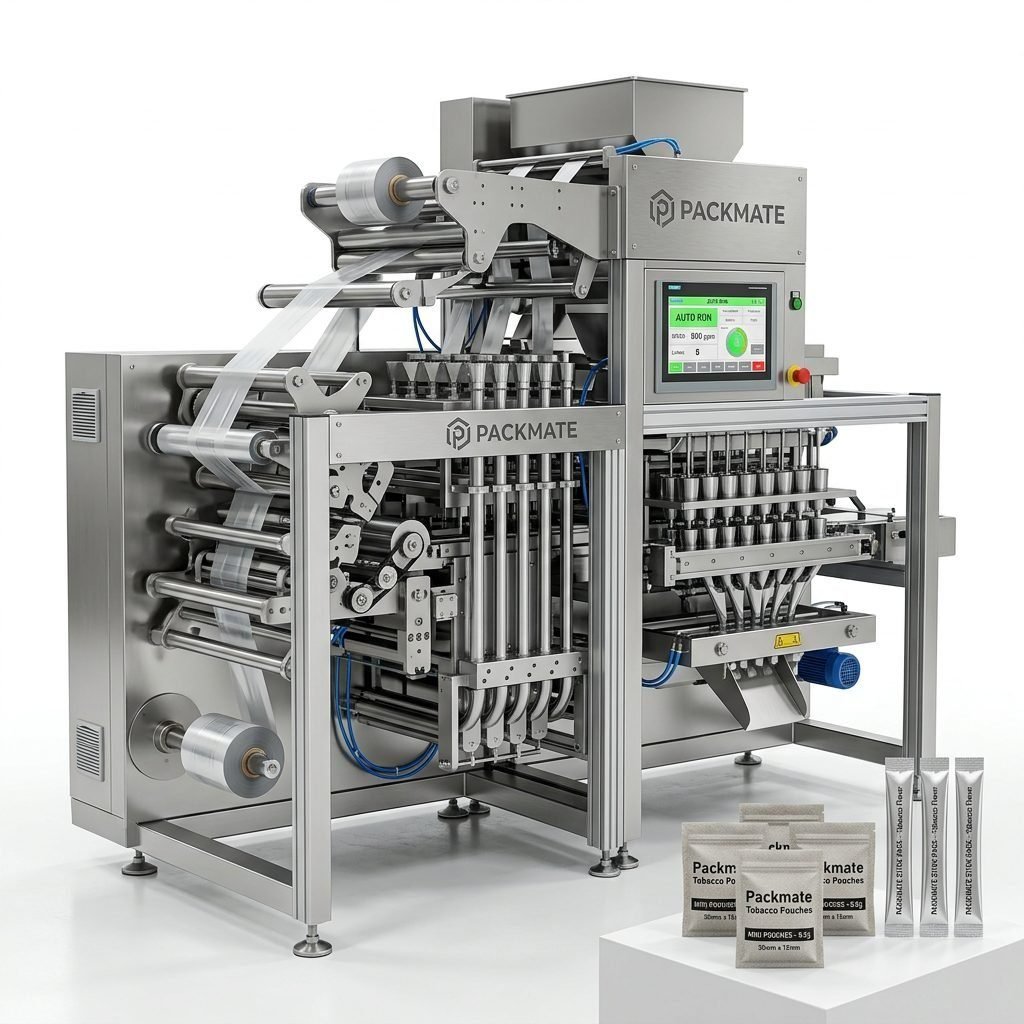
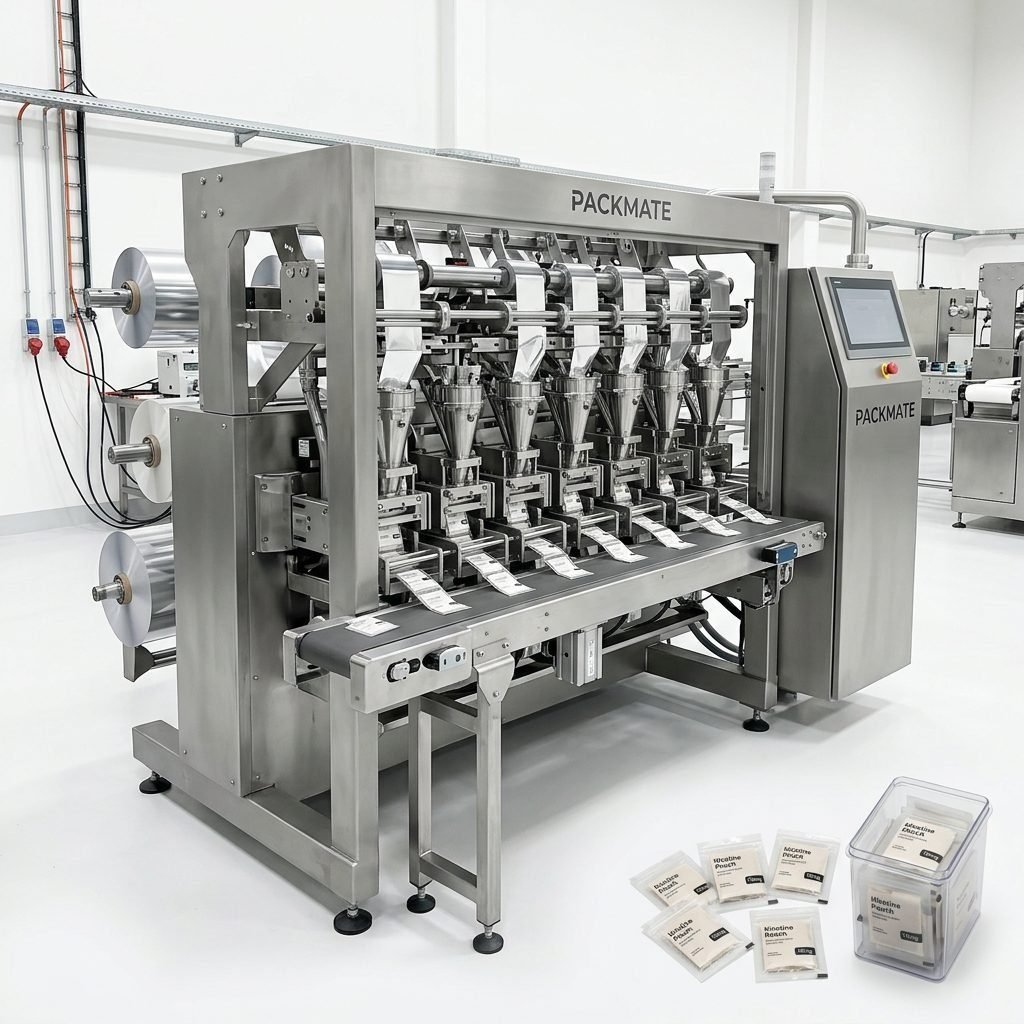
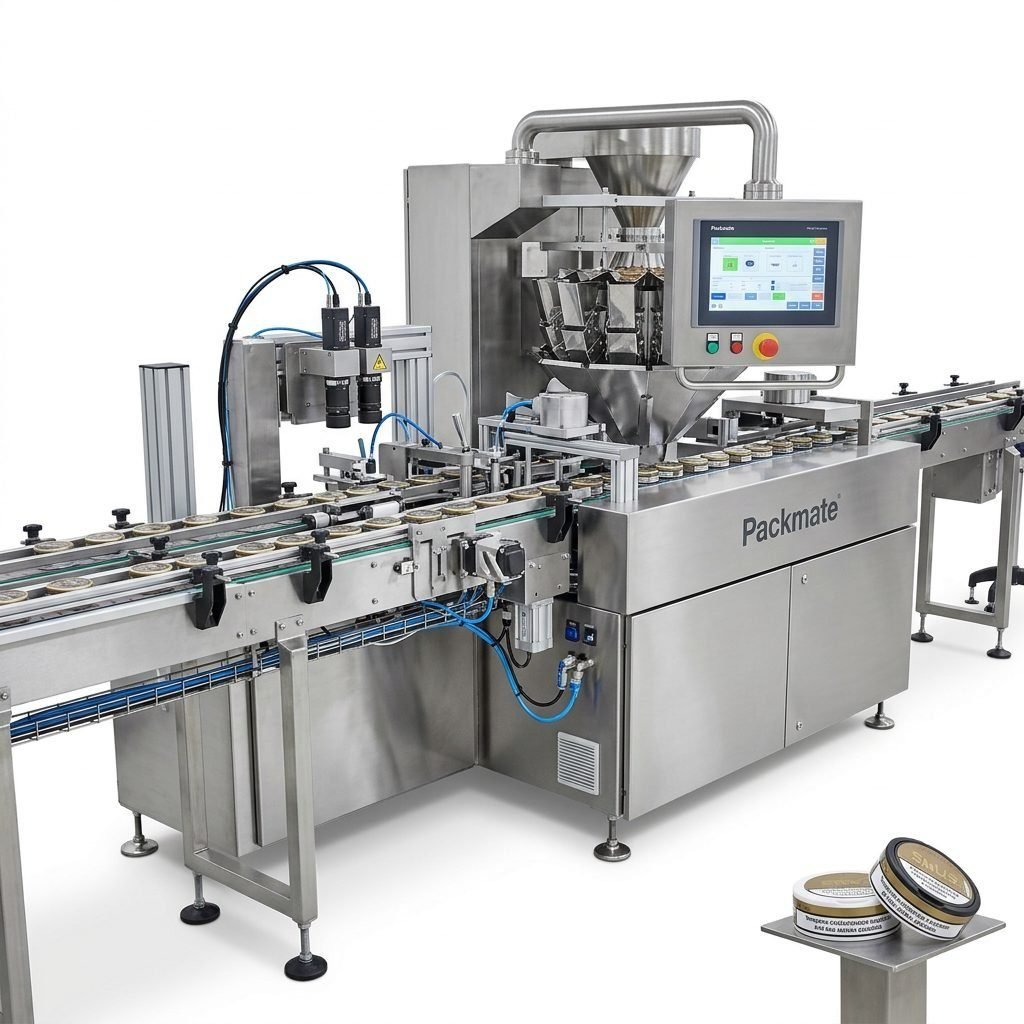
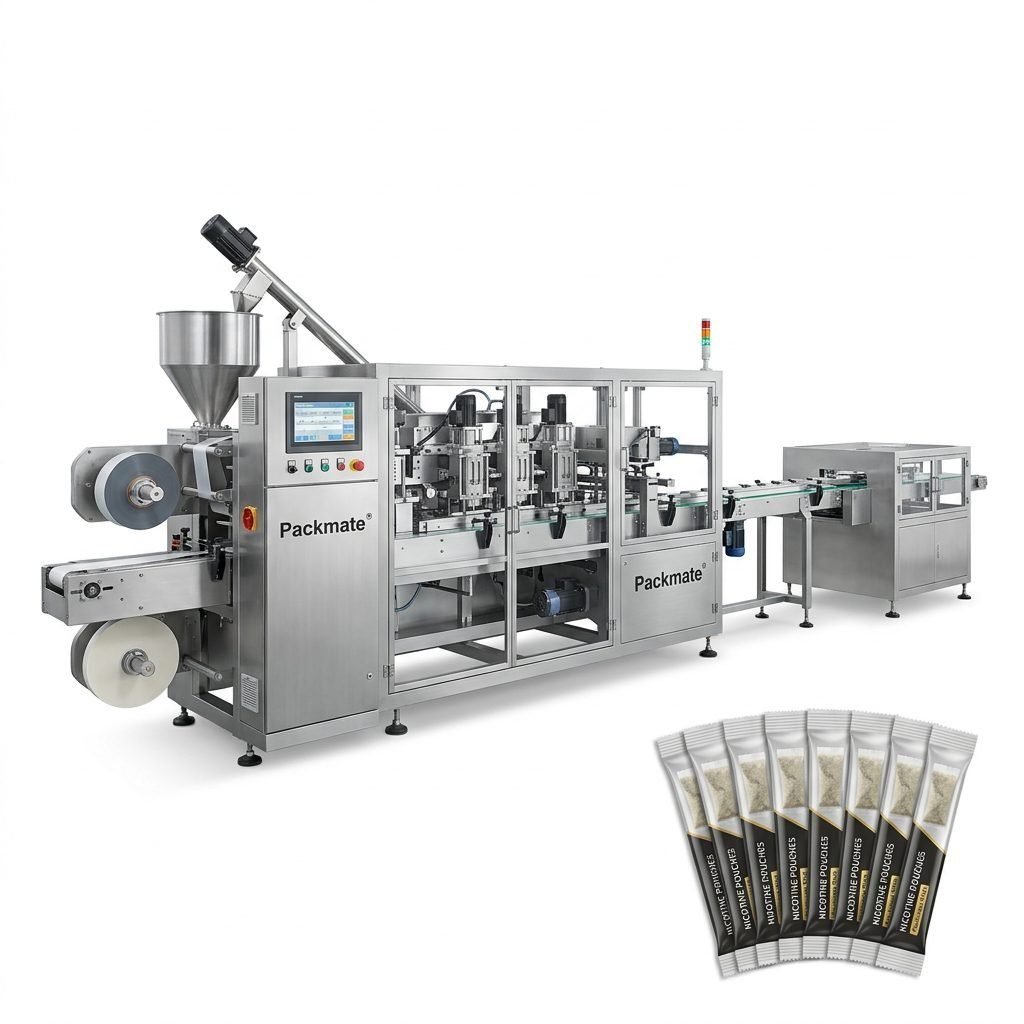
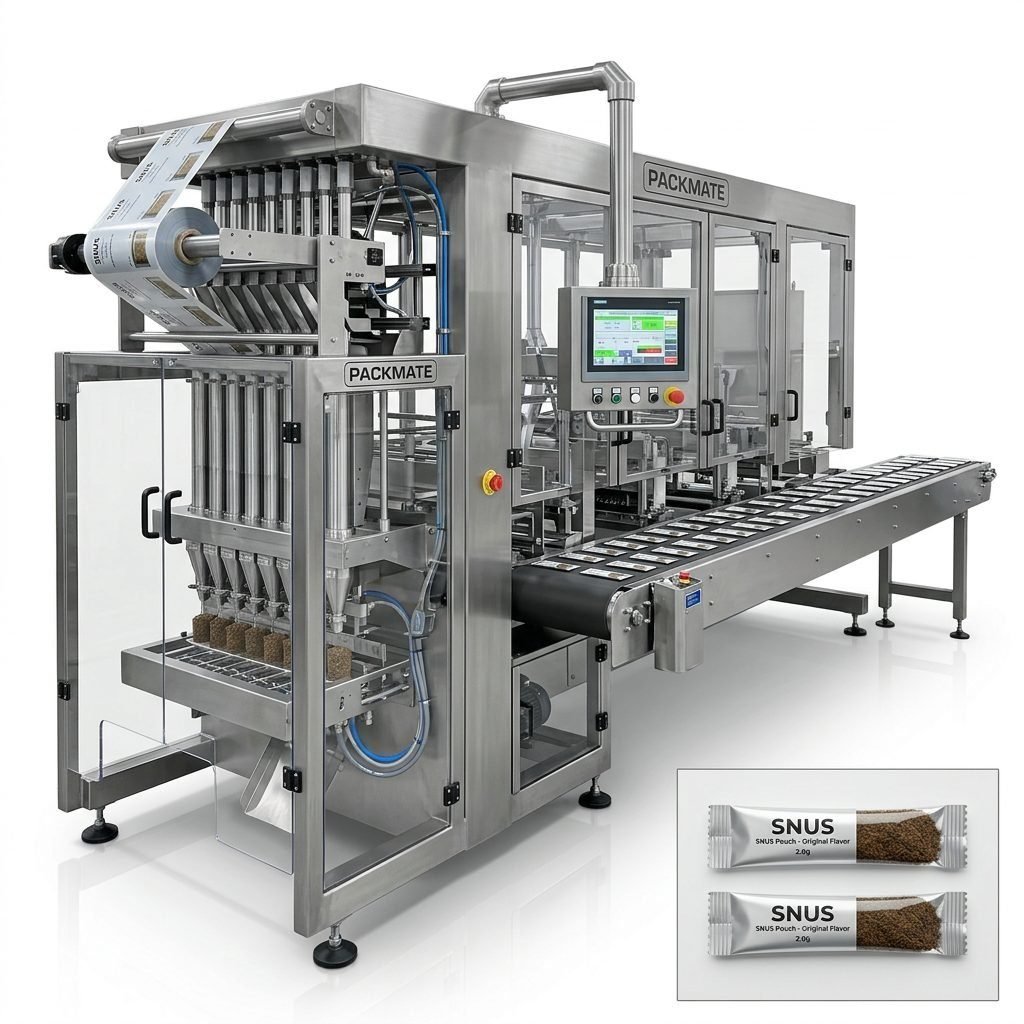
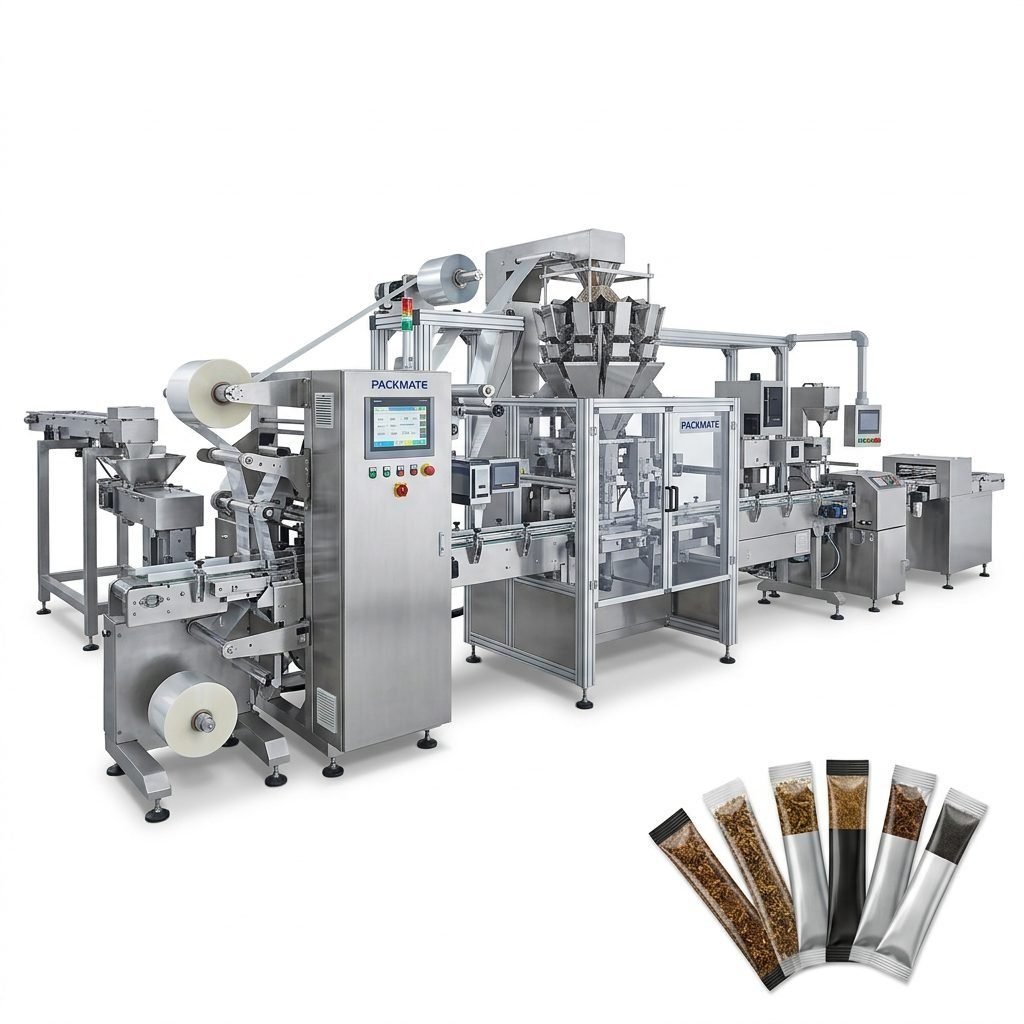
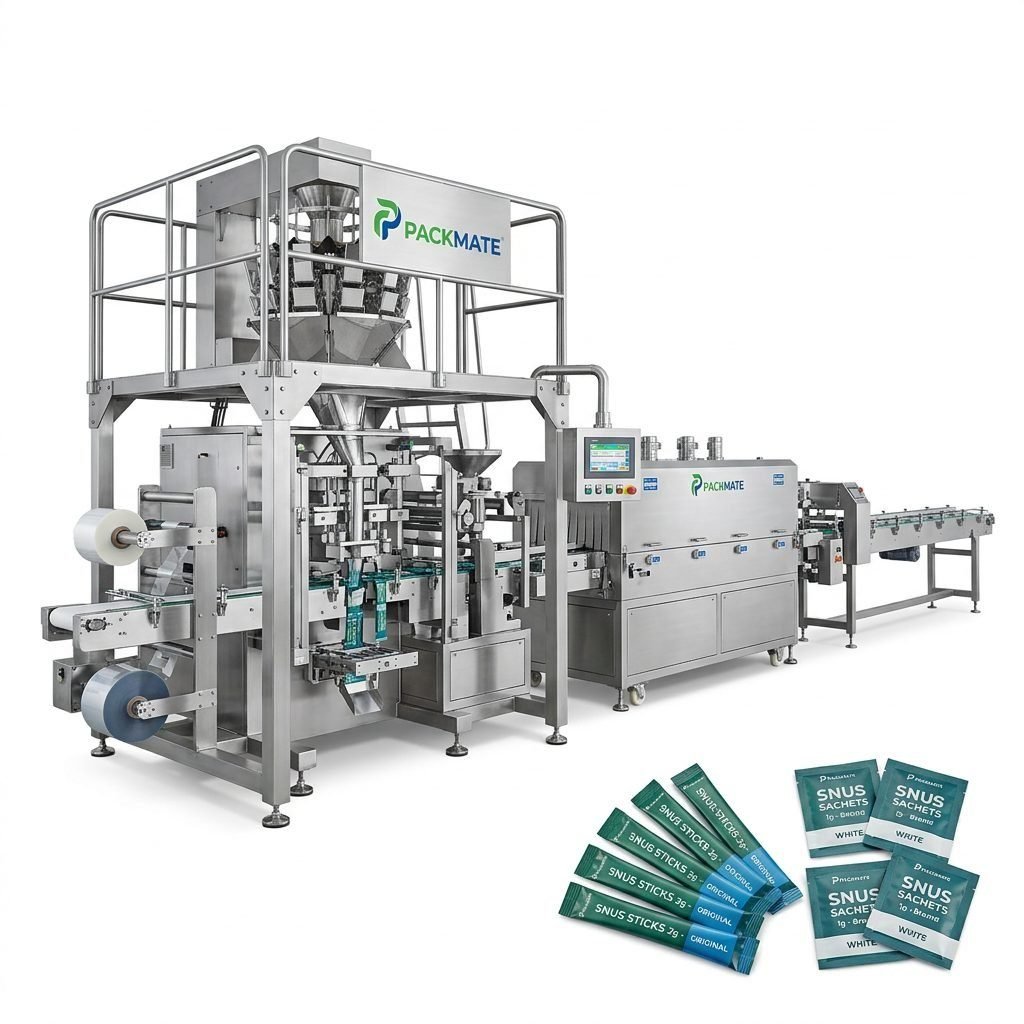
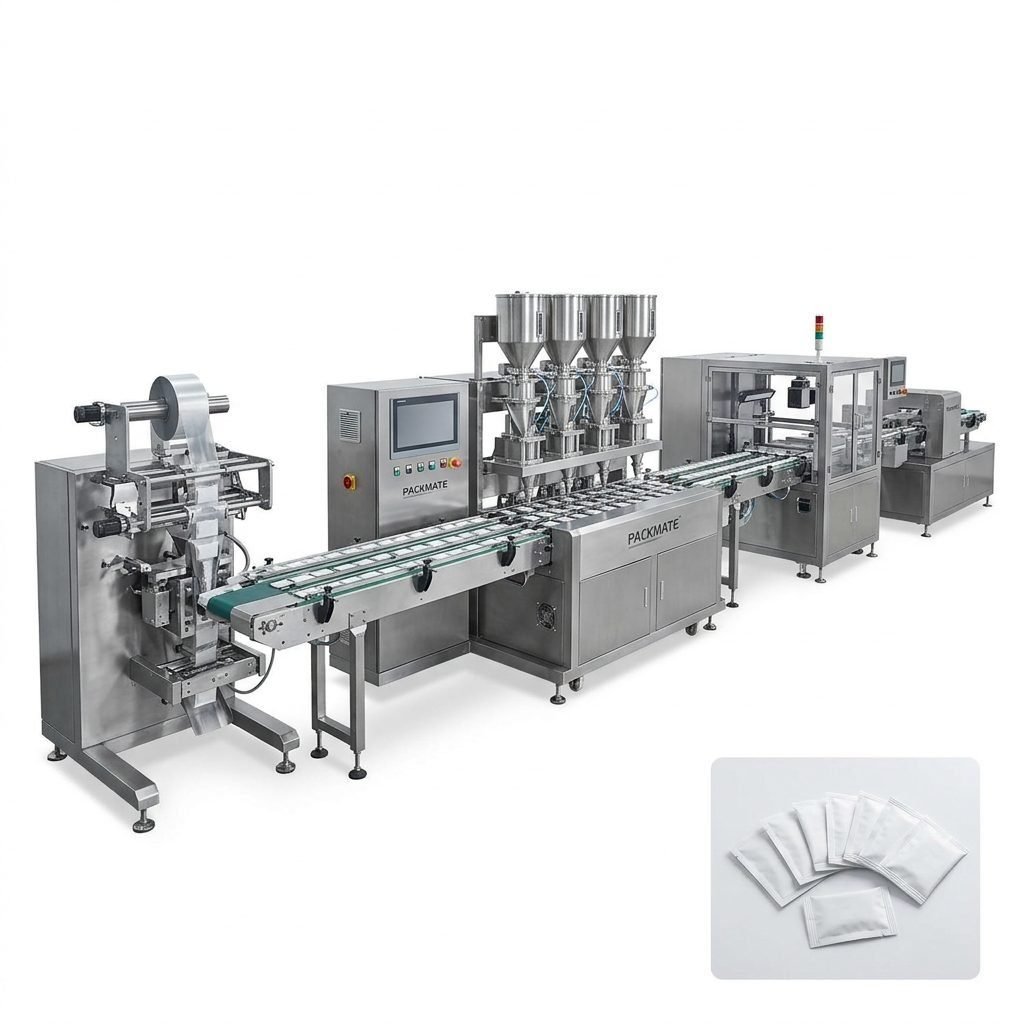
Snus pouch sealing machines are at the core of modern nicotine pouch and snus production lines. They ensure product integrity, consistent look and feel, and regulatory compliance while maximizing throughput and minimizing waste. This guide walks packaging managers, production engineers, and procurement teams through the essential features, operational benefits, selection criteria, and maintenance tips for choosing the best snus pouch sealing machine for your factory.
Why a Dedicated Snus Pouch Sealing Machine Matters
The sealing step is more than closing a pouch — it’s the final guarantee of product shelf life, hygiene, tamper evidence, and consumer experience. A reliable sealing machine reduces rejects, preserves nicotine pouch aroma, and supports downstream packaging like cartons and boxes. For businesses scaling up from manual or semi-automatic workflows, investing in a precision sealing unit is often the fastest way to improve yield and protect brand reputation.
Key Advantages at a Glance
🔧 Consistency: Uniform seals reduce leakage and ensure each pouch meets quality checks.
✅ Speed: High-speed sealing supports multi-lane pouch formats and increases daily output.
⚙️ Traceability & Compliance: Easy integration with coding and inspection modules helps meet regulatory demands.
💡 Cost efficiency: Lower material waste and reduced labor costs over time.
Core Features to Look For
🔎 Essential capabilities
Temperature-controlled sealing — precise, repeatable heat profile for different pouch film laminates.
Adjustable sealing time & pressure — allows tuning for thin or thick laminate materials and various seal widths.
Multi-lane capability — runs 2, 4 or more lanes simultaneously to multiply output without increasing footprint.
Non-contact sealing options (ultrasonic / impulse) — ideal for heat-sensitive contents or when specific lamination layers require special handling.
Smart Controls & Integration
Modern sealing machines include PLC or HMI touchscreens, recipe management for fast changeovers, and Ethernet/OPC-UA connectivity for Industry 4.0 data capture. If you already use fully automated lines, prioritize models that easily integrate with upstream fillers and downstream carton/formers. For more comprehensive systems including multi-stage packaging, consider reviewing full filling and packaging lines from specialist manufacturers like Packmate (Filling & Packaging Lines).
Types of Snus Pouch Sealing Technologies
The sealing method impacts cycle time, energy consumption, and compatibility with pouch materials. Choose based on product sensitivity and production goals:
🔸 Heat-seal (Contact): Widely used, reliable for most laminated films. Best when consistent heat conduction and contact pressure are acceptable.
🔸 Impulse seal: Short bursts of high current heat—lower overall product heating, suited for low-thermal-mass films.
🔸 Ultrasonic sealing: No external heat, ideal for delicate products and multi-layer laminates that respond to ultrasonic welding.
How to Choose the Best Model for Your Needs
Selecting the right machine requires balancing throughput, flexibility, investment, and long-term operational costs. Use this checklist to evaluate models:
Procurement checklist
• Required production speed (pouches per minute) and future capacity targets.
• Number of lanes (single vs. multi-lane) to meet SKU mix and scale.
• Compatibility with your pouch film (material, thickness, barrier properties).
• Available factory footprint and utilities (power, compressed air).
• Ease of cleaning and maintenance for nicotine-related hygiene needs.
• After-sales support: spare parts, local service, and training.
Real-world Considerations
In markets with strict labeling and tamper-evidence rules, such as many European countries, ensure the machine can print or apply variable codes and offers reliable reject handling. For emerging markets where labor costs are lower, look for a balance between automation and easy operator control. Learn about manufacturers and their case studies to validate claims — Packmate’s global cases and machine families are a helpful reference (Case, Snus & Nicotine Packaging Machines).
Installation, Commissioning & Training
A smooth ramp-up comes from good preparation. Confirm the supplier offers:
🔧 On-site installation and mechanical/electrical commissioning support.
🧰 Operator training on changeovers, hygiene protocols, and basic troubleshooting.
📘 Documentation including SOPs, spare parts lists, and wiring diagrams.
Spare Parts & Consumables
Check lead times for critical spares: heating elements, sealing jaws, sensors, and PLC modules. Models from reputable manufacturers with established global supply networks reduce downtime risk. For full-service suppliers that support turnkey solutions and a wide product range, review options under Bag & Pouch Packaging Machines or Auxiliary Equipment (Bag & Pouch Packaging Machines, Auxiliary Packaging Equipment).
Maintenance Best Practices
Preventive maintenance keeps seal integrity high and downtime low. Key routines include:
• Daily visual checks for wear on sealing jaws and guides.
• Weekly calibration of temperature control and pressure sensors.
• Monthly cleaning of frames and material paths to remove nicotine residue.
• Scheduled replacement of consumables based on run-hours rather than reactive fixes.
Compliance, Safety & Certifications
Ensure the machine complies with regional electrical and safety standards (CE, ISO) and that the supplier documents validation protocols for hygienic production. Packmate’s equipment carries relevant certifications and global exhibition history, demonstrating adherence to international norms (Certificate).
Factory Fit & Local Habits
When deploying machines in specific regions, factor in local workforce skills and consumption habits. For example, in Northern Europe where snus consumption is longstanding, lines often favor high automation and strict traceability; in other regions, flexible multi-SKU setups may be preferred. Understanding local supply chains (film suppliers, spare parts distributors) speeds installation and reduces disruptions.
Cost Considerations & ROI
The purchase price is only part of the equation. Factor in:
• Energy consumption and utility costs.
• Labor savings from automation.
• Material savings from precise sealing and reduced rejects.
• Downtime risk and spare parts availability.
• Potential regulatory fines avoided through compliant processes.
Vendor Selection & After-sales Service
Choose vendors with robust manufacturing capabilities, experienced R&D teams, and a history of global installations. Review portfolios that include snus and nicotine pouch packaging machines, sachet/stick pack systems, and complete filling lines to ensure you can expand production later without redesigning the whole line (About Packmate).
Quick procurement checklist
• Validate sealing method vs. film type.
• Confirm lanes, speed, and format changeover time.
• Ask for FAT (Factory Acceptance Test) and SAT (Site Acceptance Test) demonstrations.
• Verify spare parts lead times and service agreements.
• Request references and real-world case studies.
Common Pitfalls & How to Avoid Them
Be aware of frequent mistakes during selection and commissioning:
• Underestimating the impact of film variability — always test with production-sourced films.
• Overlooking training — skimping on operator education increases downtime.
• Ignoring future scalability — choose modular designs where lanes or modules can be added.
Final Recommendations
For consistent product quality and efficient production, prioritize sealing machines that combine precise thermal control, robust mechanical design, and modern controls. If you need a partner with a wide range of snus and nicotine packaging equipment and turnkey solutions, review manufacturers with long histories and global support capabilities; many suppliers publish catalogs and technical resources to help select the optimal solution (Catalog).
Next Steps
Arrange a technical review with vendors, request trials with your pouches/films, and insist on performance guarantees tied to throughput and reject rates. Visiting exhibitions and seeing live demonstrations can accelerate decision-making — check upcoming shows where leading suppliers exhibit (Our Exhibition).
Frequently Asked Questions
Q1: How do I know which sealing technology is best for my pouch film?
A1: Test with production-grade film under both planned line speeds and expected environmental conditions. Request sample seals from the vendor and compare peel strength, leakage, and visual quality.
Q2: What maintenance routines are critical for nicotine pouch lines?
A2: Focus on daily cleaning to avoid residue build-up, regular calibration of temperature and pressure controls, and timely replacement of worn sealing jaws and sensors.
Q3: Can a sealing machine handle different pouch sizes and formats?
A3: Many modern machines offer quick-change tooling and recipe-driven settings for different pouch dimensions. Confirm official changeover times and request a demo for all SKU types you plan to run.
Q4: What is the typical lead time for a multi-lane sealing system?
A4: Lead times vary by supplier and customization level. Standard models may ship in a few months; heavily customized, multi-lane turnkey lines can take longer. Confirm delivery, FAT, and installation windows during contract negotiations.
Q5: Where can I find trusted case studies and support resources?
A5: Review supplier case pages, certifications, and exhibition records to validate capability. For example, Packmate publishes case studies and certificates that demonstrate real-world performance and compliance (Case, Certificate).