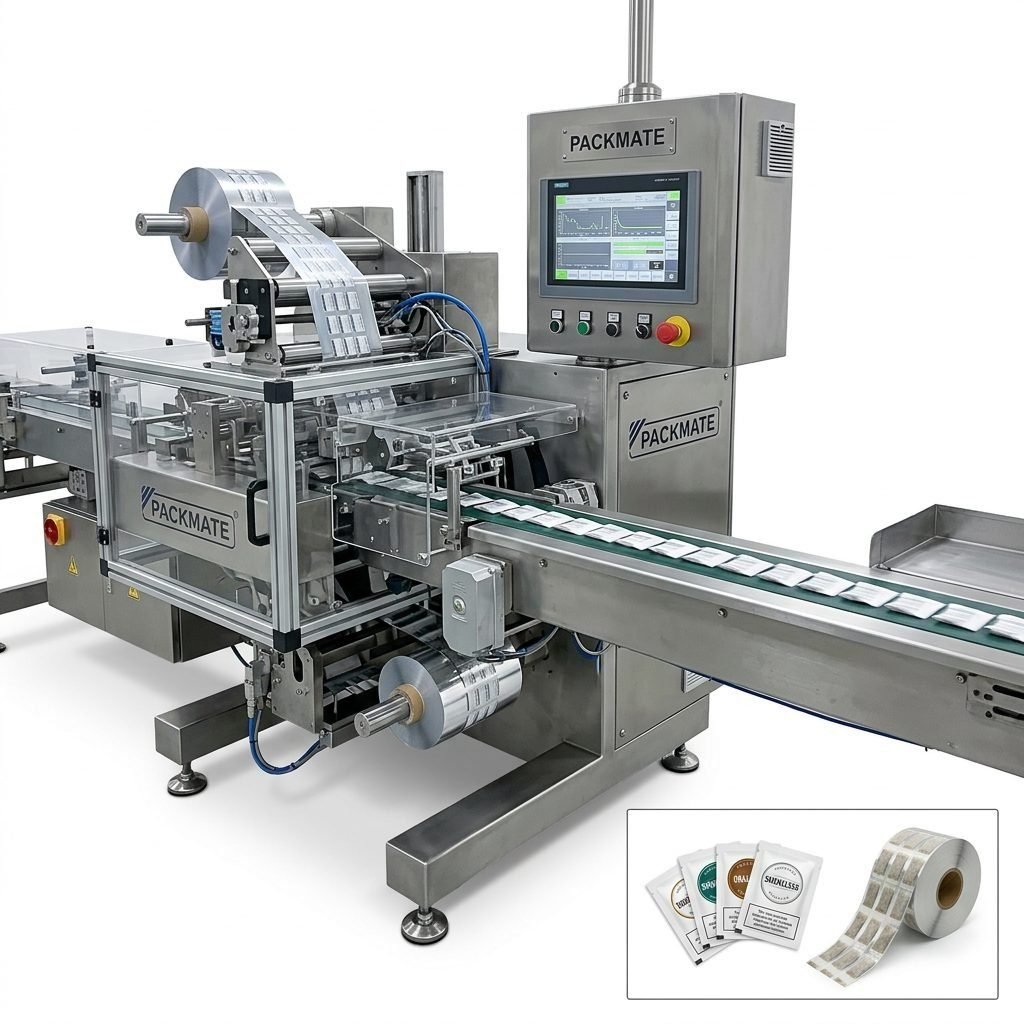
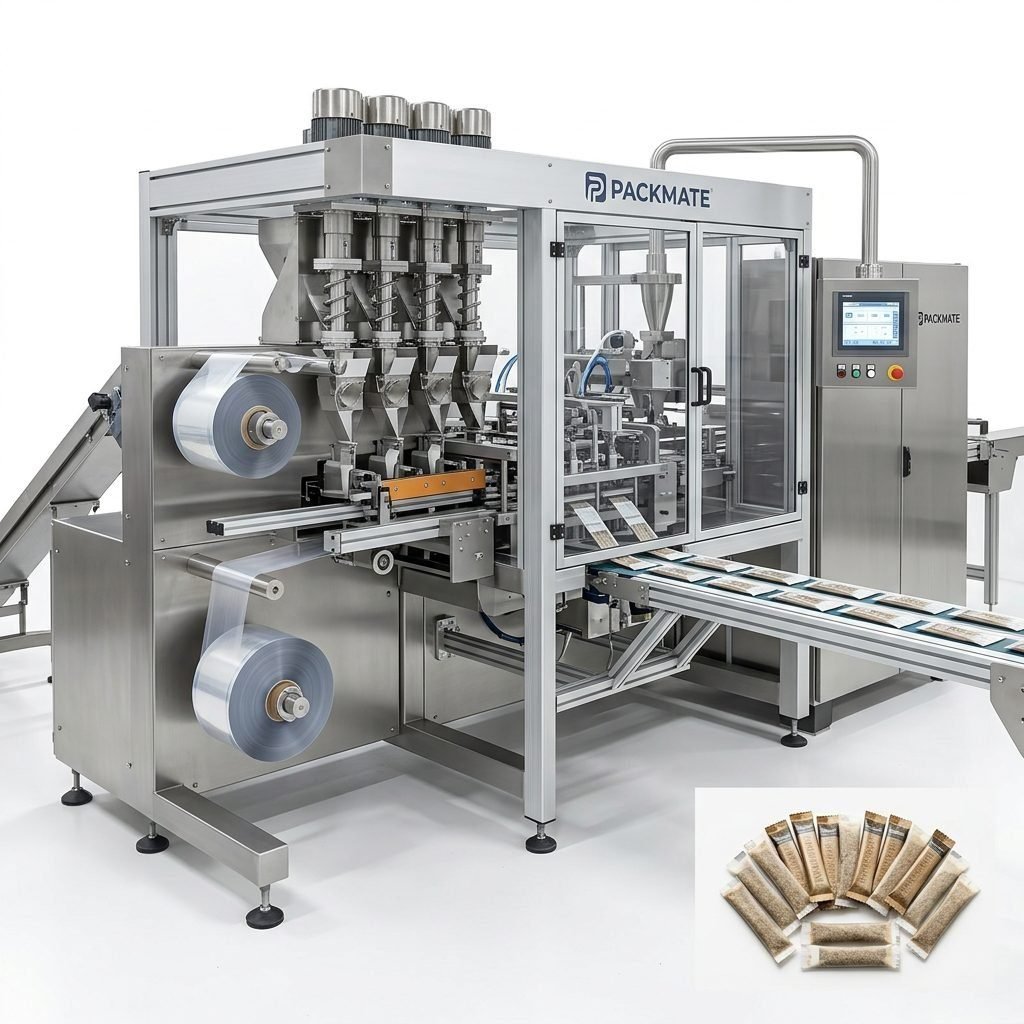
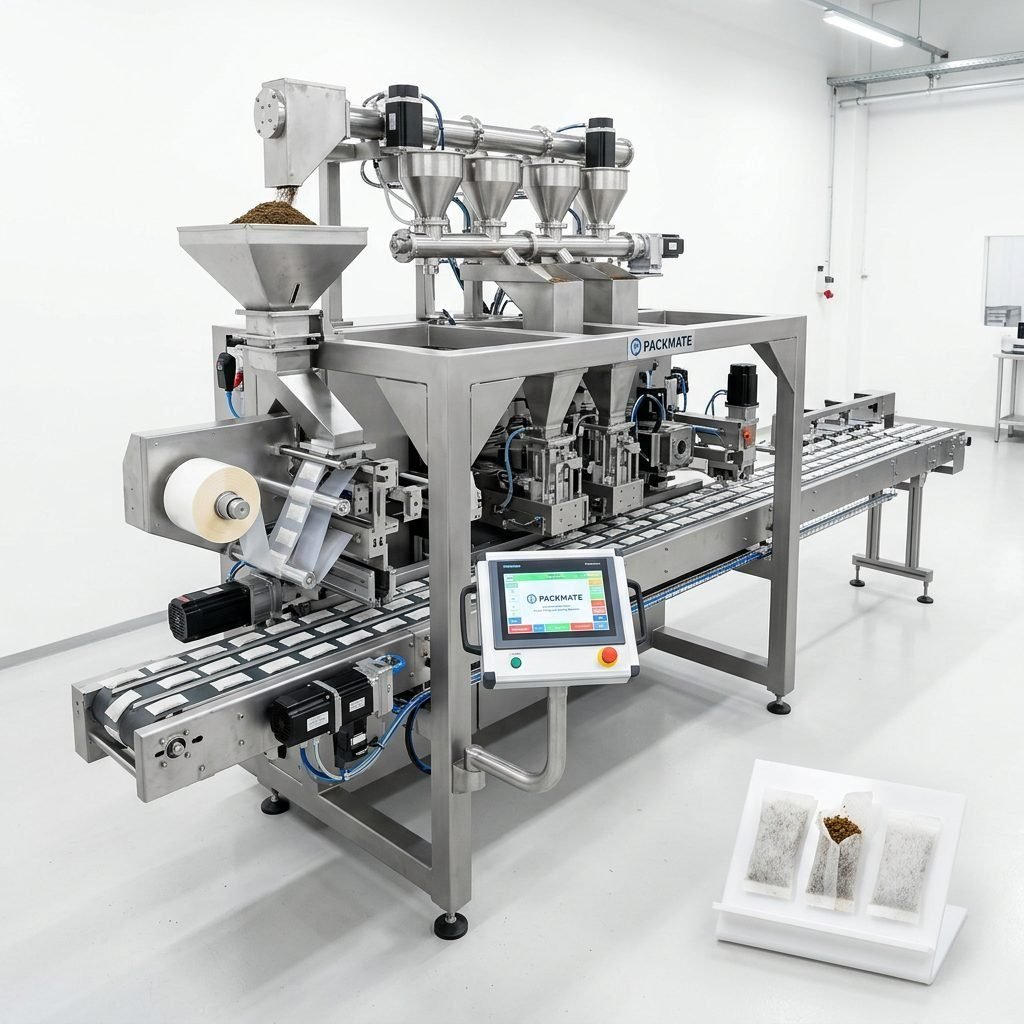
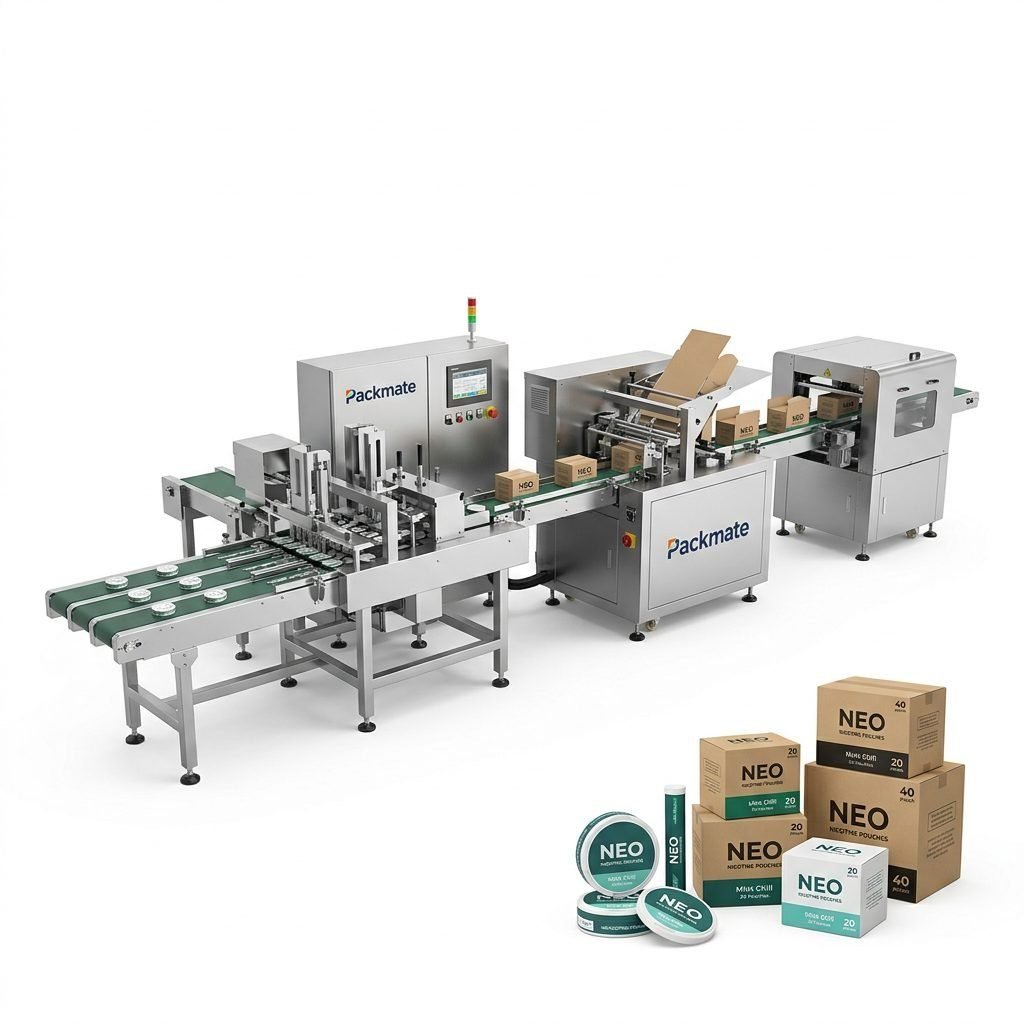
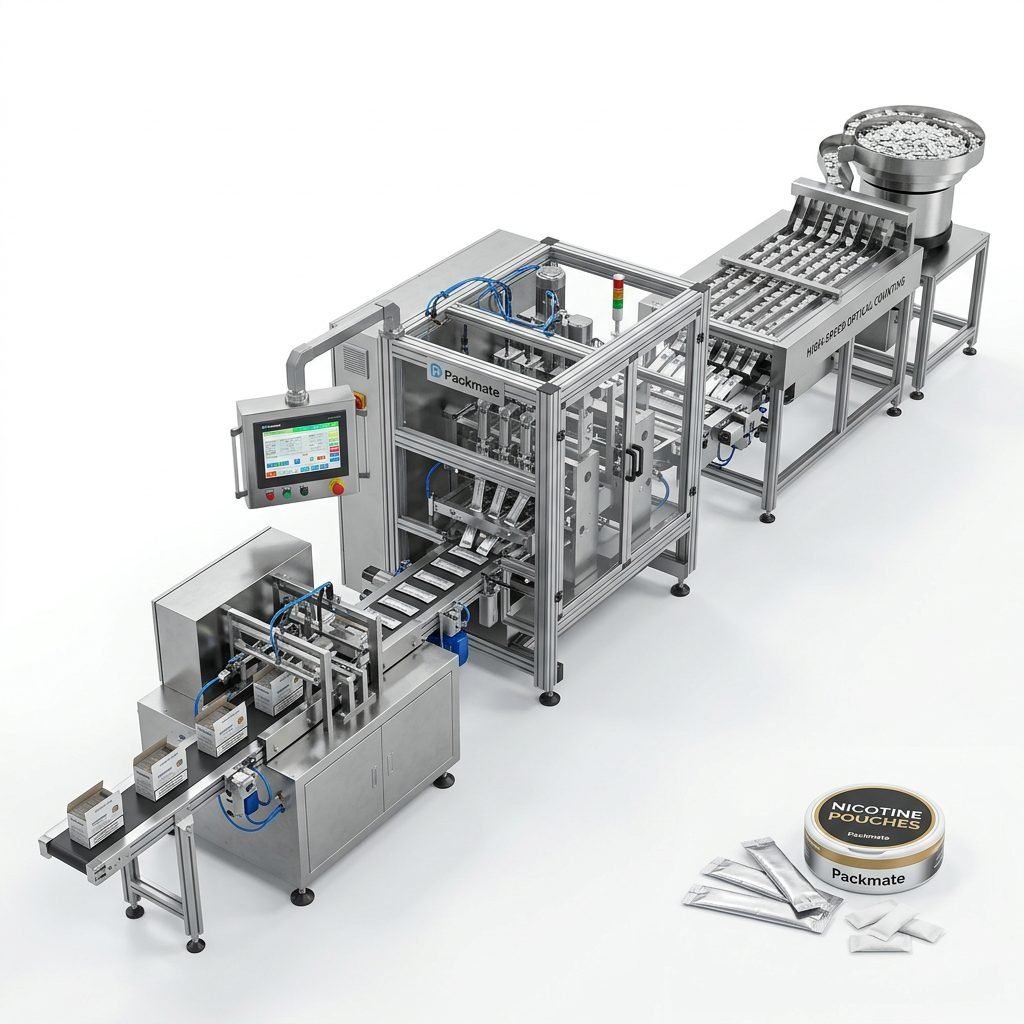
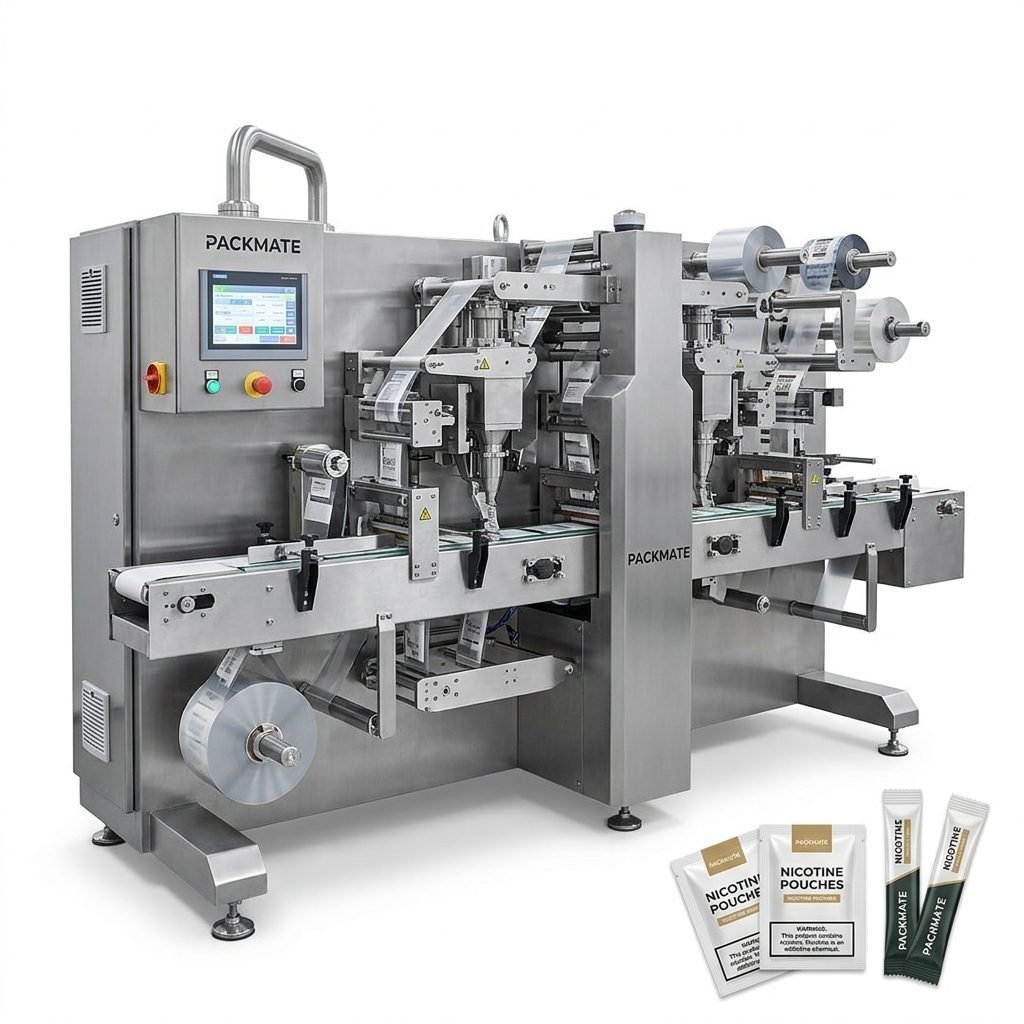
Choosing the right snus packaging machine supplier is a critical step for any manufacturer or entrepreneur in Trinidad and Tobago who plans to enter or scale in the nicotine pouch market. The decision affects production efficiency, product quality, regulatory compliance, and long-term profitability. This guide explains how to evaluate suppliers, what to prioritize given local conditions in Trinidad and Tobago, and how to ensure a smooth installation and after-sales support experience.
Understand Your Local Market Needs
Trinidad and Tobago has a unique consumer landscape shaped by a strong hospitality sector, active nightlife, cultural events like Carnival, and a growing interest in alternative nicotine products. Most consumers expect durable, discreet, and high-quality packaging that can withstand tropical humidity and frequent handling. When evaluating suppliers, prioritize machines designed to maintain product integrity in warm, humid climates — features such as controlled sealing systems, precise dosing, and robust film handling are essential.
Local Regulations and Compliance
Nicotine-containing products are often subject to strict regulations. Verify that any machine and the finished packaging can help you meet local labeling, tamper-evidence, and safety requirements. Ask potential suppliers for documentation on regulatory compliance and certification, such as CE and ISO. Suppliers with experience exporting to diverse markets can help navigate customs and regulatory hurdles in Trinidad and Tobago.
Production Volume and Future Growth
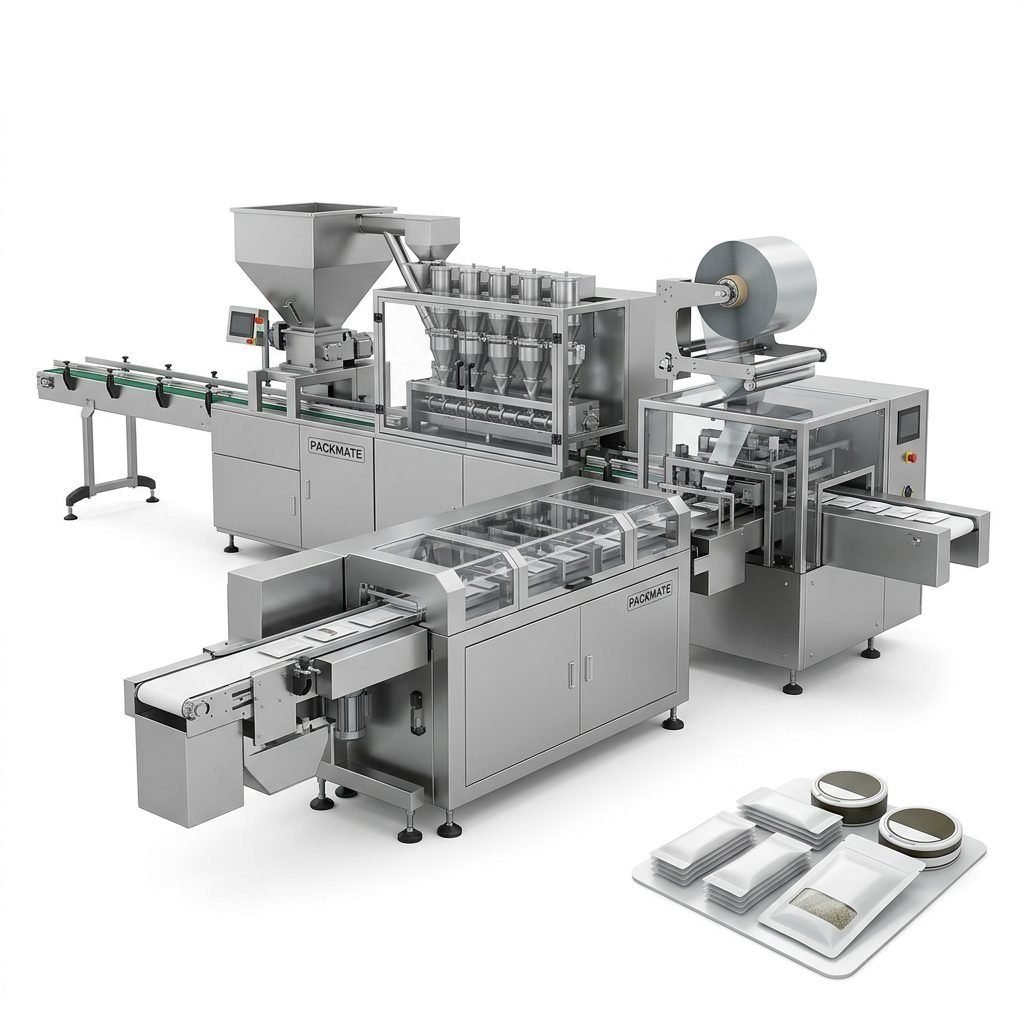
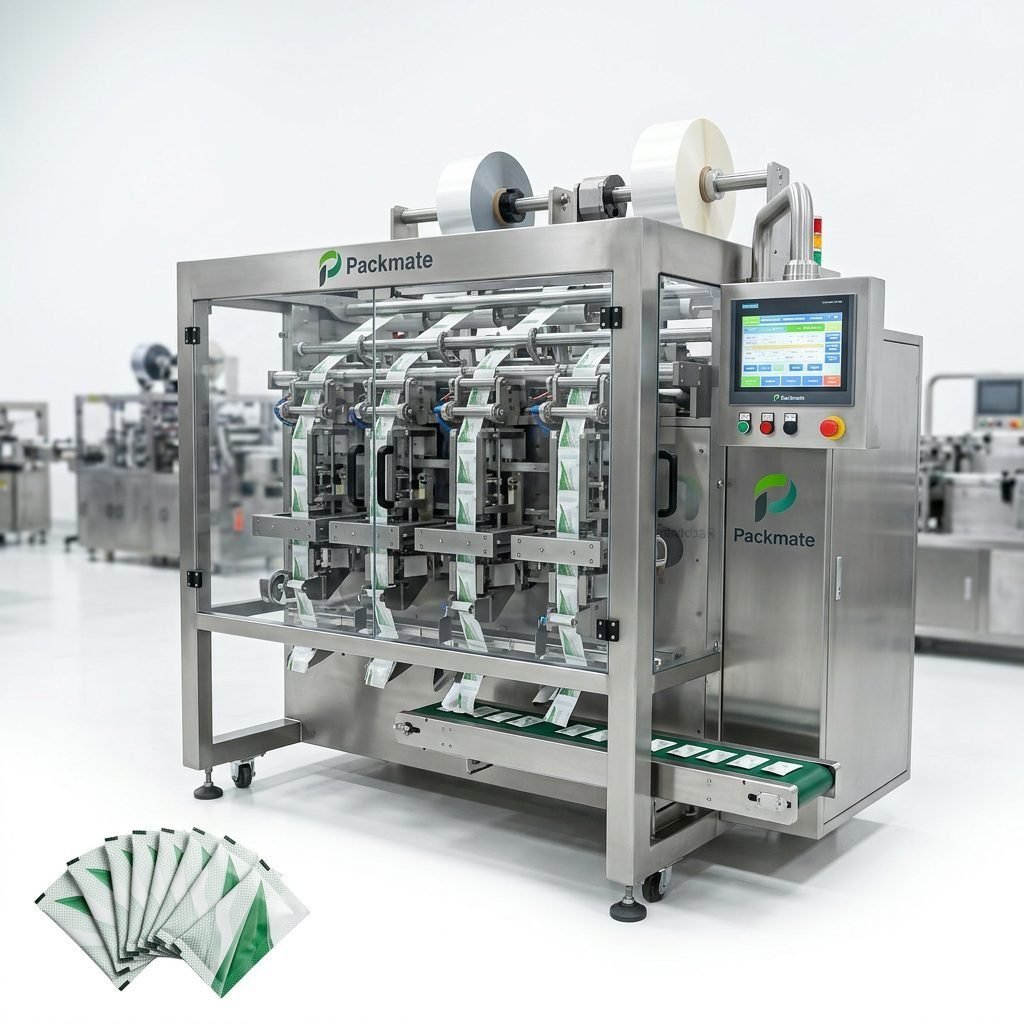
Start by defining your target production volume: pilot runs, small batches, or large-scale continuous production. Choose machines that match your current needs but can scale with you. Multi-lane systems and modular lines offer flexibility for increased throughput without complete line replacement. For comprehensive product options, review dedicated solutions like Snus & Nicotine Packaging Machines.
Key Technical Criteria to Evaluate
🔍 Performance & Accuracy: Look for high-precision dosing systems (weighing or volumetric), especially for small-dose snus pouches. Consistent weights and tight tolerances reduce waste and ensure regulatory compliance.
⚙️ Reliability & Uptime: Machines should be built for continuous operation with minimal downtime. Check mean time between failures (MTBF), and request real-world uptime figures.
🔧 Spare Parts & Serviceability: Ensure spare parts are readily available and that the supplier provides clear part lists and fast shipping options. Local stocking plans or fast international logistics help avoid lengthy production interruptions.
📐 Flexibility: The ability to handle different pouch sizes, materials, and multi-lane formats gives you adaptability to market trends.
Why Manufacturing Strength Matters
A supplier’s factory size, machining capabilities, and quality control systems are direct indicators of their capacity to deliver reliable machines. A manufacturer operating a large, well-equipped facility with CNC centers and precision assembly lines can produce consistent components and offer customization. When possible, ask for factory photos, equipment lists, and quality control procedures. Suppliers with long histories and significant production areas typically stand behind their machines with robust testing and documentation.
Certifications and International Standards
Certified suppliers demonstrate attention to safety and quality. Request copies of CE and ISO certificates and inquire whether the machines can be adapted to meet specific Trinidad and Tobago import standards. Certified manufacturers are generally more familiar with international shipping, customs documentation, and cross-border compliance.
After-Sales Support: A Make-or-Break Factor
After-sales service is especially important in Trinidad and Tobago where local technical support for specialized machinery may be limited. Evaluate potential suppliers on the following service-related areas:
- Remote troubleshooting capabilities and availability of phone/video support.
- On-site installation, commissioning, and operator training services.
- Availability and shipping speed of critical spare parts.
- Service agreements and structured maintenance plans.
- Clear documentation: manuals, CAD drawings, electrical diagrams.
Local Partners and Representation
Having a local agent or distributor can drastically reduce response time for parts and service. Ask whether the supplier has partners, distributors, or authorized service technicians in the Caribbean region or specifically in Trinidad and Tobago. If not, clarify the timeline and cost for international service calls.
Cost vs. Value: Total Cost of Ownership
Purchase price is only part of the equation. Calculate total cost of ownership (TCO) by including installation, shipping, customs duties, spare parts, consumables, operator training, and expected energy and maintenance costs. Higher-quality machines may cost more initially but deliver lower operating costs and longer service life. Ask suppliers for TCO examples or case studies to compare alternatives. See real-world examples and success stories in supplier case portfolios such as Case.
Factory Visits, Demos, and References
Whenever possible, arrange a factory visit or request a live machine demonstration. Factory visits allow you to observe build quality, assembly processes, and testing protocols. If travel is constrained, ask for a virtual demonstration with sample product runs. Request references from other customers in similar markets and inspect their operational experience and feedback. Suppliers with a global presence and exhibition history often welcome prospective buyers to visit — learn about such supplier outreach on their Our Exhibition page.
Testing with Your Materials
Insist that the supplier test your actual pouch materials, film, and blend before finalizing the purchase. This ensures optimal sealing, correct dosing, and compatibility with your chosen materials and suppliers. Machines that have been validated with your materials will perform better from day one.
Logistics: Shipping, Customs, and Installation in Trinidad and Tobago
Plan machine delivery carefully. Shipping to the Caribbean involves port handling, customs clearance, and inland transport. Clarify shipping terms (FOB, CIF), documentation required for customs, and whether the supplier assists with local import procedures. Machines often arrive in crates or containers and require local rigging equipment for unloading and installation. Coordinate with local freight forwarders and customs brokers experienced with industrial equipment.
📦 Recommended Logistics Checklist:
• Confirm Incoterms and insurance coverage.
• Verify port clearance requirements in Port of Spain.
• Arrange local rigging and skilled technicians for installation.
• Plan for voltage and electrical compatibility; check local power specs.
• Schedule pre-shipment inspection and acceptance testing.
Red Flags When Choosing a Supplier
Be cautious if you encounter:
- Vague technical specifications or no willingness to provide detailed documentation.
- Unclear warranty terms or limited after-sales support options.
- Excessive lead times without viable interim solutions.
- No references, factory information, or evidence of past international shipments.
How a Reputable Supplier Engages with Clients
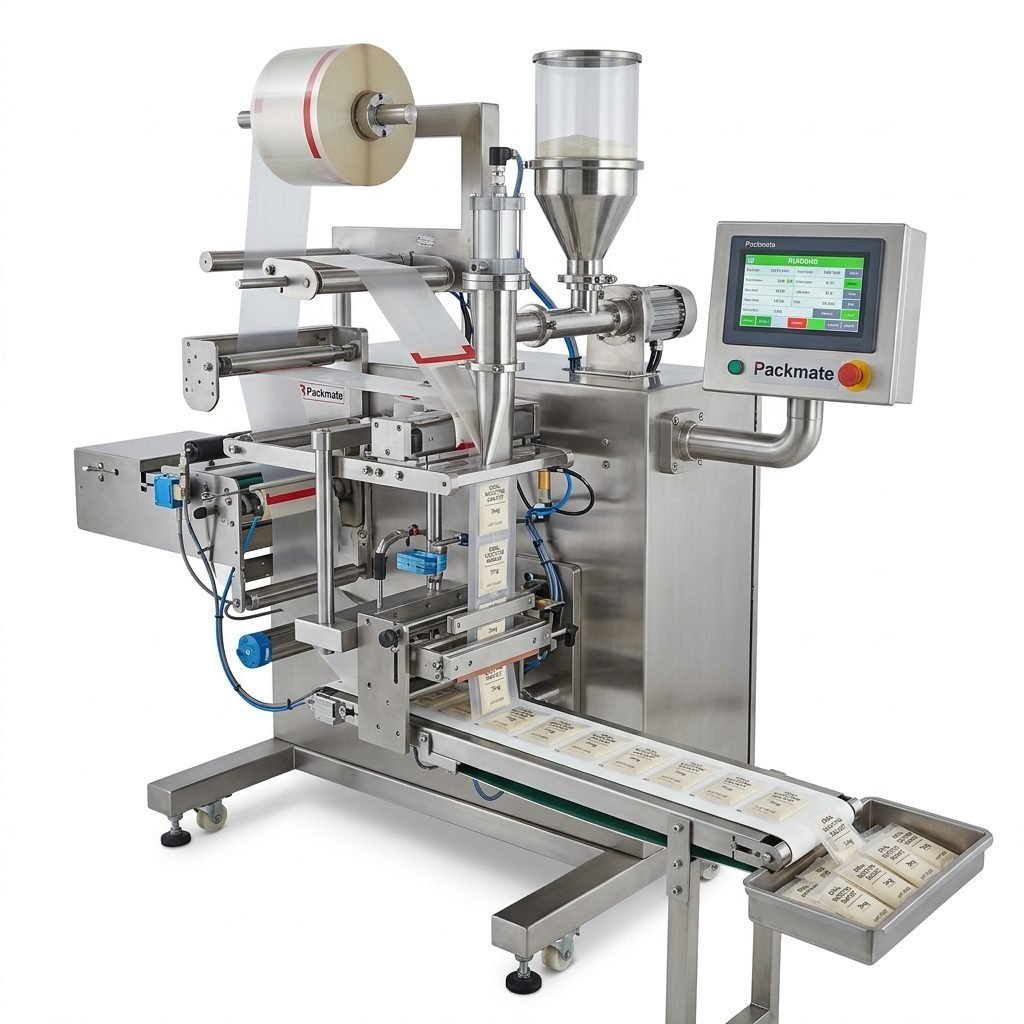
A reputable supplier will take a consultative approach: assessing your product specs, proposing tailored solutions (single-lane or multi-lane, stick packs, sachets), offering factory acceptance tests, and providing comprehensive training. They will also share case studies and materials demonstrating long-term relationships with customers. For a profile of a capable manufacturer with global turnkey solutions, see About Packmate.
Turnkey Solutions and Line Integration
If you require a complete production line (filling, weighing, packing, labeling), seek suppliers who can integrate auxiliary equipment and provide a single point of responsibility for the entire line. Integrated solutions reduce compatibility issues and speed up commissioning. Explore product lines such as Weighing & Packaging Systems and Filling & Packaging Lines.
Negotiating Contracts and Warranties
Ensure contracts clearly state delivery timelines, payment milestones, warranty coverage, performance guarantees, and acceptance criteria. Include clauses for penalty or remediation in case of missed deliverables. Clarify whether training and spare parts are included, and if remote support is available post-installation.
Final Checklist Before You Buy
✓ Technical specs confirmed: dosing accuracy, speed, sealing integrity.
✓ Compliance documents provided: CE/ISO, testing reports.
✓ After-sales plan agreed: spare parts, training, service windows.
✓ Logistics planned: shipping terms, customs, installation.
✓ References and demos checked: factory visits or live runs.
Next Steps for Trinidad and Tobago Buyers
Start by preparing a clear specification sheet detailing pouch types, target output (pieces/min or packs/min), product weight ranges, and packaging materials. Reach out to suppliers with this information and request formal quotations, factory acceptance test plans, and lead times. Consider visiting suppliers at exhibitions where they demonstrate equipment — it’s an efficient way to compare multiple vendors. For specific product categories and machine options, explore resources like Bag & Pouch Packaging Machines and Sachet & Stick Pack Machines.
Conclusion
Selecting the best snus packaging machine supplier for Trinidad and Tobago requires balancing technical capability, manufacturing strength, certification, after-sales support, and logistics readiness. Prioritize suppliers who demonstrate proven experience with nicotine pouch applications, provide transparent documentation, and are willing to test your materials. Strong service agreements and local logistics planning will minimize downtime and protect your investment.
Frequently Asked Questions
Q1: How important are certifications like CE and ISO when buying packaging machines?
A1: Very important — certifications indicate adherence to safety and quality standards and aid in customs clearance and insurance.
Q2: Can suppliers ship and install machines in Trinidad and Tobago?
A2: Many reputable suppliers coordinate international shipping and offer commissioning services. Confirm logistics support and local partner availability before purchase.
Q3: What should I ask for during a factory acceptance test (FAT)?
A3: Request testing with your materials, full functional runs, documentation of measured output and accuracy, and video evidence if you cannot attend in person.
Q4: How do tropical conditions in Trinidad and Tobago affect machine choice?
A4: Humidity and temperature require robust sealing systems, controlled film handling, and corrosion-resistant components to ensure consistent performance.
Q5: Where can I get more information and support from the manufacturer?
A5: Contact the supplier directly via their official channels for technical consultations, catalogs, and support. For additional product info, see Contact Us.