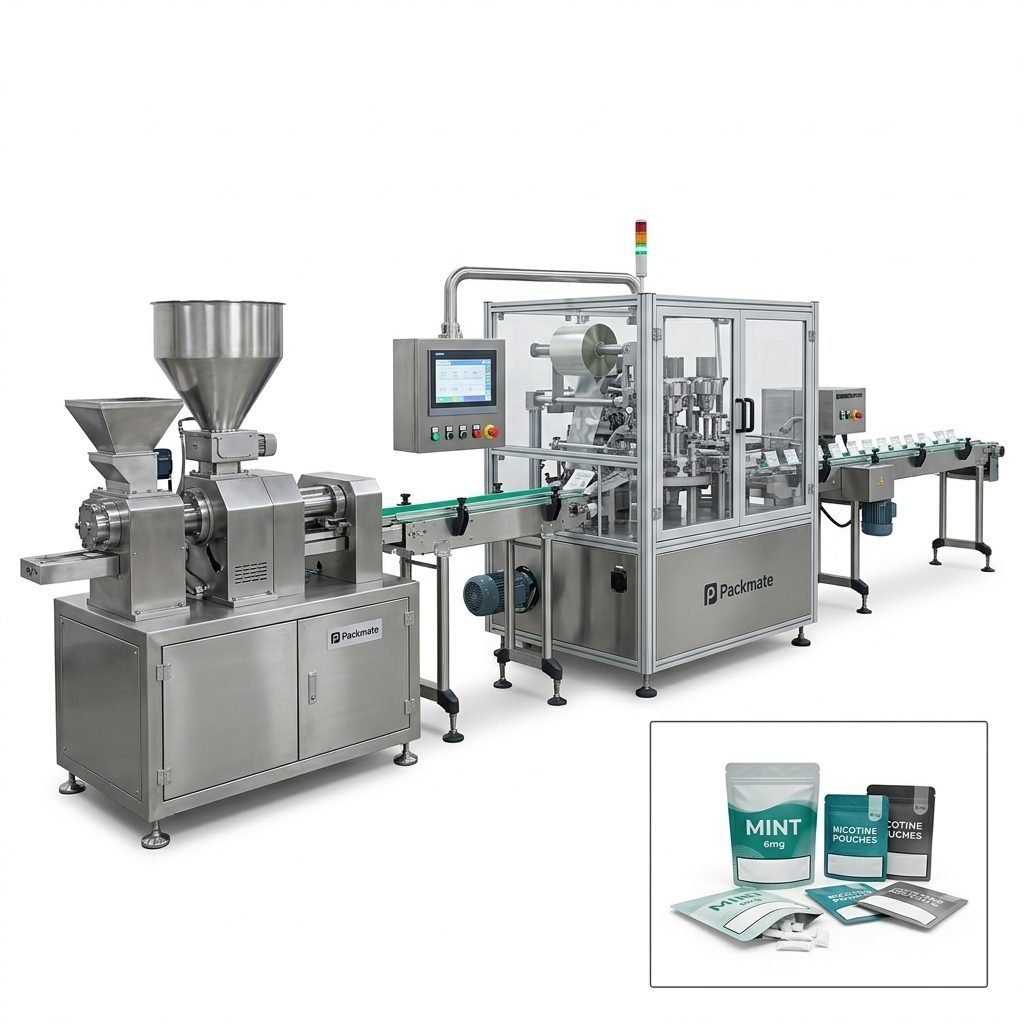
The modern nicotine pouch market demands packaging lines that deliver speed, precision, and long-term reliability. As manufacturers scale up production to meet growing demand, adopting an advanced nicotine pouch packaging line becomes essential to maintain consistent quality, reduce waste, and improve overall operational efficiency.
Overview: High-Speed Automated Solutions
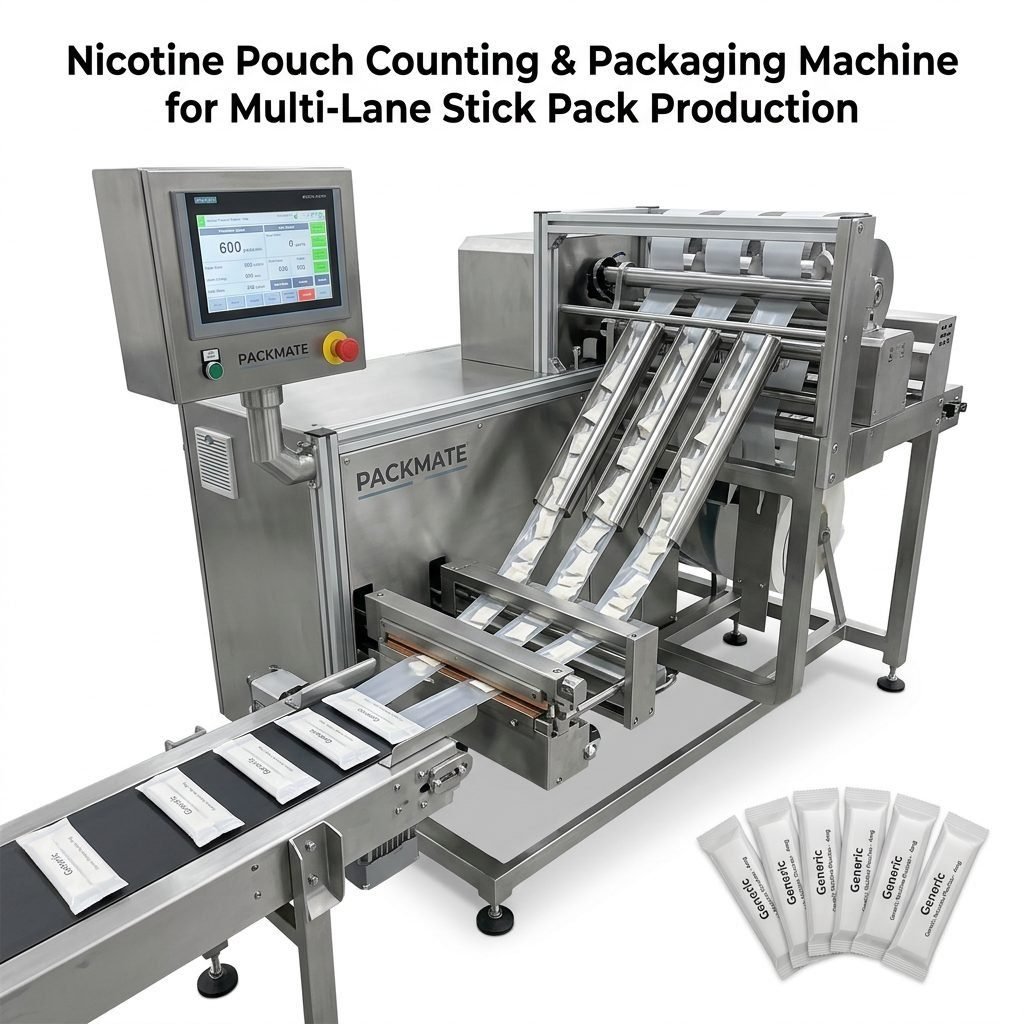
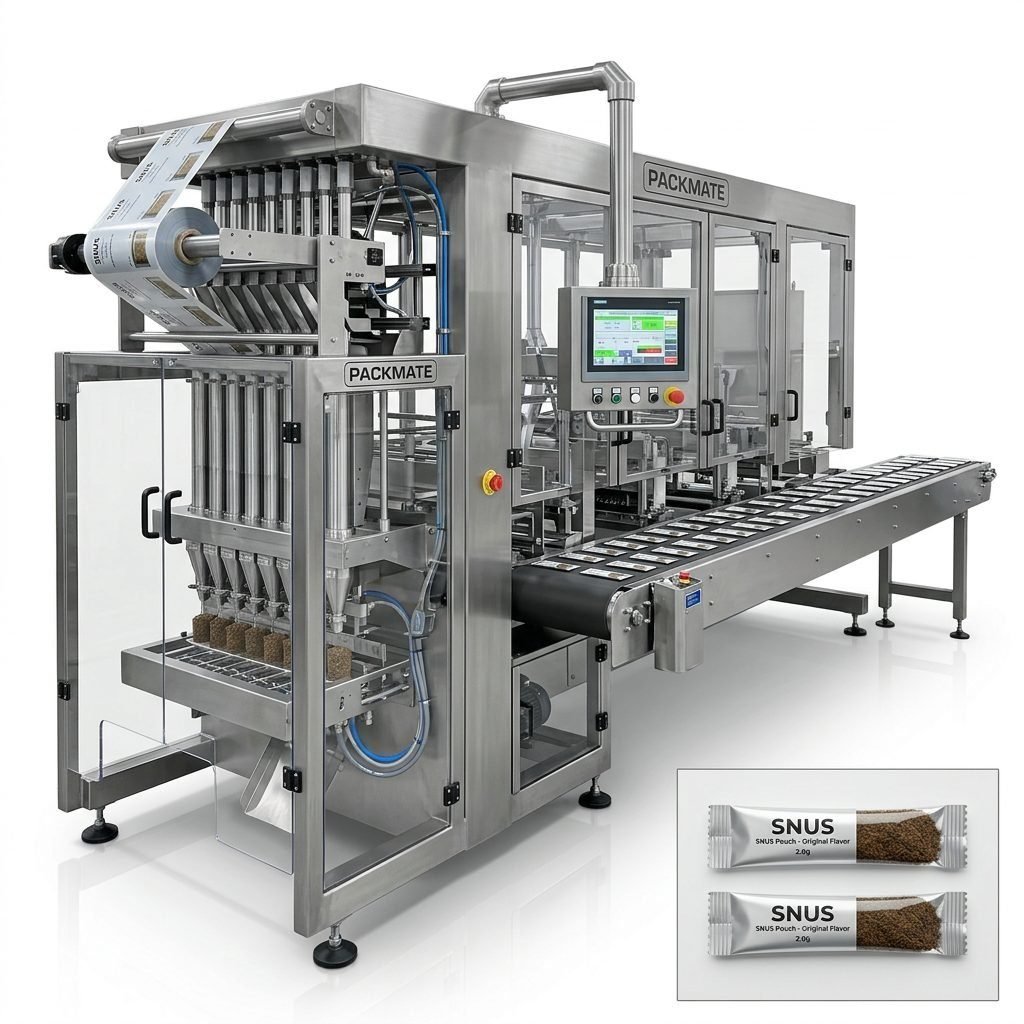
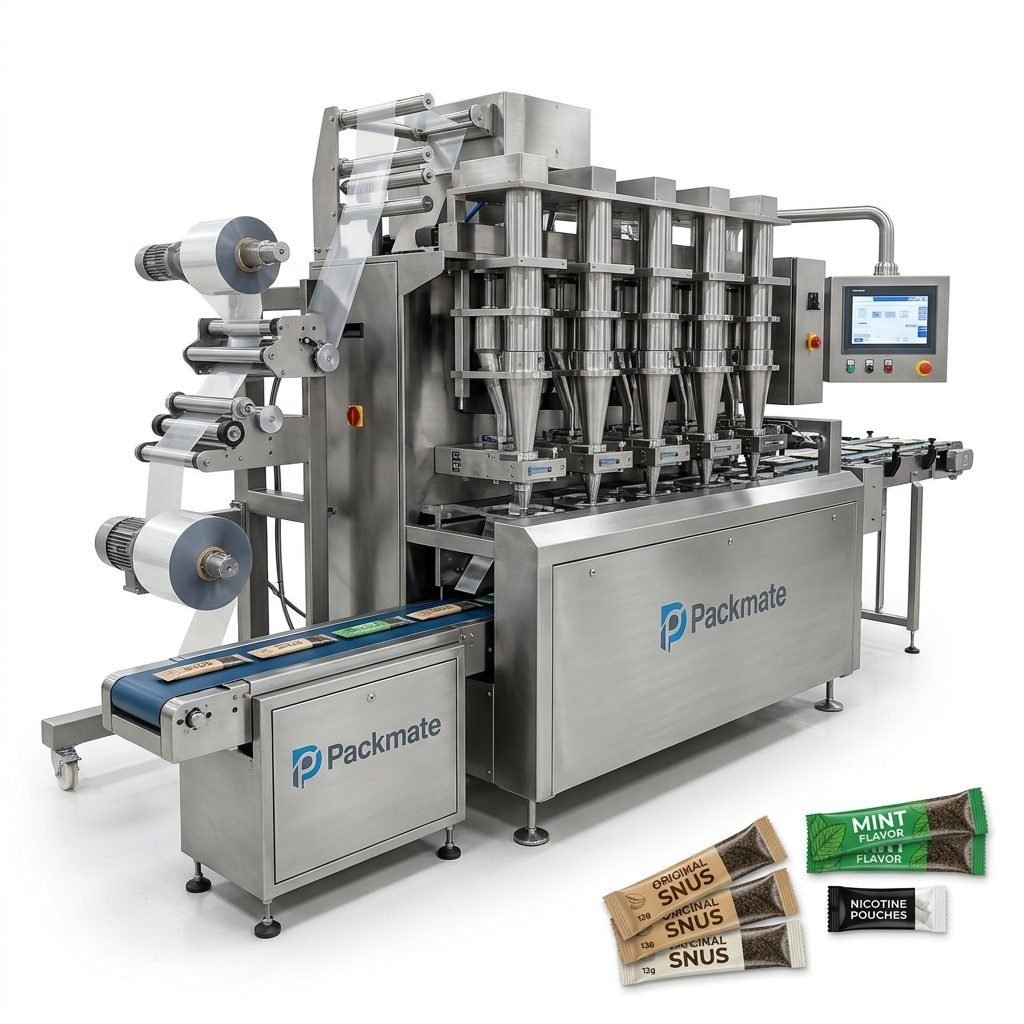
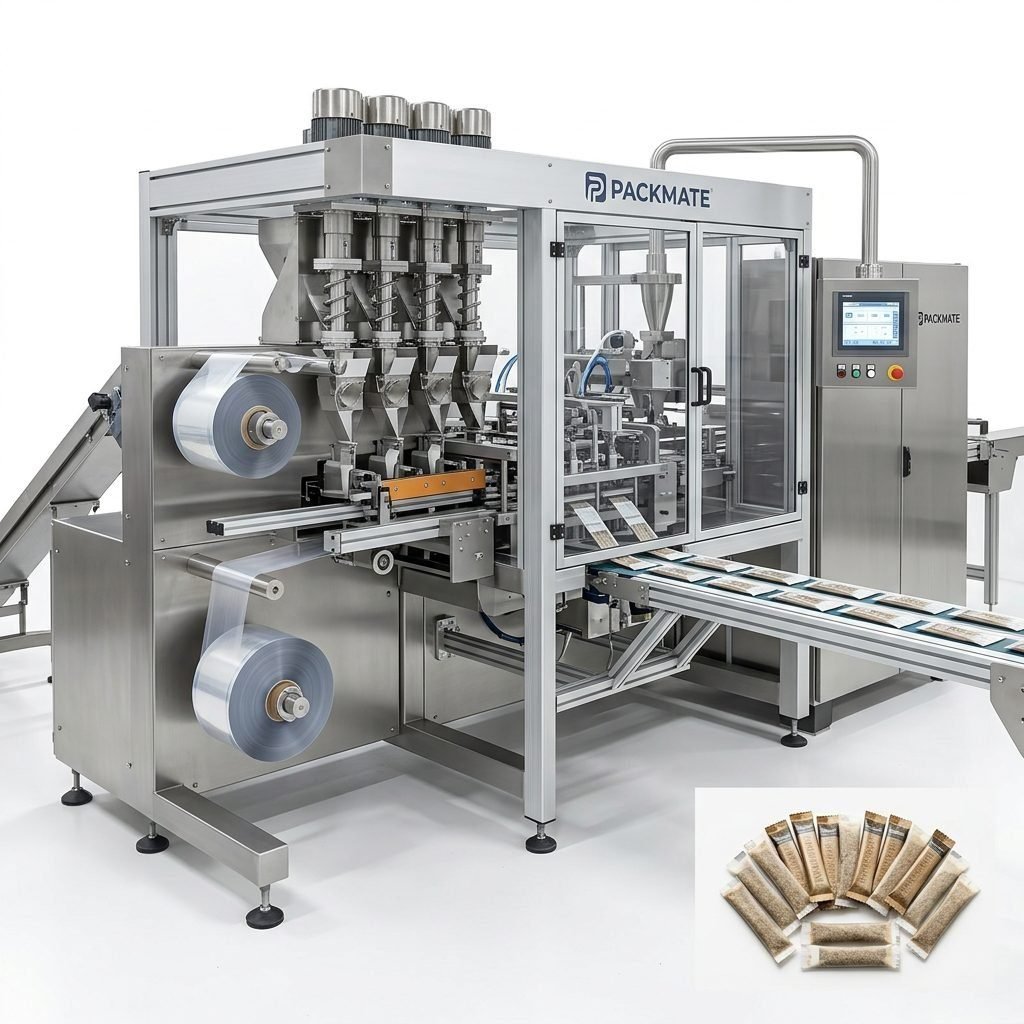
An advanced nicotine pouch packaging line integrates high-speed filling and forming machines with automated feeding, sealing, and secondary packaging processes. These lines are engineered to handle a variety of pouch formats — from single-dose sachets and stick packs to multi-lane pouches — and to adapt rapidly to new product specifications with minimal downtime. Speed, precision, and repeatability form the core expectations for modern snus and nicotine pouch production.
Key Components of a Modern Line
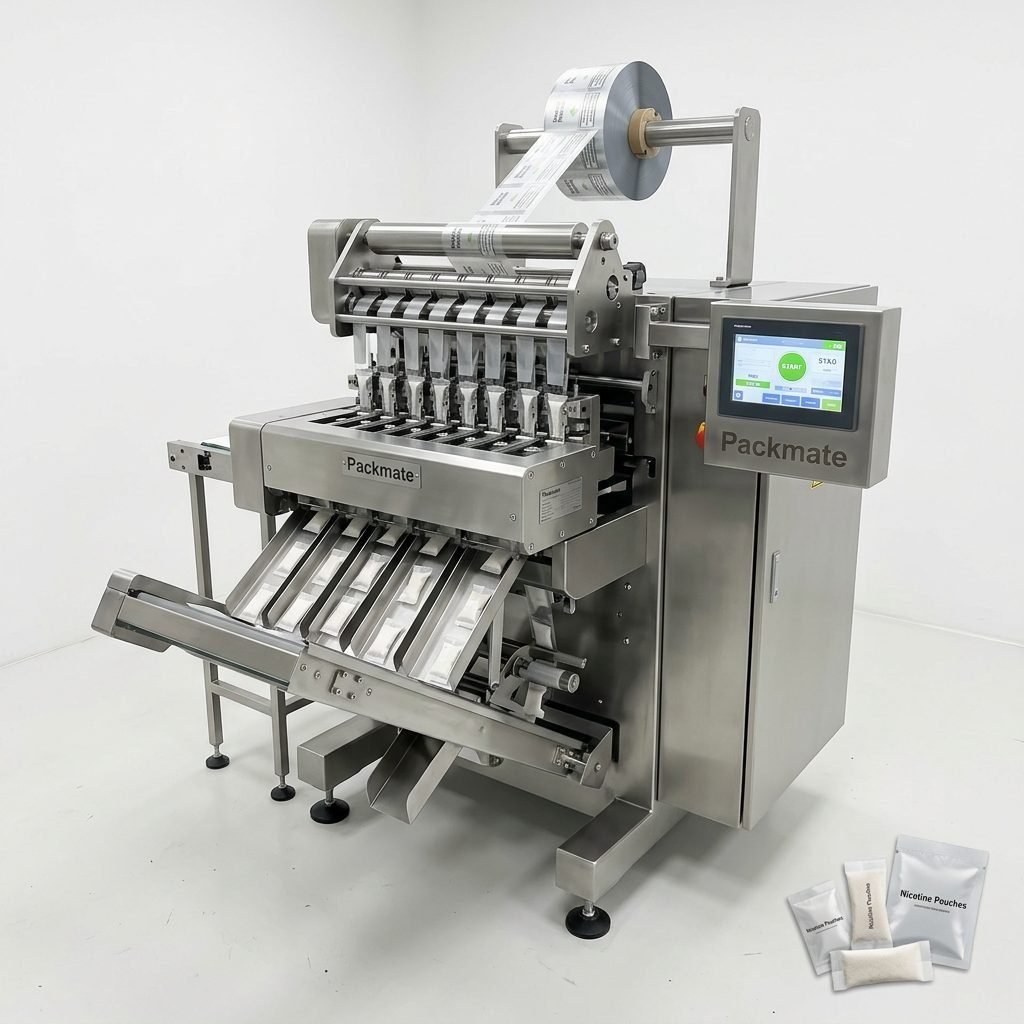
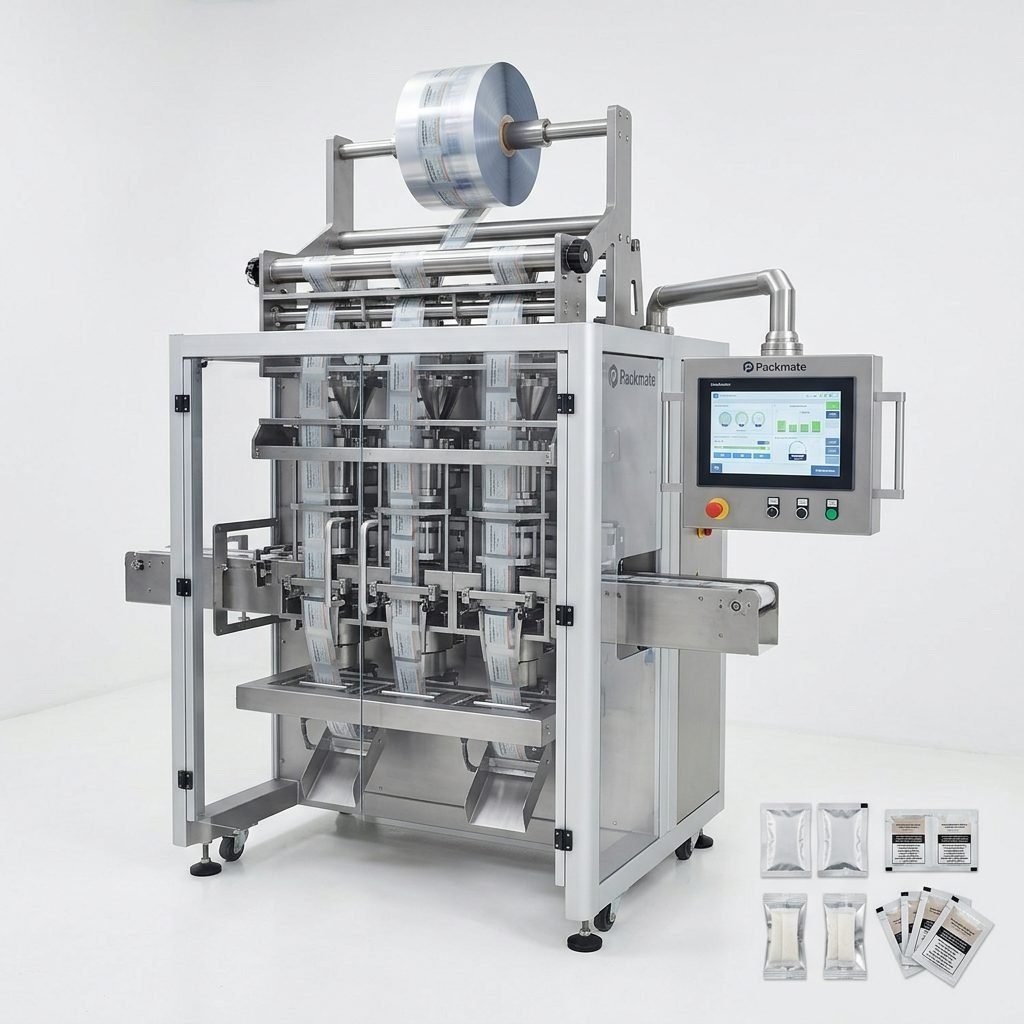
Typical components include multi-lane pouch forming machines, high-precision dosing systems, servo-driven transport chains, automatic pouch feeding modules, rotary or longitudinal sealing stations, and integrated checkweighers and vision-inspection systems. Auxiliary equipment such as nitrogen flushing, labeling, and cartoning modules are often included for complete turnkey solutions.
✔ Key benefits:
⚡ Higher throughput with multi-lane formats and optimized material handling
⚙️ Precise dosing for consistent nicotine content and reduced product giveaway
🔍 Inline quality checks and vision systems for defect rejection and traceability
High-Speed Engineering: What Enables Peak Performance
High-speed performance is achieved through synchronized servo drives, robust mechanical design, and intelligent PLC control. Servo motors provide accurate motion control for forming, filling, and sealing stations, while high-precision cams or timing belts ensure consistent pouch indexing at elevated speeds. Modern control systems allow for micro-adjustments during production without a full line stop, maximizing uptime and reducing product changeover time.
Automation & Smart Controls
Advanced HMI interfaces, recipe-based controls, and remote diagnostics enable operators to manage complex production requirements easily. Recipe memory stores product parameters, allowing rapid changeovers between different pouch sizes and formulations. Remote monitoring and predictive maintenance features reduce unplanned downtime, ensuring continuous high-speed operation.
Precision Filling & Dosing: Maintaining Consistency
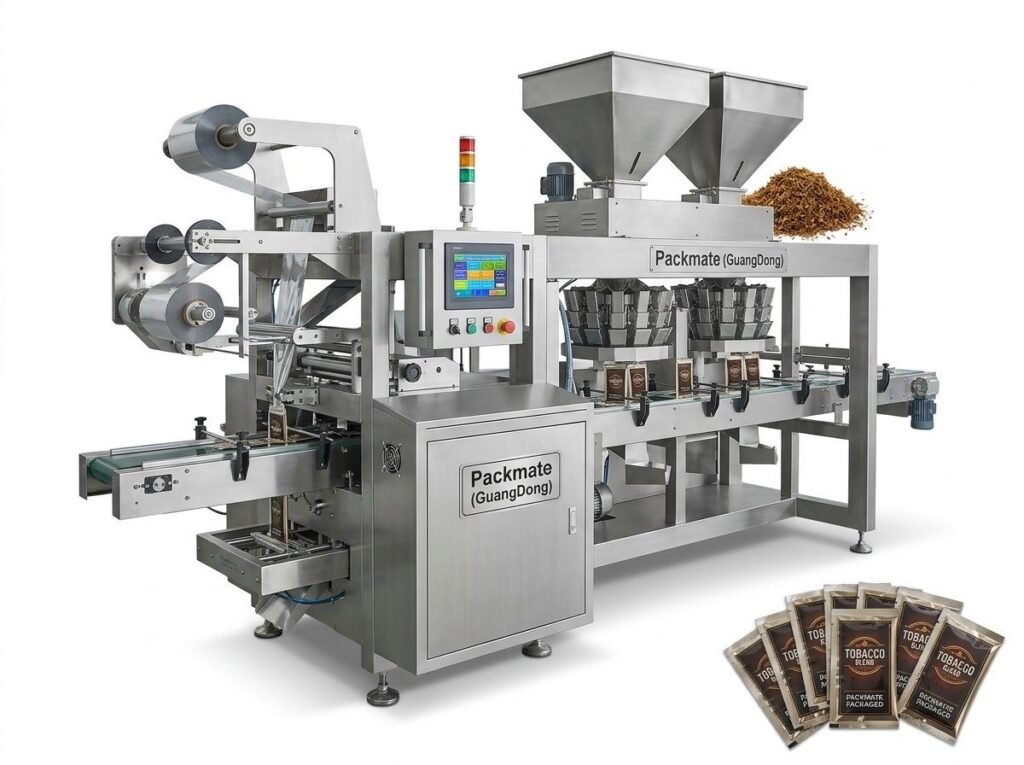
Precision dosing is critical for nicotine pouches, where regulatory compliance and consumer safety depend on consistent nicotine content. Volumetric and gravimetric dosing technologies are commonly used. Gravimetric systems, often integrated with multi-head weighers, provide the highest accuracy for variable blends, powders, and granular additives. Inline checkweighers and feedback loops allow real-time compensation for small variations, ensuring each pouch meets specifications.
Important considerations:
• Material flow control to avoid bridging or segregation
• Hygienic design to prevent contamination and enable washdown
• Traceability modules for batch coding and serialization
Flexible Pouch Formats: From Stick Packs to Multi-Lane Sachets
An efficient line must support multiple pouch types. Single-stick and sachet formats are popular for portioned nicotine products, while multi-lane machines can produce dozens of pouches per stroke for high-volume operations. Quick-change tooling and modular stations make it possible to switch between formats with minimal intervention.
Customization & Product Development
With an expanding product range in the nicotine pouch sector, the ability to prototype new pouch designs and iterate quickly is invaluable. Suppliers that offer customization, including special laminates, barrier films, and resealable features, help brands innovate while keeping production risks low. Our factory experience with over 50 machine models allows bespoke solutions tailored to unique product geometries.
Build Quality & Manufacturing Strength
Quality components and precise manufacturing are non-negotiable. Investment in CNC machining centers and precision assembly lines ensures tight tolerances and consistent machine performance. Packmate Snus Machine operates a 20,000㎡ facility equipped for mass production and custom builds, backed by rigorous testing and quality control processes.
All machines comply with international standards such as CE and ISO, offering customers the assurance of certified safety and reliability. For more information about product ranges and certifications, explore Snus & Nicotine Packaging Machines and our Certificate page.
Line Integration: From Filling to Final Carton
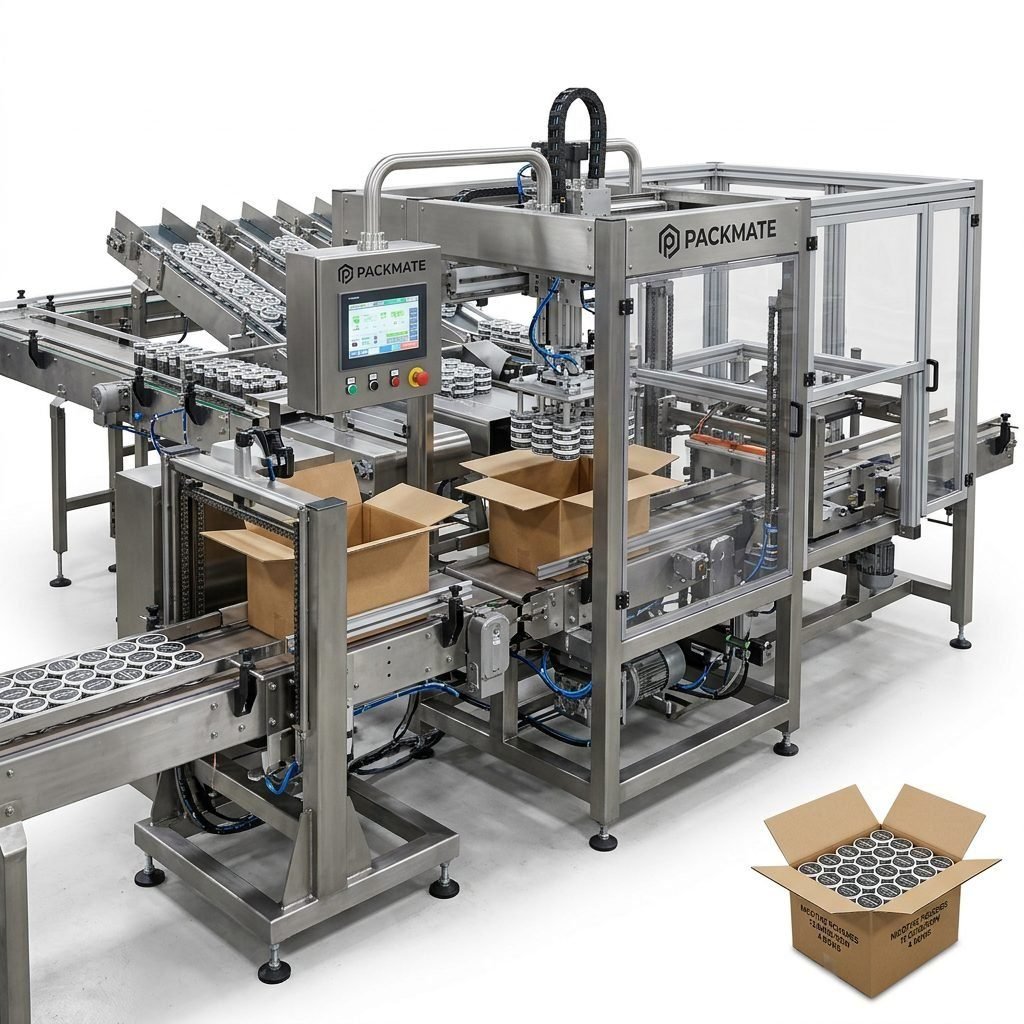
A complete production line integrates upstream and downstream equipment: feeders and hoppers, filler modules, pouch forming units, sealing stations, checkweighers, metal detectors, labeling machines, cartoners, and case packers. Integration reduces manual handling, improves traceability, and shortens the supply chain. Standardized communication protocols (Ethernet/IP, Profinet) ensure seamless data exchange between subsystems.
Production line checklist
• Modular design for phased investment and capacity upgrades
• Redundant critical components to minimize single-point failures
• Full data logging for QA and regulatory compliance
Hygiene, Safety & Regulatory Compliance
Hygiene and safety are central to manufacturing nicotine pouches. Machine frames and contact parts are typically stainless steel with smooth surfaces for easy cleaning. Enclosed filling zones, HEPA-filtered air, and CIP-compatible designs help maintain product integrity. Compliance with CE, ISO, and local regulations ensures a safe working environment and market acceptance.
Service, Spare Parts & Global Support
After-sales service is a major differentiator. Remote troubleshooting, spare-part kits, preventive maintenance contracts, and operator training reduce lifecycle costs. Packmate’s global presence and exhibition participation make it easier to evaluate machines in person — visit our Our Exhibition page to see recent demonstrations, or check case studies at Case.
Installation & Commissioning
Professional installation and commissioning ensure that the line reaches designed throughput and quality targets. Standard procedures include site surveys, utility checks, FAT (Factory Acceptance Test), SAT (Site Acceptance Test), and operator handover. A thorough commissioning phase substantially shortens the path to full production.
Sustainability & Material Efficiency
With increasing focus on sustainability, efficient packaging lines can reduce film waste, optimize material usage, and enable recyclable or compostable film formats. Intelligent film utilisation, precise dosing, and efficient sealing reduce both cost and environmental impact. Machines designed for lower energy consumption and minimal compressed-air dependence are preferred in modern facilities.
Why Choose a Turnkey Solution?
Turnkey solutions minimize project risk by delivering a fully integrated line from a single supplier. Benefits include consistent engineering standards, single-point responsibility for performance, simplified project timelines, and one-source training and service. When selecting a partner, consider manufacturing capacity, certification record, and post-sale support capabilities.
Packmate Credentials
• Over 30 years of engineering experience and a 20,000㎡ production facility
• 50+ proven machine models and customized turnkey solutions
• International certifications and global case references
Learn more about our product lines and services via Bag & Pouch Packaging Machines, Weighing & Packaging Systems, and our company background on About Packmate.
Implementation Roadmap: From Assessment to Full Production
A typical project follows these stages: initial needs assessment and capacity planning, equipment selection and customization, factory acceptance tests, site installation and commissioning, operator training, and production ramp-up. Clear project governance and communication help align expectations and ensure timely delivery.
Common Upgrades & Add-Ons
Customers frequently upgrade lines with multi-lane modules, automatic reel splicers, enhanced vision inspection, modified dosing for new blends, and secondary packaging for retail-ready presentation. These upgrades extend machine utility and allow brands to expand product ranges without full equipment replacement.
Conclusion
Investing in an advanced nicotine pouch packaging line yields measurable gains in throughput, product consistency, and total cost of ownership. By choosing a partner with deep industry experience, certified manufacturing practices, and comprehensive service capabilities, manufacturers can accelerate growth while staying compliant and competitive.
Frequently Asked Questions
Q1: How quickly can a turnkey nicotine pouch line be delivered and commissioned?
A1: Delivery and commissioning timelines vary with customization level, but standard lines often ship within 12–20 weeks. Full turnkey installations, including FAT and SAT, typically require additional time for validation and site readiness.
Q2: What dosing accuracy can I expect for powdered nicotine blends?
A2: With gravimetric dosing and multi-head weighers, dosing accuracy commonly achieves +/- 0.5% to 1% depending on material characteristics. Inline checkweighers and feedback control further improve consistency in production.
Q3: Can the line handle multiple pouch formats without major retooling?
A3: Yes. Modular tooling and quick-change stations allow format shifts with minimal downtime. Recipe-based controls and pre-configured recipes speed transitions between product runs.
Q4: What after-sales support is offered for global customers?
A4: Comprehensive support includes remote diagnostics, spare parts supply, preventive maintenance packages, and on-site support where required. Participation in global exhibitions and local partners helps ensure timely service.
Q5: How do I evaluate which machine model is right for my production needs?
A5: Begin with expected daily output, pouch format flexibility, and desired degree of automation. Consulting with engineering teams for pilot trials and reviewing case studies can clarify the optimal configuration for capacity and budget.