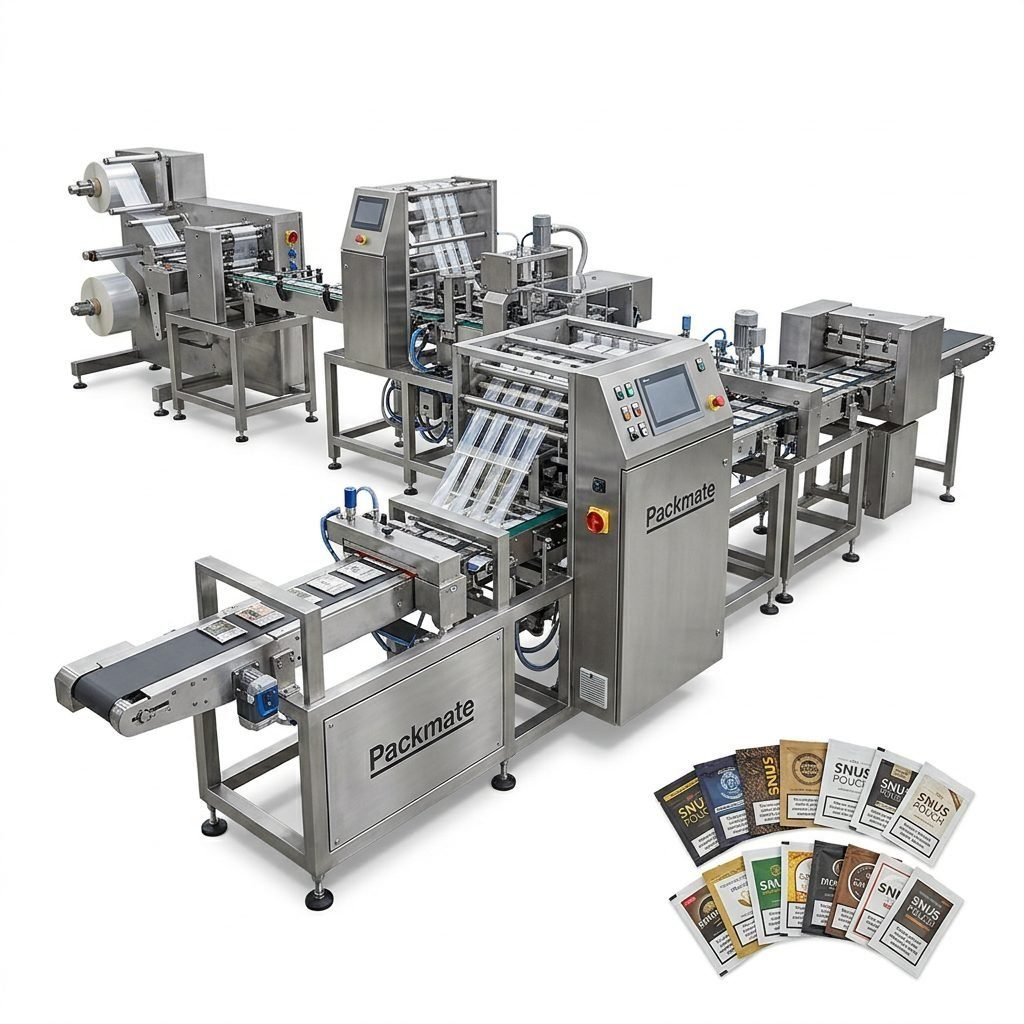
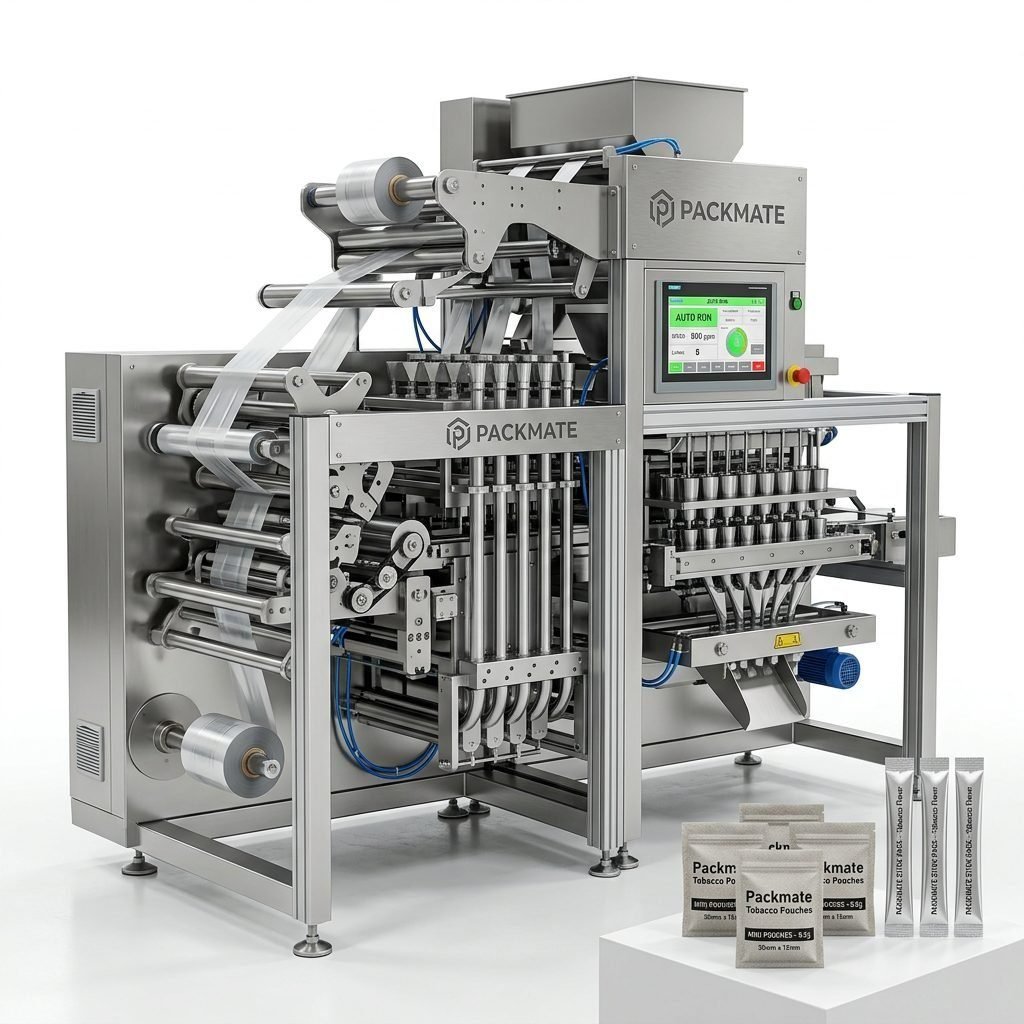
Choosing the right nicotine packaging machine manufacturer for your business in Belgium is a strategic decision that affects product quality, regulatory compliance, and long-term profitability. Belgium’s multilingual market (Dutch, French, German), strong emphasis on EU regulatory standards, and consumer preference for discreet, sustainable packaging all shape the selection process. This guide walks you through practical criteria, local considerations, and actionable steps to identify a reliable partner that can deliver high-performance snus and nicotine pouch packaging lines tailored to the Belgian market.
📌 Understand the Belgian Market and Consumer Habits
Belgian consumers value quality, compliance, and clear labeling. Because the country is multilingual, packaging and instructions often need to support at least two languages (Dutch and French), and sometimes German for border regions. Sustainability and discreet appearance are also important: many consumers prefer compact, easy-to-carry packs with clear branding but minimal environmental impact. When evaluating manufacturers, ask how they accommodate multilingual labeling, recyclable materials, and compact design options.
⚖️ Regulatory context in Belgium and the EU
Belgium follows EU rules and also applies national interpretations for nicotine product sales and marketing. Regulations can change, so prioritize manufacturers whose machines and documentation meet EU standards (CE, ISO) and who offer flexible labeling and traceability systems to help you stay compliant. Always verify local interpretations for nicotine pouches and snus — a machine supplier who understands EU certification processes and can provide compliance support will save you time and risk.
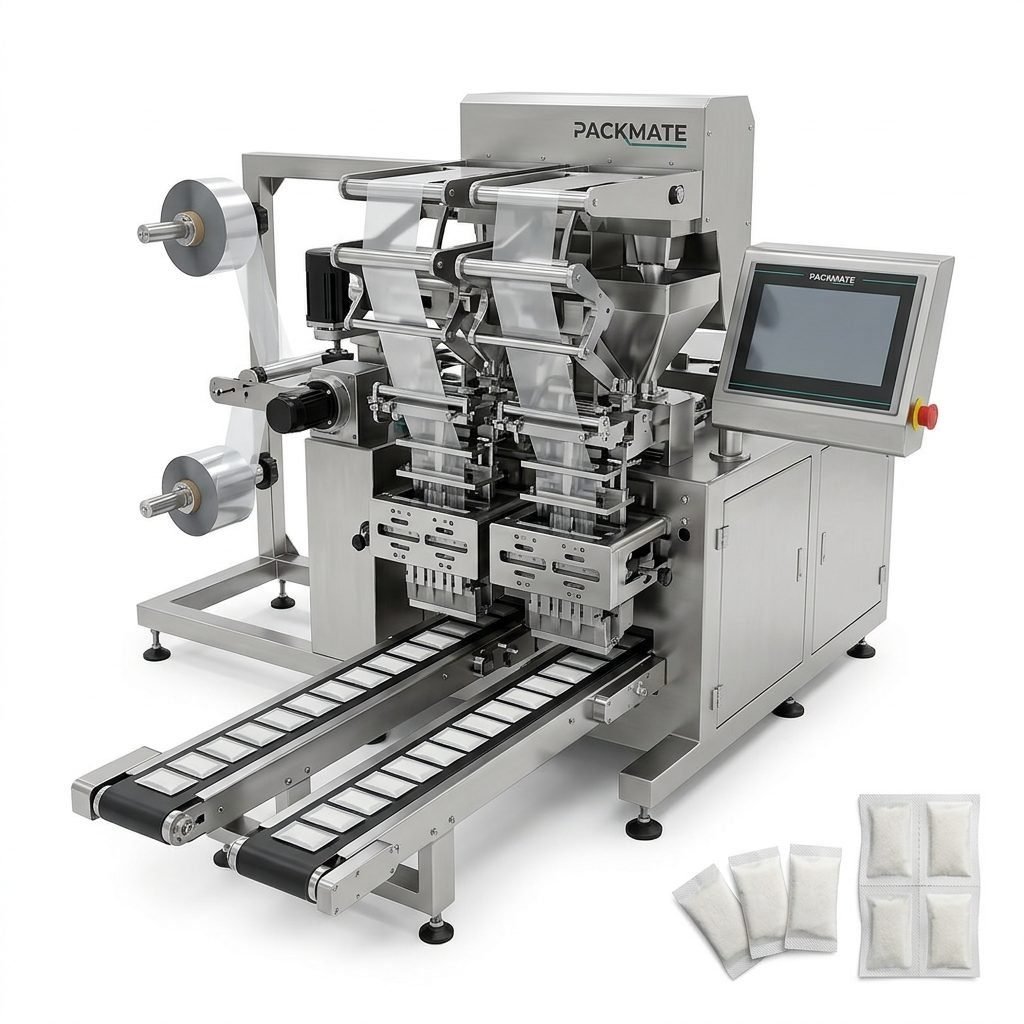
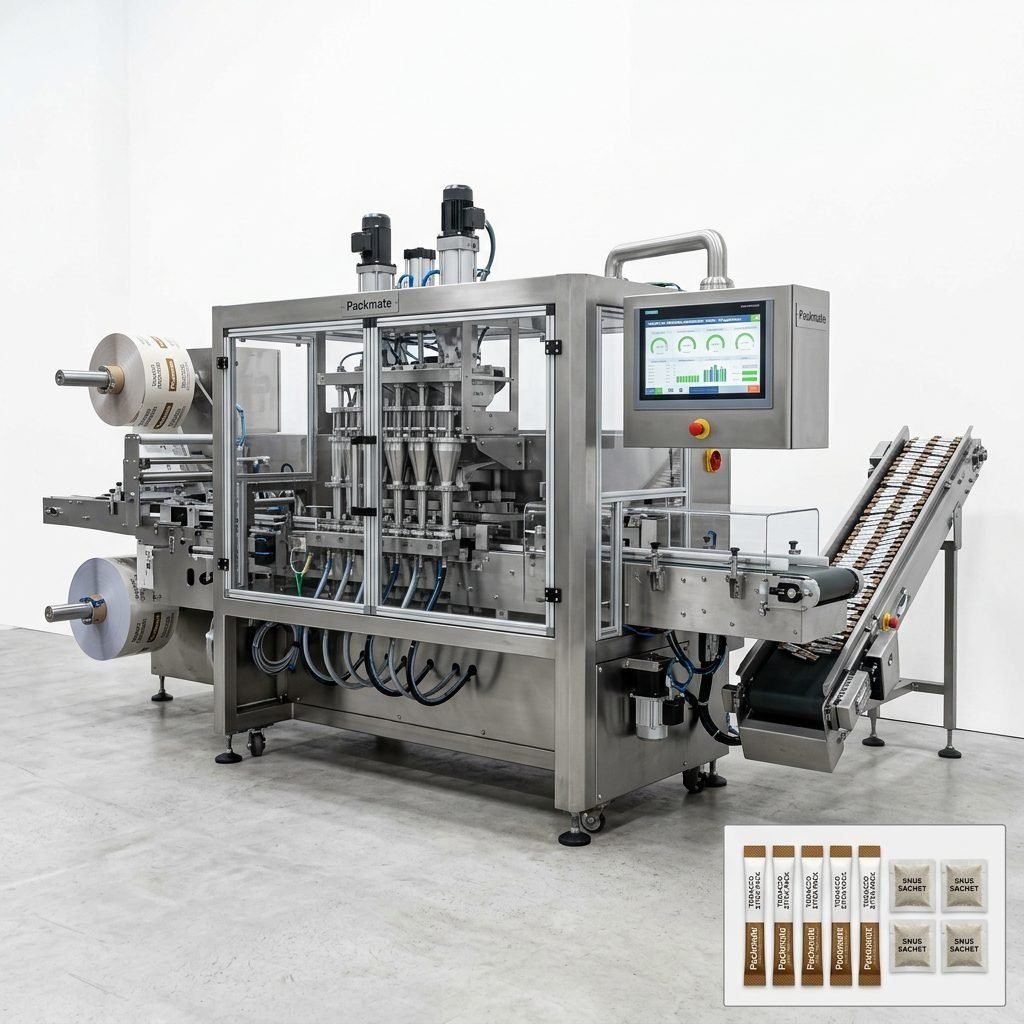
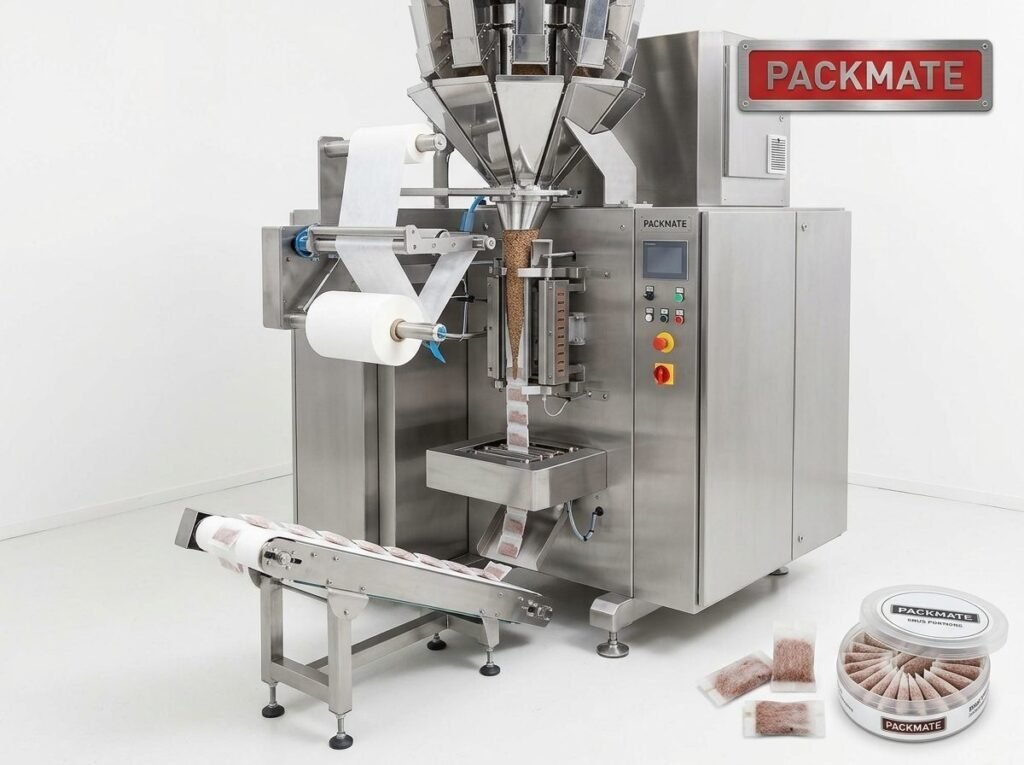
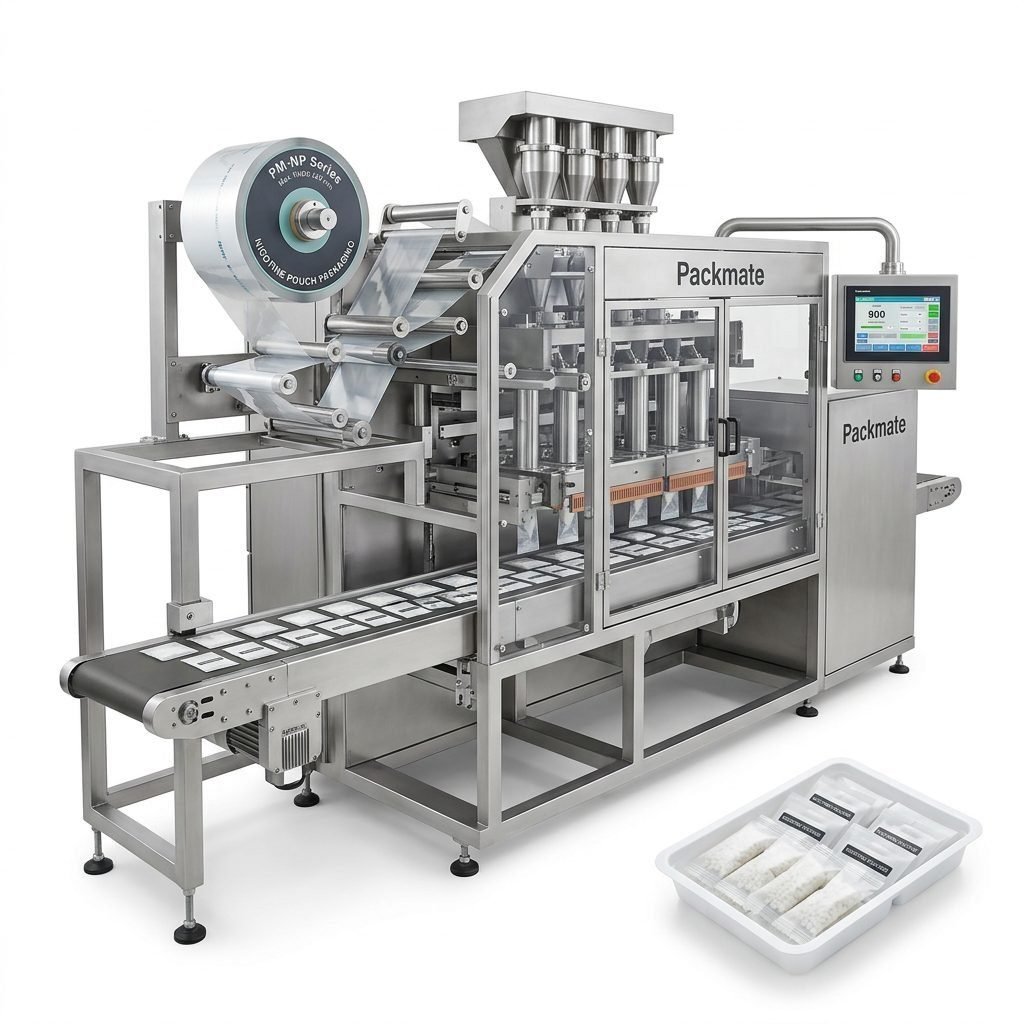
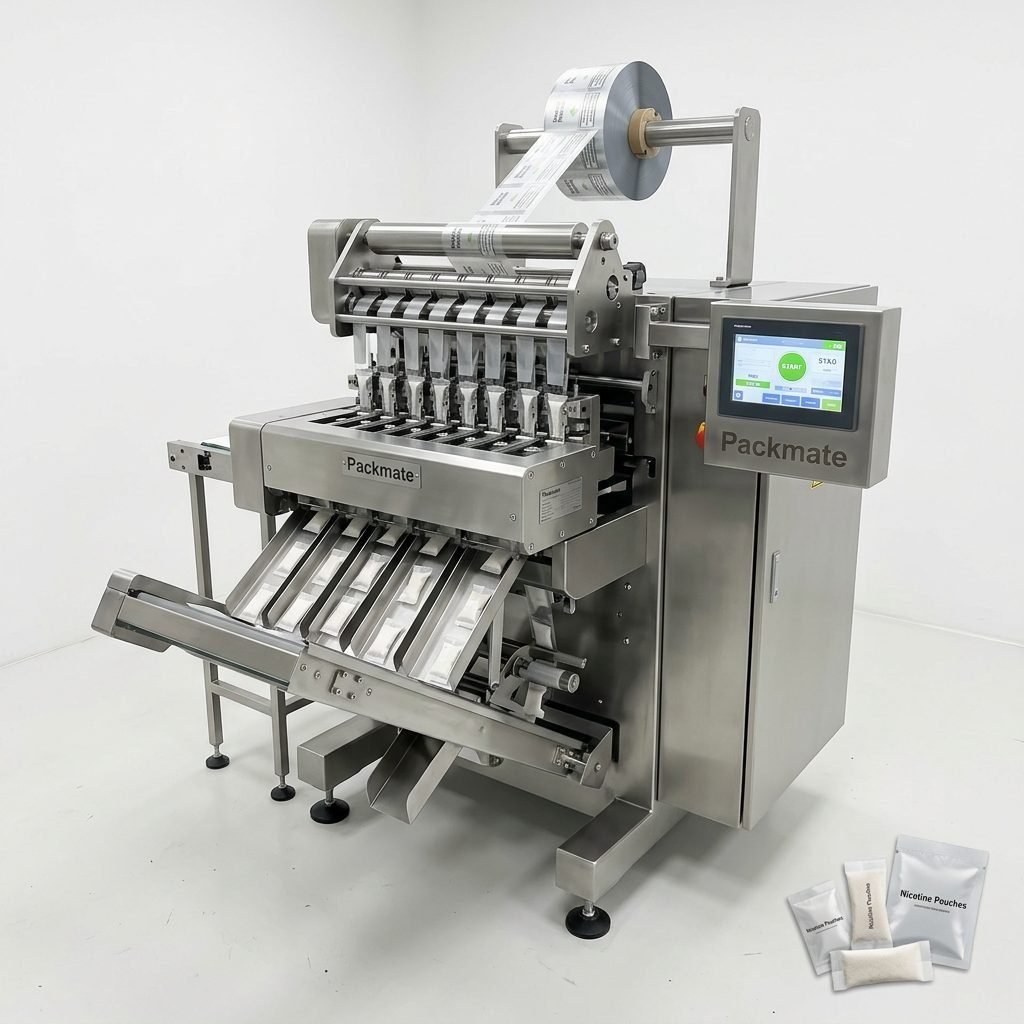
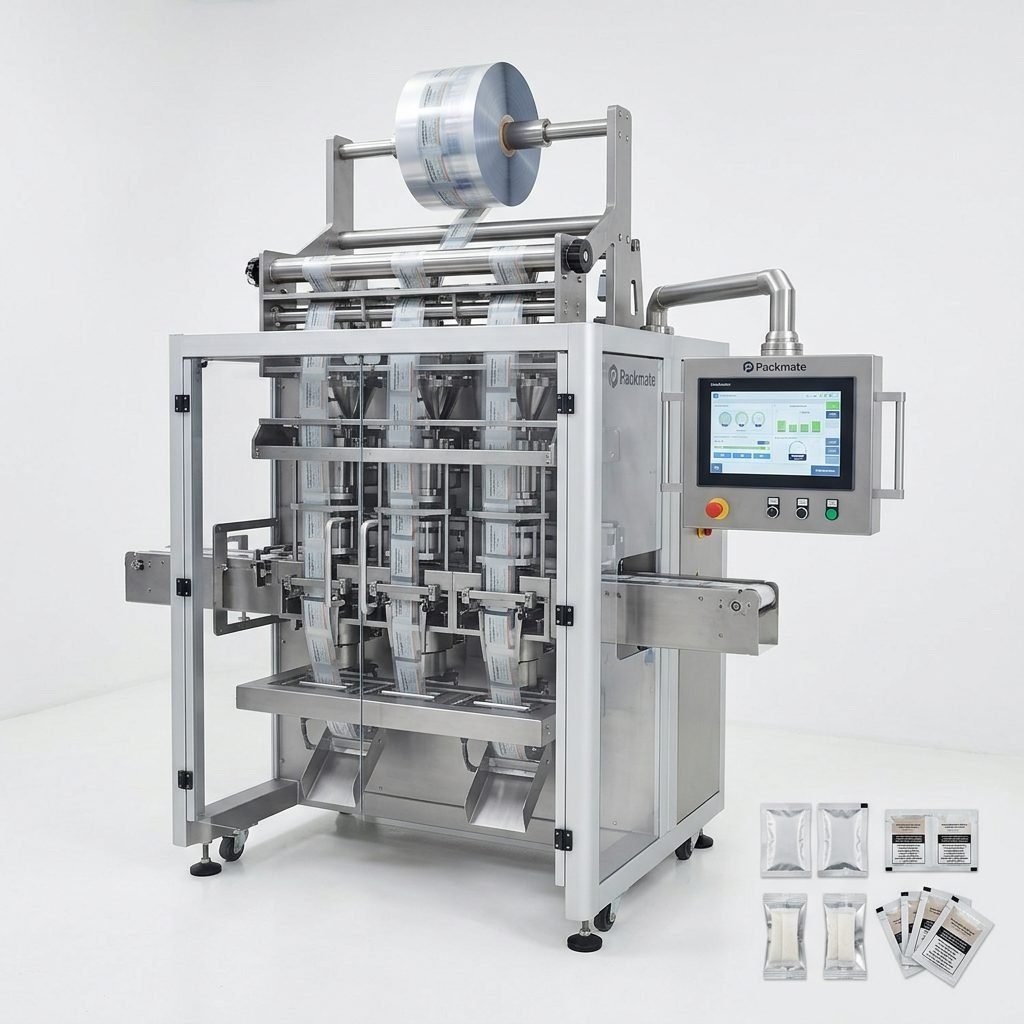
For more technical machine options, inspect detailed product pages such as Snus & Nicotine Packaging Machines to compare machine types suitable for pouches, sachets, and stick packs.
🔍 Key Technical Criteria to Evaluate
When you visit a manufacturer’s site or review brochures, focus on measurable performance indicators:
• Production speed (pouches/minute) and multi-lane capability — Belgian customers often demand flexible runs for small-batch premium products and larger volumes for mainstream lines.
• Filling accuracy and weight control — critical for nicotine dosing consistency and regulatory compliance.
• Changeover time and tooling flexibility — fast format changes reduce downtime and support seasonal or regional product variants.
• Hygiene design and materials — stainless steel contact parts and easy-clean designs matter for food-safety-aligned nicotine operations.
Tip: Request machine performance data from live installations and ask for video or remote demonstrations. Reliable manufacturers provide case references and measurable KPIs rather than vague promises.
🧰 Customization and Integration Capabilities
Belgian brands often require custom printing, multilingual labeling, and specific packaging dimensions to differentiate products. Evaluate whether the manufacturer can:
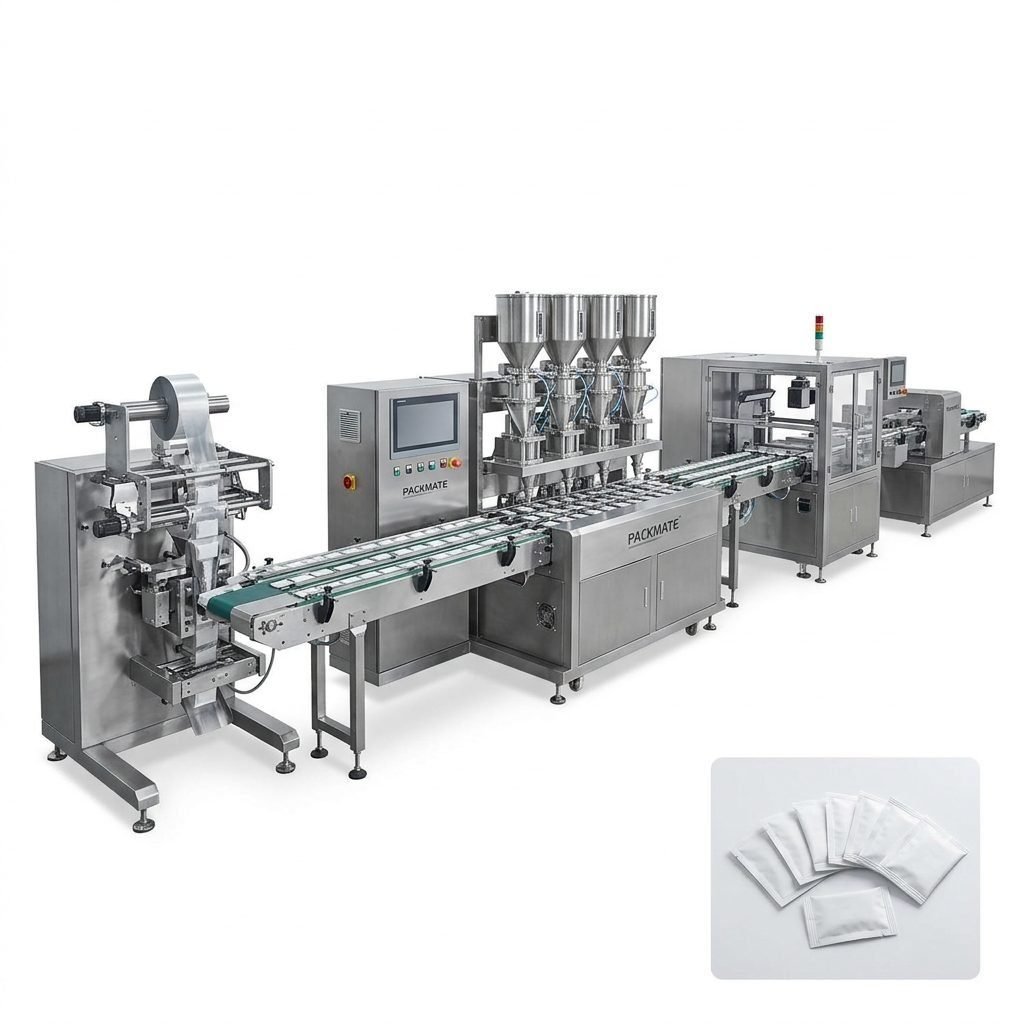
• Provide turnkey lines including weighing, filling, sealing, and secondary packaging;
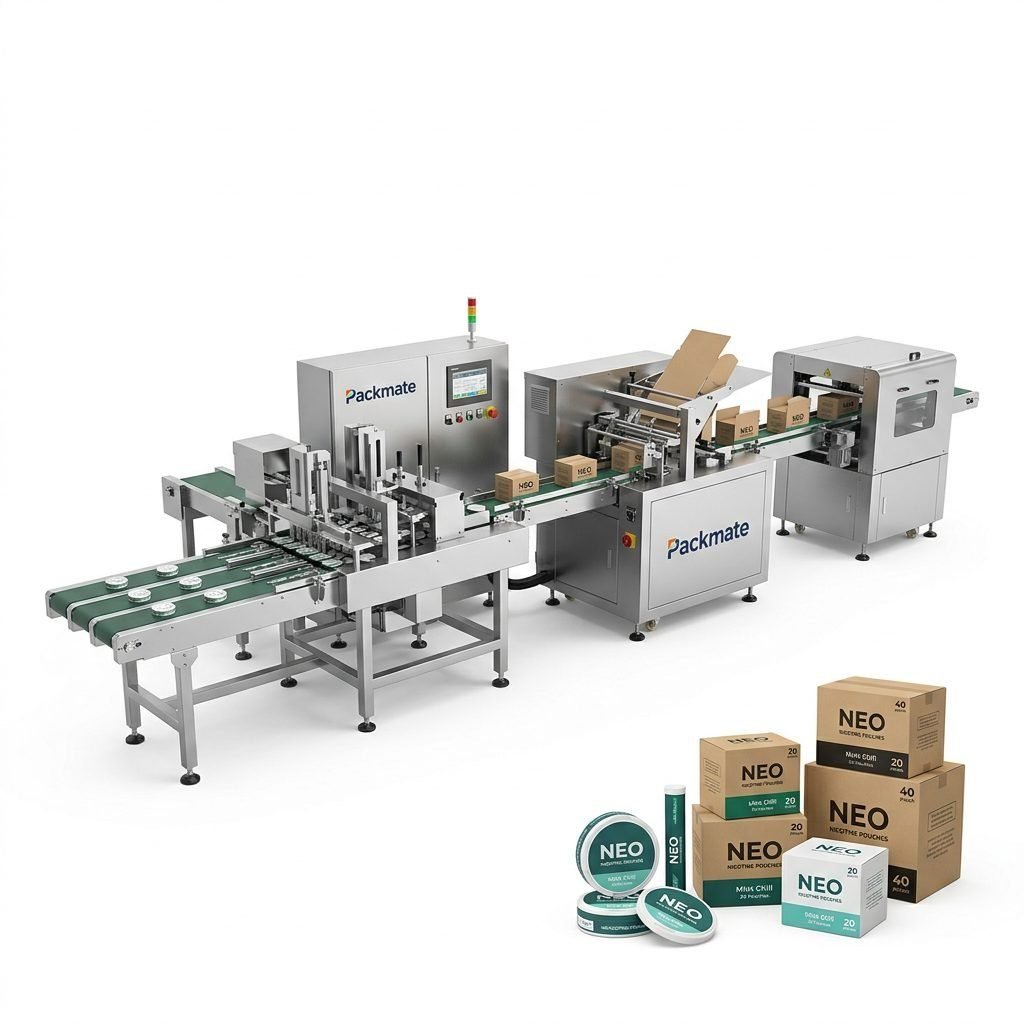
• Integrate with upstream or downstream equipment (e.g., tray packers, cartoners, case packers);
• Offer PLC/software customization for traceability, batch codes, and EU-style labeling.
Packmate’s broad product range and turnkey solutions are examples of suppliers that can support full-line integration — see Filling & Packaging Lines for integrated options.
✅ Certifications, Quality Control and After-Sales Support
Certifications and a documented quality system indicate mature manufacturing processes. Key elements to confirm:
• CE marking and ISO management system compliance for safety and quality.
• Factory acceptance testing (FAT) and site acceptance testing (SAT) procedures.
• Spare parts availability, warranty terms, remote support, and maintenance training. Belgian businesses value fast response and reliable spare-part logistics — ask about European distributor networks or local stocking options.
Important: Verify certificates and request copies. Manufacturers proud of their quality typically share certificates openly — for example, review a supplier’s credential pages such as Certificate.
🛠 Factory Capacity and Engineering Experience
Consider factory size, machining capability, and years of R&D. A supplier with advanced CNC centers, dedicated assembly lines, and decades of experience is better equipped to deliver robust machines and custom features. Check for:
• Factory footprint and machining capabilities (CNC, precision assembly);
• Years of industry experience — suppliers with 20–30+ years bring proven designs and iterative improvements;
• Reference installations in similar markets — ask for customer cases and visit if possible.
A company profile that highlights decades of engineering and a large manufacturing facility shows depth of capability — see About Packmate for an example of company background and experience.
💶 Total Cost of Ownership and Return on Investment
Price is only one part of the equation. Evaluate the total cost of ownership (TCO): purchase price, installation, commissioning, spare parts, energy consumption, and expected uptime. A higher-quality machine with better accuracy and longevity often yields a faster ROI through reduced waste and lower maintenance costs.
ROI Checklist: Calculate waste reduction, production speed gains, energy savings, and reduced downtime when comparing quotes.
🔁 Warranties, Spare Parts and Local Support
Belgian companies expect responsive local support. Ask suppliers about:
• Warranty length and what it covers;
• Spare part lead times and optional European spare-part stocking;
• Remote troubleshooting capabilities and training offerings for operators and maintenance staff.
🧾 Practical Steps to Vet and Select a Manufacturer
Follow a structured evaluation process:
1) Define your production targets and packaging formats (pouch size, lanes, fill types).
2) Create a shortlist of suppliers and request technical data sheets, videos, and references.
3) Schedule virtual or onsite demos; insist on FAT reports and sample runs with your product or a similar formulation.
4) Request detailed quotes including installation, training, spare parts kits, and lifecycle support.
5) Check references and ask for contactable customers in Europe or similar regulatory contexts.
If you want to review real-world project examples, supplier case studies can be very helpful — see relevant references at Case.
🌱 Sustainability and Packaging Trends in Belgium
Belgian consumers increasingly prefer recyclable materials and minimalistic designs. When choosing machinery, evaluate:
• Compatibility with biodegradable or recyclable films;
• Efficient sealing methods that reduce material use;
• Options for secondary packaging that use less plastic or incorporate recycled content.
Sustainability Note: Request environmental impact information and energy consumption data for each machine model you consider.
🤝 Contract Terms and Delivery Logistics
Belgium’s central location in Europe makes logistics planning straightforward, but confirm lead times, export documents, and installation support. Verify:
• Delivery schedules and shipping incoterms;
• Installation and commissioning timeline;
• Training plans for Belgian operators in the appropriate language(s).
If you are assessing supplier responsiveness and support options, use their contact channels — for example, see Contact Us to understand how quickly they respond.
📋 Final Decision Checklist (Quick)
• Machine performance & reproducibility
• Certifications (CE/ISO) and quality control
• Spare parts, warranty, and local support
• Customization for multilingual Belgian labeling
• Sustainability and TCO analysis
🔎 Why a Specialist Supplier Matters
Specialist suppliers with focused experience in snus and nicotine pouch packaging deliver better outcomes: fewer mechanical surprises, optimized dosing systems, and packaging formats aligned with market expectations. A manufacturer with decades of experience and a dedicated snus product line can speed up time-to-market and reduce compliance risk.
Explore specialized product categories such as Sachet & Stick Pack Machines or broader offerings like Bag & Pouch Packaging Machines to match your format needs.
📞 Next Steps: How to Engage with Potential Manufacturers
Start with a clear request for quotation (RFQ) that outlines production volumes, pouch formats, number of lanes, required certifications, and expected delivery window. Ask for FAT documentation, customer references, and a preliminary layout drawing for your factory floor. Prioritize suppliers who provide transparent lead times and who can demonstrate European references or installations.
Reminder: Multilingual communication is vital in Belgium. Confirm that pre-sales and after-sales teams can provide documentation and training in Dutch and French where required.
If you want to learn more about a turnkey approach and service packages, review the supplier’s service resources such as Service and catalogs for line configurations Catalog.
Frequently Asked Questions
Q1: How can I be sure a manufacturer meets EU/Belgian regulations?
A1: Request copies of CE and ISO certifications, FAT/SAT reports, and examples of compliance documentation used for previous European customers. Also ask for references in the EU and proof of compliance workflows for labeling and traceability.
Q2: What is the typical lead time for a snus/nicotine pouch line?
A2: Lead times vary by customization and factory load, but expect several months from contract to shipment. Ask the supplier for a detailed timeline including engineering, FAT, shipping, and commissioning milestones.
Q3: How important is spare-parts strategy for operations in Belgium?
A3: Very important — fast access to critical spares reduces downtime. Negotiate spare parts kits, local stocking options, and guaranteed lead times in your purchase agreement.
Q4: Can machines handle eco-friendly films or recyclable materials?
A4: Many modern machines are compatible with a wide range of films, but confirm material handling and sealing parameters during factory tests. Ask for sample runs with your chosen film to validate performance.
Q5: What level of training and documentation should I expect?
A5: Expect comprehensive operator and maintenance training, spare-parts lists, wiring diagrams, and machine manuals. Insist on multilingual documentation if your Belgian workforce requires Dutch or French materials.