Finding a reliable snus packaging machinery supplier in Georgia requires more than a quick web search. Whether you are importing nicotine pouches for retail distribution, launching a local production line, or upgrading existing packaging equipment, this guide walks you through practical steps and local considerations to help you select a trustworthy partner and secure a robust, compliant packaging solution.
Understand the Georgian Market and Local Customs
Georgia (the country) sits at a crossroads between Europe and Asia and has a unique set of commercial norms and regulatory nuances. A few local realities to keep in mind:
✔ Cultural approach: Georgian business is relationship-driven. Personal meetings, introductions through trusted contacts, and invitations to see factories or offices are often expected before large purchases.
✔ Language and paperwork: Georgian and Russian are commonly used; English is frequent in B2B operations. Translate technical specifications and contracts carefully and confirm local compliance requirements in advance.
Regulatory and consumer trends relevant to snus
While snus and nicotine pouches are more traditional in Nordic markets, demand in Georgia and nearby regions is growing among urban youth and smokers looking for alternatives. However, regulation can change quickly — check import rules, labeling requirements, and taxation for nicotine products before finalizing any purchase.
Key Supplier Credentials and What to Verify
Not every machine builder meets the consistency and after-sales standards you need. Verify these essentials before engaging:
- Certifications: CE and ISO compliance indicate international safety and quality standards.
- Factory scale & equipment: a large manufacturing facility with CNC machining and precision assembly lines is a strong sign of capability.
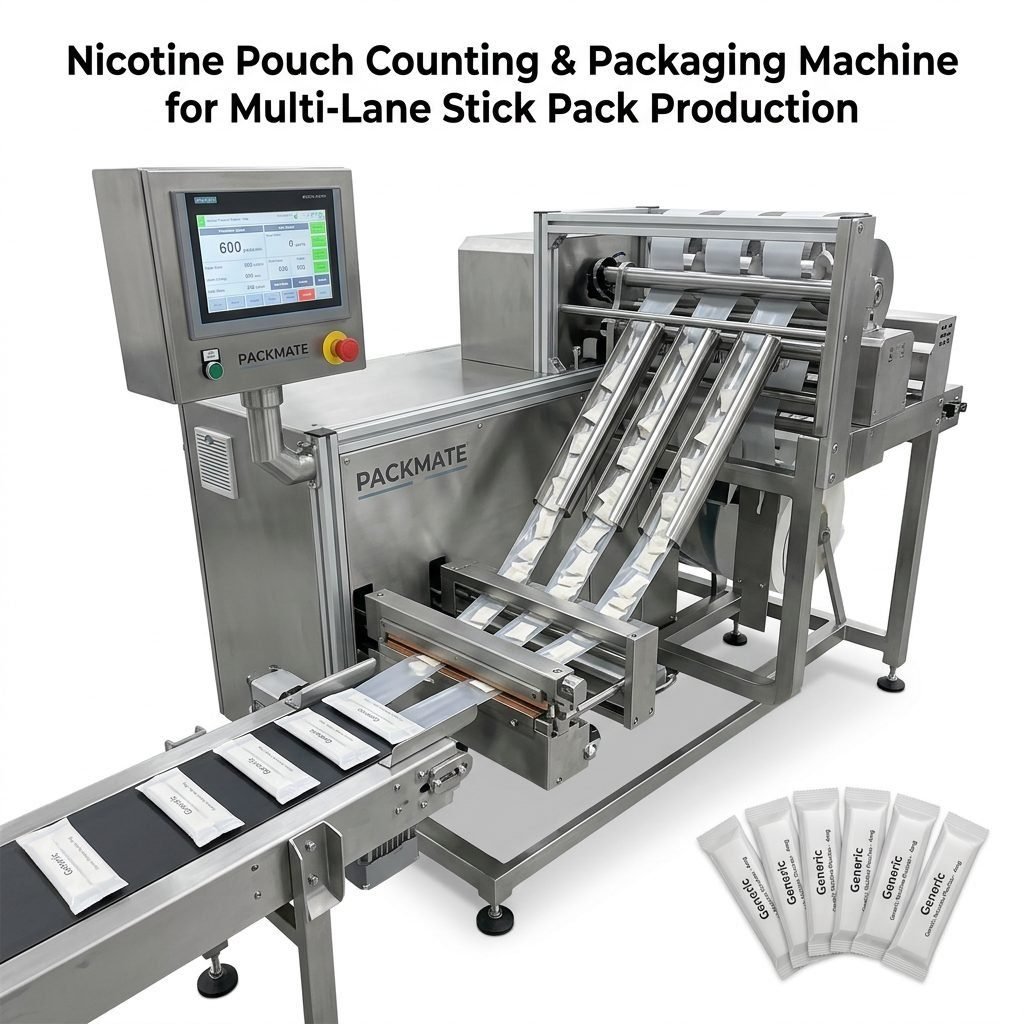
- Product portfolio: check for specialized snus and nicotine pouch packaging lines like sachet/stick pack and multi-lane systems.
- References and real cases: ask for client references and production case studies.
➡ Practical tip: request factory photos, assembly videos, and video demonstrations of machines running your product format. If the supplier hesitates, consider it a red flag.
Suggested verification checklist
When you contact suppliers, ask specifically for:
- Factory capacity, CNC and assembly capabilities.
- Spare parts availability and lead times for replacements.
- Warranty terms, remote support options, and on-site installation services.
- Third-party inspection or testing reports.
Technical Specifications: What Matters for Snus Packaging
Choosing the right machine depends on product format, target output, and future flexibility. Focus on:
- Production speed: multi-lane systems increase output significantly — ask for real throughput data with your materials.
- Accuracy of dosing: small-dose nicotine pouches require precise weighing and filling systems.
- Packaging formats: stick packs, sachets, and single-portion pouches each need specific tooling and sealing technology.
- Changeover time: quick mold/tool changes reduce downtime if you plan multiple SKUs.
- Materials compatibility: confirm the machine handles your film, pouch types, and barrier requirements for nicotine products.
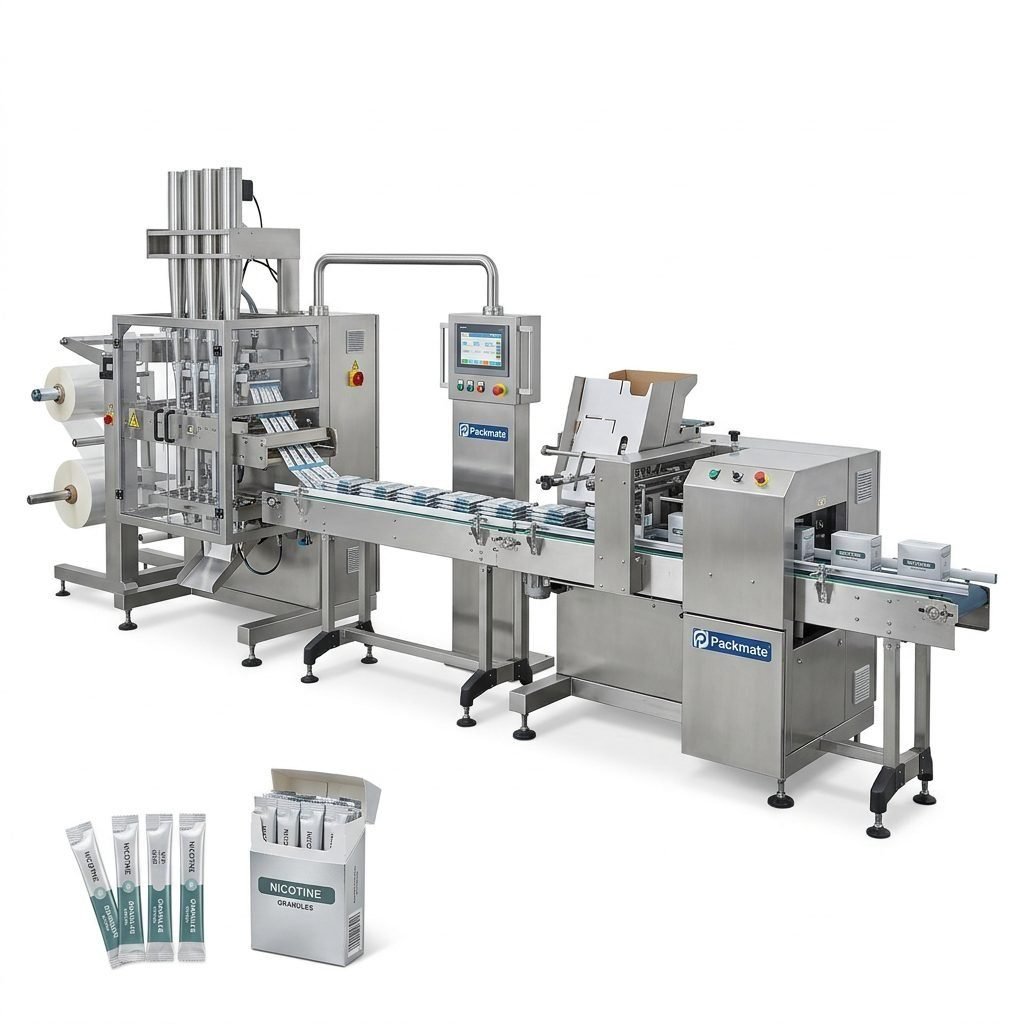
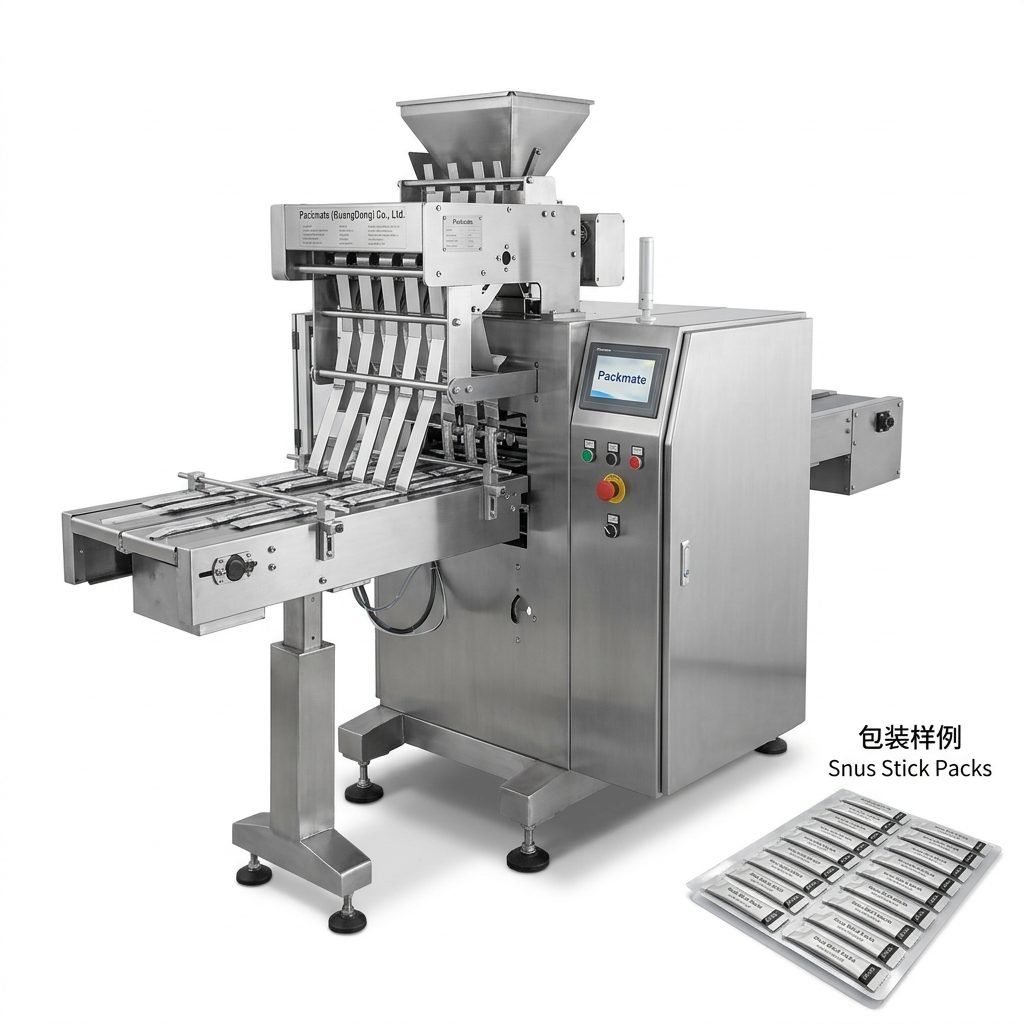
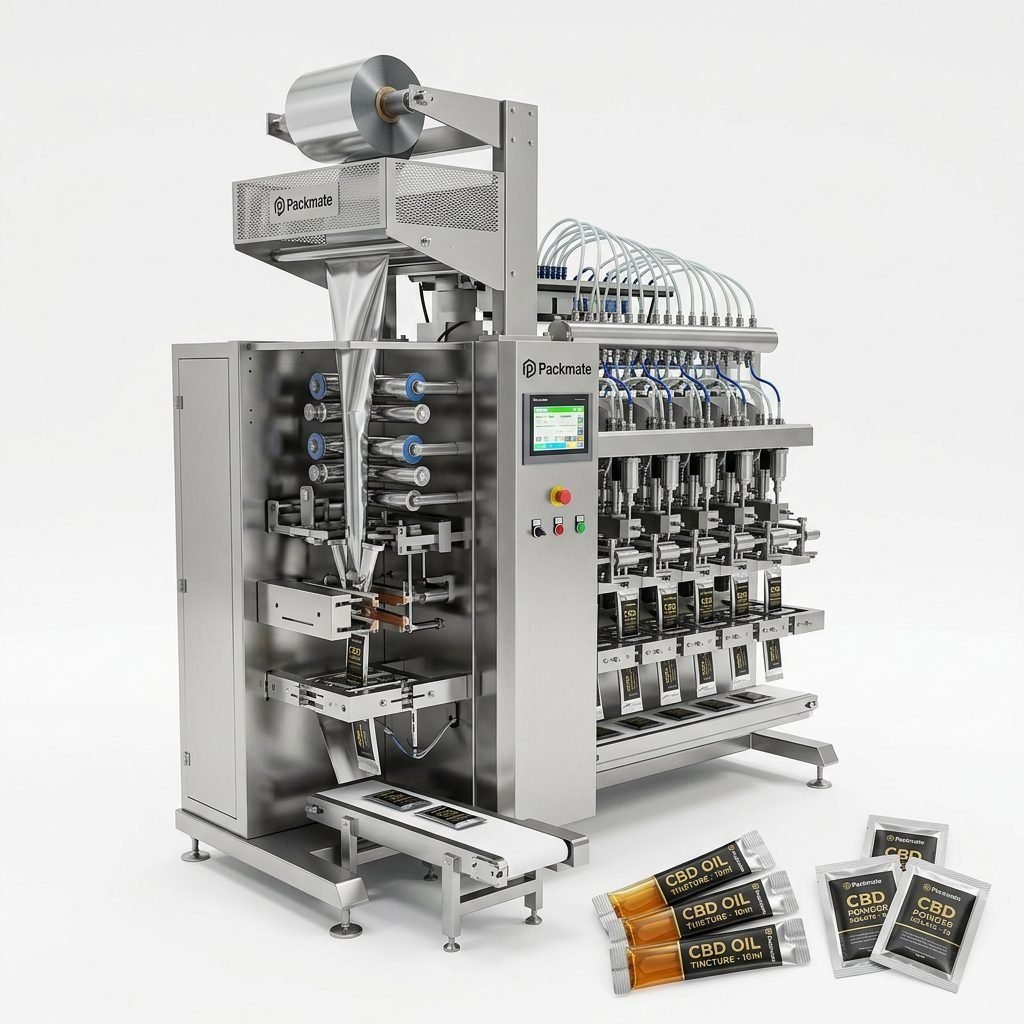
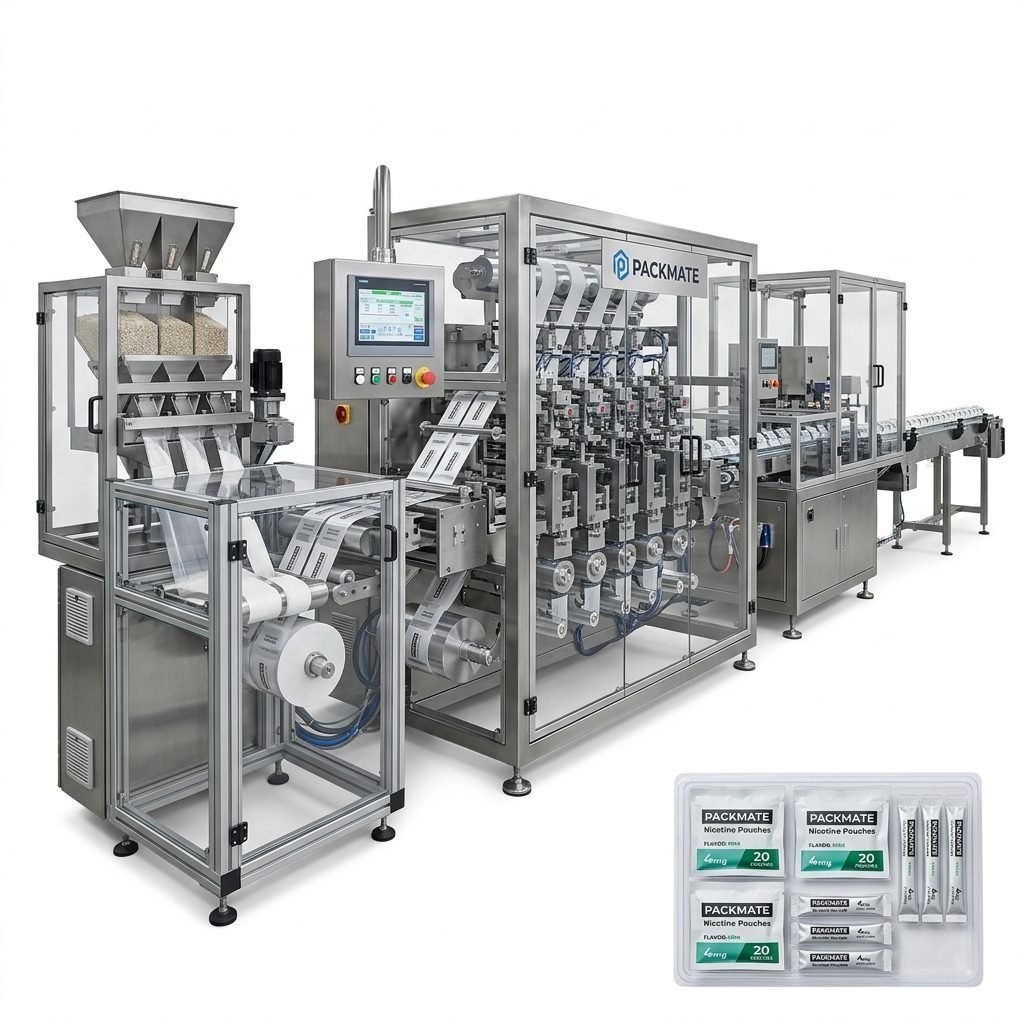
Packmate example
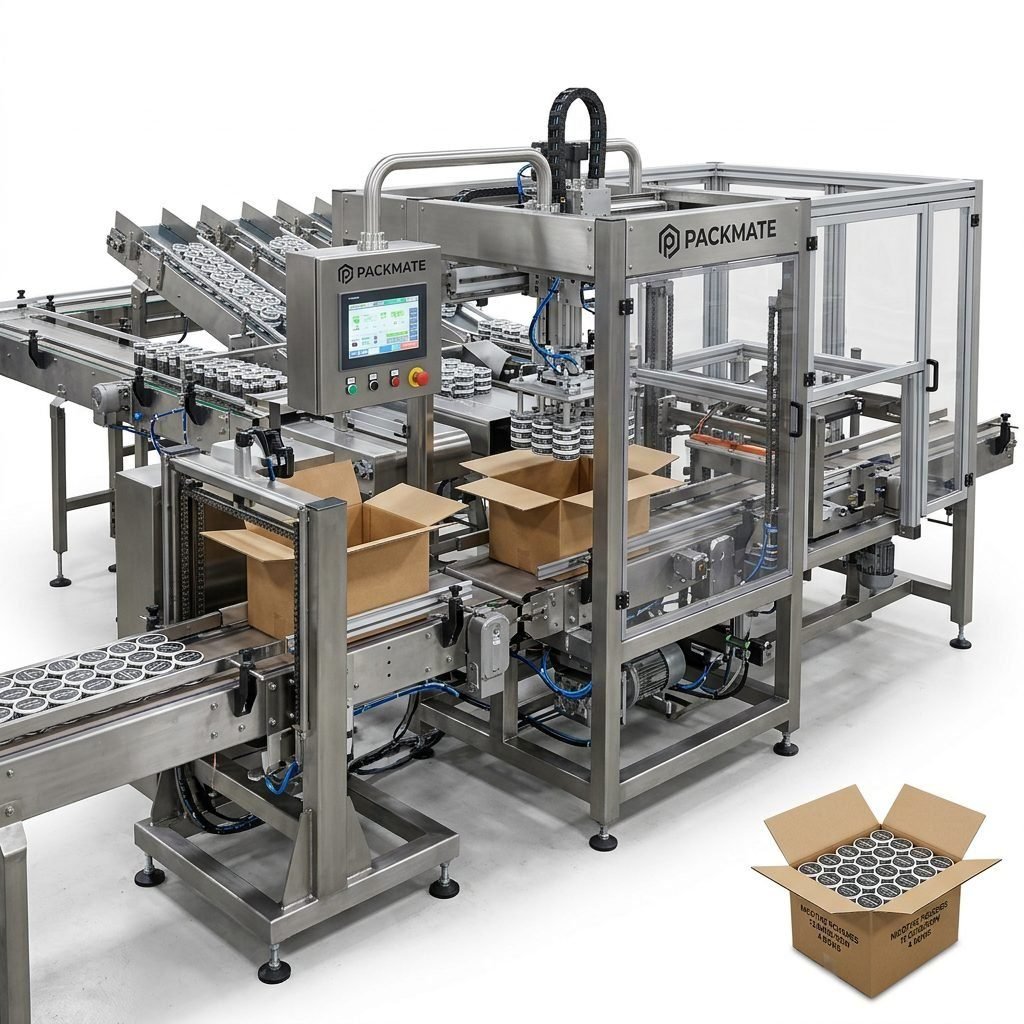
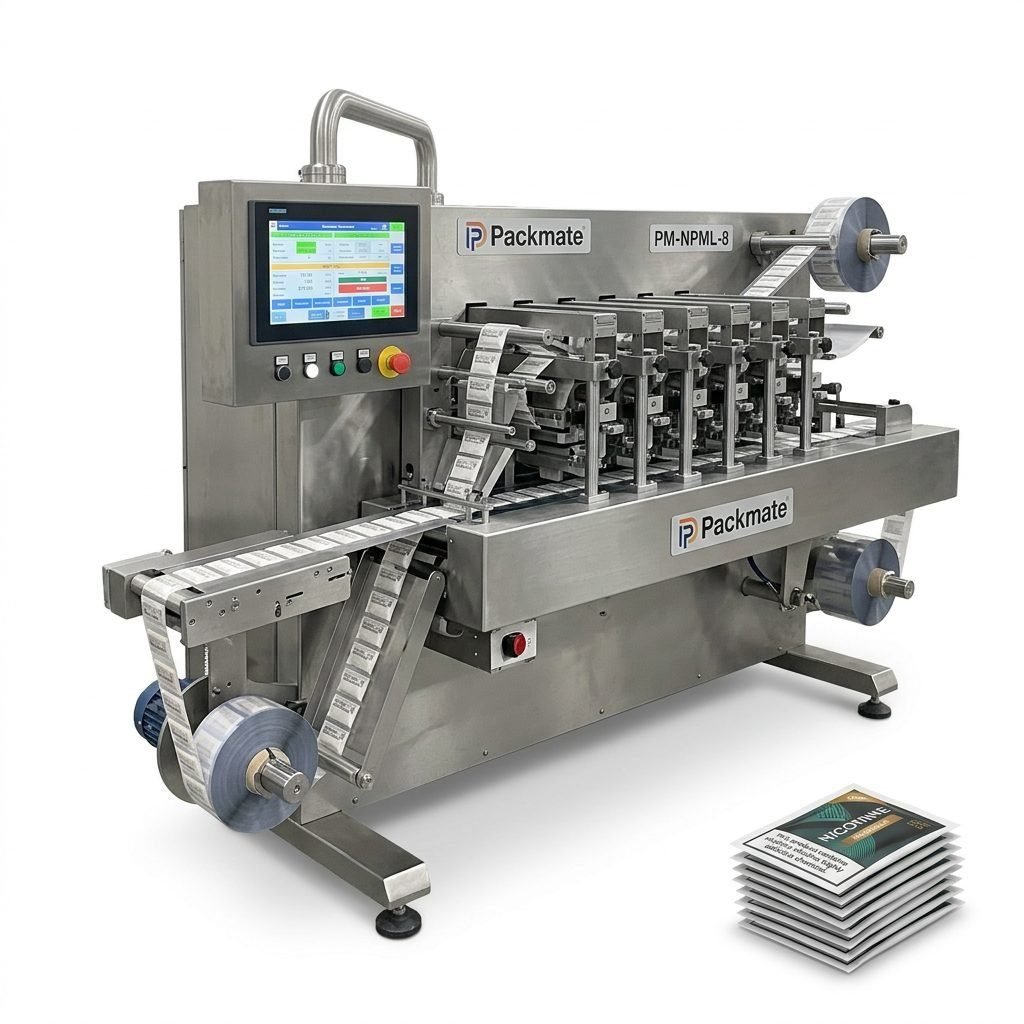
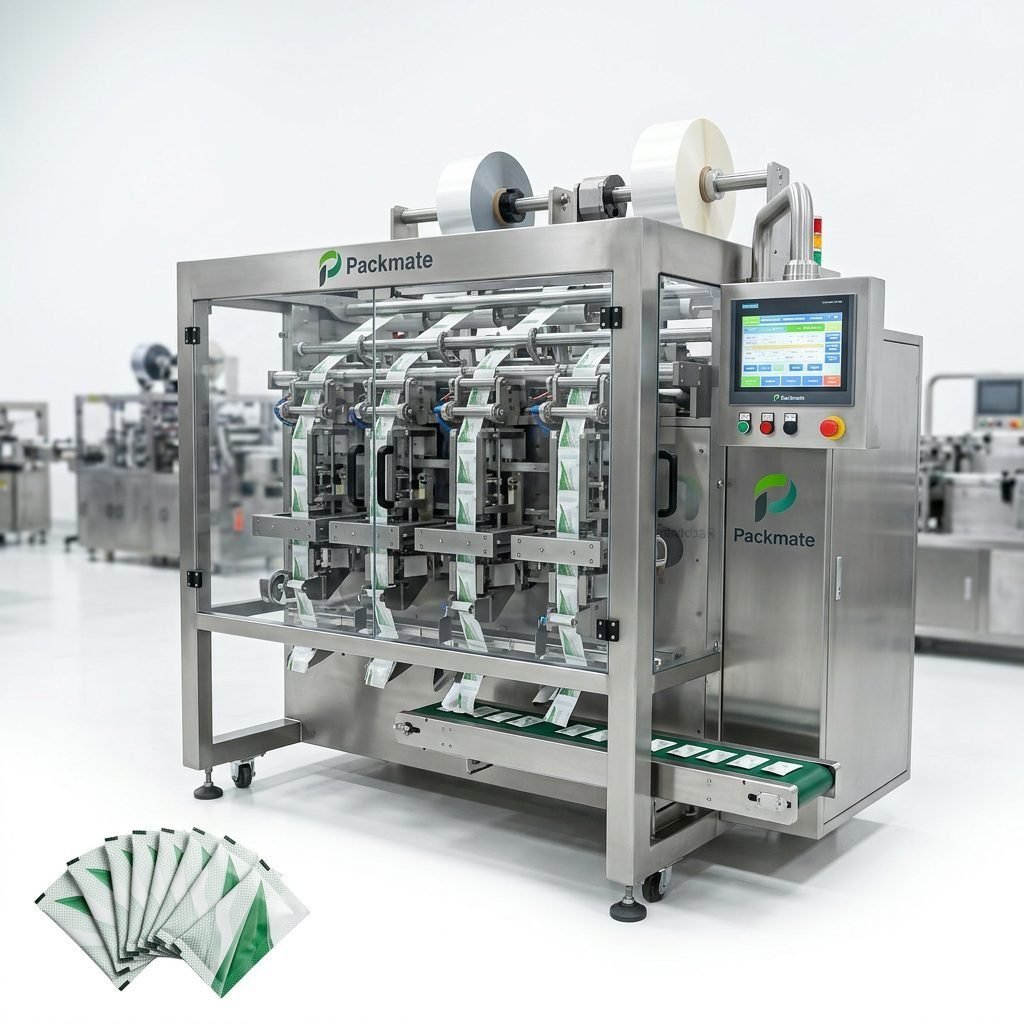
Packmate Snus Machine has 30+ years of engineering experience and a wide range of snus & nicotine packaging machines. Reviewing manufacturer product pages like Snus & Nicotine Packaging Machines can give you concrete model options and capacity ranges to compare.
Relevant links: Snus & Nicotine Packaging Machines, Sachet & Stick Pack Machines, Case studies.
Questions to Ask Suppliers — Practical Buyer Script
When you speak to suppliers, use clear, specific questions so answers are comparable across vendors:
- What is the expected output (pouches/min per lane) and how many lanes does the machine support?
- Can you provide a video of the machine running my specific product or a similar sample?
- What spare parts are included with the initial purchase and what is the typical lead time for replacements?
- What warranty, installation, and training services are offered in Georgia or the nearest region?
- Do you support CE/ISO documentation and can you assist with local regulatory alignment?
🔧 Quick negotiation note: Georgian buyers often appreciate flexible payment milestones and pilot testing. Propose phased payments tied to acceptance tests to reduce risk for both sides.
Quality Assurance, Testing & After-sales Service
High uptime and consistent pouch quality depend on proper testing and solid after-sales arrangements. Insist on:
- Factory acceptance testing (FAT) that includes your product or a representative material.
- Clear service-level agreements (SLAs) for remote support, spare parts lead-times, and on-site visits.
- Training for local operators and maintenance staff, plus illustrated manuals and spare parts lists.
Suppliers like Packmate emphasize advanced CNC machining and precision assembly to ensure machine stability — ask for certificates and see their Certificate documentation if available.
Logistics, Customs, and Compliance in Georgia
Importing packaging machines into Georgia involves shipping, customs clearance, and the right paperwork. Plan for:
- HS codes and import duties for machinery — confirm with Georgian customs or a local broker.
- Documentation: commercial invoice, packing list, bill of lading, certificates of origin, and CE/ISO certificates if applicable.
- Local installation requirements: electrical standards, compressed air, and workshop dimensions should be confirmed before shipment.
📌 Note: arrange a technical site survey prior to machine arrival. This prevents costly modifications and ensures a smooth commissioning process.
Local partners and service network
If your supplier has a local partner or service agent in the Caucasus or surrounding region, it can dramatically reduce service response time. Ask suppliers for regional contacts or recommended service providers.
Evaluating Cost vs Value — Total Cost of Ownership
The lowest purchase price rarely equates to the best long-term value. Consider:
- Initial price vs uptime: a higher-quality machine may reduce maintenance costs and yield downtime losses.
- Spare parts pricing and availability: cheap machines with hard-to-get parts can be expensive in practice.
- Energy efficiency and consumables: machines optimized for lower energy and reduced film waste save money over time.
- Resale value: well-known brands with documentation retain higher resale value if you upgrade later.
Return on investment considerations
Calculate ROI based on realistic production rates, expected yield loss, operator wages, utilities, and maintenance. Ask suppliers to provide case studies or reference calculations tailored to your planned SKU mix.
Final Pre-purchase Checklist
✔ Factory audit completed — photos, videos, and credentials verified.
✔ FAT with my product — or a signed acceptance test plan before full payment.
✔ Spare parts & training included — confirm lists and delivery timelines.
✔ Clear logistics plan — shipping method, customs agent, site survey, and installation schedule confirmed.
If you need examples and further reading
Explore manufacturer pages for specs and case studies: Packmate’s About page and product categories provide deep insight into model options and turnkey solutions: About Packmate, Filling & Packaging Lines, and Contact Us for direct inquiries.
Local Buying Tips — Cultural and Practical
A few buyer behaviors will help you build a smoother procurement process in Georgia:
- Build relationships: invest time in meetings (virtual or in-person) and don’t rush decisions; long-term trust is important.
- Leverage local knowledge: hire a local consultant or customs broker for paperwork and translation support.
- Attend exhibitions: suppliers often demonstrate machines at trade shows — meet vendors there to see live demos.
Summary
Selecting a reliable snus packaging machinery supplier in Georgia combines due diligence on certifications and factory capabilities with practical local considerations like regulations, culture, and logistics. Insist on FATs, documented warranties, and a clear spare parts and service plan. Using the checklist in this guide will reduce risk and ensure you choose a partner capable of delivering consistent production quality for your snus and nicotine pouch products.
Frequently Asked Questions
Q1: Are snus packaging machines legal to import into Georgia?
Regulations change — check with local customs and public health authorities. Machines themselves are typically importable, but the sale and distribution of nicotine products may be subject to licensing, labeling, and taxation rules.
Q2: How important is a factory acceptance test (FAT)?
Essential. A FAT proves machine performance with representative materials and helps define acceptance criteria, reducing disputes and ensuring the machine will meet your production needs.
Q3: What after-sales support should I require?
Remote troubleshooting, spare parts lists and guaranteed lead times, on-site installation and commissioning, and operator training are critical. If available, local service partners or regional agents speed up response times.
Q4: Can I get turnkey solutions for snus production?
Yes — many suppliers, including experienced manufacturers, offer turnkey production lines that include filling, weighing, sealing, and secondary packaging with full project management.
Q5: Where can I find suppliers with proven snus experience?
Look for manufacturers with dedicated snus & nicotine packaging product lines, clear case studies, and relevant certifications. Manufacturer product pages and case sections are useful starting points.