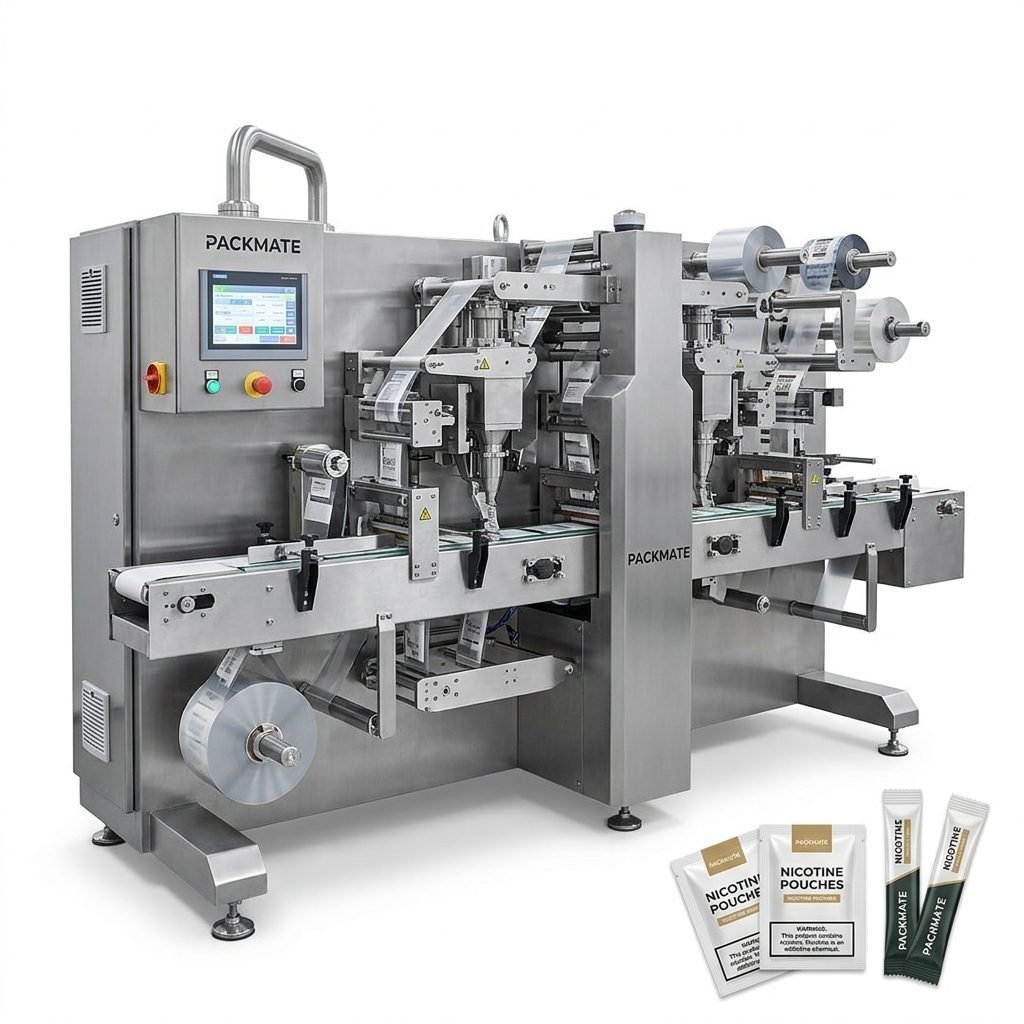
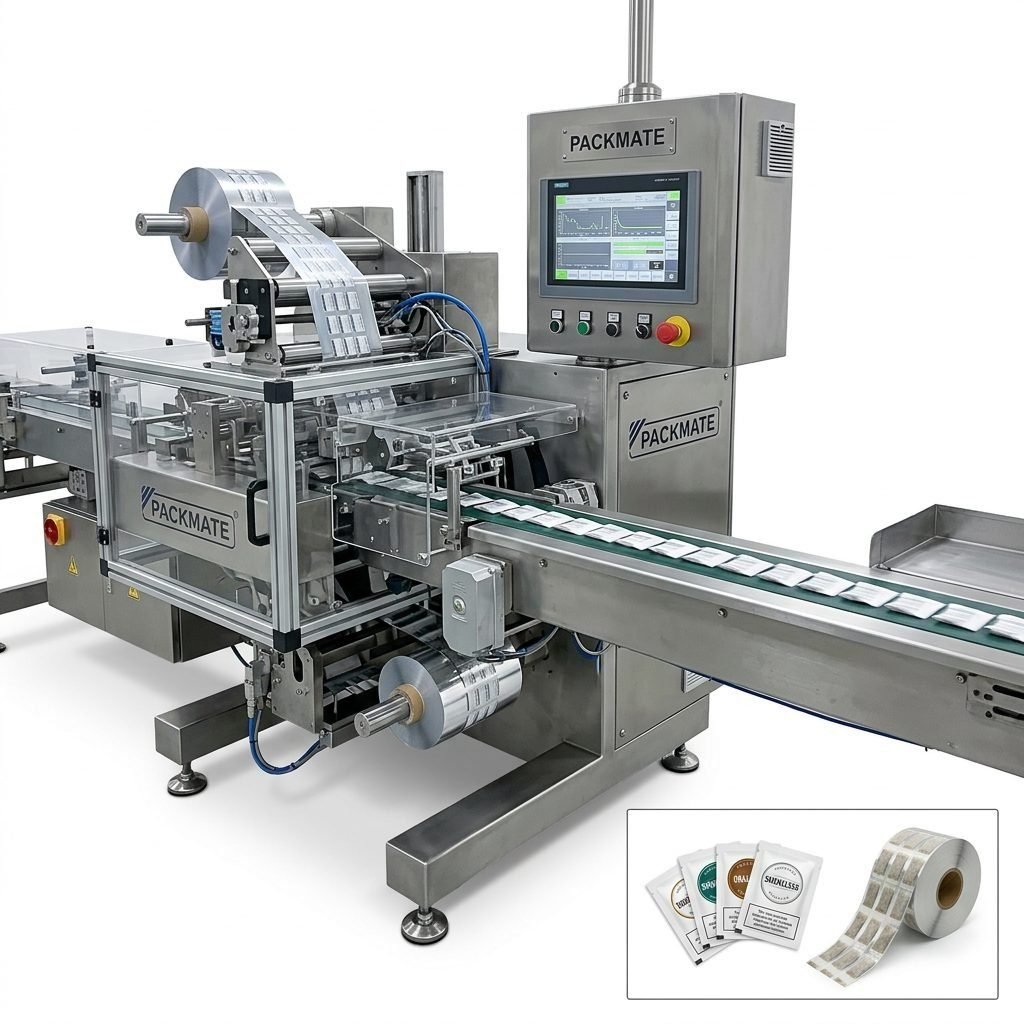
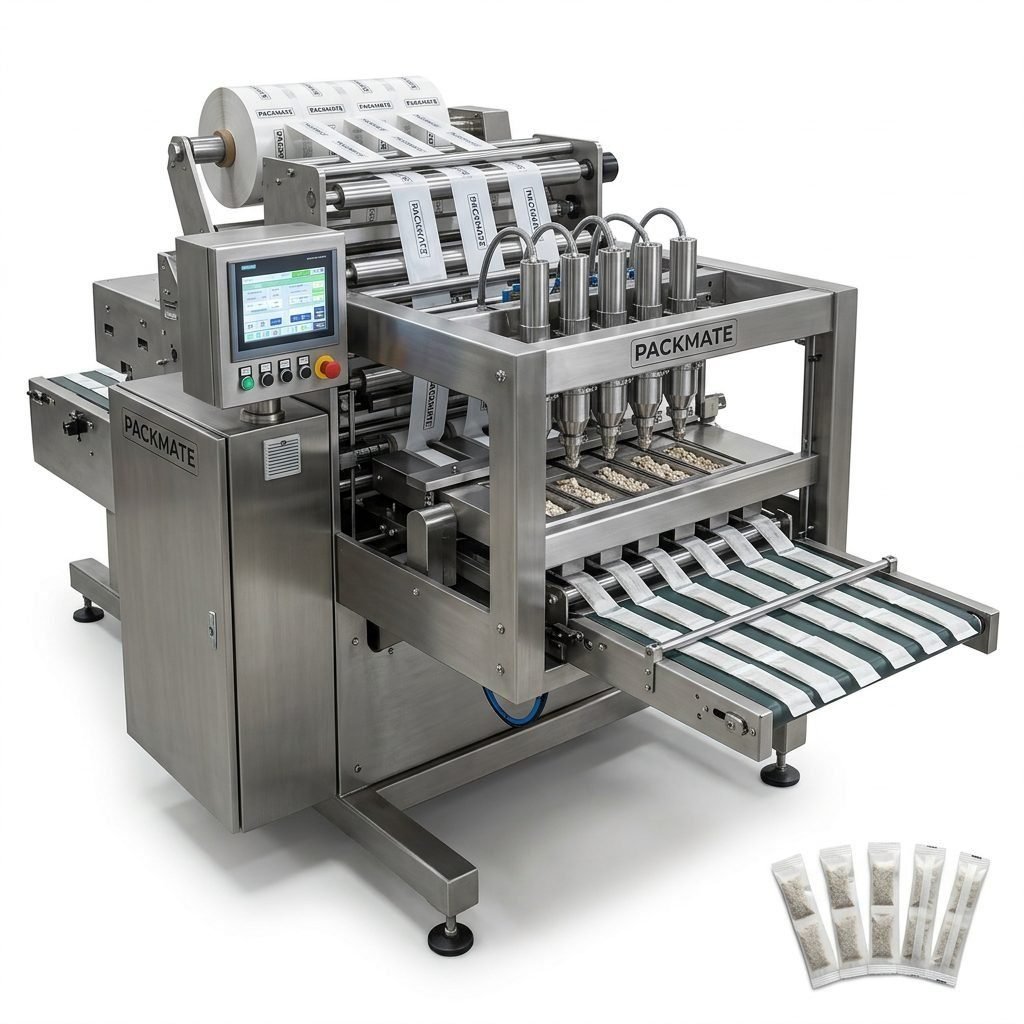
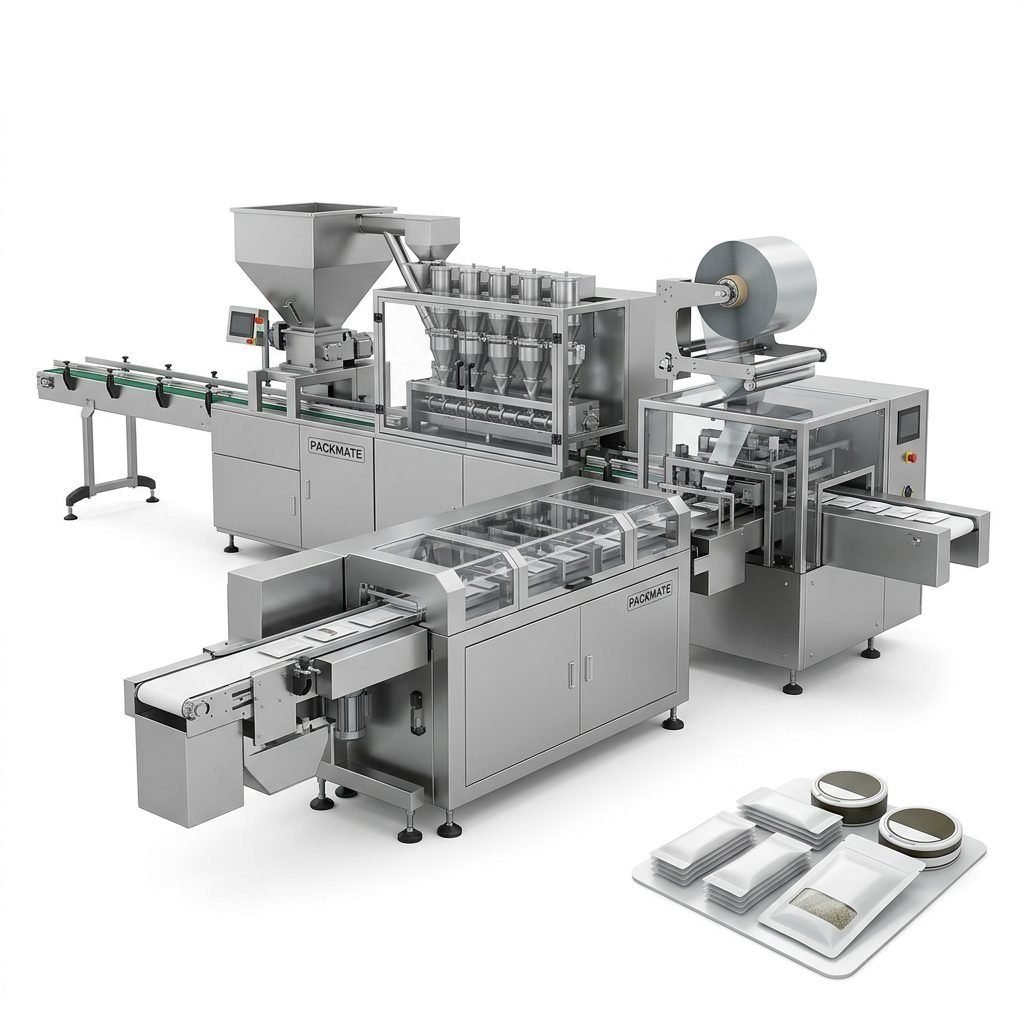
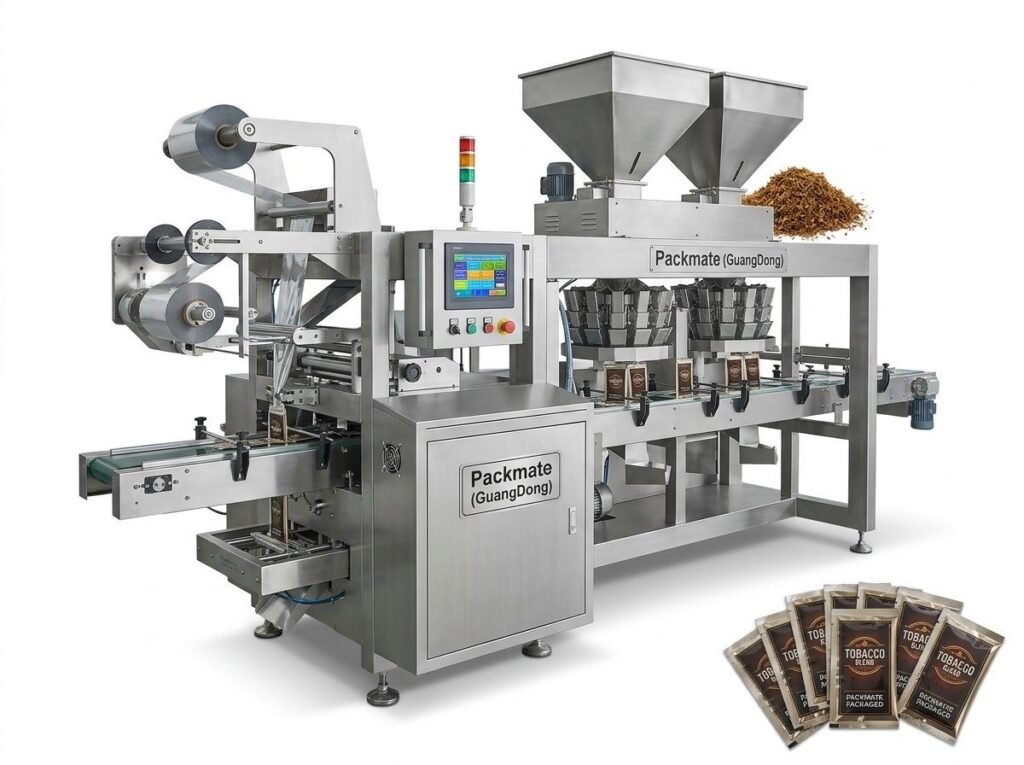
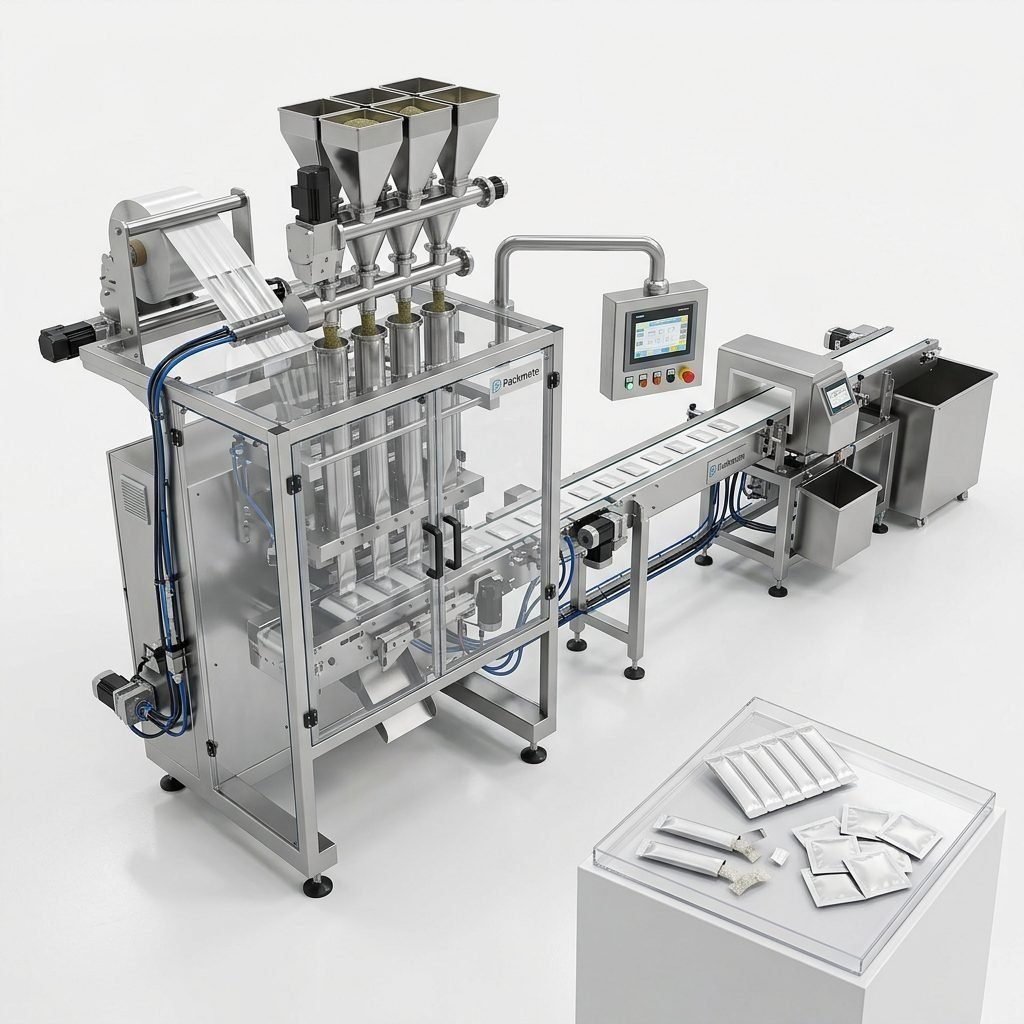
Choosing the right snus packaging machine manufacturer for your factory in Côte d’Ivoire is a strategic decision that affects product consistency, regulatory compliance, and long-term profitability. This guide walks you through the essential factors to consider, practical evaluation steps, and actionable procurement tips so you can confidently source equipment that meets your production goals for nicotine pouches and snus products.
🔧 Why the Manufacturer Matters More Than the Machine
A packaging machine is more than steel and motors; it represents engineering support, spare parts availability, and ongoing service. Choosing the right manufacturer minimizes downtime, helps you meet international standards, and ensures the machine adapts to changing product specifications. For example, an experienced supplier like Packmate Snus Machine brings decades of industry expertise and turnkey solutions that can be critical for a growing factory in West Africa.
📦 Understand Your Production Requirements
Start with clarity on your product and output needs:
• Product type: nicotine pouches, snus sachets, stick packs, or mixed formats.
• Daily throughput: single-line vs multi-lane systems for higher capacity.
• Fill materials: powder, granule, liquid or mixed — affects filler selection.
• Packaging film types and sizes: compatibility influences sealing and cutting modules.
⚙️ Choose the Right Machine Type
Match machine styles to your product and growth plan:
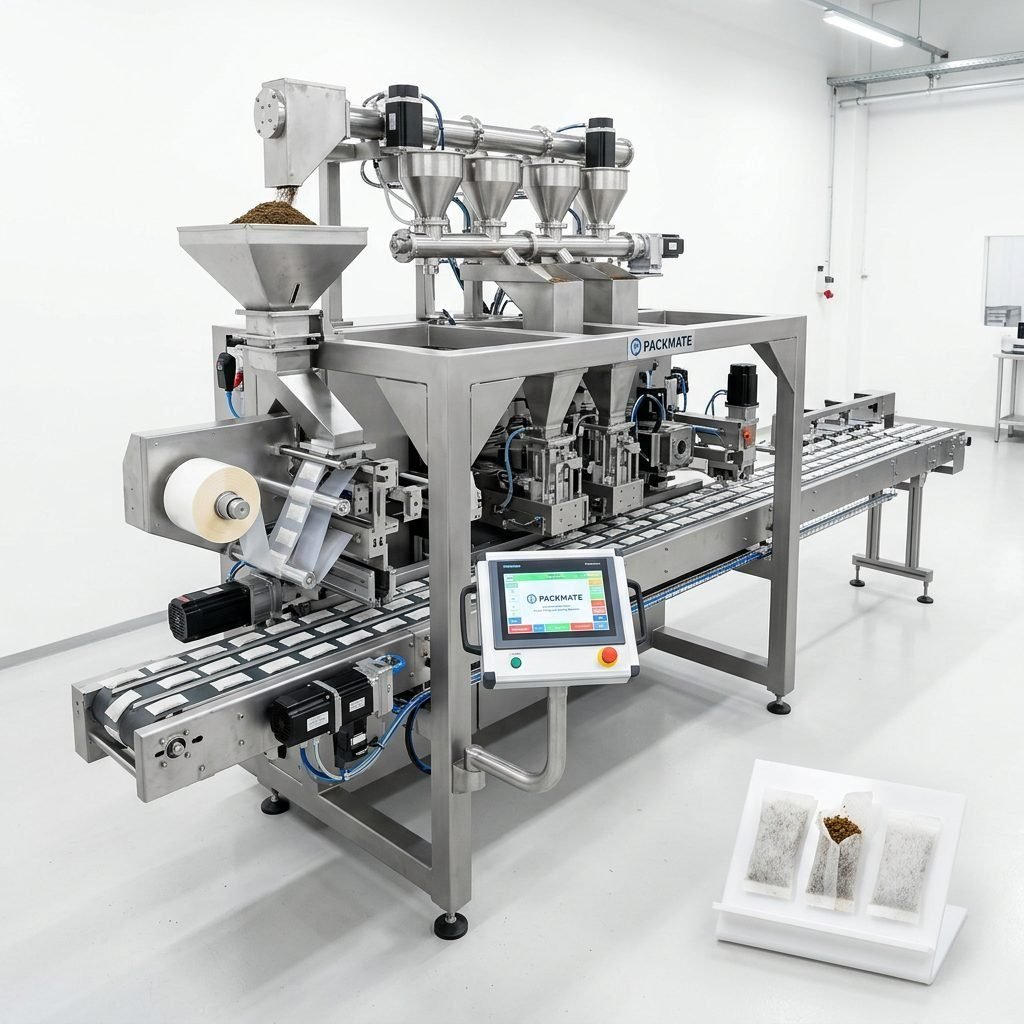
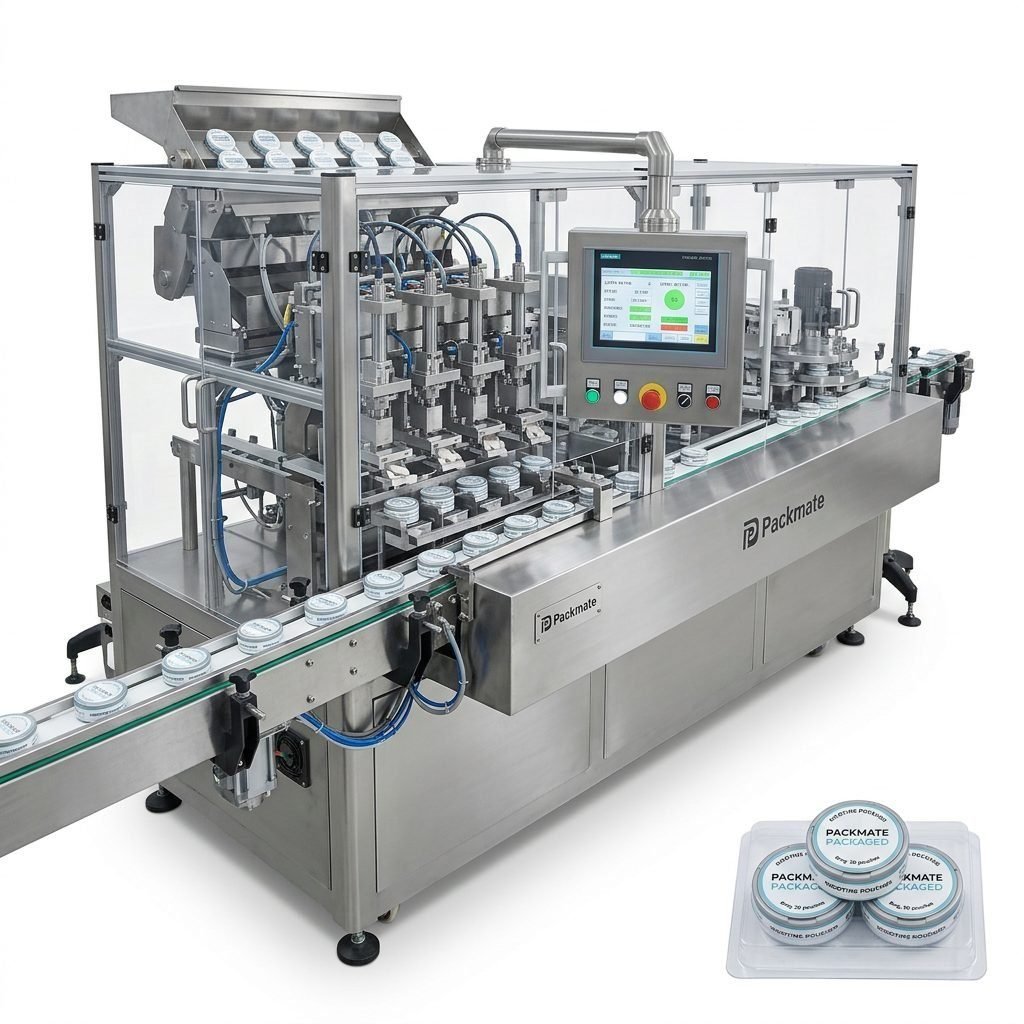
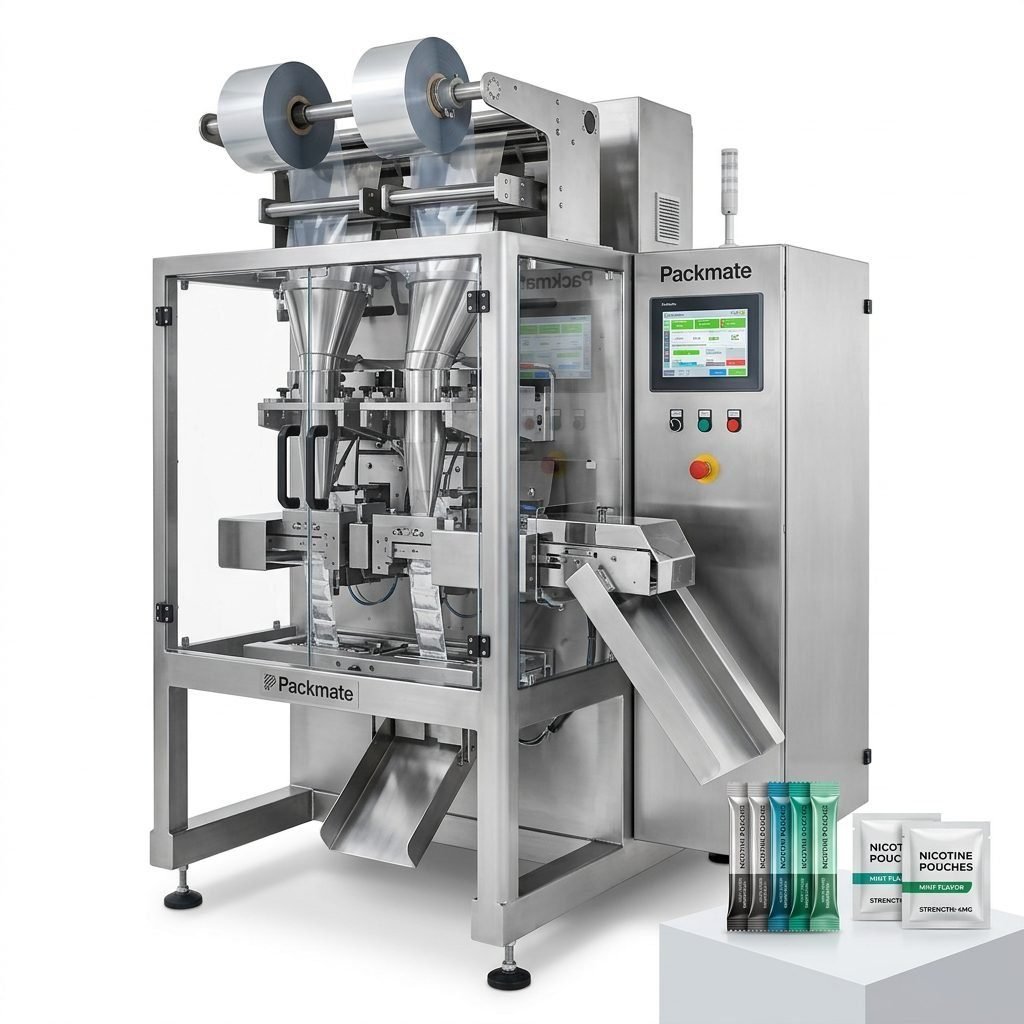
Stick pack and sachet machines are ideal for single-portion nicotine pouches. If you expect high-volume demand, multi-lane systems boost throughput while keeping footprint efficient. For integrated lines, consider full production solutions combining weighing, filling, and packaging modules — browse related systems here:
Snus & Nicotine Packaging Machines,
Sachet & Stick Pack Machines.
🔍 Key Manufacturer Evaluation Criteria
When vetting manufacturers, prioritize technical capabilities, certifications, and local support.
1) Engineering and R&D Strength
A manufacturer with robust R&D can tailor machines to niche product specs. Look for companies with decades of experience, multiple machine models, and documented project portfolios. Packmate’s background in multi-lane design and over 30 years of engineering is an example of the kind of pedigree that supports product development and custom solutions.
2) Factory and Quality Controls
Inspect or request evidence of manufacturing facilities. A well-equipped plant with CNC machining centers and precision assembly lines reduces variability and improves machine longevity. Verify the manufacturer’s quality testing protocols and part traceability.
3) Certifications and Compliance
Ensure equipment meets international standards (CE, ISO) and is compliant with food and pharmaceutical safety where applicable. These certificates are essential if you plan to export finished products or pass third-party audits.
4) After-Sales, Training and Spare Parts
Fast and reliable after-sales support reduces downtime. Confirm spare parts availability, warranty coverage, remote diagnostics, and on-site commissioning services. Ask how quickly parts can be shipped to Côte d’Ivoire and whether local technicians can be trained.
📈 Evaluate Cost Versus Total Value
The lowest purchase price may cost more in the long run. Evaluate total cost of ownership:
• Initial cost and optional modules
• Energy consumption and maintenance intervals
• Spare parts lead time and pricing
• Expected machine lifetime and resale value
💡 Negotiation Points to Secure the Best Deal
Negotiate beyond price: include warranties, commissioning, technician training, and a trial production run. Clarify installation responsibilities, required utilities, and acceptance criteria to avoid hidden costs.
🧭 Practical Steps to Vet Suppliers in Côte d’Ivoire
Follow a structured procurement process to minimize risk:
Step 1: Create a Detailed Request for Quotation (RFQ)
Include production capacity, product samples, packaging formats, required outputs per shift, footprint constraints, and utility availability. Clear RFQs produce accurate proposals and reduce scope misunderstandings.
Step 2: Factory Visits or Virtual Tours
If possible, visit supplier factories or request live virtual demonstrations. Observe assembly quality, test runs, and real machine performance. Ask for case studies and references — real-world usage across climates and markets is highly valuable. Check global cases to see how manufacturers perform worldwide:
Case Examples.
Step 3: Factory Acceptance Testing (FAT)
A FAT confirms machine performance before shipment. Define acceptance criteria including speed, weight accuracy, seal integrity, and downtime. Insist on a FAT report with video documentation and data logs.
Step 4: Shipping and Customs Planning
Clarify shipping terms (EXW, FOB, CIF), packaging for transit, and customs clearance processes for Côte d’Ivoire. Confirm whether the supplier offers door-to-factory delivery and assistance with import documentation.
🔩 Technical Features to Compare
Inspect these technical features carefully:
- Control system: PLC and HMI quality, language support, and recipe storage.
- Filling accuracy: dosing technology and deviation tolerance.
- Sealing and cutting precision: important for small-dose pouches.
- Changeover time: ease of switching formats and minimal downtime.
- Sanitation and maintenance access: hygienic design for food-grade applications.
🔎 Verification Checklist Before Purchase
• Manufacturer credentials and years of industry experience
• Machine references and live demo videos
• CE/ISO certificates and material specifications
• Detailed spare parts list and lead times
• After-sales SLA and local technical contacts
📚 Turnkey Lines and Integration
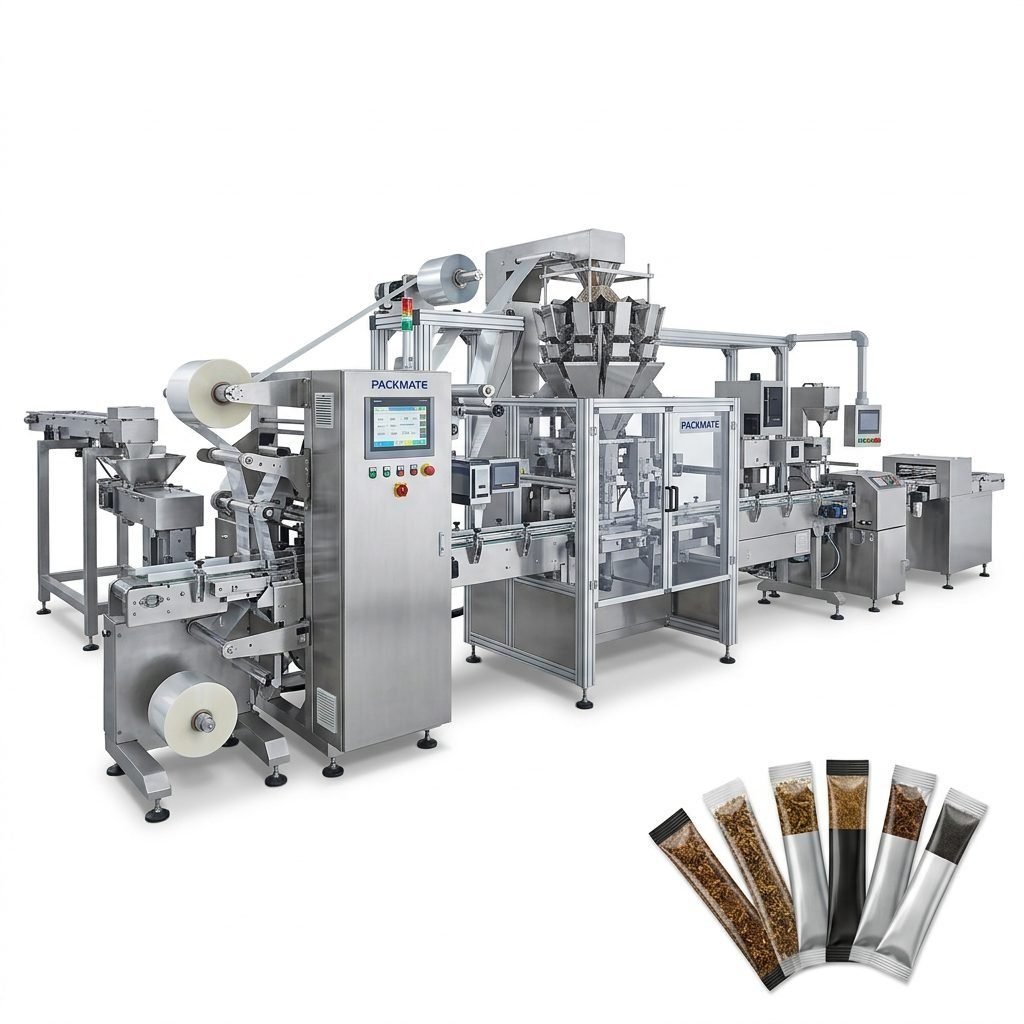
If your operation requires full automation, evaluate suppliers that provide integrated lines including weighing, filling, transport, and packaging. Integrated solutions reduce manual handling and improve consistency. Explore combined systems here:
Filling & Packaging Lines and
Weighing & Packaging Systems.
🛠️ Customization and Upgrades
Confirm whether the manufacturer can modify machines for local product nuances, unique pouch shapes, or compound filling. Also verify possibilities for future upgrades — modular machine platforms reduce upgrade costs.
📞 Local Support and Communication
Language, response time, and regional presence matter. Ask the supplier about:
• Local agents or partners in Africa
• On-site commissioning timelines for Côte d’Ivoire
• Remote diagnostic tools and training materials
📊 Case Study Snapshot
A mid-size nicotine pouch producer aiming for 2 million pouches/month opted for a multi-lane packaging line with integrated weighing and packing. The selected supplier performed FAT, delivered a comprehensive training package, and provided spare parts kits. Early results included a 20% increase in output and simplified quality control. You can review manufacturer capabilities and client examples at:
About Packmate.
🧾 Final Procurement Checklist
Before signing a contract, ensure the following are finalized:
- Detailed equipment list and drawings
- Payment terms, delivery schedule, and penalties for late delivery
- FAT plan, acceptance criteria, and performance guarantees
- Spare parts kits, recommended stock levels, and shipping lead times
- Training plan for operators and maintenance staff
✅ Quick Decision Guide
Use this rapid assessment to prioritize suppliers:
• Proven track record with nicotine pouch machines — high priority
• Local support and rapid spare part supply — high priority
• Competitive total cost of ownership — medium to high priority
• Customization and modular upgrades — medium priority
📣 Final Tips
– Start small with a pilot line if you are unsure of demand, then scale to multi-lane systems.
– Keep clear documentation for maintenance and operator training.
– Build a relationship with a manufacturer who offers long-term technical partnership rather than a one-time sale.
📌 Useful Links
Explore product categories and services to refine your supplier shortlist:
Bag & Pouch Packaging Machines |
Auxiliary Packaging Equipment |
Contact Us
❓ Frequently Asked Questions
Q1: How do I verify a manufacturer’s machine performance before purchase?
A1: Require a Factory Acceptance Test (FAT) with documented run time, weight accuracy reports, and video. Confirm acceptance criteria in the contract.
Q2: What spare parts should I stock initially for a snus packaging line?
A2: Keep critical wear parts such as sealing jaws, blades, belts, sensors, and a basic motor/drive spare. Request a manufacturer’s recommended spare parts kit.
Q3: Is local support necessary if the manufacturer offers remote diagnostics?
A3: Remote diagnostics are helpful but local technical support shortens downtime. Aim for a supplier with regional partners or willing to train on-site technicians.
Q4: How important are certifications like CE or ISO for machines used in Côte d’Ivoire?
A4: Certifications ensure safety, reliability, and quality control which matter for exports and regulatory compliance. They also indicate standardized manufacturing practices.
Q5: Can I start with a single-lane machine and upgrade later?
A5: Yes — many suppliers offer modular systems or multi-lane upgrades. Confirm upgrade paths and compatibility before purchase to avoid unnecessary replacement costs.