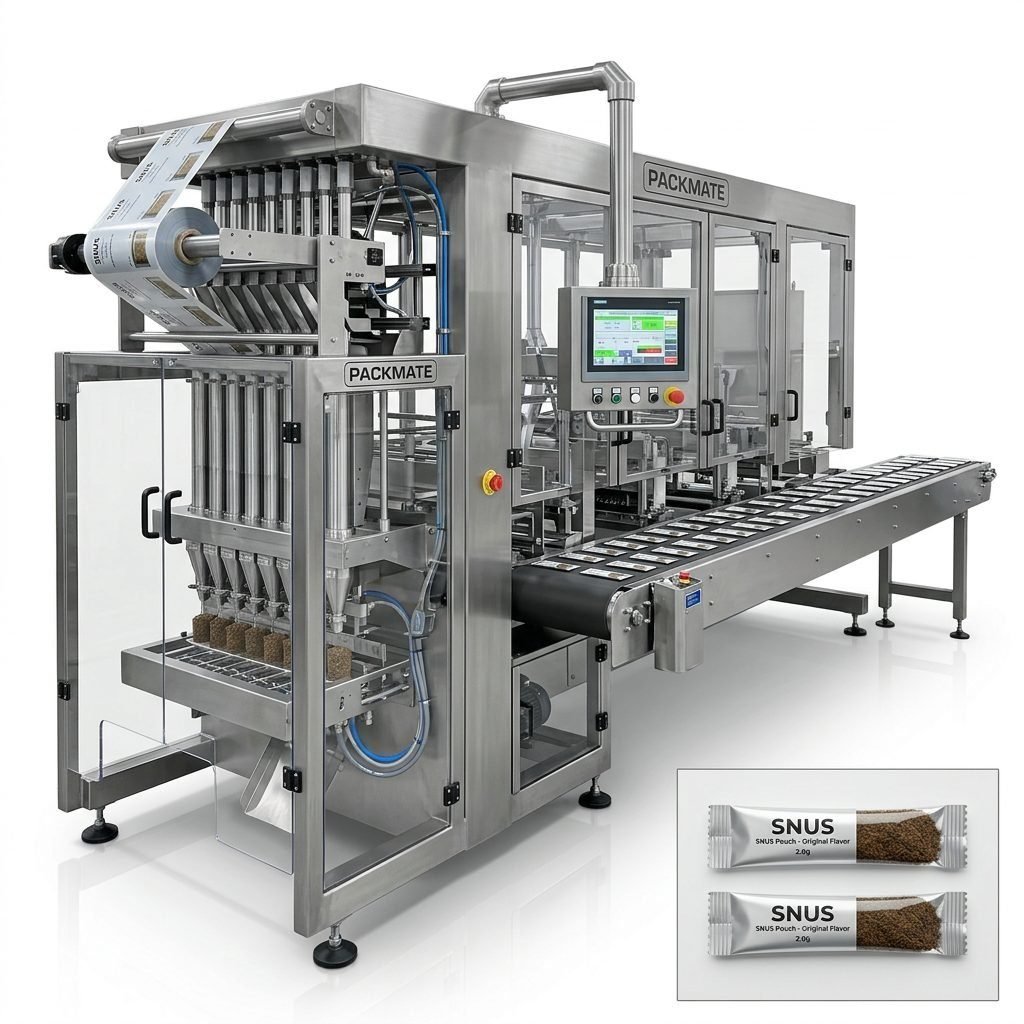
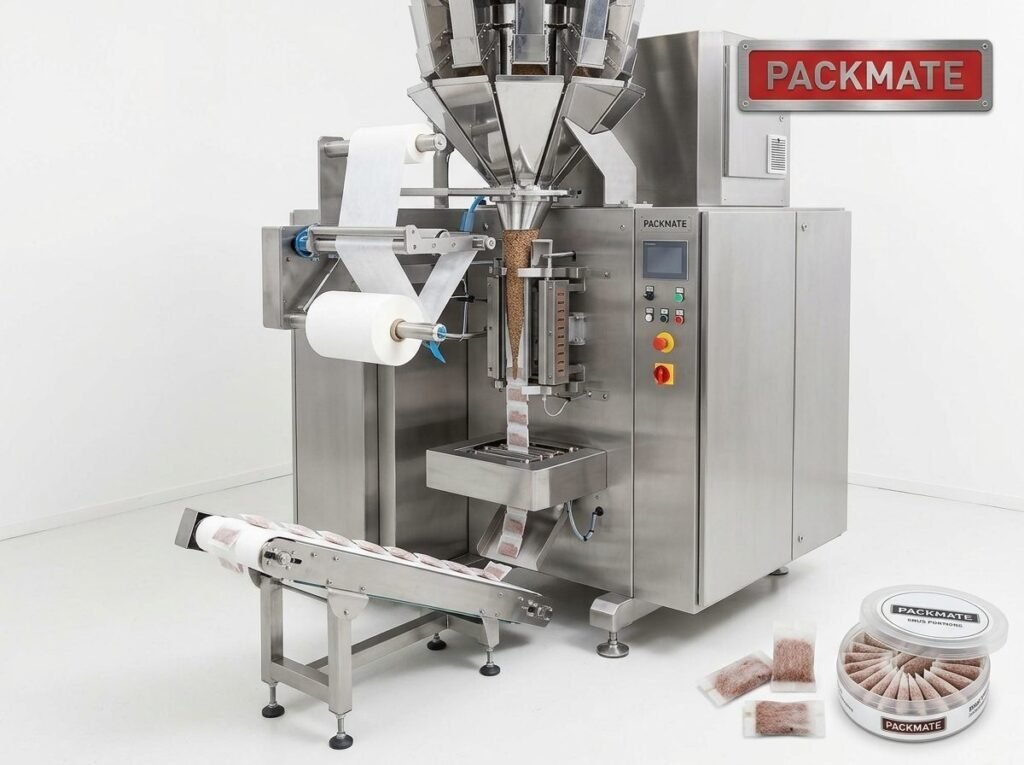
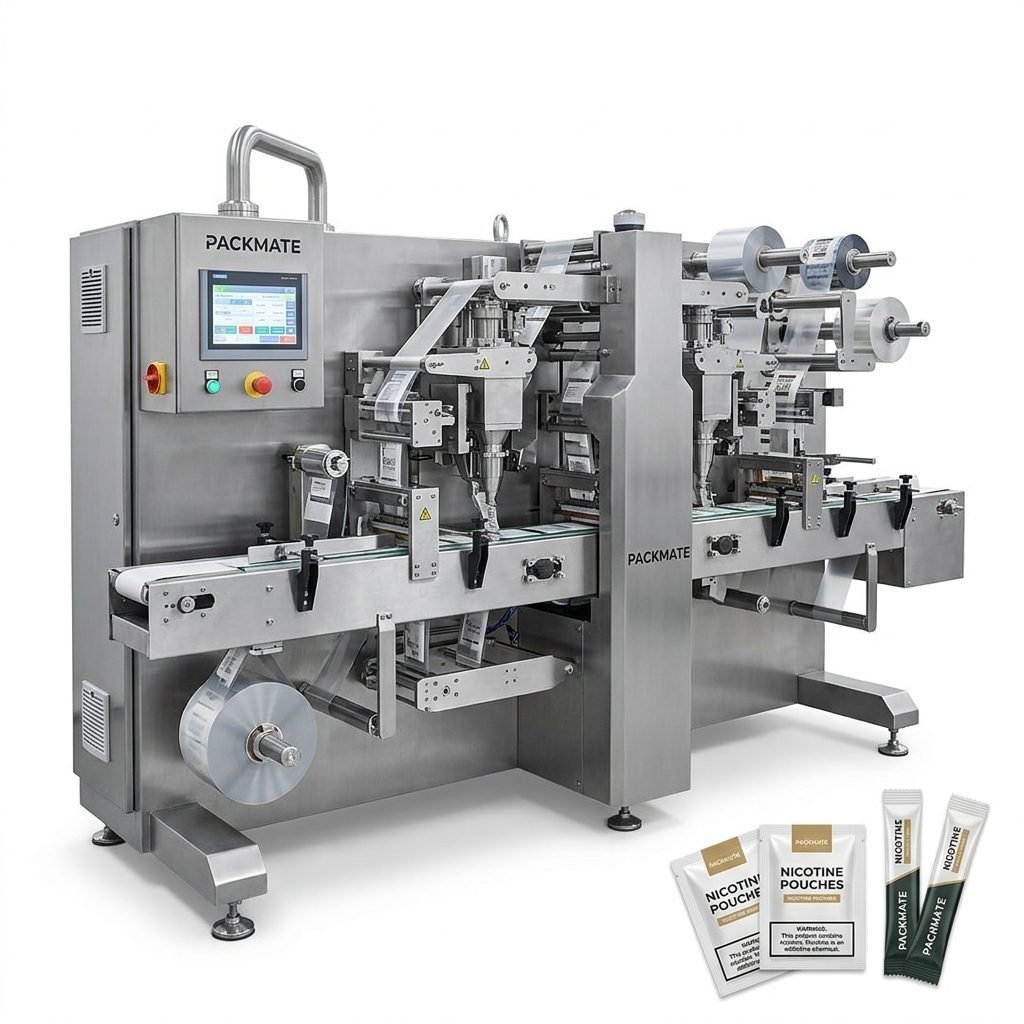
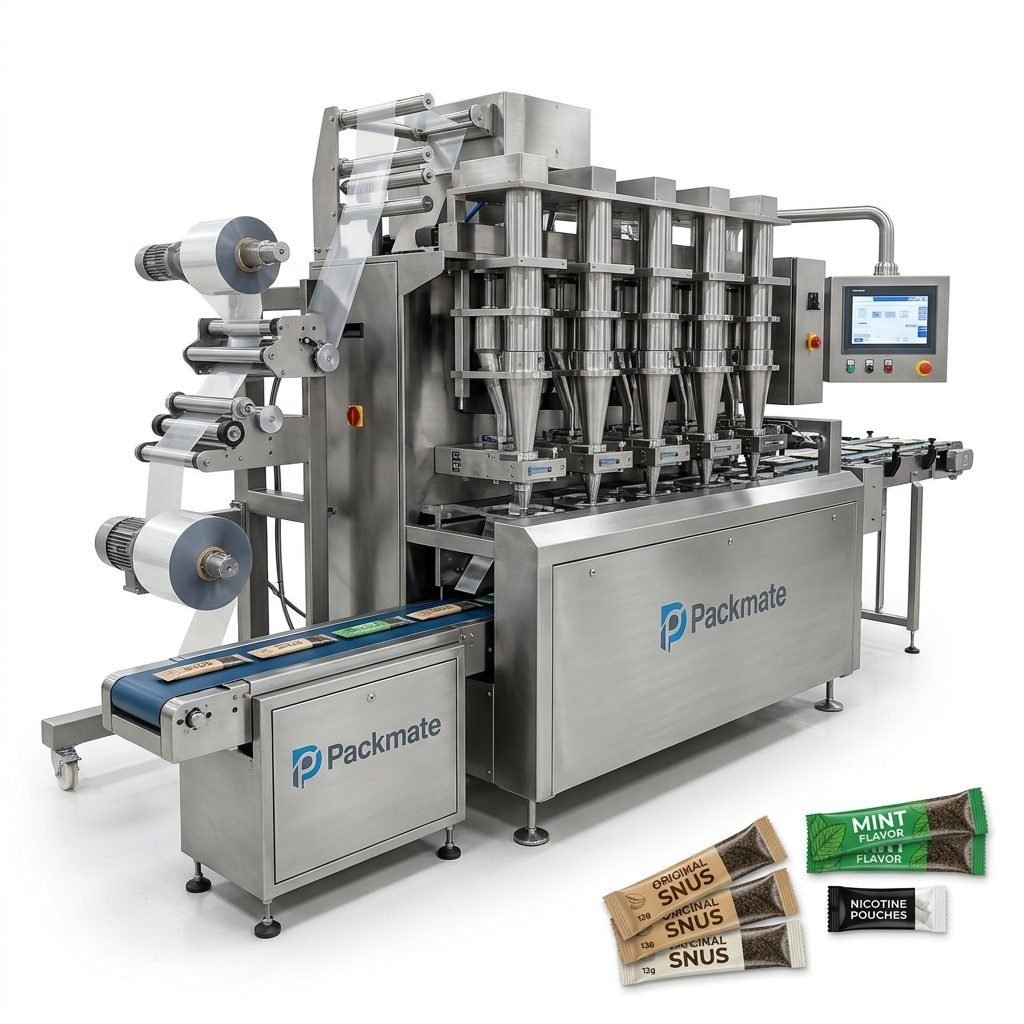
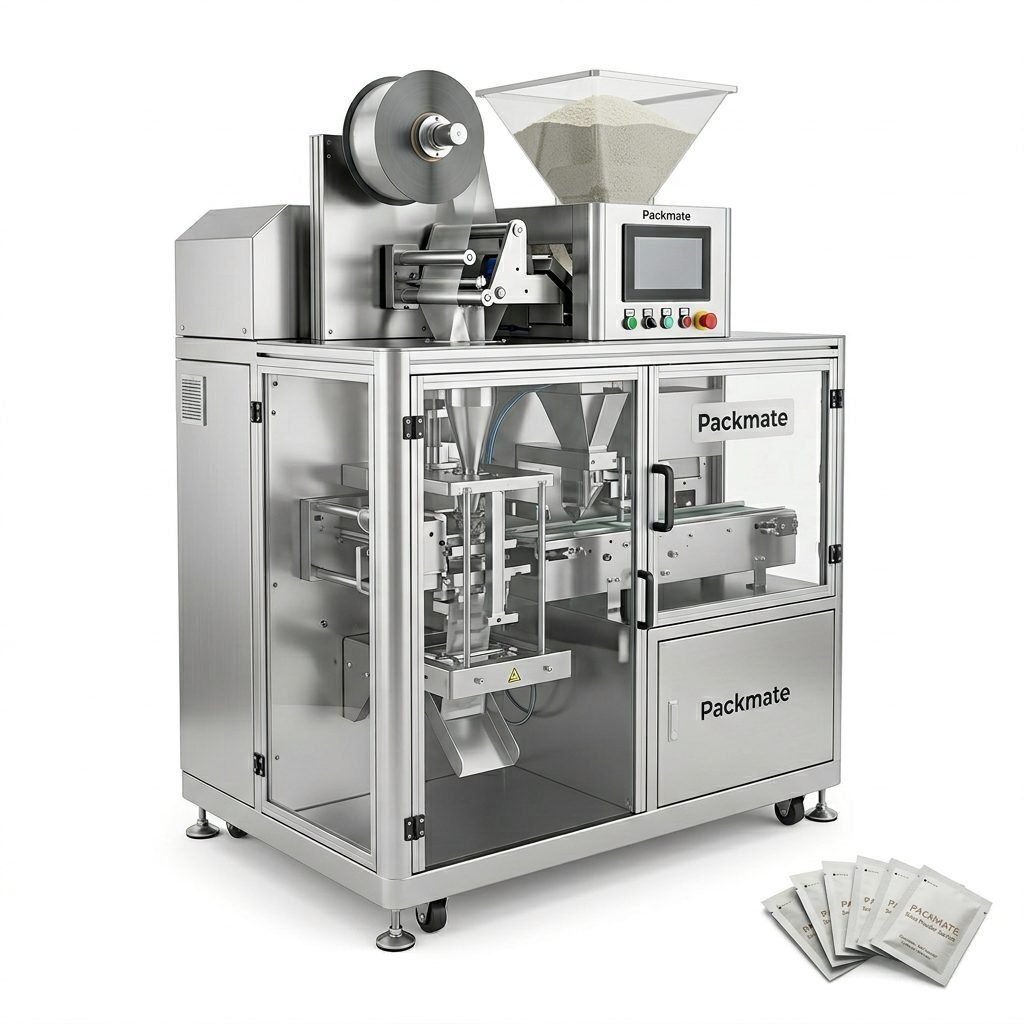
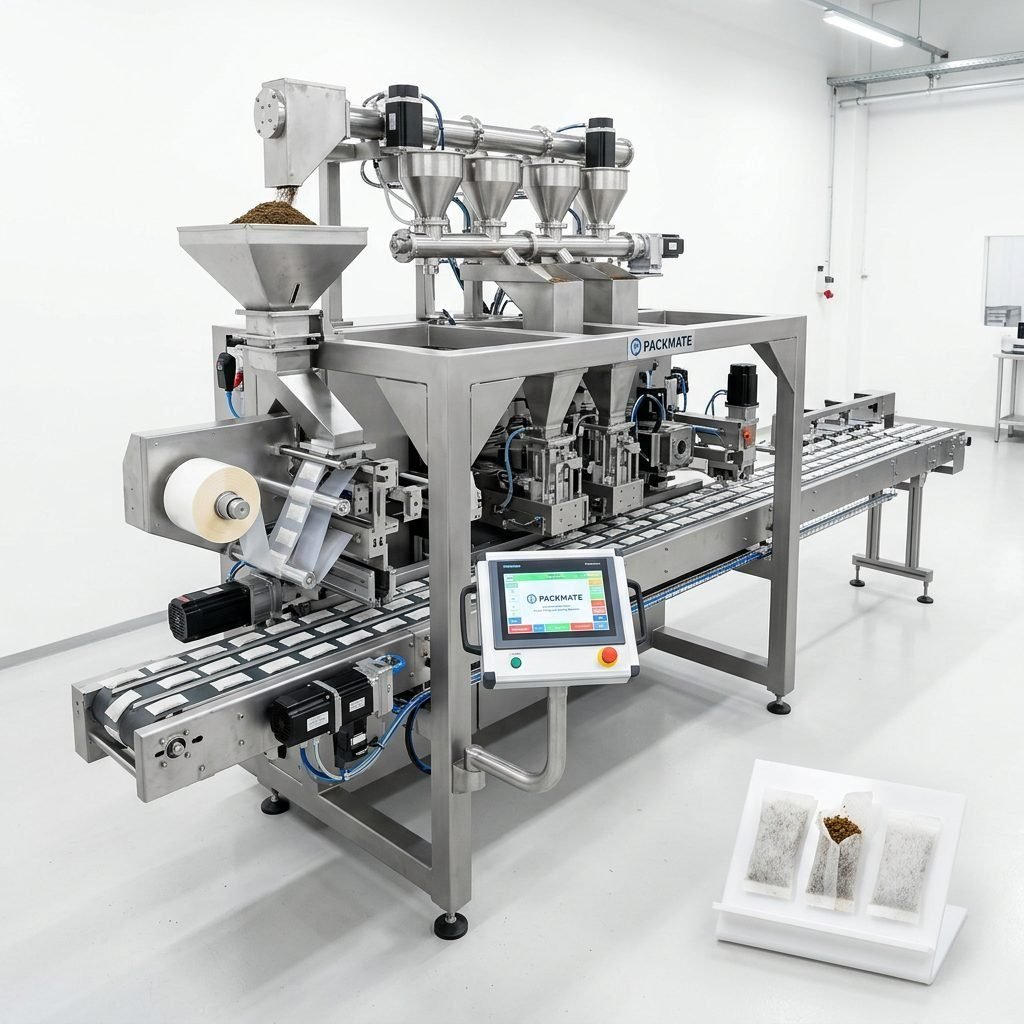
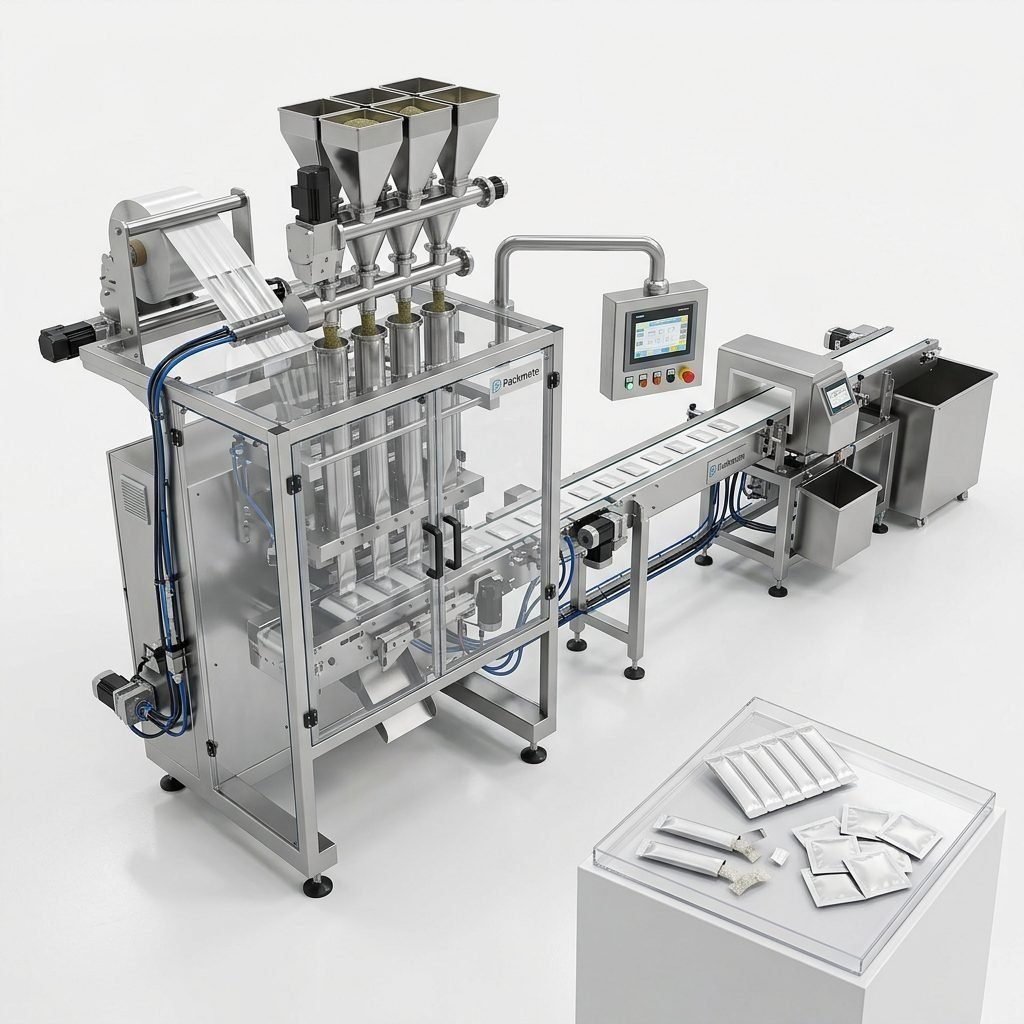
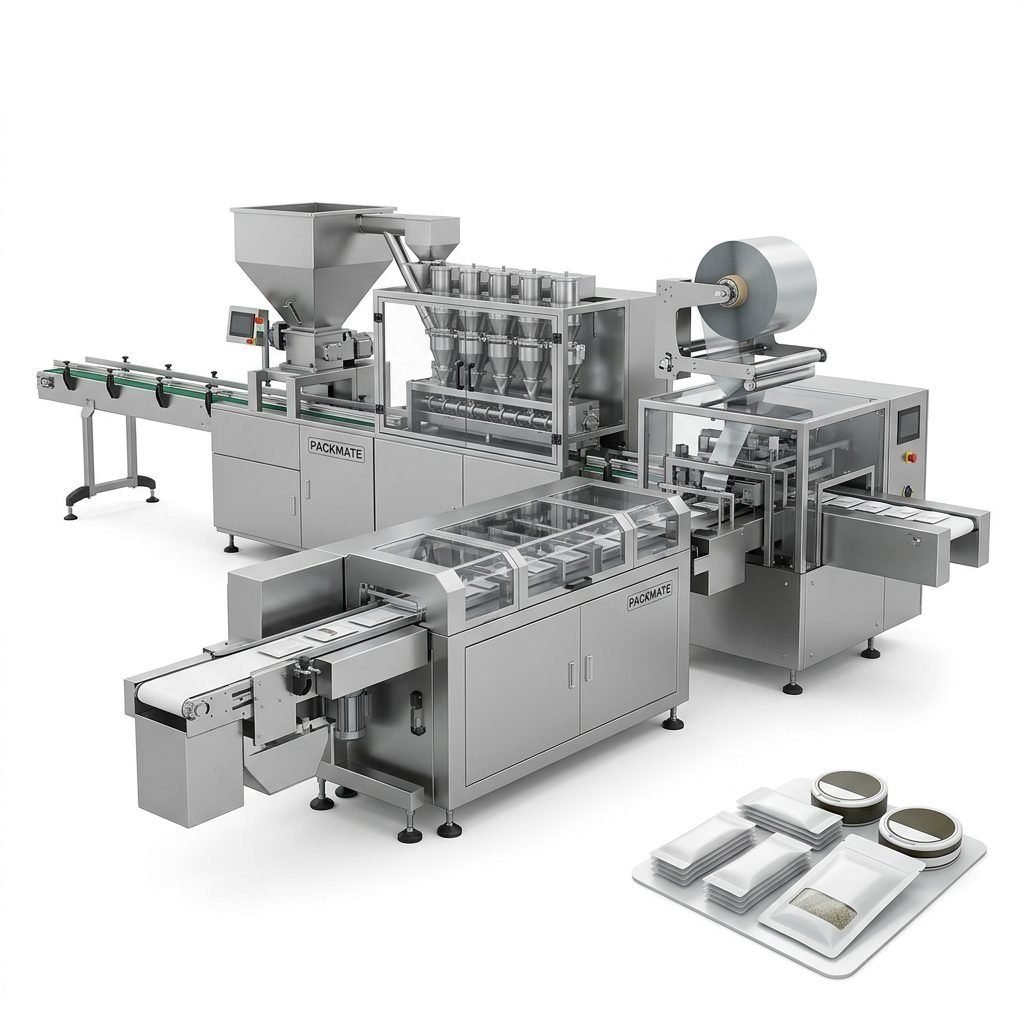
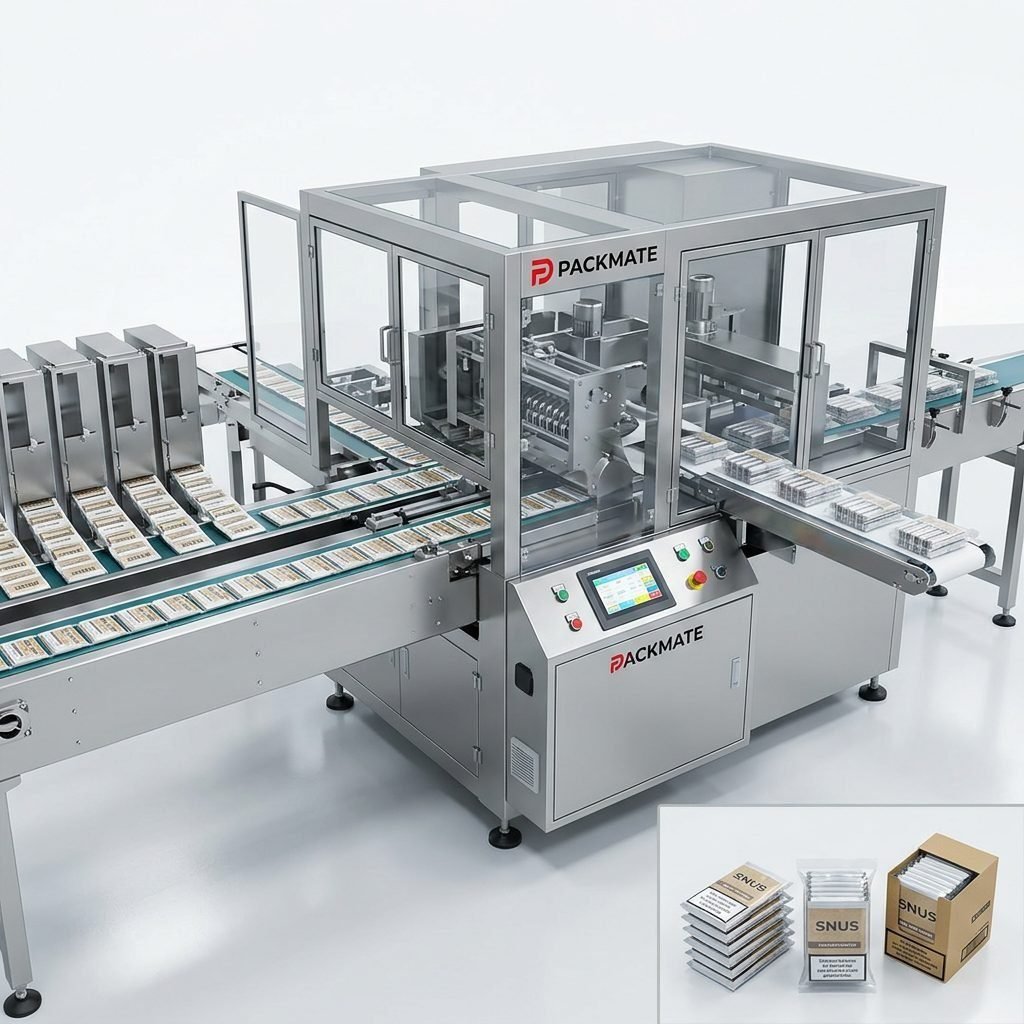
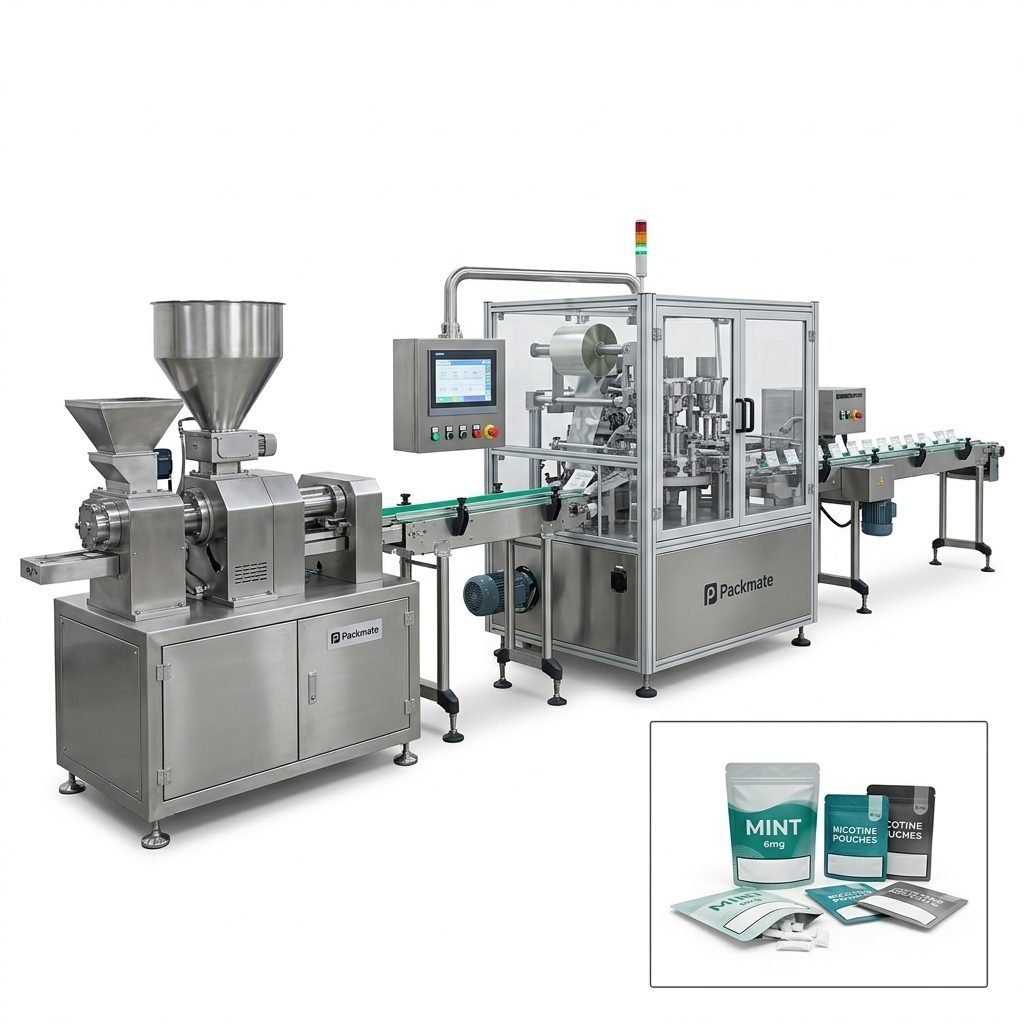
In an era where sustainability and cost-efficiency drive industrial investment decisions, packaging lines for snus and nicotine pouches must deliver higher throughput while minimizing energy consumption. This article explores practical, proven strategies and machine features that enable manufacturers to boost production capacity and reduce operating costs on modern snus lines. We also highlight how Packmate Snus Machine’s engineering strengths and turnkey solutions support these outcomes.
⚡ Why Energy Efficiency Matters for Snus Packaging Lines
The packaging industry faces two parallel pressures: increasing production targets to meet market growth and tightening margins due to energy and labor costs. Energy efficiency is no longer a peripheral goal — it is a central performance metric. Efficient equipment lowers electricity bills, reduces thermal loads, and extends component life, all contributing to a healthier bottom line and improved sustainability profile.
🔧 Key benefits of energy-efficient snus lines
Lower operating costs through reduced electricity consumption; higher uptime due to less thermal stress on motors and electronics; and faster payback on capital investments thanks to energy savings and productivity gains.
🏭 Packmate advantage: engineering that drives efficiency
With over 30 years of engineering experience and a 20,000㎡ manufacturing base, Packmate Snus Machine designs packaging systems focused on performance and energy optimization. Our factories integrate advanced CNC machining and precision assembly to ensure every machine operates with minimal frictional losses and optimized motion profiles for energy savings.
Design Features That Reduce Energy Use
Servo-driven actuation — Modern snus machines switch from pneumatic or constantly running motors to precision servo drives. Servo systems consume power only when motion is required and can employ regenerative braking to recover energy during deceleration.
Intelligent motion control — Optimized acceleration profiles reduce peak currents and heat generation. Coordinated multi-axis motion reduces collisions and unnecessary idling, improving cycle efficiency on multi-lane systems.
Energy recovery systems and variable frequency drives (VFDs) for pumps and compressors cut waste in systems that historically ran at full power regardless of demand. Integrating smart sensors enables systems to scale power usage to real-time needs.
Scaling Throughput Without Proportionally Increasing Energy
Achieving higher throughput while keeping energy use modest requires a holistic approach: mechanical design, control algorithms, and production layout must align. Packmate’s high-precision multi-lane snus packaging equipment allows manufacturers to increase output by adding lanes instead of building duplicate single-lane machines, which is more energy-efficient per unit produced.
Multi-lane systems: more product, less energy per pouch
Multi-lane platforms concentrate drive power and control hardware in a single footprint. This reduces duplicate auxiliary units (heaters, vacuum pumps, control cabinets) compared to multiple single-lane machines, delivering a significantly lower energy footprint for the same total production capacity.
Automation & Integration for Smart Energy Management
Integration with upstream and downstream equipment, such as weighing systems, stick pack and sachet machines, and case packers, helps smooth production flow and avoid energy waste from start-stop cycles. Packmate provides complete lines including filling and packaging modules that are designed to operate cohesively.
Centralized monitoring and HMI scheduling allow managers to balance load, schedule low-energy periods for non-critical tasks, and react in real time to changes in demand. This reduces idle time and unnecessary power draw.
Connectivity for predictive energy saving
By leveraging data from PLCs and HMIs, Packmate systems can predict maintenance needs and adjust operations to avoid energy spikes. Predictive maintenance reduces unexpected downtime, which often forces power-hungry recovery cycles.
Practical Upgrades That Yield Fast ROI
For existing lines, targeted retrofits often provide fast returns:
⚙️ Replace legacy motors with servos and install VFDs on peripheral systems (vacuum pumps, blowers). These changes decrease idle energy draw and improve control granularity.
🔁 Add energy recovery modules in braking systems and optimize compressed air networks to eliminate leaks and overpressure.
These retrofits are often less costly than replacing entire machines and can be implemented with minimal interruption to production.
Compliance, Quality, and Energy Efficiency
Energy-efficient machines must still meet stringent quality and regulatory standards. Packmate’s equipment complies with CE and ISO norms, ensuring energy-optimized systems do not compromise product safety, traceability, or hygiene requirements.
Case Examples & Global Deployments
Across Europe, Asia, and the Americas, Packmate has implemented multi-lane snus lines that increased output by up to 300% while achieving measurable energy reductions per pouch. For real-world examples and performance metrics, visit our case library to learn how tailored line designs achieved rapid ROI: Case.
Product pathways for energy-focused projects
Explore targeted product categories for energy-efficient line builds:
Snus & Nicotine Packaging Machines |
Filling & Packaging Lines |
Auxiliary Packaging Equipment
Designing for Maintainability and Long-term Energy Savings
Regular maintenance keeps machines operating at peak efficiency. Simple measures like cleaning heat exchangers, calibrating sensors, and replacing worn seals reduce motor loads. Packmate offers global service and spare parts support to sustain efficiency gains over the machine lifecycle: Service.
Training and operational best practices
Proper operator training ensures machines run in energy-optimal modes. Small behavioral changes like batch scheduling, line balancing and reduced idling produce meaningful energy savings across shifts.
Investment Considerations and ROI Calculations
When evaluating energy-efficient solutions, consider total cost of ownership rather than initial purchase price. Calculate expected energy savings, maintenance reductions, and increased throughput to determine payback periods. Many Packmate solutions achieve payback in months to a few years depending on the plant profile.
For tailored proposals and ROI modeling, contact our engineering team for a detailed assessment and a custom plan aligned to your production targets: Contact Us.
Sustainability as a Competitive Advantage
Beyond pure cost savings, energy-efficient packaging lines support corporate sustainability targets and can differentiate brands in procurement and retail channels. Demonstrating reduced carbon intensity per unit produced is a compelling story for stakeholders and customers alike.
Final Thoughts
Upgrading or designing new snus and nicotine pouch production lines with energy efficiency as a core objective yields measurable financial and environmental returns. Packmate’s long history, advanced manufacturing capabilities, and full-line solutions provide the technical foundation to build lines that deliver higher throughput with lower energy consumption.
Related resources
Learn more about our product families and technical specs:
Sachet & Stick Pack Machines |
Weighing & Packaging Systems |
About Packmate
FAQs
Q1: How quickly can energy-efficient retrofits pay for themselves?
A1: Payback varies by retrofit scope and energy prices, but many upgrades such as VFDs and servo replacements often pay back within 6–24 months due to immediate energy and maintenance savings.
Q2: Can Packmate provide turnkey lines that prioritize energy efficiency?
A2: Yes. Packmate designs complete production lines (filling, packaging, auxiliary equipment) optimized for energy performance and operational integration. See our filling & packaging lines for integrated solutions.
Q3: Do efficiency upgrades affect product quality or regulatory compliance?
A3: No. All efficiency-focused upgrades are engineered to meet CE and ISO standards, preserving hygiene, traceability, and product integrity.
Q4: How can I evaluate which areas of my line are consuming the most energy?
A4: Conduct an energy audit using sub-metering on major equipment (motors, heaters, compressors). Packmate can assist with assessments to target high-impact improvements.