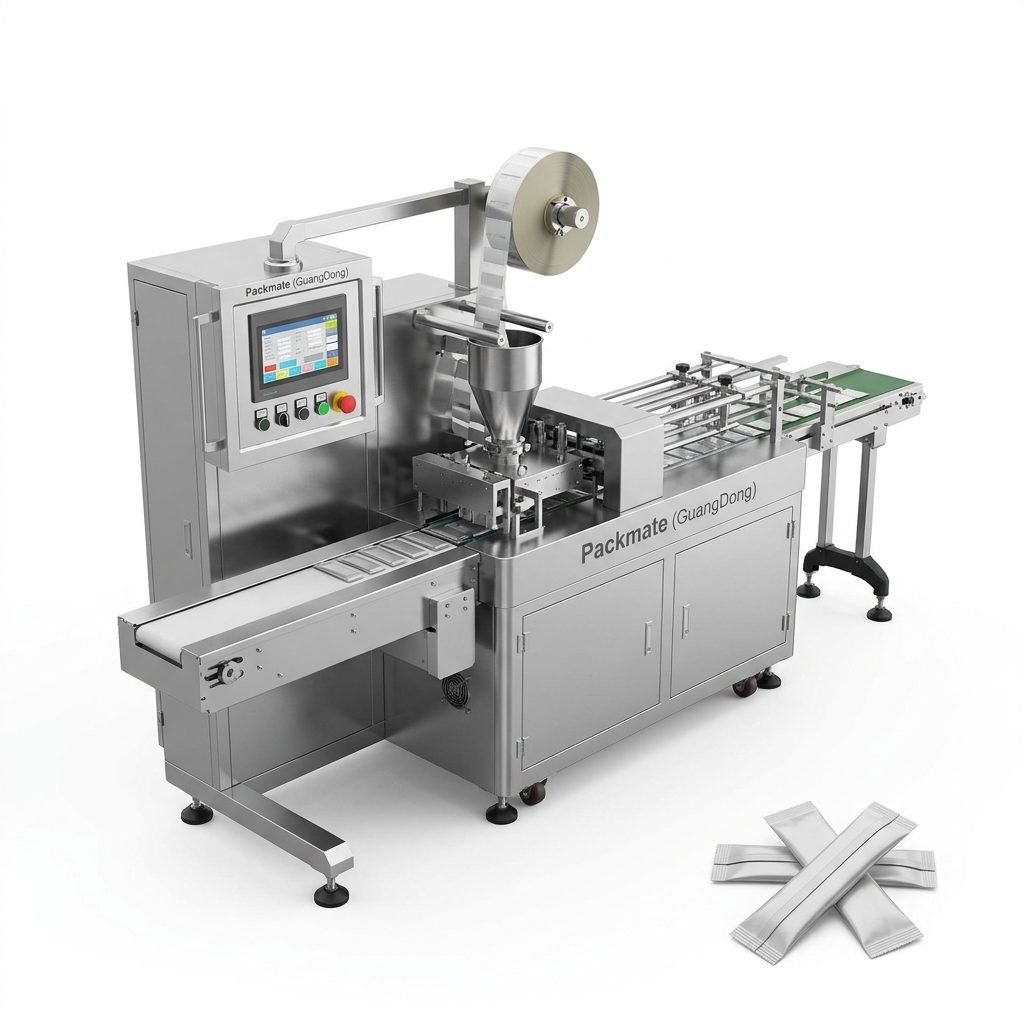
Choosing the right snus packaging machine in Chile requires more than just comparing prices and specs. You must consider local market preferences, regulatory labeling in Spanish, production scale, and the ability to work with nicotine pouch formulas that demand precise dosing and gentle handling. This guide walks you through practical steps and technical factors so you can select a machine that maximizes uptime, product quality, and return on investment.
Understand the Chilean Market and Consumer Habits
Chilean consumers often prefer discreet, single-portion formats and clear product information in Spanish. Many urban buyers value compact, travel-friendly packaging, and retailers expect consistent portion size and attractive branding. When planning capacity, factor in distribution channels: convenience stores, pharmacies, and online sales each have different packaging sizes and labeling expectations.
For Chile, prioritize machines that can handle small-dose nicotine pouches reliably and allow multilingual label printing (Spanish + English) for both local distribution and export.
Key Machine Types for Snus & Nicotine Pouches
There are several packaging formats commonly used for snus and nicotine pouches. Each requires different machine capabilities and investment levels.
Sachet / Stick Pack Machines
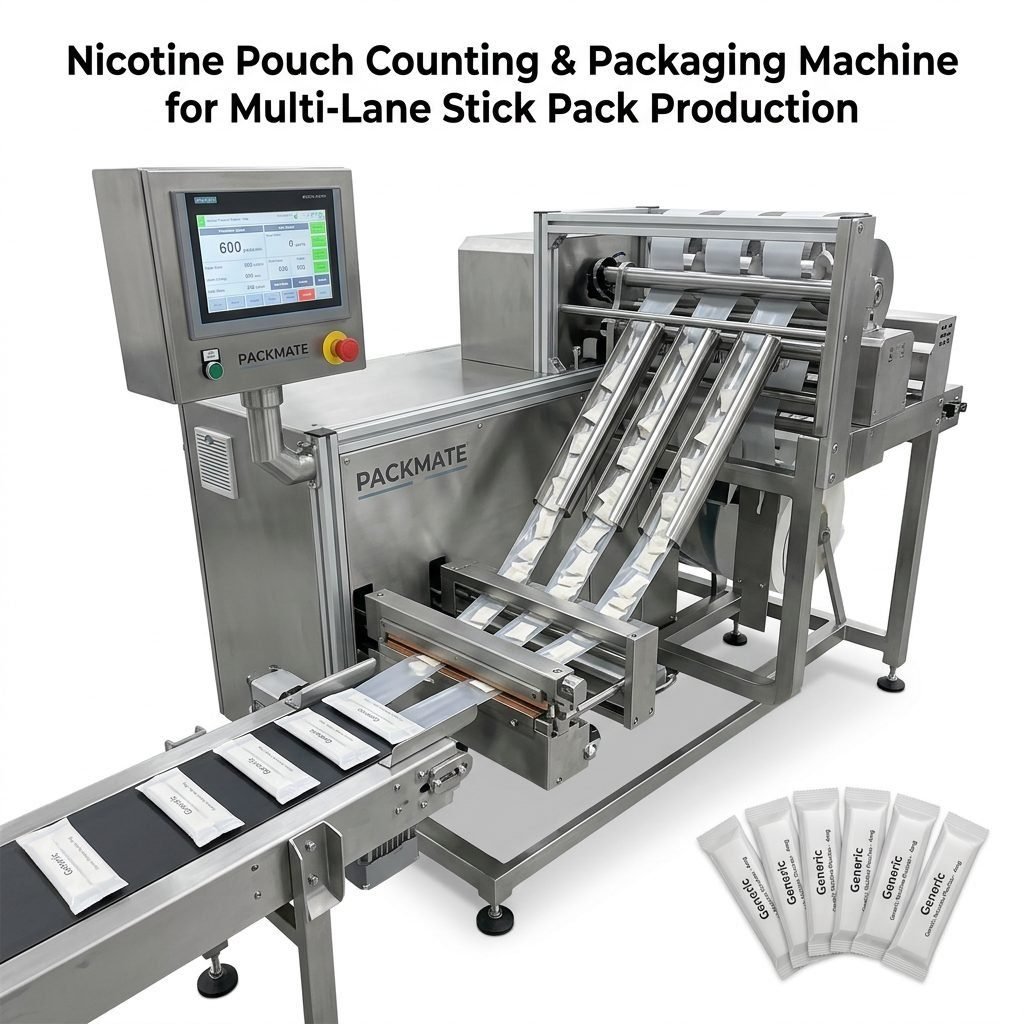
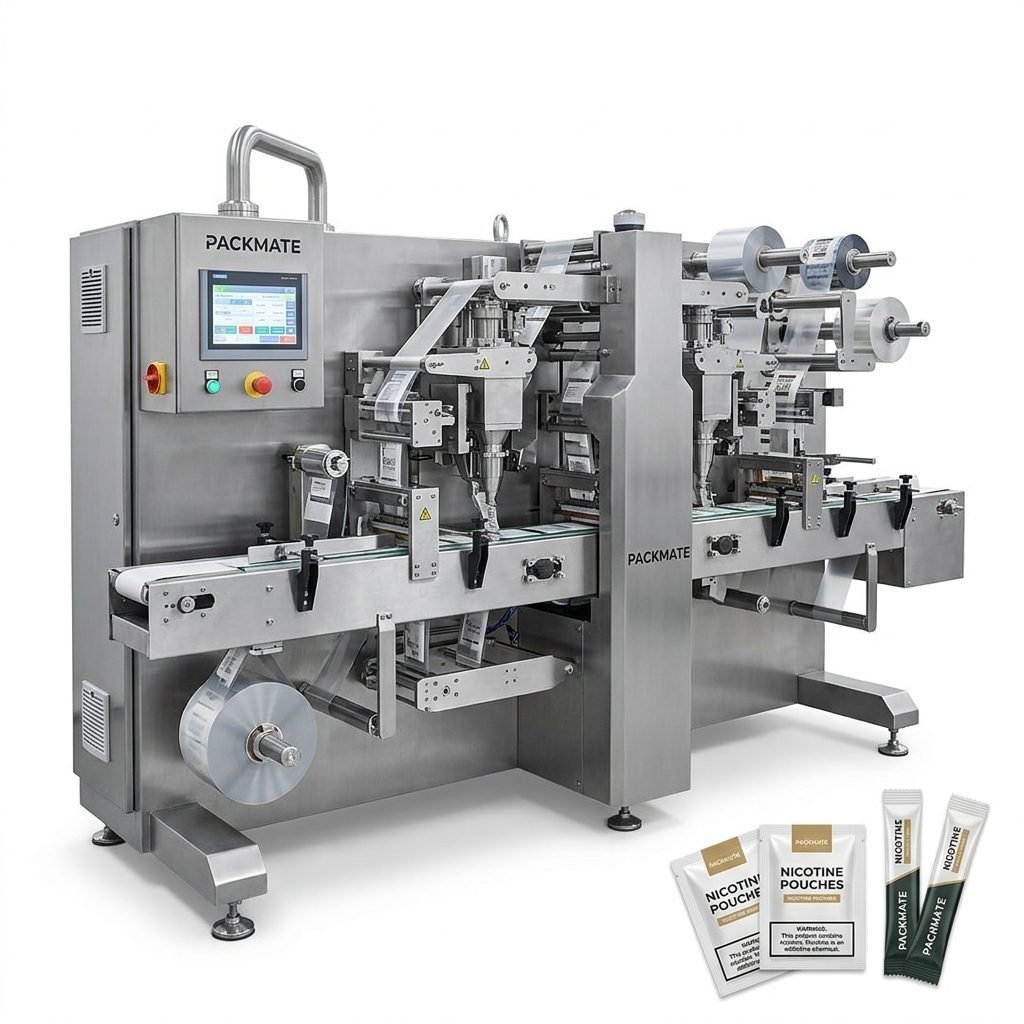
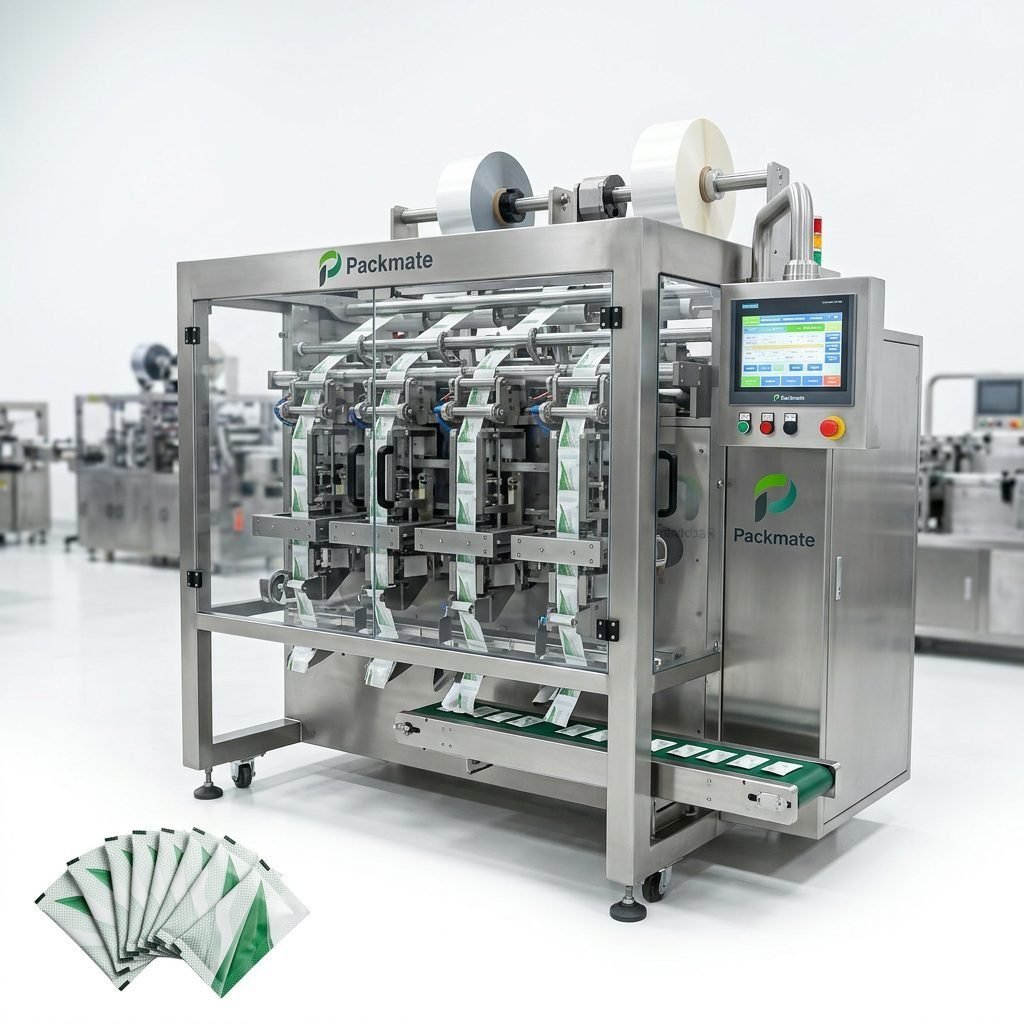
Sachet and stick pack machines are ideal for single-portion sachets and slim stick packs. These are excellent for on-the-go consumers and high-speed production. If your product is powdery or finely milled, make sure the dosing system prevents dusting and offers accurate micro-gram control.
Multi-lane Pouch Lines
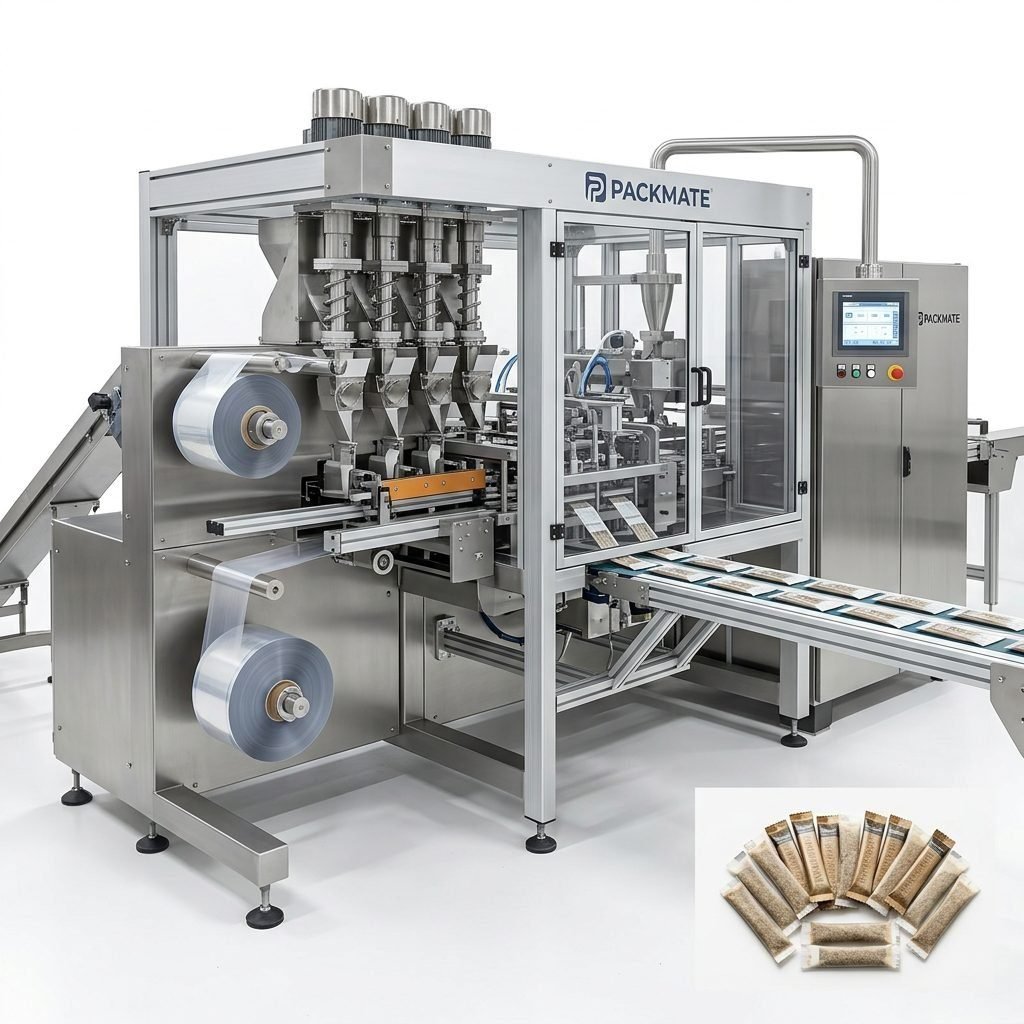
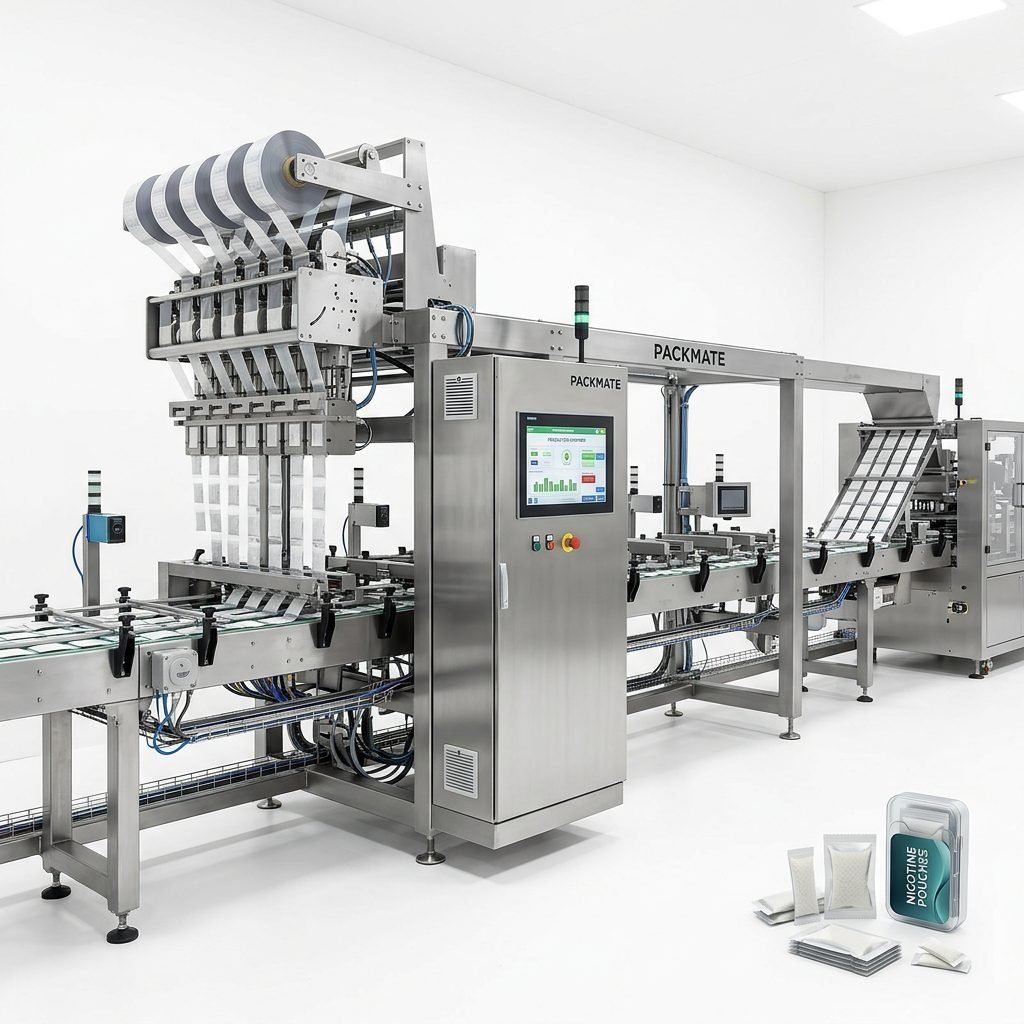
Multi-lane systems increase throughput by running several lanes simultaneously. They are preferred when you need high output but limited floor space. Look for synchronized feeding, independent lane control, and easy changeover to maintain product consistency.
Stick-To-Can and Tray Packaging
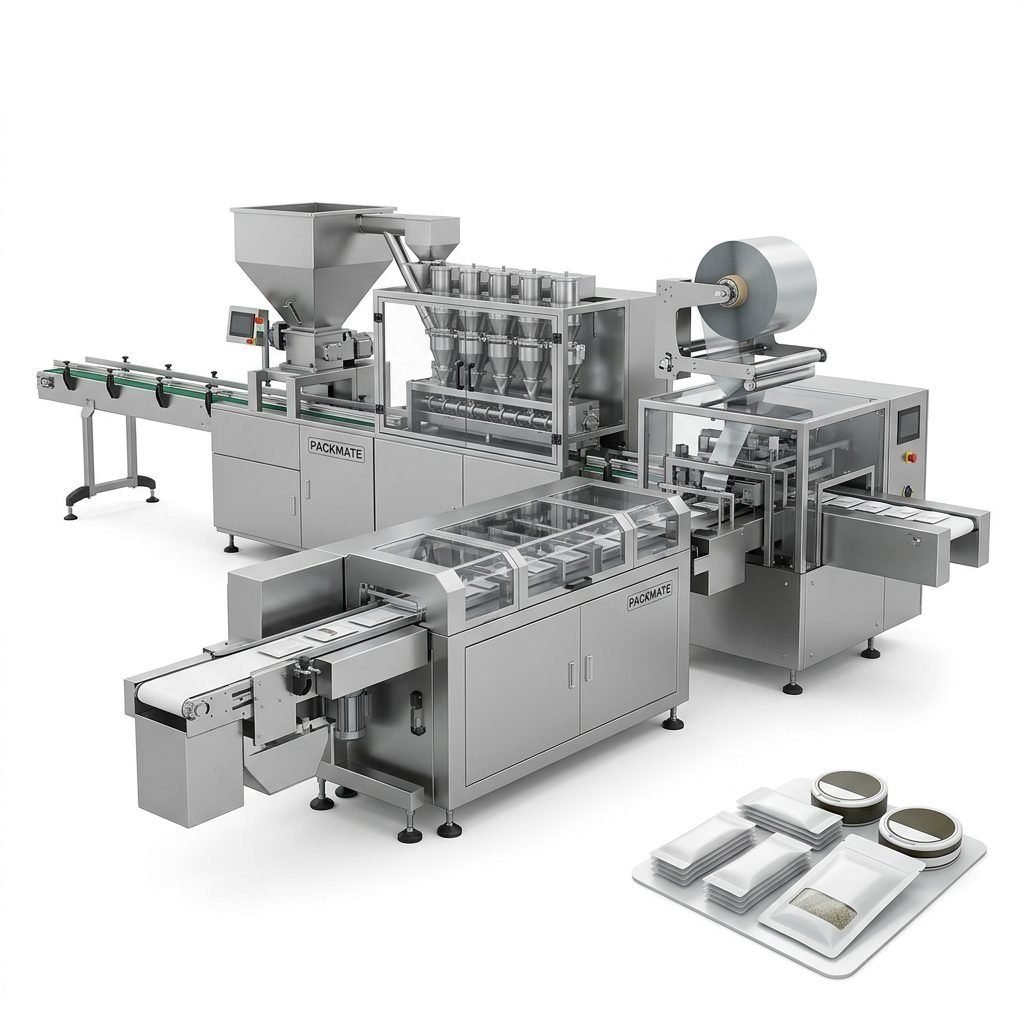
For brands that use tins or trays as secondary packaging, consider lines that include automated can filling or tray collating. Integrating primary pouch machines with secondary packaging reduces manual handling and contamination risk.
Critical Technical Criteria to Evaluate
When comparing machines, focus on parameters that affect product quality, uptime, and long-term costs. The following checklist outlines essential technical specs and features.
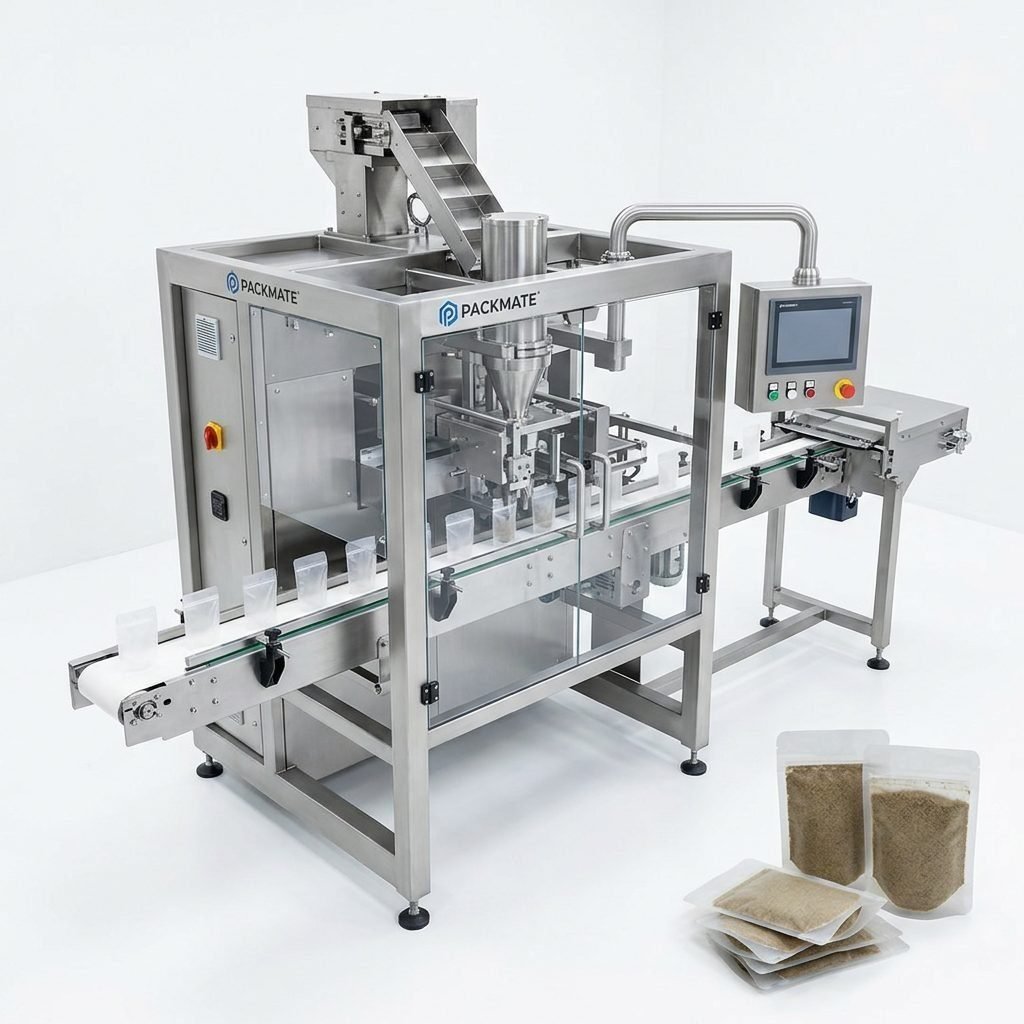
✓ Filling accuracy — Look for multi-head weighers or auger fillers with tight tolerances to avoid product waste and regulatory issues.
✓ Flexible pouch formats — The ability to switch between sachets, stick packs, and multi-lane pouches reduces future capital expenditure.
✓ Material compatibility — Ensure the machine can handle your chosen film laminates and barrier films for nicotine products.
✓ Hygiene and cleaning — Quick-release parts and stainless steel contact surfaces are essential for product safety and fast changeovers.
✓ Automation & controls — Modern PLC/HMI controls, remote diagnostics, and recipe storage reduce operator error and speed setup.
Quality, Safety, and Certifications
Choose suppliers whose machines comply with international standards. CE and ISO-certified equipment demonstrates adherence to safety and manufacturing best practices. In addition, verify electrical and operator safety features, and request documentation for material contact surfaces.
Always ask for machine compliance documents and CE/ISO certificates before finalizing your purchase. For examples and certificates, see the manufacturer’s certificate page.
Evaluating Suppliers: Service, Spare Parts, and Local Support
In Chile, reliable after-sales service is a top priority, especially for specialized nicotine pouch lines. Look for vendors who provide:
- • Remote diagnostics and on-site commissioning
- • Readily available spare parts and consumables
- • Training for local operators and maintenance staff
If possible, choose a manufacturer with exhibition presence and case studies to verify machine performance. Visit machine demonstrations at industry exhibitions or request factory trials to observe real production runs. (See exhibition and case references for examples.)
Helpful links: Our Exhibition, Case Studies, Certificates.
Customization and Turnkey Solutions
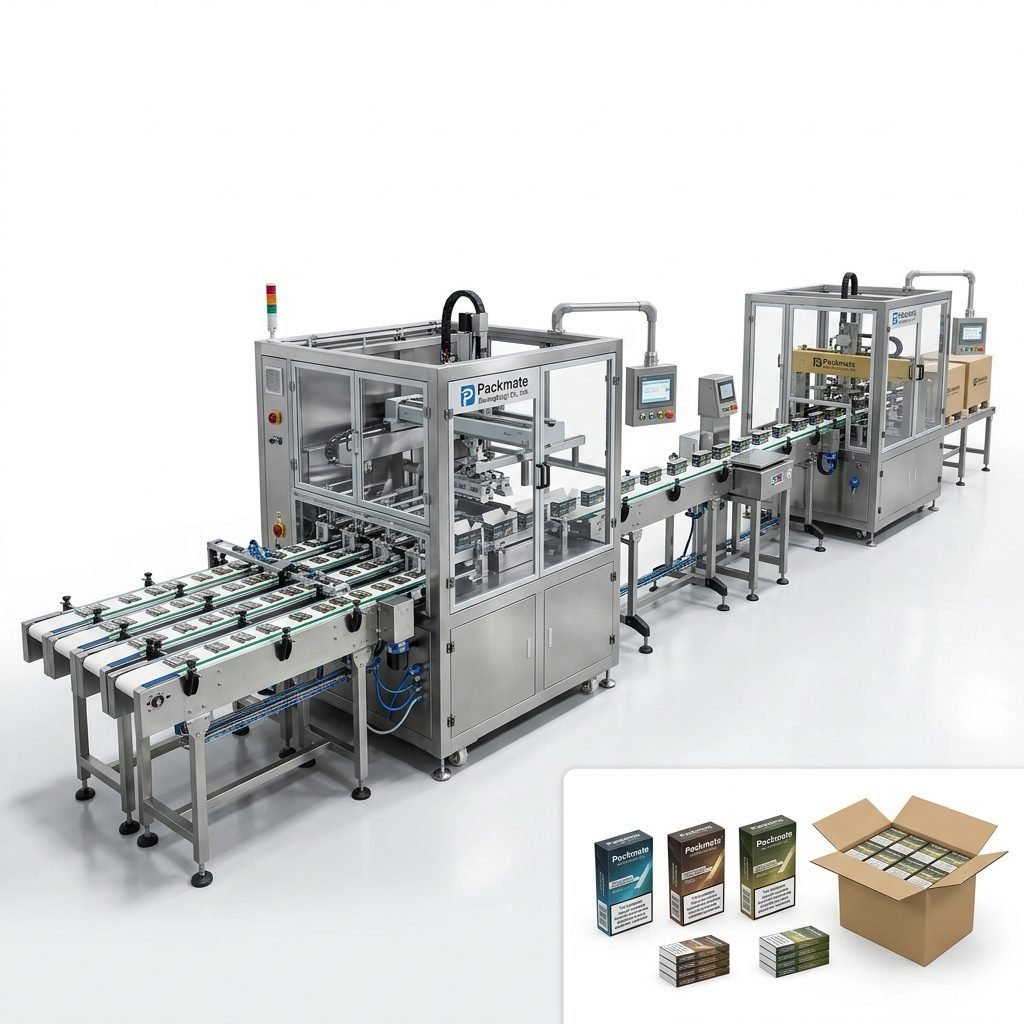
Many Chilean brands need custom formats, private-label artwork, or integrated secondary packaging. A turnkey supplier can design a complete production line — from filling and weighing to final case packing — that aligns with your product specs and workspace constraints. Confirm the supplier’s experience with nicotine pouch lines and multi-lane configurations.
Explore turnkey and product-specific solutions here: Filling & Packaging Lines and Snus & Nicotine Packaging Machines.
Calculate Total Cost of Ownership (TCO) and ROI
Initial machine price is only part of the story. TCO includes installation, spare parts, labor, consumables (films, films sealing), energy use, and maintenance. Estimate ROI by modeling production output, defect rates, downtime, and raw material costs. Machines with better seals and lower waste often pay for themselves through reduced rejects.
ROI quick checklist
• Expected daily output vs required output
• Estimated waste percentage
• Downtime hours/month and service response time
• Spare parts lead time and local stocking cost
Installation, Validation, and Operator Training
For nicotine products, process validation and operator hygiene protocols are essential. Confirm installation scope, testing procedures, and who will provide training. Ideally, the supplier should help execute acceptance testing with product-specific samples and train local technicians until they can perform routine maintenance independently.
Selecting the Right Model: Practical Buyer Steps
Follow this practical buying flow to ensure you choose the best machine for Chilean operations:
- Define product format(s), expected volumes, and future growth plans.
- Request machine specifications and verify filling accuracy and film compatibility.
- Ask for sample runs with your actual product to validate dosing and seal integrity.
- Compare TCO estimates and support agreements (warranty, spare parts, training).
- Visit a demonstration or factory, or attend an international exhibition to observe machines in action.
For product demos and machine options, view the manufacturer’s product lines: Sachet & Stick Pack Machines, Weighing & Packaging Systems.
Common Pitfalls and How to Avoid Them
Avoid these frequent mistakes when purchasing snus packaging equipment:
- • Buying solely on price — cheaper machines often mean higher downtime and hidden costs.
- • Ignoring spare parts lead times — nicotine pouch machines need precise parts; long wait times hurt production.
- • Skipping real-product trials — lab specs rarely reveal real-world sealing or dosing issues.
- • Not planning for regulatory labeling — labels in Spanish and legibility are critical for Chilean distribution.
Final selection checklist
📋 Must-have items before signing
• Written warranty and spare parts list
• Sample run report with your product
• Training and installation schedule
Why Work with Experienced Manufacturers?
Experienced manufacturers bring design maturity, proven multi-lane solutions, and global service networks. A partner with decades of engineering history can shorten your time-to-market and provide robust after-sales support. Consider suppliers with a comprehensive product catalog and demonstrated turnkey projects.
For an example of a manufacturer with deep experience in snus lines and global turnkey services, see About Packmate.
Summary and Next Steps
Selecting the best snus packaging machine in Chile requires matching your product format, production targets, and regulatory needs with a machine’s technical capabilities and supplier support. Prioritize accuracy, hygiene, flexibility, and service when evaluating options. Schedule product trials, confirm certifications, and plan for operator training to ensure a smooth start-up.
Helpful resources: Snus & Nicotine Packaging Machines | Bag & Pouch Packaging Machines | Service
Frequently Asked Questions (FAQs)
Q1: How do I verify a machine will handle my nicotine pouch formula?
A1: Request an on-site or factory trial using your actual product. Inspect dosing accuracy, seal quality, and any dust control measures the machine uses.
Q2: What support should I expect after purchase in Chile?
A2: Expect installation assistance, operator training, spare parts availability, and remote diagnostics. Confirm the supplier’s response times and spare parts lead times in writing.
Q3: Are multi-lane machines worth the investment for small brands?
A3: If your growth plan includes scaling output quickly without expanding floor space, multi-lane systems offer better long-term value. For lower volumes, start with a single-lane machine that supports modular upgrades.
Q4: What certifications should snus packaging machines have for global trade?
A4: CE and ISO certifications are standard indicators of quality and safety. Also verify supplier test reports and material contact documentation.
Q5: How can I reduce downtime and ensure consistent production?
A5: Invest in preventive maintenance, keep a local stock of critical spare parts, train multiple operators, and choose machines with remote diagnostic features.