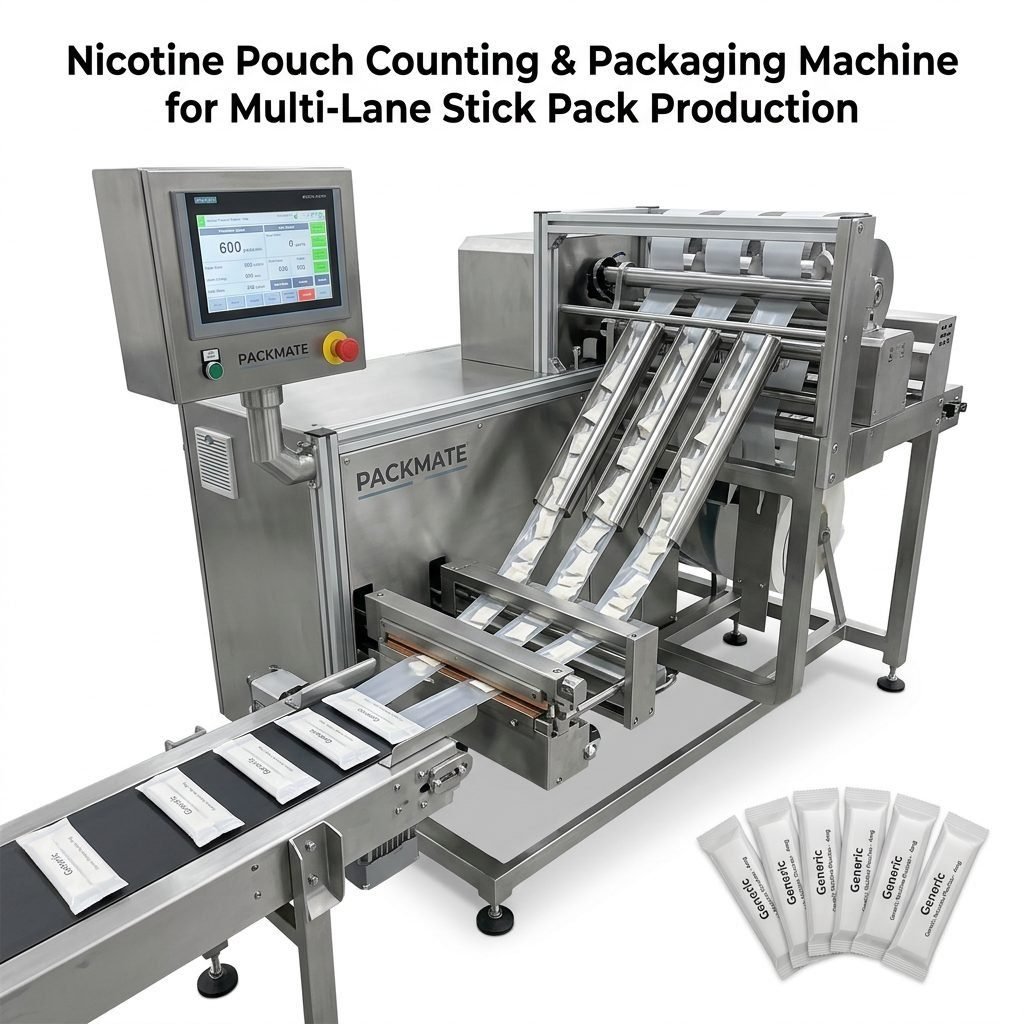
The modern nicotine pouch industry demands high-speed efficiency, airtight sealing, and consistent product quality. This article examines a complete nicotine pouch production line with an integrated sealing system designed for high-speed, leak-proof packaging. We will cover core components, engineering advantages, compliance considerations, customization options, maintenance best practices, and real-world ROI factors to help manufacturers choose the right turnkey solution.
🔧 Core Components of a High-Speed Nicotine Pouch Production Line
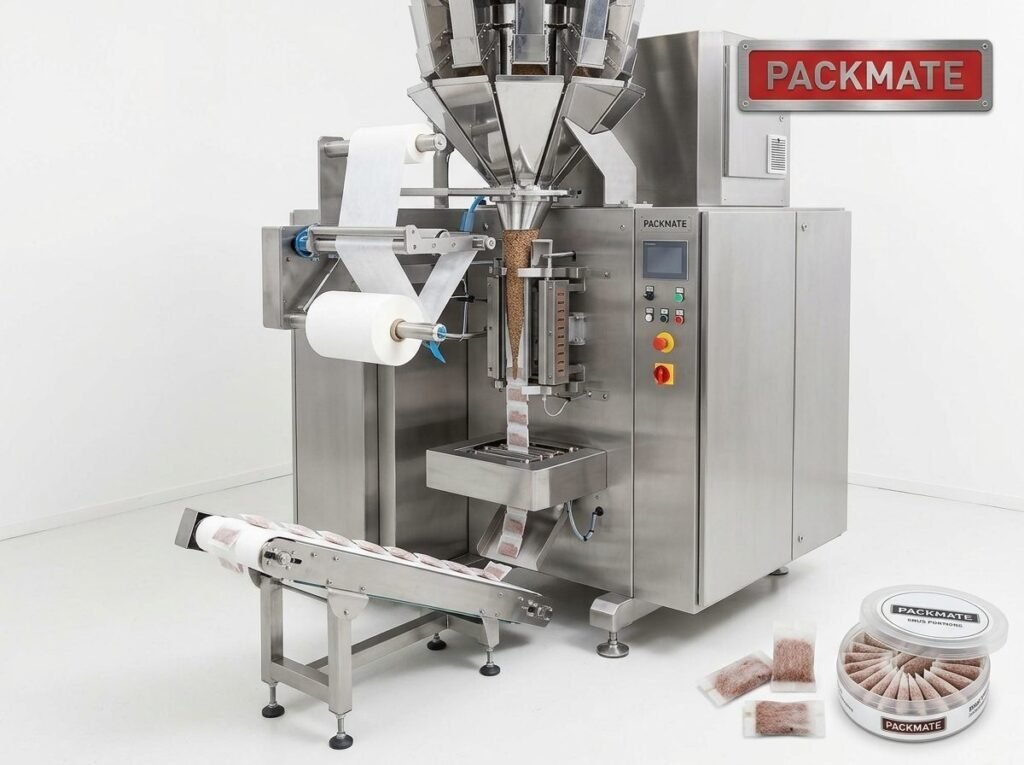
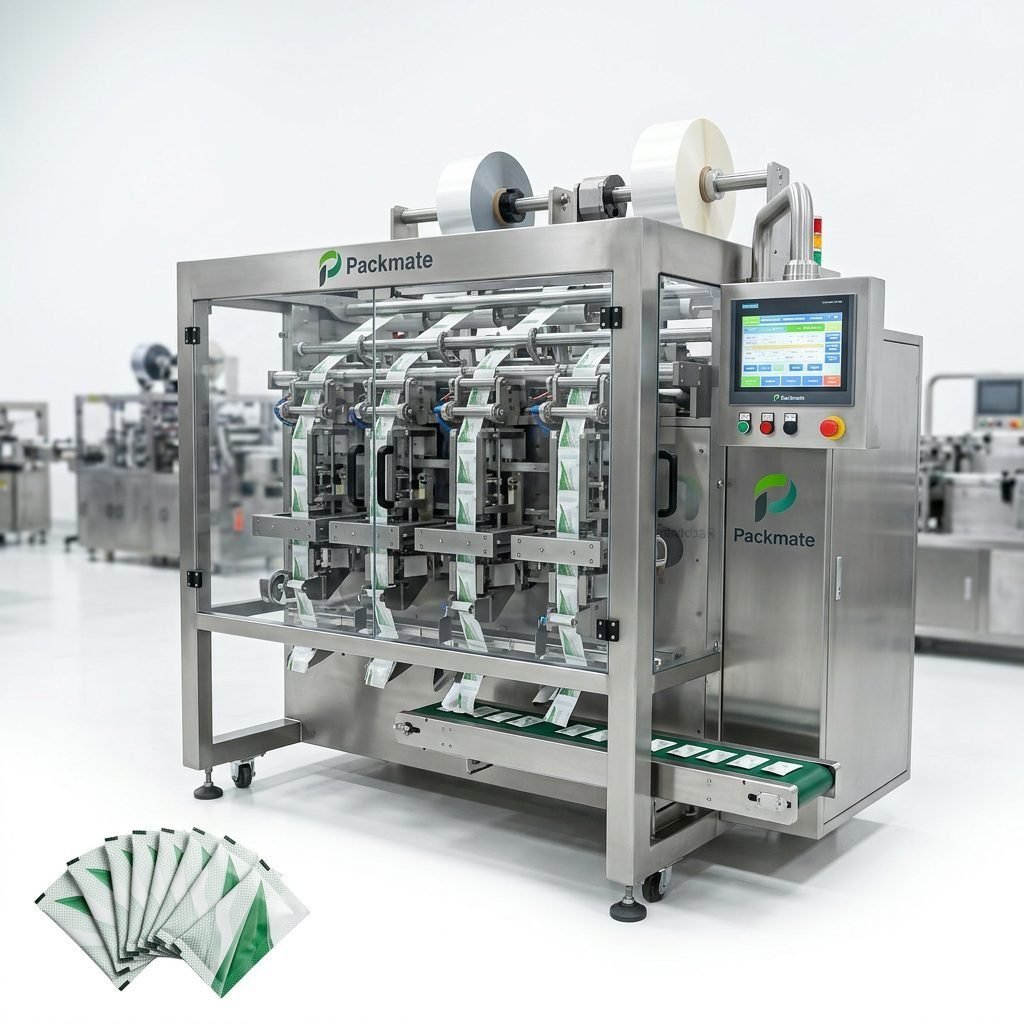
A robust production line integrates multiple subsystems to ensure smooth, continuous operation. Key modules usually include:
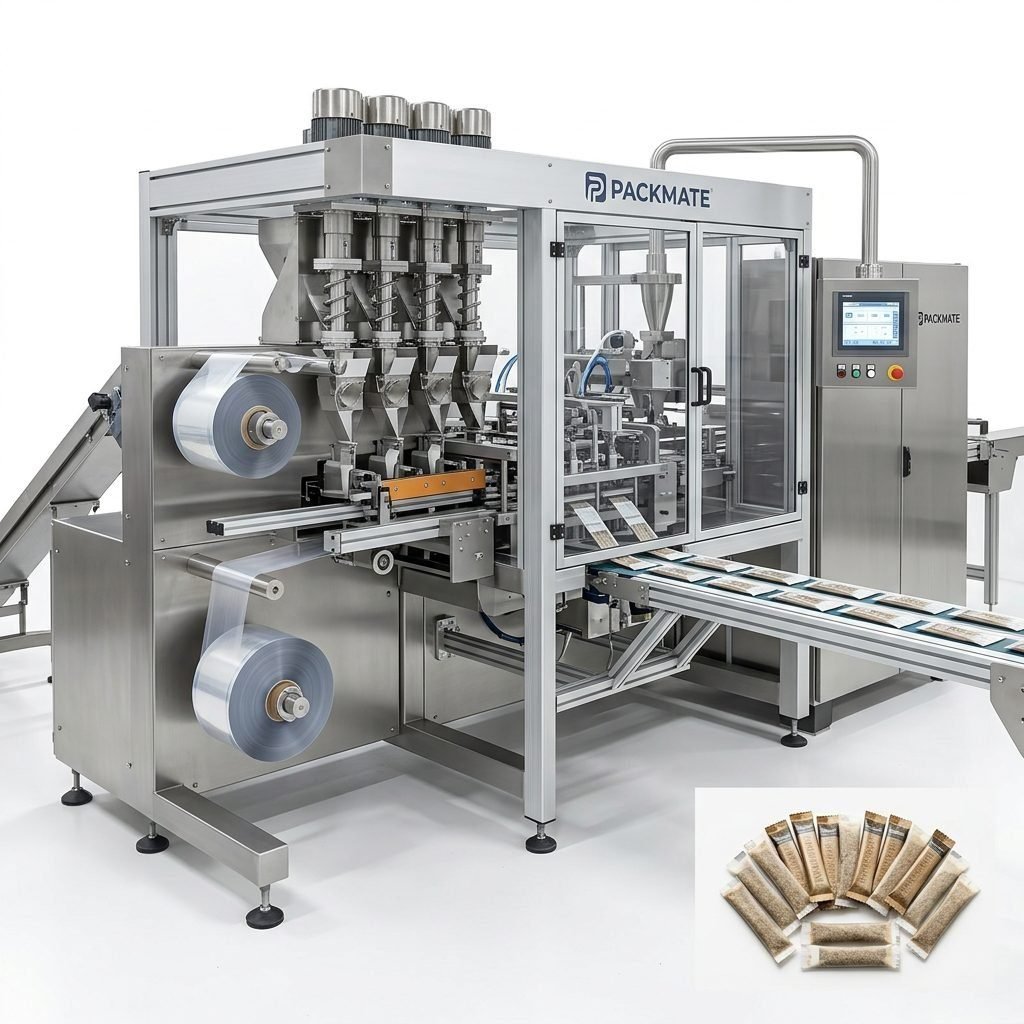
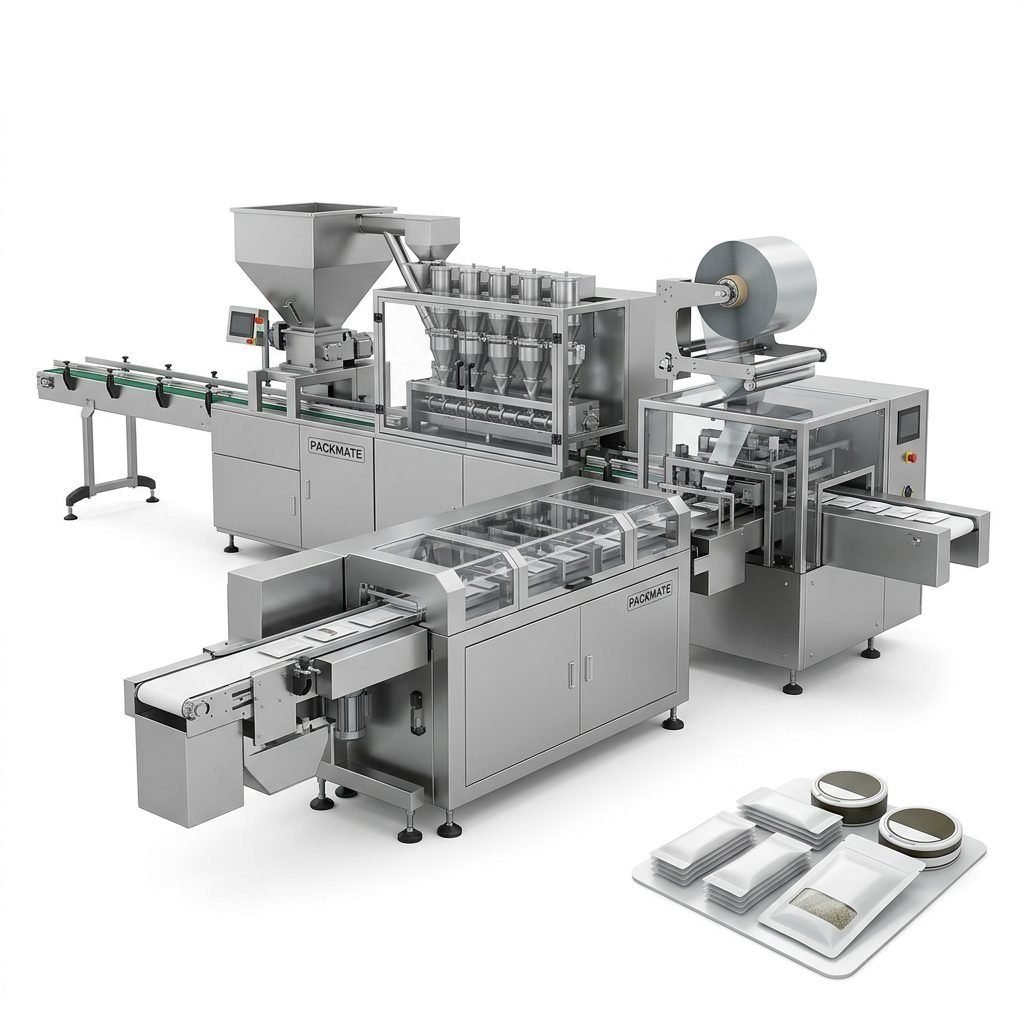
- Automated dosing and weighing systems for precise micro-dose filling
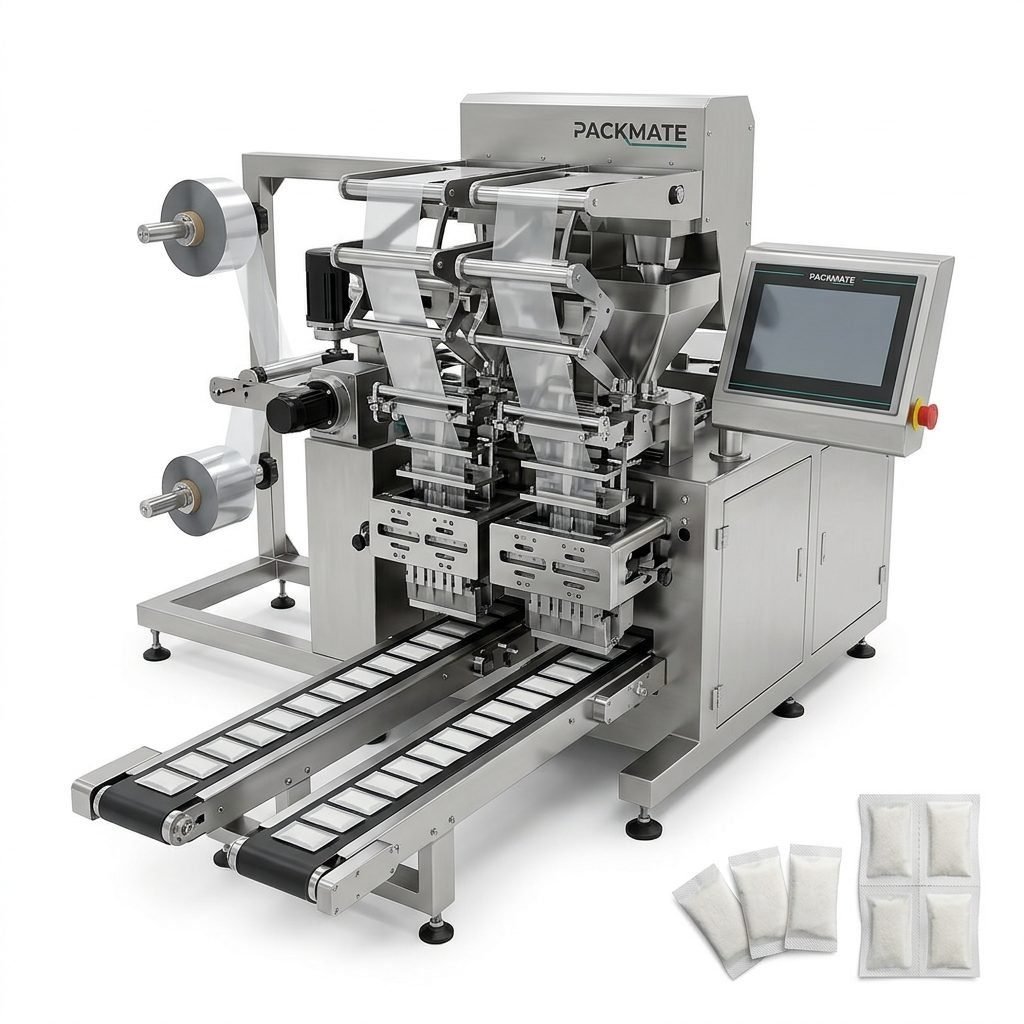
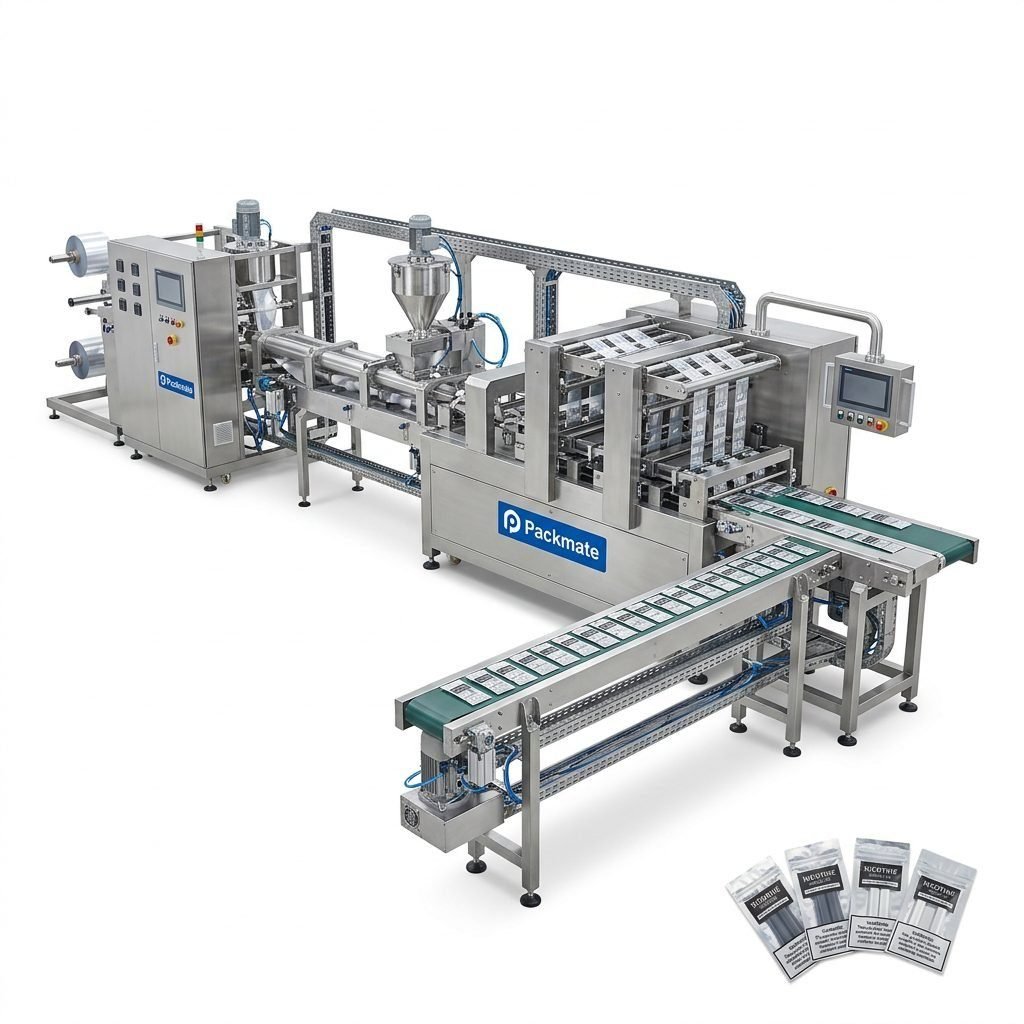
- Multi-lane pouch forming and pouch handling units for high throughput
- Integrated sealing system with adjustable parameters for consistent, leak-proof seams
- In-line quality inspection (vision systems, leak detection)
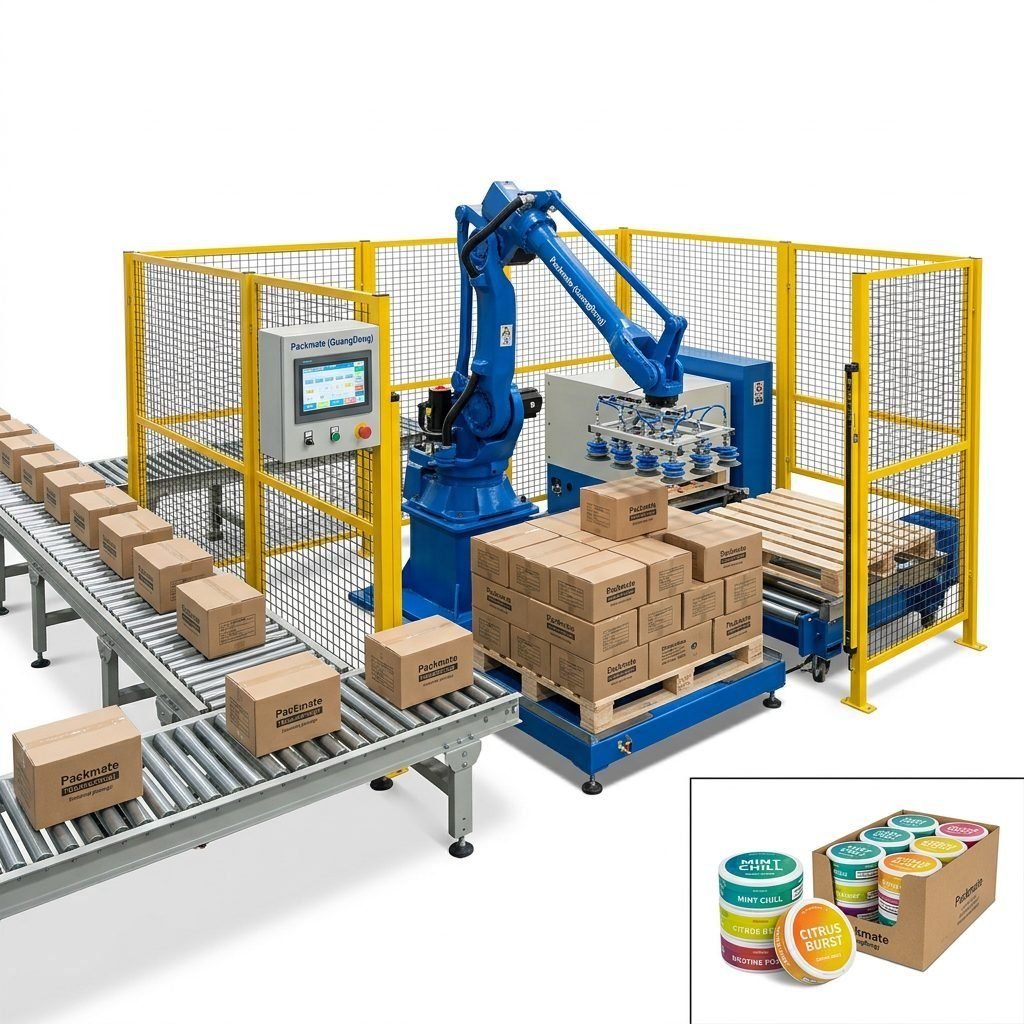
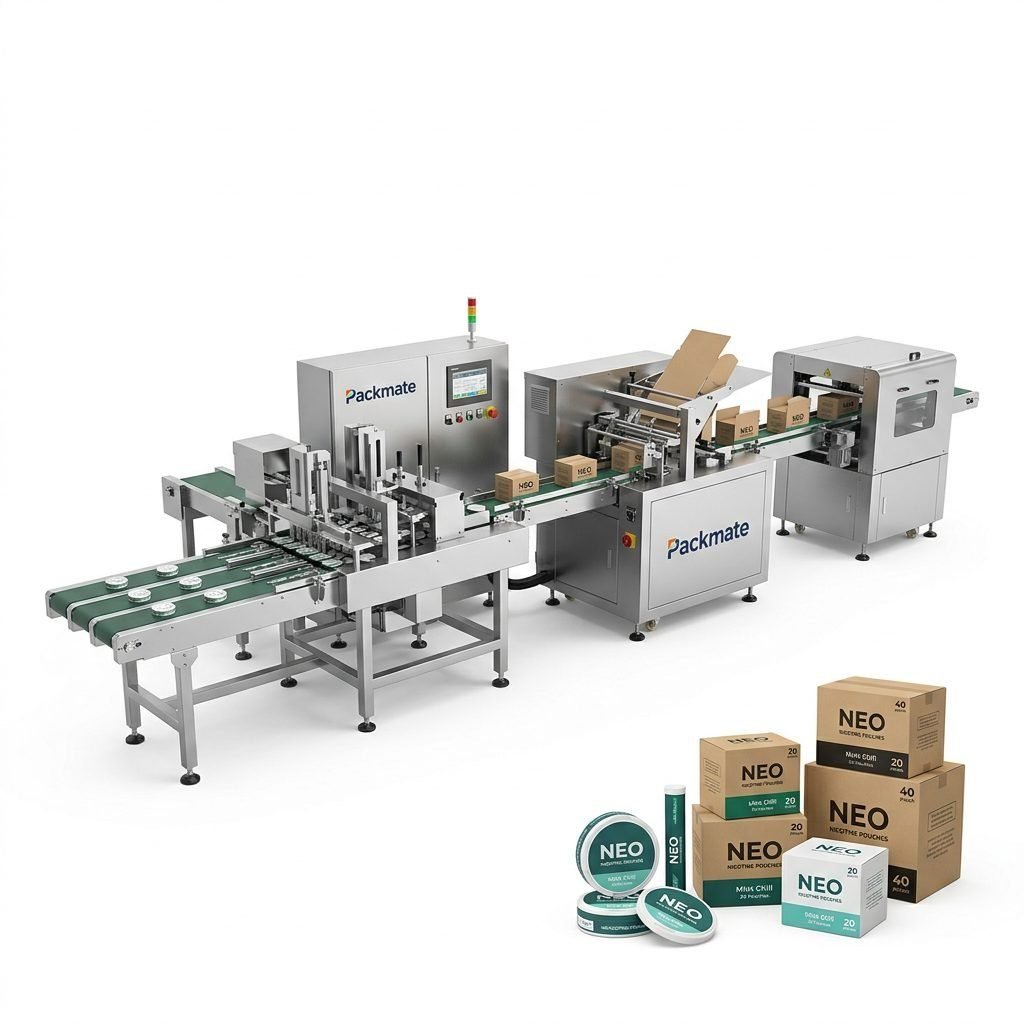
- Secondary packaging (cartoning, shrink-wrapping) and accumulation conveyors
Why integration matters
Integration reduces material handling, minimizes human error, and synchronizes speeds across subsystems. An integrated sealing system is especially critical: when synchronized with filling and pouch transport, it eliminates wrinkling and misaligned seals that cause leakage or rejected units.
Highlight: An optimized line can run multiple lanes at speeds exceeding traditional single-lane machines, delivering higher output while maintaining product integrity and uniform pouch appearance.
⚙️ Sealing System Technologies and Their Advantages
The sealing station is the heart of reliable nicotine pouch packaging. Key sealing technologies include:
- Heat sealing with precision temperature control for consistent bond strength
- Ultrasonic sealing for materials sensitive to heat or where immediate cooling is required
- Impulse sealing to save energy and reduce cycle time on thin films
Each technology has advantages depending on pouch substrate, nicotine product chemistry, and production speed. Modern systems provide PID temperature control, servo-driven pressure application, and programmable seal patterns to adapt to product variations.
Leak-proof design elements
Key design features that improve seal integrity include precise web tension control, synchronized seal timing, and active cooling zones after sealing. In addition, integrated vision detection and vacuum leak testers can flag defects in real time, reducing waste.
📈 Performance & Throughput: What to Expect
High-speed multi-lane nicotine pouch lines are engineered to balance speed with accuracy. Typical throughput metrics:
- Single-lane systems: moderate speeds suited for R&D and low-volume production
- 3-6 lane modules: optimized for mid-volume commercial runs
- 8+ lane configurations: enterprise-grade solutions for high-volume manufacturers
Note: Throughput increases non-linearly with lane count but requires stronger upstream feeding systems and robust quality inspection to maintain acceptable defect rates.
🧩 Customization & Turnkey Solutions
Reputable manufacturers—especially those with decades of engineering experience—offer tailored configurations for nicotine pouch lines. Custom options include:
- Forming options for different pouch shapes and sizes
- Custom dosing modules for micro-dose blends and particulate blends
- Hygienic design variants for easier cleaning and material changeover
- Integration with upstream grinders, mixers, or downstream cartoning lines
For examples of modular product lines and accessory equipment, explore solutions like Snus & Nicotine Packaging Machines and Filling & Packaging Lines.
Turnkey project advantages
Choosing a turnkey supplier reduces integration risks, shortens commissioning time, and provides single-source responsibility for performance guarantees, training, and spare parts—critical for fast market entry.
✅ Quality Assurance, Certifications & Compliance
Manufacturers must meet international standards for safety and quality. Look for suppliers whose equipment complies with CE and ISO directives and who provide clear documentation for GMP-friendly design.
Packmate-style manufacturers emphasize:
- Traceable component sourcing and calibration records
- Factory acceptance testing (FAT) and site acceptance testing (SAT)
- Operator training and maintenance manuals
🔍 In-Line Inspection & Traceability
In-line inspection systems—such as vision systems for pouch alignment and print verification—are essential. Traceability features include batch codes, digital logging, and optional MES integration to connect production data with enterprise systems.
Pro tip: Combine vision checks with leak detection to detect both visual defects and functional seal issues for near-zero escape rates.
🛠️ Maintenance, Spare Parts & Lifecycle Support
For continuous production, regular maintenance and ready spare parts are non-negotiable. A strong supplier will provide:
- Preventive maintenance schedules
- Critical spare parts kits (belts, seals, sensors)
- Remote technical support and on-site service options
Suppliers with manufacturing facilities and CNC capabilities can guarantee quicker lead times for replacement components and custom retrofits.
💡 Case Study Snapshot
A mid-sized nicotine pouch manufacturer upgraded from a single-lane to a 6-lane integrated line. Results included a threefold increase in output, a 40% reduction in reject rates due to better sealing control, and a 25% decrease in labor costs. For more customer examples, see the Case section.
💼 Purchasing Considerations & ROI
Total cost of ownership includes machine cost, installation, commissioning, operator training, periodic maintenance, and spare parts. Evaluate ROI by estimating improved throughput, reduced waste, and lower labor costs. Highly automated lines typically pay back faster in high-demand markets.
🌍 Global Service & Exhibition Presence
Suppliers with international exhibition presence and global service networks can provide localized support and faster spare parts distribution. Learn more about company profiles and global reach at About Packmate and their Our Exhibition pages.
Customer tip: Request a video FAT and references from operations with similar throughput to validate performance claims before purchase.
📌 Quick Checklist Before Buying
– Confirm substrate compatibility with the sealing method
– Verify lane scalability and modular upgrade paths
– Ensure FAT and SAT procedures are part of the contract
– Ask about spare parts lead times and remote diagnostics
– Review compliance documentation (CE/ISO/GMP)
📞 Next Steps
If you are evaluating production lines or need a tailored solution, contact a trusted manufacturer to discuss your product specifications, batch sizes, and regulatory requirements. For direct inquiries and service options, visit Contact Us.
Frequently Asked Questions
Q1: How do I choose between heat sealing and ultrasonic sealing?
A1: Choose based on pouch material and production speed. Heat sealing is versatile and widely used; ultrasonic is ideal for heat-sensitive films and can reduce cycle time for certain substrates.
Q2: Can a production line be expanded after initial purchase?
A2: Yes. Many suppliers design modular lines where additional lanes, inspection modules, or downstream cartoners can be added to scale capacity.
Q3: What routine maintenance is required to ensure leak-proof performance?
A3: Regular calibration of temperature and pressure controls, routine replacement of sealing jaws or blades, and verification of web tensioning systems will preserve seal integrity.
Q4: How important is in-line inspection for nicotine pouches?
A4: Extremely important. Vision and leak detection systems reduce product recalls and waste by identifying defective units before they reach secondary packaging.
Q5: Where can I see references or live demos of these systems?
A5: Attend industry exhibitions or request remote FAT sessions from manufacturers; many companies showcase machines and client case studies in their Case pages.