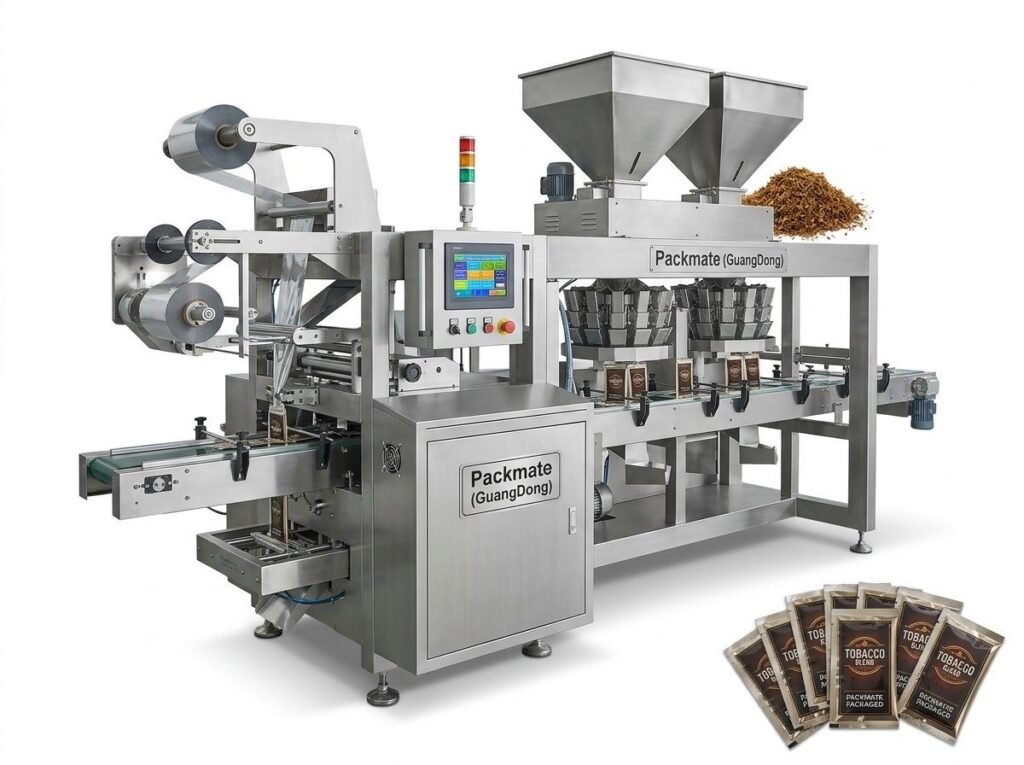
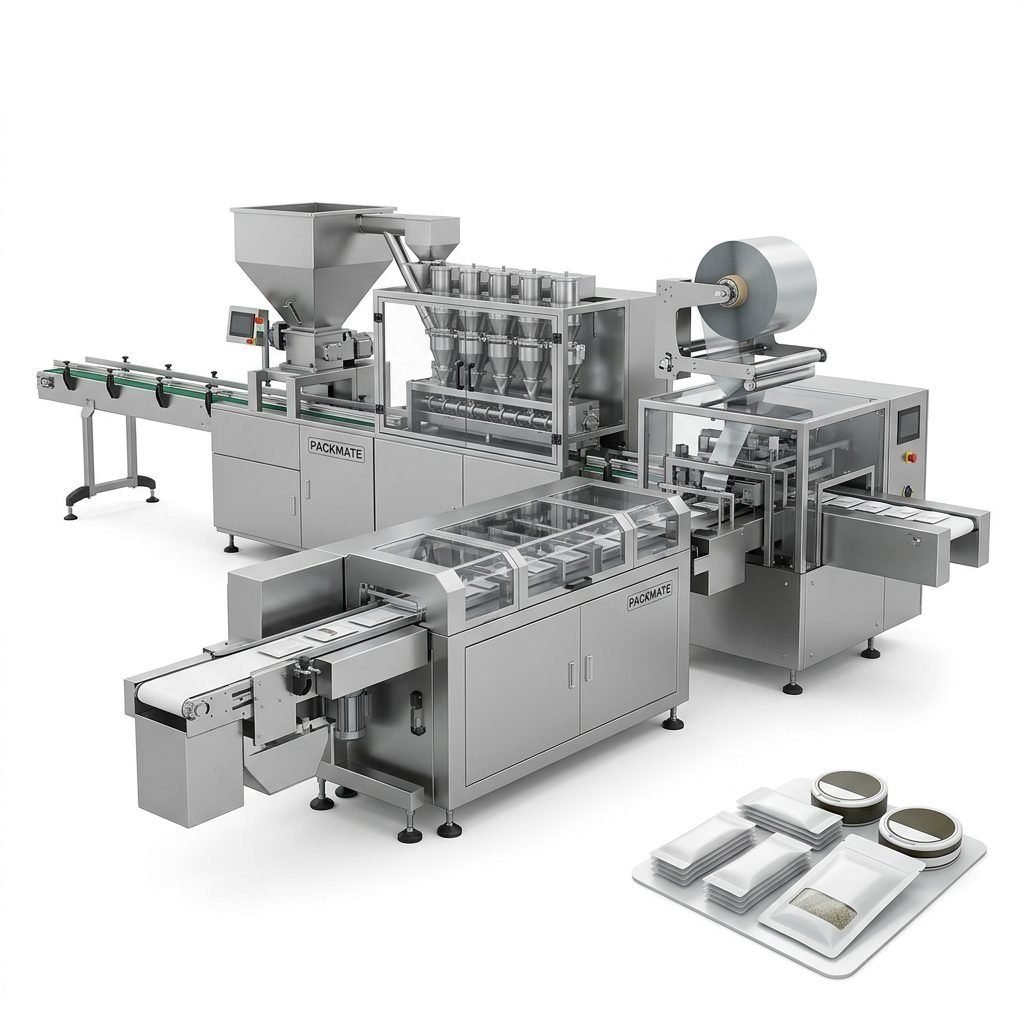
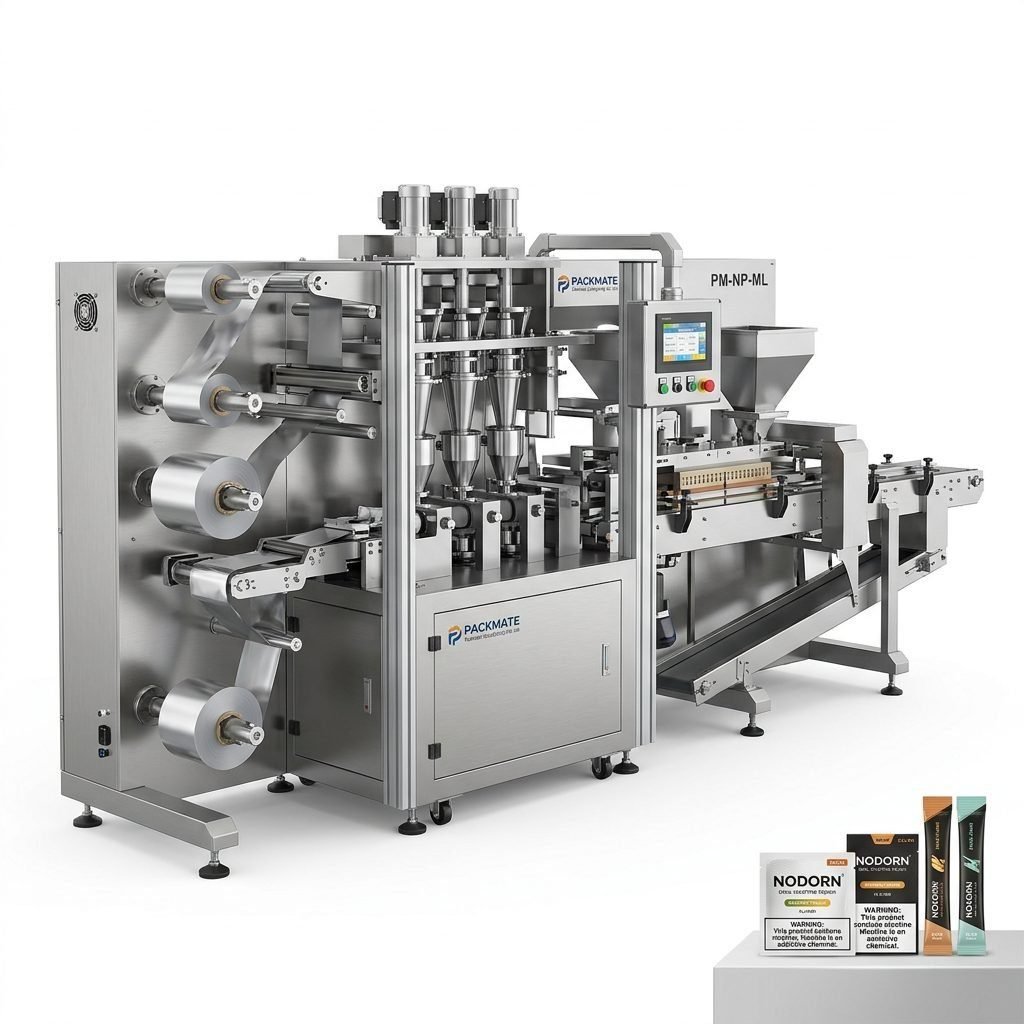
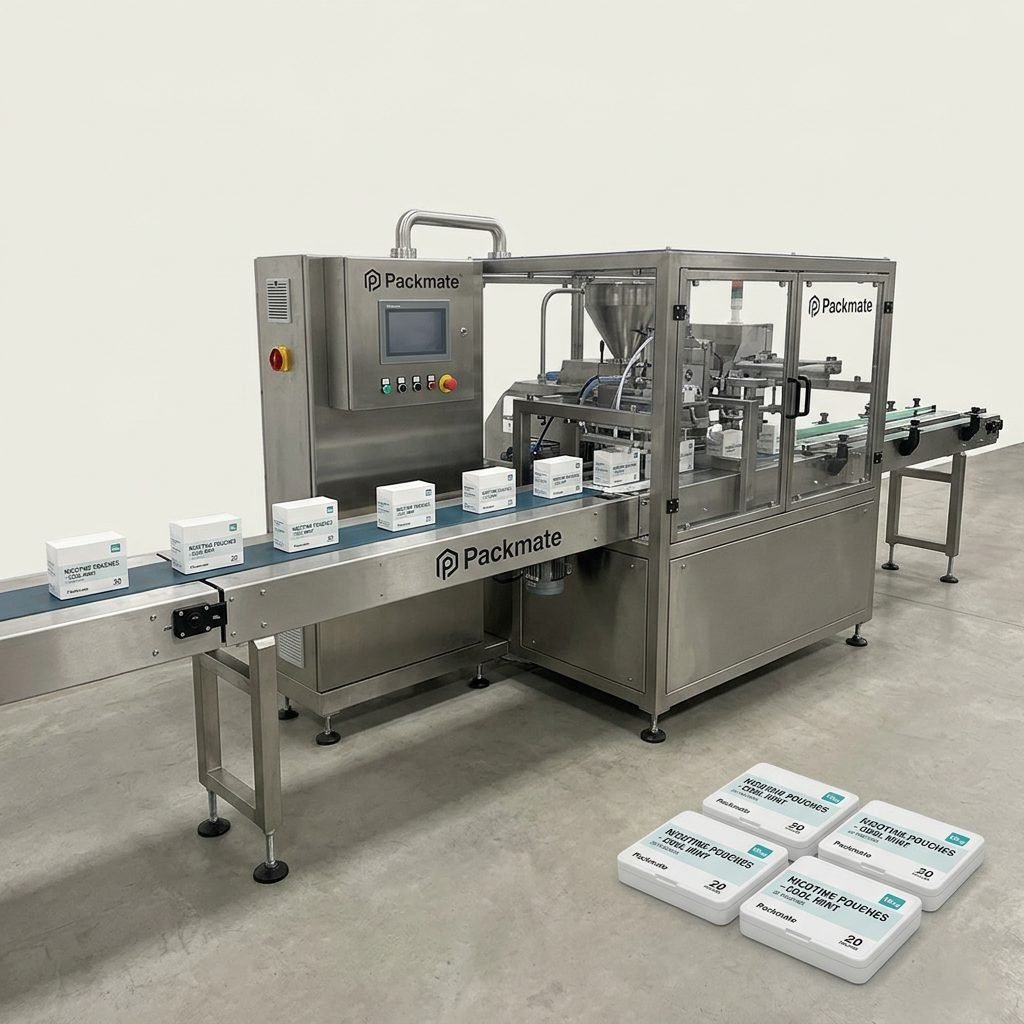
Choosing the right snus packaging machinery supplier in Gabon is a strategic decision that affects product quality, regulatory compliance, production efficiency, and long-term operating costs. This guide walks you step-by-step through practical considerations—local market traits, technical requirements, supplier vetting, installation, and after-sales support—so you can confidently select a supplier that fits Gabon’s unique business and logistical environment.
Why selecting the right supplier matters for Gabon
A reliable supplier delivers machines that run reliably in Gabon’s tropical climate, supports French-language documentation and training, and helps you navigate import rules and local distribution channels. Poorly chosen equipment can lead to frequent downtime, wasted packaging material, compliance issues, and higher lifetime costs.
Understand Gabon’s local business and consumer context
Gabonese business culture tends to value formal relationships, clear contracts, and in-person demonstrations when possible. French is the official business language, so supplier documentation, control panels, and operator training in French will save time and reduce errors. For consumer-facing packaging, consider bilingual French-English labeling and culturally appropriate branding. Always verify national rules for nicotine products and import permits with Gabonese authorities before purchasing.
Local logistics and climate to plan for
Gabon’s main maritime gateway is Libreville and Owendo port. For heavy machinery, confirm the supplier’s experience with sea freight, export packing, and inland transport to your factory. The humid, hot climate (tropical rainforest) can affect electronic components and sealing performance—ask about corrosion-resistant components and climate-adapted sealing technologies.
Core technical requirements for snus packaging lines
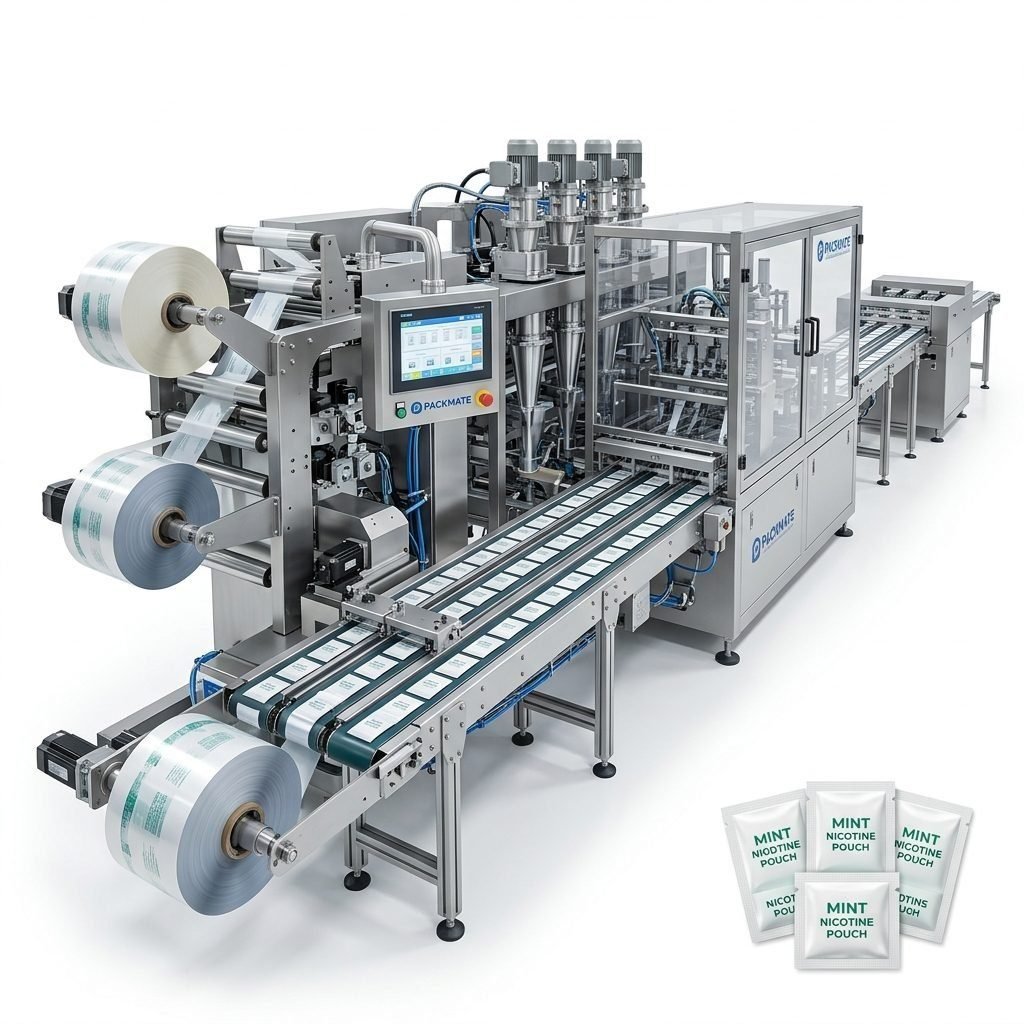
Define what you need before you contact suppliers. Typical technical factors include pouch format (stick, sachet, multi-lane nicotine pouches), production speed (pouches/min), lane count for multi-lane machines, filling accuracy for micro-doses, materials compatibility (foil, paper, barrier laminates), and required automation level.
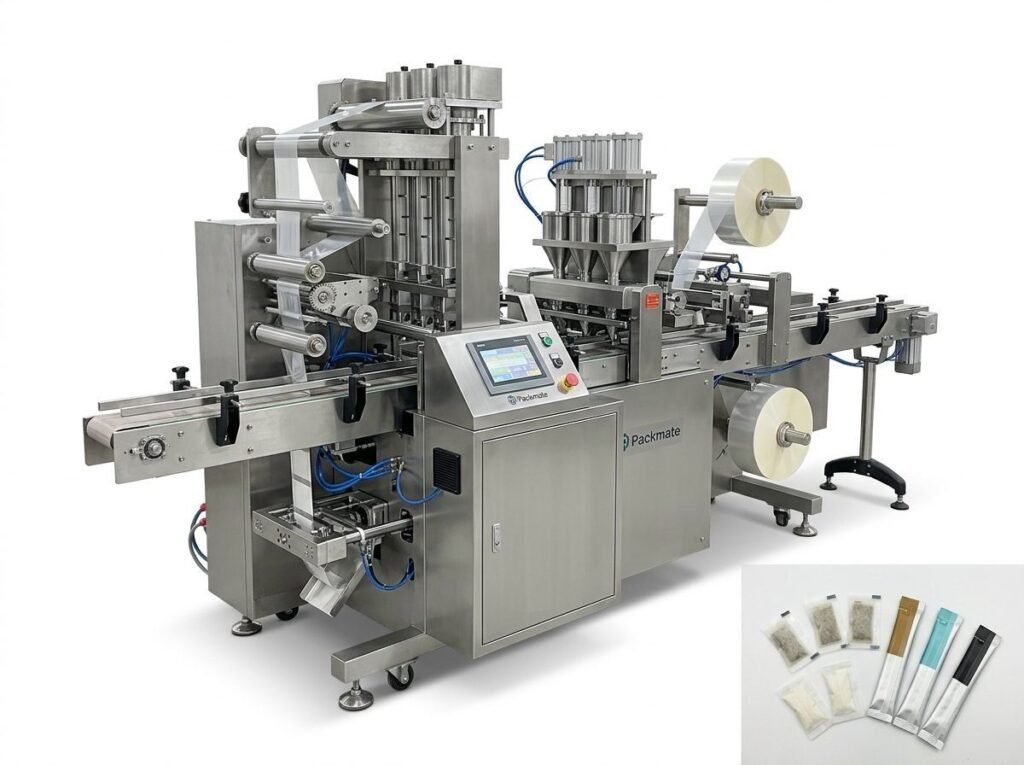
✓ Machine format compatibility: Confirm the supplier can produce the pouch styles you need—stick packs, sachets, or multi-lane pouches—and can switch formats with minimal tooling changes.
✓ Filling accuracy & weighing: For nicotine pouches precise micro-dosing is critical. Ask about integrated weighing or dosing systems and achievable tolerance levels.
✓ Material handling & sealing: Humidity affects seal integrity—look for robust temperature control, pneumatic systems, and compatible sealing technologies for local materials.
Performance metrics to request
Ask suppliers to provide guaranteed metrics: mean time between failures (MTBF), uptime percentage, changeover time between SKUs, production throughput under typical operating conditions, and electrical/air consumption. Having these numbers enables realistic OEE (overall equipment effectiveness) calculations for Gabon’s operating environment.
Supplier evaluation checklist (must-review items)
⚙️ Experience & references: Look for suppliers with proven snus/nicotine packaging experience and references in global markets. Review case studies, client lists, and exhibition participation. Example resources: Case and Our Exhibition.
📄 Certifications & compliance: Require CE/ISO certificates and inquire how the supplier supports compliance with local import and labeling laws in Gabon. Suppliers with documented quality systems reduce risk—see Certificate.
🏭 Factory capability & visits: A visit (or virtual factory tour) should confirm CNC machining, assembly lines, and QA systems. Suppliers with a 20,000㎡ facility and strong machining capabilities typically deliver consistent machines.
🛠️ After-sales & parts support: Clarify spare parts lead times, local stocking options, training plans, and remote diagnostics. Long-term support minimizes downtime in Gabon.
💬 Communication & language: Ensure operator manuals and training can be provided in French and that technical contacts are responsive across time zones.
Questions to ask every supplier
• What guarantees do you provide for throughput and accuracy under local climatic conditions?
• Can you supply French-language documentation and on-site training in Gabon?
• What is typical lead time, export packing method, and recommended freight route to Libreville/Owendo?
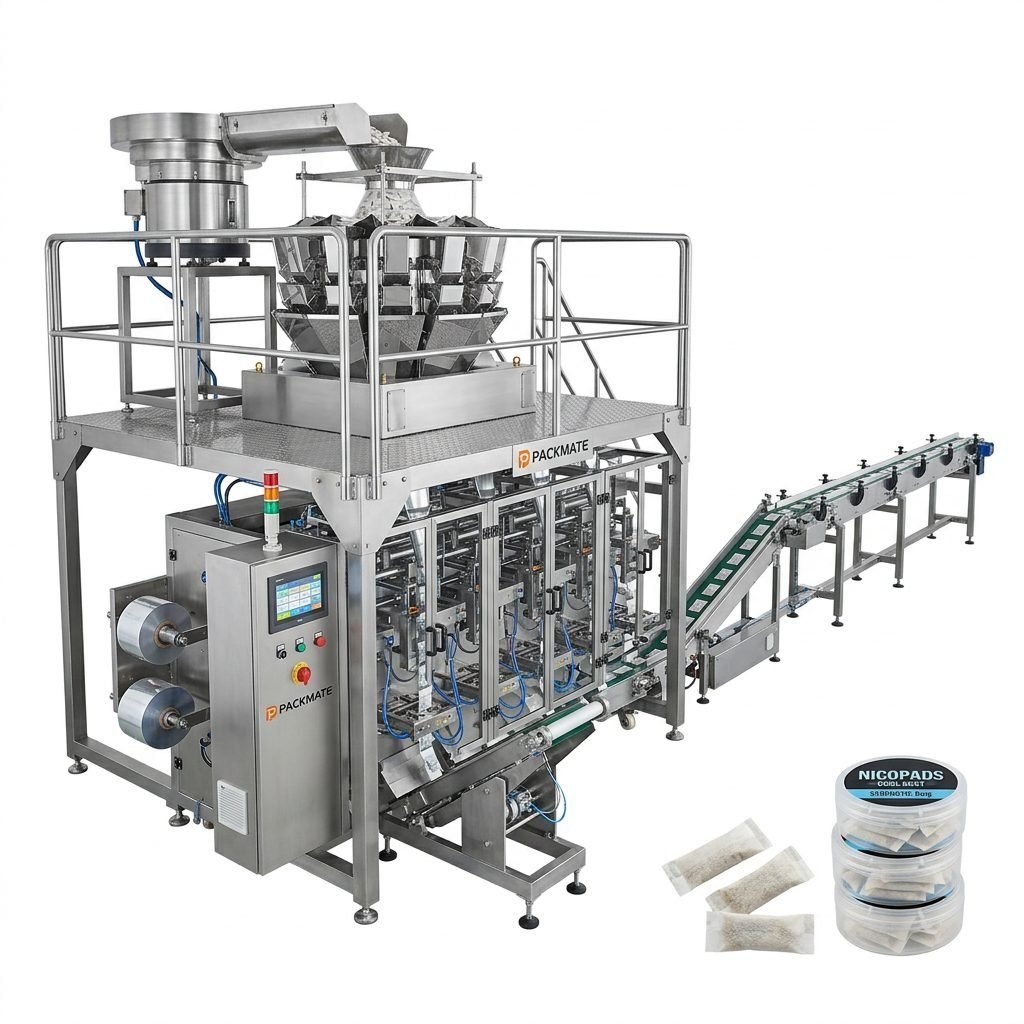
• Do you offer turnkey solutions including weighing, packaging, and end-of-line systems? (See integrated options: Filling & Packaging Lines and Weighing & Packaging Systems.)
Total cost of ownership (TCO) breakdown
Evaluate the purchase price plus recurring costs: spare parts, consumables (film, lids), energy and compressed air consumption, maintenance, operator labor, downtime losses, and shipping/import duties. A cheaper machine upfront may cost more over five years if MTBF is low or parts are hard to source in Gabon.
Financing & payment terms
Negotiate staged payments linked to milestones: deposit, factory acceptance test (FAT), shipping, and installation. Ask about leasing, supplier financing, or local bank letter-of-credit options. Verify warranty terms and scope for commissioning included in the contract.
Installation, training and ramp-up in Gabon
Insist on a clear installation plan: site requirements (power, air, floor load), FAT at supplier’s factory, on-site commissioning, operator and maintenance training (in French), and a defined handover checklist. Remote support tools and spare parts kits should be shipped with the machine to reduce initial downtime.
📦 Shipping & customs tip: Work with an experienced freight forwarder and customs broker familiar with Gabon to pre-clear documentation and reduce port dwell time.
🧑🏫 Operator readiness: Schedule operator training before full production; suppliers with remote training platforms or bilingual trainers ease the learning curve.
Integration with existing lines
If you already have upstream or downstream equipment, confirm electrical, mechanical and communication interfaces (e.g., PLC/OPC) and whether the supplier offers integration services for case packers, cartoners, or conveyors. This is crucial for packaging efficiency and quality control.
Red flags to avoid
• No factory visit or virtual tour available.
• Unclear warranty scope or missing spare parts list.
• No French documentation or training options.
• Vague performance guarantees or refusal to share MTBF/OEE data.
• Excessively long or undefined lead times without contingency plans.
Why suppliers with proven snus expertise matter
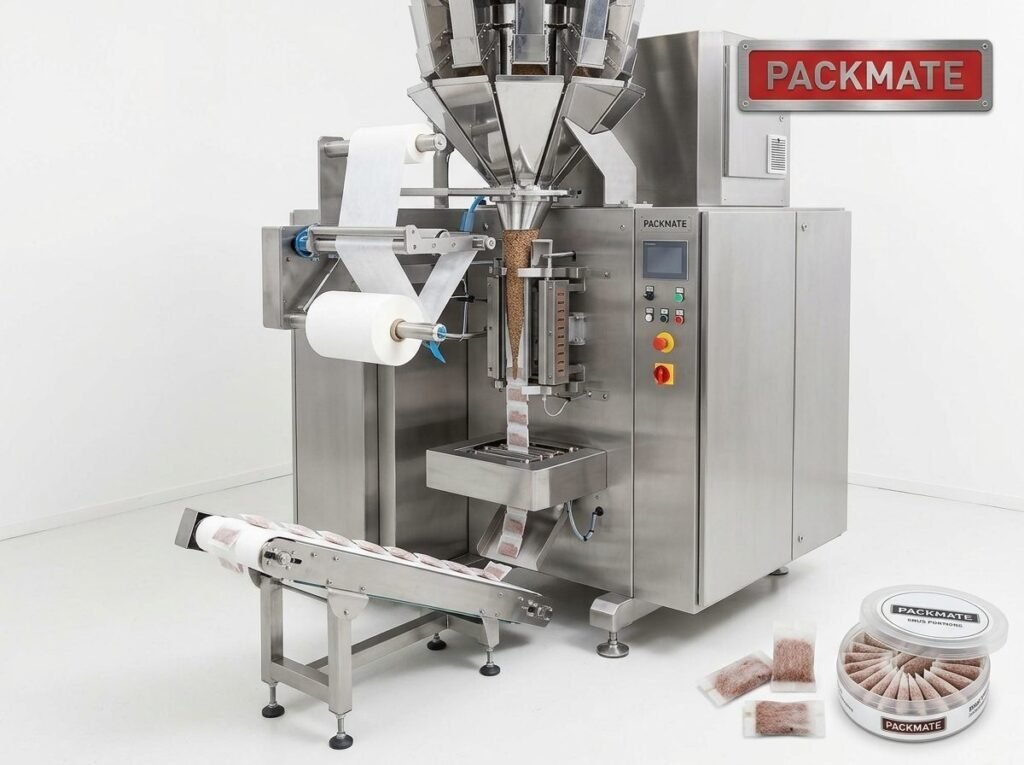
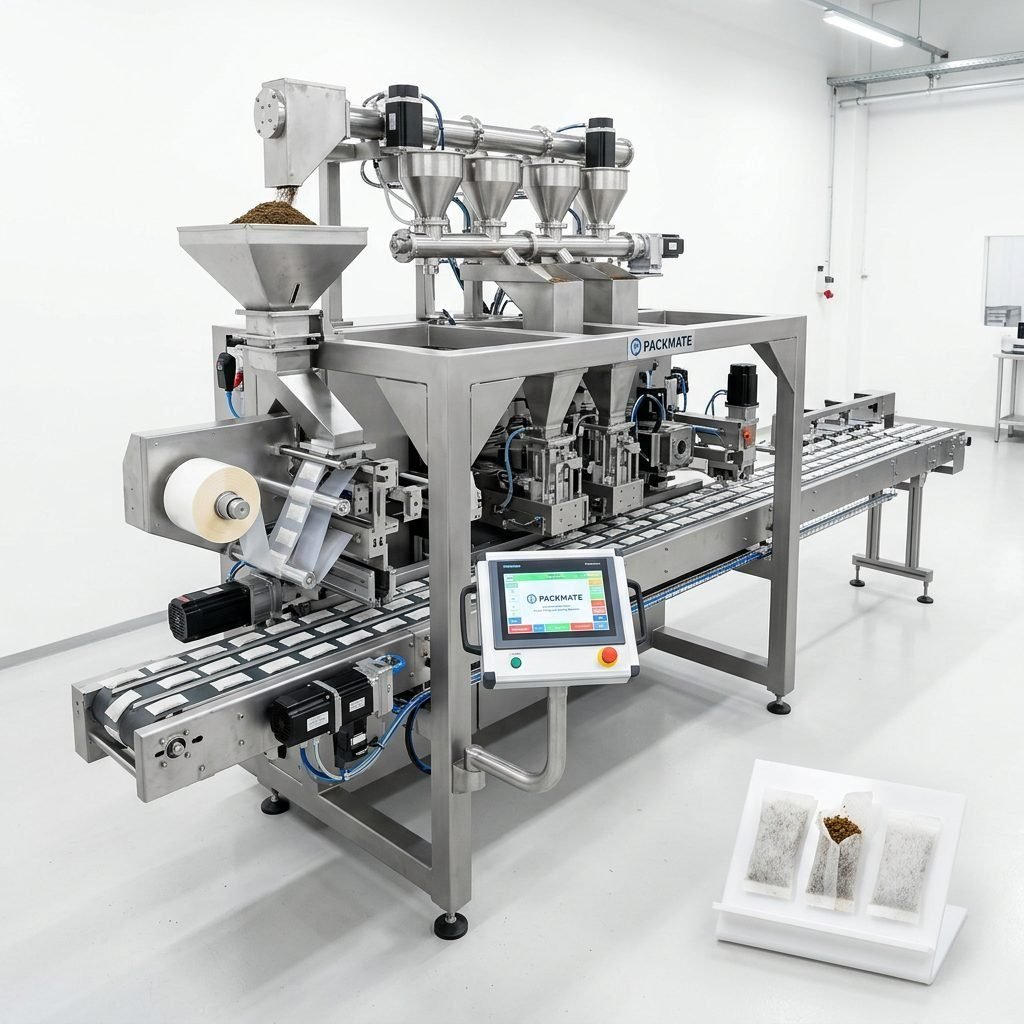
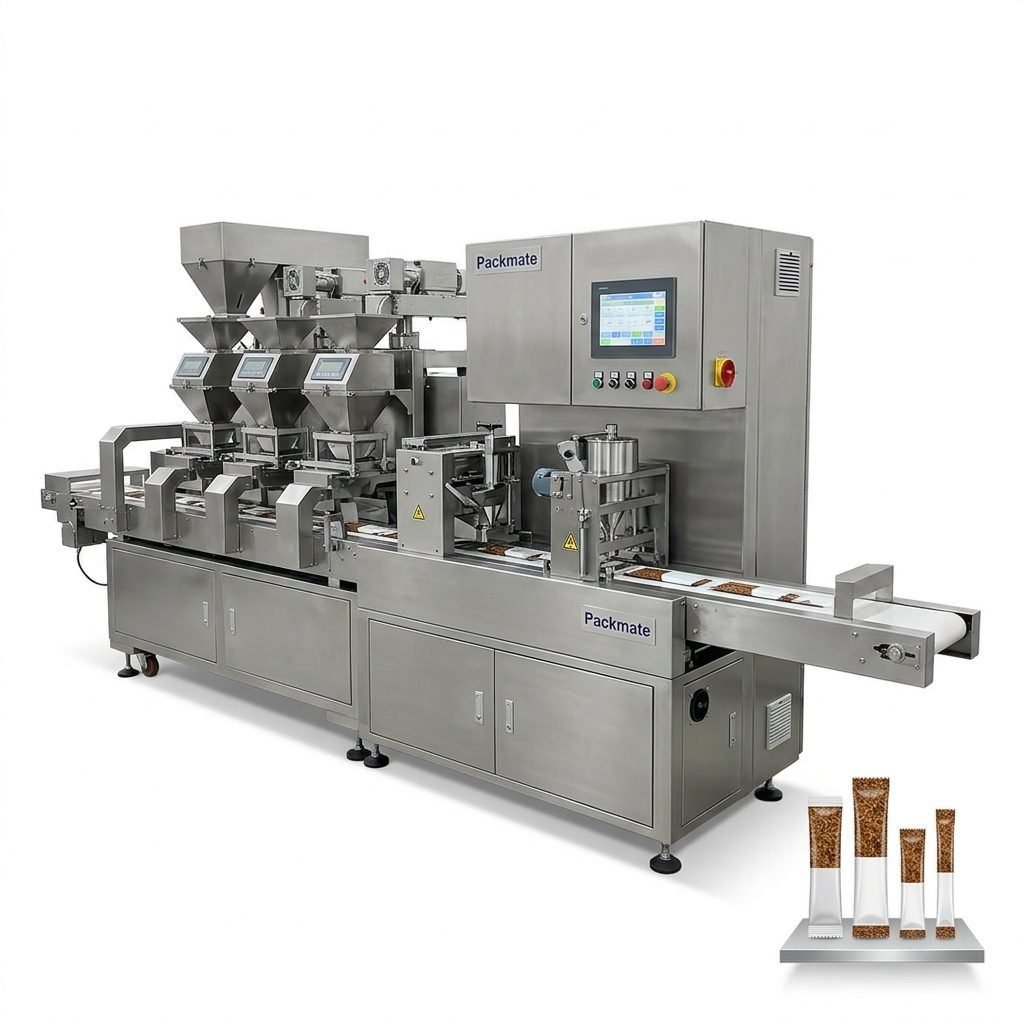
Snus and nicotine pouch packaging require specialized dosing, gentle product handling, and reliable sealing to preserve nicotine stability and shelf life. Suppliers that specialize in snus/nicotine packaging bring optimized solutions—such as multi-lane pouch lines and micro-dosing systems—reducing trial-and-error time and ensuring consistent product quality. For product-specific machines, review offerings like Snus & Nicotine Packaging Machines and related pouch and bag systems at Bag & Pouch Packaging Machines.
Selecting Packmate or similar experienced manufacturers
Leading manufacturers with decades of experience typically provide a mix of standardized models and full customization, backed by CNC machining capacity and quality control systems. If you need vendor contact or further product details, review the supplier profile at About Packmate and reach out via Contact Us.
Practical procurement timeline
Planning timeline example: 0–2 weeks (needs assessment & RFQ), 2–6 weeks (supplier evaluation & FAT scheduling), 6–12 weeks (manufacturing lead time), 12–16 weeks (shipping & customs), 16–20 weeks (installation & commissioning). Add buffer time for import clearance in Gabon and site preparations.
Final practical tips
Keep a shortlist of 2–3 qualified suppliers, compare TCO rather than just purchase price, ask for FAT videos or invite your team to witness FAT, and secure a spare parts kit for initial operations. Prioritize suppliers that offer clear French documentation and local logistics experience for a smoother deployment in Gabon.
FAQs
Q1: What documentation do I need to import snus packaging machines into Gabon?
A1: Typically you need commercial invoice, packing list, bill of lading, certificate of origin, machine CE/ISO certificates, and any specialized permits for nicotine-related production equipment. Confirm details with your freight forwarder and Gabonese customs.
Q2: Should I choose a standard model or a fully customized packaging line?
A2: If your product formats are common and volumes predictable, a standard machine reduces cost and lead time. If you require unique pouch formats, multi-lane micro-dosing, or full turnkey lines, opt for customization with clear specifications and FAT acceptance criteria.
Q3: How important is local spare parts availability?
A3: Very important. Local stocking or rapid air-shipment options reduce downtime. Negotiate critical spare parts lists during procurement and include them in the initial shipment if possible.
Q4: Can suppliers provide training in French and remote support?
A4: Many reputable suppliers offer bilingual manuals, on-site French training, and remote diagnostic tools. Confirm language capabilities in the contract and request sample documentation.
Q5: How do I verify a supplier’s performance claims?
A5: Request factory acceptance tests (FAT) with your acceptance criteria, ask for MTBF and uptime data, contact references, and review any available site visits or demonstration videos.