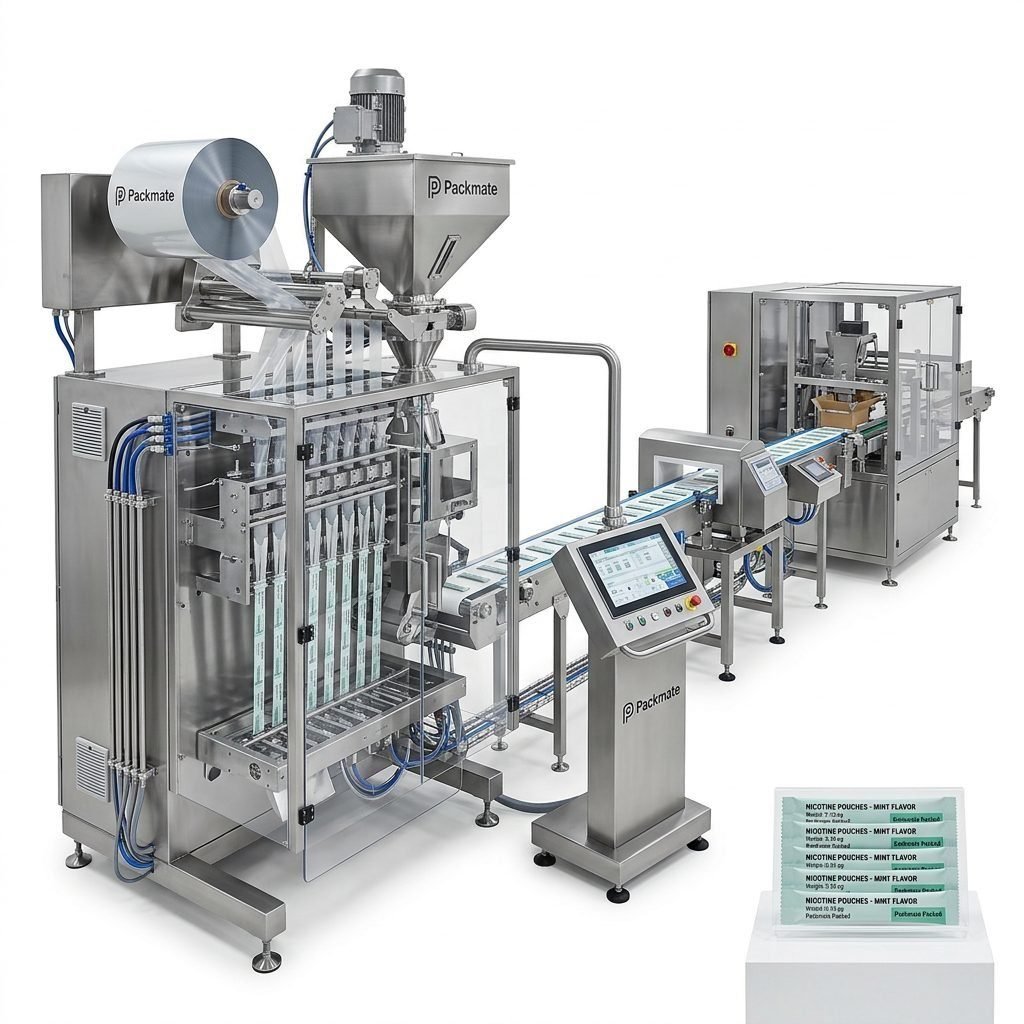
Finding a reliable snus packaging machinery supplier for a niche market like Tuvalu requires a practical mix of due diligence, logistics planning, cultural awareness, and clear technical evaluation. This buyer’s guide walks you through the essential steps to identify, evaluate, and secure a supplier who can deliver high-performance, compliant snus and nicotine pouch packaging systems tailored to your needs in Tuvalu’s unique market environment.
Understand Tuvalu’s Market and Cultural Context
Tuvalu is a small island nation with a tight-knit community and limited industrial infrastructure. When planning to import packaging machinery, keep in mind:
Community-first business style: respect and personal relationships matter. Local buyers often rely on reputation and long-term trust.
⚠
Small market size: order quantities and machine lane configurations should be optimized for low-to-medium production volumes unless you plan regional distribution.
📦
Logistics constraints: transshipment or consolidated shipping is likely; lead times can be longer than regional averages.
Local regulations and product sensitivity
Nicotine pouch and snus products may face specific import rules, labeling or health warnings in different jurisdictions. Before committing to any machinery purchase, consult local customs authorities and legal advisers in Tuvalu to confirm import permissibility, taxes, and labeling obligations.
Step-by-step Supplier Evaluation Checklist
Use this checklist to narrow down reputable suppliers and make an informed selection:
1. Verify manufacturing capability and history
Look for suppliers with a proven track record in snus and nicotine pouch machinery. Key signs of a mature supplier include long industry experience, a range of machine models, and a clear factory footprint.
Request a company profile, timeline of development, and details on factory size and CNC/assembly capabilities.
2. Ask for certifications and quality assurances
Certified equipment reduces the risk of regulatory or safety issues during import and local operation. Ask for CE, ISO, and other relevant certificates. For convenience, you can review supplier certifications and company credentials before a deeper commitment.
3. Evaluate product range and customization
Ensure the supplier offers machines suited to your production scale—single-lane, multi-lane, stick pack, sachet, or specialized snus pouch lines. Customizable options and turnkey solutions are beneficial for small markets like Tuvalu where flexible production configurations can save cost.
Technical Due Diligence
A technical review helps you avoid compatibility and performance issues after delivery. Focus on these areas:
Machine performance & capacity
Confirm output rates (pouches per minute), lane configuration options, changeover times, and uptime expectations. Ask for performance data and factory acceptance test (FAT) videos demonstrating continuous operation.
Materials compatibility and hygiene
Ensure food-grade materials, easy cleanability, and compliance with hygiene standards if your product needs them. For nicotine pouches, check material handling systems to prevent cross-contamination and ensure consistent dosing.
Electrical and environmental considerations
Verify voltage compatibility and power protections suitable for Tuvalu’s infrastructure. Machines may need voltage converters or UPS solutions. Also check climate resilience — coastal humidity and salt air in island environments can affect mechanical components, so corrosion-resistant finishes are valuable.
Commercial and Contractual Safeguards
Protect your purchase with clear commercial terms and post-sale support:
Warranty and spare parts
Confirm warranty length and scope. Ask the supplier to commit to a spare parts list and lead times. For remote markets like Tuvalu, ensure critical spare parts can be shipped quickly or stocked locally.
Installation, training & after-sales service
Because factory visits may be costly, negotiate remote commissioning, on-site installation support, and operator training. Check if the supplier offers long-term technical support and options for periodic maintenance visits or remote troubleshooting.
Ask whether the supplier publishes a spare parts catalog and whether common wear parts can be delivered by air within 5–10 business days.
Logistics and Import Planning for Tuvalu
Your supplier should help you plan shipping routes, packaging protection, and customs clearance. Consider these practical logistics steps:
Choose the right shipping method
Full container loads (FCL) are often more cost-effective for large machines, but consolidated LCL shipments might suit smaller orders. Coordinate with suppliers to secure proper export packing (wooden crates, anti-corrosion wraps) and clearly document the bill of lading and parts lists.
Customs documentation and local agent
Work with a local customs broker in Tuvalu or an experienced regional freight forwarder. Provide them with machine specifications, HS codes, certificates of origin, and CE/ISO documentation to speed clearance.
Building Trust with Remote Suppliers
When direct factory visits are difficult, use alternative verification methods:
- Request factory videos and live machine demonstrations via video call.
- Ask for customer references and follow up with existing international customers to confirm reliability and lead times.
- Use escrow payments or staged payments tied to verifiable milestones like FAT completion and shipment loading.
In Tuvalu, a polite and patient negotiation style helps build long-term relationships. Investing time in conversations and mutual respect can lead to better service and smoother after-sales cooperation.
Why Packmate Snus Machine Is a Viable Supplier Option
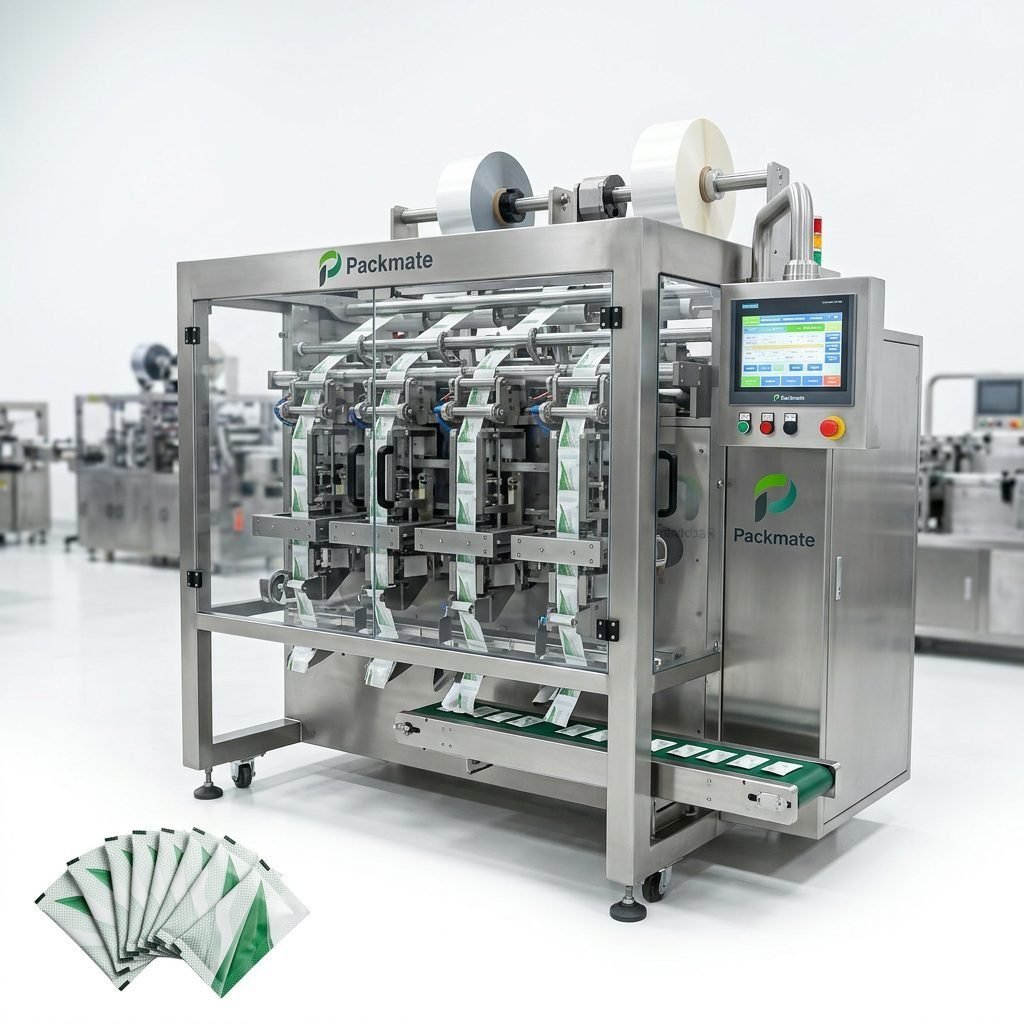
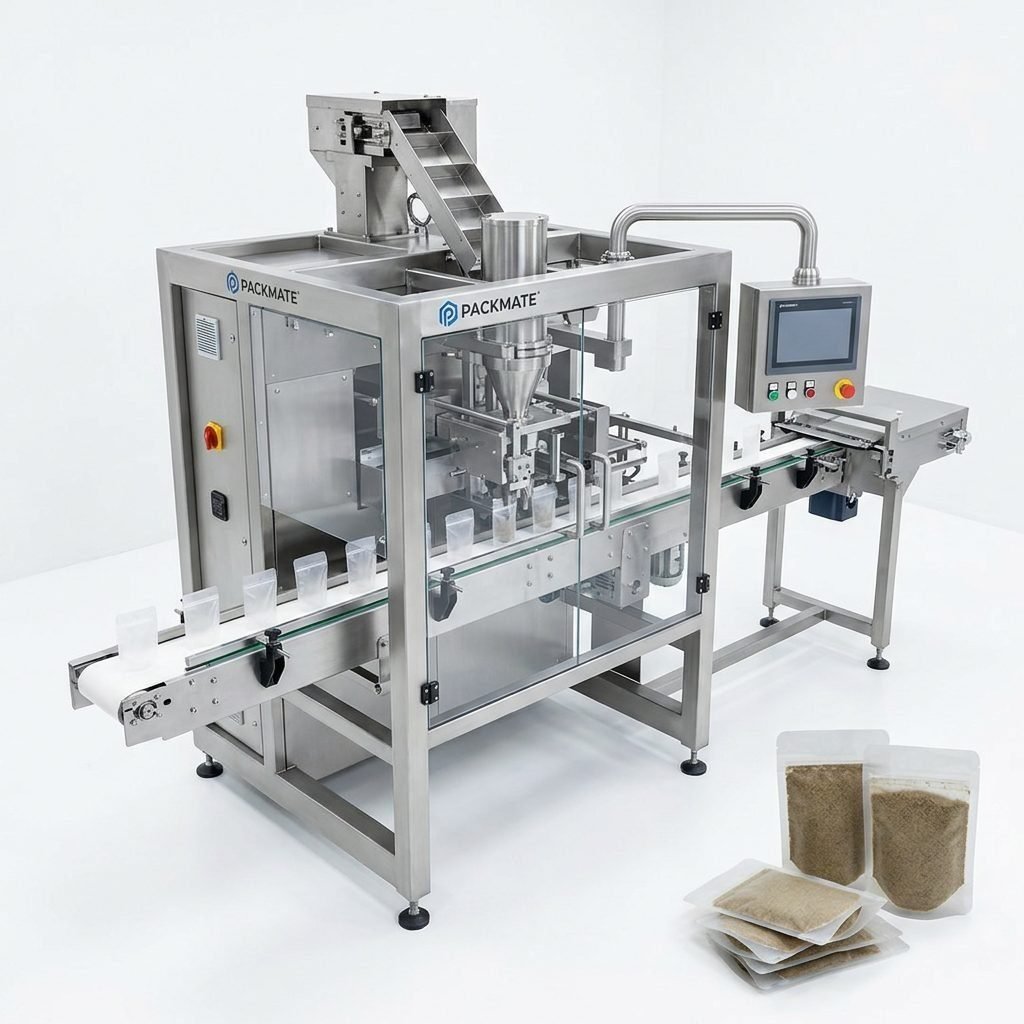
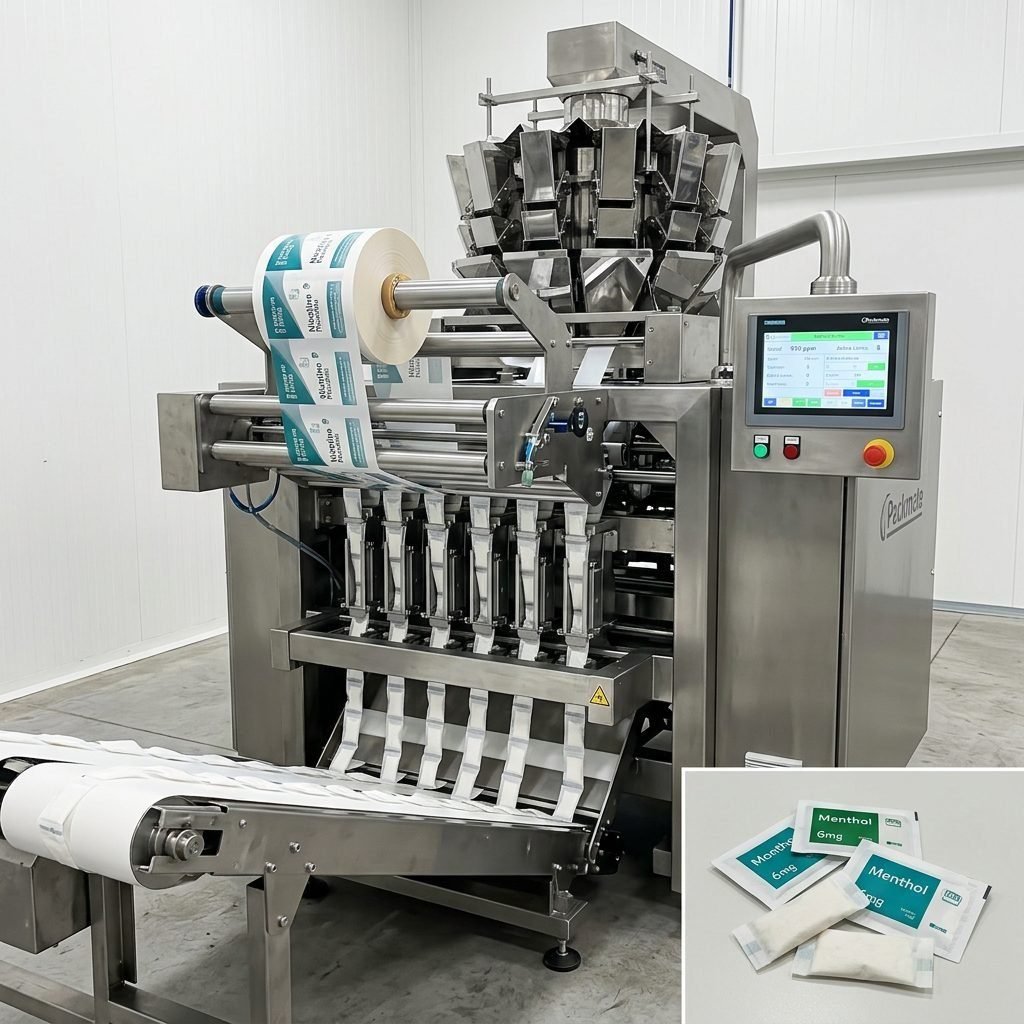
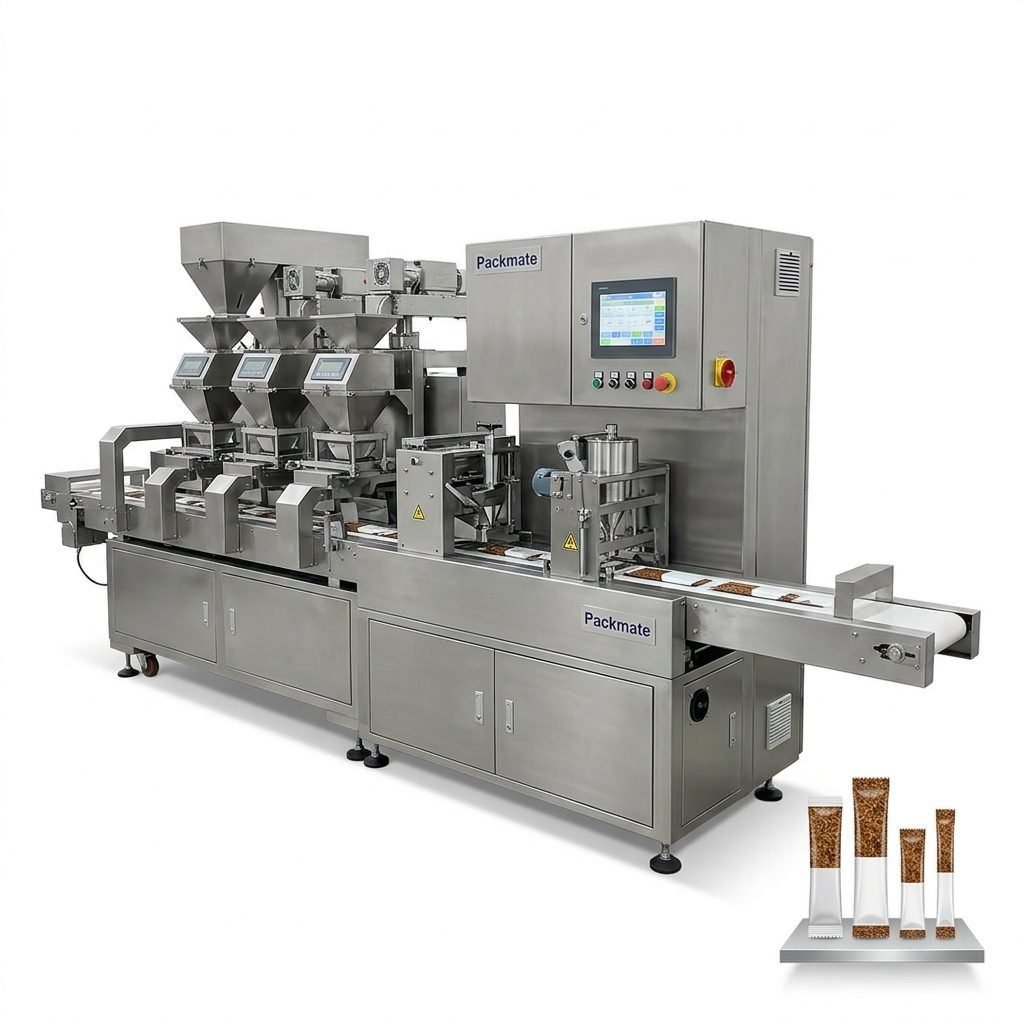
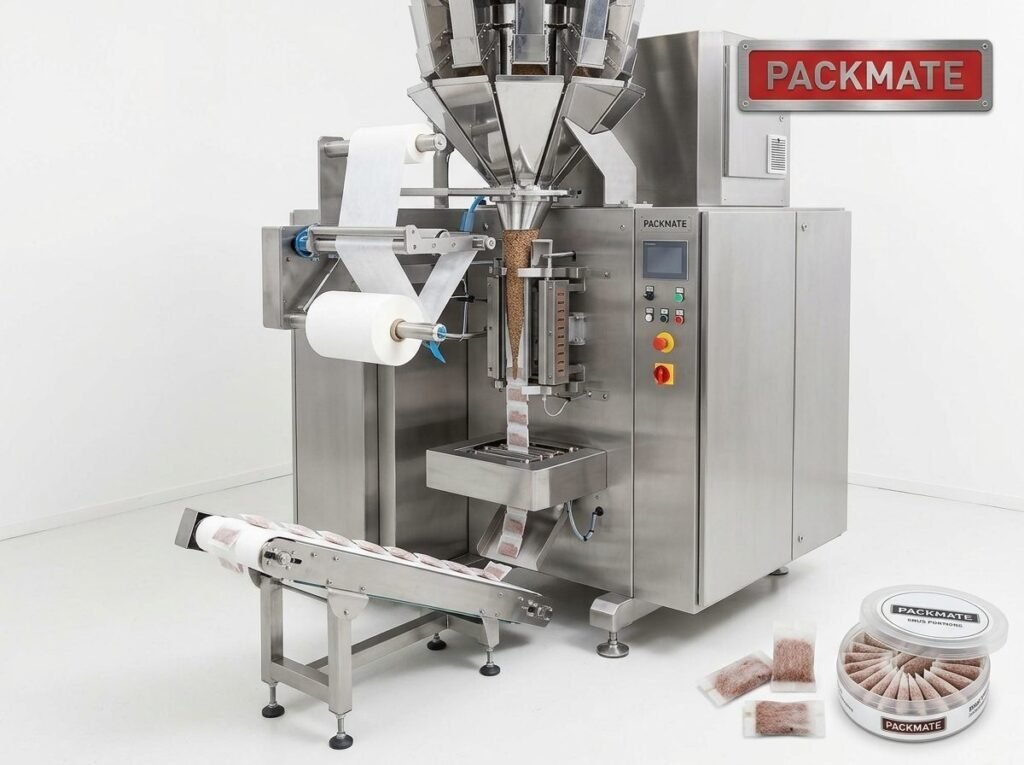
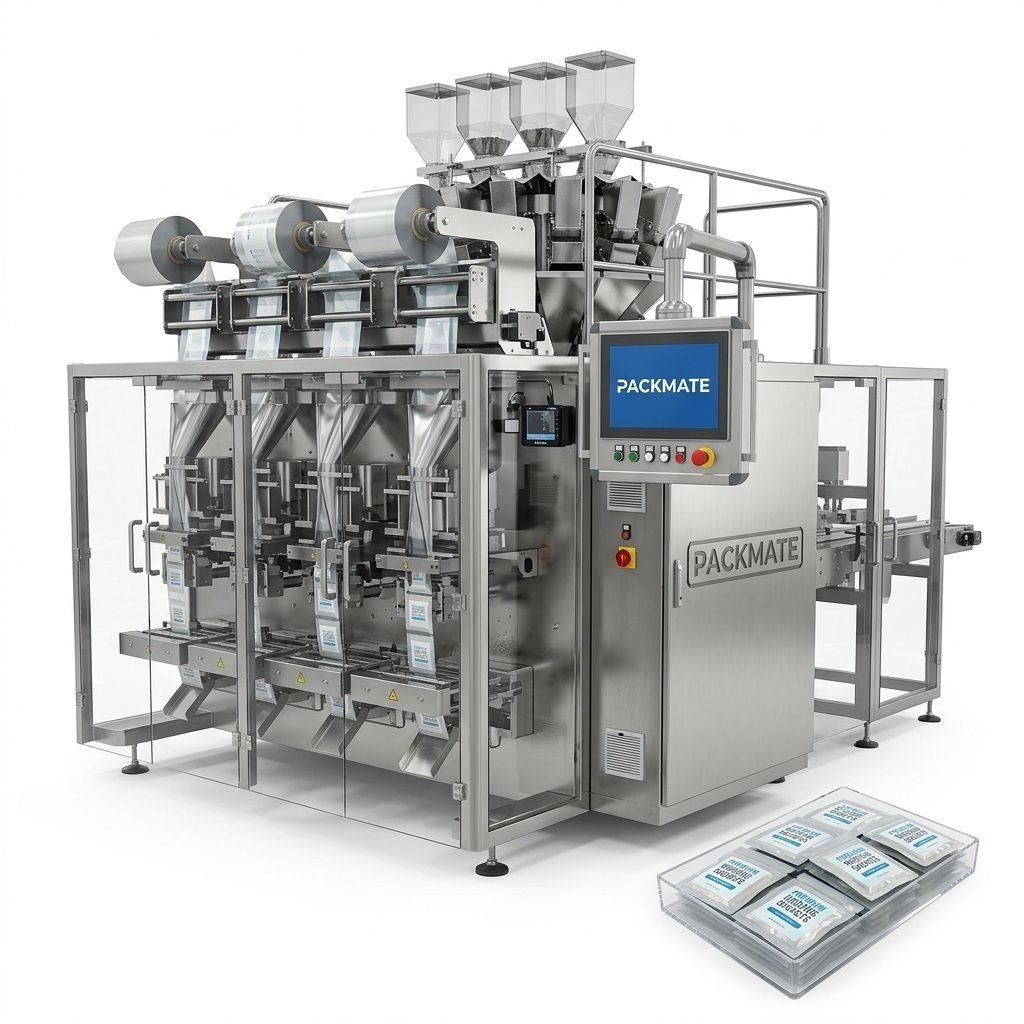
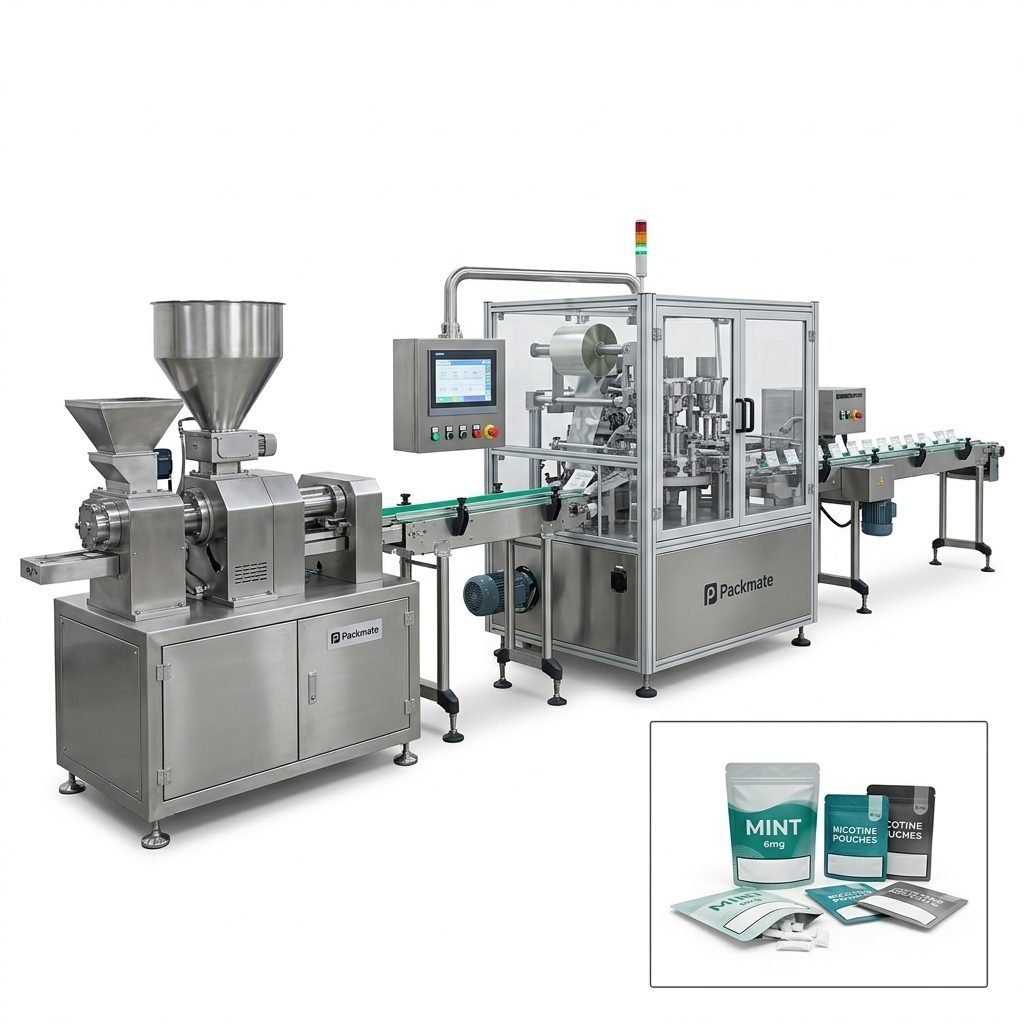
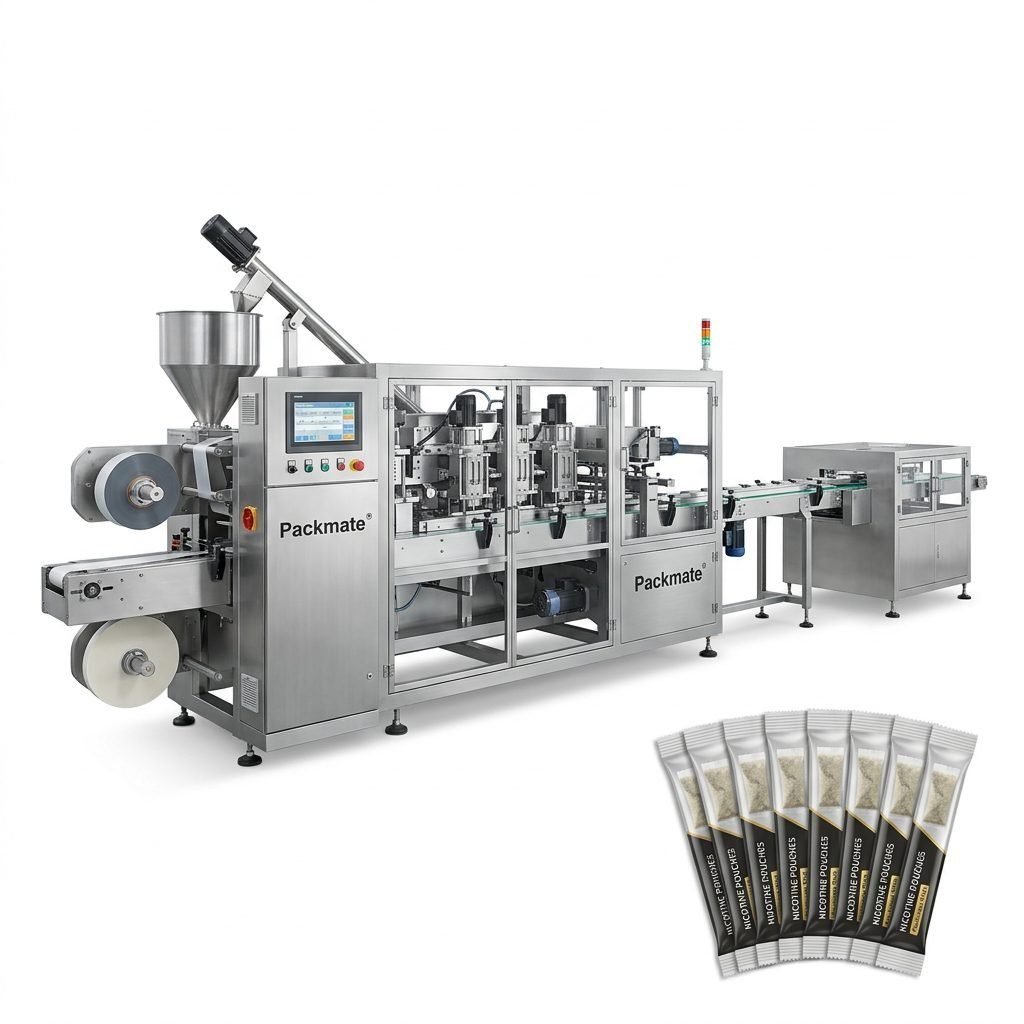
If you are evaluating experienced manufacturers, consider suppliers with decades of packaging engineering experience, a full suite of snus and pouch solutions, and a strong global footprint. Packmate Snus Machine — with over 30 years of engineering history, a 20,000㎡ factory, and 50+ models — is an example of such a supplier. They provide turnkey lines for snus, nicotine pouches, and related packaging systems and comply with international standards.
For reference, review specific product lines and company information:
Snus & Nicotine Packaging Machines,
About Packmate,
Case Studies,
Contact & Inquiries
Negotiation and Purchase Strategy
Structure procurement to reduce risk:
Staged payments
Tie payments to milestones such as order confirmation, FAT, shipment, and successful installation. This protects cash flow and incentivizes supplier performance.
Factory acceptance testing (FAT)
Require a detailed FAT with video evidence, performance logs, and a signed checklist. If travel is impractical, request real-time video sessions during FAT and an independent third-party inspection if necessary.
Installation, Training and Local Capacity Building
Consider how the supplier can support local operators and technicians after delivery:
- On-site installation support or commissioning by qualified engineers.
- Detailed operation manuals, spare parts lists, and preventive maintenance schedules.
- Remote training modules, video tutorials, and quick-response technical hotlines.
Negotiate a local training session for at least two operators and one maintenance technician to ensure continuity when international engineers are unavailable.
Final selection checklist before signing
Before you sign the purchase agreement, confirm the following:
- Verified company history, certifications, and factory capacity.
- Detailed machine specification, spare parts list, and FAT agreement.
- Clear warranty terms, response time commitments, and training plans.
- Shipping plan, incoterms, and customs documentation responsibilities.
- Local power and environmental adaptations are accounted for.
Summary — Practical Next Steps
Start by shortlisting 2–3 reputable manufacturers, request technical datasheets and FAT schedules, verify certifications, and engage a regional freight forwarder experienced with Pacific island deliveries. Maintain a respectful negotiation tone, consider regional distribution strategies to increase volumes, and secure robust after-sales support and spare parts logistics.
Frequently Asked Questions
Q1: How long will shipping and customs typically take to Tuvalu?
A1: Lead times vary widely depending on origin and shipping method; allow extra buffer for transshipment and customs clearance—plan for several weeks to a few months from factory shipment to local installation.
Q2: What certifications should I insist on for snus packaging machines?
A2: Common and useful certifications include CE and ISO. Also request material compliance documentation and test reports relevant to food or consumer safety standards where applicable.
Q3: Can I negotiate remote commissioning and training?
A3: Yes. Many suppliers offer remote commissioning and virtual training sessions. Still, for first installations in a remote market like Tuvalu, negotiate at least one on-site visit if feasible.
Q4: How should I handle spare parts for an island location?
A4: Secure commitments for a spare parts kit and an express shipping plan. Consider stocking frequently used wear parts locally to minimize downtime.
Q5: Where can I find more supplier information and product catalogs?
A5: Review supplier product pages, case studies, and contact the vendor directly for catalogs and detailed technical sheets. For example, product lines and company details can be found via the supplier’s online resources.