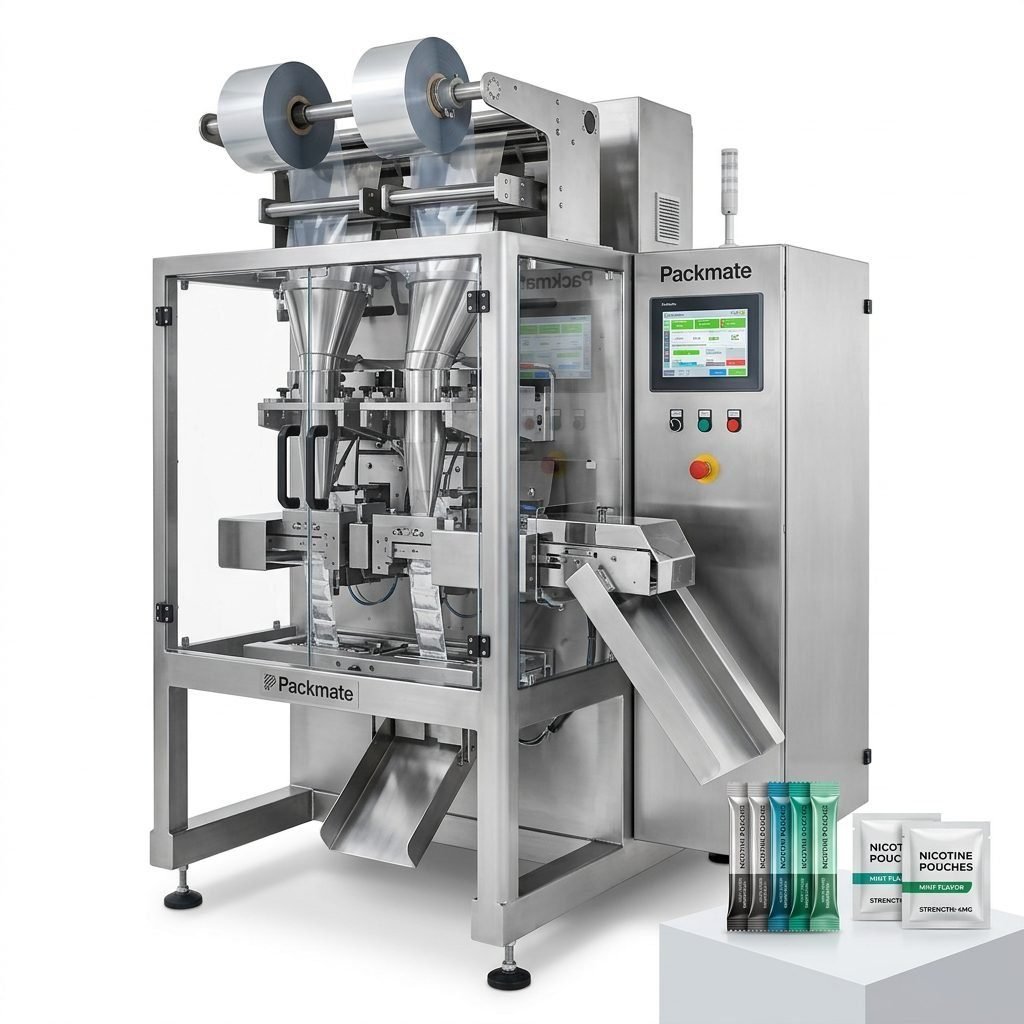
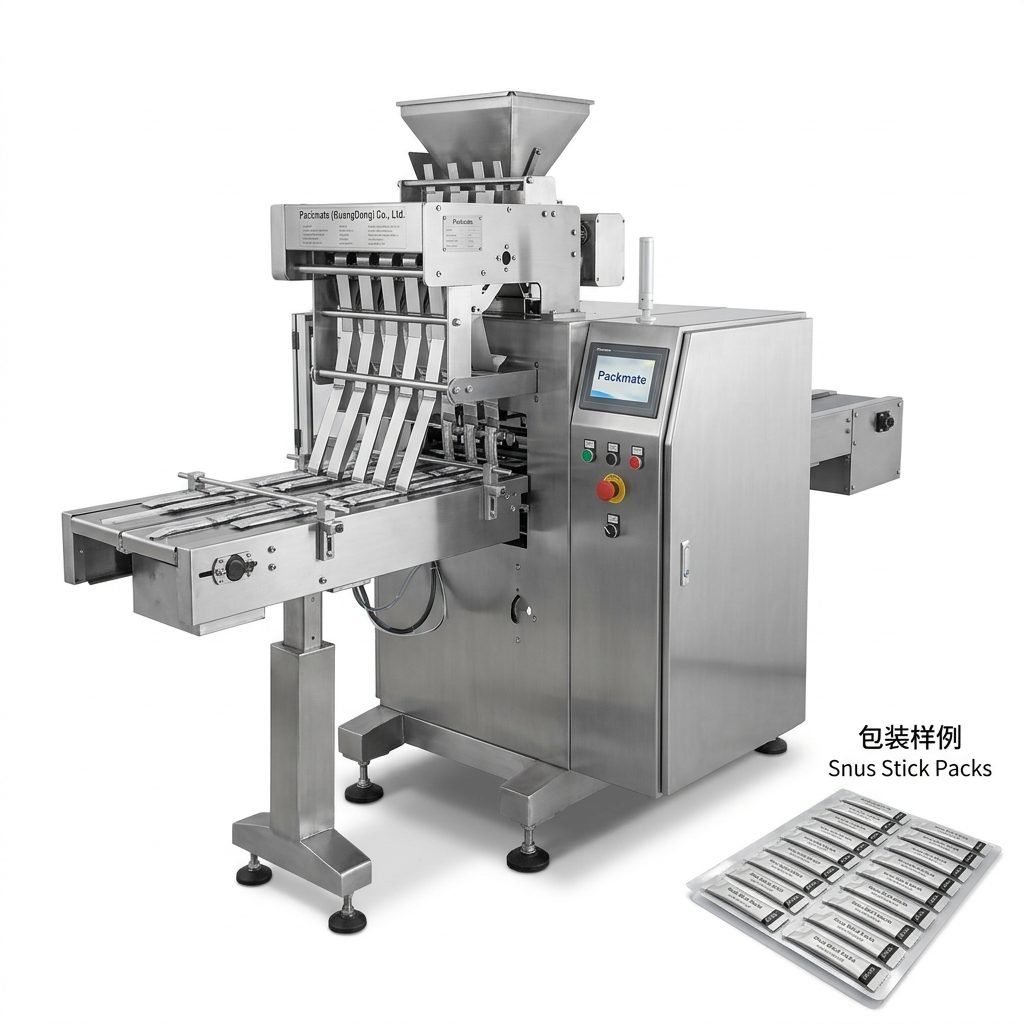
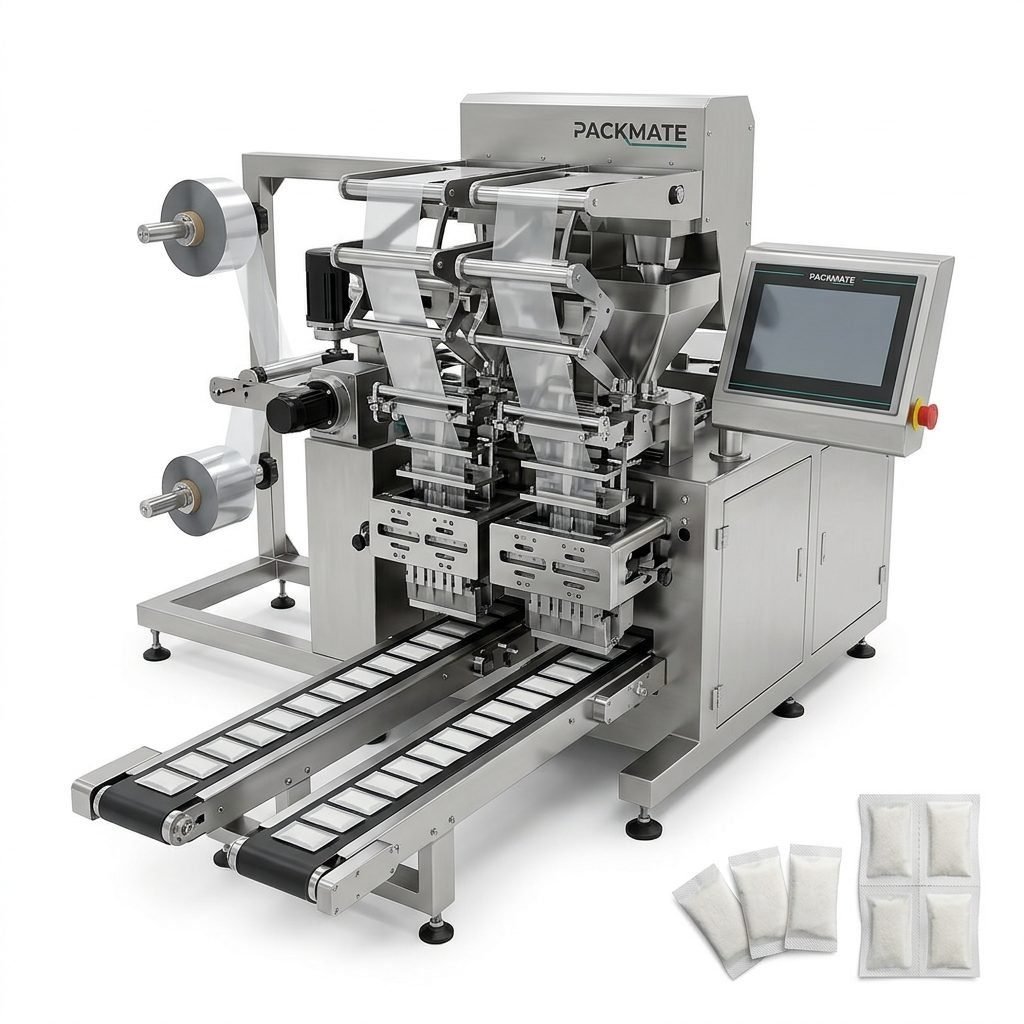
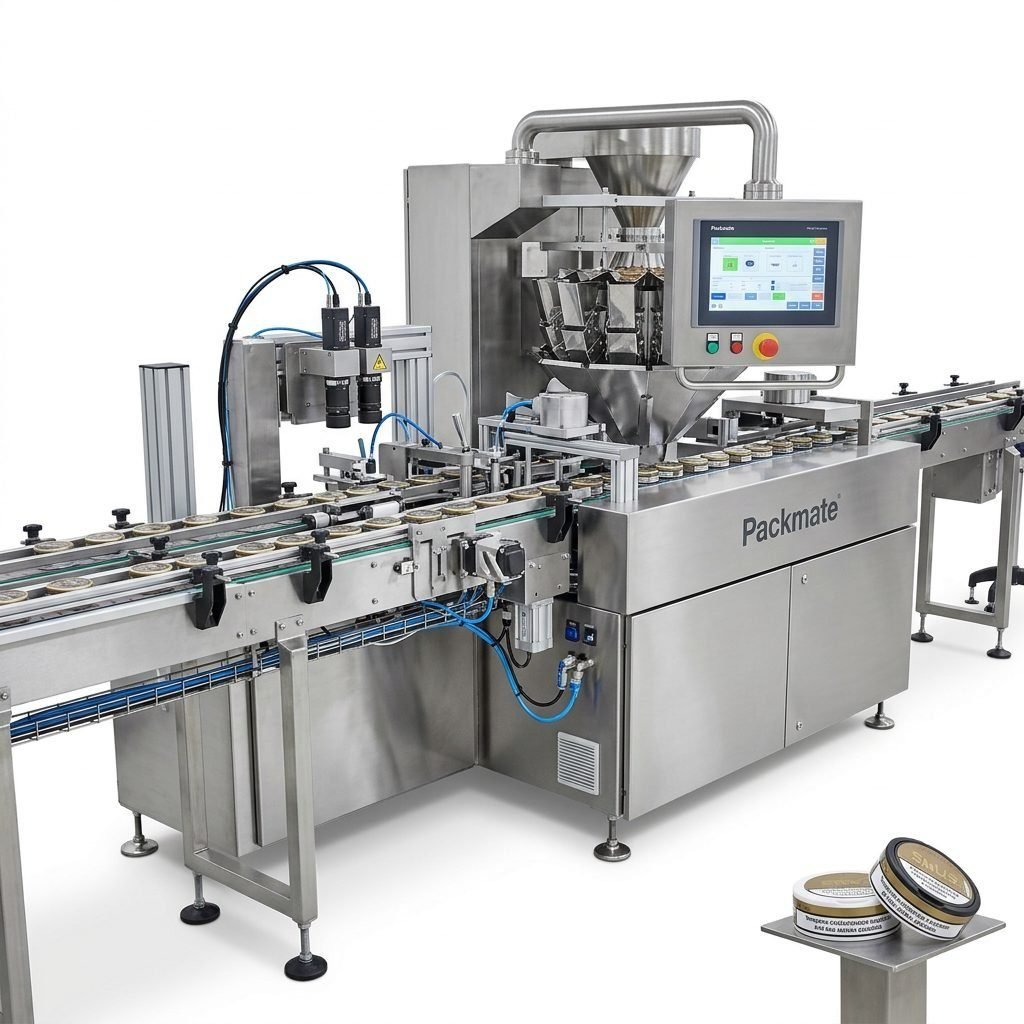
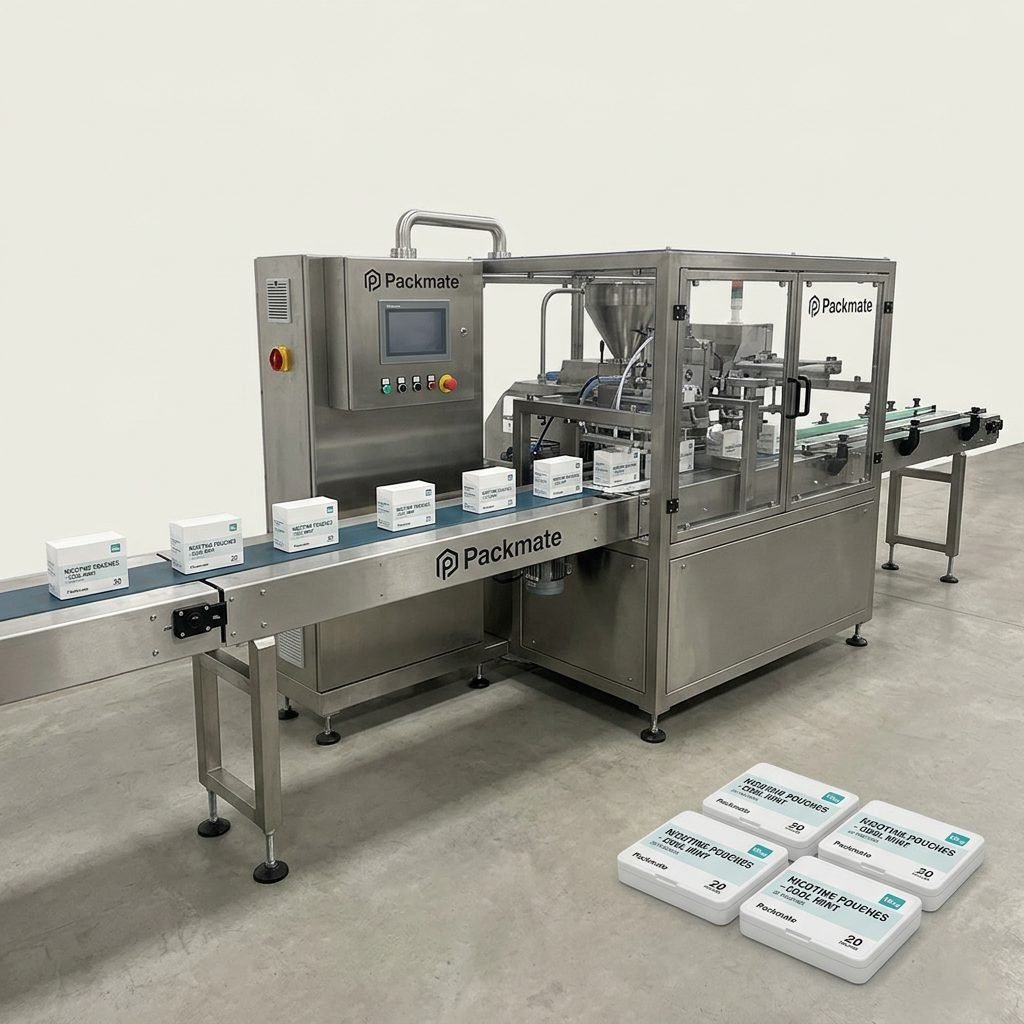
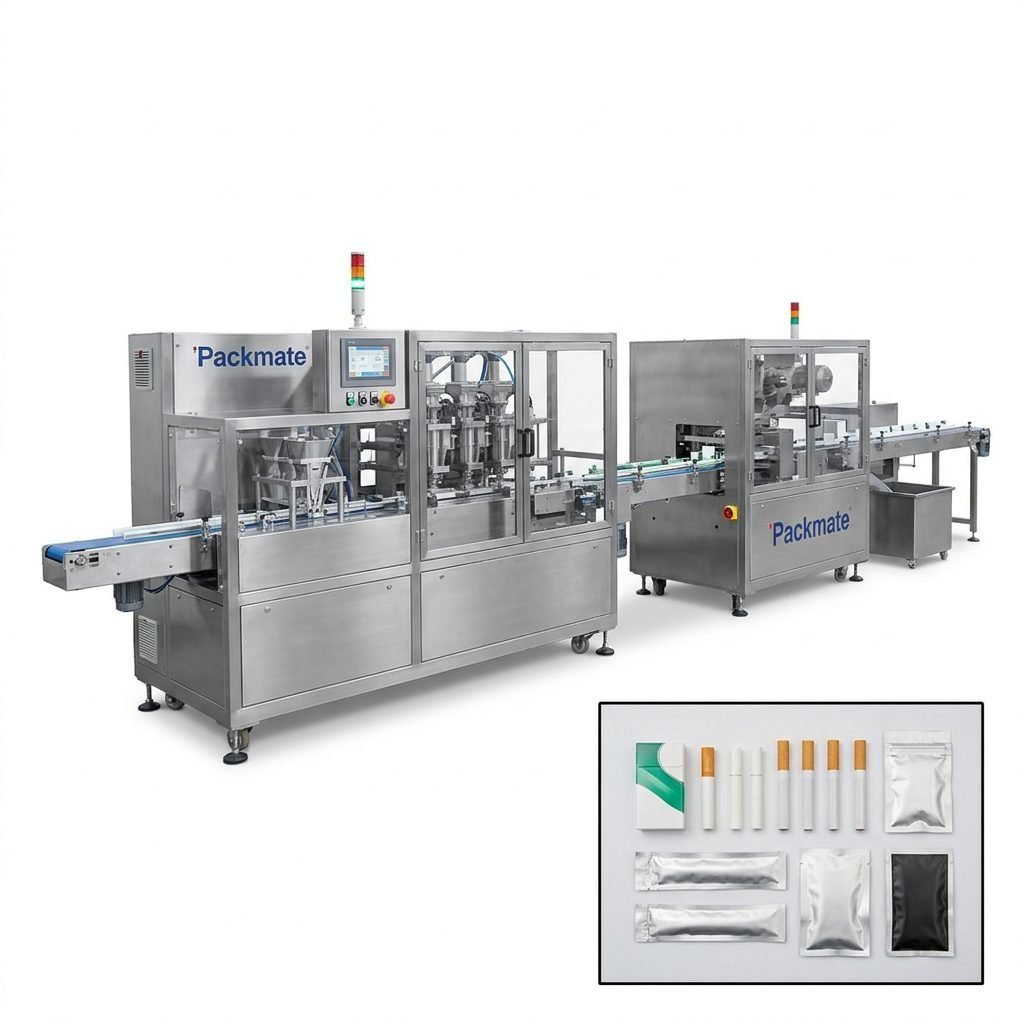
In Ireland’s growing snus and nicotine pouch market, selecting the right packaging machinery is a strategic decision that affects product quality, regulatory compliance, and production efficiency. This guide explains how to evaluate snus packaging equipment, compare technologies, work with suppliers, and plan for long-term operation. Follow these practical recommendations to ensure your production line meets Irish and EU regulations while maximizing uptime and return on investment.
Understanding the Irish Snus Market & Regulatory Context ⚖️
Ireland follows EU directives and national legislation around tobacco and nicotine products. Packaging machines used for snus and nicotine pouches must support accurate batch coding, tamper-evident seals, and consistent portion weight. Regulatory traceability, hygienic design, and cleanability are essential design criteria when selecting machinery for an Irish production site.
ℹ️ Tip: Choose machines that support CE and ISO standards and offer clear documentation for conformity assessment and audit trails.
Key Machine Types for Snus & Nicotine Pouches
Different product formats require specialized machines. The main types to evaluate are:
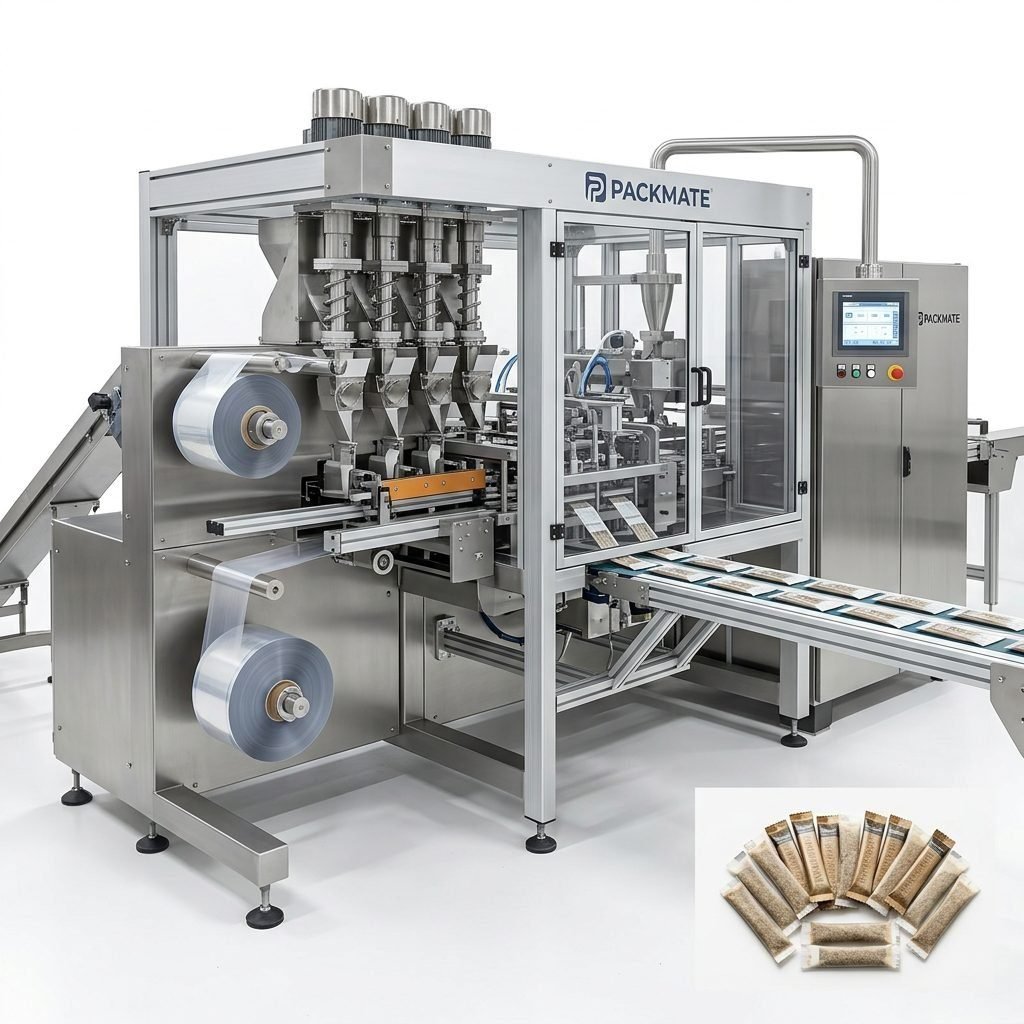
Sachet & Stick Pack Machines
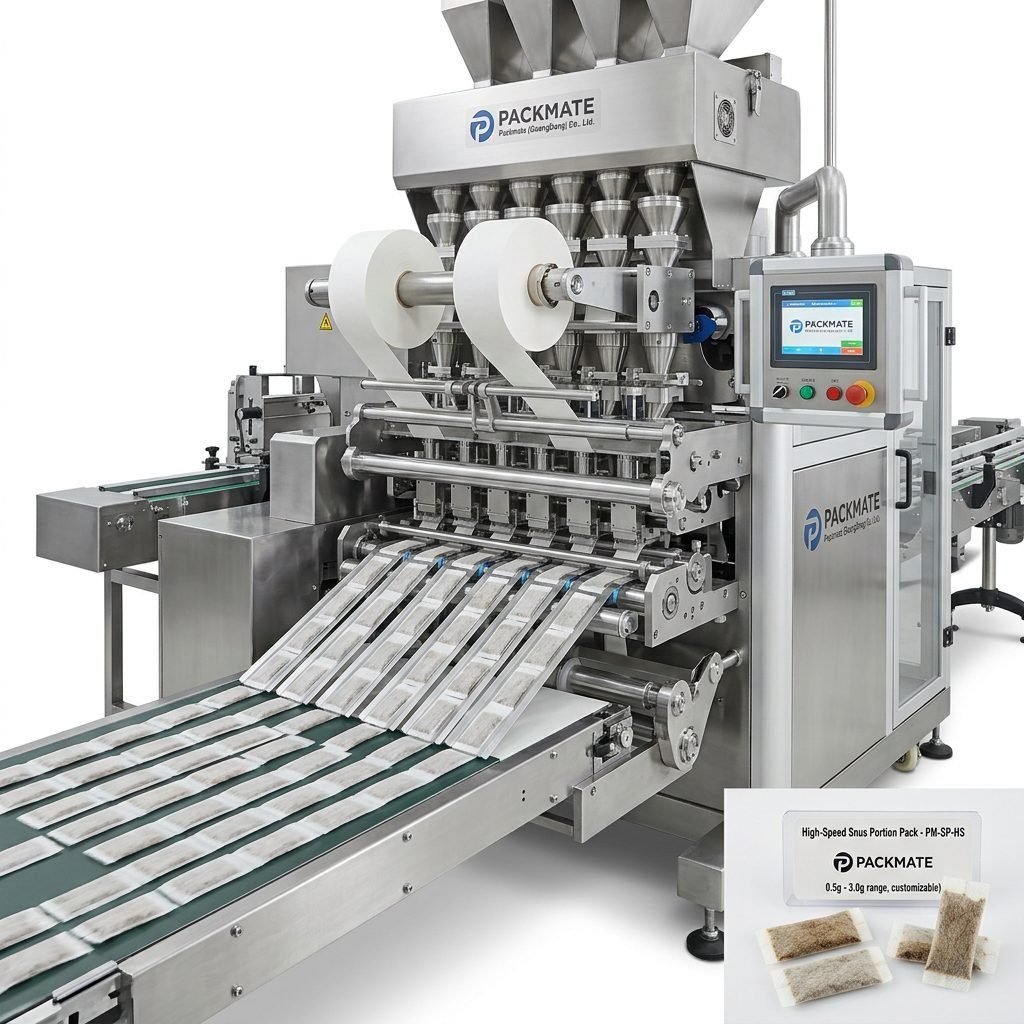
Sachet and stick pack machines produce single-dose pouches with high speed and low material waste. Look for multi-lane configurations if you need to scale output without expanding floor space. Machines with servo drives and electronic recipe management shorten changeover time.
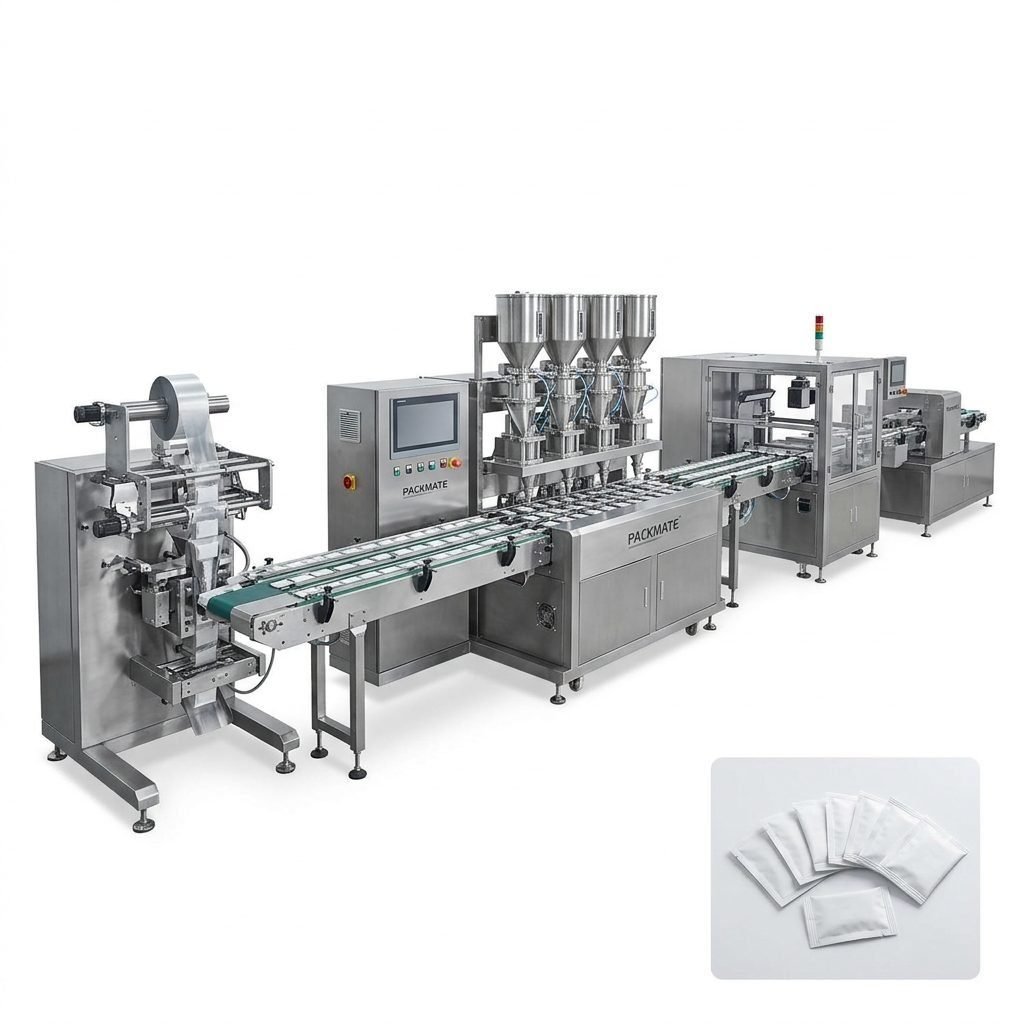
Multi-Lane Pouch Packaging Systems
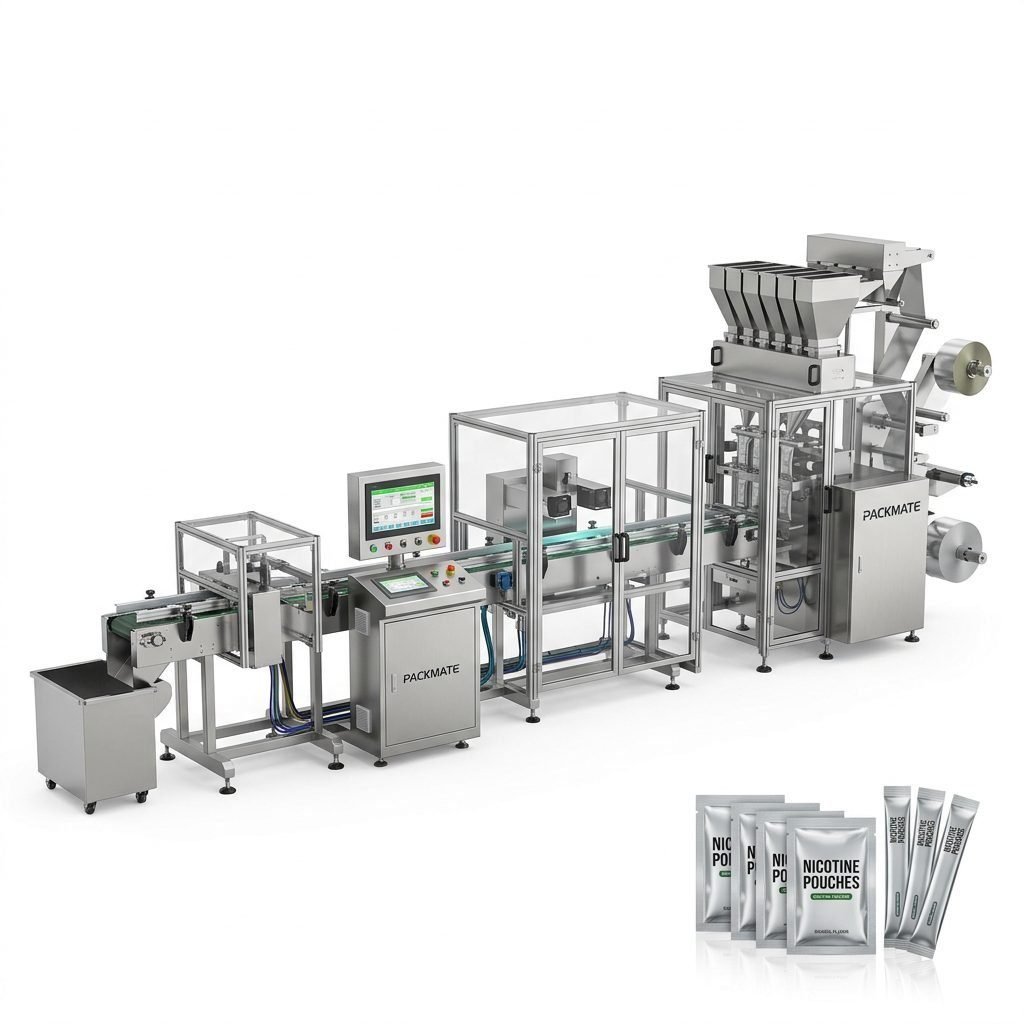
For high-volume nicotine pouches, multi-lane systems offer parallel filling, sealing, and cutting to achieve high throughput. Verify lane synchronization, product distribution accuracy, and maintenance access to minimize downtime.
Auxiliary Equipment & Integration
Weighing systems, vibratory feeders, metal detection, and automated case packers form the complete line. Select equipment that supports Industry 4.0 interfaces and standard communication protocols for future-proof integration. Explore modular systems to allow phased investment as demand grows.
Highlighted: If you need to review machine categories and specifications, a trusted manufacturer page such as Snus & Nicotine Packaging Machines provides examples of available configurations.
Performance Metrics: What Matters Most
When comparing machines, quantify performance using real metrics rather than vendor claims. Key performance indicators include:
- Throughput (pouches/min or sticks/min) under production conditions
- Filling accuracy and weight variance (expressed as ±g or %)
- Changeover time between SKUs
- OEE (Overall Equipment Effectiveness) projections
- Downtime due to cleaning, jams, or maintenance
Request factory acceptance tests (FAT) and on-site performance guarantees. Ask suppliers for references or case studies showing similar product formats and output levels — see demonstrated projects on the manufacturer’s Case page for real-world examples.
Hygiene, Materials & Cleanability
Hygienic machine construction reduces contamination risk and speeds cleaning. Key considerations:
Must-have features: stainless-steel contact parts (316 or 304), quick-release conveyors, open-frame designs for access, smooth welds, and minimal crevices. Machines designed for frequent washdown and CIP-compatible components will save labour and reduce turnaround.
Automation, Controls & Data Collection
Advanced controls increase repeatability and provide traceability. Evaluate PLC and HMI systems that support:
- Recipe management for quick SKU changeovers
- Batch coding and lot tracking outputs for compliance
- Remote diagnostics and firmware update capabilities
- Data logging for weight checks, rejects, and uptime
Look for machines with open communication protocols (e.g., OPC-UA, Modbus) that let you integrate production data into MES or ERP systems for better decision-making.
Evaluating Suppliers: What to Ask
Selecting a supplier is as important as selecting the machine. Use a checklist when engaging vendors:
- How many years of experience do you have with snus/nicotine pouch packaging?
- Can you provide CE/ISO certifications and FAT reports?
- Do you offer turnkey lines that include weighing, filling, and case packing?
- What is your spare parts lead time and local service capability in Europe/Ireland?
- Do you provide operator training, commissioning, and long-term service contracts?
Consider manufacturers with a proven track record and a wide product portfolio. For example, Packmate Snus Machine provides comprehensive lines and has decades of experience; learn more on their About Packmate page.
Space, Layout & Utilities Planning
Before purchasing, perform a factory layout and utility assessment. Key inputs:
- Floor space and ceiling height for conveyors and fillers
- Electrical supply, phase, and power rating (peak and average)
- Compressed air quality and consumption
- Vacuum lines or special services for dosing systems
- Material flow and storage for raw materials and finished goods
⚠️ Important: Early coordination with your supplier on layout prevents costly rework and ensures utilities match machine requirements.
Total Cost of Ownership & ROI
Evaluate beyond the purchase price. Total cost of ownership includes installation, validation, training, spare parts, consumables, energy, and annual service. Factor in:
- Consumable costs (films, pre-forms)
- Yield and scrap rates
- Energy consumption per 1,000 pouches
- Expected machine life and resale value
- Service contract fees and response time
Request a modeled ROI that includes conservative uptime assumptions and realistic labour costs. Vendors experienced in nicotine pouch lines can provide benchmark data to validate projections.
Commissioning, Validation & After-Sales Support
Strong after-sales support keeps lines running. Confirm the supplier offers:
- On-site commissioning and operator training
- Spare parts kits and recommended inventory
- Remote troubleshooting and software updates
- Preventive maintenance schedules and contracts
If you plan to buy a full line, ensure the manufacturer provides FAT documentation, installation qualification (IQ), operational qualification (OQ), and performance qualification (PQ) support for regulatory audits.
Real-World Case: Scaling from Pilot to Production
A common path is to start with a small multi-lane pilot system and scale to a fully integrated line. Evaluate modular platforms that allow lane expansion and additional modules like flow-wrapping or secondary case packing. See examples of modular solutions and line integrations on the manufacturer’s Bag & Pouch Packaging Machines page.
✓ Best practice: Pilot test your exact formulation and pouch format on the supplier’s test line before final purchase. This reduces risk and validates speed and fill accuracy.
Maintenance & Troubleshooting Checklist
Reliable maintenance processes keep equipment productive. Set up:
- Daily operator checks and cleaning routines
- Weekly inspection of seal jaws, belts, and sensors
- Monthly calibration of weighing and filling modules
- Spare parts list with critical items to minimize MTTR
- Remote access and diagnostic tools for fast issue resolution
A structured maintenance plan supported by the supplier reduces unscheduled downtime and improves product quality consistency.
Choosing a Long-Term Partner
A vendor who understands snus and nicotine pouch nuances — product flow, moisture sensitivity, and portioning — will provide better outcomes. Packmate Snus Machine, for example, emphasizes tailored multi-lane systems, turnkey lines, and ongoing service. Review vendor exhibitions and certifications to confirm credibility: Our Exhibition and Certificate pages can be useful references.
Final advice: Prioritize build quality, service accessibility in Europe, and references for similar lines. A reliable partner accelerates commissioning and secures your production continuity.
Next Steps
If you’re ready to evaluate machines, request technical proposals including FAT plans, performance guarantees, and a commercial TCO analysis. Contact suppliers with clear product specs and forecasted volumes. For a focused exploration of full line options, see detailed product families such as Filling & Packaging Lines and auxiliary options on the Auxiliary Packaging Equipment page.
Contact & Support
For further technical support, factory visits, or to schedule trials, reach out via the manufacturer’s contact channels to discuss site-specific requirements and timeline. Visit Contact Us for direct assistance.
Frequently Asked Questions
Q1: What certification should I require from the supplier?
A1: Request CE conformity, ISO quality system certification, FAT reports, and any sector-specific documentation required for nicotine product handling and traceability in the EU.
Q2: How long does commissioning typically take?
A2: Commissioning can range from a few days for a simple machine to several weeks for a fully integrated production line including validation and operator training.
Q3: Are multi-lane systems worth the investment?
A3: For high-volume production they usually are — multi-lane systems increase throughput without a proportional increase in footprint, labour, or utilities.
Q4: How can I reduce downtime for cleaning and changeovers?
A4: Choose hygienic machine designs with quick-release components, standardized recipes in the control system, and invest in operator training and preventive maintenance programs.
Q5: What support should I expect after purchase?
A5: Expect on-site commissioning, spare parts supply, remote diagnostics, and optional service contracts to maintain performance and secure fast response times.