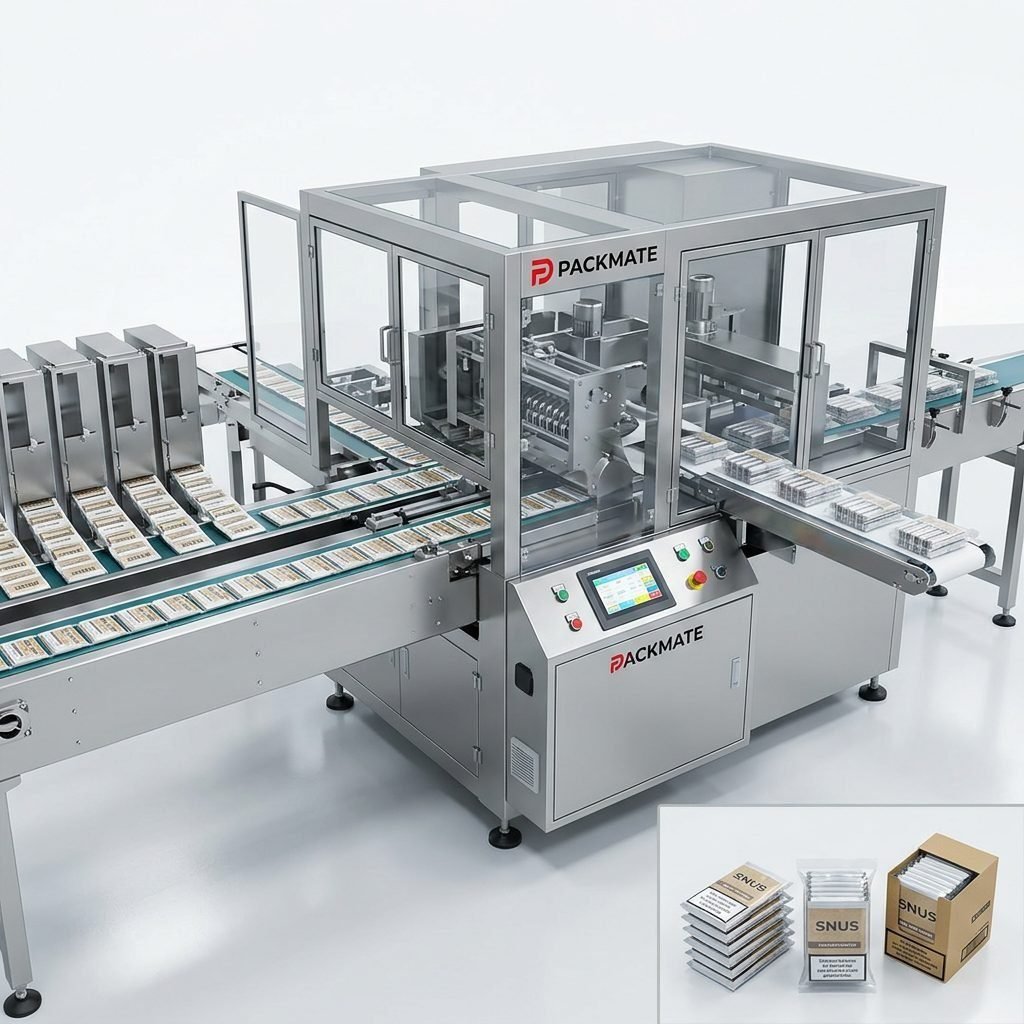
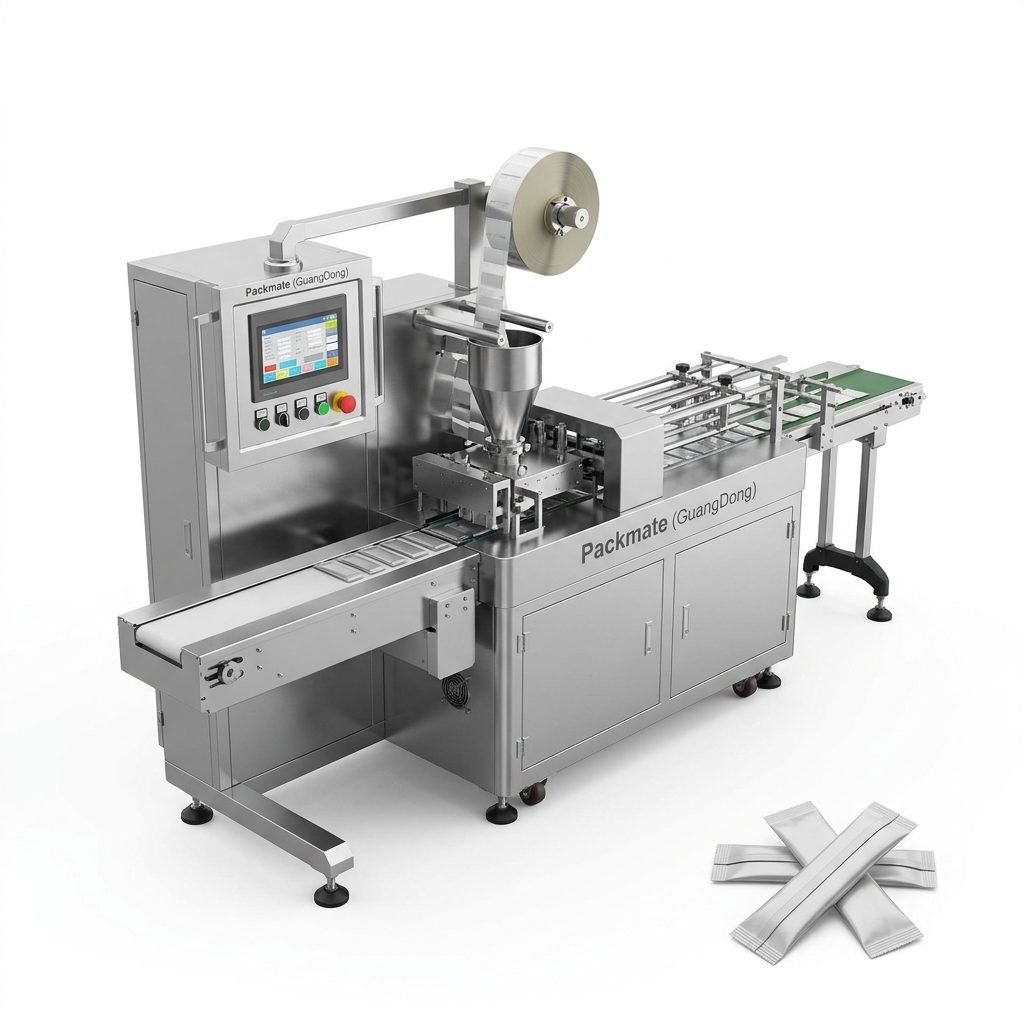
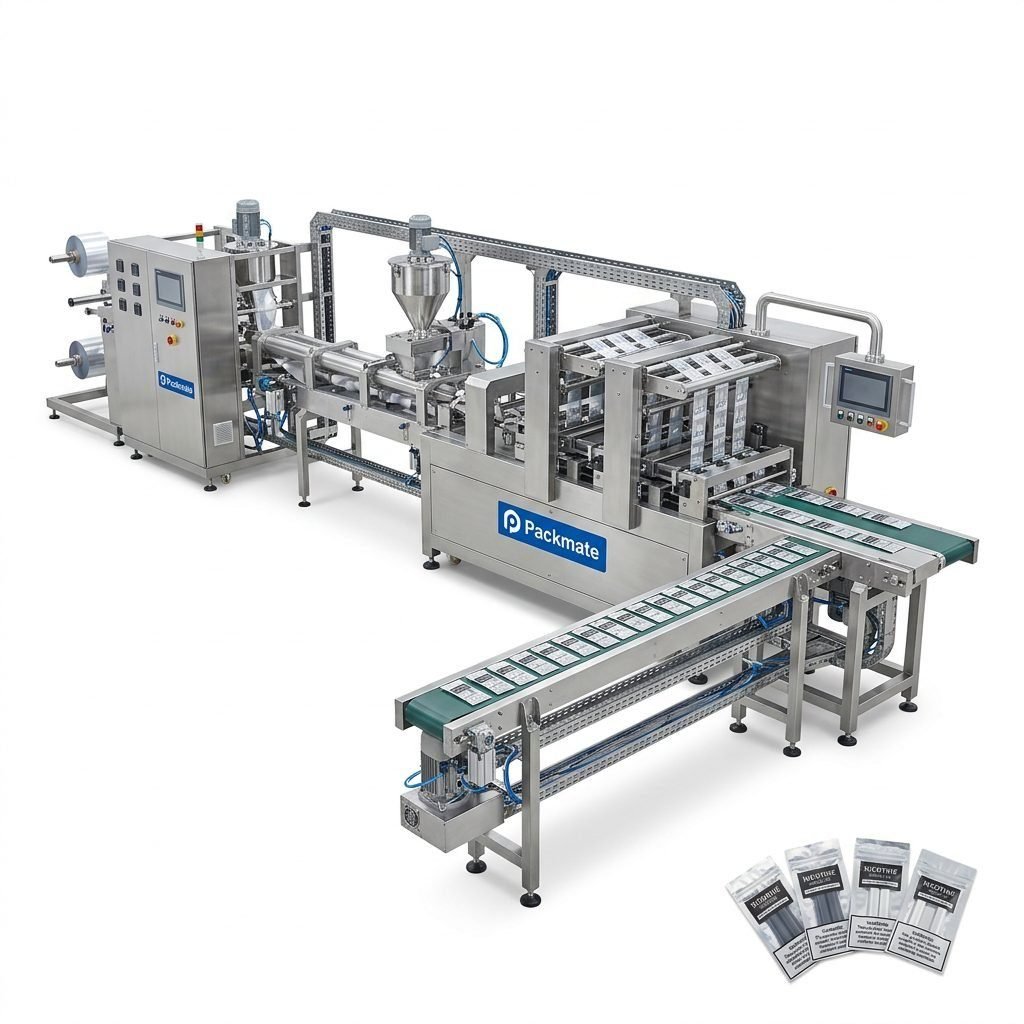
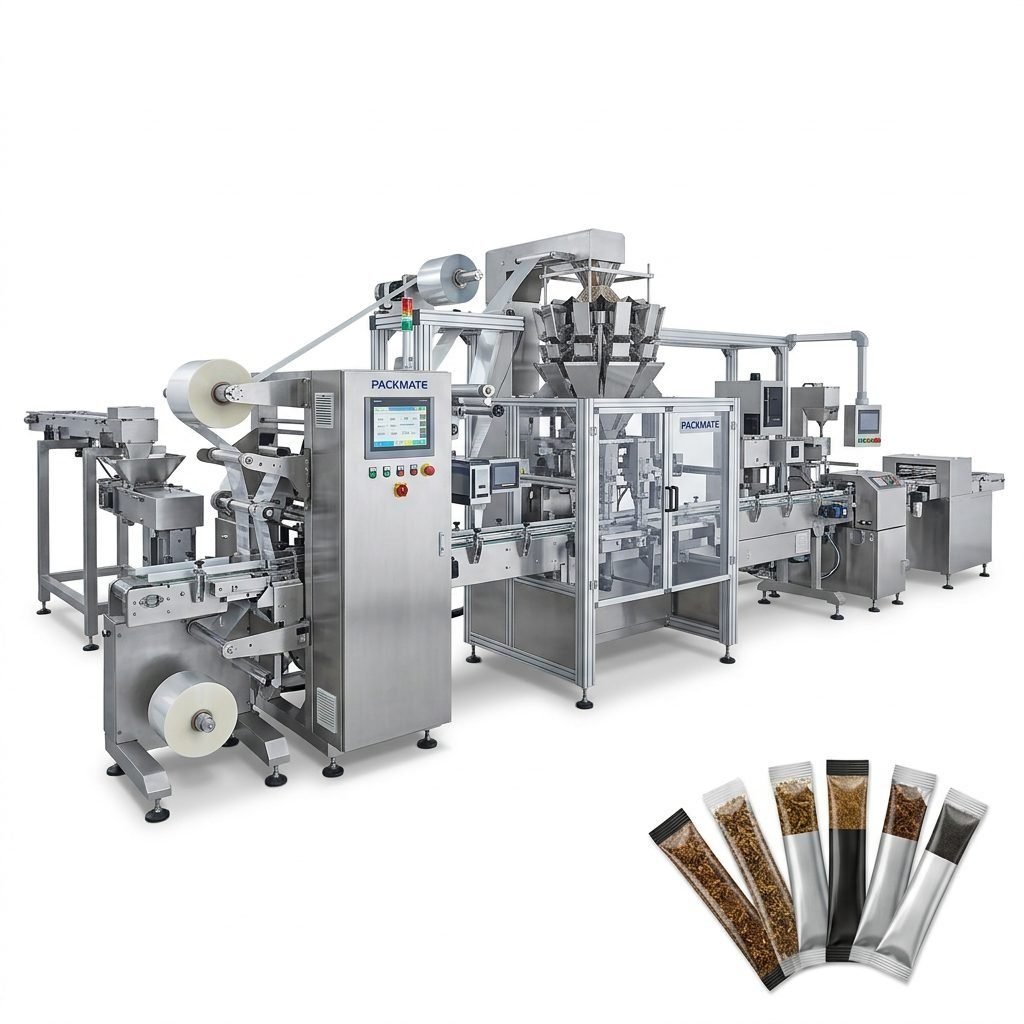
Buying snus or nicotine pouch packaging machinery in Pakistan requires a mix of technical understanding, local market awareness, and supplier due diligence. This practical buyer’s guide walks you through each step — from initial supplier shortlisting and technical checks to after-sales support and contract tips — so you can select a reliable partner that meets Pakistani market needs, regulatory expectations, and your production growth plans.
Understand Pakistan’s Market and Cultural Considerations
Pakistan’s consumer preferences and regulatory environment shape packaging requirements. Local snus and nicotine pouch users expect discreet, compact pouches with consistent dosing. Consider typical retail channels — corner shops, small pharmacies, and informal vendors — where packaging must be durable for handling and transport. In many regions consumers appreciate clear labeling in Urdu and English, and packaging that withstands humid climates.
For buyers in Pakistan, logistics and import customs are important too. Choose machines that are modular and simple to reassemble after shipping, and verify the supplier’s experience exporting to South Asia. Local cultural norms also favor suppliers who offer patient communication, on-site training, and multilingual manuals or technicians who can support Urdu or English-speaking operators.
Key Technical Features to Verify
📌 Machine stability and accuracy: check dose accuracy (mg tolerance), pouch weight consistency and sealing quality across production runs.
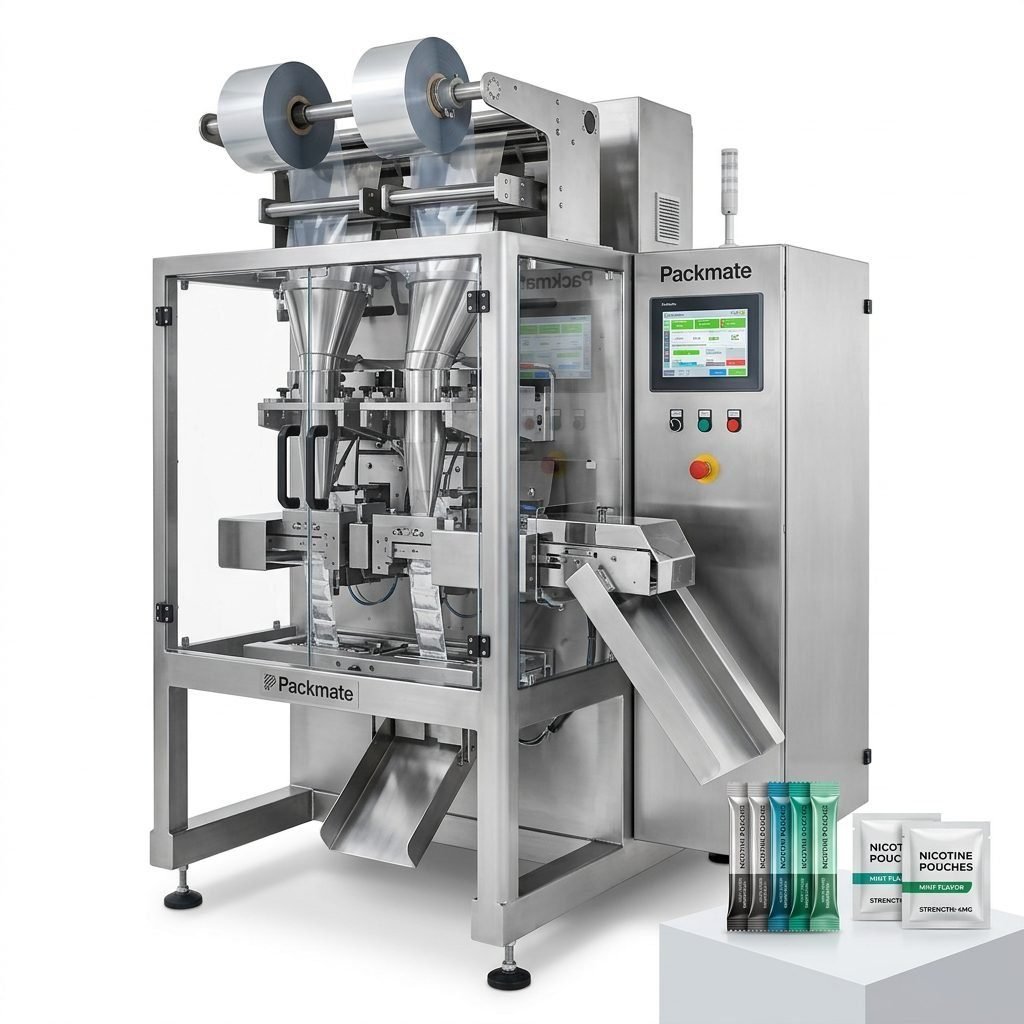
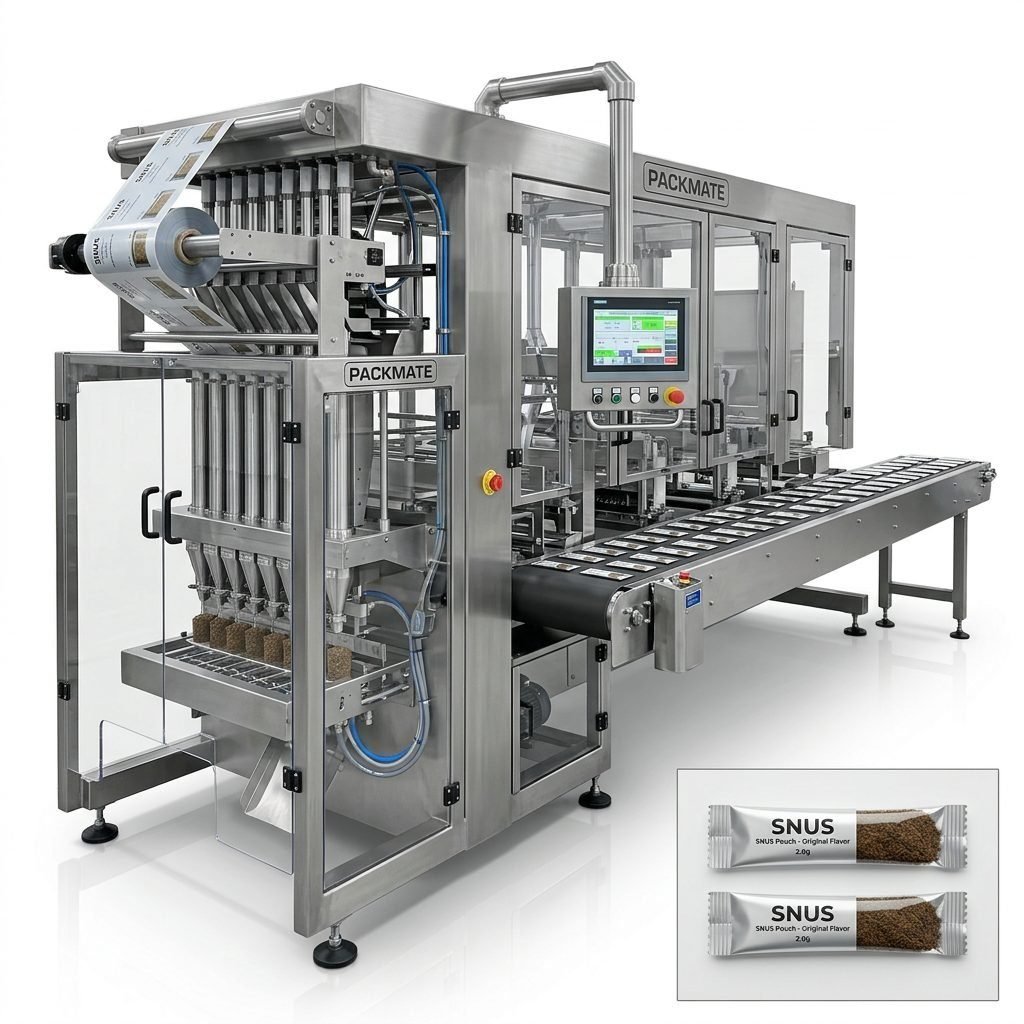
⚙️ Multi-lane capability: if you plan to scale, choose machines with multi-lane options to increase throughput without proportionally increasing footprint.
🔧 Easy maintenance and spare parts: inquire about common wear parts, expected lifetime, and local availability or shipping lead times from the manufacturer.
Performance Specifications to Request
Ask suppliers to provide detailed specs: production speed (pouches/min per lane), sealing temperature ranges, pouch format flexibility (stick, sachet, canister-ready), electrical requirements, and compressed air consumption. Request real-world performance data and references from similar projects. A trustworthy supplier will provide trial videos or case studies demonstrating sustained performance under real production loads.
How to Shortlist Reliable Suppliers
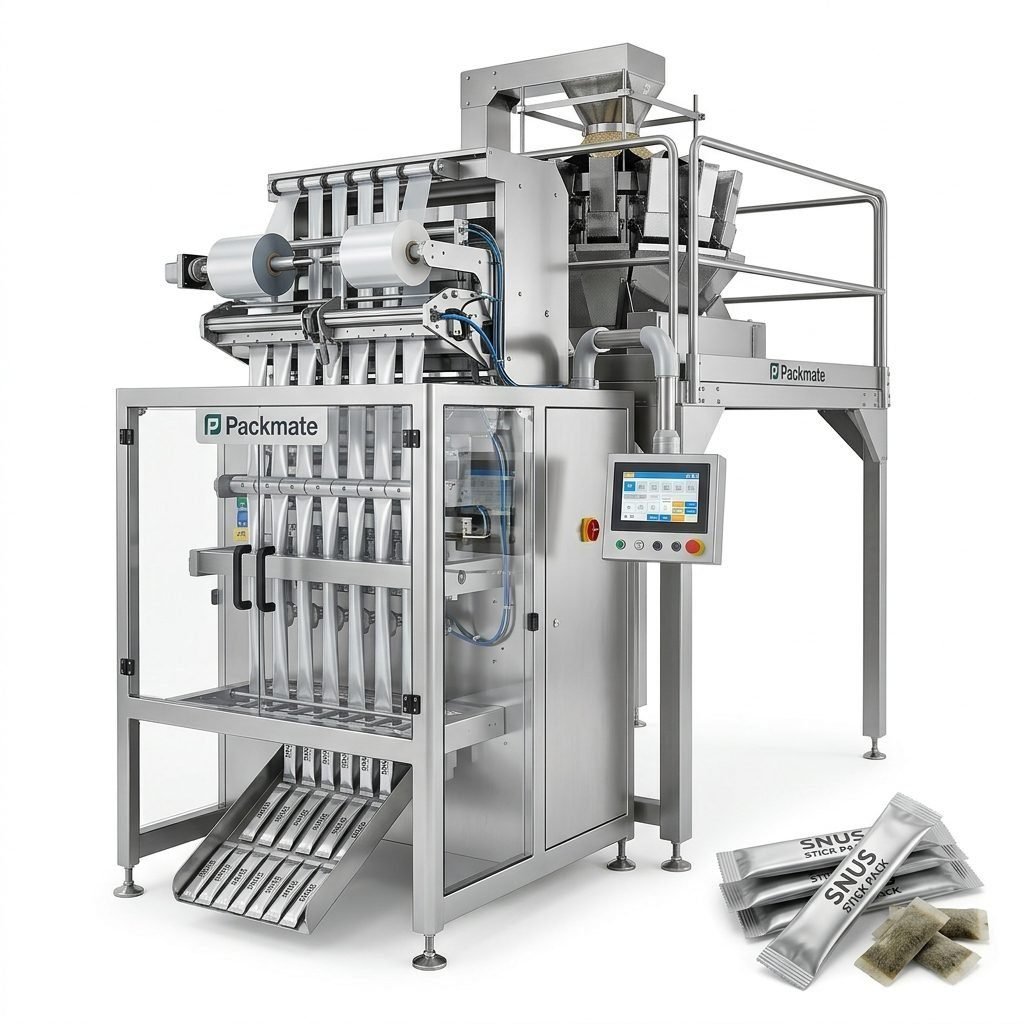
Start with a broad search and then narrow by manufacturer reputation, factory capacity, certifications, and export history. Look for suppliers with a long track record in snus or nicotine pouch machines and related packaging lines. Packmate Snus Machine, for instance, highlights decades of experience and a wide range of equipment tailored to nicotine pouch production.
Checklist for Supplier Evaluation
✅ Factory size and machining capability (e.g., CNC centers)
✅ Production capacity and available models for snus packaging
✅ International certifications such as CE and ISO
✅ After-sales network and spare parts logistics
✅ Customer references and live demonstrations or case studies
Factory Visits, Audits and Virtual Inspections
If possible, visit the manufacturer to inspect assembly lines, testing labs, and quality control procedures. For Pakistan-based buyers who cannot travel, request a virtual factory tour and live video demonstration of the specific model you intend to buy. During inspections, verify documentation of test cycles, calibration procedures, and sample packaging outputs. Look for a factory footprint and assembly process consistent with a professional operation — advanced CNC, precision assembly, and environmental controls.
What to Observe on a Visit
Observe machine run times, operator training procedures, spare parts storage, and testing equipment. Ask to see a machine running with your product profile (pouch dimensions, fill material, humidity). A reliable supplier should allow you to witness stress tests and sealing integrity checks.
Certifications, Compliance and Documentation
Certifications such as CE and ISO are baseline indicators of quality and safety. For products destined to be sold locally in Pakistan or exported from Pakistan, ensure that electrical and safety standards match your local requirements. Request material certificates, compliance declarations, machine manuals, wiring diagrams, and calibration certificates. These documents streamline customs clearance and local registration.
Regulatory Awareness for Pakistan Buyers
Regulations for nicotine products vary globally, and Pakistan may have specific labeling or import requirements. Work with your supplier to obtain labeling-ready packaging configurations and check if the manufacturer can support printing/marking modules for Urdu or bilingual labels. Make sure the supplier understands duties and documentation needed for smooth clearance through Pakistani ports.
After-Sales Support, Training and Spare Parts
After-sales support is a critical differentiator. Reliable suppliers provide installation supervision, operator training, spare parts supply, and remote troubleshooting. Consider suppliers that offer service contracts and guaranteed spare parts availability. Ask about typical lead times for critical components and whether they maintain regional stocks or partners who can ship quickly to Pakistan.
📦 Ask about spare parts kits included in the purchase and recommended inventory levels for 6–12 months of operation.
🛠️ Confirm whether engineers can be dispatched to Pakistan and estimate response times and costs.
Pricing, Total Cost of Ownership and Financing
Evaluate price beyond the machine sticker: include freight, customs duties, installation, training, spare parts, and expected maintenance. A lower initial price can hide higher operating costs if the machine requires frequent adjustments or non-standard parts. Request a breakdown of consumables and the expected lifetime of wear items. Consider suppliers that offer modular upgrades, so you can scale capacity without full replacement.
Negotiation Tips
Negotiate for terms such as partial payment linked to milestones, factory acceptance testing (FAT) before shipment, and a warranty period with defined coverage. Discuss included training hours, spare parts list, and the option for extended support packages. For Pakistani buyers, negotiate delivery terms that optimize customs handling and minimize port demurrage.
Common Machine Types and When to Choose Them
Know which machine format suits your product:
– Stick pack and sachet machines are ideal for single-dose sachets or small-format pouches; choose them for simplicity and lower price points. Multi-lane systems are suitable when volume and small-dose precision are priorities.
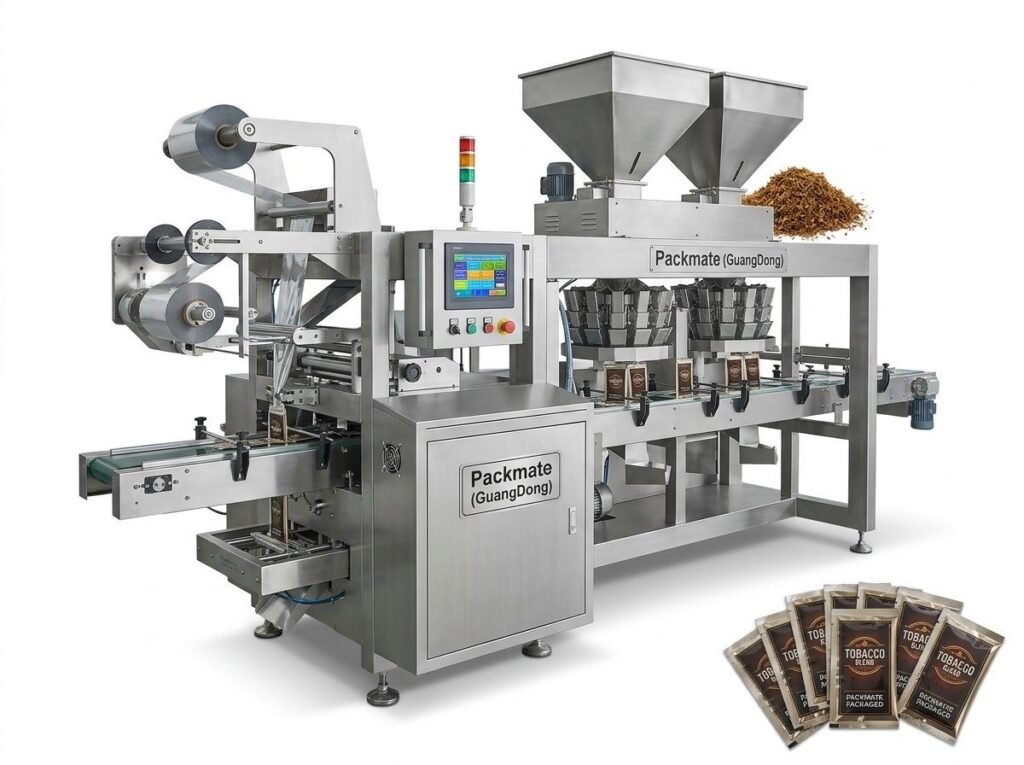
– Pouch and bag machines support larger formats and integrated dosing systems for granular or powdered nicotine blends. If you plan multi-format SKUs, prioritize machines with flexible tooling and quick-change features.
Selecting a Supplier: Red Flags and Green Flags
🟢 Green flags: transparent FAT videos, clear warranty and spare parts policy, local export experience to South Asia, CE/ISO certification, and verified case studies.
🔴 Red flags: vague specifications, no factory visits or live demos, unwillingness to provide references, or unclear spare parts delivery timelines.
Useful Resources and Supplier Examples
For technical references and product families, review supplier product pages to compare models and capabilities. Example product pages to explore include:
• Snus & Nicotine Packaging Machines
• Bag & Pouch Packaging Machines
• Sachet & Stick Pack Machines
• Service & After-sales
Implementation Roadmap for Pakistani Buyers
1. Define product specifications: pouch size, dose, material, shelf life, and labeling language.
2. Shortlist 3–5 suppliers; request proposals, FAT videos and references.
3. Conduct virtual or in-person factory audit and request a pilot run if possible.
4. Finalize contract terms: payment milestones, warranty, training, and spares.
5. Supervise shipping, customs documentation, and on-site installation with supplier engineering support.
6. Start production with supplier-led training and a gradual ramp-up while logging performance metrics.
Local Partnerships and Long-term Considerations
Building a long-term partnership with a supplier who understands Pakistani market cycles and local business culture will pay dividends. Prioritize suppliers willing to invest in operator training, local spare parts caches, and those offering modular upgrades that align with your product roadmap.
Final Checklist Before Purchase
• Confirm machine compatibility with Pakistani power and site conditions.
• Secure documented FAT results and sign-off criteria.
• Agree on warranty scope, spare parts list, and response SLAs.
• Ensure training and documentation are provided in English and, where possible, in Urdu-friendly formats.
Conclusion
Finding a reliable snus packaging machinery supplier in Pakistan combines technical vetting, cultural understanding, and careful contract negotiation. Prioritize suppliers with proven snus/nicotine expertise, strong factory capabilities, transparent testing, and robust after-sales service. Proper due diligence will reduce risks, shorten ramp-up time, and ensure consistent product quality for the Pakistani market.
Frequently Asked Questions
Q: What certifications should I request from a packaging machine supplier?
A: Ask for CE and ISO certificates as a minimum, plus test reports, electrical compliance documentation, and calibration certificates for filling systems.
Q: How long is a typical lead time for snus packaging lines?
A: Lead times vary by model and customization level. Standard machines may take 8–12 weeks, while custom multi-lane lines or turnkey solutions can take several months — confirm during quotations.
Q: Can suppliers support installation and training in Pakistan?
A: Many reputable suppliers offer installation supervision, remote commissioning, and on-site training. Negotiate these services into your contract and confirm language support and travel arrangements.
Q: What spare parts should I stock locally?
A: Keep critical wear parts (seals, belts, sensors, cutting knives), a small electronics spare kit, and consumables. Your supplier should provide a recommended spare parts list tailored to your expected throughput.
Q: Where can I see examples and case studies for snus packaging machines?
A: Explore supplier case pages and product galleries for real-world examples and exhibition demos to validate claims. For additional references, visit About and Case pages from established manufacturers.
Useful links: About Packmate | Case Studies | Catalog