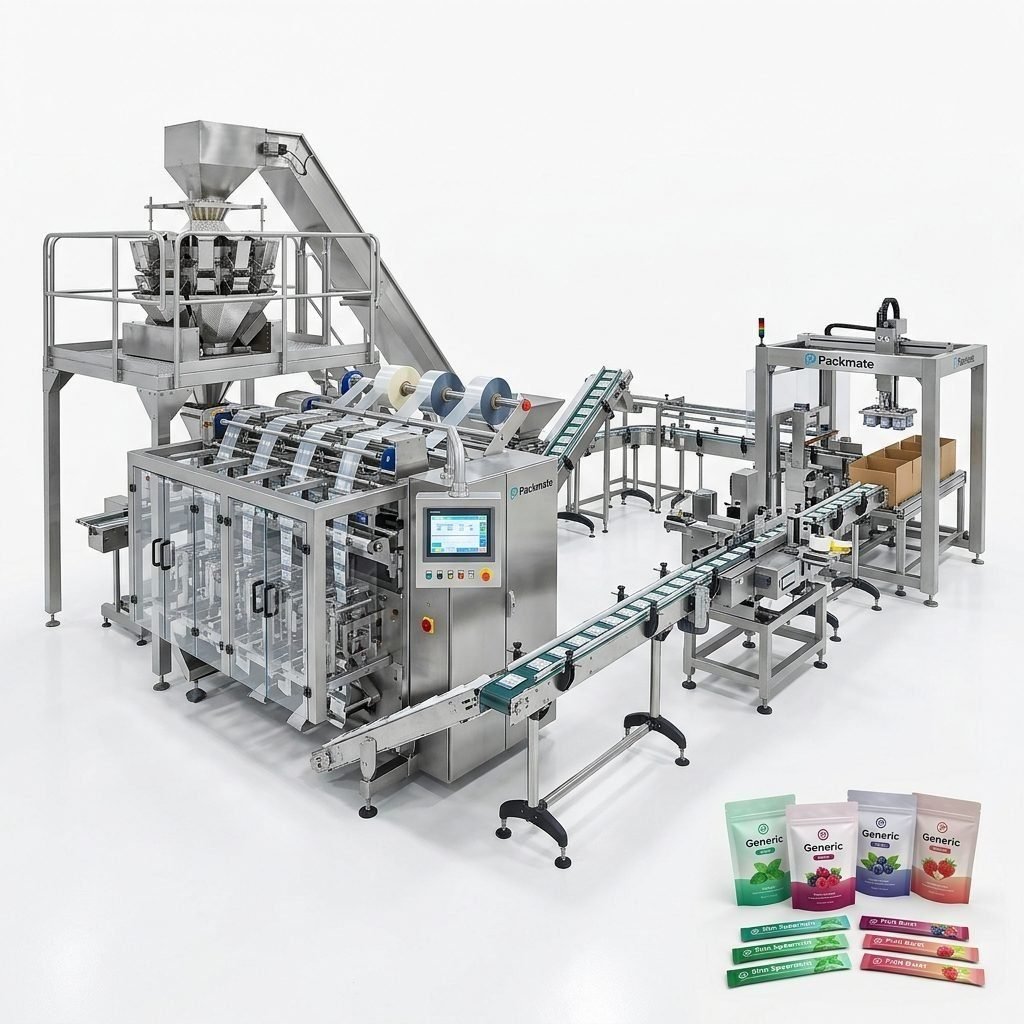
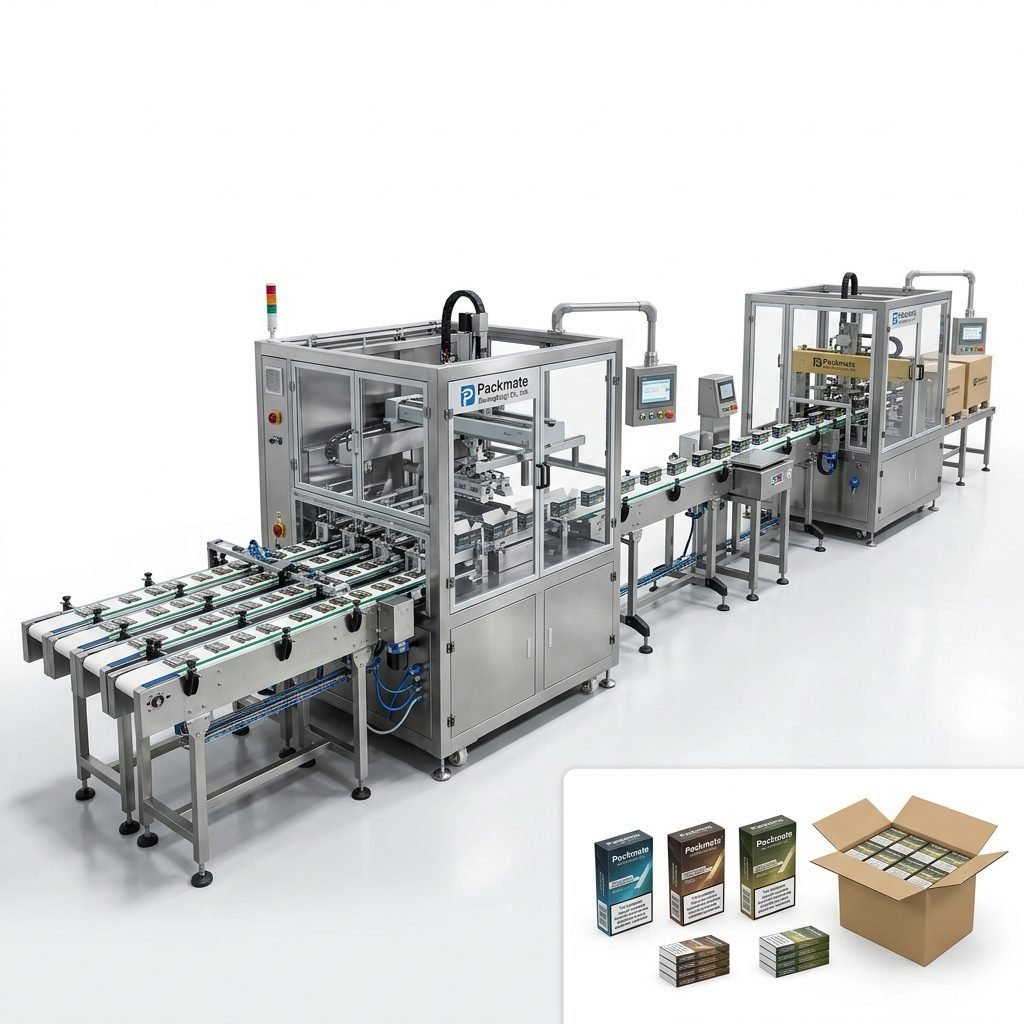
Choosing the right nicotine pouch or snus packaging machine manufacturer for manufacturing operations in Poland requires more than price comparison — it needs a clear understanding of local market habits, EU regulatory considerations, production goals, and long-term service expectations. This guide walks you through the decision process step by step, with practical checklists and industry insights to help Polish producers, importers, and brand owners select a reliable partner for high-performance packaging equipment.
Understand Poland’s Market and Regulatory Environment 🔍
Poland sits at the crossroads of Western and Eastern European trade routes and has a robust manufacturing workforce. However, when dealing with nicotine products and snus-like pouches, you must account for EU regulations, country-level restrictions, and consumer preferences. While traditional snus sales are limited across the EU, nicotine pouches have seen strong growth — especially among younger adult users seeking discreet options. Polish buyers often value machines that balance precision, hygiene, and rapid setup to meet both domestic demand and export opportunities.
Key local considerations
• Regulatory compliance: Ensure your manufacturer provides CE and ISO documentation and understands EU labeling and safety requirements. Compliance is non-negotiable when exporting from Poland to other EU countries.
• After-sales service in Poland: Look for partners who can support installation, spare parts, and training near Central Europe time zones — or provide fast international service.
• Local production habits: Polish production teams often favor modular machines that can be adapted for multi-lane small-dose nicotine pouches and for diverse pack formats (sachets, stick packs, tins).
What Technical Capabilities Matter Most ⚙️
When comparing manufacturers, evaluate the technical backbone of their machines. A packaging line for nicotine pouches must combine precision dosing, stable pouch forming, and gentle product handling to preserve product integrity and ensure consistent fill weights. Look for the following technical strengths:
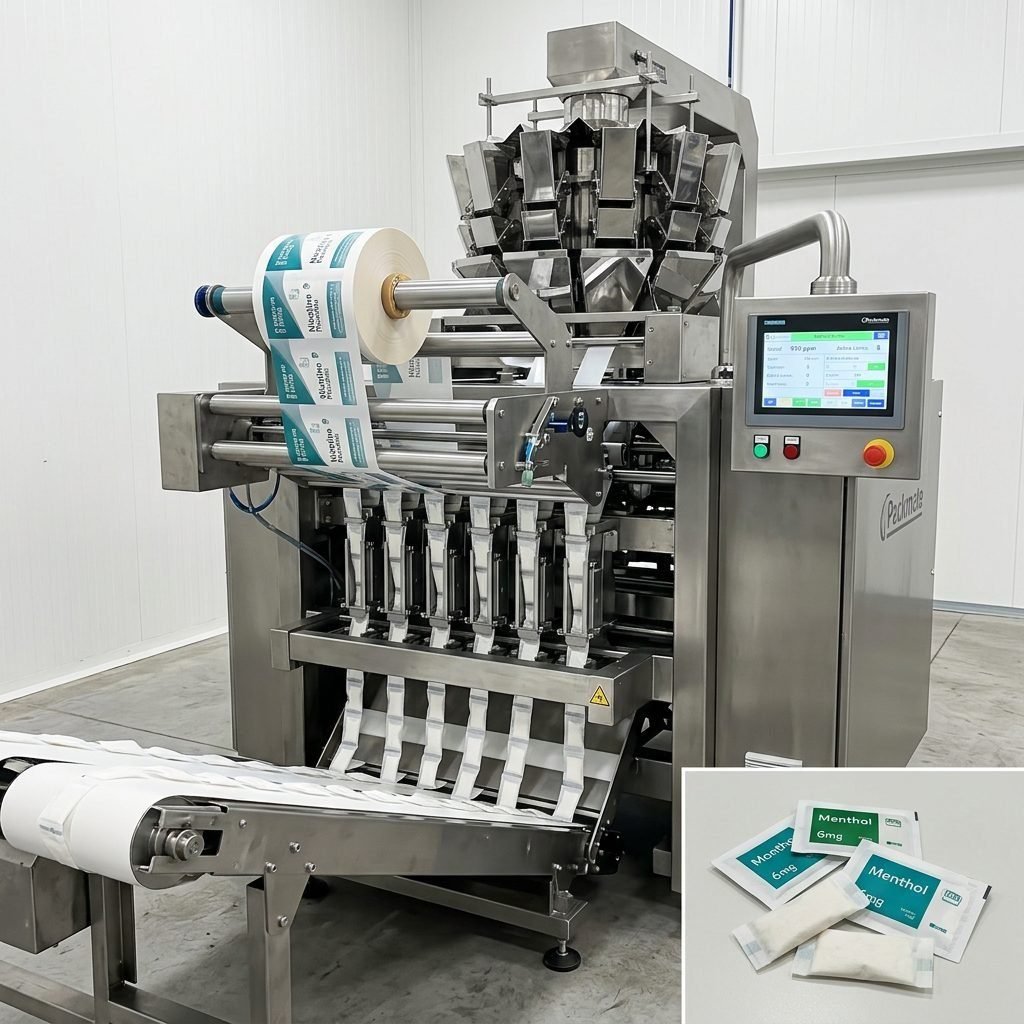
Precision filling and multi-lane capability — The ability to run multiple lanes simultaneously increases output without sacrificing accuracy. For small-dose nicotine pouches, multi-lane systems are often the most efficient choice.
Hygienic design and material choice — Stainless steel contact parts, easy-to-disassemble areas for cleaning, and smooth surfaces reduce contamination risk during production.
Other mechanical attributes to verify include servo-driven controls for synchronized motion, PLC and HMI platforms for recipe-driven changeovers, and modular tooling that supports sachets, stick packs, and flat pouches.
Vendor Track Record and Manufacturing Strength — Why It Matters
A proven manufacturing pedigree reduces risk. Companies with decades of experience and large, well-equipped factories typically provide better quality control, faster lead times, and more comprehensive customization options. When evaluating suppliers, consider factory size, machining capabilities, and product portfolio depth.
For example, a supplier with a 20,000㎡ facility, advanced CNC machining centers, and an extensive model range demonstrates serious production capability and quality control rigor — factors that matter when you need reliable uptime for continuous production.
Tip: Ask for photos of the production floor, recent testing reports, and references from customers producing nicotine pouches.
Customization, Turnkey Solutions, and Line Integration
Polish producers often demand flexible lines that integrate filling, weighing, pouch forming, and secondary packaging with minimal manual intervention. Evaluate whether the manufacturer provides turnkey solutions including:
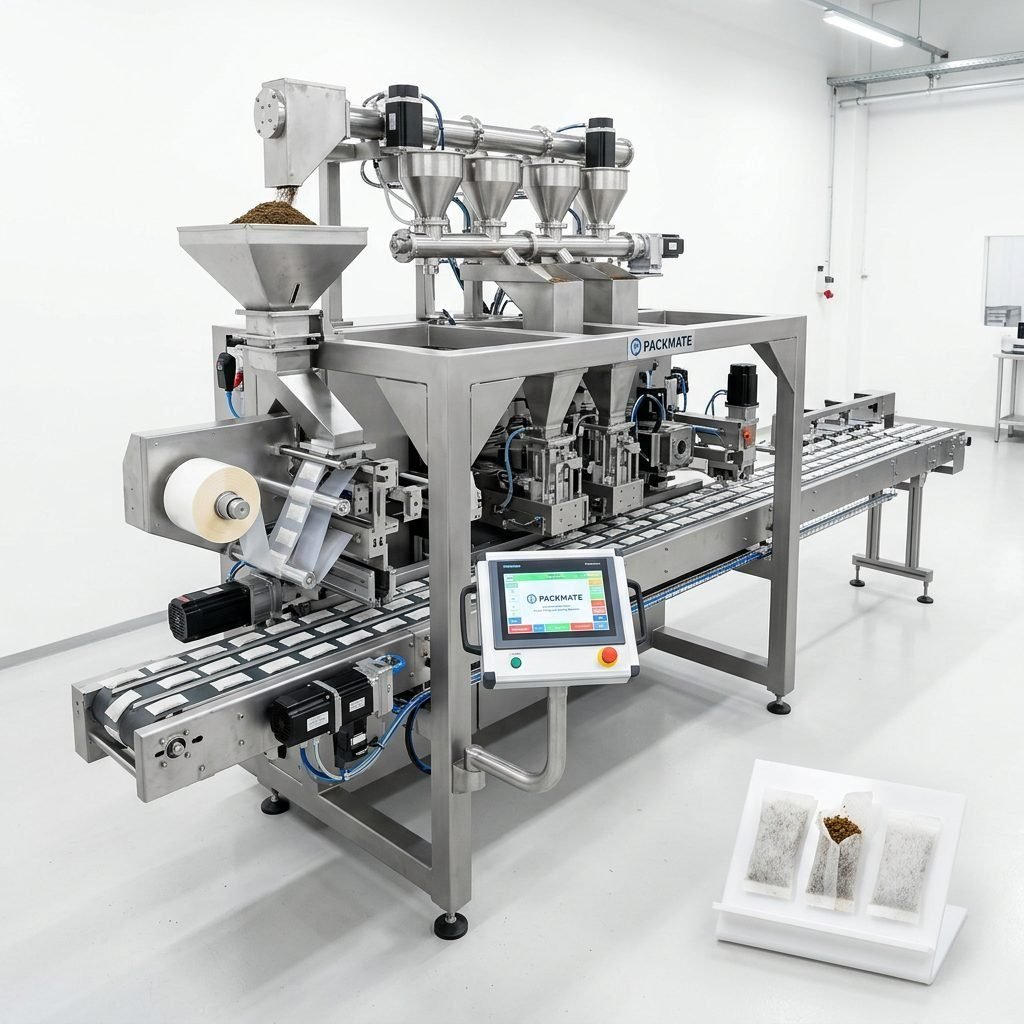
• Integrated weighing & dosing systems that meet small-dose accuracy.
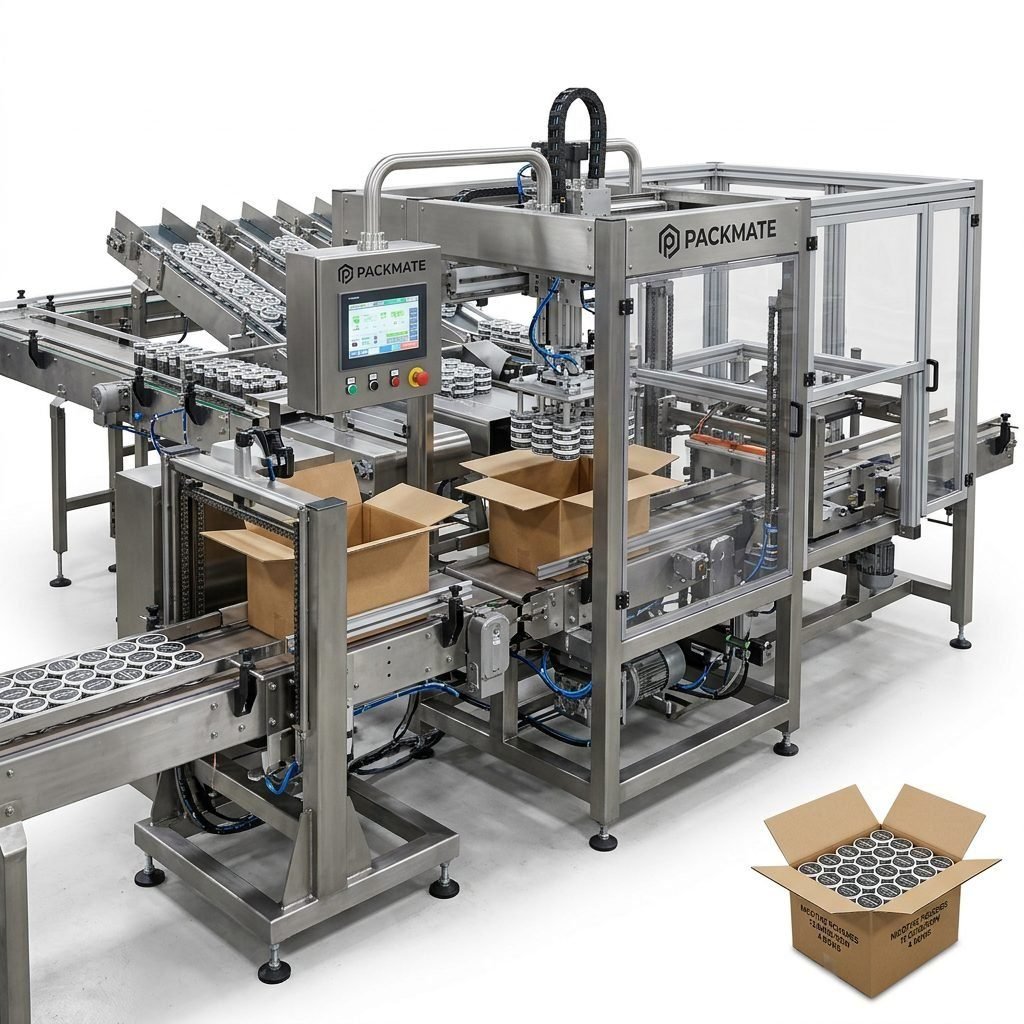
• Automated feeding, counting, and case packing options.
• Customized tooling for your pouch format and flexibility for future SKUs.
Manufacturer example and resources
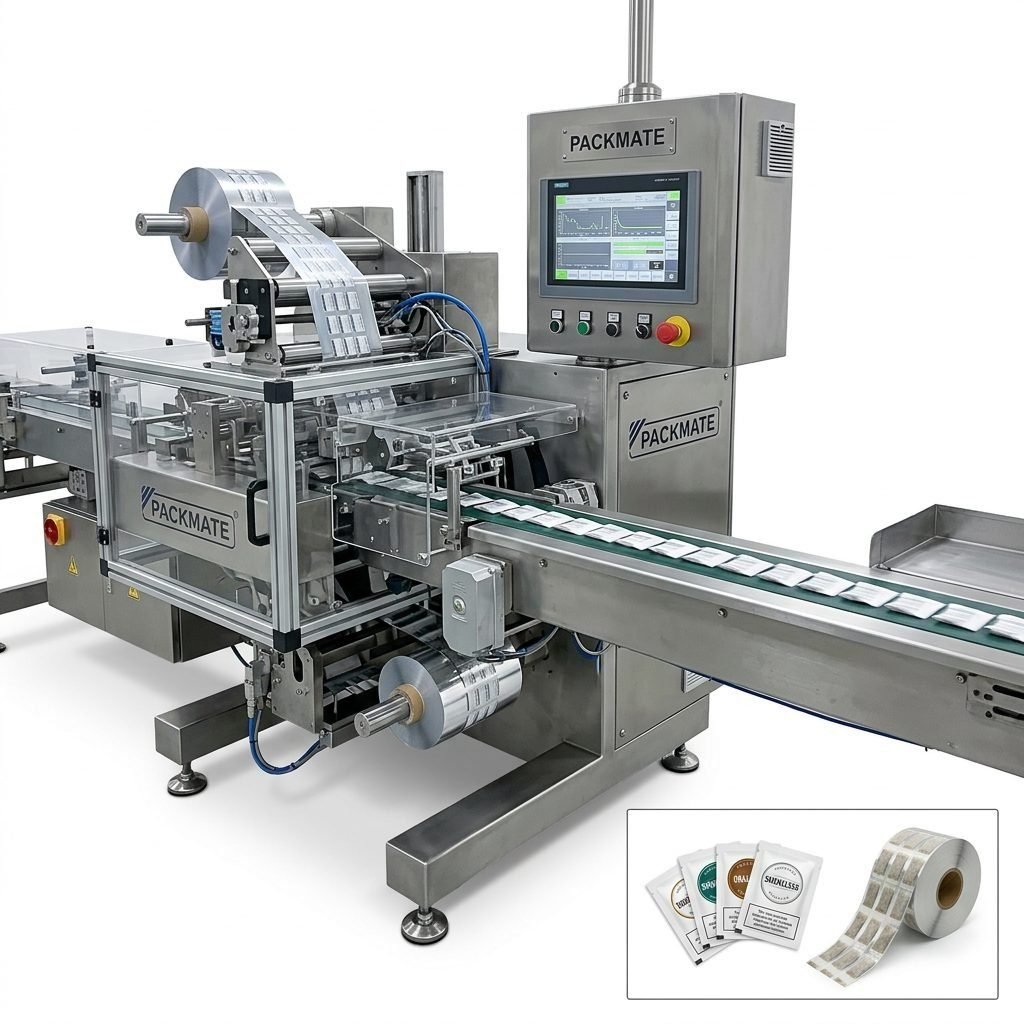
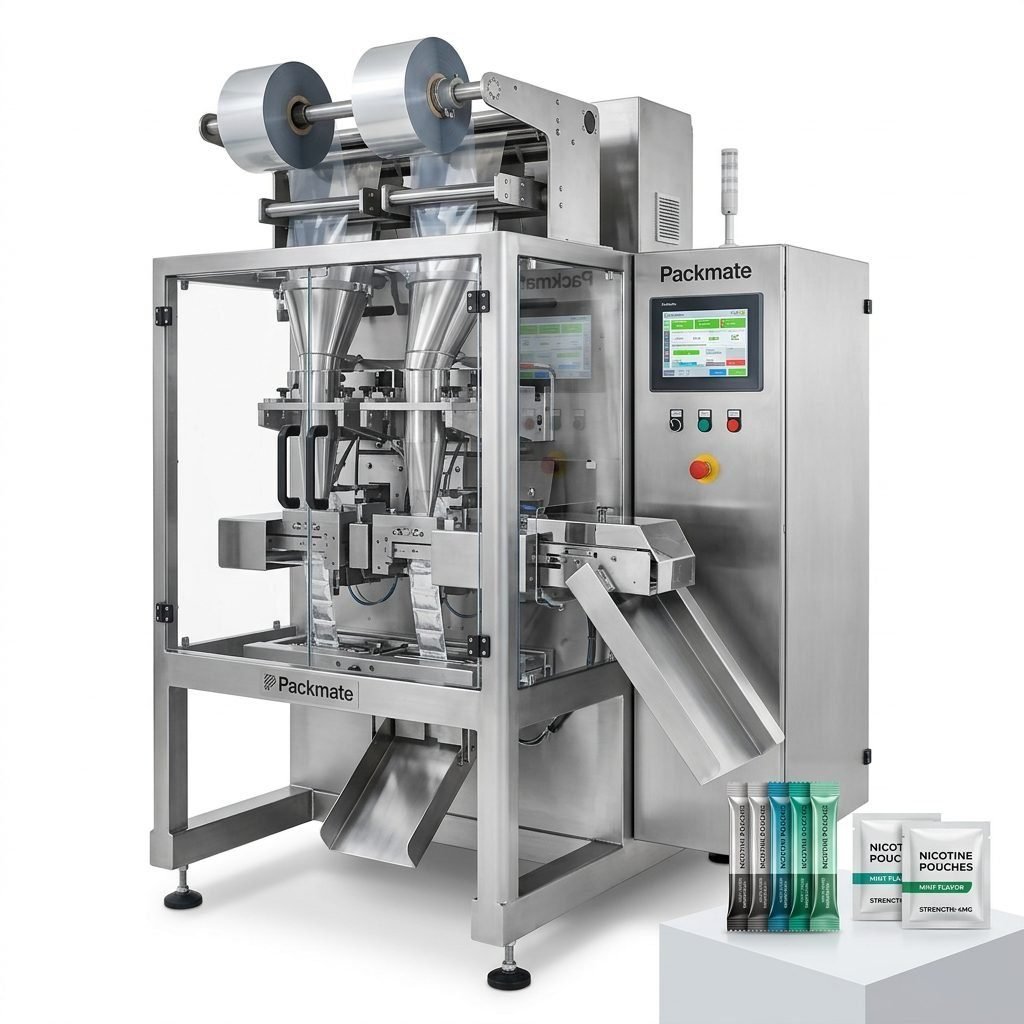
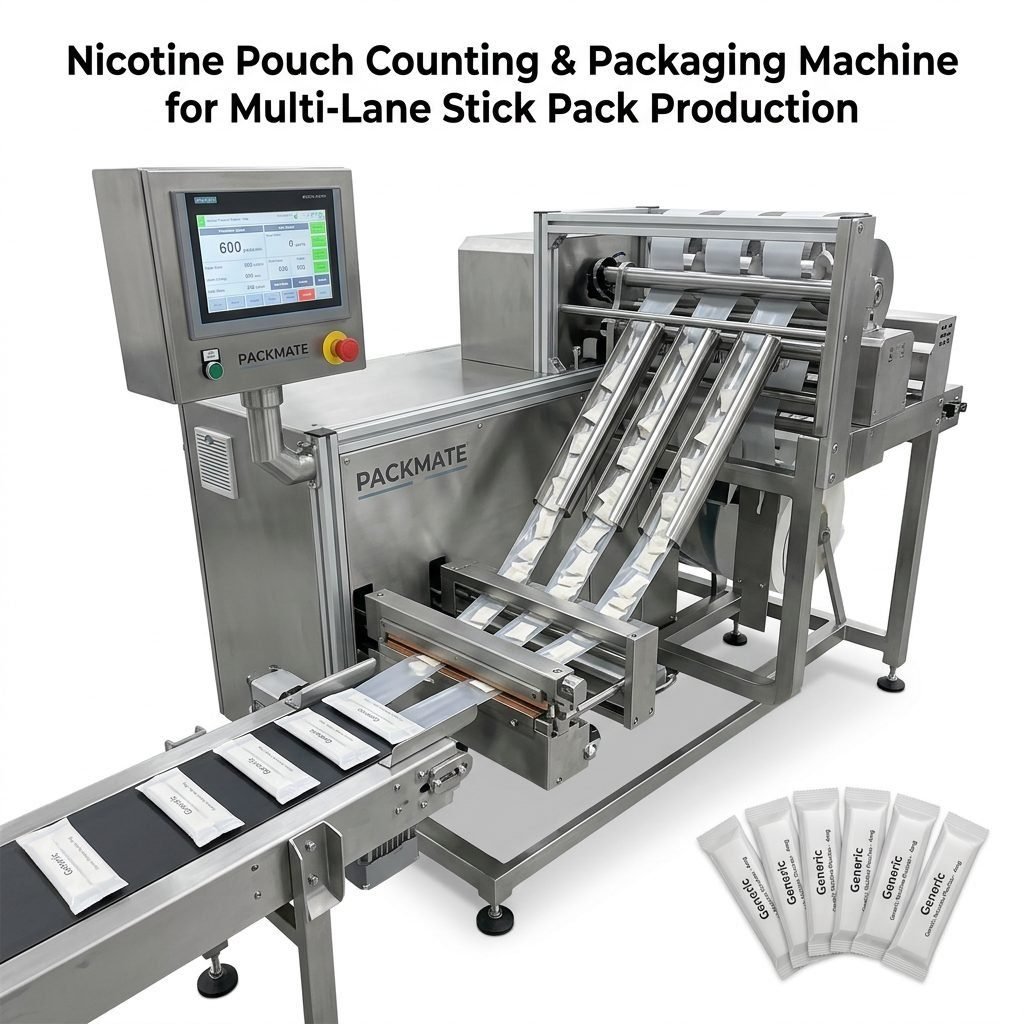
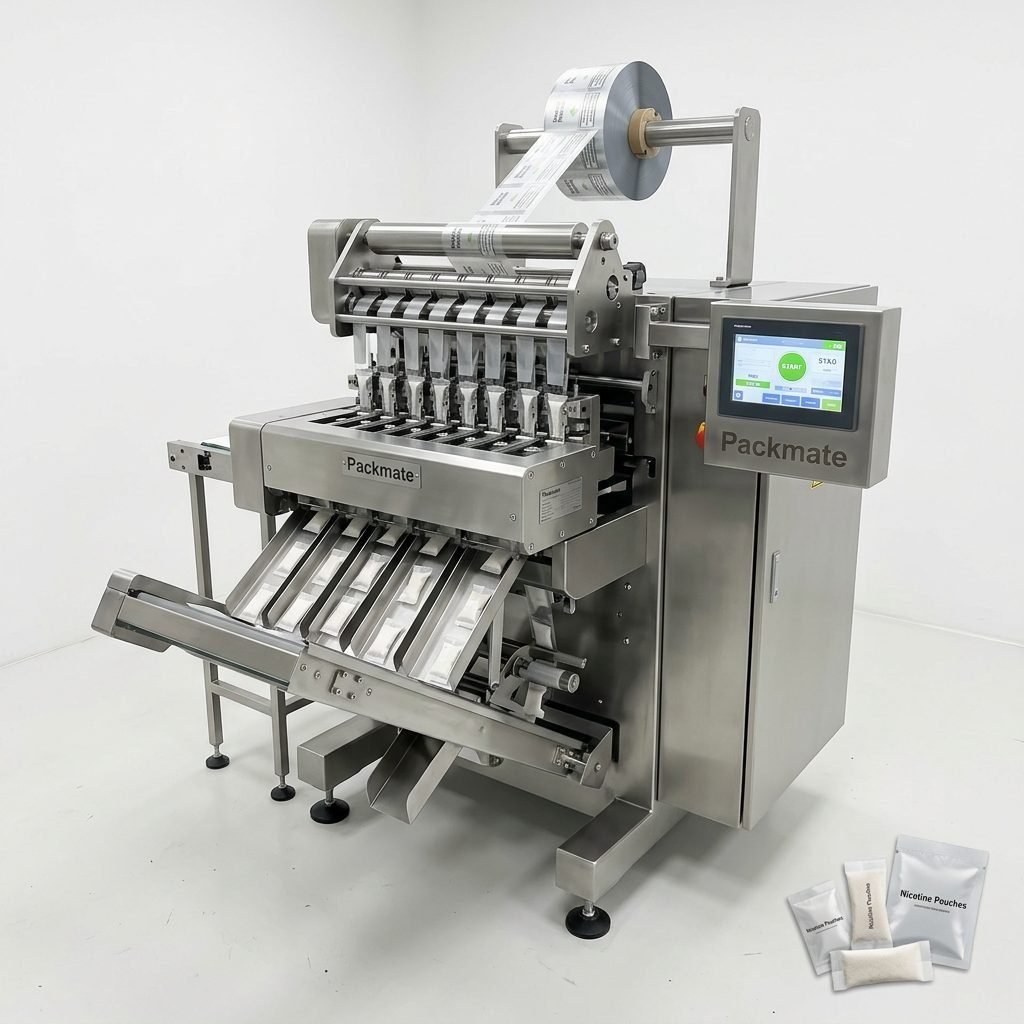
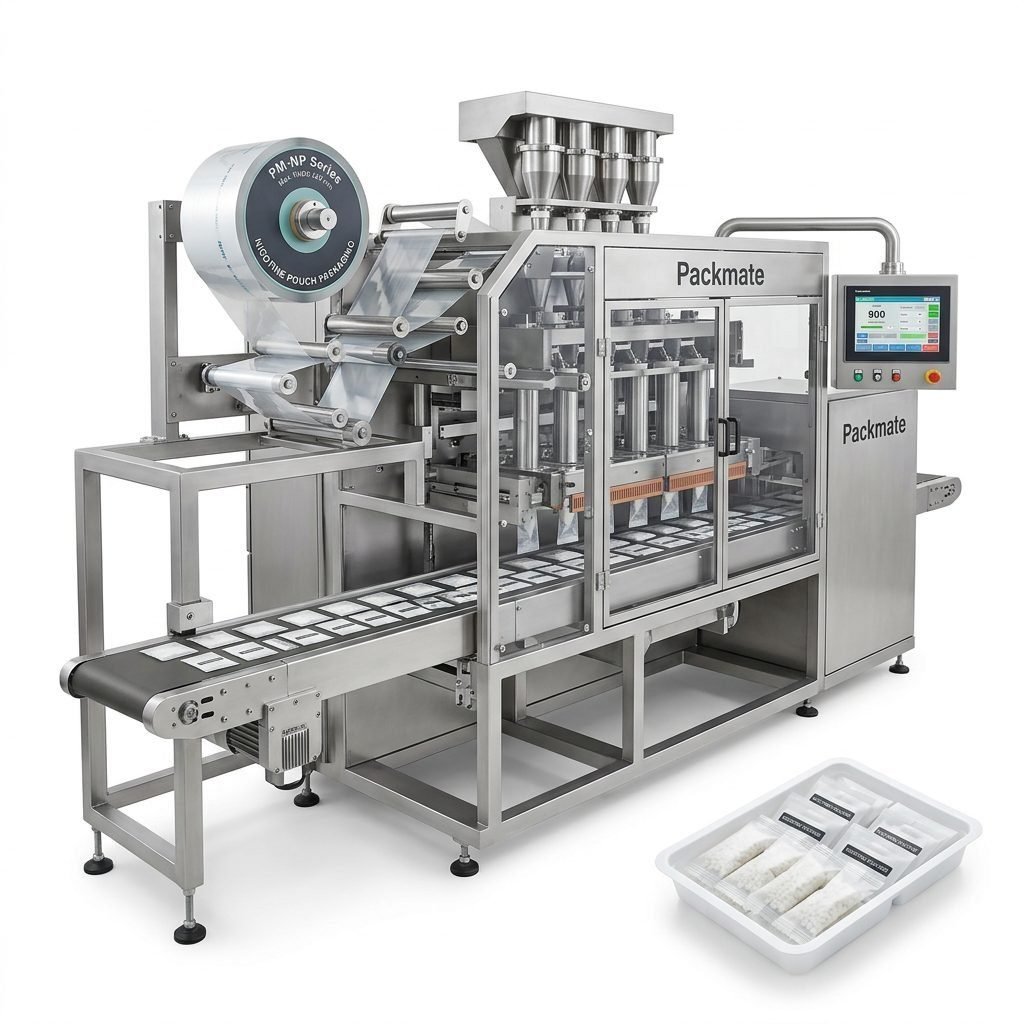
Packmate is a company specialized in snus and nicotine pouch packaging machines with 30+ years of engineering experience and a portfolio of multi-lane, stick pack, and sachet systems. Reviewing manufacturer case studies and product pages can help you confirm they support turnkey projects and have the production muscle for high-volume runs. Explore their product categories to compare machine types: Snus & Nicotine Packaging Machines, Bag & Pouch Packaging Machines, and learn about the company via About Packmate.
Service, Spare Parts, and Local Support in Poland ✅
A machine is only as good as the support network behind it. When choosing a manufacturer, investigate their service footprint in Europe and their spare parts logistics. Faster turnkey commissioning and prompt spare part delivery reduce downtime and protect production schedules.
• Spare parts availability: Ask about local stocking options or express shipping arrangements to Poland.
• Remote diagnostics: Does the machine support secure remote access for troubleshooting? This can save time for teams working in different time zones.
• Training and documentation: Polish operators benefit from clear manuals and on-site commissioning support in English (or local language where possible).
When you speak to vendors, request a standard service agreement and an SLA for spare parts. A 24–48 hour spare part guarantee from a European hub is a major advantage for continuous producers.
Cost vs. Total Value: What to Evaluate Beyond Price
Initial machine cost is only part of the investment. Consider the total cost of ownership (TCO), which includes uptime, maintenance, spare parts, energy consumption, and adaptability to new SKUs. A cheaper machine with frequent breakdowns will be more expensive over a five-year horizon than a robust system backed by proven engineering and quality control.
• Energy efficiency and consumable usage (films, adhesives) affect ongoing costs.
• Automation that reduces manual labor and improves consistency can sharply lower per-unit costs and increase output predictability.
Factory Acceptance Testing, Site Trials, and Acceptance Criteria
Before final acceptance, insist on Factory Acceptance Testing (FAT) where your product is run on the machine for performance verification. A reputable manufacturer will offer FAT and may support Site Acceptance Testing (SAT) once the machine arrives in Poland. Document acceptance criteria that include fill weight accuracy, pouch integrity, speed validation, and downtime limits.
Must-have FAT items:
• Demonstration of multi-lane balancing and consistent fill weights.
• Safety interlocks and emergency stop testing.
Choosing the Right Machine Type for Your Polish Operation
Common packaging formats for nicotine products are stick packs, sachets, and multi-lane small pouches. Your choice depends on consumer preferences, speed requirements, and packaging materials. If you need to serve both domestic Polish markets and export customers, select a versatile platform that supports quick changeovers.
For a closer look at machine categories and matching applications, review product sections such as Sachet & Stick Pack Machines and Weighing & Packaging Systems.
Decision checklist
• Required throughput (units/min) and whether multi-lane is essential.
• SKUs and package formats to be supported in the next 3–5 years.
• Compatibility with local suppliers for films, foils, and pouch materials.
Inspection of Documentation and Certifications
Always verify the manufacturer’s certificates and test reports. CE marking is essential for EU operations, and ISO certifications indicate a formal quality system. Ask for machine drawings, spare parts lists, electrical schematics, and digital manuals to support Polish maintenance teams.
For assurance and transparency, you can also request case studies from the manufacturer: Case.
Negotiation Tips and Commercial Terms
When negotiating in Poland, consider payment terms that balance vendor confidence and buyer cash flow. Common instruments include staged payments keyed to FAT, shipping, and SAT milestones. Also clarify warranty coverage, spare parts pricing, lead-times, and training costs. Ask for a breakdown of optional extras so you can compare apples-to-apples across vendors.
Commercial checklist: FAT and SAT acceptance terms, warranty length, spare parts lead times, and training packages. Consider adding a service contract for the first 12 months to secure fast responses.
Bringing It All Together — A Practical Selection Roadmap 📌
1. Define your production targets and SKUs (throughput, pouch types, lanes).
2. Shortlist manufacturers with proven nicotine pouch experience and EU-compliant certifications. Review product pages such as Filling & Packaging Lines for integrated options.
3. Request FAT with your product and documented acceptance criteria.
4. Verify spare parts logistics and local support, and get a written SLA.
5. Negotiate commercial terms including staged payments, warranty scope, and installation timelines.
Why Choose an Experienced Snus/Nicotine Specialist?
Specialist manufacturers bring decades of accumulated know-how about dosing accuracy, pouch integrity, and process reliability. Companies with dedicated snus and nicotine pouch lines understand the subtle material behaviors and can advise on film selection, sealing parameters, and optimal line speeds. If your project is focused on nicotine pouches and snus alternatives, leaning on a specialist saves time and reduces costly trial-and-error.
To contact a specialist and explore solutions tailored to your Polish operation, consider reaching out via the manufacturer’s contact channels: Contact Us.
Final tips
• Keep a 3–5 year roadmap for SKUs to ensure the line you buy won’t be obsolete.
• Engage your maintenance team early in vendor discussions to ensure the machine is maintainable with available skills.
• Prioritize vendors who demonstrate transparency through FAT, open documentation, and verifiable references.
Frequently Asked Questions
Q1: What certifications should a nicotine pouch packaging machine have for use in Poland?
A1: At minimum, machines should be CE marked and ideally produced under an ISO-certified quality system. Documentation for electrical safety, machine guarding, and hygienic design is essential for compliance and for passing customs and regulatory inspections when exporting within the EU.
Q2: How important is multi-lane packaging for small-dose nicotine pouches?
A2: Multi-lane packaging is critical when you need high throughput while maintaining fill accuracy. For small-dose pouches, it enables higher production rates without proportionally increasing footprint or labor.
Q3: Can I get local service and spare parts quickly in Poland?
A3: Many experienced manufacturers now maintain European spare parts hubs or partner with local service agents. Confirm spare parts lead times during negotiation and consider a service contract that ensures rapid response within Poland or nearby EU countries.
Q4: Should I prioritize turnkey lines or modular machines?
A4: If you need a fully integrated production flow quickly and with predictable performance, turnkey solutions reduce integration risk. Modular machines offer flexibility and potentially lower upfront costs but may require more integration effort and supplier coordination.
Q5: How do I verify a manufacturer’s claims?
A5: Request FAT with your actual product, site references in similar verticals, factory walkthroughs (virtual or in-person), and written performance guarantees. Reviewing case studies and speaking to existing clients provides the clearest validation of real-world performance.