Finding a reliable snus packaging machinery supplier in Monaco requires more than price comparison — it demands an understanding of local market expectations, compliance realities, technical performance and long-term service. This guide walks you step-by-step through researching suppliers, evaluating machine performance, verifying compliance, and ensuring smooth installation and after-sales support so your nicotine pouch or snus production is consistent, compliant and profitable.
Why Monaco Needs a Specialized Approach
Monaco is a unique market: a small, affluent principality with a clientele who expect premium presentation and flawless quality. While the country is closely connected to French and EU trade flows, local buyers pay special attention to aesthetics, discreet packaging and impeccable hygiene standards. When selecting a supplier, emphasize machines that can deliver luxury-grade finishing, repeatable accuracy for small-dose pouches and flexible packaging formats for bespoke designs.
Local customs and regulatory sensitivity
Monaco’s consumers are style-conscious and often bilingual (French and English). Your packaging and labeling workflow should easily support French-language packs and EU-style product information. Also, because nicotine products face heightened regulatory scrutiny across Europe, prioritize suppliers who understand labelling, traceability and hygienic design to simplify import and retail approval.
Snapshot: What Monaco buyers value most
✅ Accurate portion control for premium user experience
✅ High-end pack finishing and customization options
✅ Compact footprint and energy efficiency for small facilities
✅ Quick-access maintenance and spare parts supply
Step 1 — Start with a Targeted Supplier Research
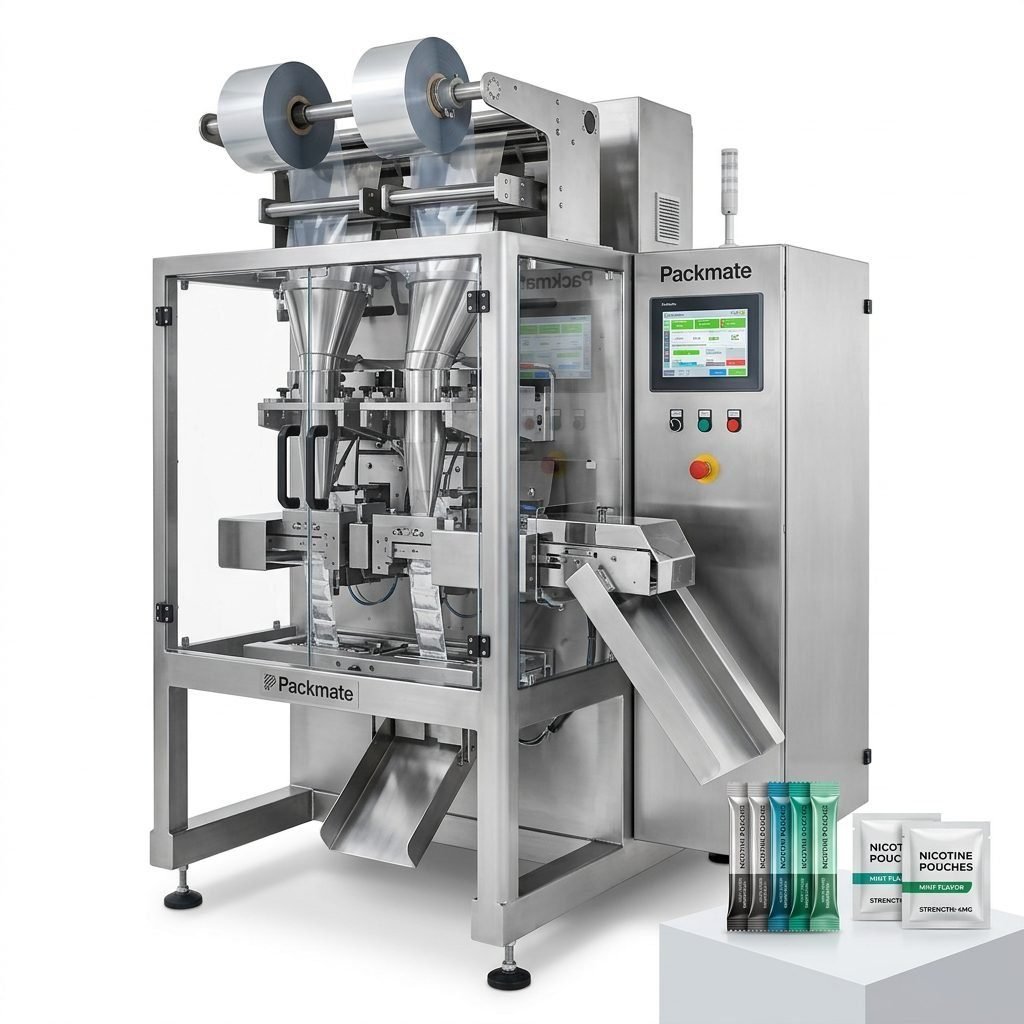
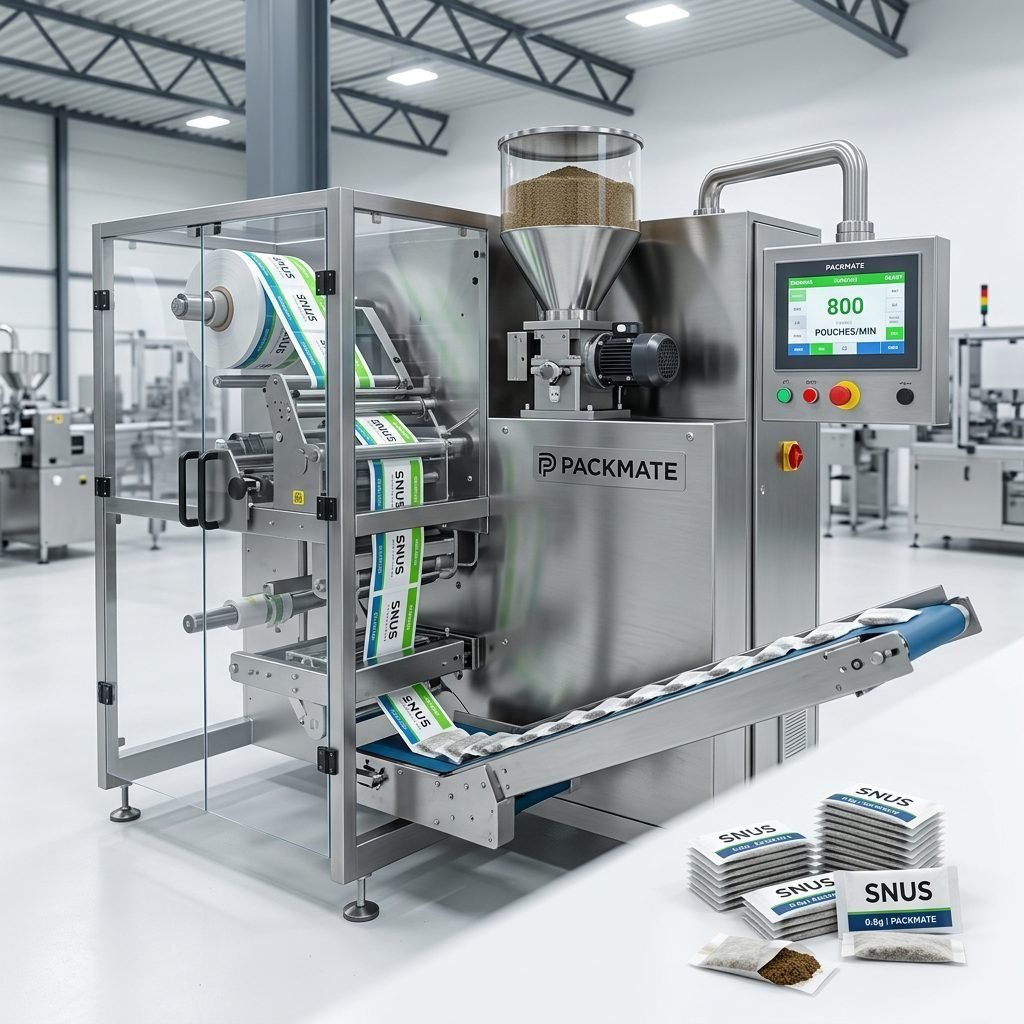
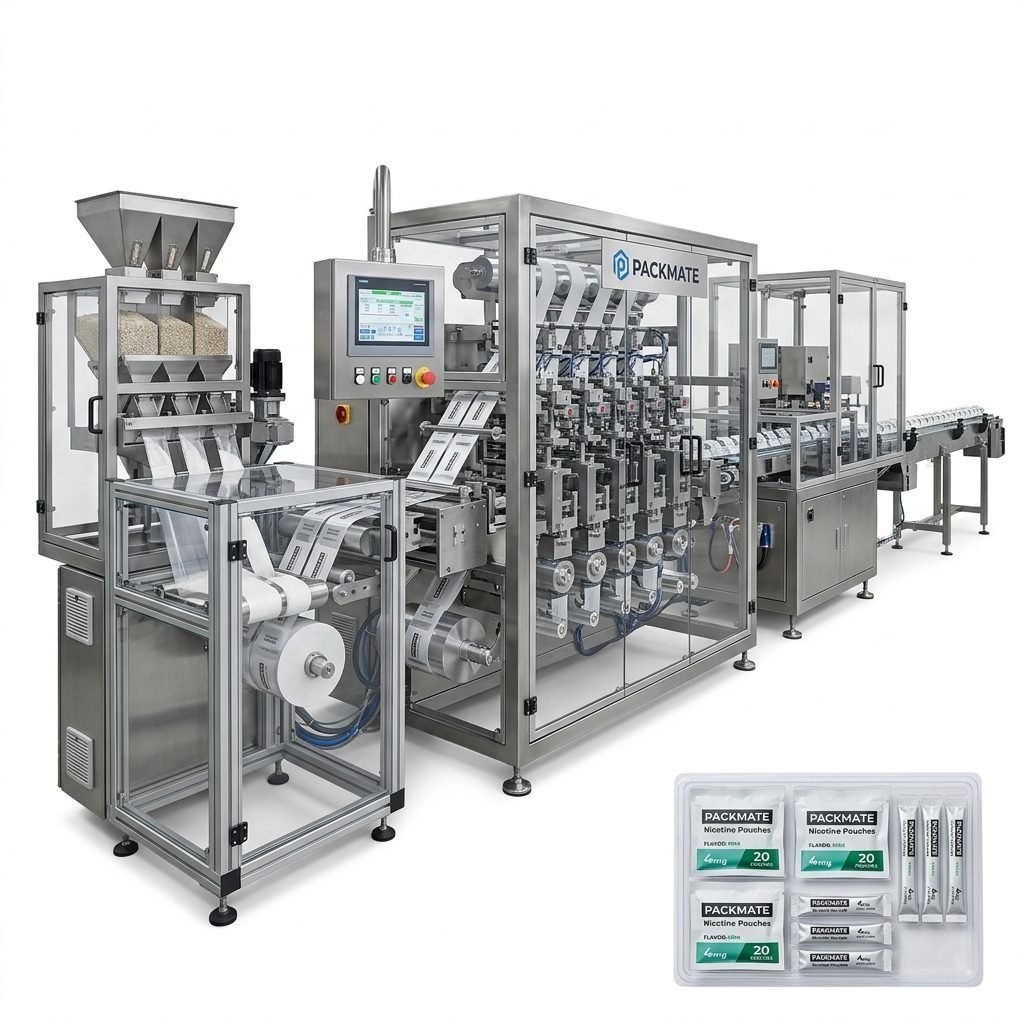
Begin by collecting a list of suppliers that specialize in snus or nicotine pouch machinery. Filter for companies with proven experience in high-precision, multi-lane pouch lines and configurable packaging formats. Useful sources include exhibition attendee lists, industry directories and specialist product pages. For example, Packmate’s Snus & Nicotine Packaging Machines page is a good starting point to understand available machine types and capabilities: Snus & Nicotine Packaging Machines.
Checklist for initial screening
– Years of experience in snus or nicotine pouch packaging (the more, the better)
– Range of machine models (single lane to multi-lane systems)
– Factory capacity and machining capabilities (e.g., advanced CNC centers)
– Certifications such as CE and ISO for global compliance
– Available references and case studies for similar markets
Step 2 — Verify Factory Strength and Certifications
A strong supplier should have visible manufacturing resources: a large, organized factory, modern CNC and assembly lines, and formal quality testing procedures. For example, Packmate’s 20,000㎡ factory and advanced machining centers illustrate the kind of production capacity that supports consistent quality and customization. Always request factory photos, machine test videos and copies of CE / ISO certificates to confirm compliance: Certificate.
Tip: If you can’t visit the factory in person, request a live video tour and a recorded machine run with your specific material and pouch format. This reduces risk and demonstrates supplier transparency.
Step 3 — Technical Evaluation: What to Test
When you evaluate machines, focus on throughput, accuracy, hygiene, and format flexibility. Key technical criteria:
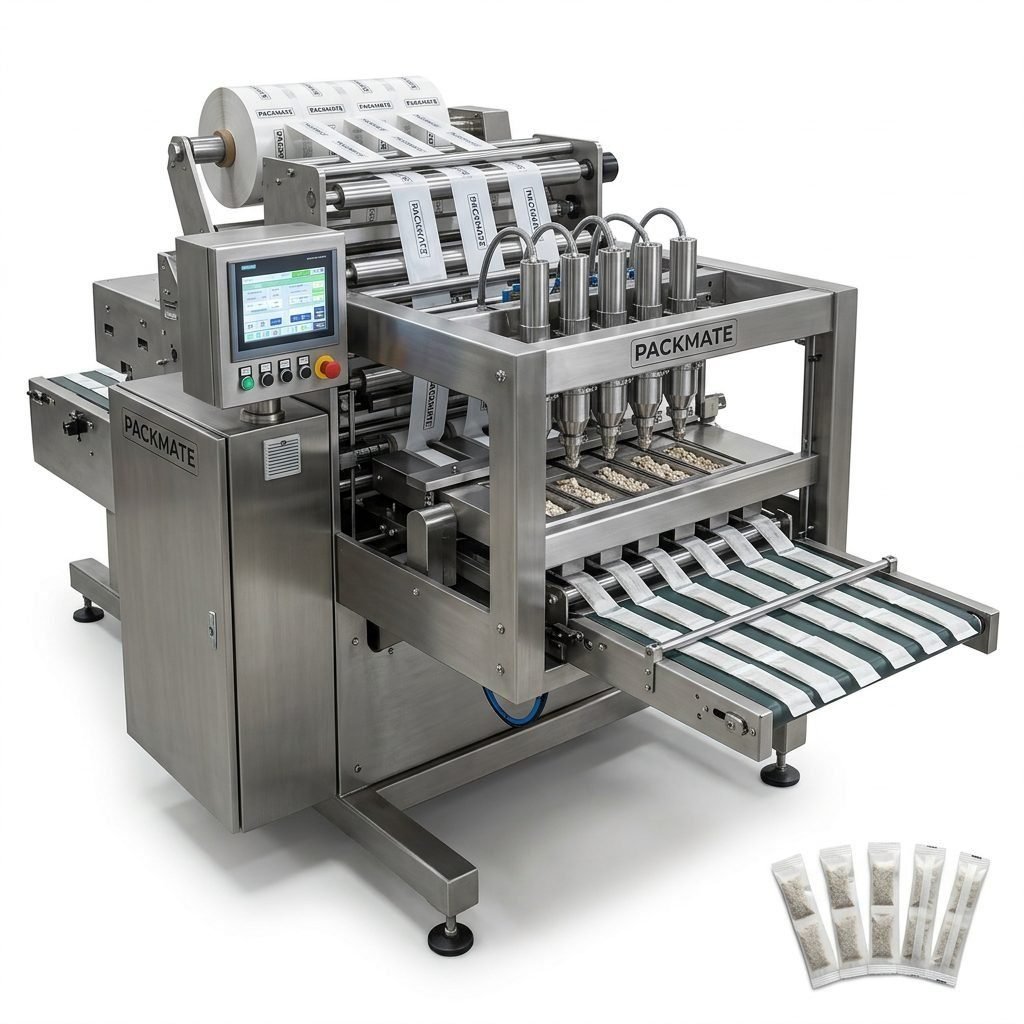
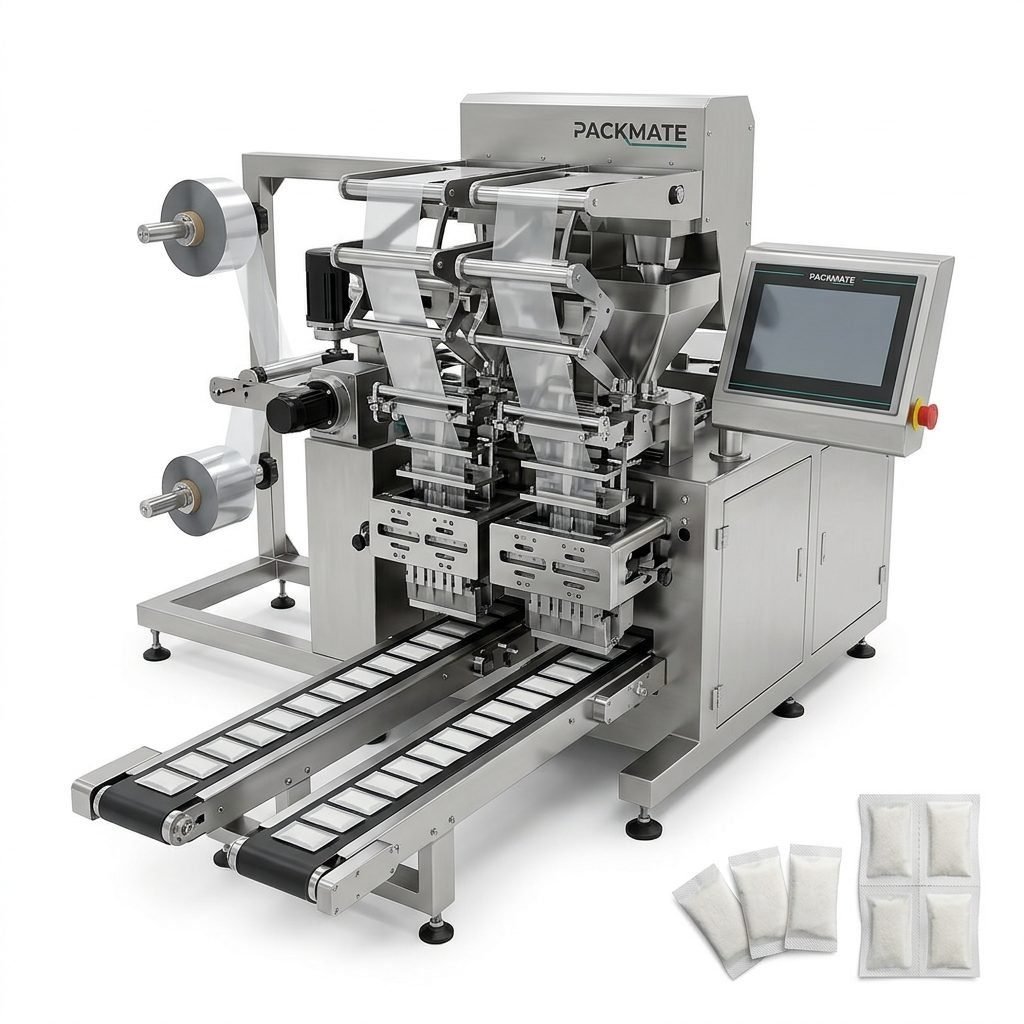
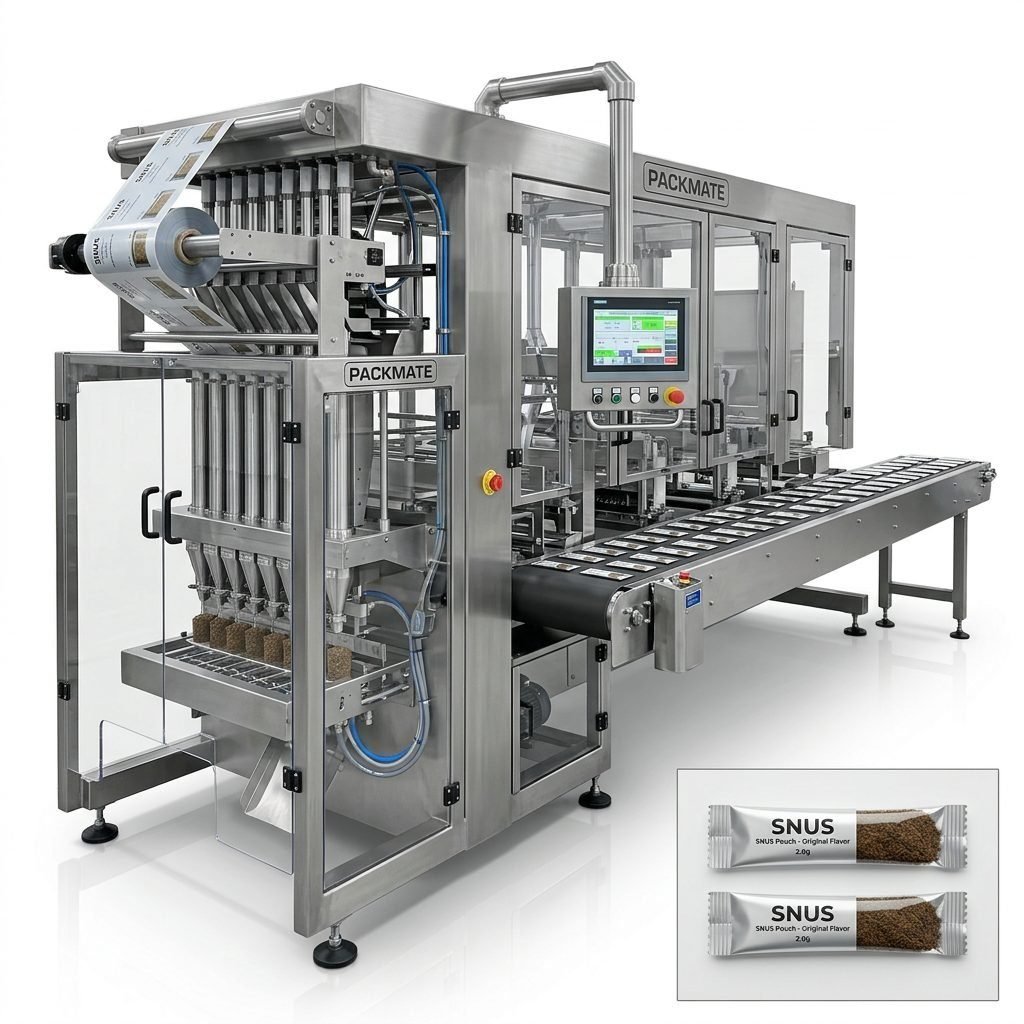
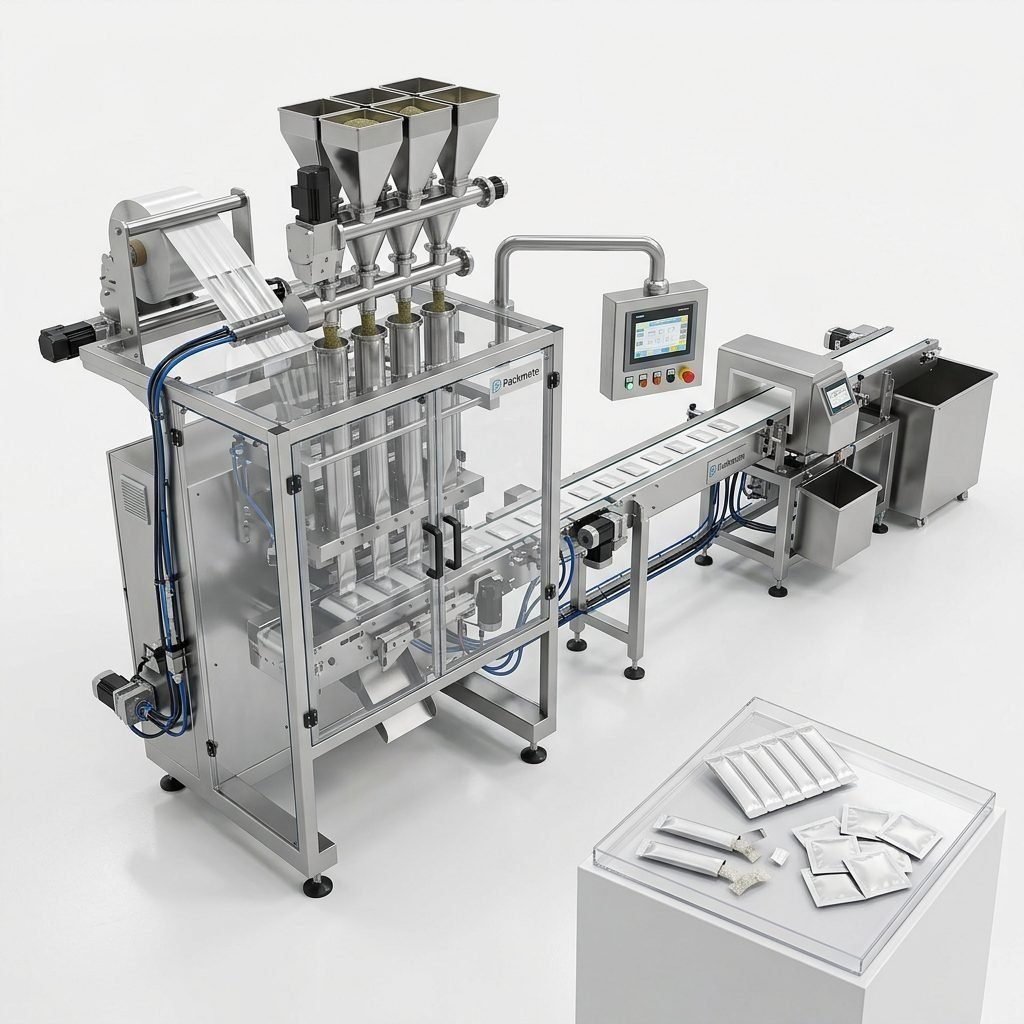
🔍 Throughput and lane scalability: Can the machine meet your target pieces-per-minute and scale across multiple lanes? Multi-lane systems are ideal for small-dose snus where high-volume production is needed in a compact footprint.
🔍 Portioning accuracy: Consistent weight control prevents regulatory trouble and customer complaints. Ask for statistical process control data from the supplier.
🔍 Hygienic design: Stainless steel contact parts, easy-to-clean modules and dust control are must-haves for nicotine pouch production.
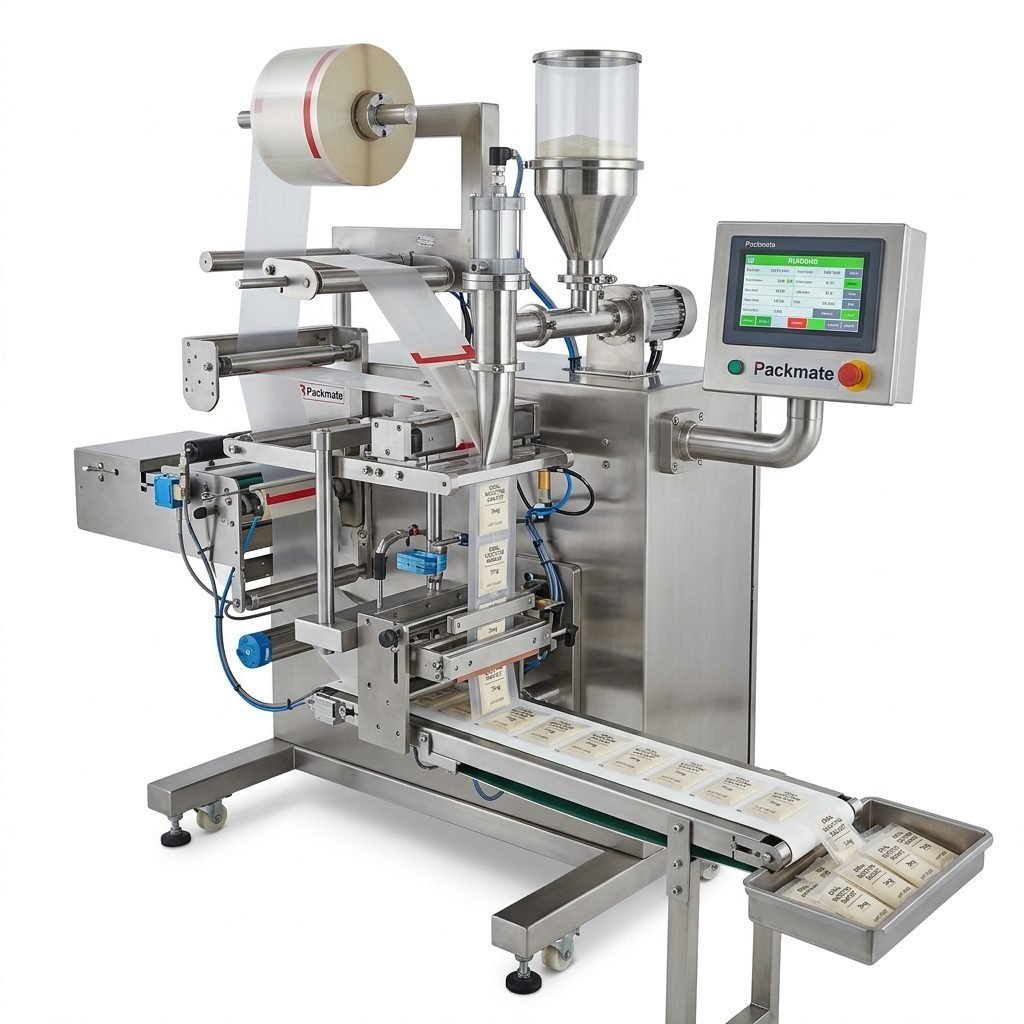
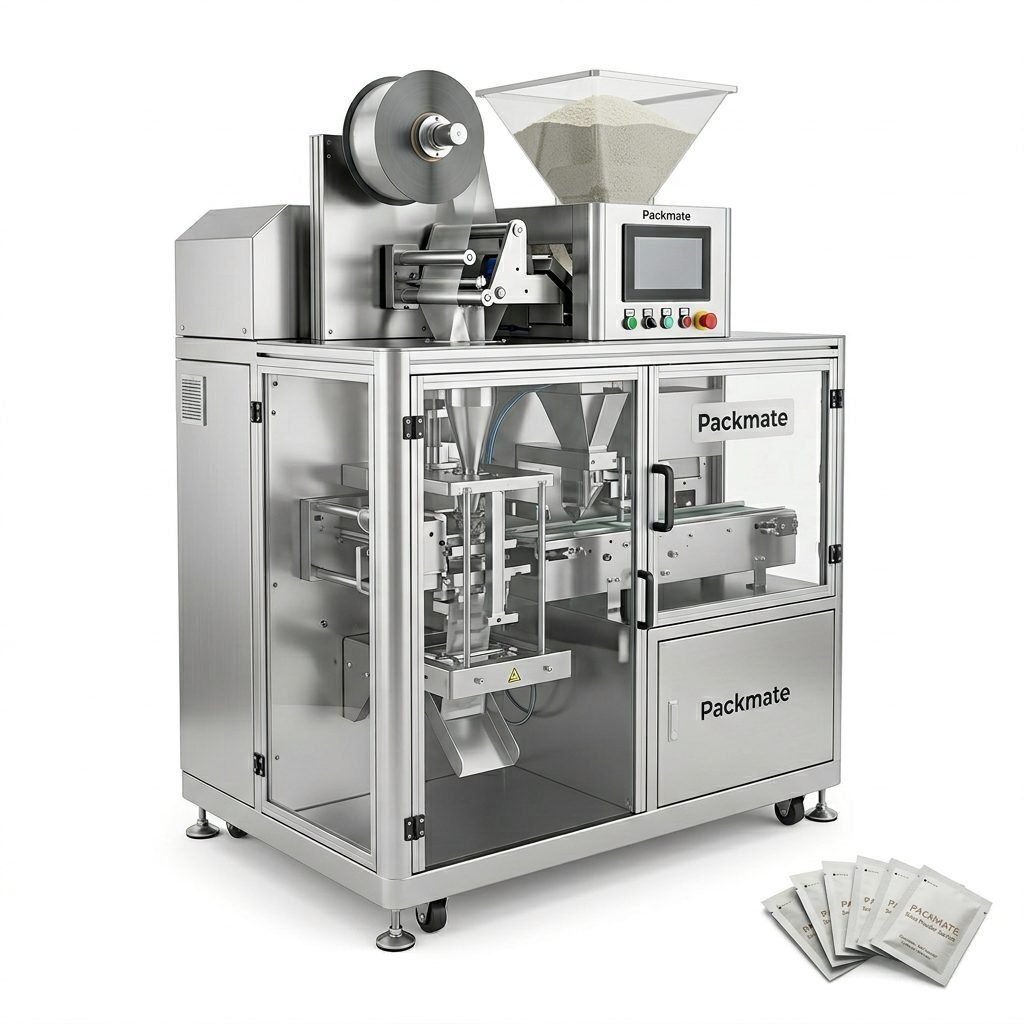
🔍 Format flexibility: Can the machine handle sachets, stick packs and foil pouch formats, or will you need multiple machines? Suppliers often provide modular solutions to reduce costs and space.
Step 4 — Service, Spare Parts and After-Sales Support
After-sales service is where long-term reliability is built. Evaluate the supplier’s spare parts availability, technical training, warranty terms and remote support capabilities. Monaco’s proximity to European hubs makes fast shipping feasible, but you should still confirm lead times for critical spare parts and the supplier’s capacity for remote troubleshooting and on-site installation support.
Key service questions to ask: Do you provide installation and commissioning in Monaco? Is remote PLC support available? What is the spare parts lead time and stocking policy?
Step 5 — Request Samples and Factory Acceptance Tests (FAT)
Insist on production of sample pouches using your actual materials before signing the purchase order. A proper FAT should demonstrate continuous running at target speed, quality inspection results and packaging performance across formats. If travel is constrained, request a recorded FAT and a run with your supplied materials.
What a thorough FAT should include
– Continuous run for a specified time at target speed
– Weight and dimensional sampling statistics
– Ease of changeover between formats
– Demonstration of cleaning and maintenance tasks
– Raw footage and operator commentary
Step 6 — Commercial Terms, Warranties and Lead Times
Negotiate clear terms: machine price, payment milestones, delivery schedule, installation scope, warranty duration and spare parts discounts. A reputable supplier will also offer training for your operators and documented maintenance procedures. Consider including performance acceptance criteria in the contract to protect both parties.
Why Packmate is often shortlisted by buyers
With over 30 years of engineering experience and a portfolio of multi-lane snus systems, Packmate demonstrates many of the strengths buyers look for: extensive model range, factory-scale manufacturing, CE/ISO compliance and global case experience. Explore more about the company and its history here: About Packmate and browse past installations at the case page: Case.
Practical considerations for Monaco-based operations
– Space: Monaco production footprints tend to be compact. Prefer machines with a smaller floor area or modular arrangements.
– Noise and emissions: Neighbourhood ordinances and premium locations require machines with noise dampening and clean operation.
– Discretion and design: Luxury markets need refined outer packaging — check that machines can handle high-quality foil, embossed pouches or custom-sized sachets without compromising speed.
Logistics: Import, Shipping and Installation
Monaco doesn’t have a major cargo airport, but goods transit smoothly via Nice (France) and regional Mediterranean ports. Ensure your supplier manages export documentation, crating for sea/air freight, and coordinates with a local customs broker. Confirm whether the supplier will provide on-site assembly and start-up supervision or remote guidance for local contractors.
Negotiation Tips and Red Flags
– Favor suppliers who offer clear FAT and acceptance testing.
– Ask for references specifically from European or Mediterranean customers.
– Beware of overly aggressive promises on delivery without detailed production scheduling.
– Red flag: no willingness to demonstrate machine runs with your materials or unwillingness to provide spare parts lead times.
Pro tip: Suppliers who participate in international exhibitions are typically more engaged with global compliance and are easier to verify. See upcoming events and past shows on the supplier’s exhibition page: Our Exhibition.
Implementation Checklist Before Production
– Confirm power and utilities match machine requirements.
– Finalize packaging material specifications and sample approvals.
– Schedule operator training and technical handover.
– Set up spare parts inventory for the first 6–12 months.
– Establish remote monitoring and maintenance communication channels.
Useful Resources and Next Steps
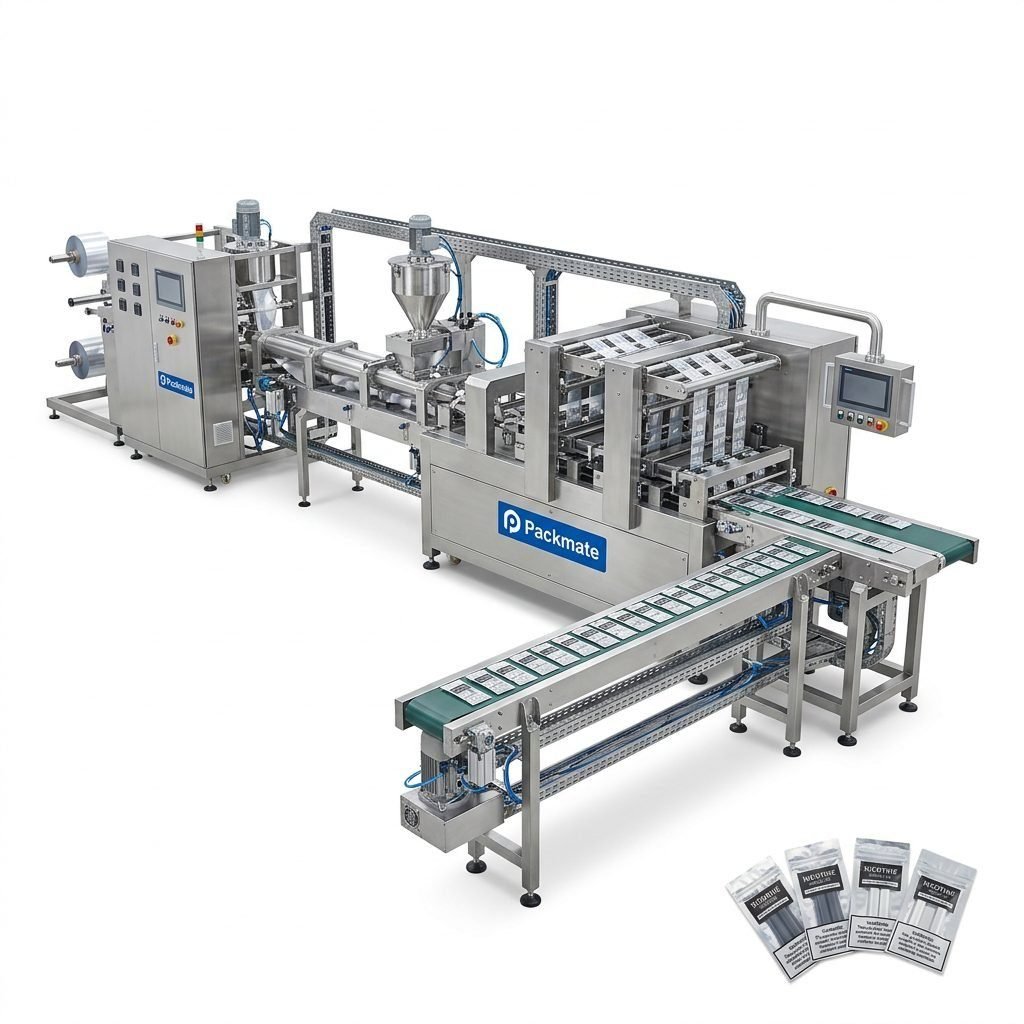
For further product details, check related product lines including Bag & Pouch Packaging Machines, Sachet & Stick Pack Machines and auxiliary systems to plan a full production line:
Bag & Pouch Packaging Machines,
Sachet & Stick Pack Machines and
Auxiliary Packaging Equipment.
Final decision framework
Weigh performance, total cost of ownership, reliability and service responsiveness. A low initial price rarely offsets poor support or frequent downtime. Prioritize suppliers who demonstrate transparent testing, clear warranties and a record of successful turnkey installations.
How to Contact and Validate Suppliers
When ready, request a formal proposal and introduce your expected production schedule, pouch types and target launch date. For direct contact and service information, use the supplier’s contact page to arrange factory visits or online meetings: Contact Us.
Quick recap
In Monaco’s discerning market, success depends on combining precise, hygienic machinery with excellent after-sales support and an eye for premium packaging finishes. Use this guide to screen suppliers methodically, validate technical performance through FAT, and secure a partner capable of supporting your long-term growth.
Frequently Asked Questions
Q1: How important are CE and ISO certifications when buying snus packaging machines?
A1: Very important — they indicate compliance with international safety and quality standards and simplify import clearance and operator safety requirements.
Q2: Can machines be customized for luxury packaging finishes common in Monaco?
A2: Yes. Choose suppliers who offer modular options and finishing stations that support foil, embossing and specialty pouch sizes to match premium retail expectations.
Q3: What lead times should I expect from order to installation?
A3: Lead times vary by order complexity and supplier capacity. Expect several weeks to months; negotiate milestones and request a detailed production schedule.
Q4: How can I reduce risk if I cannot visit the factory in person?
A4: Request recorded FATs, live video tours, operator demonstrations with your materials and references from previous customers in Europe or the Mediterranean region.
Q5: Where can I find examples of completed installations and references?
A5: Check the supplier’s case studies and exhibition pages for real-world installations and performance examples: Case and Our Exhibition.